



Ozark Trail Water Shoes

This category gathers Ozark Trail water shoes for creek crossings, lake edges, pool decks and wet trails. Compare toe coverage, drainage, sole grip and drying time to match a pair to your weekend.

Four water shoes for four different weekends

Ozark Trail Quick-Dry Closed-Toe Water Shoes Built for Creek Crossings and Wet Rock

The closed toe is the point here: it shields your nails on rocky creek beds where a sandal would leave them exposed. Water runs straight through the upper instead of pooling inside, and the outsole holds its footing on wet stone. A sensible pick for weekend outings where you expect to get wet but still want coverage.

Ozark Trail Slip-On AQUA Socks for Pool Days, Sandy Shorelines and Quick Drying Between Uses

Barefoot-style and low bulk, these aqua socks favor feel over protection. The flexible knit moves with your foot and dries quickly between uses, so slipping them on at the water’s edge takes no effort. Families who want basic coverage for sandy shorelines and shallow pool play get an easy, packable option.

Ozark Trail Adjustable Strap Water Sandals with a Secure Heel for Moving Water and Trail Paths

Two adjustment points set this pair apart: straps across the foot plus a heel strap keep it anchored when water pushes against it. Open sides stay cool and dry fast, and the rugged sole still handles gravel paths and boat decks. Campers who cross from trail to water in the same afternoon can wear one shoe all day.

Ozark Trail Kids' Water Shoes Made for Splashing, Wading and Dock Play at the Lake or Pool

Little hands manage the pull-on design without help, which matters at a busy pool or dock. The grippy sole helps on wet, slippery surfaces, and the closed upper keeps growing toes covered without a heavy build. For parents who want affordable everyday protection the kids can put on themselves, this is an easy default.

Ozark Trail Lace-Up Hiking Water Shoes for Uneven Trails and Full Stream Submersion

Sturdier than a beach shoe, this pair handles the uneven path before you reach the water. The lace-up upper supports your foot on loose ground, while drainage and quick-dry materials deal with full submersion. Day hikers avoid carrying two pairs, trading a little extra bulk for one shoe that covers the whole day.
More ways to choose

Three more pairs sorted by real conditions

Ozark Trail Drainage Mesh Water Shoes for Kayaking, Tubing and River Trips That Pack Down Small

Drainage ports flush water out with every step, which matters when your feet stay submerged for long stretches on a river trip. The mesh-heavy build dries fast and rinses clean at the end of the day, then packs down small enough to tuck into a daypack for the drive home. Kayakers and tubers get a shoe that keeps working in constant water.

Ozark Trail Warm-Lining Beach Water Shoes for Cool Water and Early Morning Beach Trips

When the water is colder than the forecast suggests, bare feet on wet sand can end a morning early. A soft lining adds warmth without much bulk, and the outer build still drains and dries after a swim. Campers who head out before the day warms up get comfort that does not cost them quick drying.

Ozark Trail Water Shoe with Secure Bungee Lacing for Busy Water Park Days and Boat Ramps

One pull cinches the bungee tight, and a quick release frees the shoe when it is time to dry off. That speed suits busy water park days, boat ramps and crowded beaches where you are constantly on and off your feet. For casual outings where fuss matters more than a locked-in technical fit, this is the straightforward pick.
Who these serve best

Trips and tasks this footwear handles well

These shoes cover the moments between sitting still and getting wet: the walk from camp, the slippery dock, the paddle out and the walk back. Match the pair to the ground you cover and how long your feet stay in water.

Weekend camping and lake trips

Short trips over mixed ground — sand, gravel and wet rock — reward a pair that drains, dries and protects. One shoe covers the walk from camp to the water, with no barefoot stretch across rough or hot surfaces.

Pool days and water parks with kids

Busy decks are slippery and crowded, so grippy soles and a shape kids can manage themselves matter more than technical specs. Quick-dry materials mean everyone is back in the car without wet feet for the whole drive.

Kayaking, tubing and long river days

Feet stay submerged for hours, so drainage volume and a secure fit matter more than insulation. Mesh that flushes with each step keeps shoes from getting heavy, and a low-bulk pair fits a daypack for the paddle out.

Four factors shape this choice: how much toe coverage you need, how much water sits in the shoe, how much support the sole gives, and how warm the lining feels. Shift one and a different pair becomes the better buy.

What decides the right pair for your trip

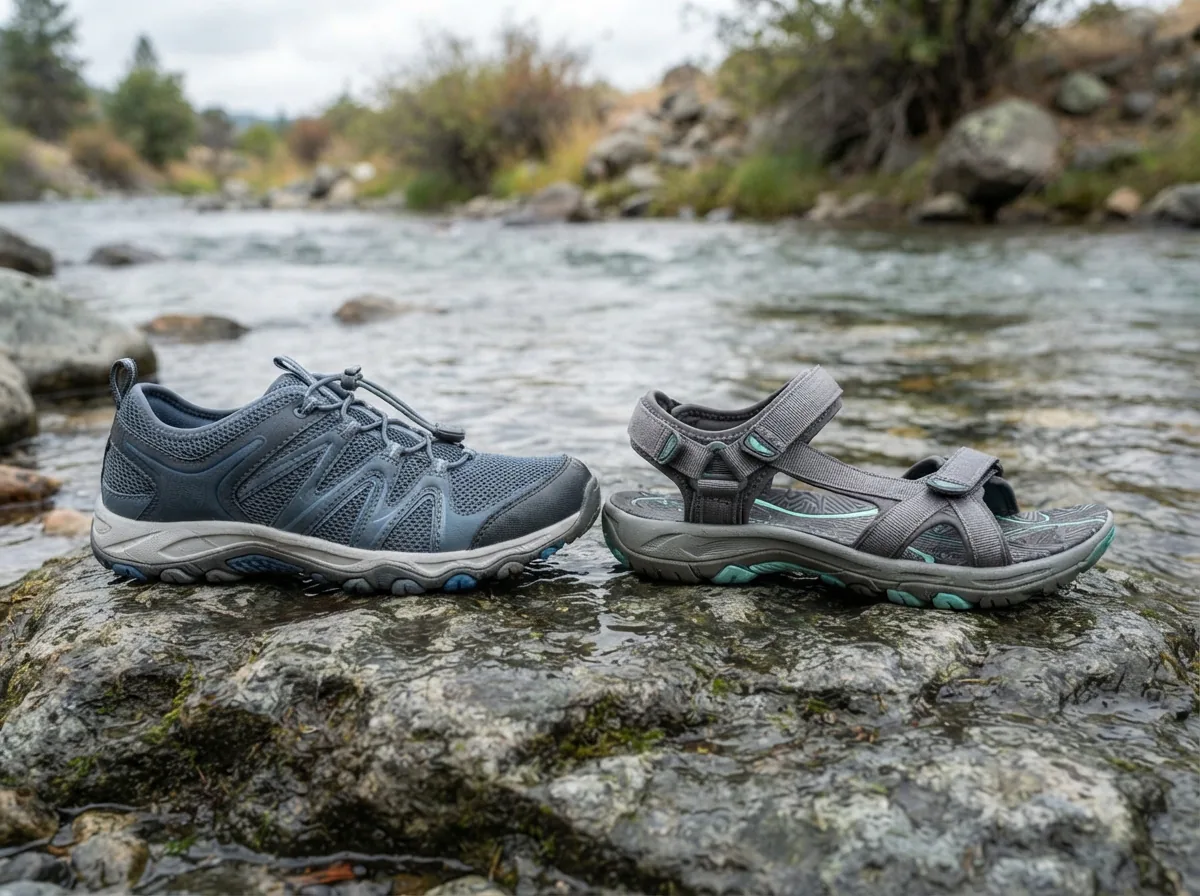
A closed-toe water shoe and an open strapped water sandal side by side on a flat river rock for comparison
Toe coverage and protection

Closed toes shield nails on rocky creek beds, while open styles stay cooler and dry faster. If your route includes rough ground, coverage wins; if the walk to the water is short and smooth, an open build is lighter.

Drainage and drying speed

Drainage ports and mesh flush water out with each step, which matters when feet stay submerged on a river trip. Faster-drying knits suit short pool wades and feel lighter, so match the flow to how long you expect to be wet.

Sole grip and trail support

A rugged outsole handles gravel paths and wet rock, and a lace-up upper supports uneven ground. Softer, flatter soles feel more flexible in shallow water but give less underfoot on the walk back to camp.

Warmth, weight and fit feel

A soft lining takes the chill off early-morning water without much bulk, while barefoot-style socks stay light and low profile. Weight also affects packing: a low-bulk pair disappears into a daypack more easily.

Find your subtype

Four water shoe types and how to tell them apart

The category splits by how much of the foot is covered and how the shoe stays on. Start with the setting — creek bed, pool deck, boat ramp or trail — then narrow by drainage, grip and support until one build clearly fits.
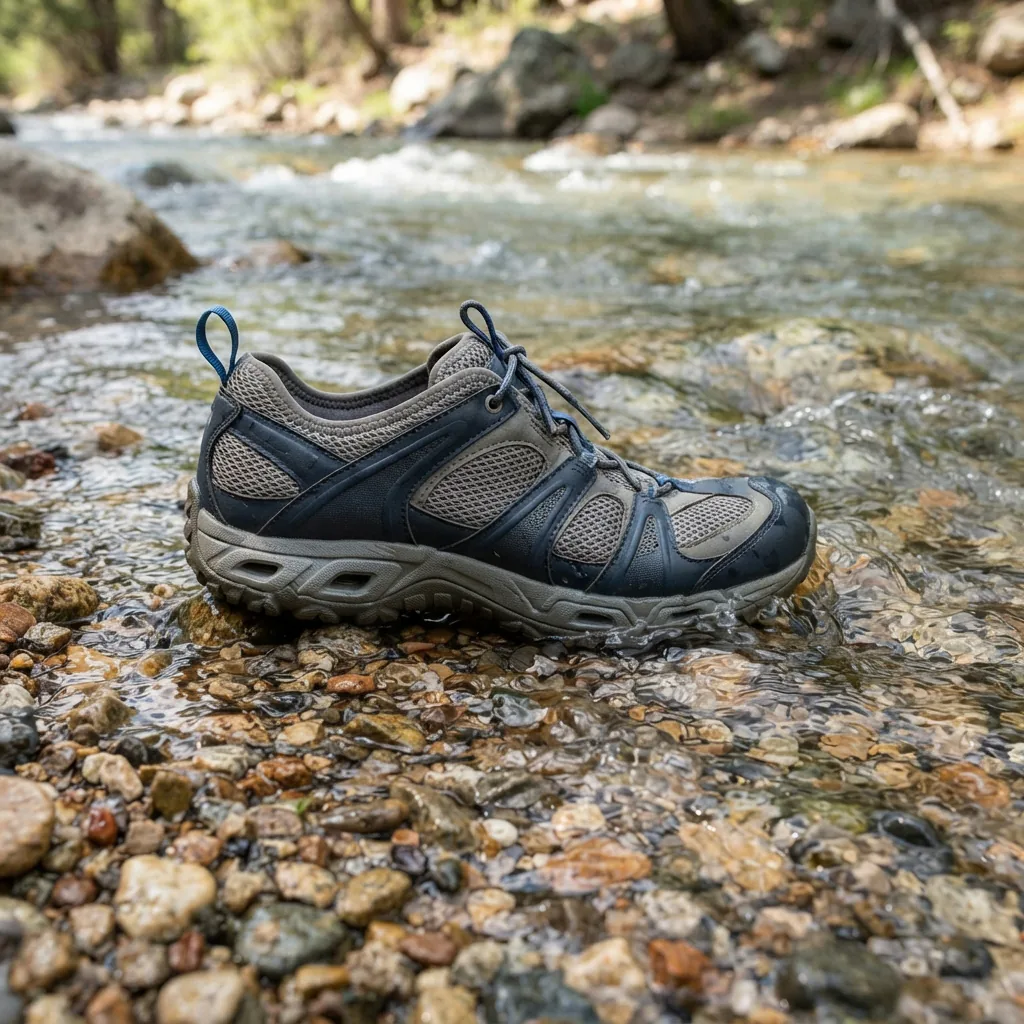
A single closed-toe water shoe standing on sharp river gravel with water flowing around it

Closed-Toe Coverage

Best where the ground is uneven or sharp: rocky creek beds, gravel paths and boat decks. Coverage costs a little airflow and adds seconds to drying, but it stops the stubbed toes that end a walk early.

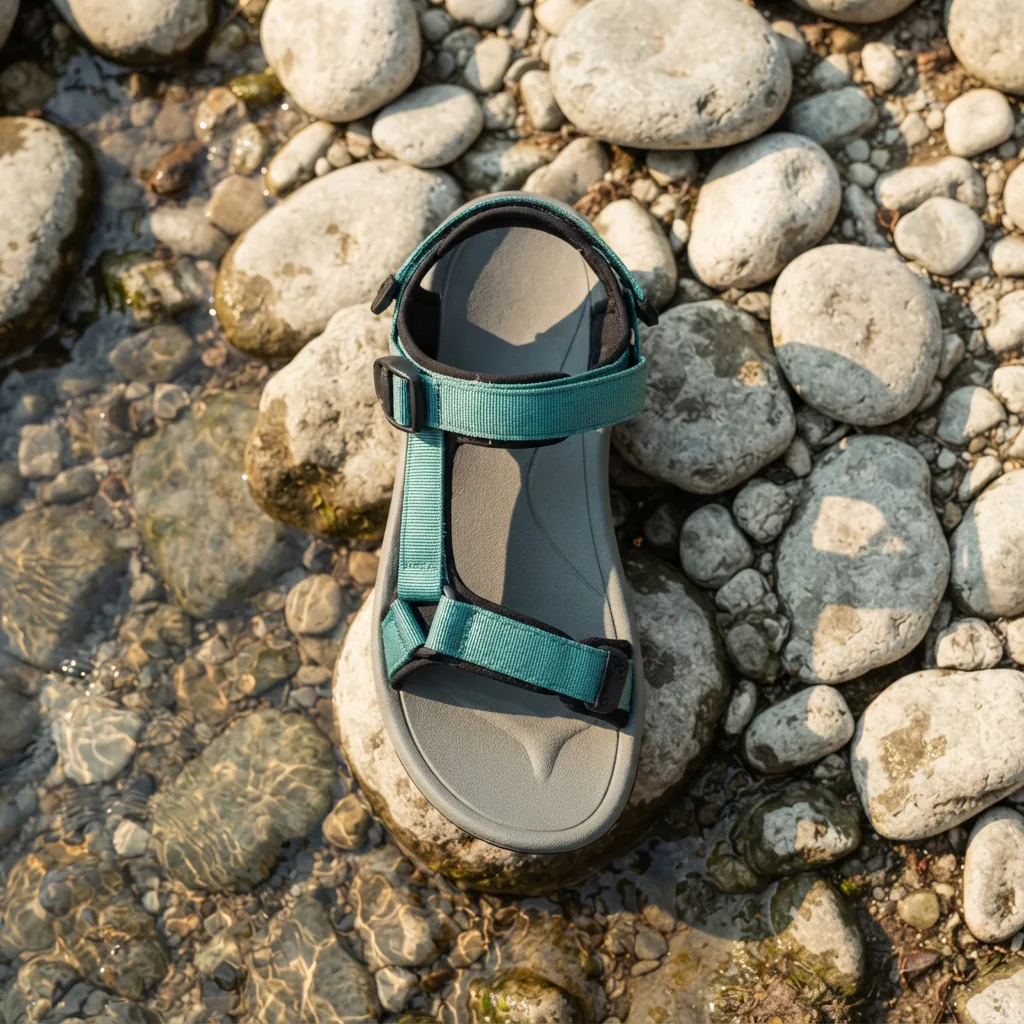
One open strapped water sandal lying on smooth sunlit stones beside shallow water

Open Strapped Sandals

An open build moves the most air and dries almost instantly, and a heel strap keeps it anchored in moving water. Go this way when the walk to the water is short and the surface underneath is forgiving.

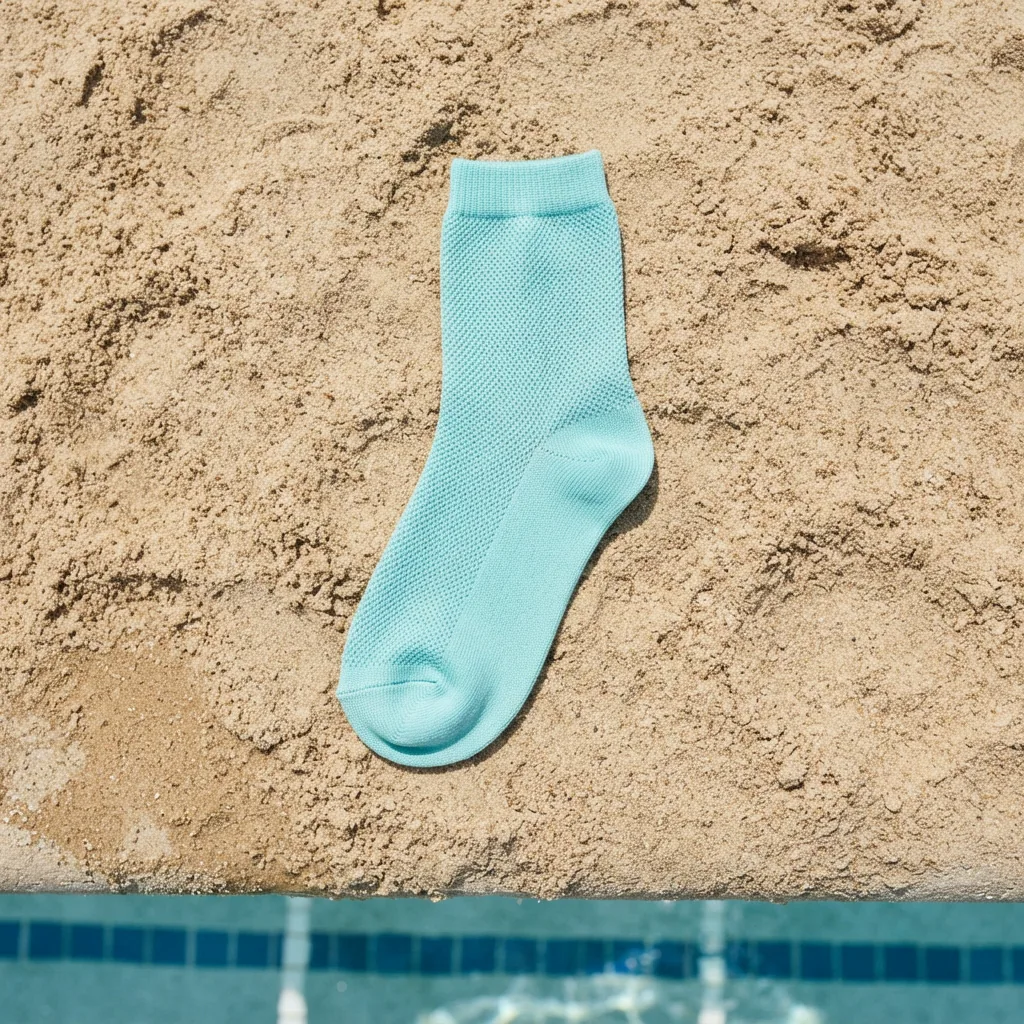
A flexible knit aqua sock laid flat on dry sand at a pool edge

Barefoot-Style Aqua Socks

The lightest option: a flexible knit that moves with your foot and dries quickly between uses. Protection is minimal, so it suits sandy shorelines, shallow pool play and packing light more than rocky rivers.

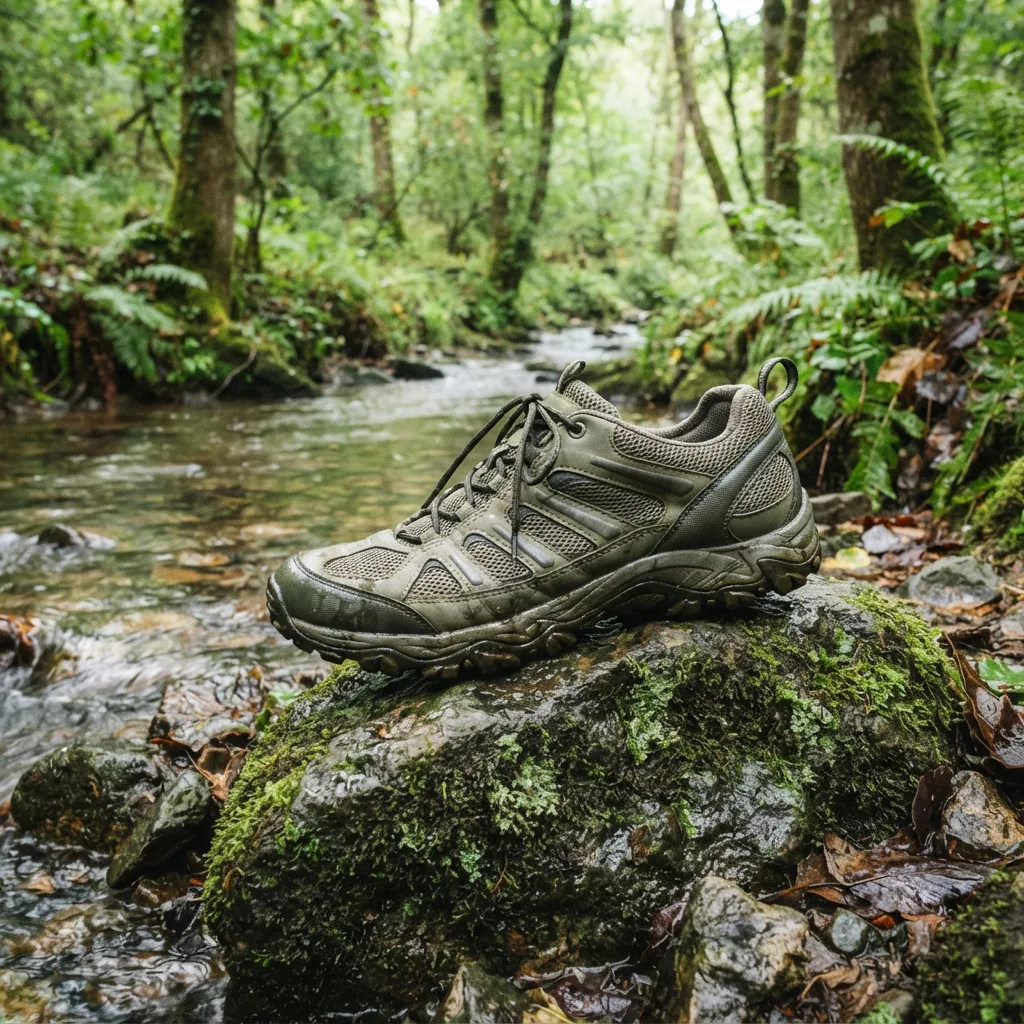
A lace-up water shoe planted on a mossy trail stone at the edge of a creek

Hiking-Ready Lace-Ups

Choose these when one pair has to cover both the path and the water. The sturdier build supports uneven trails and still drains after full submersion, at the cost of some weight in your pack.

What shoppers report

First-person notes from real water days

Shoppers describe the small moments that decide a trip: toes untouched on rock, water draining instead of sloshing, kids managing their own shoes, and footwear ready to leave when the day ends.
We spent two days on rocky shoreline and I never had to think about my feet. Water drained out instead of sloshing around inside, and the grip held on the wet boat ramp. By the second morning the pair was dry enough to throw straight into the car, which is exactly what I hoped for at this price.
Decorative customer review avatar icon 1
Dana R.
Wore them for a full weekend at the lake
The trip started on a loose, root-covered path and ended at a crossing, so I wanted one shoe instead of two. Support on the descent was better than I expected for the money, and the pair dried on the drive home. They are not as light as premium options, but they did the whole job.
Decorative customer review avatar icon 2
Marcus T.
Packed one pair for trail and creek
Getting children into their shoes at a busy pool used to eat up ten minutes. The pull-on style changed that, and they manage it themselves now. The soles have held up on slick deck tiles, and after a summer of use everything still looks fine, which is all I needed at this price.
Decorative customer review avatar icon 3
Priya S.
Bought three pairs for the kids
I wanted something that would not complain about gravel or a sudden rain. After a few weekends the drainage still works and nothing has come loose, though I can see where the materials will wear first. For the cost of a short-trip setup, that honest trade-off is fine by me.
Decorative customer review avatar icon 4
Chris W.
Uses them for weekend creek hikes
Questions before you buy

Honest answers on fit, drainage and lifespan

Closed toes protect nails and skin on rocky creek beds, gravel paths and boat edges. Open sandals dry faster and feel cooler, but leave toes exposed. Choose coverage when your trip includes rough ground, and choose an open build when the walk to the water is short and smooth.
Drainage ports and mesh uppers flush water out with each step, which helps on kayaking, tubing and river trips where feet sit in water for long stretches. For a short wade at a pool edge, a faster-drying knit is enough and feels lighter on the foot.
A lace-up build with a sturdier sole bridges both: it supports uneven paths, then handles full submersion. Lighter beach shoes give less support on loose ground. If the trail leads to the water, a hiking-style pair saves you carrying two pairs of footwear for the day.
Look for a grippy sole around docks and water parks, a pull-on shape kids can manage themselves, and coverage that still fits growing feet. You will replace them sooner than adult pairs, so an affordable everyday option usually makes more sense than a heavy technical build.
Reviewers have called Ozark Trail gear a reasonable buy for short trips while noting it may not last as many years as top-end alternatives. Treat these as dependable weekend gear: expect solid performance across a season or two of regular use, then reassess.
A soft lining helps on cooler water and early-morning beach trips, when wet sand feels cold underfoot. In warm conditions it adds little and can feel bulky, so save it for shoulder-season mornings or mountain lakes where the water stays brisk well into the day.
Keep reading

More on choosing gear for wet weekends

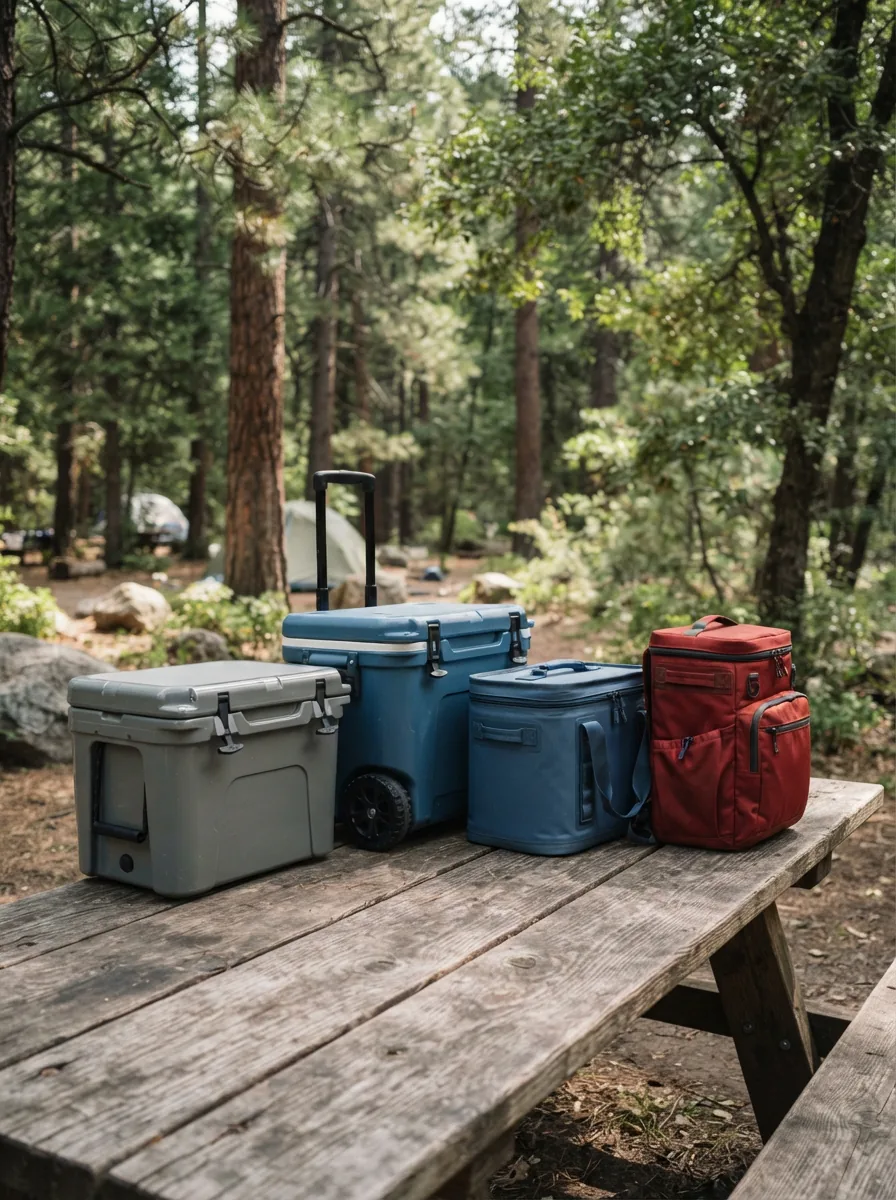
Hard-sided and soft-sided Ozark Trail coolers arranged on a wooden picnic table at a wooded campsite
Admin
Ozark Trail Cooler

Compare Ozark Trail coolers by size, shape and how you carry them, from hard-sided chests that hold ice for a weekend to soft totes and backpack coolers for a day out. Each option below shows capacity, format and the trip it fits best.
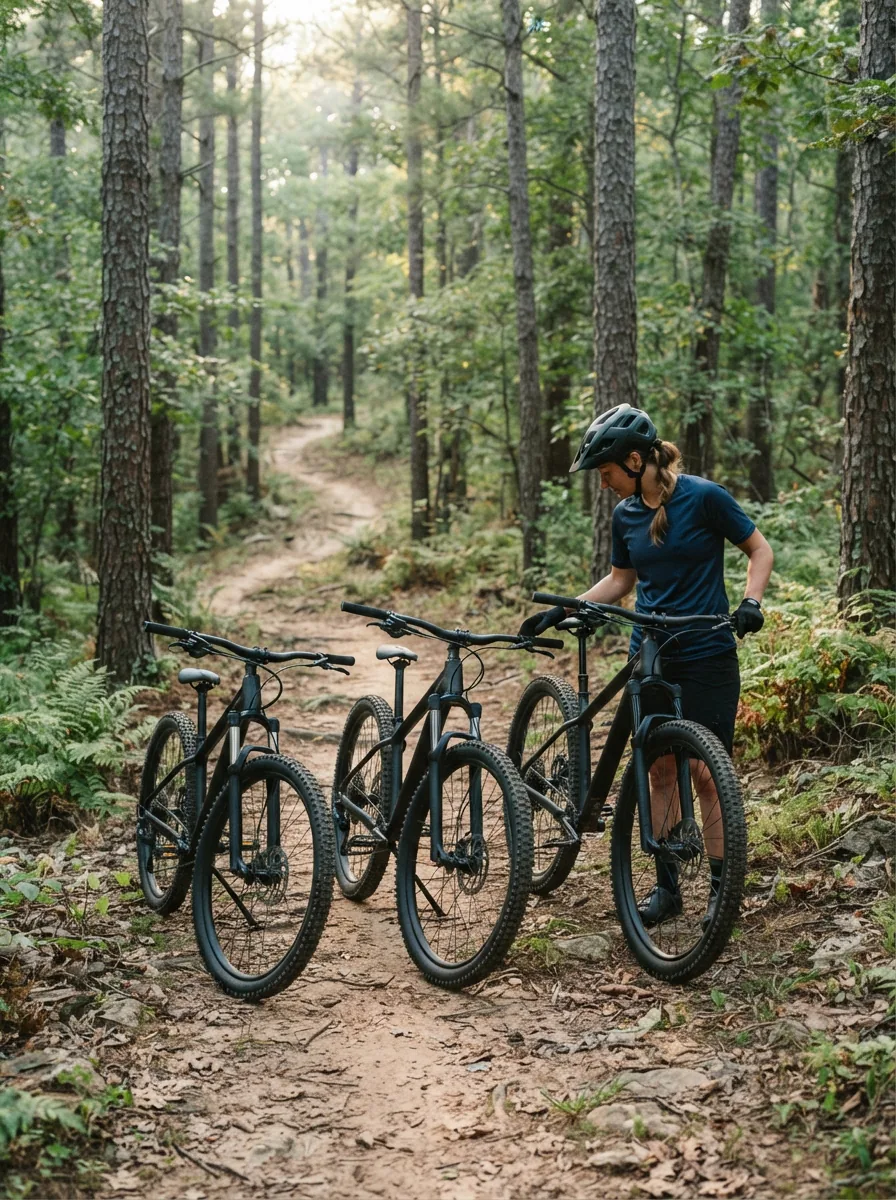
A group of Ozark Trail mountain bikes with front suspension parked on a dirt trailhead, a rider comparing frame sizes beside them
Admin
Ozark Trail Bike

Ozark Trail mountain bikes span hardtails and full suspension builds, sized from young riders to tall adults. Compare fit, suspension, wheels and gears to match your trails and your budget.

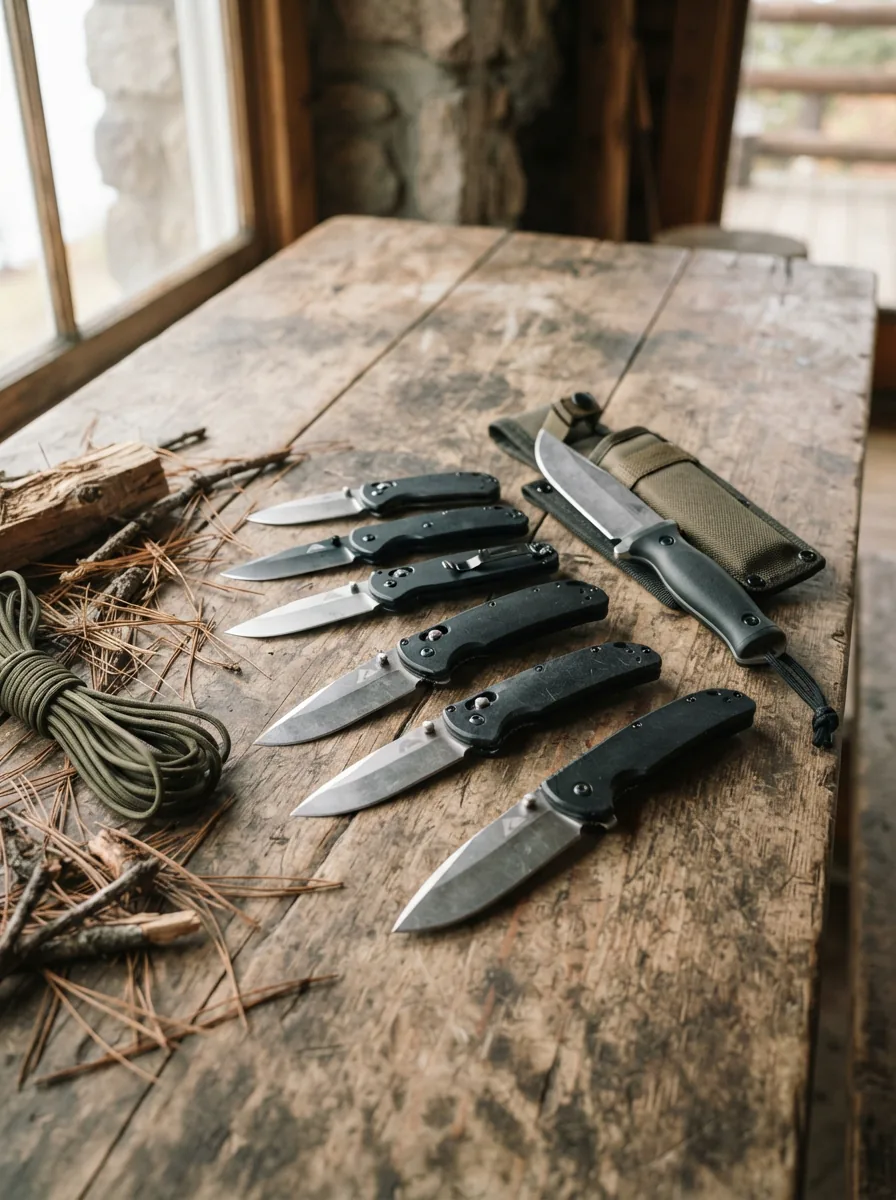
Assorted Ozark Trail folding and fixed blade knives arranged on a rustic wooden camp table
Admin
Ozark Trail Knife

This page lines up Ozark Trail knives so you can compare folding and fixed blades, locks, handles and carry options at a glance. Each pick notes what it handles best, from camp prep to a pocket blade you carry daily.

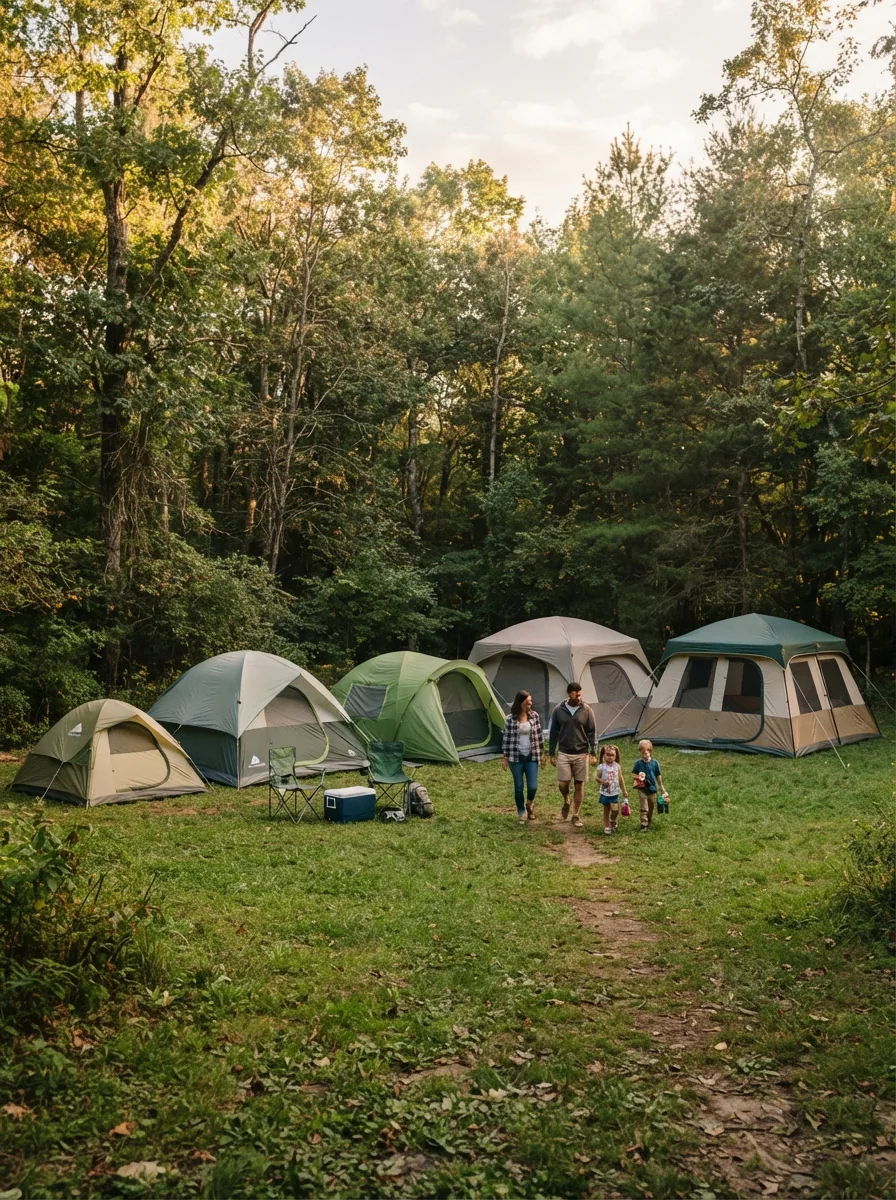
A row of Ozark Trail camping tents of several sizes pitched on a grassy campground with a family walking between them.
Admin
Ozark Trail Tents

Compare Ozark Trail tents by capacity, setup style, weather coverage and packed weight, from solo backpacking shelters to twelve-person family cabins built for drive-up weekend campsites.