
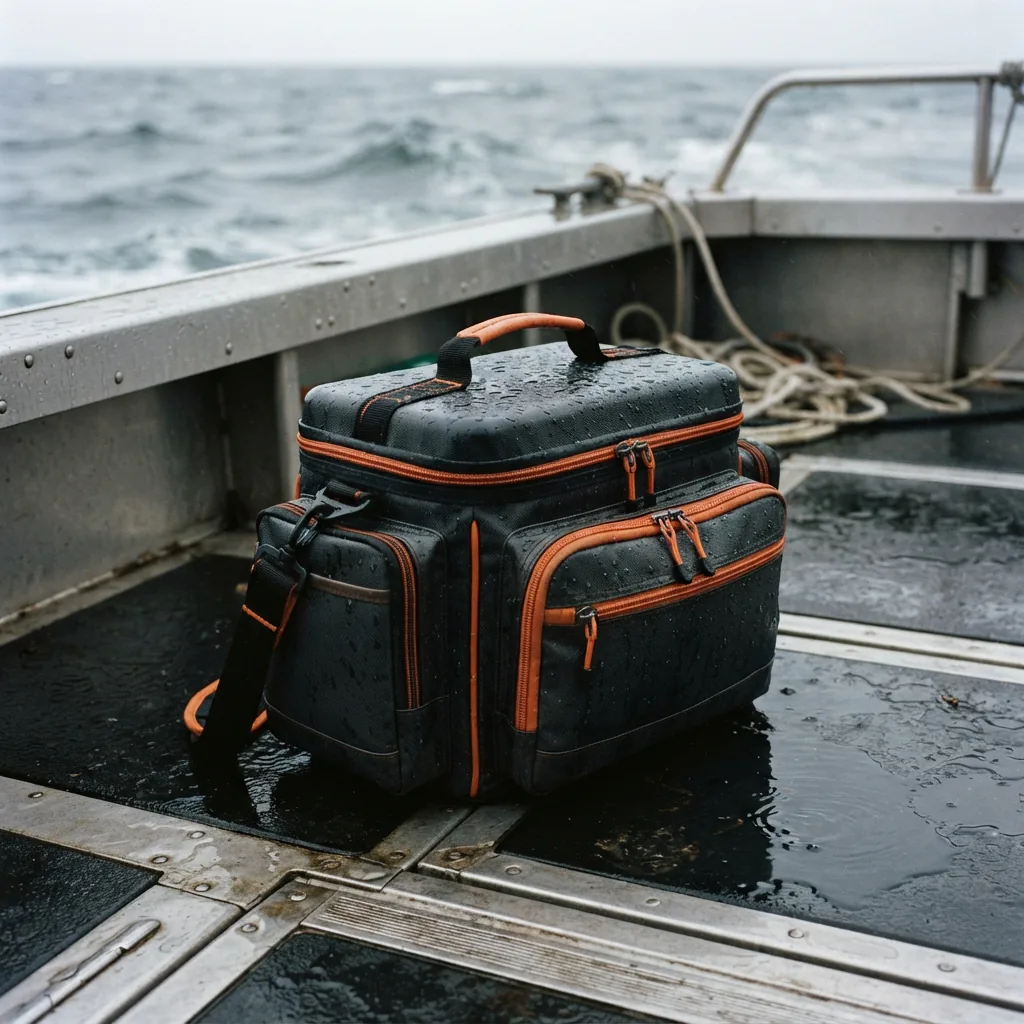





Ozark Trail Tackle Bag

This category brings Ozark Trail tackle bags together so you can compare tray counts, overall size, water resistance and carry style side by side before you buy.

Four tackle bags worth a closer look

Ozark Trail Gray Polyester Tackle Bag with 3 Trays, Size 3500 — 4.5 Stars, 286 Reviews

Rated 4.5 out of 5 stars across 286 reviews, this gray polyester bag arrives with three trays already in place, so basic tackle organization is handled on day one. The Size 3500 footprint stays manageable for a day on the bank or a weekend trip, and the soft-sided body packs down when space is tight.

Ozark Trail 3600 Tackle Bag with 4 Trays, Gray — Rated 4.7 Stars by 116 Buyers

With a 4.7-star rating from 116 reviews, this gray 3600 bag gives you one more tray than the smaller option, which matters once spinner boxes and spare line start adding up. The extra slot keeps like with like, so you spend less time untangling tackle between casts.

Ozark Trail Medium Saltwater Tackle Bag & Boxes, Washed Indigo — 4.9 Stars, 22 Reviews

The highest rated option in this group at 4.9 stars from 22 reviews, this medium saltwater bag arrives in a washed indigo finish with boxes included. Salt spray and wet hands are part of coastal fishing, and buyers have scored it well for holding up in exactly that setting.

Ozark Trail Tackle Bag with Organizer Totes, Orange/Black, 11\" x 3\" x 7 — Compact Pick

Offered new from Ozark Trail, this orange and black organizer tote measures about 11 by 3 by 7 inches, which suits anglers who carry a curated handful of lures rather than a full loadout. The bright color also makes it easy to spot in a dark truck bed or a crowded shed shelf.

Ozark Trail Medium Tackle Bag Black/Orange 3 Pocket Water Resistant TG-2551 for Full Days on the Bank

Brand new from Ozark Trail, the medium TG-2551 carries three outside pockets and a water-resistant body in a black and orange shell. The pockets keep pliers, line and a phone apart from the main compartment, and the resistant shell helps when a shower moves through, so your tackle stays drier between casts.
More to compare

Three more bags for different kinds of trips

Ozark Trail Saltwater Fishing Tackle Gear Bag, 15 L, Black, Polyester — 4.7 Stars

Rated 4.7 out of 5 stars from 41 reviews, this 15-liter polyester bag is sized for coastal trips where you bring extra rigs, swivels and a spare spool of line. The black finish hides salt residue, and the roomy main compartment swallows a jacket on top of your tackle without straining the zippers.

Ozark Trail Compact Fishing Hip Pack That Keeps Lures and Line at the Waist for Short Evenings

A lightweight hip pack for anglers who walk the bank with only the essentials: it sits at the waist, keeps lures, line and small tools organized and frees your hands for the rod. Because it holds a focused kit, it suits short evening outings or a first setup for a younger fisher.

Ozark Trail Weekend Angler Gear Tote That Carries Rods from Truck to Water in One Trip

This open tote carries rods, a jacket, snacks and loose gear from the truck to the water in one trip, so nothing gets left behind. The simple shape keeps everything visible at a glance and folds flat for storage between weekends, which suits casual anglers who fish a few times a season.
Who it suits

Trips and situations these bags serve

These bags fit casual anglers, families setting up a first kit and travelers who keep it light. The right pick depends on trip length, how much tackle you own and how you reach the water.

First setup for a new angler

A first kit does not need every tray filled. Start with a modest bag that holds the lures you actually use, then grow it as you learn what the fish take and what you keep leaving at home.

Weekend trips with a full loadout

Weekend trips reward extra capacity, since rods, snacks and a change of clothes ride along. A tray-loaded bag keeps tackle sorted while the rest of the gear stays in its own space.

Short evening outings on foot

Evening outings are about speed. A light pack or small bag lets you reach the bank on foot, set up quickly and head back before dark without hauling a full loadout to the water.

Tray count decides how much tackle you can carry, while size and water resistance shape how the bag behaves on a long day. Match those choices to trip length first.

How to pick the right tackle bag

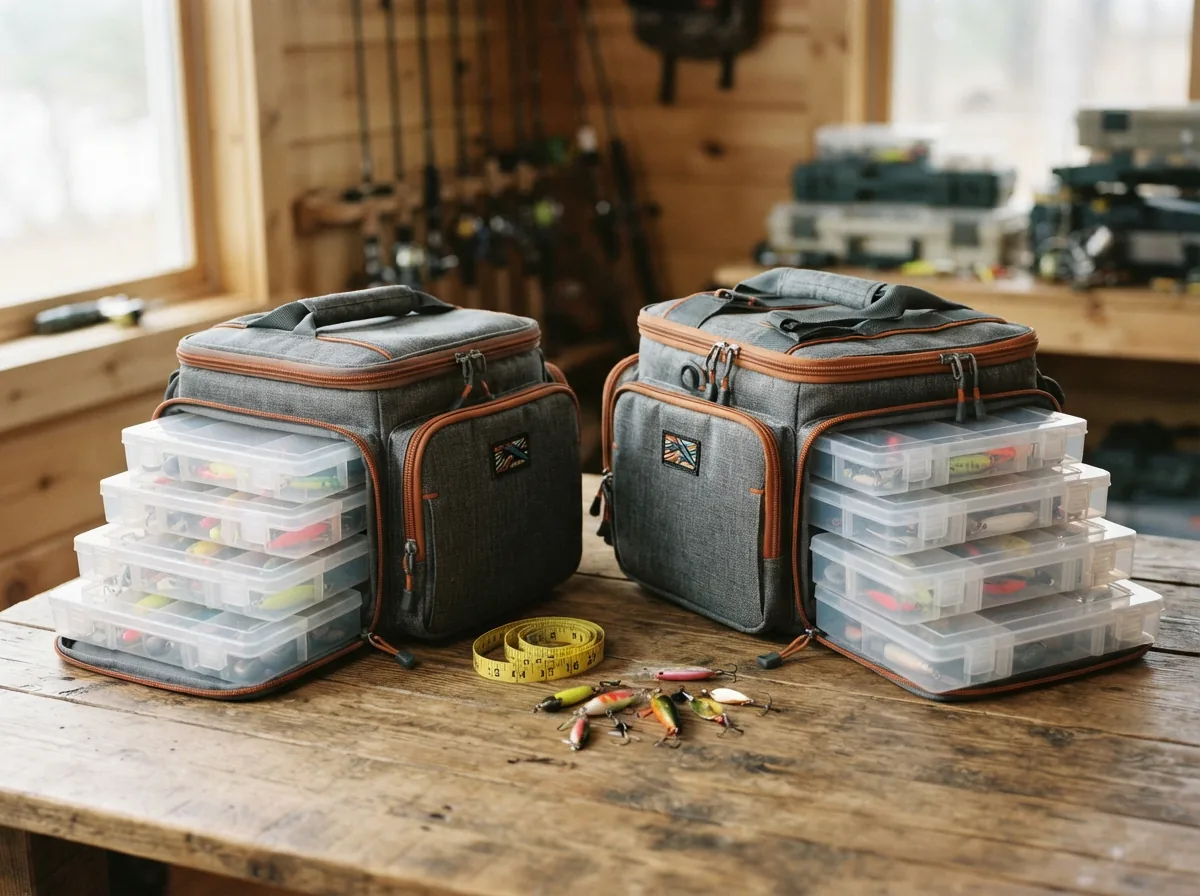
Two Ozark Trail tackle bags side by side on a wooden table with trays and a tape measure
Tray count and how much you carry

More trays mean more categories of tackle, but each one adds weight. If you mostly throw a few spinners and jigs, three trays is plenty; a fourth pays off only when you rotate patterns often.

Size relative to how far you walk

A compact footprint moves easily on foot and fits a crowded truck, while a medium bag holds a full day's extras. Bigger is not better if you walk a long way to the water.

Water resistance on wet days

Water resistance handles rain, spray and wet hands, but no soft bag is fully waterproof. On salt days it matters more, because wet tackle corrodes and damp fabric takes longer to dry.

Organization against quick access

Zippered trays keep small items in place, and open pockets give quick access to pliers and line. Too much organization slows you down; too little leaves you digging mid-cast.

Ways to carry

Four ways to sort your tackle storage

Some bags center on stacked trays for a full kit, others favor a light hip pack or an open tote. Weigh how much you carry, how far you walk and how wet the day gets.
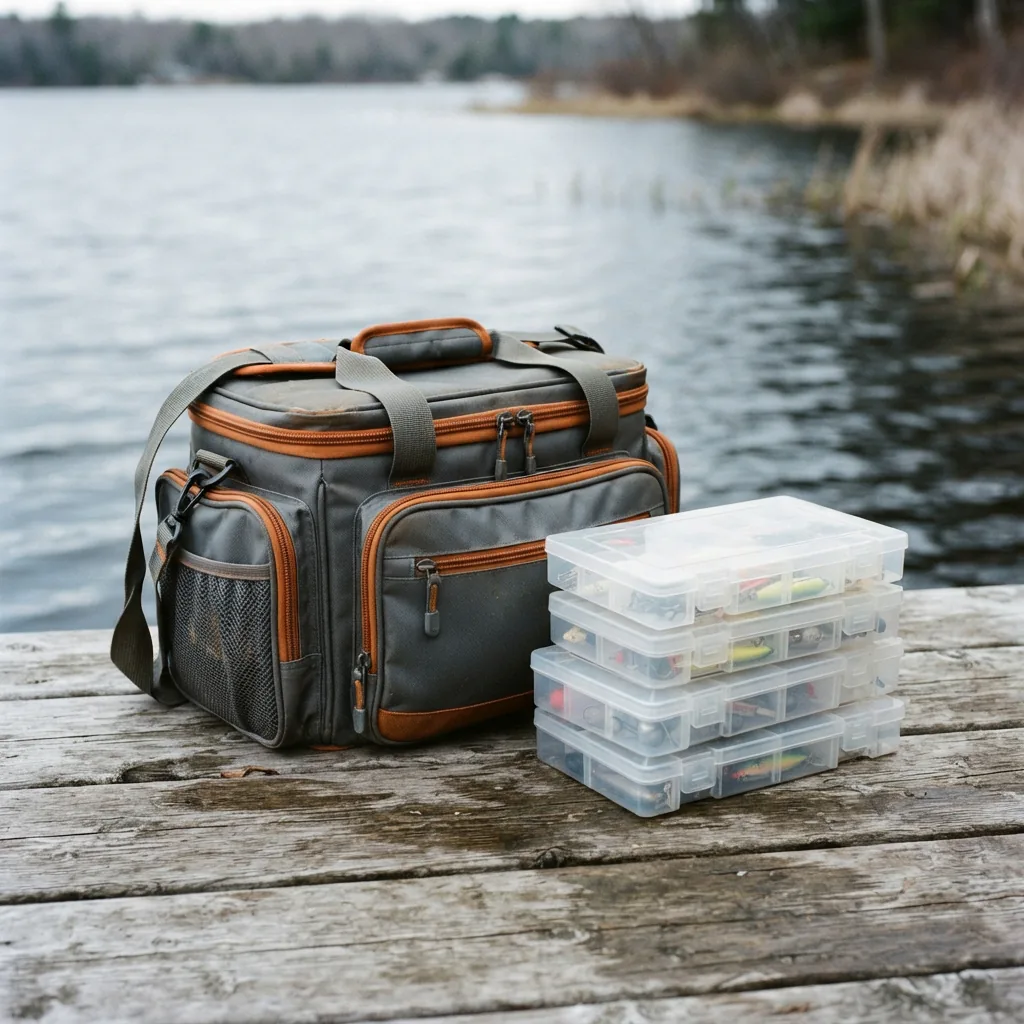
Soft-sided tackle bag with a stack of clear trays beside it on a dock plank

Tray-loaded bags for full kits

Tray-loaded bags suit anglers who carry a full spread of lures and want each one in a fixed slot. Choose this when you fish varied water and swap tackle often through the day.

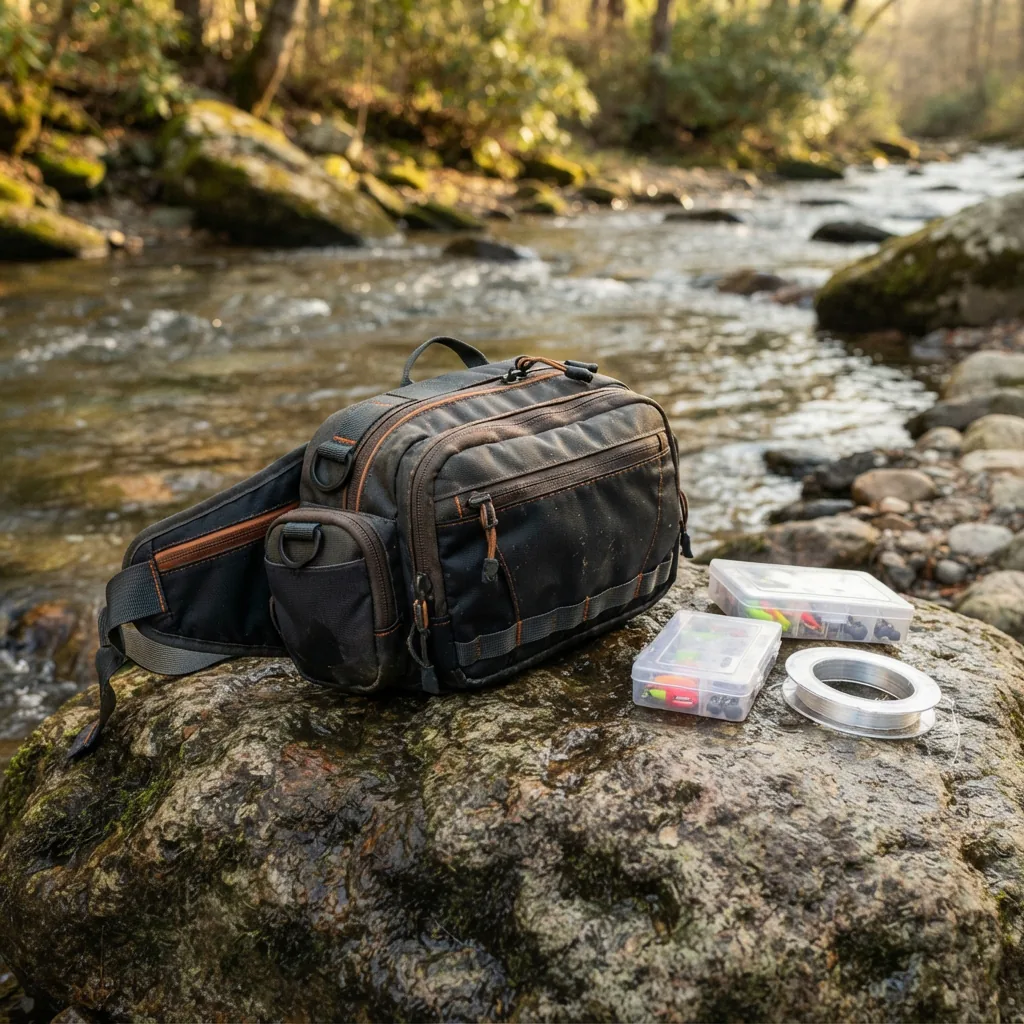
Compact fishing hip pack on a flat river rock with small tackle boxes and coiled line

Light hip packs for walking the bank

Hip packs keep weight at the waist and leave your hands free for a rod. Pick one when you walk the bank and only need a few boxes plus line and small tools.

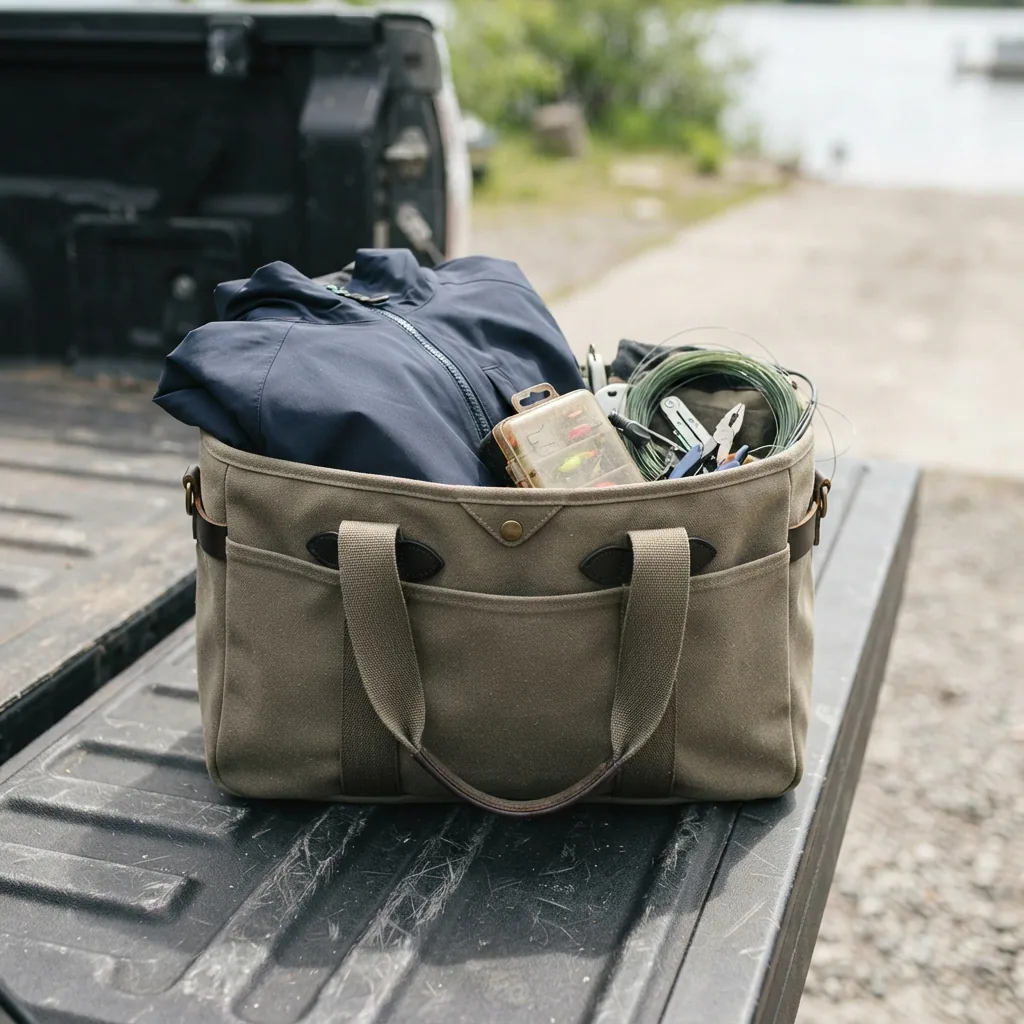
Open gear tote holding a folded jacket and loose fishing accessories on a truck tailgate

Open totes for truck-to-water hauls

Open totes shine for the short walk from truck to water, where visibility beats sealing. They suit loose gear, jackets and rods but offer less protection when rain moves in.

Water-resistant tackle bag with sealed zippers standing on a wet boat deck with spray beads

Water-resistant builds for salt days

Water-resistant builds matter on salt days and in showers, where wet gear and corrosion shorten a bag's life. Expect firmer fabric and tighter seams in exchange for that protection.

From the bank

First-hand notes from tackle bag owners

Shoppers describe comparing tray counts, checking ratings and choosing a size they can carry without regret. The common thread is honest value: gear good enough for weekend use at a fair price.
I came in wanting something that would not blow the budget for a first setup. I compared tray counts, checked the ratings and picked a size I could carry without it feeling like a chore. A few weekends in, everything is still where I put it and I have not dreaded a single trip.
Decorative customer review avatar icon 1
Marta L.
Bought a first kit without overspending
The walk to my usual spot takes about fifteen minutes each way, so weight matters more to me than sheer volume. I picked a smaller carry style, packed only what I actually use and reached the bank with both hands free. That trade-off made the whole outing easier than hauling a full load.
Decorative customer review avatar icon 2
Devon R.
Walks a long way to reach the water
I fish a handful of times a season and did not want to overbuy. Reading the reviews helped me see what holds up after a few trips and what only looks good on the shelf. What I brought home feels sturdy enough for the price, and it has handled every trip so far.
Decorative customer review avatar icon 3
Kelsey P.
Fishes a few times each season
I nearly spent twice as much on a brand I recognized. Instead I compared specs side by side, looked at what reviewers actually complained about and settled on the features I would use. For weekend fishing at this price, the differences I gave up were never ones I noticed on the water.
Decorative customer review avatar icon 4
Aaron T.
Compares specs before paying more
Questions before you buy

Answers on trays, size and wet-weather use

Two or three trays cover most casual trips if you keep a focused selection. Add a fourth only when you carry multiple line sizes or saltwater rigs you swap often. Both three- and four-tray options earn strong ratings here, so neither size leaves you short.
Water resistance handles light rain, spray and wet hands, which covers most day trips. It does not make a bag fully waterproof, so keep lures in sealed trays and dry the bag out afterward. That build suits anglers whose days regularly start or end wet.
A hip pack wins when you walk the bank and travel light: it sits at the waist, keeps lures and line close and leaves your hands free for a rod. A full bag suits longer days and larger collections, since more trays mean more to carry between the truck and the water.
Bigger bags give you more compartments, but they also add weight and empty space you may never fill. Match capacity to how many lures, spools and tools you actually carry, then choose open pockets for quick grabs and closed ones for small parts you cannot afford to lose.
Independent reviewers call this brand’s outdoor gear a reasonable buy for short trips, though not as long-lasting as top-end options. Treat a budget bag as a solid pick for regular weekend use, and expect to replace it sooner if you fish hard every week.
Start with tray count and size, since those decide what fits and how it carries. Then check water resistance, pocket layout and buyer ratings: the options here run from 4.5 to 4.9 stars, and those scores point to steady quality at this price.
Keep exploring

More Ozark Trail gear worth a look next

Hard-sided and soft-sided Ozark Trail coolers arranged on a wooden picnic table at a wooded campsite
Admin
Ozark Trail Cooler

Compare Ozark Trail coolers by size, shape and how you carry them, from hard-sided chests that hold ice for a weekend to soft totes and backpack coolers for a day out. Each option below shows capacity, format and the trip it fits best.


A group of Ozark Trail mountain bikes with front suspension parked on a dirt trailhead, a rider comparing frame sizes beside them
Admin
Ozark Trail Bike

Ozark Trail mountain bikes span hardtails and full suspension builds, sized from young riders to tall adults. Compare fit, suspension, wheels and gears to match your trails and your budget.

Assorted Ozark Trail folding and fixed blade knives arranged on a rustic wooden camp table
Admin
Ozark Trail Knife

This page lines up Ozark Trail knives so you can compare folding and fixed blades, locks, handles and carry options at a glance. Each pick notes what it handles best, from camp prep to a pocket blade you carry daily.

A row of Ozark Trail camping tents of several sizes pitched on a grassy campground with a family walking between them.
Admin
Ozark Trail Tents

Compare Ozark Trail tents by capacity, setup style, weather coverage and packed weight, from solo backpacking shelters to twelve-person family cabins built for drive-up weekend campsites.
