





Ozark Trail Sleeping Bag

Compare Ozark Trail sleeping bags by temperature rating, shape and size, from 10°F mummy bags to warm-weather 50°F rectangles and doublewide options for two.

Cold, mild and warm options side by side

Ozark Trail Sleeping Bag — Cool-Weather Camping Bag Rated to 20°F for Chilly Nights

Rated for temperatures down to 20°F, this Ozark Trail sleeping bag is built for cool-weather camping when the forecast dips after dark. It suits three-season trips, first setups and weekend nights out, and it keeps the price low enough that you can outfit a guest or a growing camper without overspending.

Ozark Trail 35F Rectangular Sleeping Bag with Recycled Polyester and ZIP SHIELD Closure

This 35-degree rectangular bag uses 47% recycled polyester and a ZIP SHIELD to cut drafts along the zipper. The rectangular shape lets you sleep on your side and stretch out, and the mild rating fits spring and fall nights at the campground or a cool cabin floor.

Ozark Trail 50F Rectangular Sleeping Bag in Red, Sized 33 by 75 Inches for Warm Nights

Warm-weather camping is what this 50-degree rectangular bag is for. At 33 by 75 inches it keeps things simple for summer festivals, car camping and sleepovers, where nights stay mild and pack space matters more than cold protection. A simple pick for a first warm-weather kit.

Ozark Trail 10-Degree Cold Weather Mummy Sleeping Bag in Red, 85 by 33 Inches, Soft Liner

When the forecast turns genuinely cold, the 10-degree mummy shape is the right tool. It measures 85 by 33 inches and pairs a hooded, tapered cut with a soft liner, so less cold air circulates around you on late-season trips. Pick it over a rectangular bag when warmth matters more than room to roll over.

Ozark Trail 50 Degree Flannel-Lined Rectangular Sleeping Bag for Cooler Summer Nights

The flannel lining is the reason to pick this one. Rated for 50 degrees, the rectangular bag adds a soft brushed interior that feels warmer against bare skin than plain nylon, which matters when you sleep in a t-shirt. At 75 by 33 inches it fits most adults and works well for summer camping, truck beds and cool indoor nights.
Three more to weigh

Shared, rugged and youth-sized choices

Ozark Trail 35F Doublewide Sleeping Bag for Two Campers Sharing One Cool-Weather Bag

Two campers, one bag. This doublewide rectangle is rated to 35 degrees and gives couples or a parent and child a shared option that cuts down on gear to carry. It suits base camping and car trips where warmth matters more than low pack weight, and it can replace two separate bags at home.

Ozark Trail 15 Degree Cold Weather Rectangular Canvas Sleeping Bag, Durable Tan Shell

Built with a canvas shell, this rectangular bag is rated to 15 degrees for cold-weather camping. It measures 84 by 36 inches, so there is extra room inside a rugged outer fabric that handles rougher treatment at a hunting camp or a winter cabin. Choose it when durability is the deciding factor.

Ozark Trail Youth Rectangular Sleeping Bag, Warm Weather 50°F, Sized 64 by 28 Inches

Sized at 64 by 28 inches, this youth rectangular bag fits younger campers without the bulk of an adult model. The 50-degree rating matches warm summer nights at family camp, and the blue and red colorway keeps it easy to tell apart from grown-up gear. A good starting bag for a first solo night.
Where these bags fit

Trips and sleepers these bags suit

Family camp, festivals, hunting trips and a child’s first solo night all call for different ratings and sizes. Match the bag to the conditions and the person using it, and the trip usually goes better.

Weekend family car camping

Mild 50-degree rectangles work for summer weekends at a state park, where the car is steps away and extra room beats low pack weight. Bring a warmer bag if the forecast turns.

Cold snaps and late-season trips

When nights drop toward 10 to 20 degrees, a hooded mummy or a heavy canvas rectangle is the better tool. Dress in dry layers and expect a heavier, bulkier bundle to haul.

A child's first solo sleeping bag

Youth-sized bags at 50 degrees fit smaller bodies better than an adult bag with extra empty space, which stays colder. Confirm the length against your camper's height before you buy.

Temperature rating sets the season, shape decides comfort, and size affects warmth and pack room. Each factor shifts which bag suits a summer festival, a fall weekend or a cold snap.

Match rating, shape and size to your trip

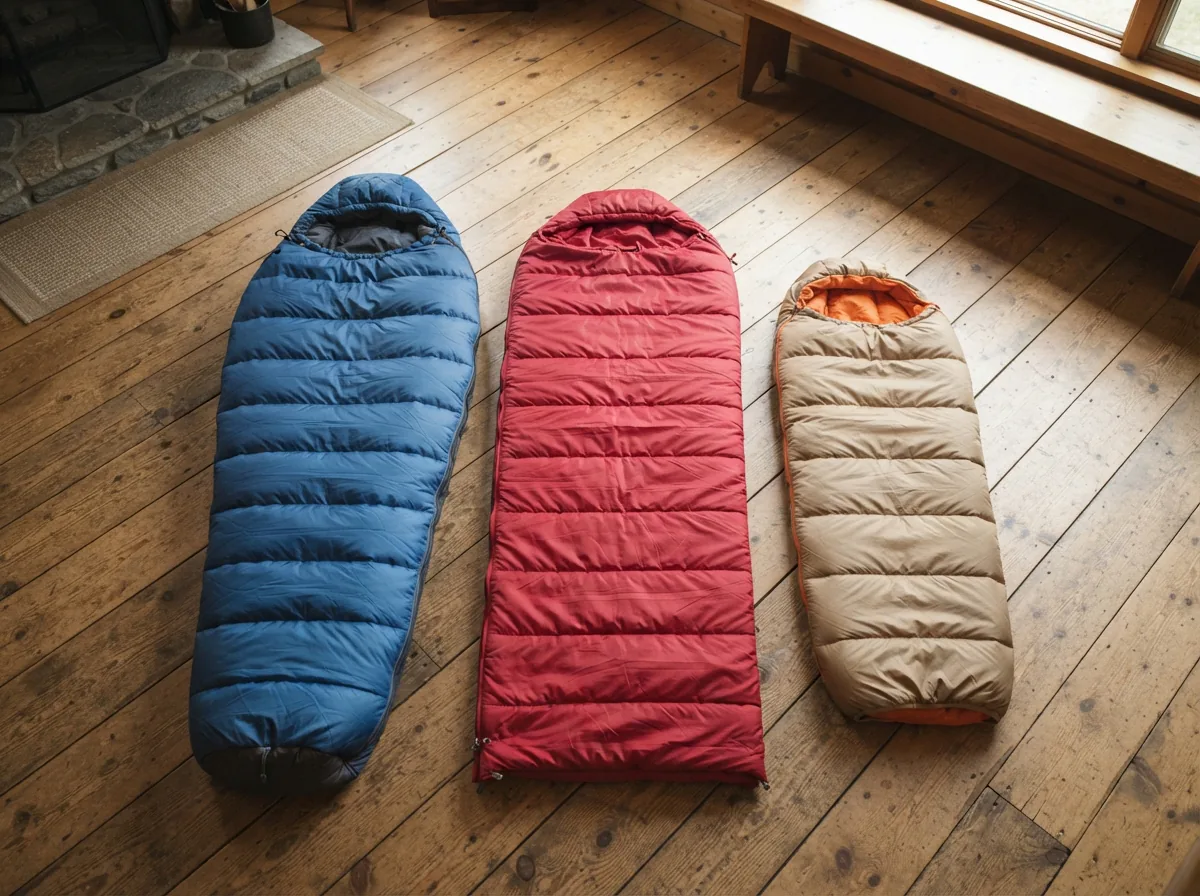
Three sleeping bags in different shapes laid side by side on a wooden cabin floor for comparison.
Temperature rating sets your season

A 50-degree bag suits mild summer nights, while 35 and 20-degree options cover spring and fall. If you camp in genuine cold, only the 15 and 10-degree bags are reasonable starting points.

Rectangular shape versus mummy cut

Rectangular bags let you roll over and sleep on your side, which most casual campers prefer. Mummy shapes taper toward the feet and hold heat better, so they win when warmth matters more than room.

Length, width and who it fits

Youth bags run about 64 inches long, standard adult rectangles about 75 to 84 inches, and doublewide bags give two people shared space. A snugger fit warms up faster than a loose one.

Special linings and shared bags

Flannel linings and canvas shells trade a little pack space for comfort and toughness. Doublewide bags suit couples camping by car, but they are heavy to carry far from the trailhead.

Four ways to shop

Find the bag that fits your trip type

Warm-weather rectangles, mild three-season bags, cold-weather mummies and canvas bags each cover a different range of nights. Start from the temperature you expect, then narrow by shape and by who is sleeping in it.
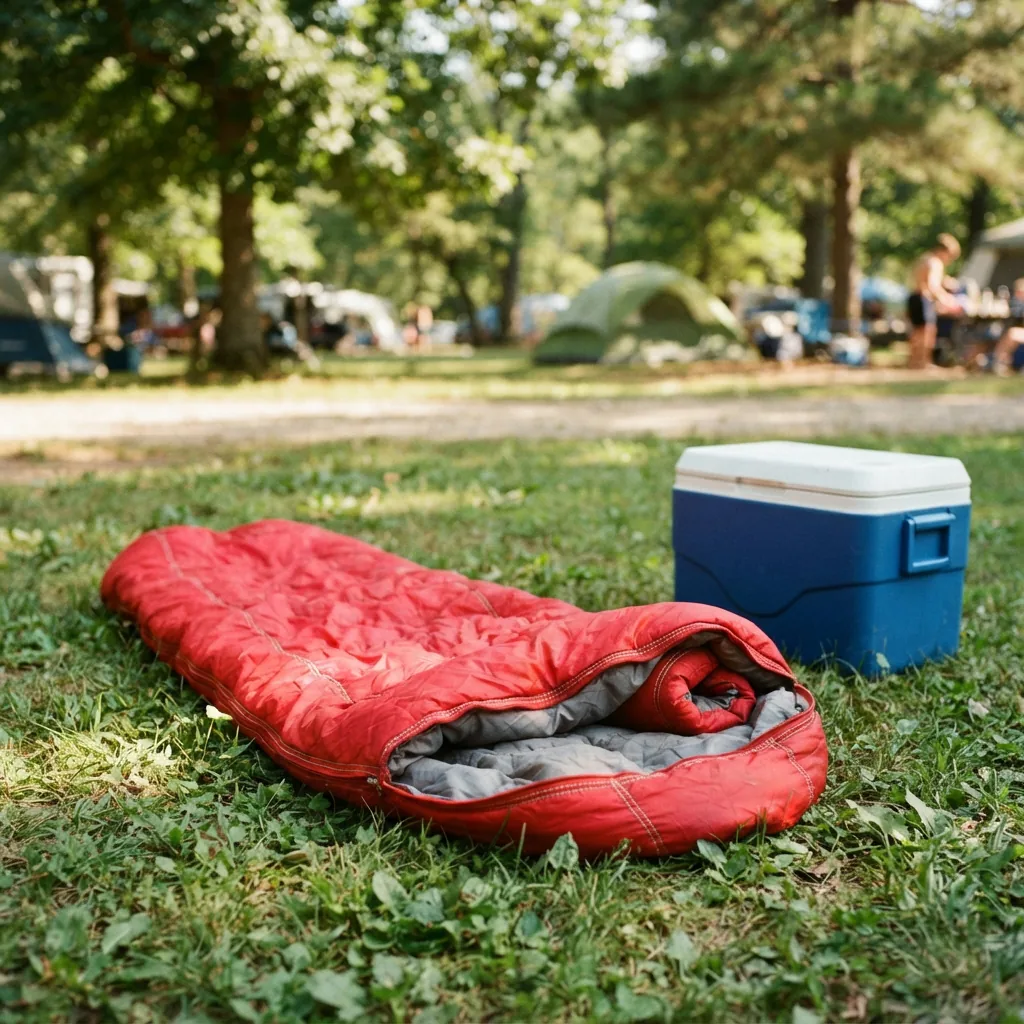
A red 50-degree rectangular sleeping bag partially rolled on grass beside a camp cooler at a summer campground.

Warm-weather rectangles

Rated near 50 degrees, these are light, roomy and easy to live with at summer camp. They pack small enough for a car trunk and are the sensible first bag for occasional warm-night camping.

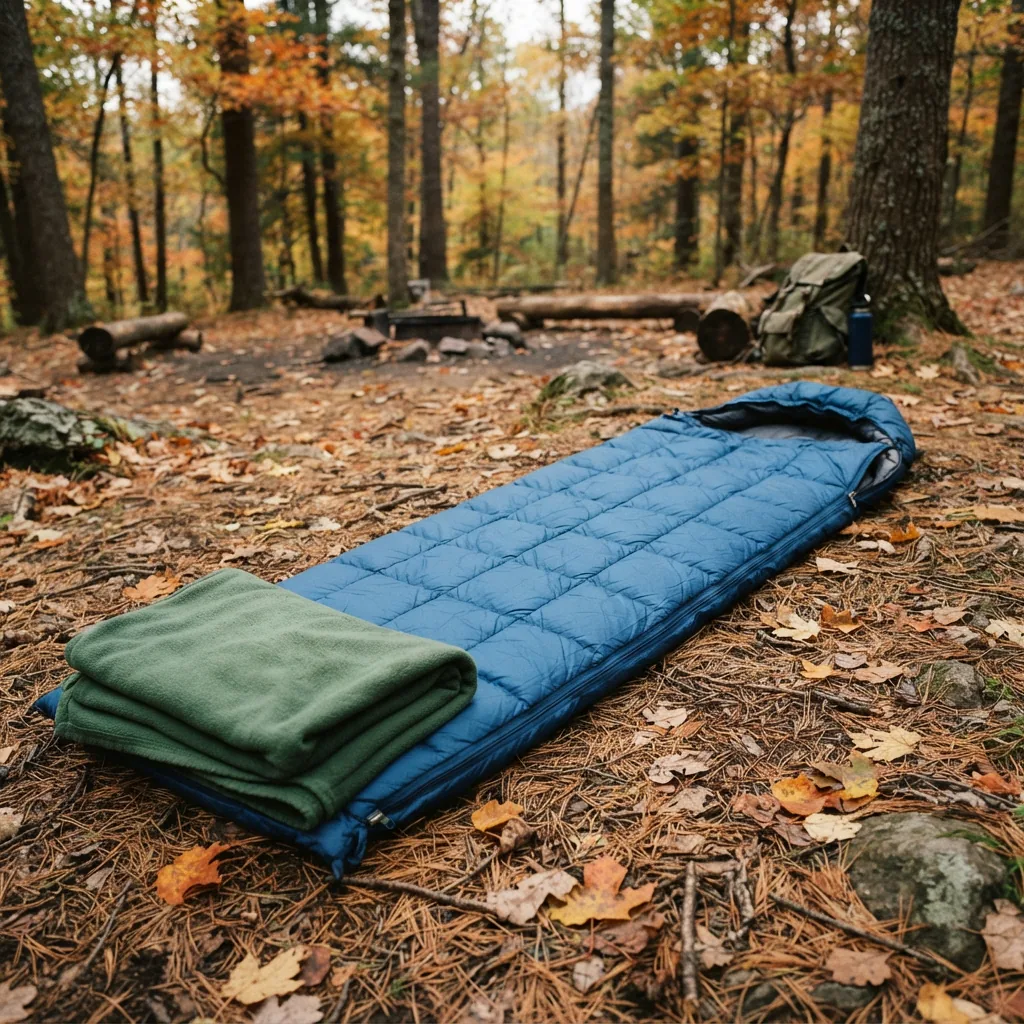
A blue 35-degree rectangular sleeping bag unrolled on pine needles at an autumn campsite with a fleece layer at the foot.

Three-season bags at 35F

A 35-degree bag covers most spring and fall weekends. Look for details like a shield along the zipper to block drafts, and pair it with warm sleepwear for nights that dip near freezing.

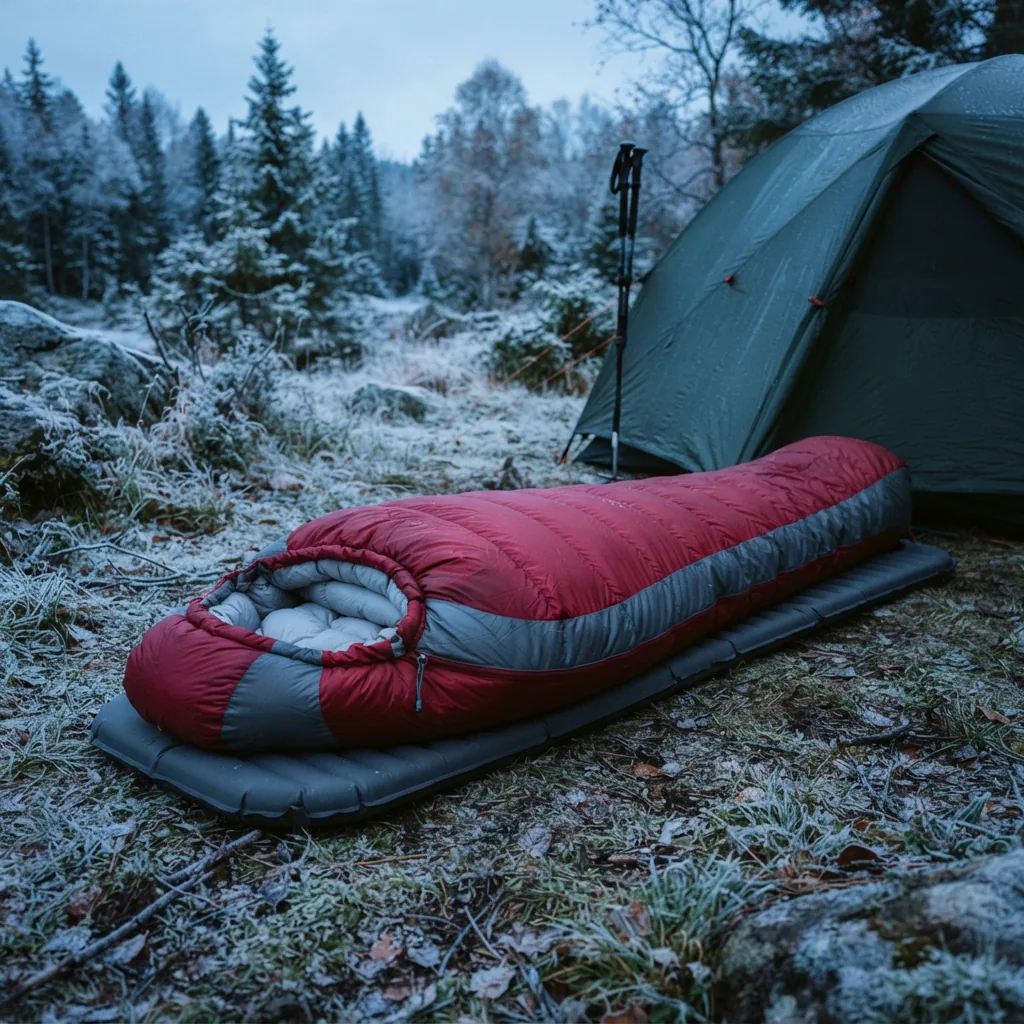
A hooded tapered mummy sleeping bag laid on a pad outside a tent on frosty ground at first light.

Cold-weather mummy bags

Ratings of 10 to 20 degrees mean hooded, tapered shapes that hold heat close to the body. Choose one when you expect frost, and accept that you trade sleeping room for genuine warmth.

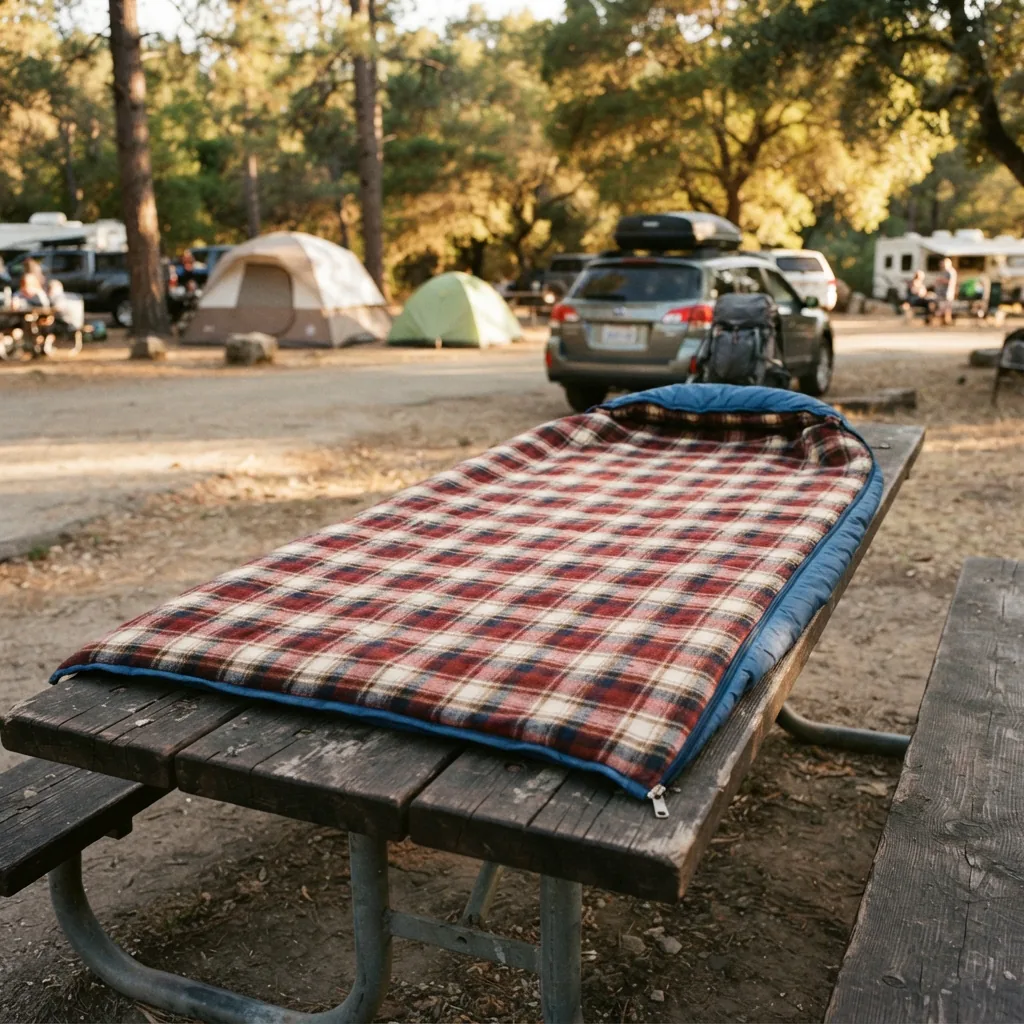
A flannel-lined rectangular sleeping bag opened across a picnic table at a car campground, lining facing up.

Doublewide and specialty

Doublewide bags let two campers share one bag, and canvas or flannel-lined models add toughness and comfort. Both suit car camping more than backpacking because of the extra weight they carry.

Camper perspectives

What camping in these bags feels like

Shoppers describe what mattered after a night outside: how the zipper held up, whether they stayed warm, and if the size fit the trip. Expect honest notes on comfort and limits at this price.
We camped in 34-degree weather and I slept in base layers. I stayed comfortable until about 5 a.m. when the bag felt cooler, but nothing like the freezing nights I had in a thinner bag before. Good value for the money.
Decorative customer review avatar icon 1
Dana R.
Stayed warm through a chilly fall weekend
I am six feet tall and the rectangular shape gave me room to turn onto my side, which I cannot do in a mummy bag. The liner felt soft against a t-shirt, and I did not wake up fighting the fabric. Setup was just unrolling it at camp.
Decorative customer review avatar icon 2
Marcus T.
Fits a tall adult without feeling tight
My son used a youth bag for his first weekend away from home and slept through the night instead of kicking off covers. It fits him now with room to grow, and the size means it is not a big empty tube around him like our adult bag was.
Decorative customer review avatar icon 3
Priya S.
Bought a youth size for my ten-year-old
Two of us in one doublewide bag was warmer than expected for a 35-degree night at the campground. It is bulky in the trunk and not something I would carry far, but for driving out and setting up it saved us from buying two bags.
Decorative customer review avatar icon 4
Cole W.
Shared a doublewide on a car camping trip
Questions before you buy

Answers for choosing a sleeping bag

Pick a bag rated about 10 to 15 degrees below the coldest night you expect. A 50-degree bag covers mild summer nights, while 35 and 20-degree bags handle spring and fall. If you sleep cold, step up one rating.
Most first-time campers prefer rectangular bags because they allow side sleeping and easy movement. Mummy shapes hold heat better and suit colder trips, but the taper bothers some sleepers. Start rectangular unless cold is your main concern.
Check the stated dimensions against your height. Youth bags run around 64 inches, adult rectangles about 75 to 84 inches, and doublewide bags give two people shared room. A closer fit warms faster than a roomy one.
Flannel adds a warmer, softer surface against skin, which helps if you sleep in light clothing. Canvas adds toughness for rougher use but weighs more. Both trade pack space for comfort, so they suit car camping more than long carries.
The 50-degree bags are for mild nights. Ratings of 35 and 20 degrees cover three-season camping, and the 15 and 10-degree options are meant for genuinely cold conditions. Match the rating to the forecast rather than the season name.
Store it loosely in a large sack or hanging up rather than compressed, which keeps the fill lofted. Air it out after each trip, wash it only when needed following the label, and dry it fully before long storage to avoid mildew.
Keep planning the trip

Related gear and camping reads to explore

Hard-sided and soft-sided Ozark Trail coolers arranged on a wooden picnic table at a wooded campsite
Admin
Ozark Trail Cooler

Compare Ozark Trail coolers by size, shape and how you carry them, from hard-sided chests that hold ice for a weekend to soft totes and backpack coolers for a day out. Each option below shows capacity, format and the trip it fits best.


A group of Ozark Trail mountain bikes with front suspension parked on a dirt trailhead, a rider comparing frame sizes beside them
Admin
Ozark Trail Bike

Ozark Trail mountain bikes span hardtails and full suspension builds, sized from young riders to tall adults. Compare fit, suspension, wheels and gears to match your trails and your budget.

Assorted Ozark Trail folding and fixed blade knives arranged on a rustic wooden camp table
Admin
Ozark Trail Knife

This page lines up Ozark Trail knives so you can compare folding and fixed blades, locks, handles and carry options at a glance. Each pick notes what it handles best, from camp prep to a pocket blade you carry daily.

A row of Ozark Trail camping tents of several sizes pitched on a grassy campground with a family walking between them.
Admin
Ozark Trail Tents

Compare Ozark Trail tents by capacity, setup style, weather coverage and packed weight, from solo backpacking shelters to twelve-person family cabins built for drive-up weekend campsites.
