






Ozark Trail Self Inflating Sleeping Pad

This category covers Ozark Trail self-inflating sleeping pads for solo nights, shared tents and trail use, along with the carry bag and patch kit that keep them ready. Compare width, packed size and firmness before you buy.

Four self-inflating pads, four kinds of trip

Ozark Trail Self Inflating Sleeping Pad for Comfortable Weekend Camping Nights

Comfort and convenience come together in this pad, which is designed for camping and outdoor use without extra setup work. Roll it out at the campsite, let the foam core pull in air, then add a few breaths if you want it firmer. It suits first-time buyers outfitting a tent floor on a budget.

Ozark Trail Self-Inflating Camp Sleeping Pad with Pillow for One-Piece Sleep Setups

The built-in pillow takes one more item off your camp list: roll the pad out, open the valve, and let the foam core do most of the inflating before you top it off by mouth for a firmer feel. One piece also means less gear to track down at bedtime, which helps when you arrive at the site late.

Ozark Trail Compact Roll-Up Self-Inflating Sleeping Pad for Packs and Trunks

A slimmer pad that rolls up small enough for a backpack or a crowded car trunk, so you get cushion without hauling bulky gear. Unroll it, open the valve, and it inflates on its own before you add a few breaths for your preferred firmness. Choose it when packed space matters more than plush padding.

Ozark Trail Double Self-Inflating Sleeping Pad for Two Sharing a Wide Tent Floor

One wide pad replaces two narrow ones, which means no gap to roll into during the night. It is sized for couples and families sharing a sleep space, levels out uneven ground, and gives you a steady base for a night under the stars. Roll it out once and setup is finished.

Ozark Trail Self-Inflating Sleeping Pad for Backpacking Short Trail Trips and First Hikes

This pad is for hikers who want cushion without the weight of a thick car-camping model. It rolls down to a manageable bundle, then inflates itself at camp so you can rest after a long day on the trail. You trade some padding depth for that lower weight, a fair swap when pack space is tight.
Keep your kit working

Steady support and the small gear that protects it

Ozark Trail Self-Inflating Sleeping Pad with Extra Cushion for Comfort-First Car Campers

Extra cushion is the point here: the foam core is thicker than a slim trail roll, so hips and shoulders sit further from the cold ground. Unroll it, open the valve, and it fills itself before you add a breath or two. A good fit for car campers who sleep better on a softer surface and do not mind the larger bundle.

Ozark Trail Self-Inflating Foam Core Sleeping Pad for Regular Weekend Camping Use

Open-cell foam paired with a sealed air chamber gives steady support instead of the slow sag some all-air pads develop. It holds up to regular weekend use and airs out easily between trips, so storage is simple. Think of it as a straightforward upgrade from sleeping straight on the tent floor.

Ozark Trail Self-Inflating Sleeping Pad Carry Bag for Clean Camp Storage and Travel

A simple sack that solves a dull problem: where to put a rolled pad between trips. It keeps the pad clean and contained in the car or closet and makes strapping it to a pack easier. Small addition, longer life for your sleeping gear, especially if the pad lives in a garage all season.
Who it works for

Where a self-inflating pad earns its place

From family weeknights at a campground to solo overnights on the trail, this category covers sleep systems that set up without a pump. Match the pad to your trip length, who you share the tent with, and how far you carry it.

Weekend car camping with family

Families driving to a campground want quick setup and easy storage. A pad that rolls into the trunk and inflates at camp keeps the morning simple and gets everyone rested for the day ahead.

Short backpacking trips on a budget

Hikers counting ounces choose a slim roll that packs small. You give up some cushion depth for that, but the savings in weight show up as energy on the climb back out.

First tent setups for new campers

First-time campers who would rather skip a pump will find this approach simpler: unroll, open the valve, wait a few minutes, then sleep. No pump to pack and nothing to forget.

Firmness, packed size, pad width and trip length all shift which pad suits you. A thicker foam core feels better but weighs more, while a slimmer roll fits a pack and suits shorter outings.

What changes your choice between these pads

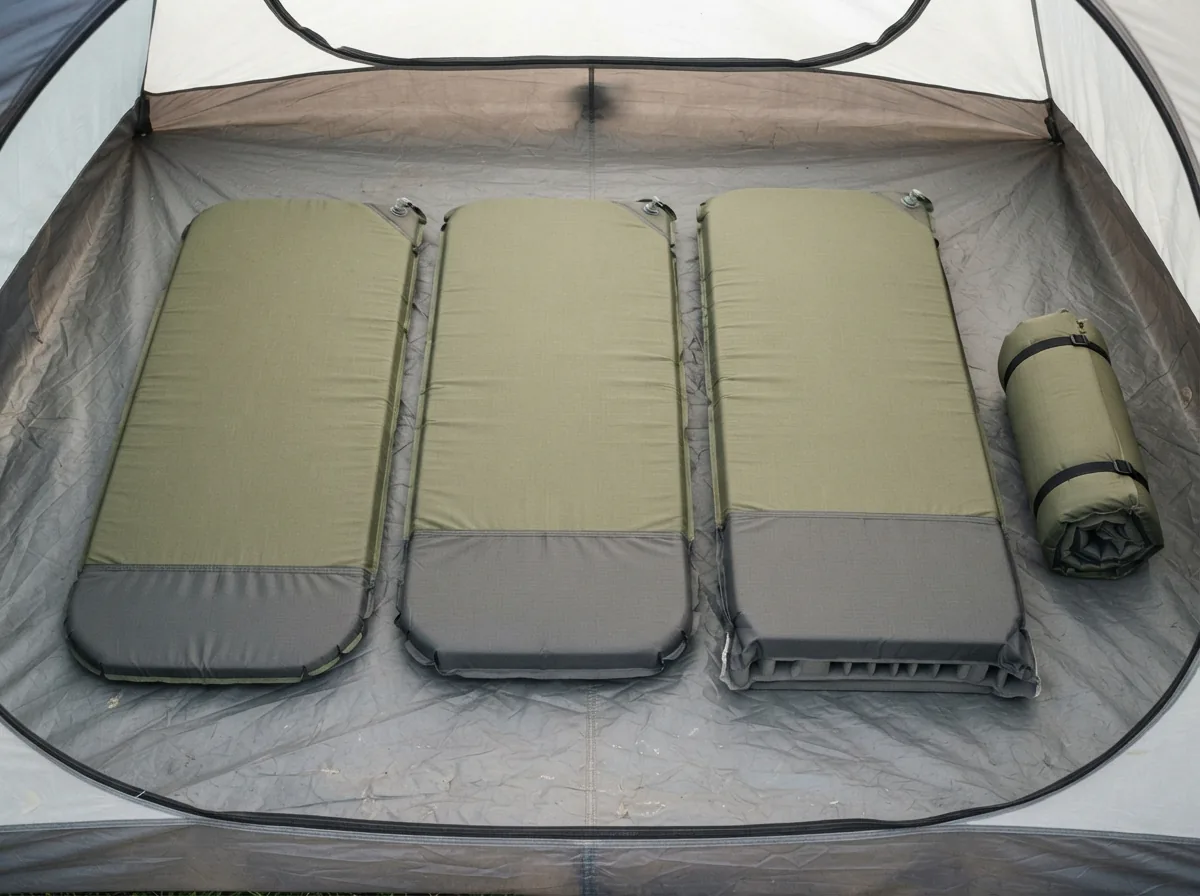
Three self-inflating sleeping pads of different thicknesses laid side by side on a tent floor for comparison
Firmness and foam core feel

Open-cell foam with a sealed chamber gives steady support. Inflate more for a firmer surface or leave it softer if you sleep on your side.

Packed size and carried weight

Slim rolls fit packs and crowded trunks; thicker pads weigh more. Decide first whether you carry the pad or drive straight to the site.

Pad width and how many sleep on it

A single pad covers one sleeper and a double spans two. Campers sharing a tent usually prefer one wide pad over two narrow ones with a gap.

Trip length and how often you use it

If you camp most weekends, a foam core pad outlasts a thin mat used twice a year. Match durability and price to how often you actually go.

Know the differences

Four ways to sort the sleeping pads

Self-inflating pads sort into a few clear directions: solo comfort, shared width, trail weight and foam core durability. Start with how you camp, then use packed size and firmness to narrow the choice down.
Single-width self-inflating sleeping pad laid out for one sleeper in a tent

Solo car camping pads

A standard-width pad covers one sleeper with room to turn over. It is the easiest starting point for a first tent setup and packs small enough for most car trunks.

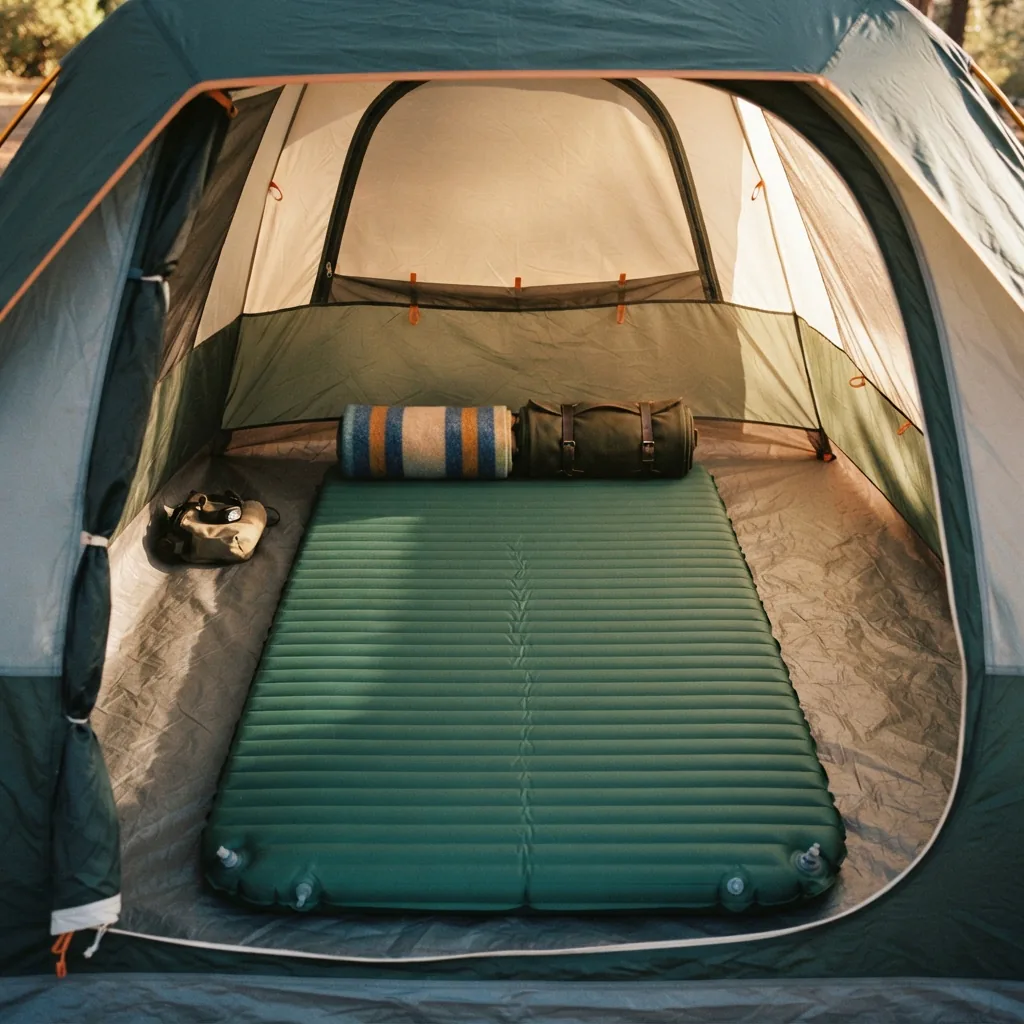
Wide double self-inflating sleeping pad with two rolled blankets side by side in a tent

Wide pads built for two

A double pad spans two sleepers on one roll, so nobody rolls into a gap at night. Choose it when you share a tent and would rather manage one pad than two narrow ones.

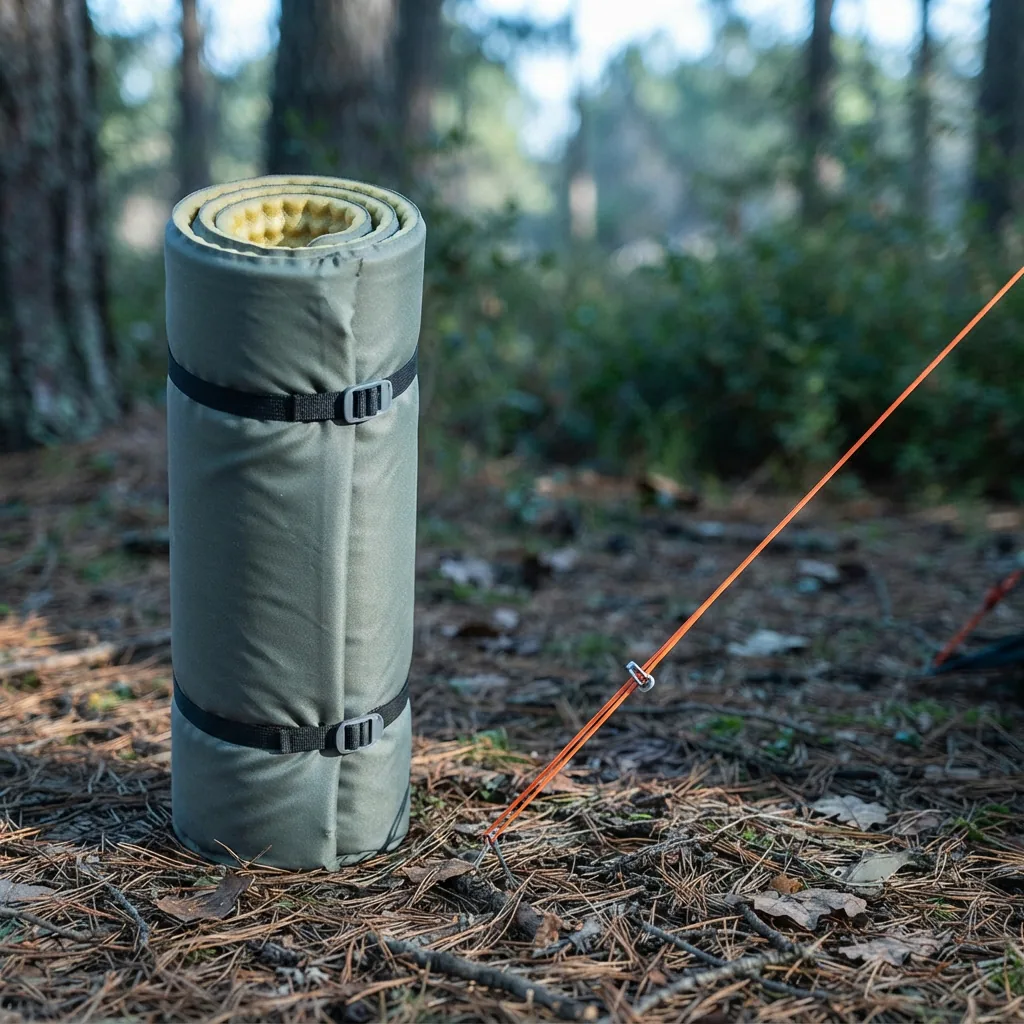
Slim self-inflating sleeping pad tightly rolled and standing on pine-needle ground

Lightweight trail pads

Slimmer and lighter, these pads trade plush padding for a smaller packed bundle. Pick one when you carry your sleep system on your back or hike a short distance to camp.

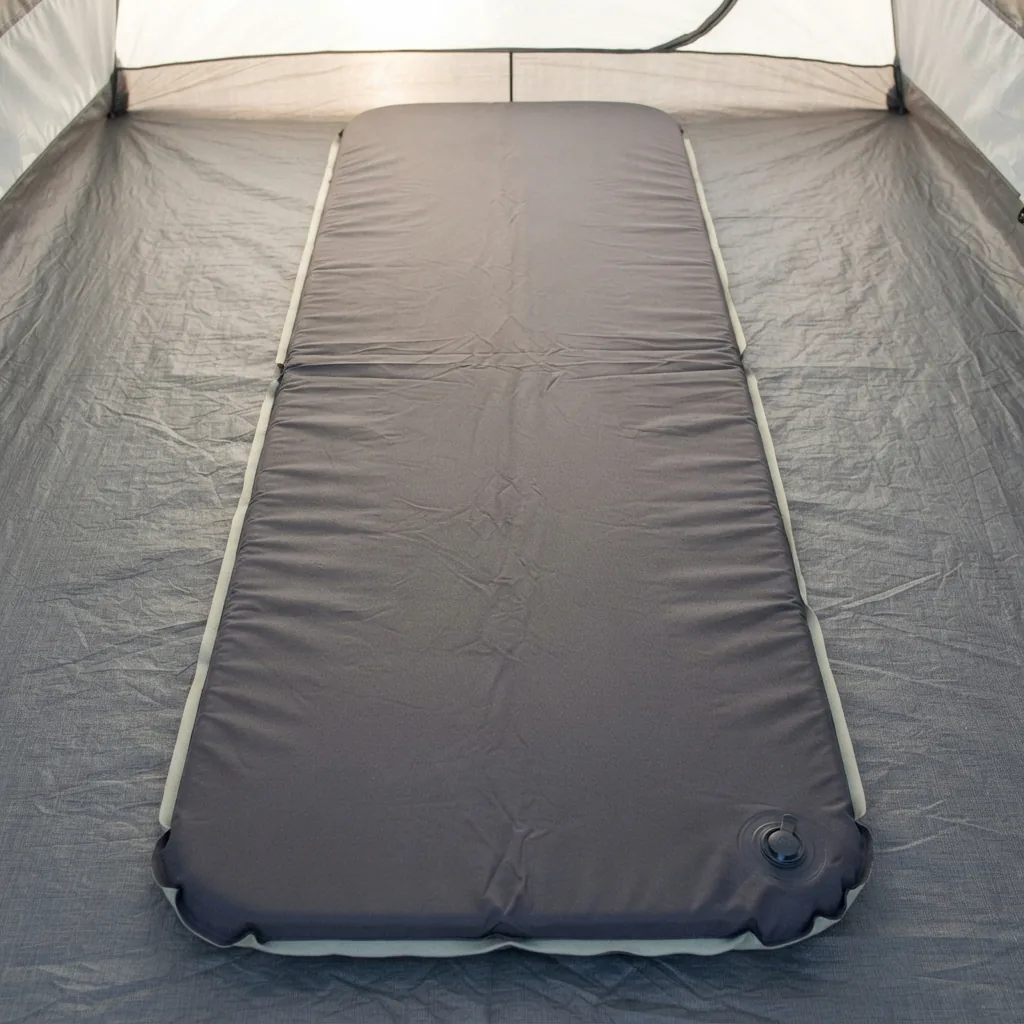
Foam core self-inflating sleeping pad unrolled flat on a tent floor with its air valve visible

Foam core everyday pads

Foam core models favour steady support and durability for repeat weekends. They air out easily, store rolled or flat, and suit campers who reach for the same pad trip after trip.

From real trips

What campers notice after a few nights

Shoppers compare these pads the way they compare any budget gear: does it hold air, is it comfortable enough, and is it easy to live with. These accounts focus on setup, packed size and how the pad feels after a full night.
I had been sleeping on a thin foam mat for two seasons and finally tried a self-inflating pad. It rolled out flat, firmed up with a handful of breaths, and my hips had stopped aching by morning. Setup took less time than pumping up an air mattress.
Decorative customer review avatar icon 1
Dana R.
Set up a new tent and wanted a real floor upgrade
The gap between two narrow pads used to wake us both up. Going to one wide roll-out pad removed that problem. It took a little patience to get the air even across the middle, but nobody rolled into the seam at 3 a.m. and we both slept noticeably better.
Decorative customer review avatar icon 2
Marcus T.
Shared a tent with a partner on a weekend trip
I care about packed size more than plush cushion. The slimmer roll fit inside my pack beside the tent, and it inflated on its own while I made dinner. It is not the thickest pad I have owned, but after six miles I was happy to have saved that weight.
Decorative customer review avatar icon 3
Priya S.
Carries sleep gear into short trail camps
What surprised me was how little fuss it needs. Unroll, open the valve, wait, and it is basically ready. I air it out in the garage before it goes in the closet, and after a summer of regular weekends it still holds air without a top-up each night.
Decorative customer review avatar icon 4
Ben H.
Camps most weekends on a tight gear budget
Before you pick

Honest answers about self-inflating pads

No. Open the valve and the foam core draws in most of the air on its own. A few breaths finish the job and let you set the firmness you like, which usually takes under a minute at camp.
Unroll the pad on flat ground, open the valve, and give it a few minutes to expand. Top it up by mouth if you want more support, then close the valve. Doing this while you set up the tent keeps it out of your way.
The foam core adds insulation between you and the ground, which matters as much as air temperature. For cooler trips, look at thickness and bring warm layers, since ground chill is what drains heat from a sleeper.
Pick the compact roll-up or the backpacking model. Both pack into a smaller bundle and weigh less than a wide double pad, though you give up some cushion. If you only camp by car, comfort matters more than packed size.
Dry the area, cover the hole with the repair patch kit, and let it set before you inflate again. Keeping the kit in your camp box means a stray stick does not end your night. Pads also last longer when you air them out before storage.
Let it air out fully, then store it loosely rolled or flat in a cool, dry place. A carry bag keeps it clean in the car or closet. Avoid leaving it tightly compressed for months, since the foam needs to keep its loft.
Keep exploring

See what else pairs with your sleep kit

Hard-sided and soft-sided Ozark Trail coolers arranged on a wooden picnic table at a wooded campsite
Admin
Ozark Trail Cooler

Compare Ozark Trail coolers by size, shape and how you carry them, from hard-sided chests that hold ice for a weekend to soft totes and backpack coolers for a day out. Each option below shows capacity, format and the trip it fits best.


A group of Ozark Trail mountain bikes with front suspension parked on a dirt trailhead, a rider comparing frame sizes beside them
Admin
Ozark Trail Bike

Ozark Trail mountain bikes span hardtails and full suspension builds, sized from young riders to tall adults. Compare fit, suspension, wheels and gears to match your trails and your budget.

Assorted Ozark Trail folding and fixed blade knives arranged on a rustic wooden camp table
Admin
Ozark Trail Knife

This page lines up Ozark Trail knives so you can compare folding and fixed blades, locks, handles and carry options at a glance. Each pick notes what it handles best, from camp prep to a pocket blade you carry daily.

A row of Ozark Trail camping tents of several sizes pitched on a grassy campground with a family walking between them.
Admin
Ozark Trail Tents

Compare Ozark Trail tents by capacity, setup style, weather coverage and packed weight, from solo backpacking shelters to twelve-person family cabins built for drive-up weekend campsites.
