





Ozark Trail Rain Jacket

Compare Ozark Trail rain jackets by cut, hood style, seam sealing and price so you can match coverage to your trip length. This page gathers women's, men's and unisex options from best sellers to clearance deals in one place.

Four best sellers, each cut a little differently

Ozark Trail Women's and Women's Plus Asymmetrical Zip Rain Jacket, XS-3X, Best Seller

An asymmetrical zip sits off center, so the front lies flatter when a pack strap crosses your chest. It comes in women’s and women’s plus sizes XS-3X and sells as a best seller, which suits shoppers who want a simple shell for drizzly day hikes and short weekend walks.

Ozark Trail Women's and Women's Plus Long Zip Rain Jacket with Hood, XS-3X, Best Seller

A full-length zip and attached hood add coverage when wind drives rain sideways, and you can vent the front without pulling the hood off. Offered in women’s and women’s plus sizes XS-3X, this best seller fits shoppers who want one jacket for commutes, camp chores and wet trail days.

Ozark Trail Women's and Women's Plus Rain Jacket, XS-2X, Best Seller Everyday Pick

This is the plain option in the women’s range: a zip-front shell with a hood, cut in women’s and women’s plus sizes from XS through 2X. As a best seller it suits buyers who want one light layer for errands, dog walks and brief trail showers rather than a technical piece for long trips.

Ozark Trails Men's and Big Men's Pinnacle System Rain Jacket, S-3XL, Priced $35.00

Priced at $35.00, this men’s and big men’s jacket sits in the middle of the group rather than at the bargain end. Sizes run S-3XL in a single cut, giving you room to add a fleece underneath for cool, wet weekend hikes without having to size up and lose the hood fit.

Ozark Trails Unisex Lightweight Packable Rain Jacket, M/L-XL/XXL, Overall Pick for Travel

Marked an overall pick, this unisex shell is the lightest and most packable option here. It comes in M/L and XL/XXL sizing, so one jacket covers two size runs, and it folds small enough to live in a daypack through shoulder season. Choose it when rain is likely but space and weight matter more than extra features.
Deeper cuts and better deals

Three more jackets worth a second look

Ozark Trail Men's & Big Men's Hooded Rain Jacket, S-3XL, Clearance Now $10.33 Was $26.98

Now $10.33, marked down from $26.98, this clearance hooded jacket is the cheapest entry into the category. It covers men’s and big men’s sizes S-3XL, which makes a sensible spare shell to keep in the car. The trade-off is plain: you pay less and should expect a shorter working life.

Ozark Trail Men's and Big Men's Seal Seamed Rain Jacket, S-3XL, Clearance $18.69 Was $34.98

Seal seamed construction tapes the stitched seams, the spots where water usually works through first. That detail earns its keep on longer days in steady rain, and this men’s and big men’s jacket runs S-3XL at $18.69, down from $34.98 on clearance. Choose it when soaking rain, not a passing drizzle, is the forecast.

Ozark Trail Men's Rain Jacket with Hood, Sizes S-3XL, Ready for Days of Bad Weather

For bad weather days, this is the uncomplicated choice: a hooded shell in men’s sizes S-3XL with nothing extra to adjust. You get coverage where it counts and a cut roomy enough over a base layer. Shoppers reach for it on storms, rainy commutes and chores where a soaked shirt is the real problem.
Who this gear suits

Everyday trips, not expedition climbs

These jackets serve shoppers who want dependable rain cover for short trips and regular weekends rather than premium specialist kit. Match the jacket to your trip length, how much you layer, and how often you expect to wear it.

Weekend campers and families

Families setting up camp want a jacket that handles a downpour during setup, then folds away for the drive home. A hooded shell in a broad size run lets one purchase cover different family members across a few seasons.

Day hikers and commuters

If rain arrives between the car and the trailhead, weight matters more than taped seams. A light zip-front shell keeps a workday bag dry and still handles an evening walk when the weather turns on the way home.

First shells and spare jackets

Buyers testing how often they actually get rained on do well to start cheap, then upgrade. A clearance jacket covers the first few seasons and shows you which features you reach for before you spend more.

Four things decide which rain jacket fits your trip: the cut, the hood, how the seams are sealed and what you pay. Each one changes how long you stay dry and how much jacket you need for the outing.

Compare fit, coverage, seams and price

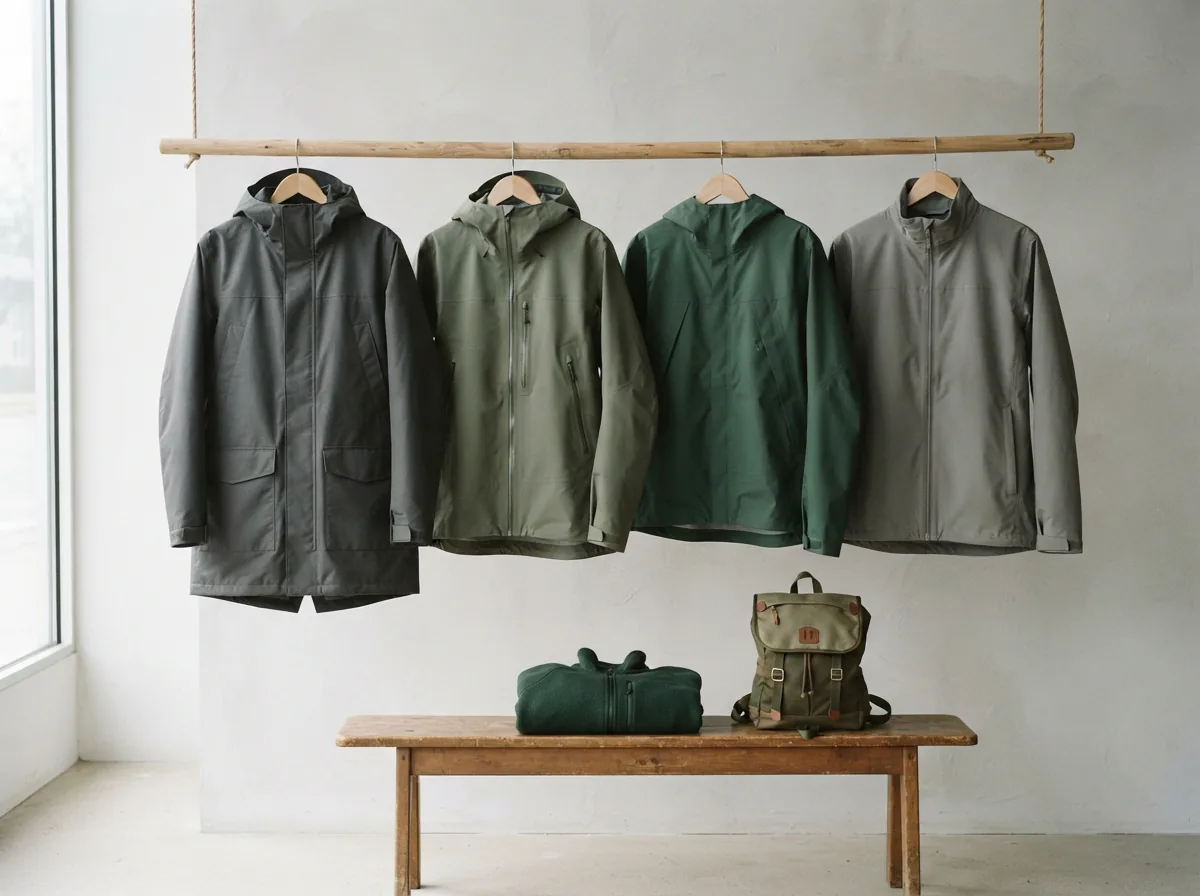
Three rain jackets of different cuts hanging on a wooden rail above a folded fleece and a daypack
Fit and sizing range across cuts

Women's, women's plus, men's, big men's and unisex sizing all appear here. Check the range first: a jacket cut for a fleece will feel loose over a tee, and sizing up can push the hood over your eyes.

Hood and coverage in wind-driven rain

A fixed hood keeps rain off your face when the wind picks up, while a full-length zip lets you vent on the climb. Look for both if you walk in changeable weather rather than light, straight-down drizzle.

Sealed seams versus steady rain

Seal seamed styles tape the stitching where water first works through. That matters on long wet days; on a ten-minute dash to the car it makes little difference, so weigh the detail against the price.

Price tiers and expected lifespan

Clearance prices near ten dollars suit a spare shell, while thirty to thirty-five dollars buys more coverage and features. Budget models trade longevity for savings, so decide how many seasons you expect.

Find your rain jacket type

Four directions worth comparing first

Within this category the jackets split by who they are cut for and how much coverage they give. Start with the sizing family, then decide on hood, zip length and seam sealing to narrow the shelf quickly.
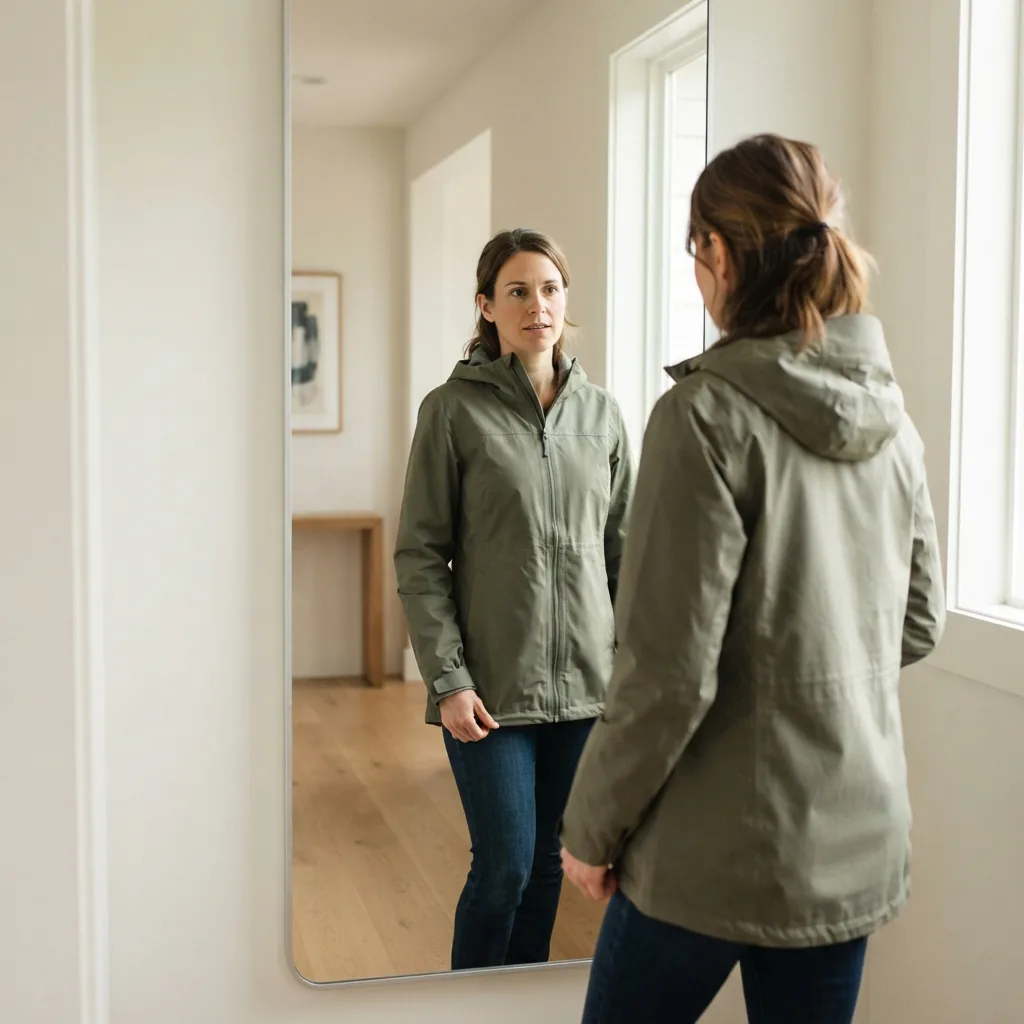
Woman checking the fit of a women's cut rain jacket in a hallway mirror

Women's and plus sizing

Two women's size runs appear here: XS-3X and XS-2X, across asymmetrical, long-zip and plain fronts. Match the cut to your layers and pick the run that ends closest to your usual size.

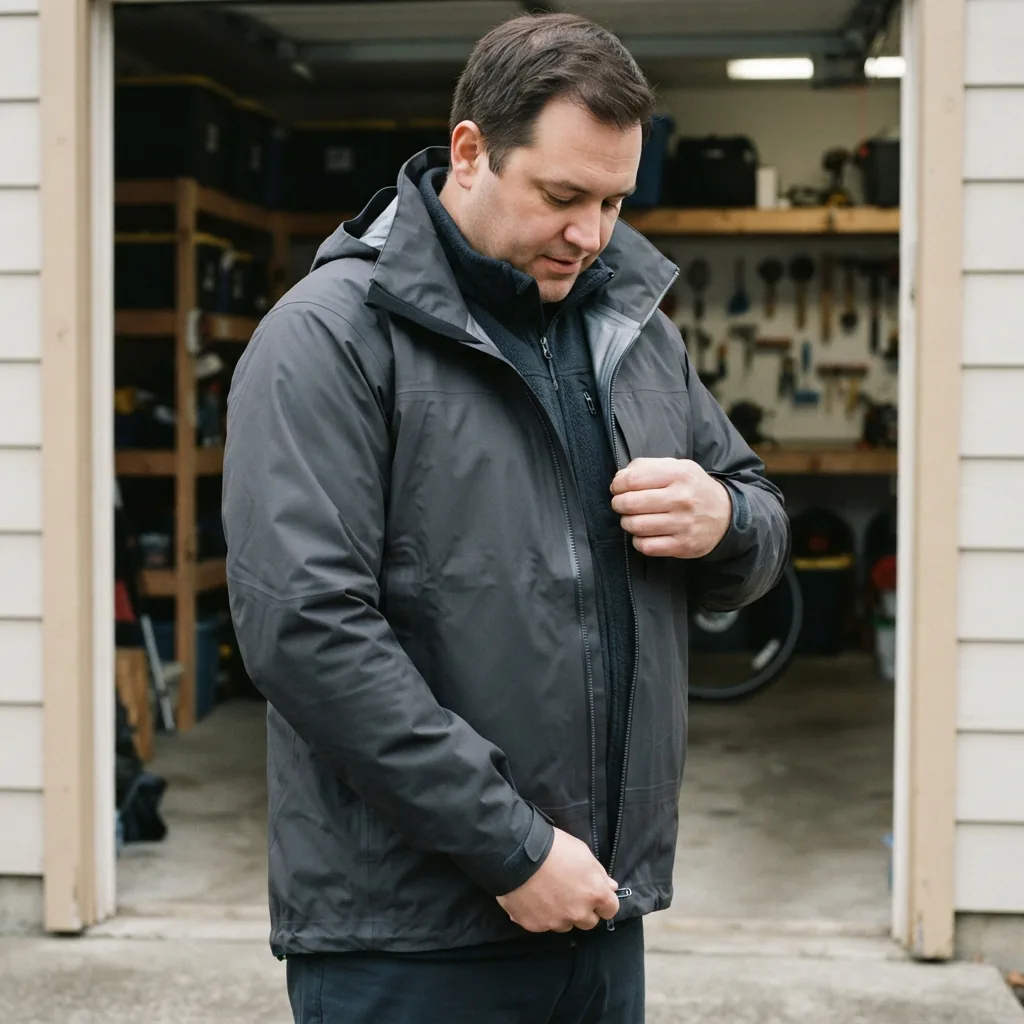
Larger-build man zipping a men's cut rain jacket over a fleece in a garage doorway

Men's and big men's cuts

Men's and big men's options share one S-3XL run, from hooded basics to seal-seamed shells. If you layer in winter, the roomier cut keeps the hem from riding up when you reach overhead.

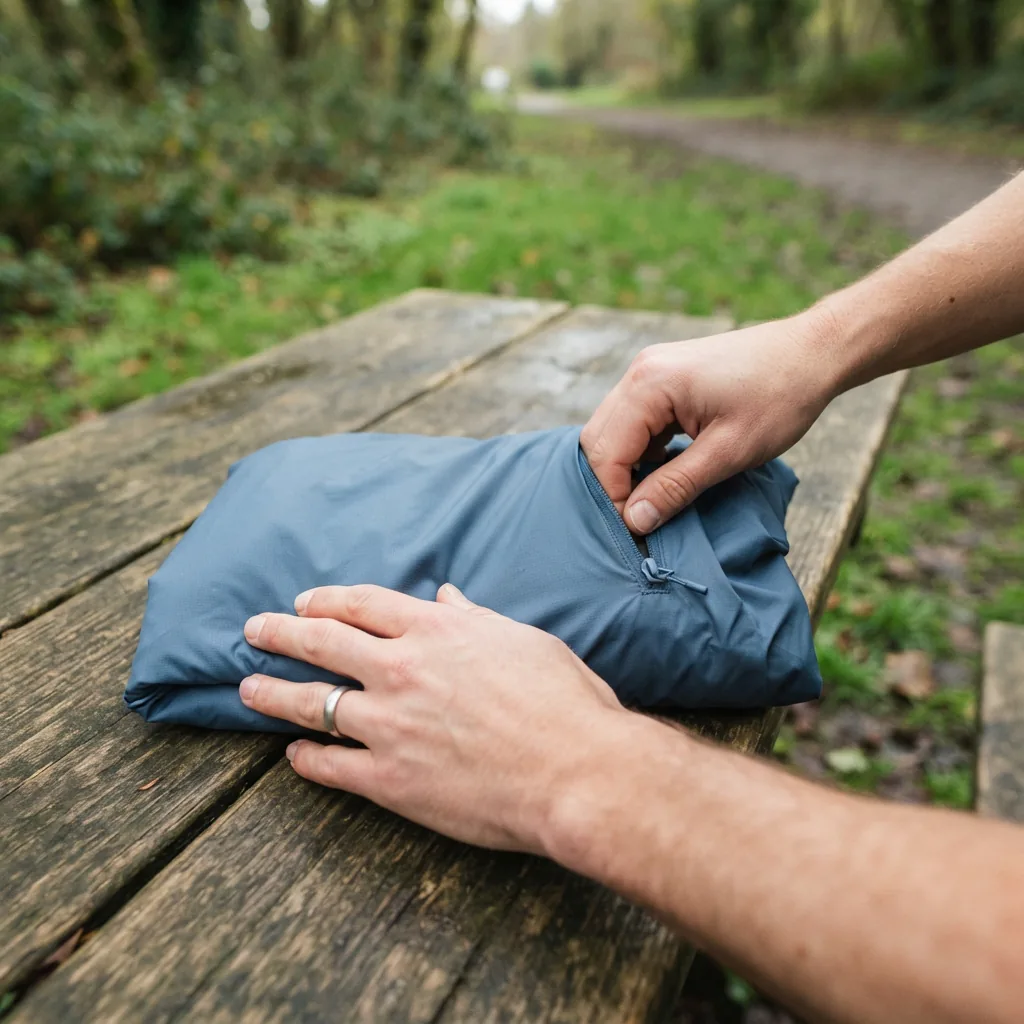
Adult folding a lightweight unisex rain jacket into its own pocket on a picnic table

Unisex packable shells

A single M/L to XL/XXL unisex option keeps things simple when two people share one jacket. It folds small, so it rides in a daypack instead of staying forgotten in the car boot.

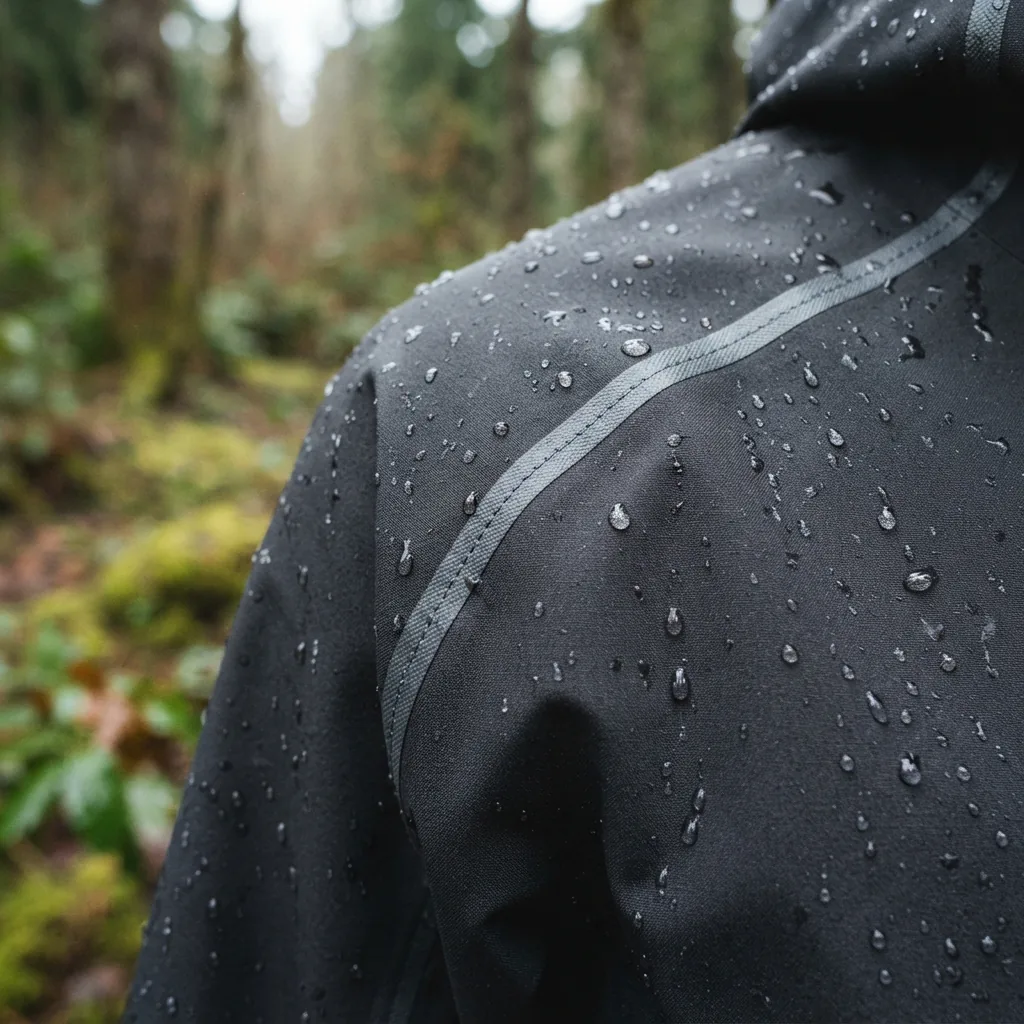
Close view of a rain jacket shoulder with water beading along a taped seam line

Seam-sealed steady-rain styles

Seal seamed jackets tape the stitching for longer wet hours, while standard seams cost less. Choose sealed seams when the forecast is steady rain, and plain seams for brief showers.

What shoppers report

First-hand notes from wet-weather use

These accounts describe how rain jackets perform on real trips: packing small, keeping layers dry and fitting across size ranges. Experiences vary with weather and trip length, so use them to weigh trade-offs, not as guarantees.
I stuffed a light rain shell into the side pocket of my daypack and left it there for a month. When the rain came on our Saturday hike it came out dry, went on over my fleece and kept my sleeves from soaking through. I stopped debating whether it was worth carrying.
Decorative customer review avatar icon 1
Dana R.
Packed it small and forgot it was there
I usually size up in outdoor brands and end up with sleeves too long. Here I stayed in my normal big size and the jacket still cleared my hips when I reached up for the tent poles. It felt loose enough for a layer underneath without flapping in the wind.
Decorative customer review avatar icon 2
Marcus T.
Fit across a bigger size range mattered
We set up camp in a steady drizzle and I stayed in the same jacket the whole evening. It dampened a little at the shoulders after a few hours, but my shirt underneath stayed dry and I did not need a change before bed. For what I paid that felt more than fair.
Decorative customer review avatar icon 3
Priya S.
Weekend camping in steady rain
My first jacket was a clearance pick I kept in the car for unexpected showers. It did the job for a season of errands and dog walks, then the zip started catching. That told me which features I actually used before I spent more on a jacket for longer trips.
Decorative customer review avatar icon 4
Jen W.
Bought a cheap spare first, then upgraded
Questions worth asking

Answers before you pick a jacket

Start with the size run, not the cut name. Women’s options run XS-3X or XS-2X, men’s and big men’s run S-3XL, and the unisex shell covers M/L to XL/XXL. Pick the run ending closest to your usual size, then leave room for the layers you plan to wear underneath.
Seams are where water usually works through first, so taping them helps on long days in steady rain. For a quick dash between showers you may never notice the difference. If your plan involves hours outside while it falls, the sealed option is the one to weigh on price.
They are rain shells, not insulation. Their job is to stop wind and water, so you supply the warmth with a fleece or base layer underneath. Cut room matters here, so check the size run and layering space before ordering if you hike in cooler months.
Not exactly, but it does set expectations. Lower prices often trade some longevity for savings, which is fine for a spare shell kept in the car or a jacket for a growing kid. If you need many seasons of regular use, weigh a mid-price option instead.
Packable means the jacket folds down small enough to live in a daypack without you thinking about it. That suits hikers and commuters who only put it on if the sky turns. Choose it over a bulkier shell when space and weight matter more than extra coverage.
A hooded zip-front in your size run covers most weekend plans: camp setup, a wet walk, the walk back to the car. Compare hood fit and zip length first, then price. If you expect steady rain for hours at a time, move up to a seal seamed style.
Where to head next

More gear to compare after this page

Hard-sided and soft-sided Ozark Trail coolers arranged on a wooden picnic table at a wooded campsite
Admin
Ozark Trail Cooler

Compare Ozark Trail coolers by size, shape and how you carry them, from hard-sided chests that hold ice for a weekend to soft totes and backpack coolers for a day out. Each option below shows capacity, format and the trip it fits best.


A group of Ozark Trail mountain bikes with front suspension parked on a dirt trailhead, a rider comparing frame sizes beside them
Admin
Ozark Trail Bike

Ozark Trail mountain bikes span hardtails and full suspension builds, sized from young riders to tall adults. Compare fit, suspension, wheels and gears to match your trails and your budget.

Assorted Ozark Trail folding and fixed blade knives arranged on a rustic wooden camp table
Admin
Ozark Trail Knife

This page lines up Ozark Trail knives so you can compare folding and fixed blades, locks, handles and carry options at a glance. Each pick notes what it handles best, from camp prep to a pocket blade you carry daily.

A row of Ozark Trail camping tents of several sizes pitched on a grassy campground with a family walking between them.
Admin
Ozark Trail Tents

Compare Ozark Trail tents by capacity, setup style, weather coverage and packed weight, from solo backpacking shelters to twelve-person family cabins built for drive-up weekend campsites.
