
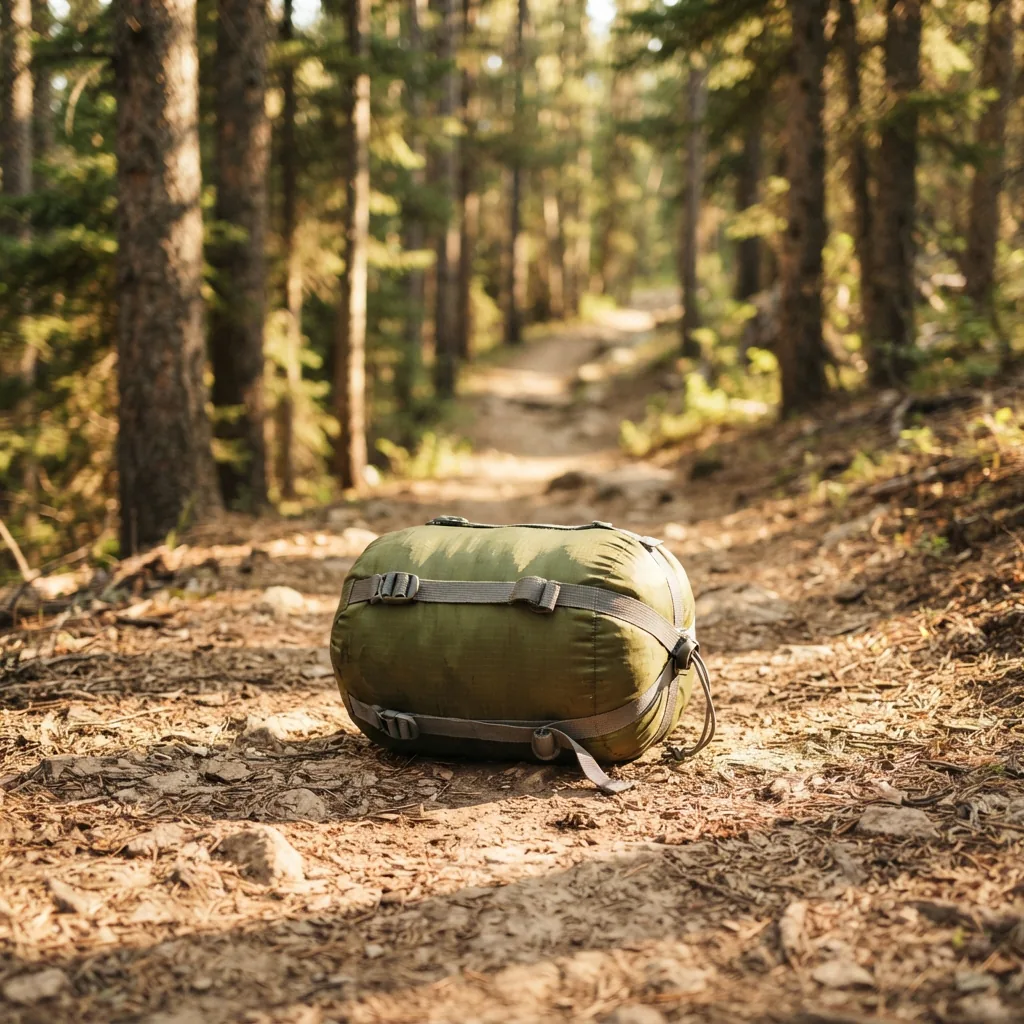





Ozark Trail Mummy Sleeping Bag

This category gathers Ozark Trail mummy sleeping bags across temperature ratings, weights and pack sizes. Line up warmth, room and packed bulk side by side, then match a bag to your trip length, season and how far you carry it.

Four mummy bags, four temperature ratings

Ozark Trail 50°F Compact Mummy Adult Sleeping Bag - Green, Easy Pack for Warm Nights

This green compact mummy is made for adults who want real warmth without a heavy pack. The 50°F rating fits mild summer nights at a campground, and the tapered shape trims bulk so it rolls down small for a trunk or a weekend pack. A practical first bag for short car-camping trips.

Ozark Trail 50°F Mummy Sleeping Bag Lightweight Camping Backpacking 88.6”, Long Cut

At 88.6 inches long, this lightweight 50°F mummy gives taller campers room to stretch without adding much weight to a pack. It suits backpacking and camping in mild weather, where the priority is moving miles by day and staying comfortable at night. A good pick for hikers counting ounces.

Ozark Trail 30°F Cool Weather Mummy Sleeping Bag Blue Large 85 x 33 in, Roomy Fit

Blue, roomy, and rated for 30°F, this bag is aimed at cooler nights when a 50°F liner leaves you cold. The large 85 by 33 inch cut gives side sleepers and broader frames space to move, so comfort does not come at the cost of warmth. Handy for spring and fall weekends outdoors.

Ozark Trail 10-Degree Cold Weather Mummy Sleeping Bag, Red, 85 in x 33 in, Winter Use

For genuinely cold camping, this red mummy holds a 10°F rating and the coverage to match. The 85 by 33 inch dimensions keep heat close while leaving enough room at the shoulders and feet. Choose it when the forecast dips and you would rather over-warm than wake up shivering.

Ozark Trail Mummy Sleeping Bag Gray Orange Camping Backpacking Outdoor Gear for Trips

Gray with orange trim, this mummy bag covers the middle ground between warm-weather and cool-weather options. The shape wraps close to the body to hold heat, while the two-tone look keeps it easy to spot in a packed car or shared tent. Campers who want one bag for mixed-season weekends get a fair trade for the price.
More to compare

Three more bags matched to season and trip

Ozark Trail Warm Weather Mummy Sleeping Bag for Summer Camping, Roomy Easy-Pack Pick

Roomy where it counts and easy to pack, this warm-weather mummy is built for summer nights at the campsite or a short overnight on the trail. The tapered shape keeps bulk down without squeezing you, so it slides into a pack without eating space. A sensible pick for scout trips and first-time backpackers.

Ozark Trail Shoulder Season Mummy Sleeping Bag for Cool Nights, One Bag Spring Fall

Made for spring and fall, when the temperature drops after sundown, this shoulder-season bag uses a contoured hood and snug mummy cut to hold warmth close. The smooth zip lets you adjust without fumbling in the dark. One bag that covers most of the year’s outings suits hikers who do not want a rotation.

Ozark Trailpackable Mummy Sleeping Bag with Compression Stuff Sack, Light Pack Fit

Packing light gets simpler when the bag compresses into its own stuff sack, which is exactly what this travel-friendly mummy does. Backpackers, festival campers and anyone splitting the miles appreciate the smaller footprint in a loaded pack. Straightforward to roll, stow and pull back out once camp is set.
Where it fits

Who gets the most from these bags

These bags cover drive-in weekends, first backpacking overnights and shoulder-season outings where the forecast shifts. Match the bag to how you travel, how cold it gets and how far you walk, and the night stops being a struggle.

Weekend car camping with family

Drive-in sites let you bring a roomier bag and extra layers, so comfort matters more than packed size. A mid-range rating handles most summer and shoulder-season weekends without fuss.

Your first backpacking overnight

On a first trail overnight, weight and pack size decide how far you go. A compact 50°F mummy keeps the load light while still covering mild nights at lower elevations.

Shoulder-season scouting trips

Spring and fall outings bring cold snaps after dark. A 30°F bag with a hood gives margin when the forecast shifts, so one bag covers troop campouts across the year.

Four things decide which mummy bag fits: how cold your nights get, how much room you need, how small it packs, and how often you will use it. Each one shifts the bag that will serve you best.

How to pick the right sleeping bag

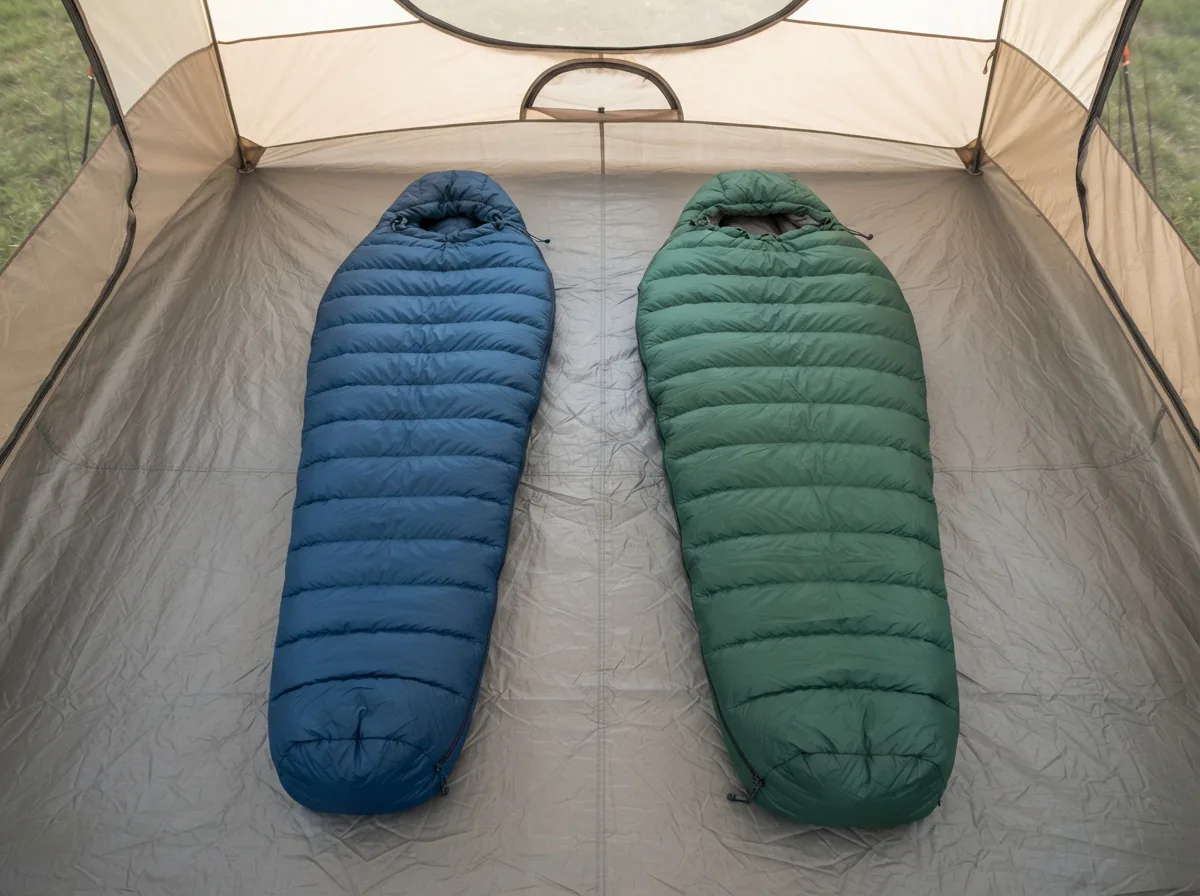
Two mummy sleeping bags of different sizes laid side by side for comparison
Match the rating to your season

A 50°F bag suits mild summer nights, 30°F covers spring and fall, and 10°F is for genuinely cold trips. Buying warmer than you need adds weight, while buying cooler means cold nights.

Check length and shoulder room

Bags around 85 inches long fit most adults, and the 33 inch width gives side sleepers space. A tighter cut holds heat better but can feel restrictive if you move in your sleep.

Weigh packed size against comfort

A compact mummy trims bulk for backpacking, while a roomier cut reads better for car camping where weight does not matter. Decide first whether you will carry it or drive to camp.

Plan for trip length and wash-up

Short weekend trips ask less of a bag than repeated use all season. Think about how often you camp, how you store it, and whether one mid-range bag covers most outings.

Know the range

Four directions to narrow your choice

The category splits by how cold it gets, from 50°F warm-weather bags to 10°F cold-weather models, plus compact builds that pack down small. Start with your typical night temperature, then weigh room against packed size.
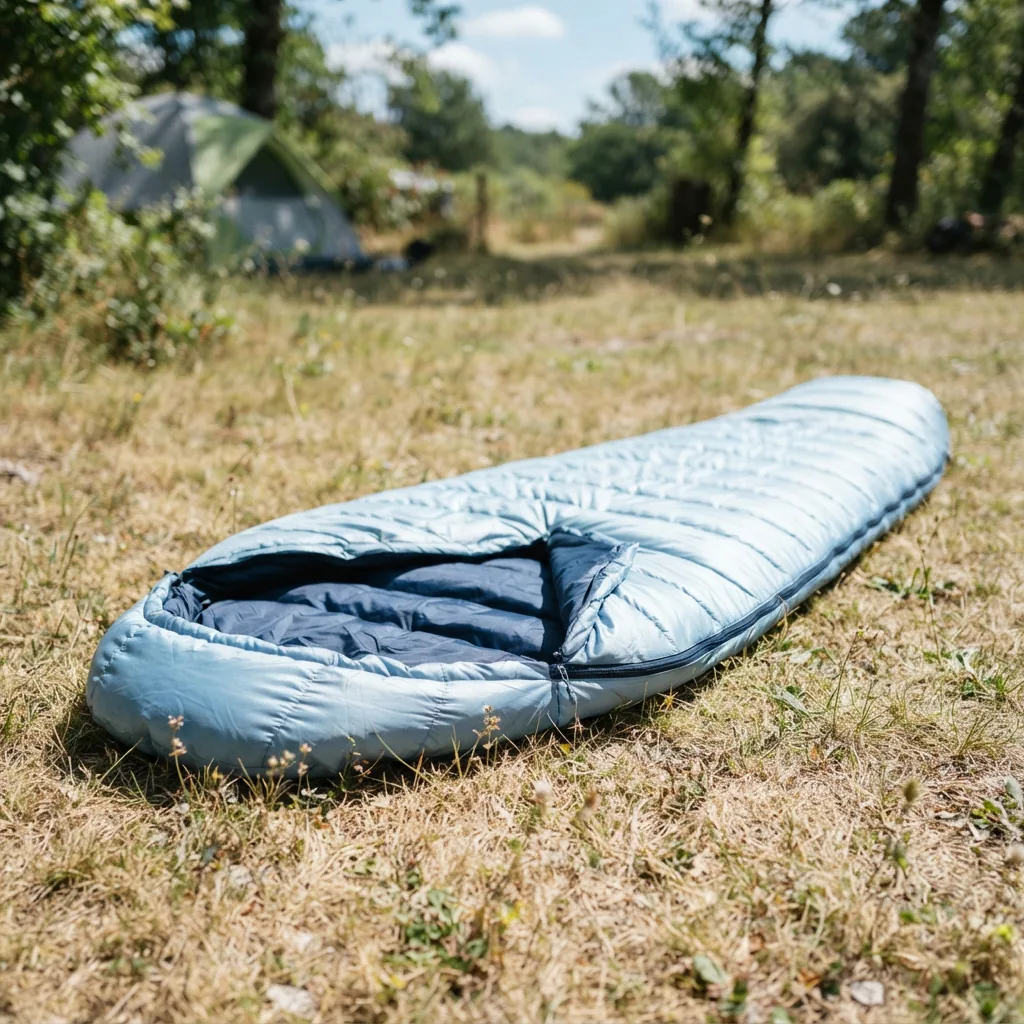
Warm weather mummy sleeping bag opened flat on grass at a summer campsite

Warm-weather mummy bags

Rated near 50°F, these bags target mild nights and summer camping. They pack small and weigh less, which suits hikers who move light and sleep when the air is still warm.

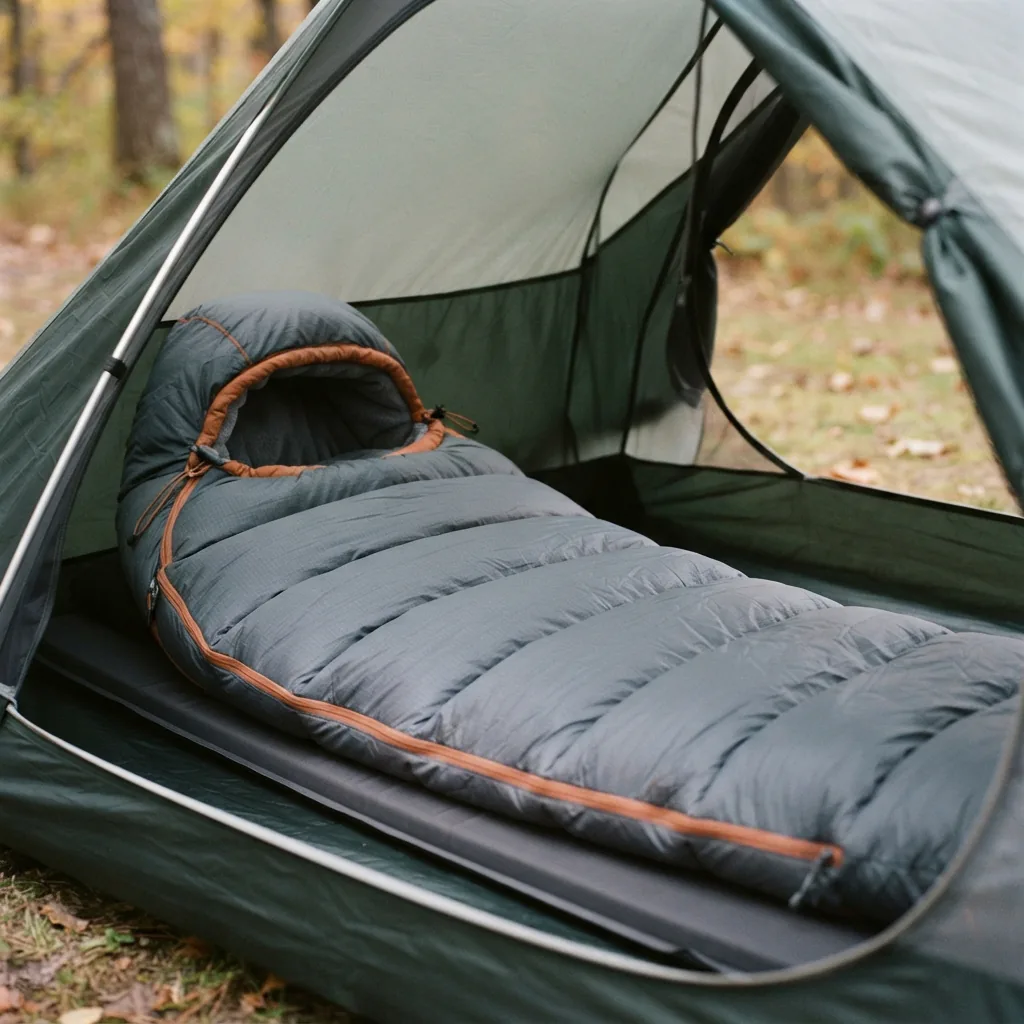
Cool weather mummy sleeping bag with hood raised inside an autumn tent

Cool-weather coverage

Rated around 30°F, they add warmth for spring and fall without the bulk of a deep-winter bag. Look for a contoured hood if you expect frost on the tent in the morning.

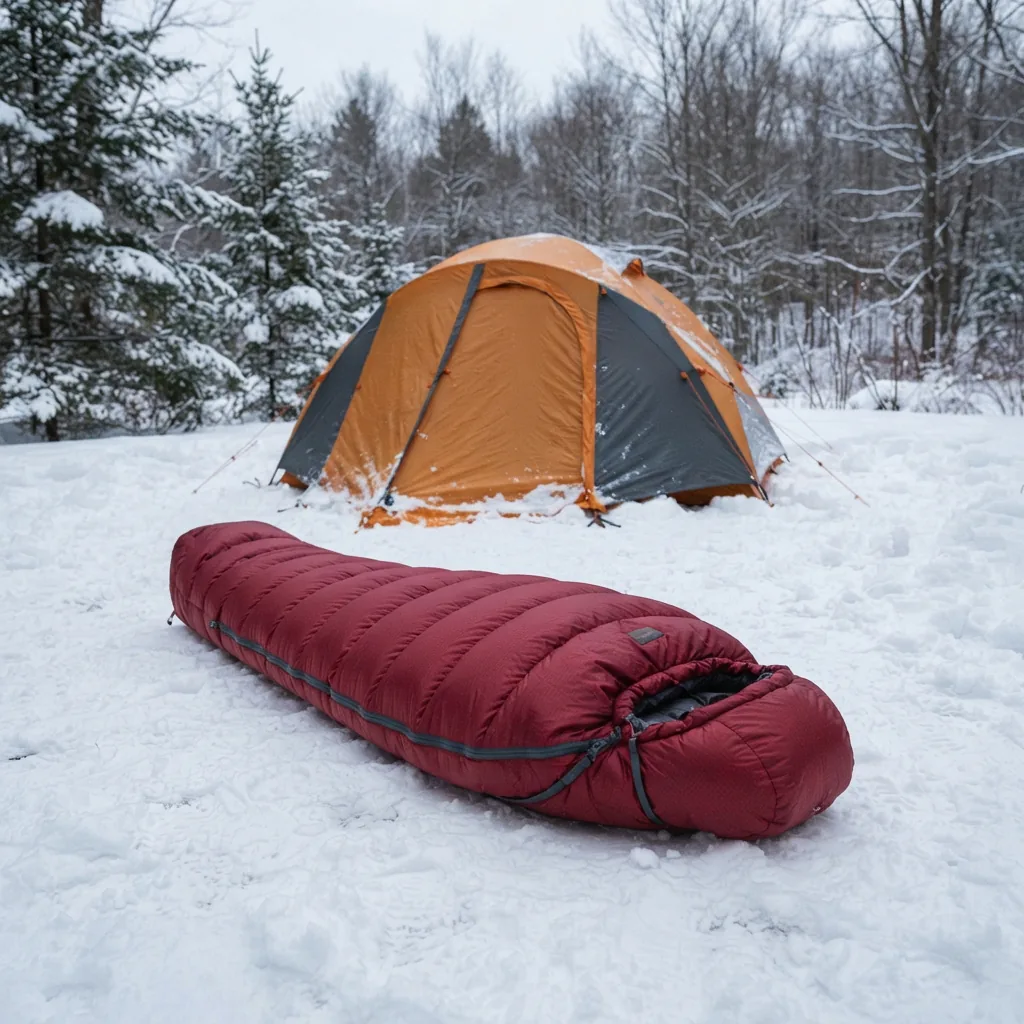
Cold weather mummy sleeping bag resting on packed snow outside a winter tent

Cold-weather insulation

A 10°F rating means real insulation for winter and high-country nights. Expect more material and a larger packed size, which is a fair trade when the temperature drops hard.

Compact mummy sleeping bag packed into a compression stuff sack on a hiking trail

Compact and packable styles

Compression stuff sacks and tapered cuts reduce packed bulk for trail miles. Car campers can skip this and prioritize room, since weight is not the constraint.

Field Notes from Camp

Shoppers on carrying and sleeping

Shoppers describe the same small moments: packing the bag down, fiddling with the zip in the dark, and waking warm when the temperature dropped overnight. Their notes are about feel and routine, which is where most surprises show up.
I stuffed the bag into my pack with room to spare and still slept through a night that dipped cooler than I expected. Waking up stiff was not an issue, and the hood made a real difference when the wind picked up before dawn.
Decorative customer review avatar icon 1
Dana R.
Packed it small and slept warm on a cool night
This was my first mummy-style bag and I worried about feeling boxed in. The zip moves smoothly, so adjusting at 2 a.m. took one hand, and I had enough room at the shoulders to turn over without waking the whole site.
Decorative customer review avatar icon 2
Marcus T.
First mummy bag, easy to zip and adjust in the dark
Over about six weekends of camping it held up to repeated stuffing and unpacking. I air it out after each trip and it still lofts the same. For the price, having one bag cover most of the year makes planning a lot simpler.
Decorative customer review avatar icon 3
Priya S.
Used it across a full season of weekend trips
I could not decide between a milder rating and a colder one, so I asked what conditions I actually camp in. Most of my nights land in the 40s. Choosing for real conditions saved me money and kept my pack lighter than planned.
Decorative customer review avatar icon 4
Kevin L.
Compared two ratings before settling on one
Questions worth asking

Answers before you pick a bag

Match the rating to the coldest night you expect. A 50°F bag covers mild summer outings, 30°F handles spring and fall, and 10°F is built for genuinely cold weather. If you camp across a range, choose the colder rating and vent the zip on warmer nights.
Most bags in this category run about 85 inches long with roughly 33 inches of width, which fits most adults. Side sleepers and broader frames tend to prefer the roomier cut, while a snugger shape holds heat better if you sleep on your back.
It depends on the rating and the night. Lightweight 50°F bags are built for mild weather, so if temperatures drop toward freezing you will want a 30°F option or extra layers. Check the forecast for your site and pack a backup layer either way.
Compact and packable styles use tapered cuts and stuff sacks to save space in a pack, which matters on the trail. Roomier bags add comfort for car camping where weight does not matter. Decide how you will carry it before you decide how much room you need.
Loose storage helps insulation loft. Keep the bag uncompressed in a large sack or hanging in a dry closet rather than left tightly rolled in its stuff sack, and make sure it is fully dry before it goes away for the season.
Ozark Trail is a value-focused Walmart private label aimed at short trips and regular weekend use. Independent reviewers have called it a reasonable buy for the price while noting it is less easy to set up and carry, and may not last as many years as top-end gear.
Keep exploring

More gear worth a closer look

Hard-sided and soft-sided Ozark Trail coolers arranged on a wooden picnic table at a wooded campsite
Admin
Ozark Trail Cooler

Compare Ozark Trail coolers by size, shape and how you carry them, from hard-sided chests that hold ice for a weekend to soft totes and backpack coolers for a day out. Each option below shows capacity, format and the trip it fits best.


A group of Ozark Trail mountain bikes with front suspension parked on a dirt trailhead, a rider comparing frame sizes beside them
Admin
Ozark Trail Bike

Ozark Trail mountain bikes span hardtails and full suspension builds, sized from young riders to tall adults. Compare fit, suspension, wheels and gears to match your trails and your budget.

Assorted Ozark Trail folding and fixed blade knives arranged on a rustic wooden camp table
Admin
Ozark Trail Knife

This page lines up Ozark Trail knives so you can compare folding and fixed blades, locks, handles and carry options at a glance. Each pick notes what it handles best, from camp prep to a pocket blade you carry daily.

A row of Ozark Trail camping tents of several sizes pitched on a grassy campground with a family walking between them.
Admin
Ozark Trail Tents

Compare Ozark Trail tents by capacity, setup style, weather coverage and packed weight, from solo backpacking shelters to twelve-person family cabins built for drive-up weekend campsites.
