
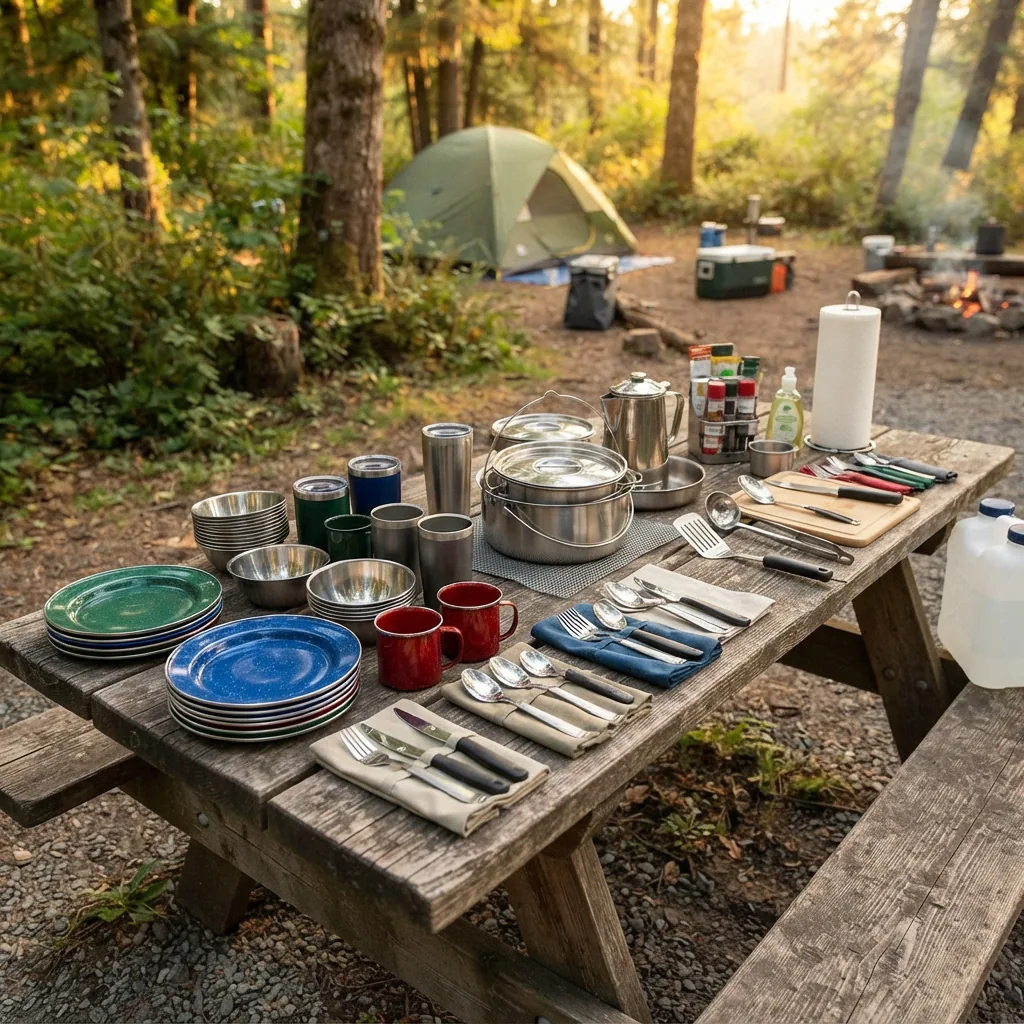





Ozark Trail Mess Kit

Compare Ozark Trail mess kits by piece count, material and pack size, from five-piece sets to 22-piece kits. Each difference changes how the kit travels, how it washes and who it suits.

Four mess kits that differ in pieces, material and pack size

Ozark Trail 11-Piece Silicone Camping Mess Kit That Packs Down Neatly for Weekend Trips

The eleven pieces give a small group enough plates, bowls and utensils without hauling a full kitchen. Silicone flexes for packing and shrugs off hot food at the stove, so cleanup is a rinse and a wipe. It suits short trips and weekend campouts where weight and space matter more than a rigid set.

Ozark Trail 5-Piece Space-Saving Cookware Camping Mess Kit in Steel, Aluminum and Plastic

Five pieces cover the basics for one or two campers, and they nest tightly to save space in a packed vehicle. Steel, aluminum and plastic each do a different job at the table, so hot food stays in the pan while cups stay light. A practical pick for weekend trips where room is tight.

Ozark Trail 22-Piece Non-Stick Camping Mess Kit with Mesh Bag for Family Group Meals Outdoors

Twenty-two pieces make this the option for families or groups feeding more than two people. The mesh bag keeps everything together at the campsite and lets wet gear dry on the way home. Non-stick surfaces clean up fast, and at $36.87 it stays inside a modest camp kitchen budget.

Aluminum 5 pc. Mess Kit by Ozark Trail Outdoor Equipment, Lightweight for Hiking Trips

This five-piece aluminum kit keeps the whole place setting in one light bundle, which matters on a hike or a short walk to the site. Aluminum is durable for the price and handles everyday camp cooking without complaint. Beginners setting up a first camp kitchen get a simple, honest starting point.

Ozark Trail Everyday Camp Plate and Utensil Set for Easy Camp Dinners at the Picnic Table

A full place setting in one flat stack, so camp dinners start without a search through the cook box. The plate holds a real meal, from one-pot chili to pancake mornings at the picnic table, and the utensils pack beside it. Both rinse clean at the spigot and stow easily for the ride home.
More kits for specific trips

Three kits built around how and where you eat

Ozark Trail Backpacking Trail Bowl Kit That Nests Small Inside a Pack for Weekend Hikes

Hikers who would rather eat from a bowl than out of the pot get a sensible option here. It nests small inside a pack, holds a hot serving of oatmeal or soup steady in your hands, and cleans up with a rinse and a wipe. On a weekend where every ounce and inch count, that trade-off earns its space.

Ozark Trail Kids' Camp Mess Kit Sized for Small Hands at the Camp Stove on Family Trips

Children serving themselves at the camp stove need gear sized for smaller hands, and this kit is built for that. It stands up to the drop-and-scrape reality of family camping and goes in the wash like any other dish. A good first kit for kids who want their own gear on a weekend trip, without a big spend.

Ozark Trail Deep Dish Cook and Eat Mess Kit That Cooks and Eats in One Pan with Less Cleanup

One deep-sided pan goes from the fire to your lap, so a portion of pasta, rice or eggs cooks and gets eaten without extra dishes. The shape keeps food contained while you stir, and it packs flat when the meal is done. Campers who would rather wash one thing than three will see the point right away.
Where these kits fit

Three trips where a mess kit earns its space

These kits cover family camp weekends, short hikes and first setups built on a budget. The right choice depends on who eats, how far you carry the gear and whether you are stocking a car trunk or a single pack.

Family weekends at a drive-up site

A full set keeps the cook box organized when everyone eats at once, and larger counts mean fewer trips back to the car for a missing plate.

Short hikes and overnight pushes

Weight and packed size matter most here, so a light kit that nests small earns its space in the pack over a long day on the trail.

First setups on a tight budget

Affordable kits let a new camper build a working kitchen without a large spend, and simple pieces are easy to replace or add to later.

Piece count, material, pack size and trip length all shift the answer. More pieces feed more people but take more room, while lighter materials travel better on foot than on a long drive.

Four factors that decide which kit suits you

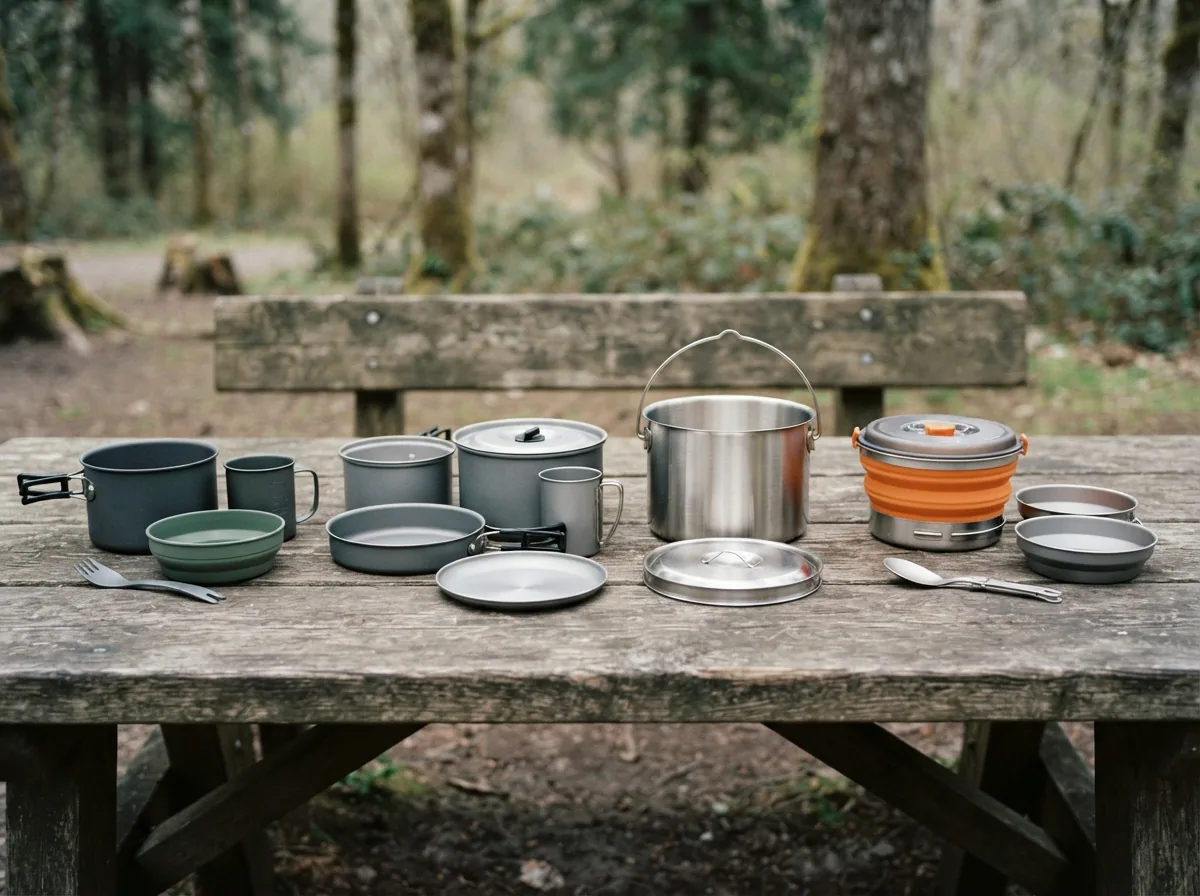
Camping mess kits of different sizes and materials laid side by side for comparison on a picnic table
Piece count against real need

Count who actually eats before you buy. Two campers rarely need a 22-piece set, while a family of five runs short on plates after the first serving.

Material, weight and how it travels

Aluminum travels light and takes a knock, silicone packs down small, and steel holds heat well but adds weight. Pick the trade your trip asks for.

Packed size versus serving space

A kit that nests tightly saves room in the car and the pack, yet may hold smaller pieces. Decide whether storage or a full meal setting matters more.

Cleaning up after the last meal

Fewer pieces means less washing at the spigot, especially without a full sink. Smooth and non-stick surfaces help when water is limited at the site.

Four ways to pick a kit

Match the kit shape to your trip and your crew

Mess kits split by what they are built around: a full stacked set, a lightweight single pan, a bowl-focused hiking kit or a shared group kit. The difference shows up in pack space, how many people you feed and how much washing waits at the end of the meal.
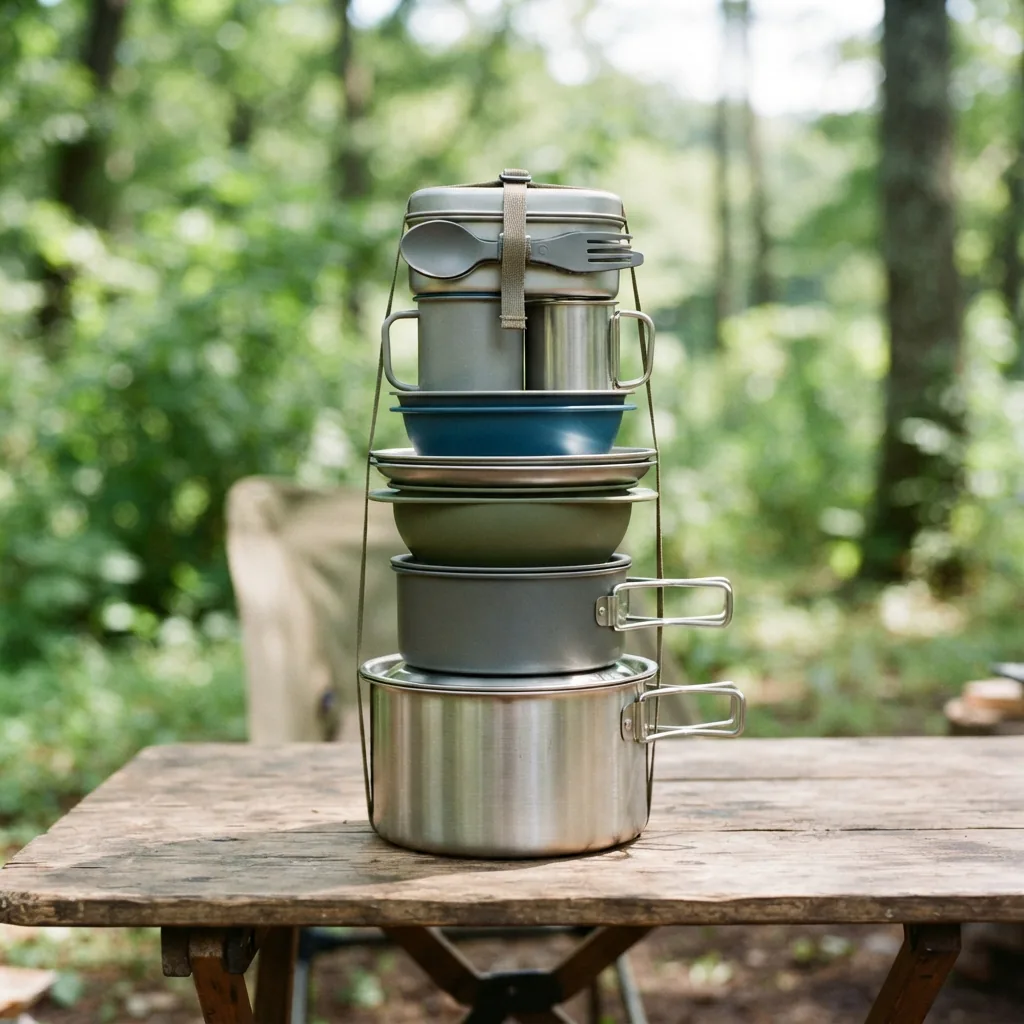
A full stacked camping mess kit set with plates, bowls and utensils piled on a car camping table

Full stacked sets for base camp

A full set gives every camper a plate, bowl and utensil. It costs space in the car, but keeps the cook box organized at a busy site.

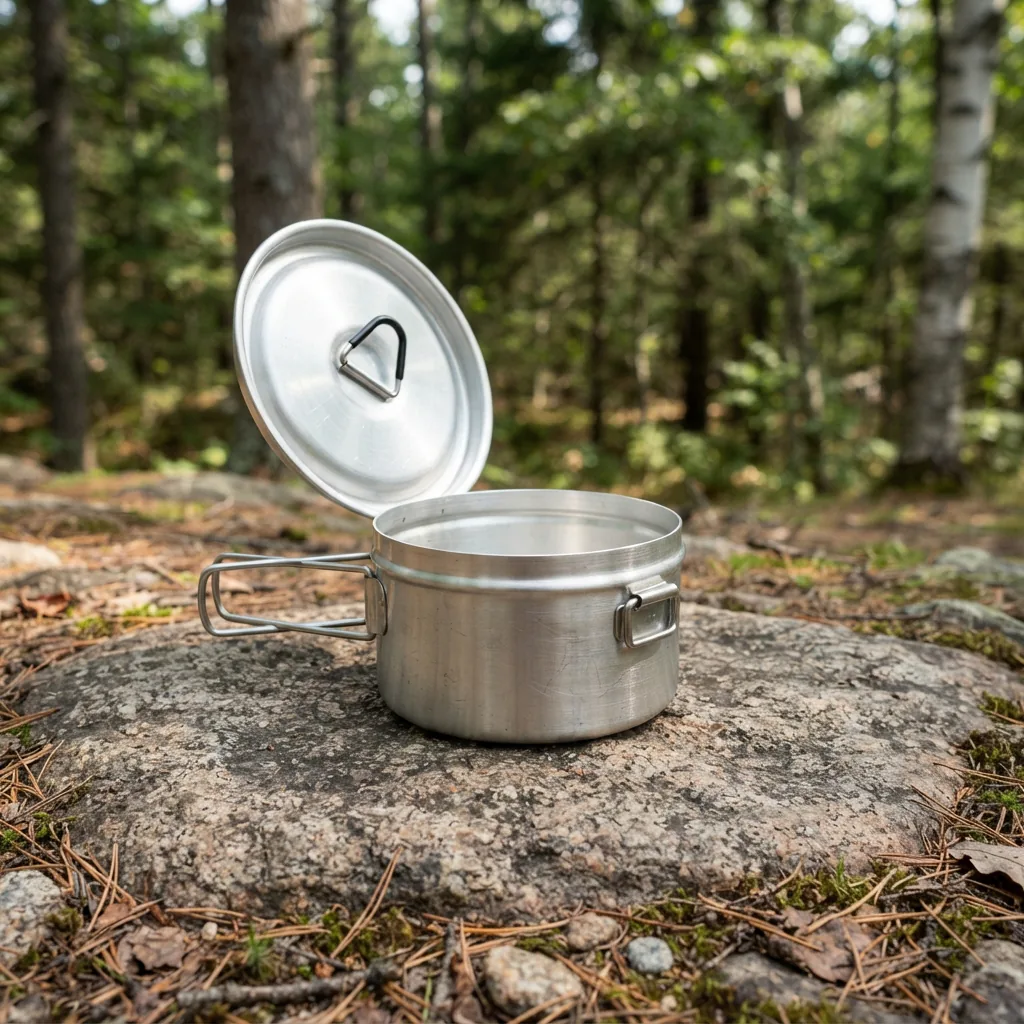
A single lightweight aluminum camping mess kit with its lid open, resting on a rock on a trail

Lightweight single-pan kits

One pan means less to pack and less to wash. It suits solo hikers and pairs who cook one dish and eat straight from it.

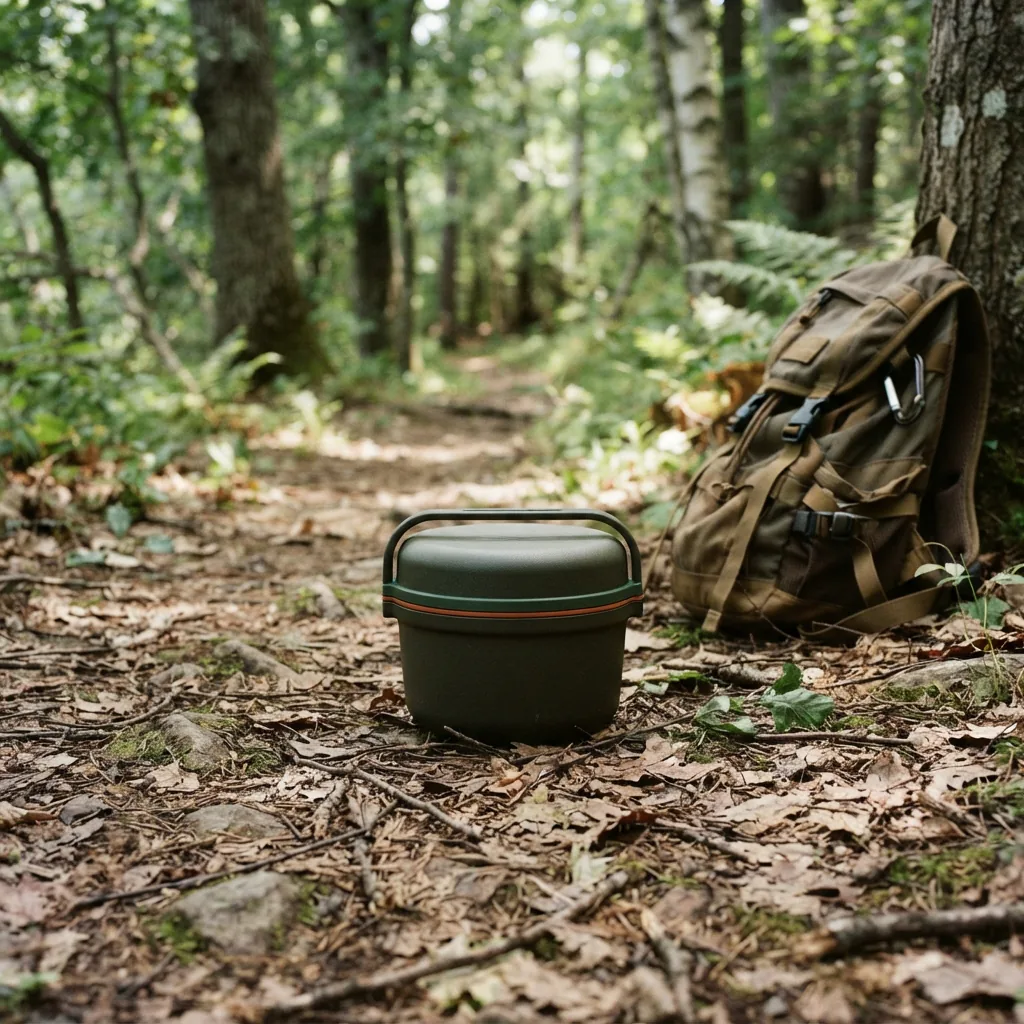
A small nesting camp bowl kit stacked beside a backpack on a shaded forest trail

Bowl-focused kits for hikers

Look for a nesting shape and a steady base. A bowl kit earns its place when oatmeal or soup replaces a full plate meal.

A large group camping mess kit set spread across a family picnic table at a campsite

Group kits for family meals

Bigger piece counts feed more people, but they weigh more. Choose them for car camping rather than a long walk to the site.

What campers report

First-hand notes from real trips

Shoppers describe the same three decisions: what fits in the pack, how many pieces they actually used, and how the dishes cleaned up at the end of a trip. The notes below stick to those moments rather than to any single kit.
I spent a while comparing piece counts before our last weekend out. We ended up cooking for two and rarely touched more than a pan and two plates. What mattered was how little room it took in the trunk and how fast it rinsed at the spigot.
Decorative customer review avatar icon 1
Marla K.
Weekend car camper cooking for two
Walking to the site changes what you pick. I weighed a few options in the store and chose the lighter one, and I was glad after the climb. Eating out of a bowl instead of straight from the pot felt like a small luxury I had earned that afternoon.
Decorative customer review avatar icon 2
Dev P.
Day hiker who weighs every pack item
Both kids wanted their own gear, which solved the arguing at the stove. Smaller pieces let them serve themselves and take their time eating. Cleanup went into the wash without fuss, and nothing cracked after a season of drops on hard ground at the site.
Decorative customer review avatar icon 3
Jules R.
Parent camping with two young kids
My budget was small and I did not want to replace gear next season. The kit I picked covered cooking and eating for a first setup, and the trade-offs were honest: it is not the toughest material, but it cleaned up fine and survived three trips.
Decorative customer review avatar icon 4
Tam W.
First-time camper watching the budget
Practical questions

Common mess kit questions and trade-offs

For two people on a weekend, a five-piece set usually covers cooking and eating if you share a pan. Larger counts help when everyone wants a plate at once, and they take up room you must carry or haul. Match the count to how you really eat at camp.
Non-stick surfaces release food with less scrubbing, which helps when you are rinsing at a spigot instead of a sink. They still need gentle handling, since metal tools can scrape the coating. If you expect to wash with little water, the easier cleanup usually earns the trade.
Aluminum is the lightest option here and shrugs off being jostled in a pack, so it suits hikers who count ounces. Silicone flexes and packs down small but needs a secure spot so it does not shift. Steel holds heat well while adding weight you feel on a long walk.
No. A higher count usually means more people served or more specialized pieces, not tougher materials. These kits stay affordable across counts, so decide by what you cook and who eats. A 22-piece set only helps if a family or group will actually use every piece.
Look for a shape that handles drops and scrapes, and a surface that goes in the wash like any other dish. Smaller sizing matters as much as toughness, since children serve themselves at the stove. A simple kit that rinses clean tends to see more trips than a fragile one.
Start with trip length and how many people eat, then check pack size against the space you have. Material decides weight and cleanup, and piece count decides whether everyone gets a plate. Honest trade-offs exist at this price, so weigh what you give up against what you save.
Keep exploring

Continue into related Ozark Trail camp gear notes

Hard-sided and soft-sided Ozark Trail coolers arranged on a wooden picnic table at a wooded campsite
Admin
Ozark Trail Cooler

Compare Ozark Trail coolers by size, shape and how you carry them, from hard-sided chests that hold ice for a weekend to soft totes and backpack coolers for a day out. Each option below shows capacity, format and the trip it fits best.


A group of Ozark Trail mountain bikes with front suspension parked on a dirt trailhead, a rider comparing frame sizes beside them
Admin
Ozark Trail Bike

Ozark Trail mountain bikes span hardtails and full suspension builds, sized from young riders to tall adults. Compare fit, suspension, wheels and gears to match your trails and your budget.

Assorted Ozark Trail folding and fixed blade knives arranged on a rustic wooden camp table
Admin
Ozark Trail Knife

This page lines up Ozark Trail knives so you can compare folding and fixed blades, locks, handles and carry options at a glance. Each pick notes what it handles best, from camp prep to a pocket blade you carry daily.

A row of Ozark Trail camping tents of several sizes pitched on a grassy campground with a family walking between them.
Admin
Ozark Trail Tents

Compare Ozark Trail tents by capacity, setup style, weather coverage and packed weight, from solo backpacking shelters to twelve-person family cabins built for drive-up weekend campsites.
