
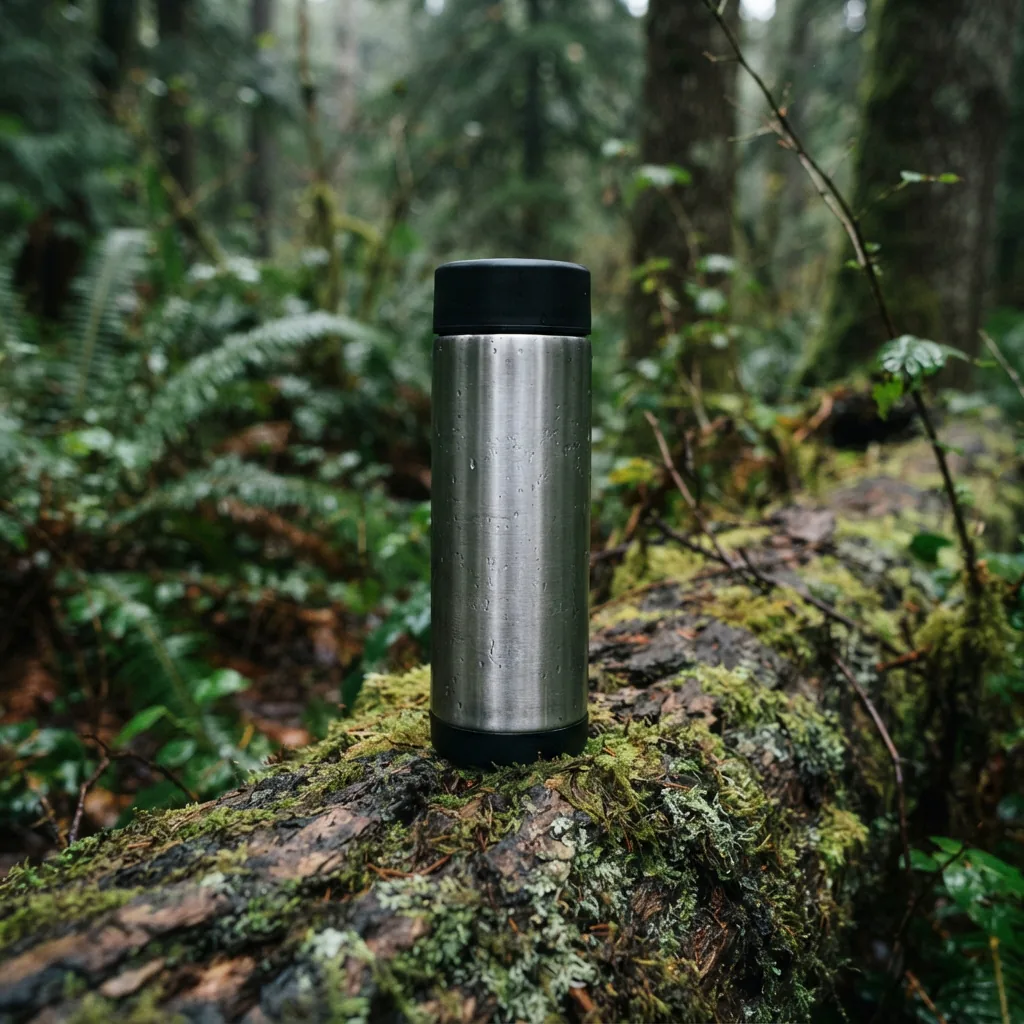





Ozark Trail Flask

This category collects Ozark Trail flasks in sizes from 8 oz to 25 oz, in stainless steel and soft-sided builds. Compare capacity, insulation, opening width and carry style to find one container that fits your trip length and pack space.

New Flask Picks and What Sets Them Apart

Ozark Trail 8 oz Stainless Steel Flask, Black, New with Tags — a Pocket-Size Pick

The smallest flask in this group, the 8 oz stainless steel model carries a compact pour in a sleek black body and still shows its tags as new. Its size slides easily into a jacket or daypack pocket, which suits a short walk, a quick picnic or a first flask where bulk matters more than volume.

Ozark Trail 25 Oz Flask, Metal, with Detachable Shoulder Strap Lanyard for Hands-Free Days

Capacity leads here, since the 25 oz metal flask holds the most in this selection and refills less often on a full day out. The detachable shoulder strap lanyard lets you sling it across the body or clip it off when you want a plain flask, a useful split for hiking, festivals or camp chores.

Ozark Trail 18 oz Stainless Steel Flask with Screw-On Cap that Holds Temperature

Sitting between the pocket size and the largest option, this 18 oz stainless steel flask is a middle weight that suits a full afternoon. The screw-on cap is the practical detail, sealing the threads so a pack carried on its side stays dry. Insulated walls keep drinks hot or cold for hours.

Ozark Trail Insulated Trail Flask — One Reliable Daypack-Side Container

Built for hikers who would rather carry one dependable container than several, this insulated trail flask holds temperature from the walk out to the walk back. The screw-on lid is simple to seal with cold hands, and the body is sized to slip into a daypack side pocket without tipping or bulging.

Ozark Trail Foldable Camp Flask — Soft-Sided Body that Flattens as It Empties

A soft-sided flask that flattens as it empties, so the space it used comes back as the trip goes on. That matters on the hike out, when a rigid bottle still rattles empty in the pack. Handy for camp evenings when space is tight and you would rather carry gear than an empty container.
More flasks worth a look

Popular Options for Specific Carrying Needs

Ozark Trail Stainless Steel Pocket Flask — Slim Flat Body that Slides into a Jacket

A slim, flat stainless steel flask that disappears into a jacket pocket without a bulge. It is built for casual outdoor use where a durable, no-fuss container matters more than a long feature list, and the smooth body wipes clean after a weekend trip.

Ozark Trail Wide-Mouth Trail Flask — Easy Filling from a Camp Jug without a Funnel

The wider opening is the whole argument here. Filling from a camp jug goes quickly, and you can drop in ice or citrus without hunting for a funnel. That convenience makes it a practical everyday choice for picnics, tailgates and short trail days where a narrow neck slows you down.

Ozark Trail Flask with Carry Sleeve — Fabric Grip that Takes the Dings in a Packed Bag

A fabric sleeve adds a grip and cushions the flask from the dings it picks up in a crowded pack. For families and first-time campers, that extra layer means the flask survives being tossed in with the rest of the load and still looks fine at the table on night two.
Where flasks earn their place

Trips and Tasks These Flasks Fit Best

From a short walk to a full weekend at a campground, the right flask depends on how far you are from a refill and how much pack space is left. Consider who carries it, how often it gets shared, and how it travels home.

Day hikes and short trail walks

A pocket-size or 18 oz flask covers a morning out without adding pack weight. Screw-on caps matter here, since the flask rides on its side and gets jostled with every step over rough ground.

Camp evenings and shared tables

At camp a wide opening pours easily into cups and takes ice for a group. A fabric sleeve keeps the flask easy to find in the dark and protects it as it moves between chairs and the cooler.

Picnics, tailgates and travel days

These are the outings where a flask sits in a bag all afternoon and gets passed around between snacks. Flat pocket styles also travel well in a jacket, staying out of the way until someone asks for a pour.

Capacity, insulation, opening width and carry style each change how a flask suits a given outing. Weight matters once it rides in a pack, and lid type affects leaks. Match those to trip length before you match them to price.

How to Choose the Right Flask Size and Style

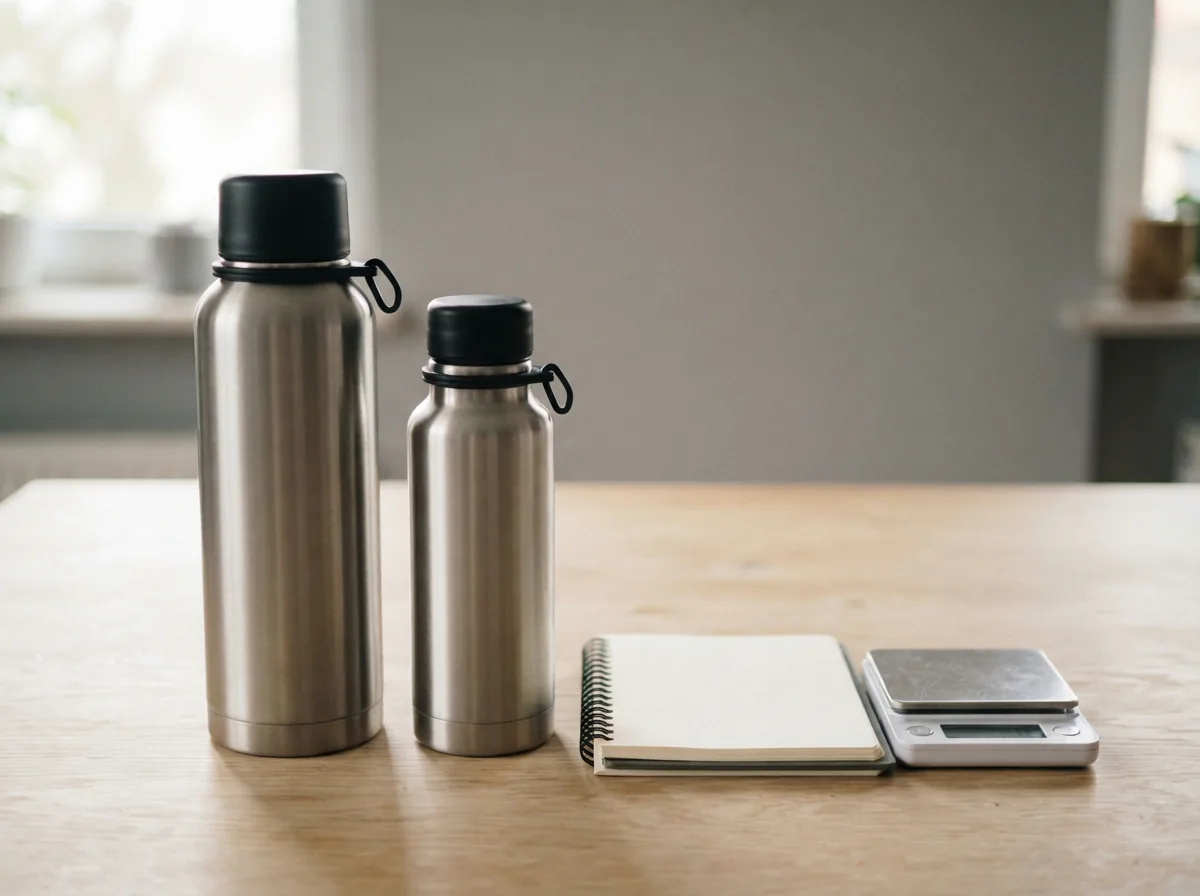
Two flasks of different sizes standing side by side on a wooden table with a notebook and a small kitchen scale
Match capacity to trip length

An 8 oz flask covers a short walk where a small pour is enough, while a 25 oz body means fewer refills across a long day. Buying for weekend use, the middle sizes balance useful volume against pack weight.

Decide whether insulation matters

Insulated walls hold the temperature you poured for hours, which helps on a cold morning on the trail. If you finish a drink quickly or want a lighter carry, a plain single-wall flask does the same job for less money.

Match the opening to how you fill it

A wide mouth fills faster from a camp jug and takes ice or citrus without a funnel, while a narrow neck pours neatly and stays compact. At camp the wide opening is easier; on a walk the slim one suits a pocket.

Choose the carry style you will use

A detachable strap lanyard keeps a flask across the body on a busy day, a fabric sleeve guards against pack dings, and a flat pocket flask disappears into a jacket. Choose the carry style you will actually use.

Kinds of flasks here

Four Flask Directions Worth Comparing

The range splits by how you carry and fill it: slim flat bodies for pockets, wide openings for camp jugs, soft sides that pack flat, and insulated walls that hold temperature. Each solves a different problem, so start with your usual trip rather than the feature list.
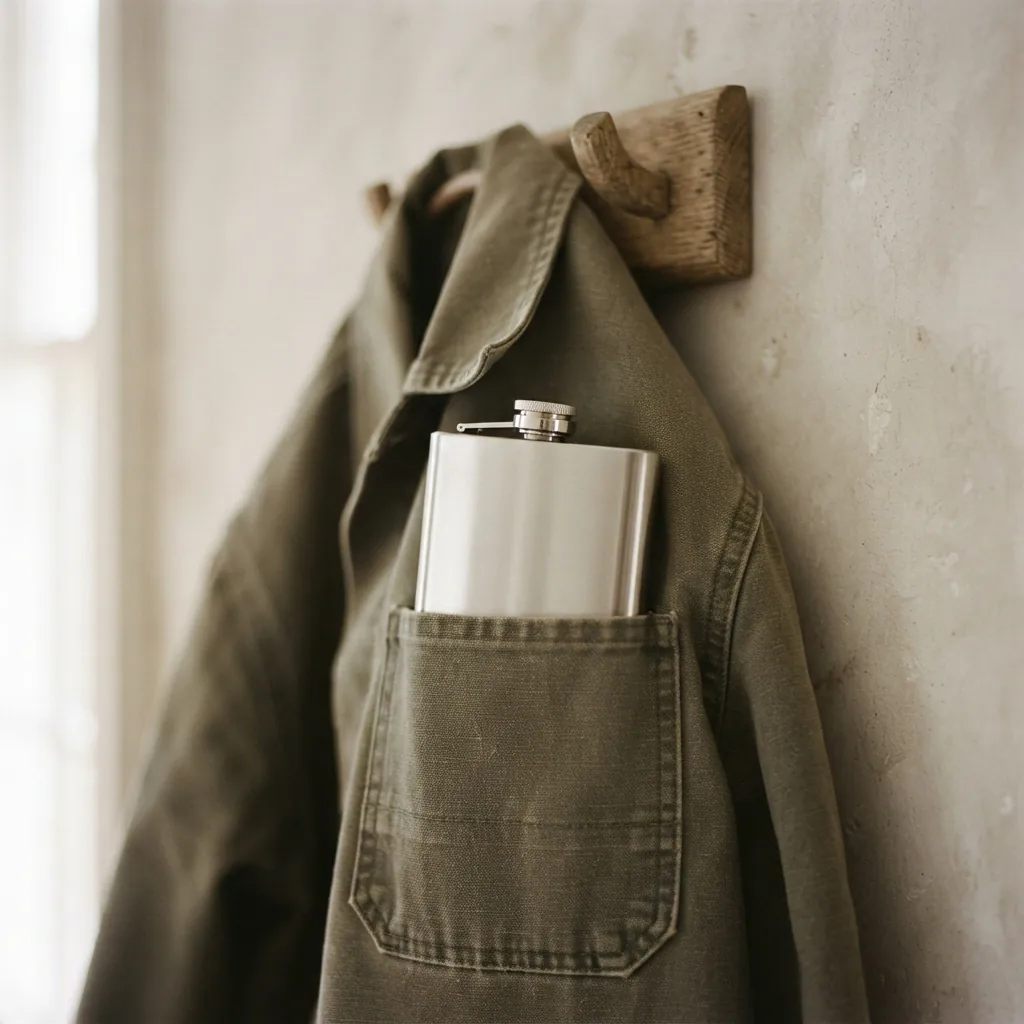
Slim flat flask tucked into the chest pocket of a jacket hanging on a wooden hook

Slim pocket flasks for jacket carry

A slim flat stainless body slides into a jacket or trouser pocket without a bulge. Best when you want a container that disappears until you want a drink and does not swing or catch on gear as you move.

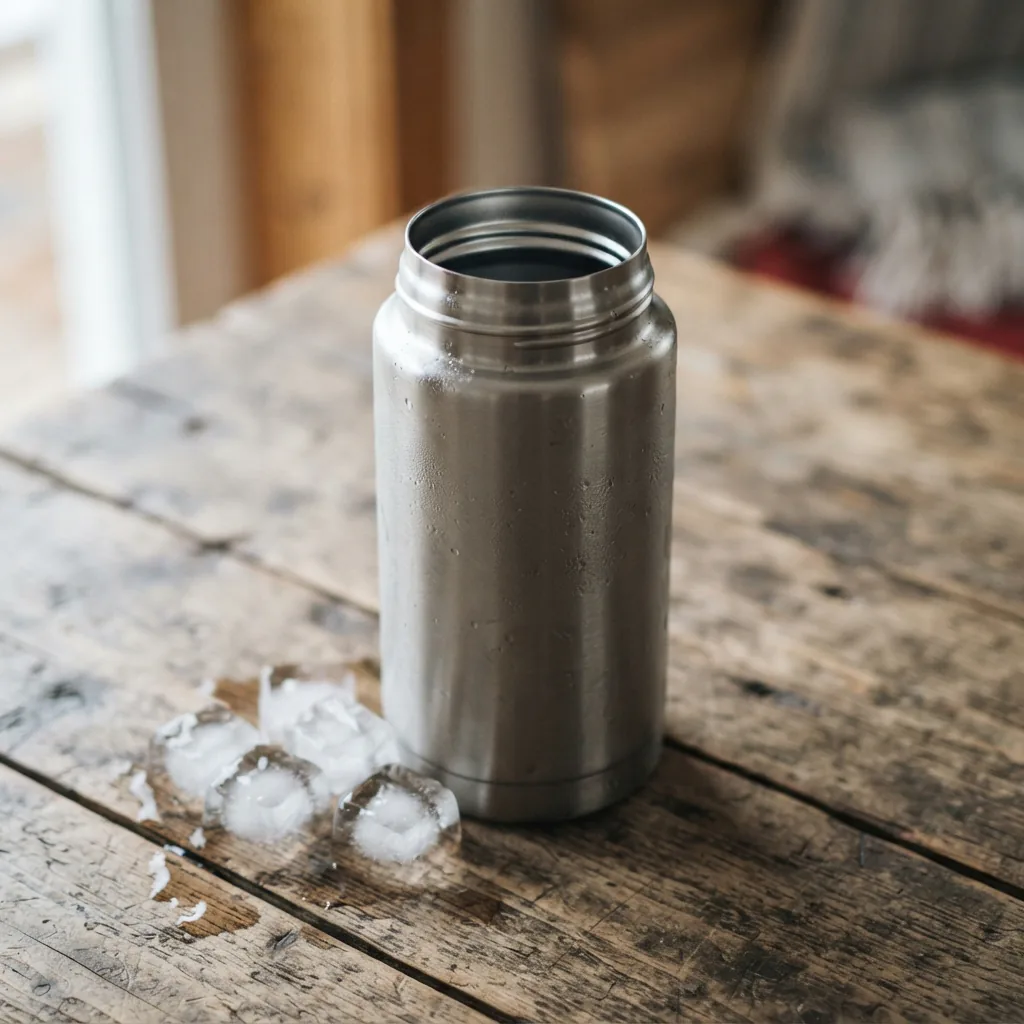
Wide-mouth flask with its lid off and ice cubes beside it on a wooden table

Wide-mouth flasks for easy filling

The wide opening fills quickly from a camp jug and takes ice or citrus without a funnel. It rinses easily by hand too, which matters when you are switching between coffee and water over a weekend.

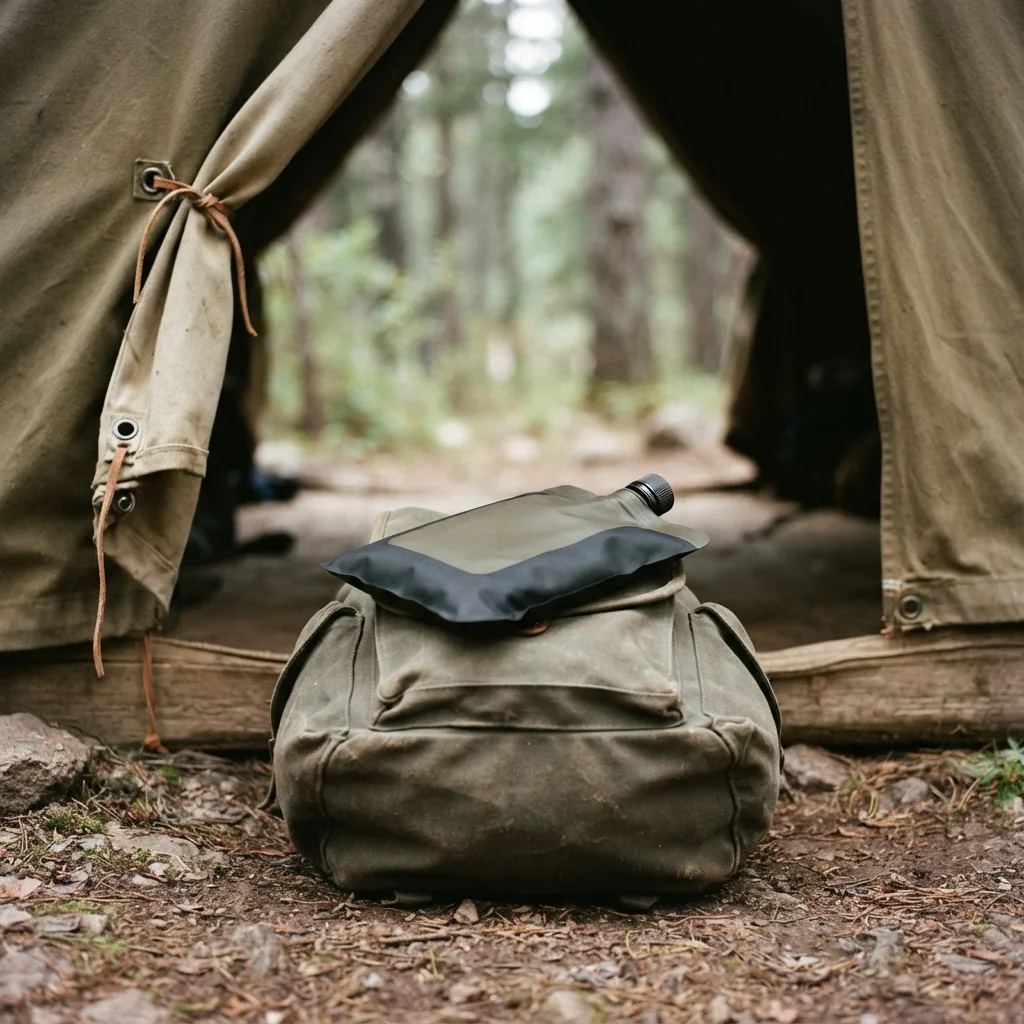
Soft-sided flask lying flat and folded on top of a closed backpack in a tent doorway

Soft-sided flasks that pack flat

Soft sides flatten as the flask empties, giving back pack space on the trip home. Lighter to carry from the start too, though it will not stand upright or protect contents against a hard knock.

Insulated stainless steel flask standing on a mossy log with condensation on its body

Insulated flasks that hold temperature

Insulated stainless walls hold temperature for hours, covering a cold drink on the walk out and a warm one on the walk back. Heavier and costlier than single-wall bodies, so it pays only when temperature matters to you.

First-hand experiences

What Shoppers Say About Ozark Trail Flasks

Buyers describe value first: gear that survives being knocked around in a pack without premium-brand cost. Reliable seals and sizes matched to trip length come up most, along with the relief of not worrying about a low-cost item.
I wanted a flask that would not hurt to lose, and it has held up fine on three weekend trips. It rides in the side pocket of my pack, gets knocked around with the cookware, and has not leaked once. For the price I stopped worrying about it, which is its own kind of value.
Decorative customer review avatar icon 1
Dana R.
Weekend camper who wanted a low-cost flask that holds up
I started with a small flask and was thirsty before the turnaround point, so I moved up to a larger insulated one. Now the drink is still cold on the walk back and I refill half as often. Sizing up fixed it, and I did not need to buy a pricier brand to get there.
Decorative customer review avatar icon 2
Marcus T.
Day hiker who compared sizes for a full afternoon out
We needed something for the kids that could take being dropped on gravel and shoved in with the cooking gear. The sleeve version has survived a full season of scout-style weekends. Nothing fancy about it, but nothing has cracked or leaked, and we did not overspend to find that out.
Decorative customer review avatar icon 3
Priya S.
Parent outfitting a family camp on a tight budget
The soft-sided one was a surprise. It squishes down as it empties, so the return hike is lighter and I am not carrying an empty rigid bottle around all afternoon. It does not stand up on a table, which I knew going in, and it has still been worth the trade for me.
Decorative customer review avatar icon 4
Ellis W.
Casual user who values a flask that packs flat
Questions before you buy

Common Flask Questions and Honest Trade-Offs

Start with how often you plan to drink and how far you are from a refill. An 8 oz flask covers a short walk, an 18 oz body suits an afternoon, and a 25 oz option means fewer stops on a long day. Remember the weight once it is full.
Insulated stainless steel models hold temperature for hours, which covers the walk out and the walk back on a typical day trip. They will not match a premium vacuum flask from early morning to dark, so plan a refill if you are out all day.
Screw-on caps seal the threads and are the design to look for when a flask rides on its side. Check the lid is snug before you drop it in a pack, and keep it upright on the first trip so you can confirm the seal works in your own bag.
A flask with a fabric sleeve suits a shared camp load, since the sleeve adds grip and takes the dings that come from being tossed in with poles and cookware. Simple screw-on lids are also easier for younger campers to seal firmly.
Soft-sided flasks flatten as they empty, saving room on the trip home, and they weigh less to start. The trade-off is less protection and no standing upright when empty, so rigid steel is the better pick if the flask lives in a car or on a table.
Ozark Trail is a value-focused brand aimed at short trips and regular weekend use. Reviews of the wider brand suggest the gear performs well for the price while being less refined than top-end alternatives. Flasks follow the same pattern.
More outdoor reading

Related Trail and Camp Reading for Flask Shoppers

Hard-sided and soft-sided Ozark Trail coolers arranged on a wooden picnic table at a wooded campsite
Admin
Ozark Trail Cooler

Compare Ozark Trail coolers by size, shape and how you carry them, from hard-sided chests that hold ice for a weekend to soft totes and backpack coolers for a day out. Each option below shows capacity, format and the trip it fits best.


A group of Ozark Trail mountain bikes with front suspension parked on a dirt trailhead, a rider comparing frame sizes beside them
Admin
Ozark Trail Bike

Ozark Trail mountain bikes span hardtails and full suspension builds, sized from young riders to tall adults. Compare fit, suspension, wheels and gears to match your trails and your budget.

Assorted Ozark Trail folding and fixed blade knives arranged on a rustic wooden camp table
Admin
Ozark Trail Knife

This page lines up Ozark Trail knives so you can compare folding and fixed blades, locks, handles and carry options at a glance. Each pick notes what it handles best, from camp prep to a pocket blade you carry daily.

A row of Ozark Trail camping tents of several sizes pitched on a grassy campground with a family walking between them.
Admin
Ozark Trail Tents

Compare Ozark Trail tents by capacity, setup style, weather coverage and packed weight, from solo backpacking shelters to twelve-person family cabins built for drive-up weekend campsites.
