



Ozark Trail Fixed Blade Knife

Compare Ozark Trail fixed blade knives by blade length, handle material, tang construction and sheath style. This page gathers camp, trail and everyday carry options so you can match a single knife to the jobs you actually do.

Four fixed blades, four kinds of camp job

Ozark Trail Eagle Rock 7.5 in Fixed Blade Black Tanto Knife — Best-Seller Camp Blade

The Eagle Rock carries a 7.5-inch black tanto blade, a shape known for a strong tip that stands up to prying and hard cuts. As a best seller it is the knife shoppers in this category reach for most, and it suits camp chores, cutting cordage and general trail work. Pair it with a sheath for belt or pack carry.

Ozark Trail Wanderer 7.5 in Fixed Knife with Mossy Oak Handle and Sheath Included

At 7.5 inches the Wanderer lands on the same everyday camp length as its siblings, while the Mossy Oak handle brings a camo finish that suits hunting trips and a textured surface that holds steady in damp hands. The sheath is included, so belt carry works from day one. A practical pick for weekend hunters.

Ozark Trail 11 in 7Cr17MoV Fixed Blade Knife with Full Tang and G10 Micarta Handle

The longest blade here, the 11-inch 7Cr17MoV steel gives you extra reach for slicing and processing wood at camp. Full tang construction runs the steel through the handle, so heavier cuts do not stress the joint. G10 and Micarta scales stay grippy when wet, which matters when you are trimming kindling with damp hands.

(3 pack) Ozark Trail 8.66 in Fixed Blade Knives with Sheath, 3.6 in Stainless Blade

Three knives for what shoppers usually pay for one. Each carries an 8.66-inch body with a 3.6-inch stainless steel blade and ships with its own sheath, so you can keep one in the truck, one at camp and one as a spare. The shorter blade suits lighter daily tasks more than heavy wood processing.

Ozark Trail Ridgeline Fixed Blade Camp Knife for Weekend Trips and First Setups

The Ridgeline handles the jobs that stack up around camp: cutting paracord, slicing rope and trimming kindling for a fire. Full tang construction keeps the blade steady through heavier cuts, and the textured grip stays sure when your palms are damp. A simple sheath lets it ride on your pack or belt until you need it.
More Ways to Decide

Three more blades built around specific jobs

Ozark Trail Timberline Wood-Handle Fixed Blade Knife for Fire Prep and Carving

The Timberline pairs a broad, sturdy blade with a wood grip that feels warm through long sessions at camp. Because nothing folds or shifts, you can put real pressure into processing kindling for the evening fire. A sheath protects the edge between uses, which suits car campers building a basic fire kit.

Ozark Trail Hunter Series Fixed Blade Knife with Belt Sheath for Trail Duty

Sized for general trail and camp duties, the Hunter Series covers food prep at the picnic table, cutting zip ties and webbing, and light field dressing in season. The drop-style blade handles both slicing and controlled detail cuts, while the secure handle keeps your hand planted behind the edge. A belt sheath keeps the knife close at hand.

Ozark Trail Compact Fixed Blade Neck Knife for Daily Trail Carry and Backups

Meant for everyday trail carry, this smaller fixed blade clips inside a jacket, hangs around the neck or tucks into a daypack pocket. It handles quick jobs like opening food packaging, cutting tape and trimming line without the bulk of a full-size camp knife, and the sheath protects both the edge and your gear.
Who It Serves

Three trips these knives are built for

Fixed blades cover a lot of ground for the price. Car campers use them for fire and food prep, hikers want something light for daily trail tasks, and hunters need a close-at-hand blade for light field work. Weigh those uses against how often you go out.

Weekend Car Camping Trips

From the tailgate, a full-size blade cuts cordage, trims stakes and prepares kindling for the evening fire. Carry it in a sheath on your belt so your hands stay free while you set up camp.

Day Hikes and Trail Carry

On longer walks, a compact blade adds little weight yet handles packaging, tape and line. Keep it sheathed in a daypack pocket so the edge stays protected and other gear stays unscratched.

Hunting Season Field Work

A mid-size blade with a secure grip suits food prep, cutting webbing and light field dressing. Dry and oil it after each outing, since season use brings moisture and residue that shorten a blade's life.

Blade length, handle material, tang design and sheath style each change what a knife does well. Compare those four factors and you will know whether a longer blade for wood work or a compact one for daily carry suits your trips.

How to match a fixed blade to your trips

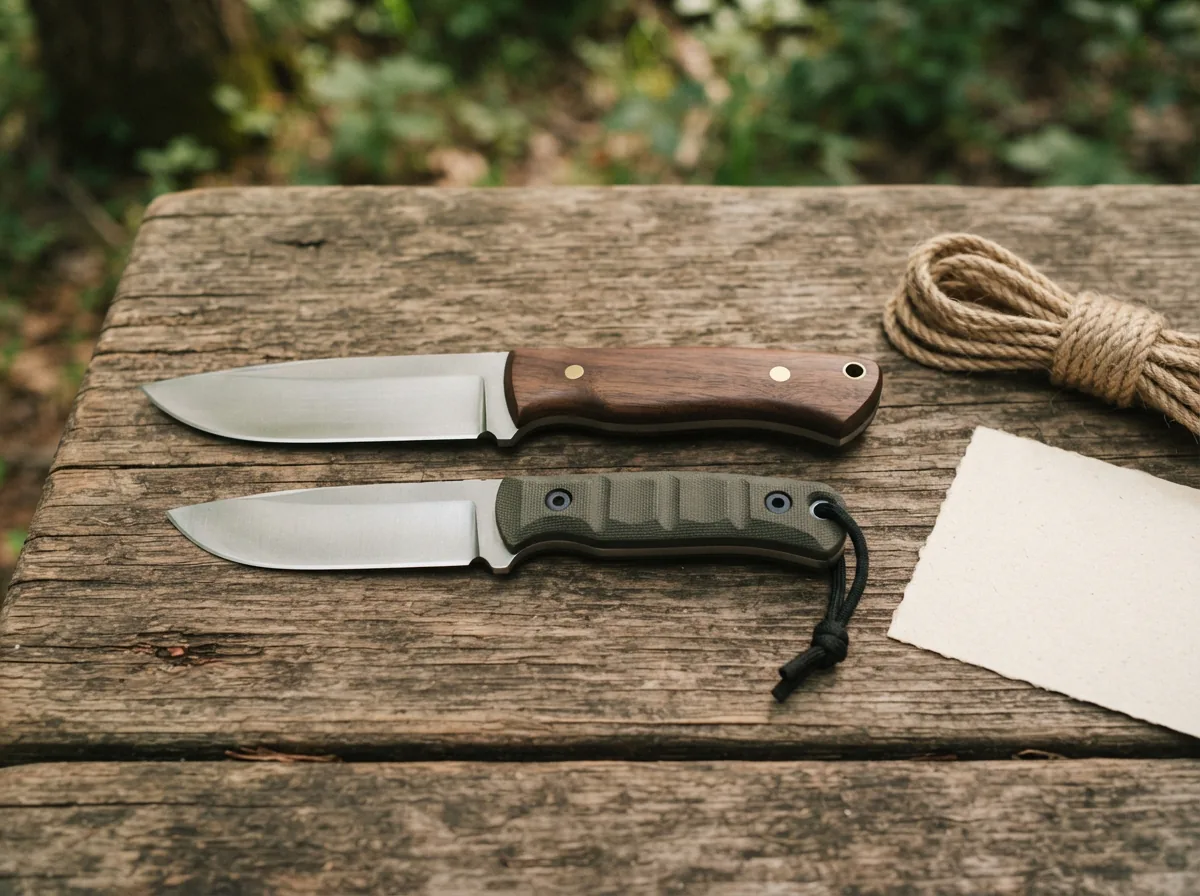
Two fixed blade knives with different handle materials and blade lengths laid side by side beside a comparison card on a camp table
Blade Length and the Jobs It Covers

A blade near 7.5 inches handles most camp chores, while an 11-inch blade adds reach for splitting wood. Compact blades under 5 inches suit quick daily tasks but tire on heavy cutting.

Handle Material and Wet-Weather Grip

Textured G10 and Micarta stay grippy when palms are damp, and wood feels warmer during long carving sessions but wants drying after use. Pick for the weather you camp in most often.

Full Tang vs Partial Tang Builds

Full tang steel runs through the whole handle, so the joint flexes less when you press into kindling or rope. That construction usually feels more solid through sustained heavy cuts.

Sheath Style and Everyday Carry

A sheath decides how the knife rides. Belt sheaths keep a working blade close at camp, while simpler sheaths suit pack carry, and multi-packs give you one per person.

Where the Range Splits

Four directions inside fixed blade knives

Fixed blades here break into a few practical groups. Full-size camp knives handle wood and rope, compact blades cover daily carry, wood-handled models suit carving and fire prep, and multi-packs spread one knife per person. Start with the job you do most.
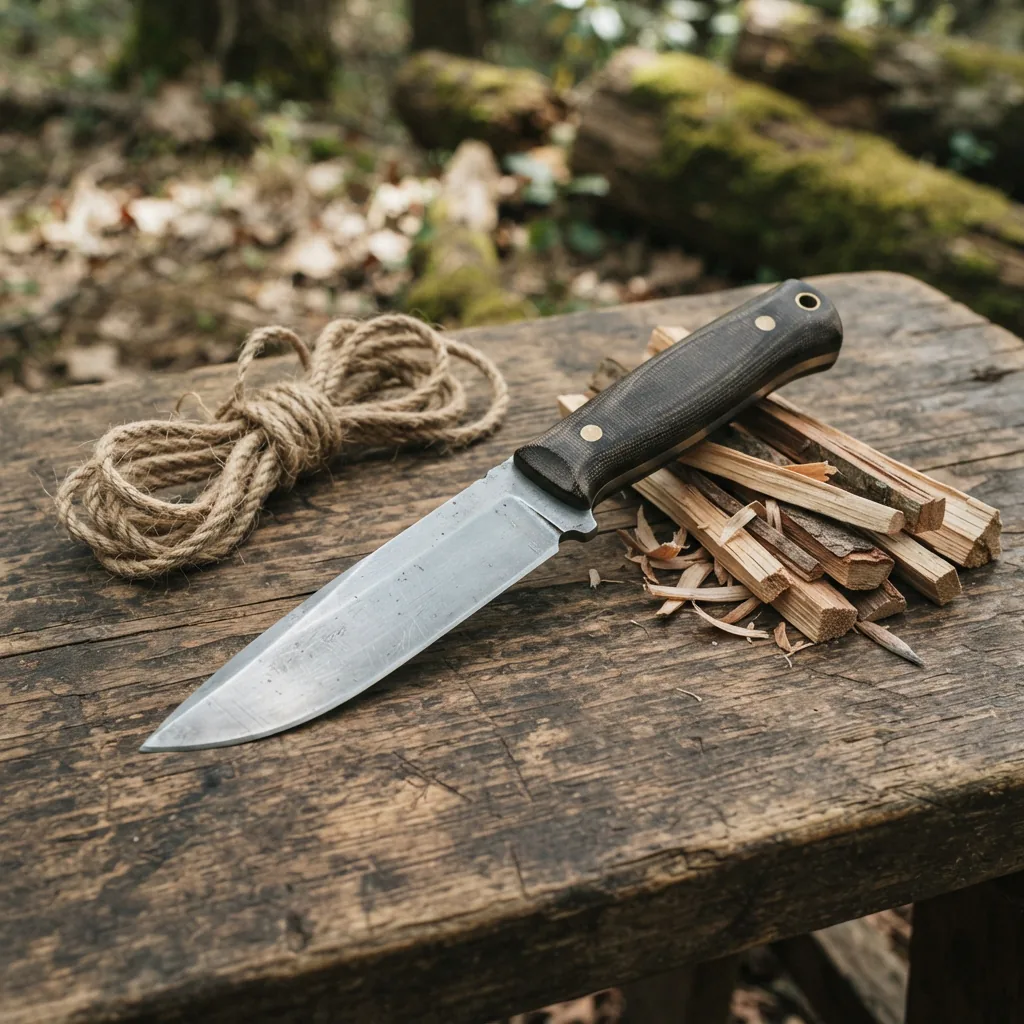
A full-size camp fixed blade knife lying beside coiled rope and cut kindling on a wooden table

Full-Size Camp Knives

Blades around 7.5 to 11 inches give you the reach and leverage for cutting cordage, slicing rope and processing kindling. They are the everyday working choice for weekend trips.

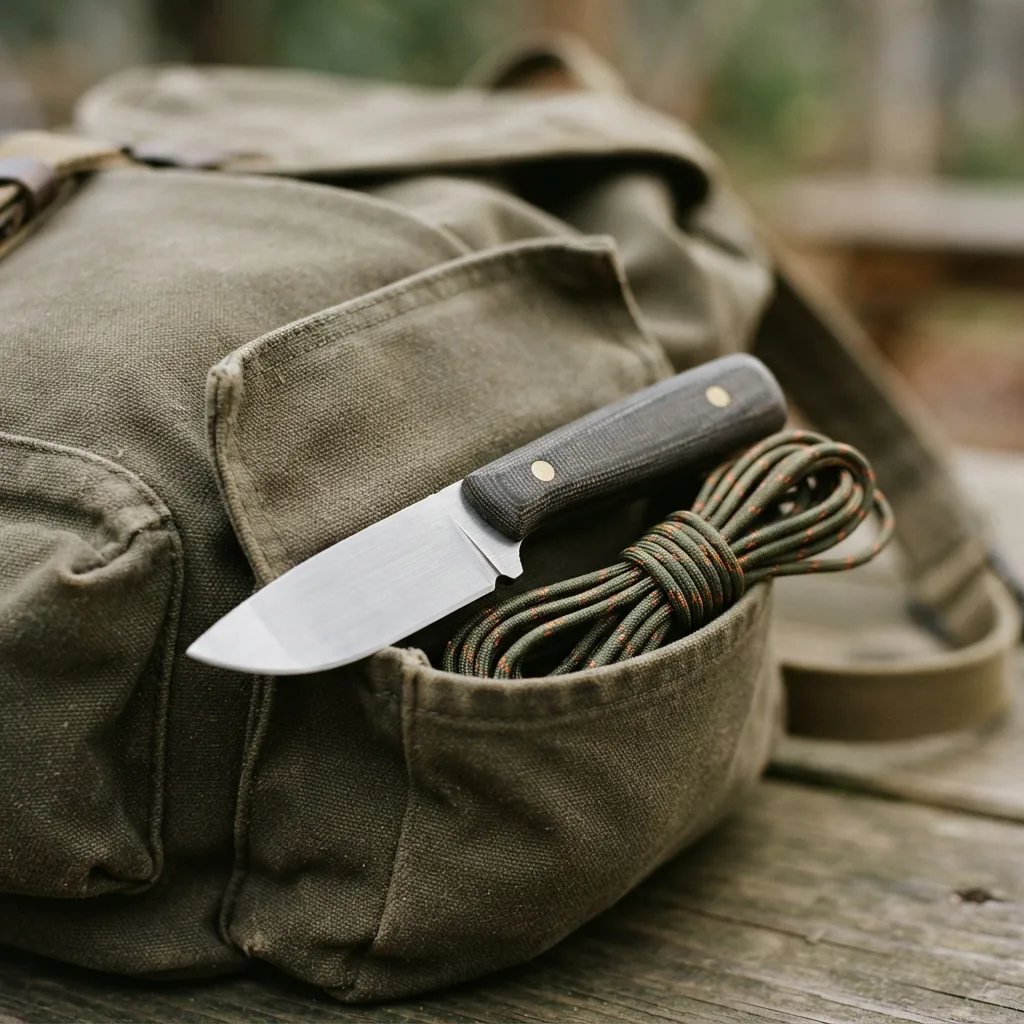
A compact fixed blade knife with a short blade resting on a daypack pocket beside utility cord

Compact Carry Blades

Shorter blades keep pack weight down and suit quick jobs such as opening packaging, cutting tape and trimming line. They work well as a backup or a first simple blade.

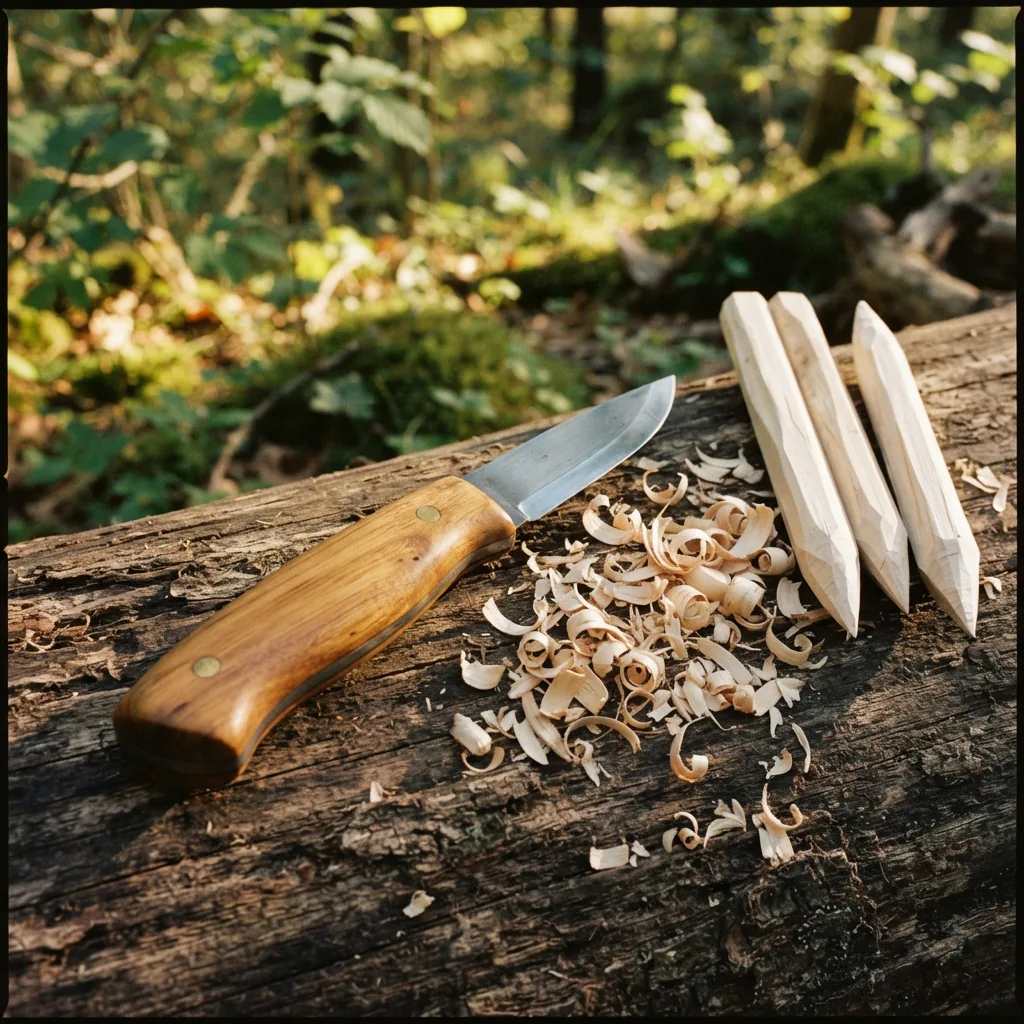
A wood-handled fixed blade knife resting on a log beside carved wooden tent stakes

Wood-Handled Carving Knives

Broad blades paired with wood handles favour fire prep and carving, where steady pressure matters. The wood feels warm in long sessions but wants drying and care after wet trips.

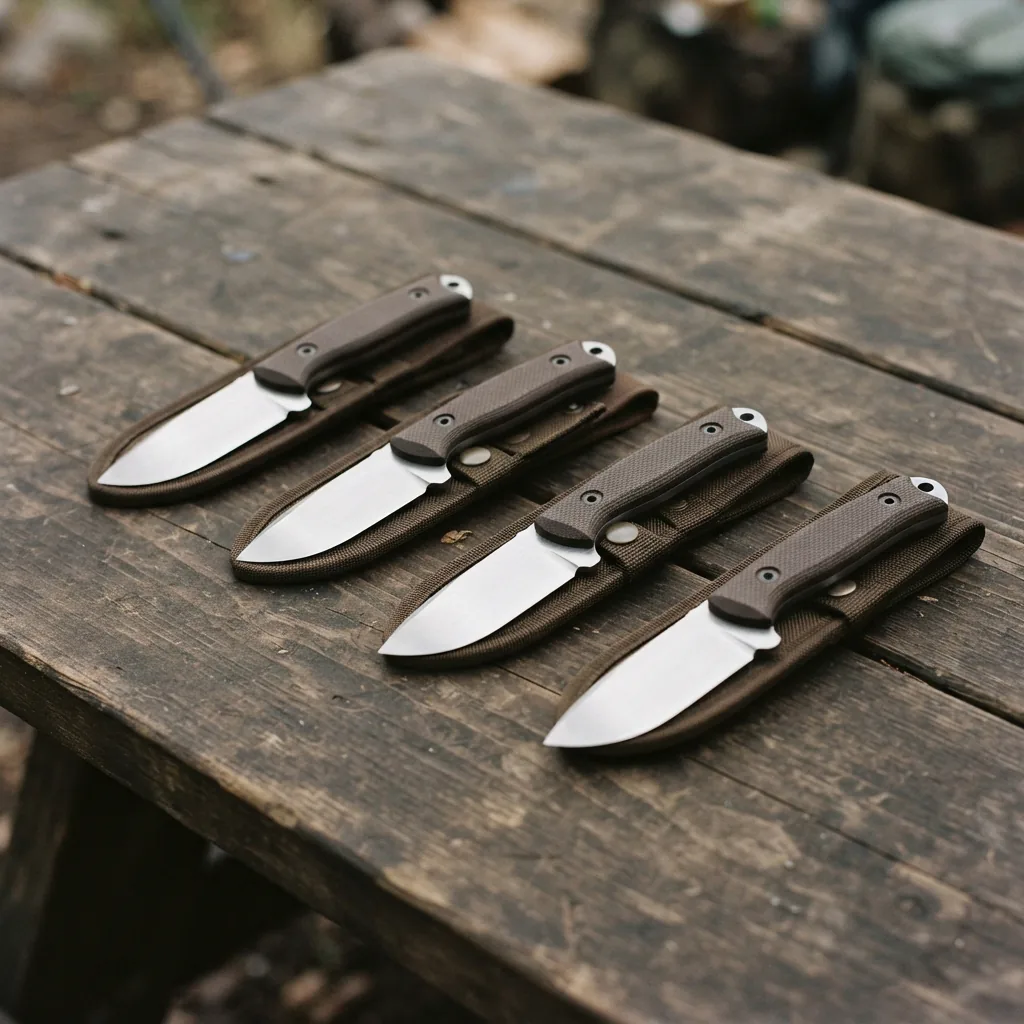
Several matching fixed blade knives with sheaths arranged in a row on a wooden camp table

Value Multi-Packs for Groups

Several knives with sheaths cover families and group camps, so each person carries a blade and spares stay in the truck. Expect shorter blades that favour light tasks over heavy wood work.

From the Campsite

What shoppers notice after real trips

Shoppers describe the same trade-offs again and again: a blade that feels solid for the price, a sheath that works out of the box, and edge holding that suits short trips rather than daily heavy use.
I wanted something for cutting paracord and prepping kindling without spending a lot. The blade felt solid in hand, the sheath held up on my belt through a whole weekend, and I stopped worrying about dulling it on simple camp tasks.
Decorative customer review avatar icon 1
TrailBoundDan
Bought his first camp knife on a budget
We keep one knife in the camp kitchen box. It slices rope, opens packaging and trims stakes for the tent. After a few trips it still cuts cleanly, and drying it off after use has kept the blade free of rust, which was my main worry.
Decorative customer review avatar icon 2
MarlaK
Car camper who values an easy setup
I own a pricier hunting knife and wanted a cheaper one to leave in the truck. For light field dressing and cutting webbing it does the job fine. The edge does not hold as long, so I touch it up more often, but the price makes that easy to accept.
Decorative customer review avatar icon 3
pinehollow_rick
Hunter comparing budget and premium blades
My daypack was getting heavy, so I looked for something small for everyday trail carry. A compact blade handles tape, line and food packaging, and the sheath keeps it from scratching the rest of my gear. It has become the piece I reach for most.
Decorative customer review avatar icon 4
Jess Outdoors
First-time hiker building a lighter pack
Questions Worth Asking

Practical answers before you pick a knife

A blade near 7.5 inches handles most camp chores, from cutting cordage to slicing rope, without feeling heavy on your belt. Longer blades around 11 inches add reach for wood processing, while compact blades suit lighter daily tasks.
Many do, including the Wanderer, the 8.66-inch three-pack and the Ridgeline camp knife. A sheath protects the edge on your belt or pack, so check the listing details before buying if safe carry matters to you.
Full tang steel runs through the entire handle, which reduces flex when you press hard into wood or rope. You will find it on models like the 11-inch 7Cr17MoV knife, and it generally feels more solid through heavier cuts.
Expect honest trade-offs. Budget blades may not hold an edge as long or last as many seasons as premium steel, but reviewers have judged Walmart’s low-cost outdoor gear a reasonable buy for short trips and regular weekend use.
Textured G10 and Micarta grips stay grippy when damp, wood handles feel warmer through long carving but need drying and care, and camo-finished handles suit hunting trips. Match the material to the conditions you camp in most.
Dry the blade after use, wipe off sap and food residue, and store it in its sheath rather than loose in a pack. A quick touch-up on a sharpener restores the edge, and a light coat of oil helps stainless steel resist rust.
Keep Exploring

More Ozark Trail gear for the same trips

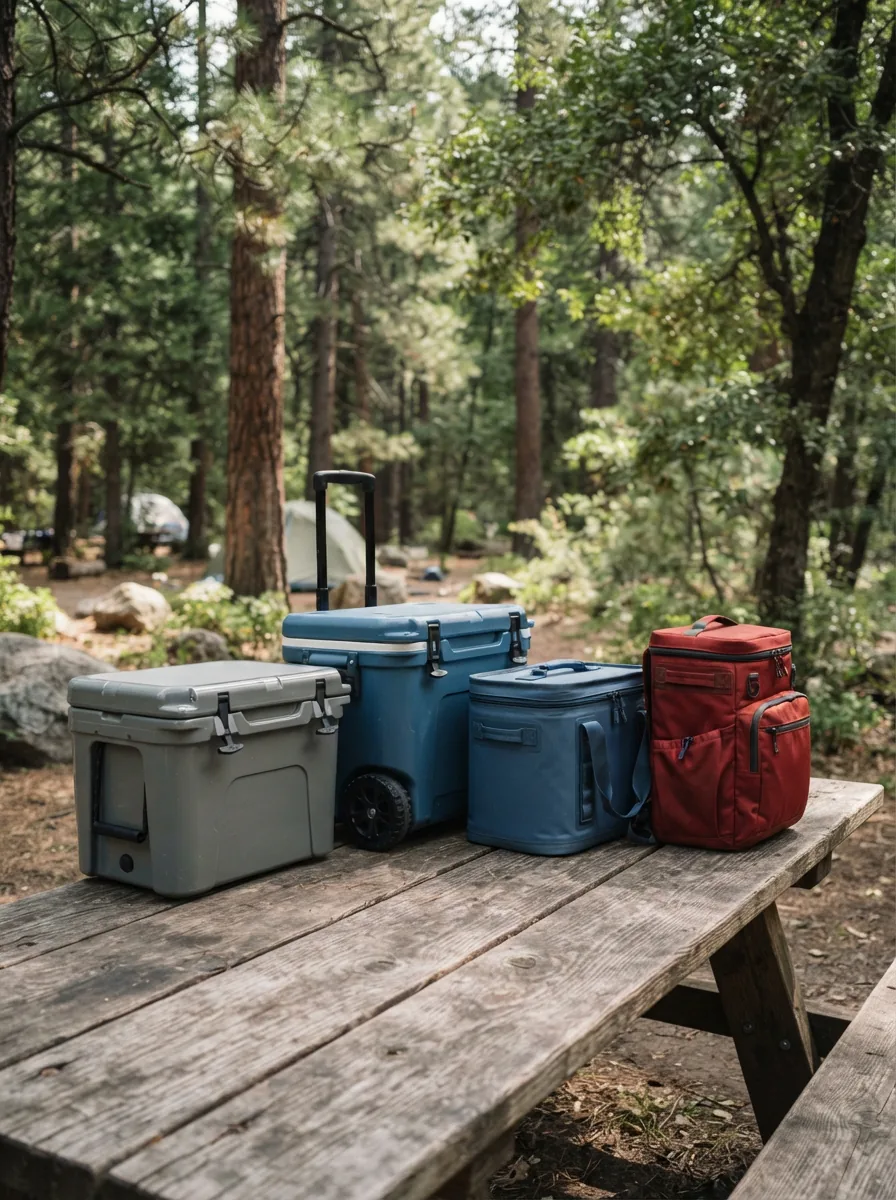
Hard-sided and soft-sided Ozark Trail coolers arranged on a wooden picnic table at a wooded campsite
Admin
Ozark Trail Cooler

Compare Ozark Trail coolers by size, shape and how you carry them, from hard-sided chests that hold ice for a weekend to soft totes and backpack coolers for a day out. Each option below shows capacity, format and the trip it fits best.
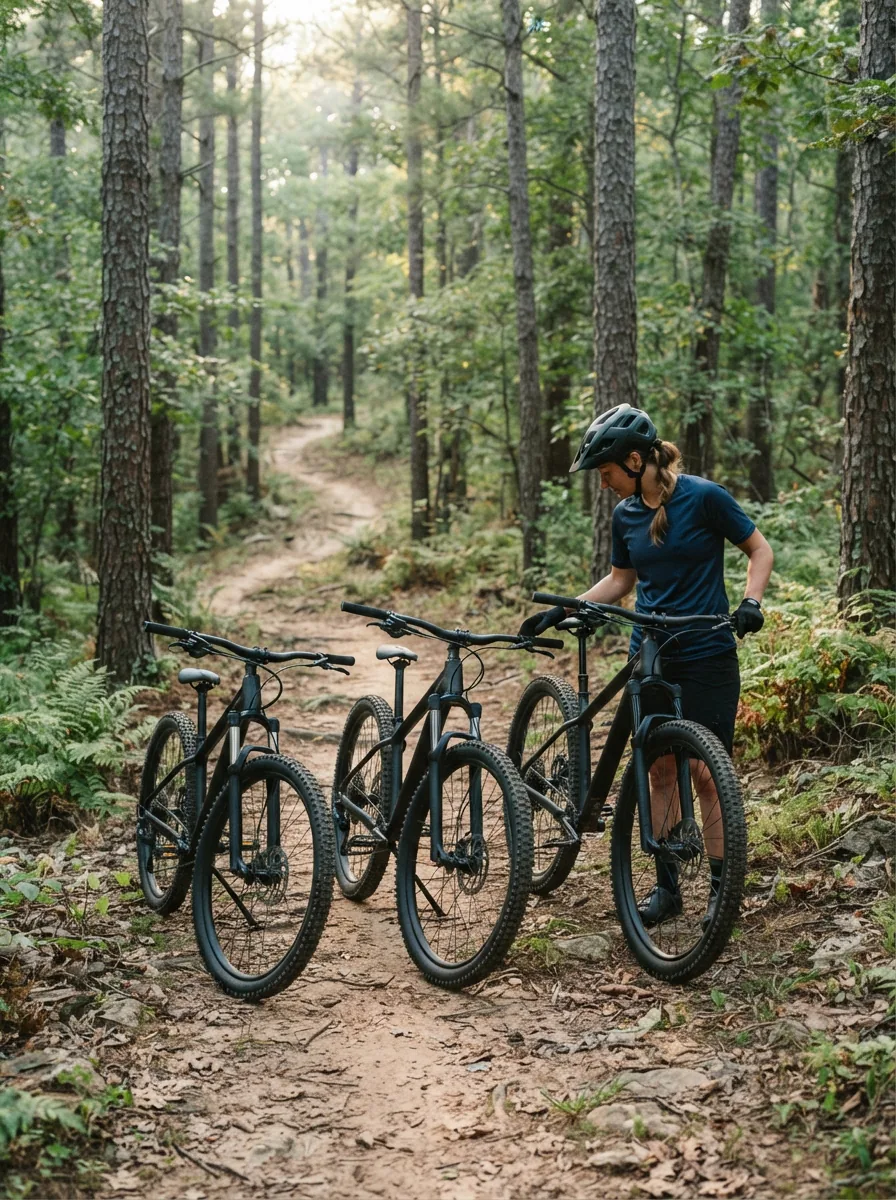
A group of Ozark Trail mountain bikes with front suspension parked on a dirt trailhead, a rider comparing frame sizes beside them
Admin
Ozark Trail Bike

Ozark Trail mountain bikes span hardtails and full suspension builds, sized from young riders to tall adults. Compare fit, suspension, wheels and gears to match your trails and your budget.

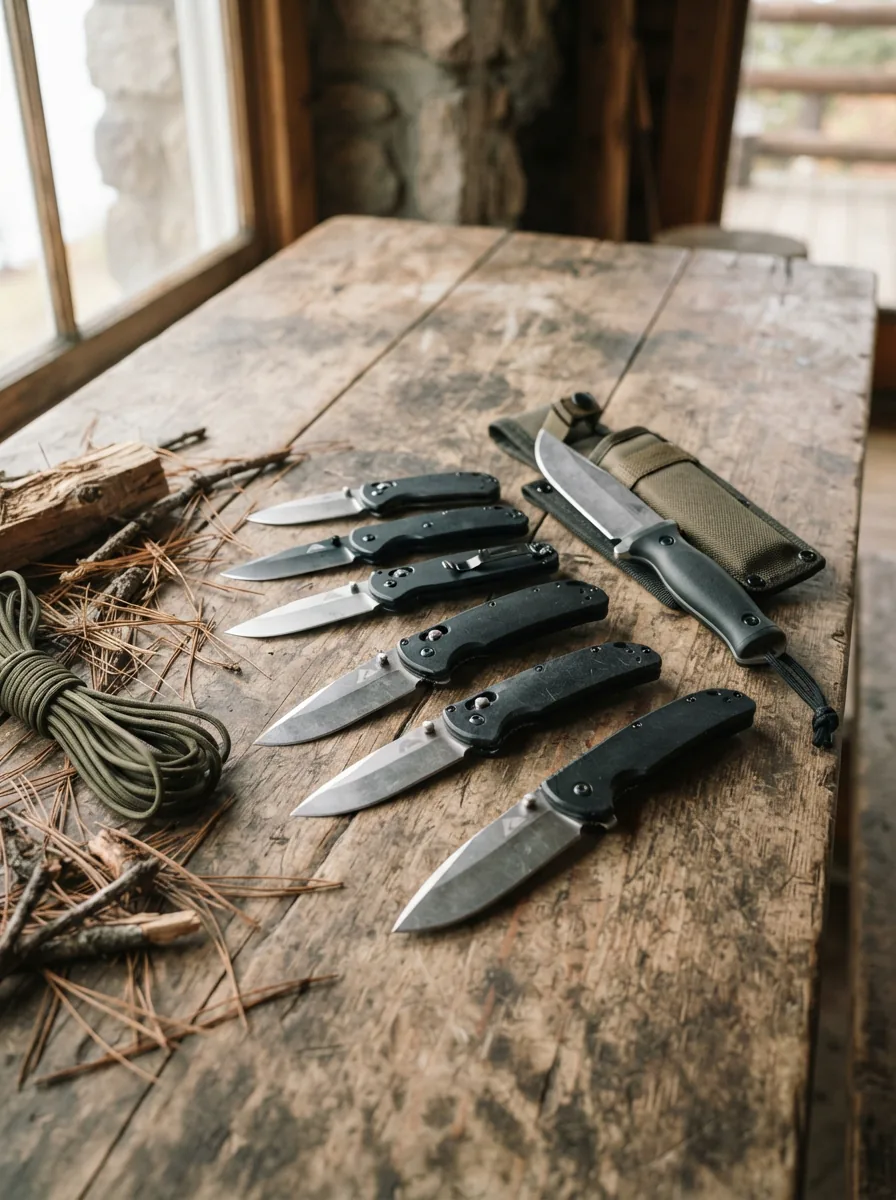
Assorted Ozark Trail folding and fixed blade knives arranged on a rustic wooden camp table
Admin
Ozark Trail Knife

This page lines up Ozark Trail knives so you can compare folding and fixed blades, locks, handles and carry options at a glance. Each pick notes what it handles best, from camp prep to a pocket blade you carry daily.

A row of Ozark Trail camping tents of several sizes pitched on a grassy campground with a family walking between them.
Admin
Ozark Trail Tents

Compare Ozark Trail tents by capacity, setup style, weather coverage and packed weight, from solo backpacking shelters to twelve-person family cabins built for drive-up weekend campsites.