






Ozark Trail Canopy Replacement Parts

Compare Ozark Trail canopy replacement parts side by side, from truss bars and brackets to tops, bolts and leg assemblies. Each listing explains what the part does and which frames it suits, so you can match your canopy before you order.

Four parts for common canopy failures

Compatible with Coleman Ozark Trail First Up 10 X 10 Canopy Gazebo Side Truss Bar in White

This white side truss bar measures 39 7/8 inches and is listed as a replacement part for Coleman and Ozark Trail First Up 10 x 10 canopy gazebos. If one side bar has bent or cracked, swapping it restores the folding action instead of sending you toward a whole new frame. The white finish also keeps a repaired corner looking consistent with the rest of the shelter.

Truss Bracket Compatible with Ozark Trail Pop Up Canopy Frame Junctions

A truss bracket sits where the frame’s cross bars meet, so a cracked one makes the whole corner feel loose. This replacement junction is made for selected Ozark Trail pop up canopy truss assemblies. Check the bracket shape and the mounting points against your broken piece before ordering.

OZARK TRAIL-C10104WHB4PH-Part V Top, Replacement Canopy Top for 10x10 Canopy Models

The Part V top is a replacement canopy top made for Ozark Trail 10×10 canopies. It is the piece to compare when the original fabric has faded, torn or stopped shedding rain while the frame still opens and folds. Match the 10×10 footprint and check the corner attachment points so the top sits evenly on your frame.

OZARK TRAIL-C10104WHB4PH-Part M Bolt Kit, Five-Piece Set for Canopy Frame Repairs

This five piece bolt kit covers the small hardware that quietly holds a canopy together. Bolts work loose or snap during repeated setup, and replacing them is a cheaper fix than a new frame section. Check your frame’s bolt sizes and thread before ordering, so the new pieces tighten down without stripping the existing holes.

OZARK TRAIL-C10104WHB4PH-Part O T-Nut, Replacement Nut for Popular Canopy Models

The Part O t-nut is a small replacement fastener used across various Ozark Trail canopy models. It is worth comparing when a nut has stripped, cracked or backed out. Measure the existing nut and check the panel thickness it sits against, since small differences change how firmly the joint tightens.
More parts worth comparing

Frame pieces that finish the repair

OZARK TRAIL-C10104WHB4PH-Part A Central Pole & Part B Central Square Pole Assembly

Sold as a pair of pieces, the Part A central pole and Part B central square pole form the middle support of a compatible Ozark Trail canopy. Replace them when the center of the frame sags or the poles have bent at the joint. Compare your old center section closely before ordering.

OZARK TRAIL-C10104WHB4PH-Part D Inner Assembly, Replacement Truss Section for Canopy Frames

The Part D inner assembly is the folding inner truss section that lets a canopy expand and collapse. When this piece jams or a bar has bent, the frame becomes difficult to open evenly. Because it is a multi-bar assembly, compare the hinge layout and bar count to your existing section so the replacement folds the same way.

OZARK TRAIL-C10104WHB4PH-Part H Right Leg Assembly with Roller for 10x10 Canopy Frames

This right leg assembly includes the roller fitted at the base, making it the part to compare when a canopy leg has bent or the transport wheel no longer turns. Swapping the whole leg keeps the folding geometry intact. Match it to the correct side before ordering.
Where these parts help

Common canopy repair situations and next steps

These parts suit owners who want a working shelter again rather than a whole new canopy. Situations range from a bent corner bar before a weekend trip to a weather-worn top, and each points to a different part to compare first.

Fixing a bent frame before a trip

When a corner bar bends or cracks, the frame becomes hard to open and shaky in wind. Compare truss bars and brackets by shape and measurement, and you can often restore a working shelter without buying a whole canopy.

Replacing a weather-worn canopy top

A top that has faded, torn or soaked through still sits on a frame that works. Replacing the fabric keeps a serviceable frame in use for a few more camping weekends instead of retiring it early.

Restoring a stored, season-old canopy

Small hardware fails quietly, and a stripped t-nut or a snapped bolt can end a trip early. Checking fasteners before a longer outing is a low-cost way to keep the frame reliable when you arrive.

Part fit depends on frame shape, connector type and measurement, not on canopy size alone. Compare mount points, length and finish before choosing, since a close match in one detail still fails if the bolt pattern differs.

How to compare Ozark Trail canopy parts

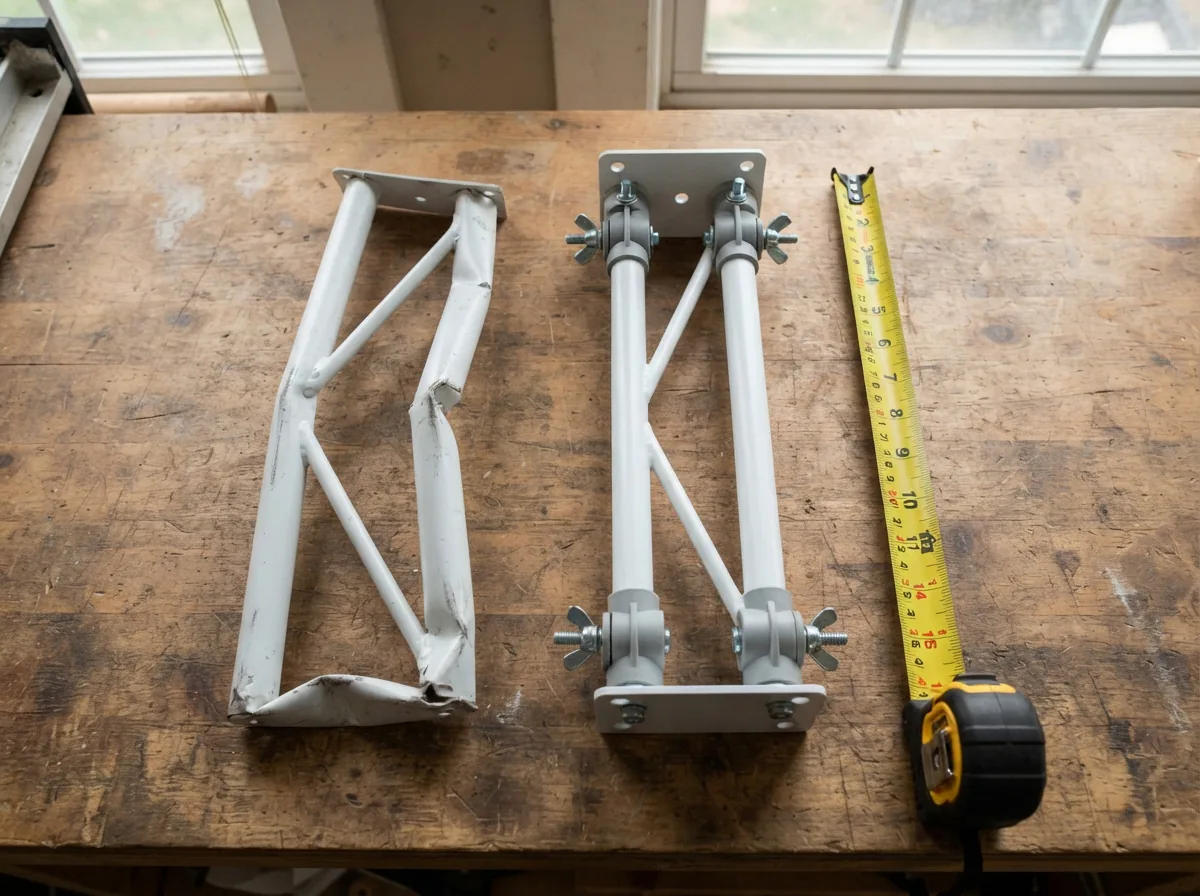
A bent canopy truss bar and a replacement bracket laid beside a tape measure on a workbench.
Match the bracket shape first

Truss brackets come in specific shapes with fixed mounting points. Compare the bracket profile and hole spacing to your broken piece, because a bracket that nearly matches still will not seat the truss arms correctly.

Measure length before you order

Truss bars and poles are cut to a set length. Measure your old part end to end before ordering, since a bar that is even half an inch off can stop the canopy from opening fully or folding flat.

Check the bolt and nut sizes

Bolt kits and t-nuts are small but exacting. Check the thread size and the thickness of the panel they sit against, so replacement hardware tightens down without stripping the existing frame holes.

Confirm canopy top attachment

Canopy tops are sized to a frame footprint and a specific attachment style. Confirm your frame is a 10x10 and note how the top connects at the corners before you commit to a fabric replacement.

Four ways to narrow it down

Kinds of canopy replacement parts

Parts here split by what failed: structural joints, long poles, fabric, or small hardware. Deciding which group your broken piece belongs to narrows the choice quickly, and each group asks for a different check before you order.
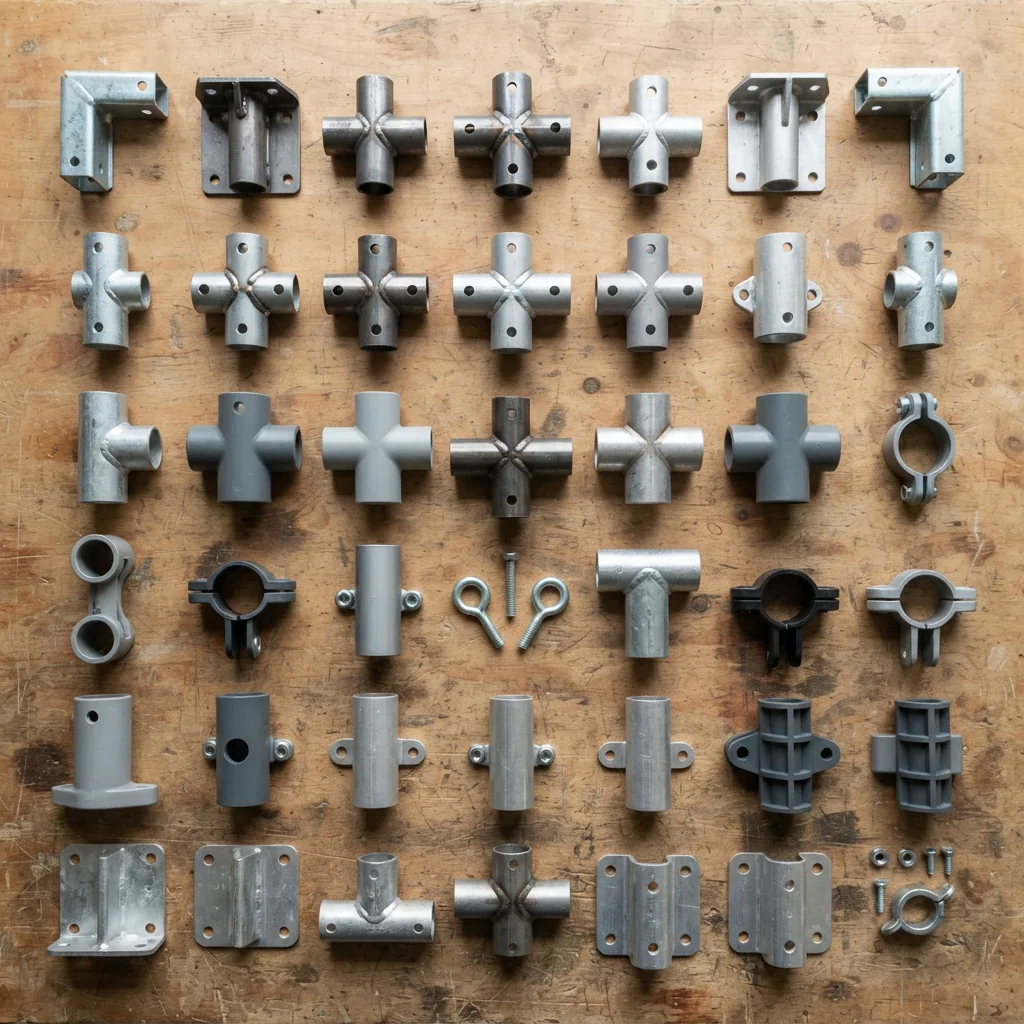
Assorted metal canopy brackets and connectors arranged on a workbench.

Frame hardware and joints

Frame hardware and joints cover brackets and connectors where bars meet. Compare the shape of the joint and its mounting points, since this is the group that decides whether the frame folds smoothly again.

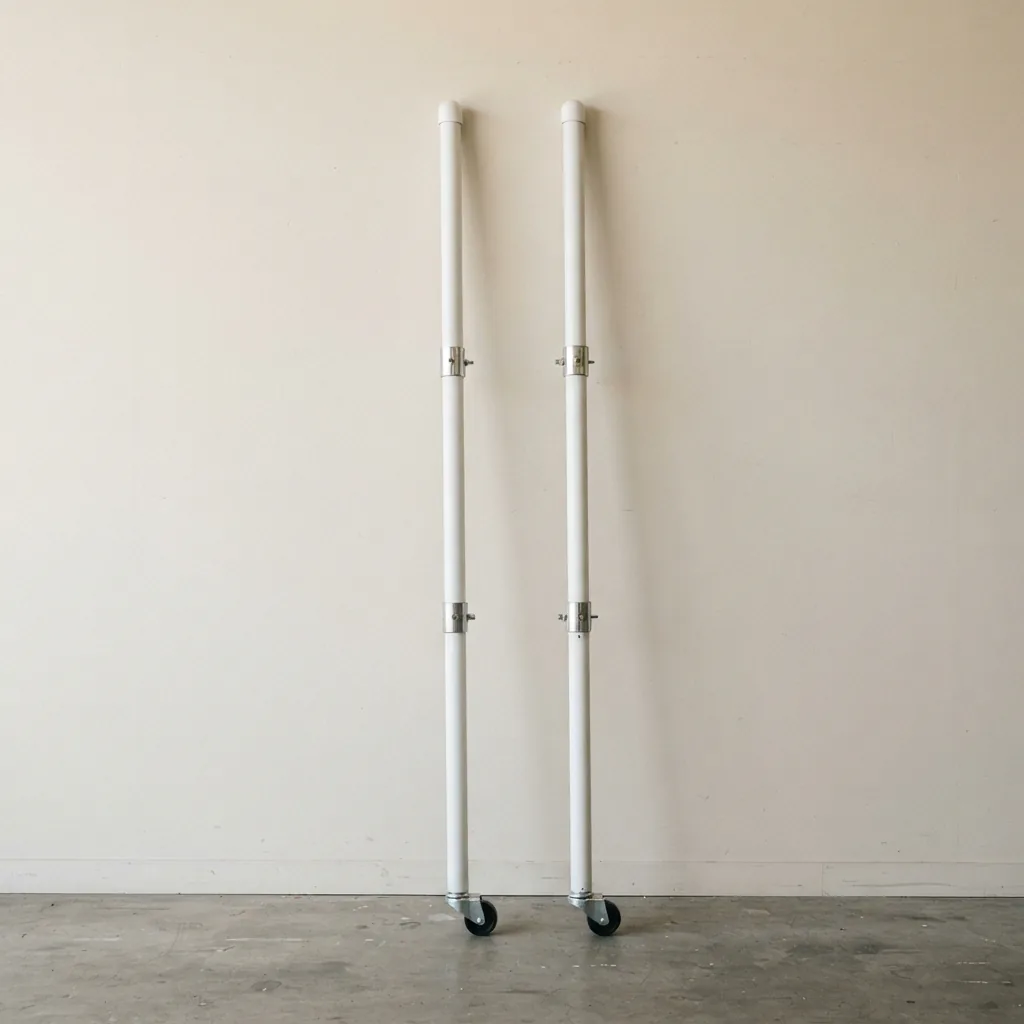
Two long white canopy pole assemblies standing side by side against a plain wall.

Poles and leg assemblies

Poles and leg assemblies are the long structural pieces, including center poles and roller legs. Match the length, the side it fits and whether a roller is fitted at the base.

A stack of folded white canopy top fabrics resting on a table.

Canopy tops and fabric

Canopy tops cover the fabric layer sized to a frame footprint. Look for the right footprint, here 10x10, and confirm how the top attaches at the corners before choosing.

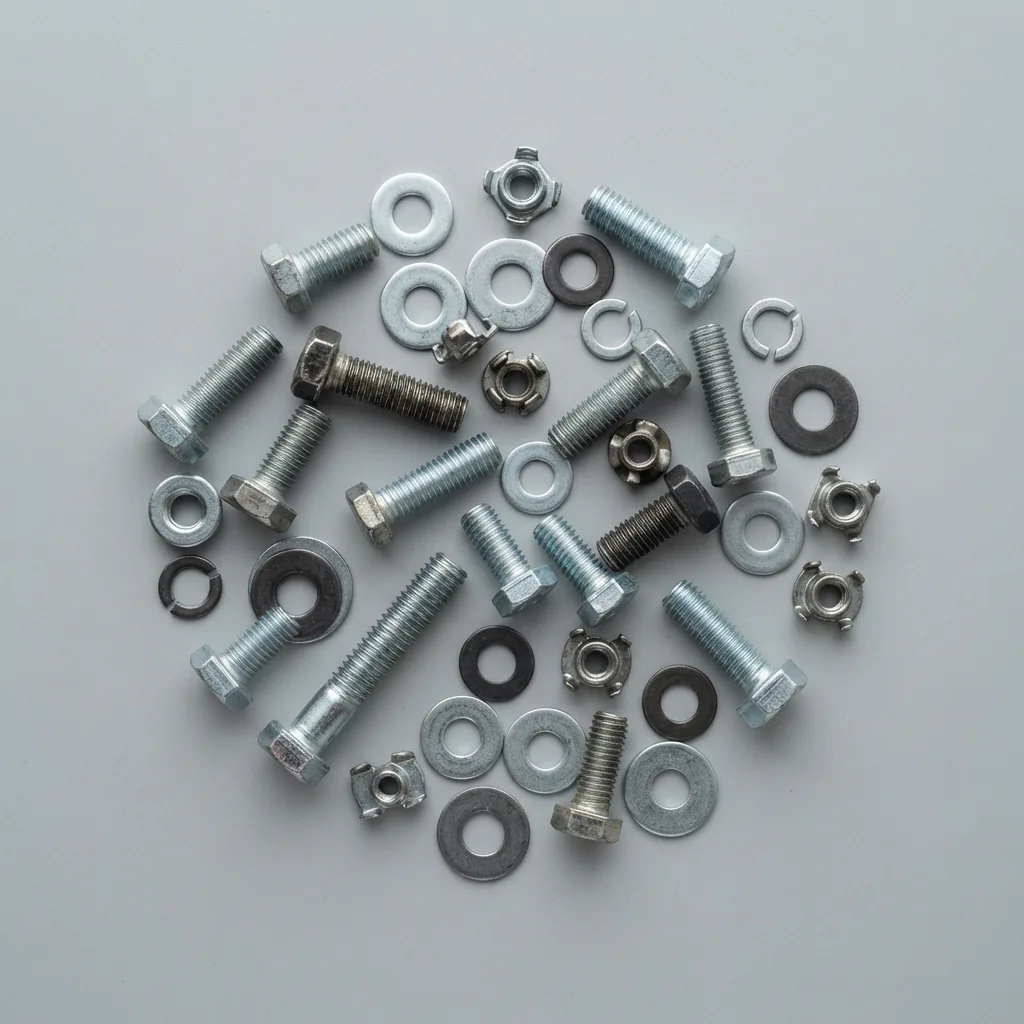
Assorted bolts, washers and t-nuts grouped together on a light grey surface.

Small fasteners and nuts

Fasteners and nuts are the small hardware that keeps joints tight. Check thread size and the thickness of the panel they sit against, so replacements tighten without stripping.

From real repair weekends

What canopy owners say about repairs

These accounts describe shopping and setup moments that many canopy owners recognize: sorting out which part failed, working in a driveway, and getting a shelter back up before a trip. Details vary by frame and by how the canopy was used.
One of the side bars on my 10x10 bent after a windy evening and the canopy would not fold flat. I measured the old bar, found a match, and had the corner working again in about half an hour. It was a far cheaper fix than buying a new shelter for a couple of summer cookouts.
Decorative customer review avatar icon 1
Dana R.
Sorted out a bent corner bar in one afternoon
I spent most of my time comparing the bracket profile to the broken one on my frame. The shape and the hole spacing mattered more than the model name on the listing. Once I lined them up side by side the swap was straightforward, and the corner felt solid again.
Decorative customer review avatar icon 2
Marcus T.
Matched a bracket by shape, not by name
Our old top had faded and started leaking at the seams after a few seasons, but the frame still opened fine. Instead of replacing the whole shelter I ordered a new top, checked the corner attachments, and the canopy looks ready for another summer of weekend camping.
Decorative customer review avatar icon 3
Priya S.
Replaced a weather-worn canopy top
A few bolts worked loose during setup and one snapped in the middle of a trip. Buying a small bolt kit was easy, and tightening everything back up took minutes in the driveway. I keep a spare set in the wagon now, which gives me peace of mind on longer weekends.
Decorative customer review avatar icon 4
Owen L.
Fixed loose hardware before a family trip
Common part questions

Answers before you order a replacement part

Start with the failed piece itself. Note its shape, its length and how it connects to the bars around it, then compare those details to the listing. Canopy size alone is not enough, since similar 10×10 frames use different joints and fasteners.
Usually not. Parts in this category are matched to specific frames, and a 10×10 top or truss bar will not sit correctly on a differently sized frame. Measure your old part and confirm your model before ordering anything.
Listings vary, and some parts are described as compatible with Ozark Trail or Coleman canopies rather than made by the brand. Read the listing details closely and compare measurements and mounting points with your existing piece before deciding.
Many canopy repairs are manageable with basic tools and an extra pair of hands. Work on a flat surface, keep track of which bolt goes where, and compare the new piece with the old one before you take the rest of the frame apart.
Reviews of value-priced gear suggest these setups suit short trips and regular weekend use rather than years of heavy service. A repaired frame works well for occasional shelter, but frequent setup and wind will wear the joints faster.
Confirm the frame footprint, here 10×10, and check how the top attaches at the corners and along the trusses. Fabric on its own does not tell you the fit, so match the attachment style as well as the size before you order.
More from the trail

See how these parts fit real canopy repairs

Hard-sided and soft-sided Ozark Trail coolers arranged on a wooden picnic table at a wooded campsite
Admin
Ozark Trail Cooler

Compare Ozark Trail coolers by size, shape and how you carry them, from hard-sided chests that hold ice for a weekend to soft totes and backpack coolers for a day out. Each option below shows capacity, format and the trip it fits best.


A group of Ozark Trail mountain bikes with front suspension parked on a dirt trailhead, a rider comparing frame sizes beside them
Admin
Ozark Trail Bike

Ozark Trail mountain bikes span hardtails and full suspension builds, sized from young riders to tall adults. Compare fit, suspension, wheels and gears to match your trails and your budget.

Assorted Ozark Trail folding and fixed blade knives arranged on a rustic wooden camp table
Admin
Ozark Trail Knife

This page lines up Ozark Trail knives so you can compare folding and fixed blades, locks, handles and carry options at a glance. Each pick notes what it handles best, from camp prep to a pocket blade you carry daily.

A row of Ozark Trail camping tents of several sizes pitched on a grassy campground with a family walking between them.
Admin
Ozark Trail Tents

Compare Ozark Trail tents by capacity, setup style, weather coverage and packed weight, from solo backpacking shelters to twelve-person family cabins built for drive-up weekend campsites.
