



Ozark Trail Camping Table

Compare Ozark Trail camp tables by surface size, height, packed weight and setup so you can match one to your trip length, chairs and cargo space.

Four camp tables that cover the basic needs

Ozark Trail 19-inch Folding Camp Side Table, Plastic, Gray Wood Grain — Compact Pick for Tight Sites

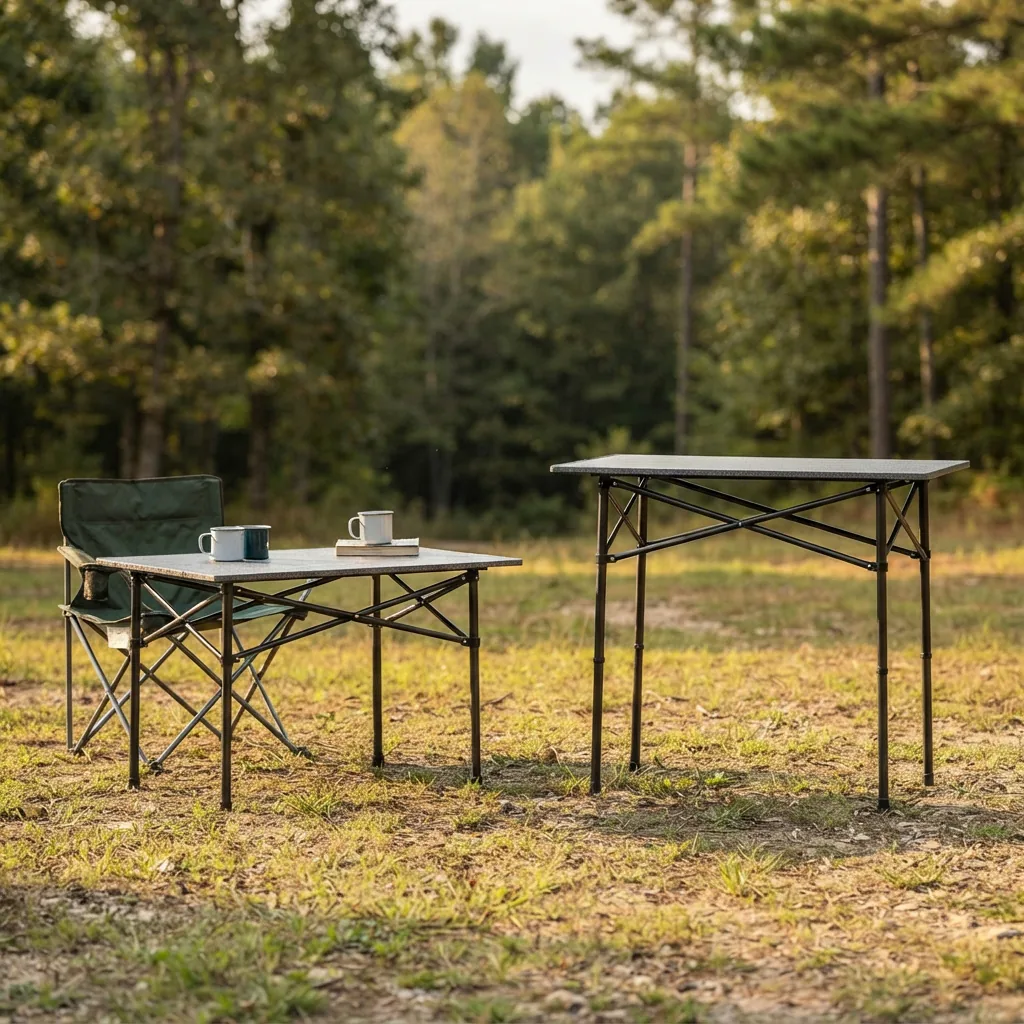
At 19 inches across, this folding side table gives you a small, steady spot for a plate, book or lantern beside your chair. The plastic top with a gray wood grain finish wipes clean after meals, and the frame folds flat to slide behind a seat or under a cot. A good fit for tight tent sites where a full table would crowd the space.

Ozark Trail Aluminum Camping Table, Silver — Best-Selling Lightweight Roll-Top Surface

This aluminum table keeps weight down, which matters when you haul gear from the car to the site. The silver metal top handles hot plates better than plastic and rinses off quickly after a cookout. Setup is quick and the flat surface holds a two-person meal. A straightforward pick for weekend car campers who move the table around often.

Ozark Trail Hazel Creek Square Folding Aluminum Roll-Top Camp Table, Brown — Square Top for Groups

The square top of the Hazel Creek gives more usable room per inch of packed length than a long rectangular table, so plates and a small stove fit side by side. Aluminum slats roll up over a folding frame, and the brown finish hides dirt between cleanings. A sensible choice when two or three people share one table at camp.

Ozark Trail Ultralight Camp Table With Carry Bag, 21.2 x 20.7 x 14.8 in — Light for the Walk In

Listed at 21.2 by 20.7 inches and 14.8 inches tall, this table is built for trips where every ounce counts. The carry bag keeps it together on the walk in, and the small packed size fits inside a larger pack or lashed to one. Expect a lighter frame that suits short backpacking runs. Handy for meals, cards or sorting gear at camp.

Ozark Trail Portable Camp Kitchen and Sink Table — A Full Prep Station Outdoors

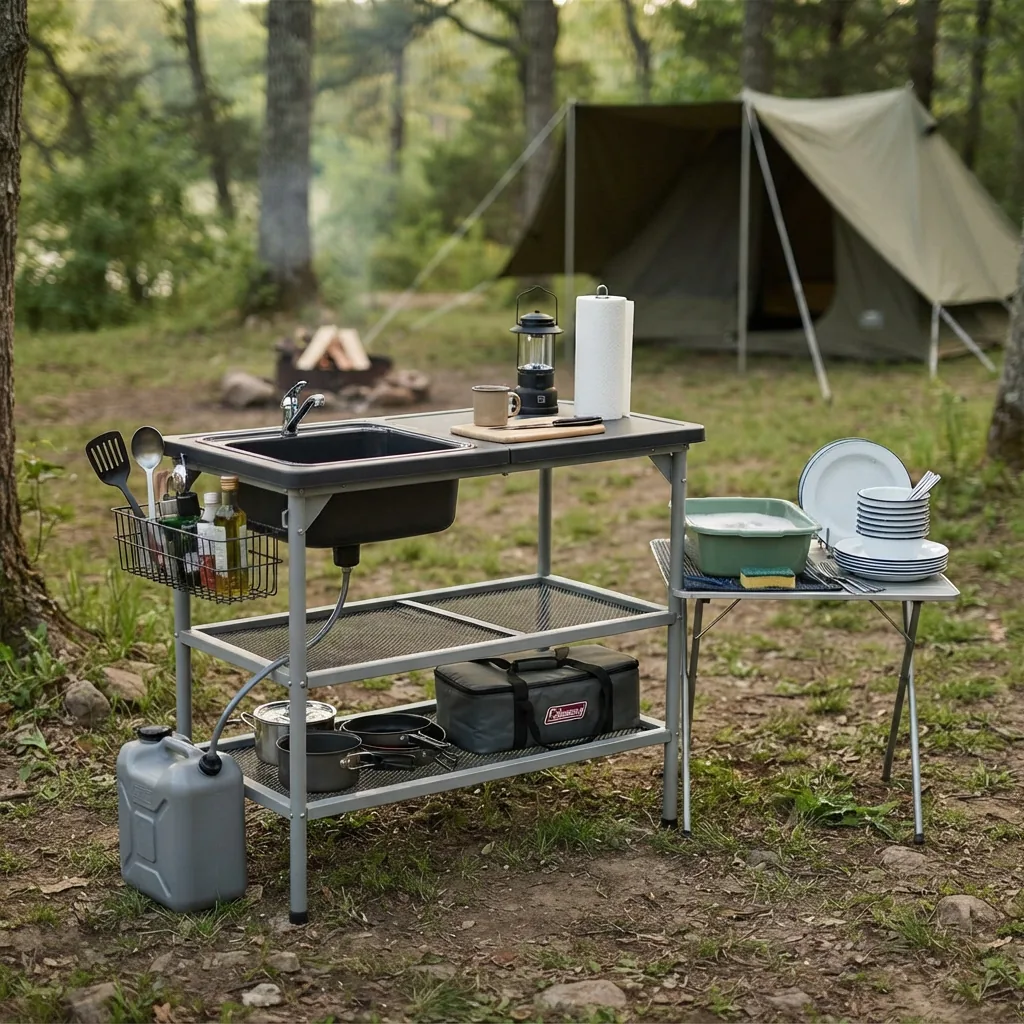
A sink changes how camp cooking works: rinse vegetables, drain pasta water and wash plates without walking off to a spigot. The portable frame gives you a real work surface at standing height, so prep happens at the table instead of on a cooler lid. You trade packed bulk and weight for a setup that handles a full evening meal with far less running around.
More ways to decide

Three more tables for specific camp situations

Ozark Trail Roll-Up Slat Camp Table With Carry Strap — Rolls Flat for Tight Trunk Space

The slats roll into a bundle and the carry strap holds it shut, so the table stores flat along the trunk floor instead of claiming a whole seat. You get a steady eating surface that sets up in about a minute at the site and wipes clean after the meal. Weekend campers short on cargo space tend to value that slim packed shape more than extra features.

Ozark Trail Adjustable-Height Folding Camp Table — One Table for Low Meals and High Prep

One frame covers two jobs: set it low for a campfire meal at chair height, then raise it for chopping and plating without bending over. The folding frame opens without tools and locks, so it stays put while you work. If you cook most of your own meals outdoors, that height range usually saves you from packing a second table.

Ozark Trail Compact Folding Campside Table With Built-In Cup Holders — Drinks Within Reach

This one sits beside a camp chair rather than replacing a dining table, keeping drinks, snacks and a phone off the ground and easy to reach. It opens flat in seconds, packs down slim for the drive, and holds steady on uneven ground. Best for relaxing at the tent site, tailgating or a park afternoon when a full table is more than you need.
Where a camp table helps

Trips and moments these tables suit best

These tables cover the situations campers run into: a base camp for the weekend, a quick setup away from the car, and trips where the load has to stay light. Matching the table to the trip keeps you from carrying more than you need.

Weekend Car Camping Base Camps

When the car stays near the site, a fixed or kitchen table can stay open all weekend for meals and gear sorting. Weight matters less here, so pick for surface room and a frame that sits steady on soft ground.

Tailgates and Park Afternoons

Short outings call for a table that opens fast and packs slim. Compact side tables and roll-up slats fit a trunk gap, set up in seconds, and are light enough that nobody minds carrying one back at day's end.

Backpacking and Light Loads

When you carry everything, an ultralight table earns its place only if you value eating off a surface. Packed size and weight decide the choice, and lighter frames suit short runs better than steady, repeated use.

Four things decide which camp table fits: how much surface you need, the height that matches your chairs, the weight you will carry, and how long setup takes once you reach the site.

What to weigh before choosing a camp table

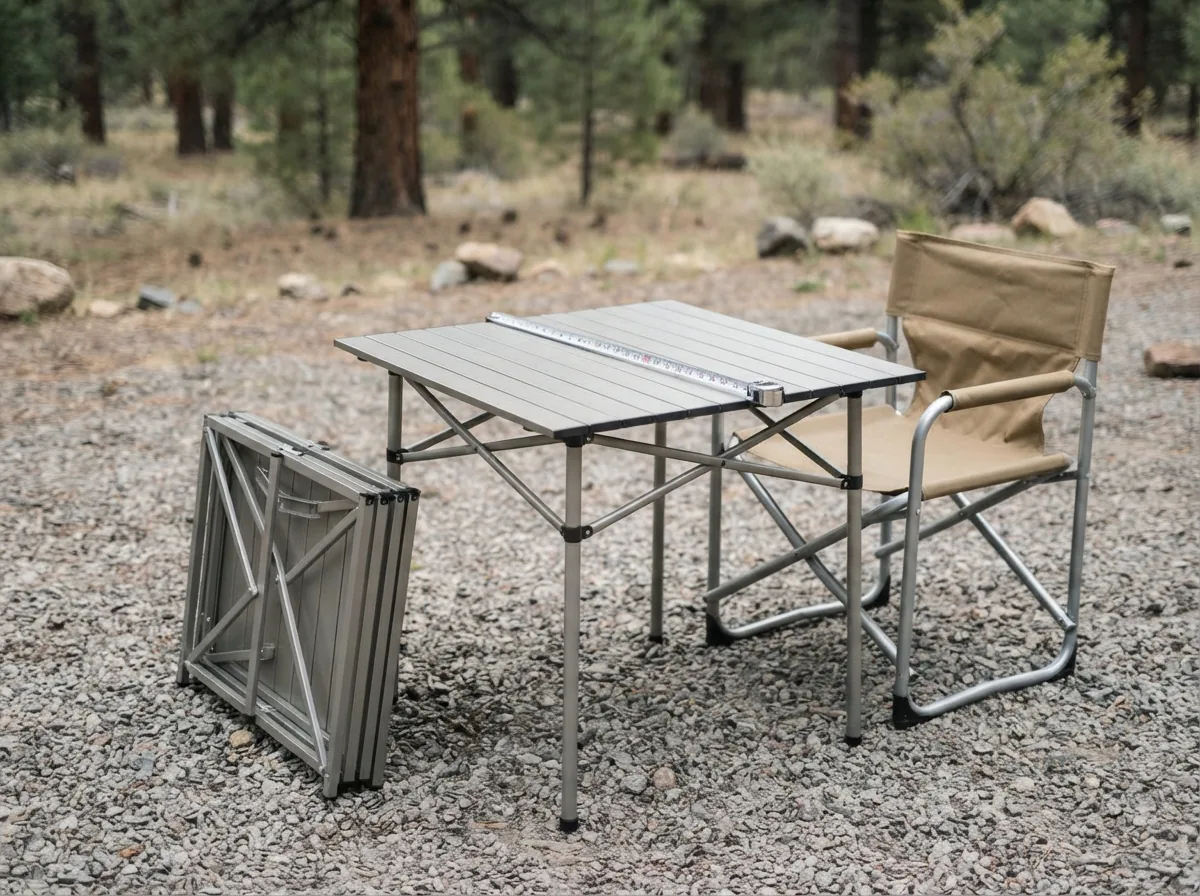
Small camp table laid out with a chair height guide, tape measure, folded table frames and packed bags for comparison
Tabletop size and how many eat at it

Surface area decides how many plates, a stove and shared dishes fit at once. Square tops give more usable room per inch of packed length, while narrow side tables suit one person beside a chair.

Height relative to your camp chairs

Height matters as much as width. Low tables match standard camp chairs for eating, while taller surfaces keep your back straighter when you chop and plate. Check the listed height against the chairs you already own.

Packed size and weight you carry

Weight and packed shape decide how the table travels. Fixed folding frames are light but pack long and ride best in a trunk; roll-top slats bundle smaller for tight cargo space. Ultralight frames save ounces but suit shorter trips.

Setup time and stability on rough ground

Setup time and stability change how the table behaves at the site. Frames that open without tools and lock firmly stay put while you pour or chop. Wider feet hold more steadily on soft or uneven ground than narrow legs.

Find your table type

Main kinds of camping tables to compare

Camp tables split by the job they do: slim side tables, fixed folding frames, roll-top slats and full camp kitchens. Matching the type to your trip length and cargo space usually matters more than picking a feature list.
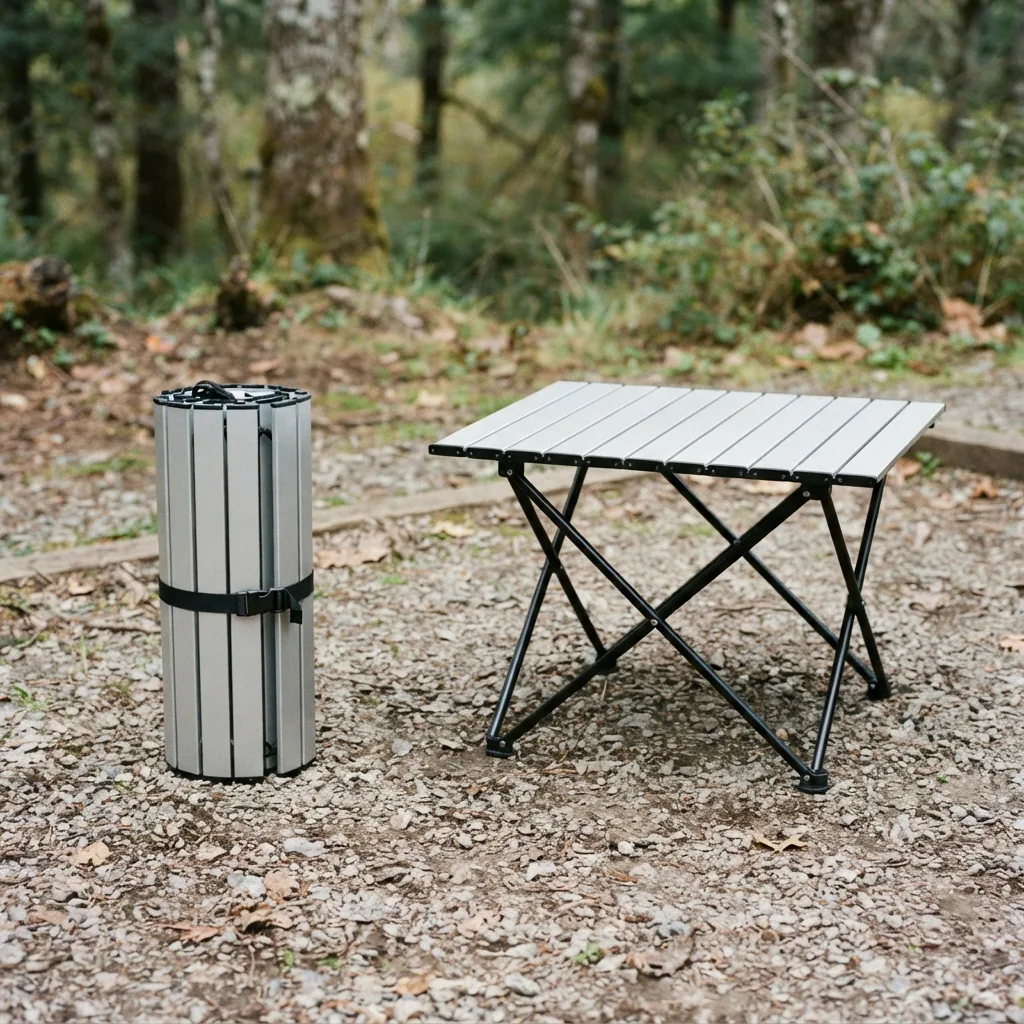
Aluminum slat roll-top camp table bundled into a cylinder beside the same table open on grass

Roll-Top Slat Tables

Aluminum slats roll over a folding frame into a compact bundle that fits a trunk gap or a large pack. Best when cargo space is tight, and the open top still handles plates and a small stove.

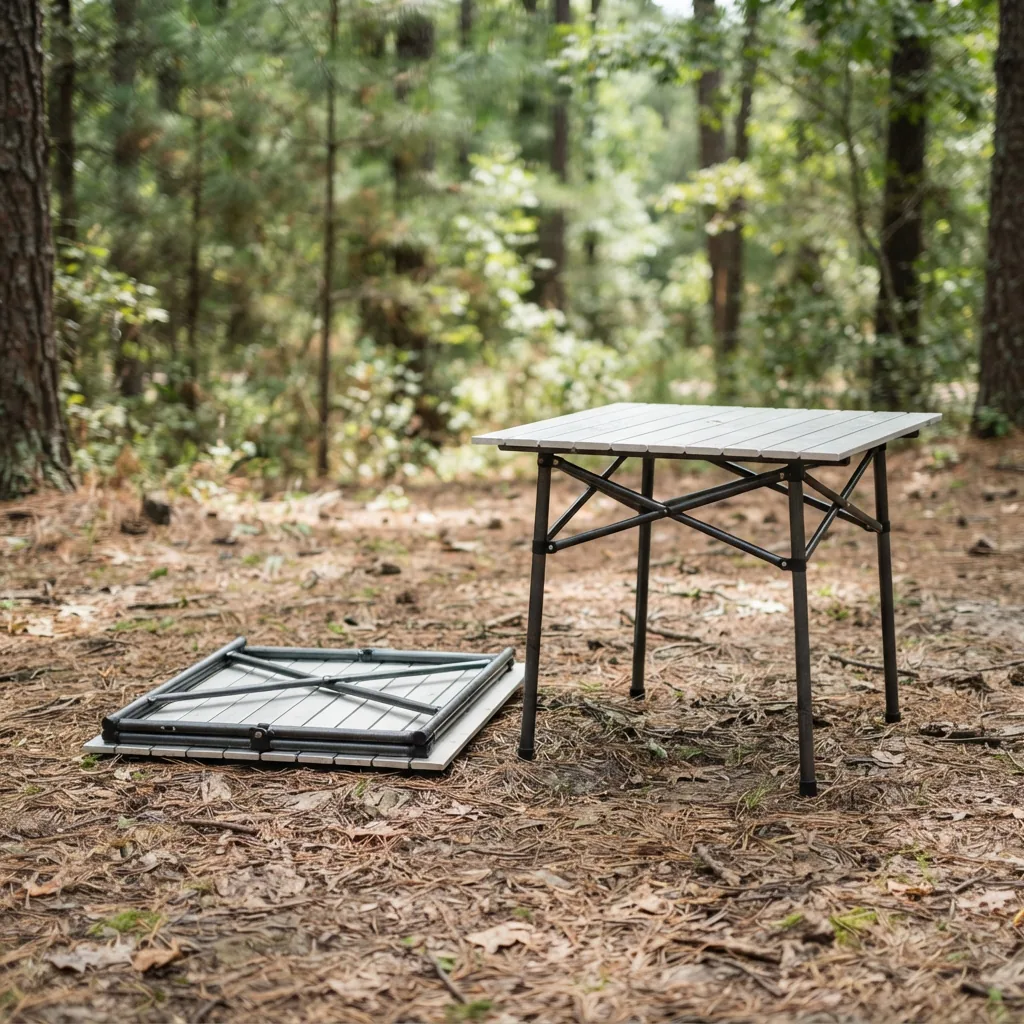
Fixed-frame folding camp table standing open beside its folded flat version on campsite ground

Fixed Folding Frames

One-piece frames flip open in seconds and stay rigid, which helps when you set up and take down often. They pack long and flat, so they suit trunks more than backpacks or small cars.

Adjustable-height camp table shown at low chair height and again at raised prep height

Adjustable-Height Tables

Locking legs raise or lower the surface, so one table works at chair height for meals and at prep height for cooking. Worth it if you cook outdoors often and want to skip bending over.

Camp kitchen table with built-in sink basin set up at a campsite with dishes stacked nearby

Camp Kitchen Tables

Kitchen tables add a work surface and often a built-in sink, so rinsing and washing happen at the table. They pack bulkier and weigh more, but pay off when a group cooks full meals at camp.

From people who camp

How these tables work out on real trips

Campers describe how a table behaves after a few trips: what folds down cleanly, what earns its trunk space, and which small conveniences mattered more than expected once the meal was over.
I measured the space behind my back seat before I bought anything, and the roll-up style slat table slid right in with room to spare. It went up in about a minute on a level patch and did not wobble with two plates and a coffee pot on it. Wiping it down took one pass with a damp cloth, which I appreciated after a windy evening.
Decorative customer review avatar icon 1
Dana M.
Trunk space was the deciding factor
I used to bring a low table for eating and a cooler top for prep, which was a pain on my back. The adjustable one handled both, and the locks held when I was chopping. Raising it took no tools at the site. It is heavier than my old slat table, so I only bring it when we are driving straight to the site.
Decorative customer review avatar icon 2
Rivers H.
One table replaced two at camp
For solo weekends I wanted something that would not take over the tent site. The short folding side table sat beside my chair and held a plate, a headlamp and my phone off the damp ground. It folded flat enough to slide under the cot. I would not try to cook a full meal on it, and it never pretended otherwise.
Decorative customer review avatar icon 3
Priya S.
Small table, exactly the right size
We cooked for four most nights and the sink saved us constant trips to the spigot for rinsing and draining. It is bulky in the truck and takes two of us to set up, so I would not carry it far from the car. At the site though, dinner ran smoothly and cleanup happened at the table instead of on the ground.
Decorative customer review avatar icon 4
Cal B.
Worth the extra bulk for group meals
Questions worth asking first

Practical answers before you pick a camp table

For four people you want a top that fits four plates plus a shared dish, which points to a roll-top or fixed table rather than a side table. Check the listed dimensions against your chairs and any stove you plan to set on it.
Aluminum tops handle hot cookware better than plastic and support a small stove for most cooking, but check the listed weight limit before loading it. Let the surface cool before you roll it up, and avoid standing or leaning on the frame.
Fixed folding tables are light and quick to open but pack long, so they ride best in a trunk. Roll-top and slat tables bundle down smaller for tight cargo space. Ultralight frames save packed bulk but suit shorter trips better than daily heavy use.
Most tables hold best on level ground with the frame opened until it locks. Soft soil can let legs sink, so a flat rock under a leg helps. Wide feet sit more steadily on rough ground than tall, narrow frames that catch the wind.
A sink lets you rinse vegetables, drain pasta water and wash plates at the table instead of walking to a spigot. Expect more packed bulk than a simple roll-top table. If you cook for a group most evenings, the extra space pays back in less running around.
Wipe the top with water after meals; metal and plastic both clean up quickly, and a darker finish hides dirt between cleanings. Let the frame dry before folding so the joints stay in good shape. Store slat tables bundled and fixed tables flat.
See it in the wild

More on using Ozark Trail camping tables

Hard-sided and soft-sided Ozark Trail coolers arranged on a wooden picnic table at a wooded campsite
Admin
Ozark Trail Cooler

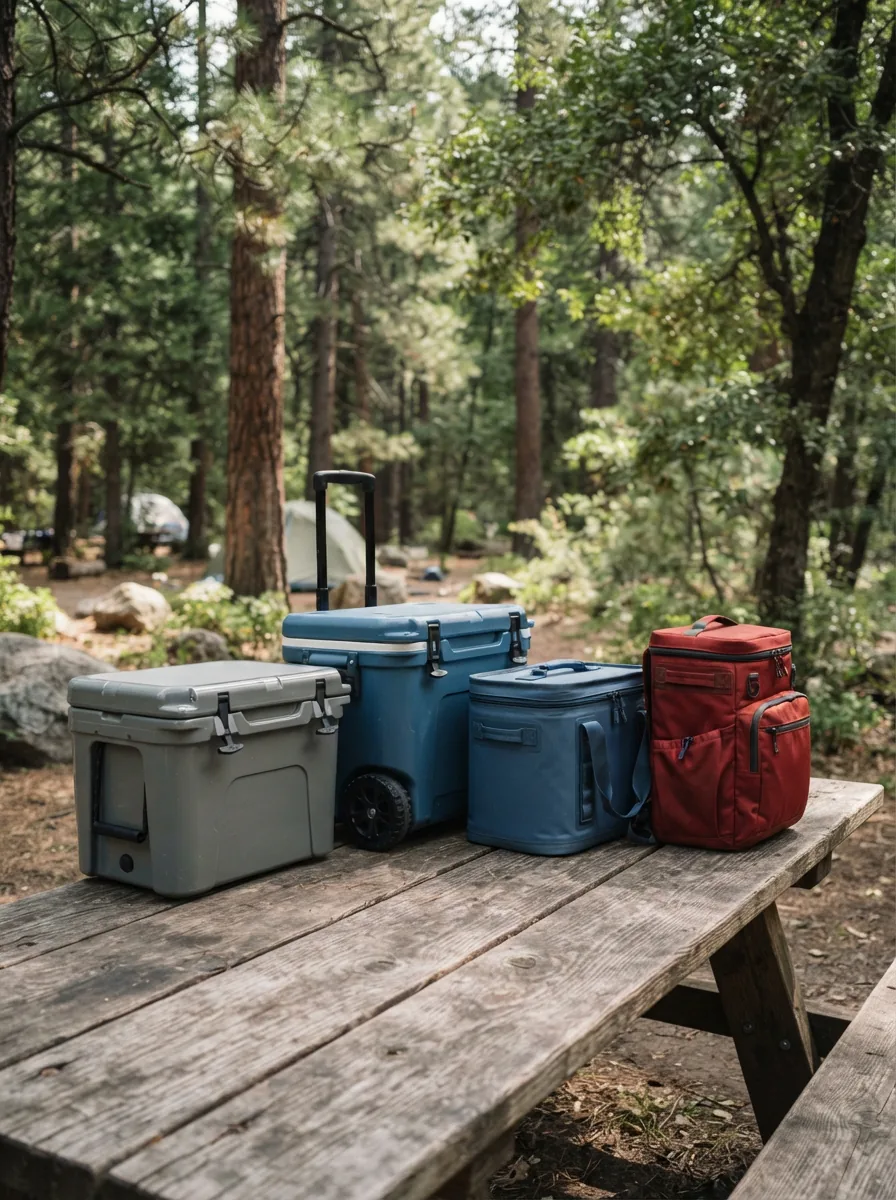
Compare Ozark Trail coolers by size, shape and how you carry them, from hard-sided chests that hold ice for a weekend to soft totes and backpack coolers for a day out. Each option below shows capacity, format and the trip it fits best.
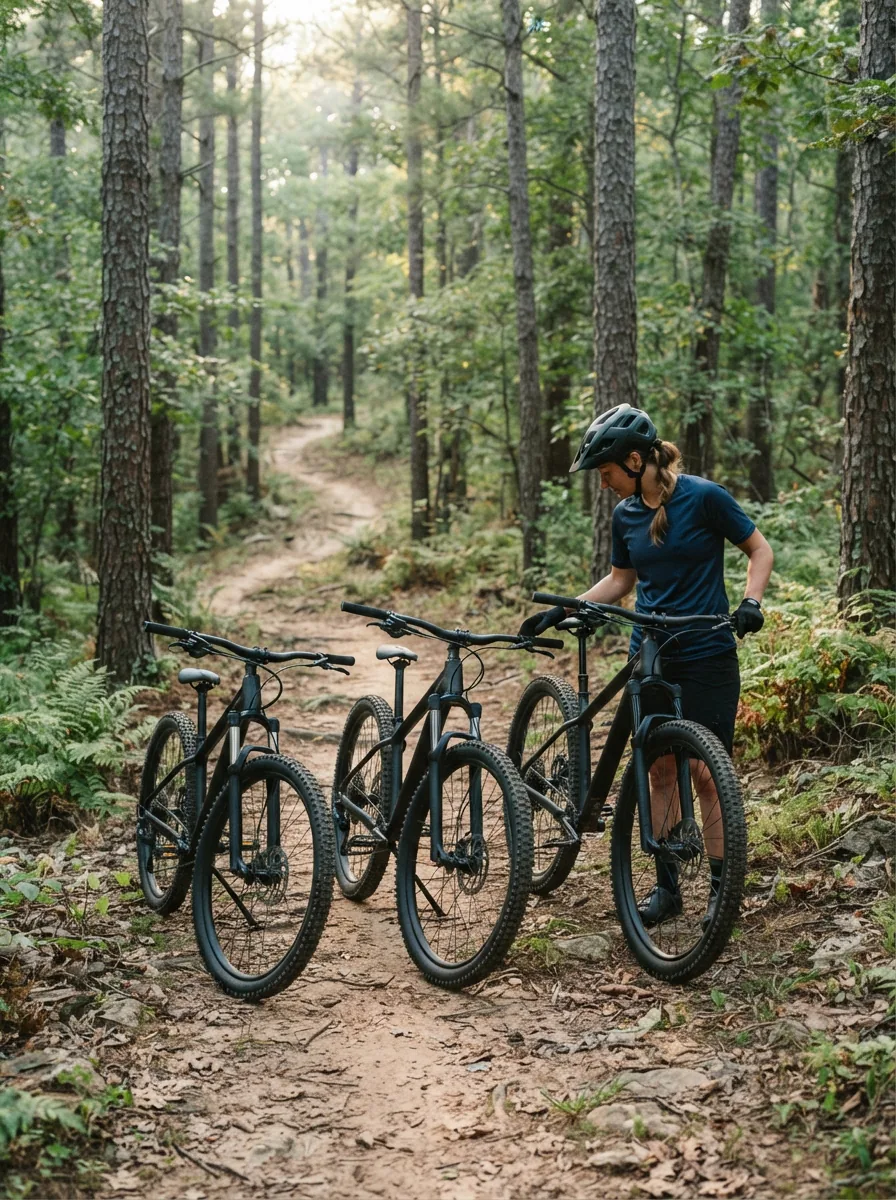
A group of Ozark Trail mountain bikes with front suspension parked on a dirt trailhead, a rider comparing frame sizes beside them
Admin
Ozark Trail Bike

Ozark Trail mountain bikes span hardtails and full suspension builds, sized from young riders to tall adults. Compare fit, suspension, wheels and gears to match your trails and your budget.

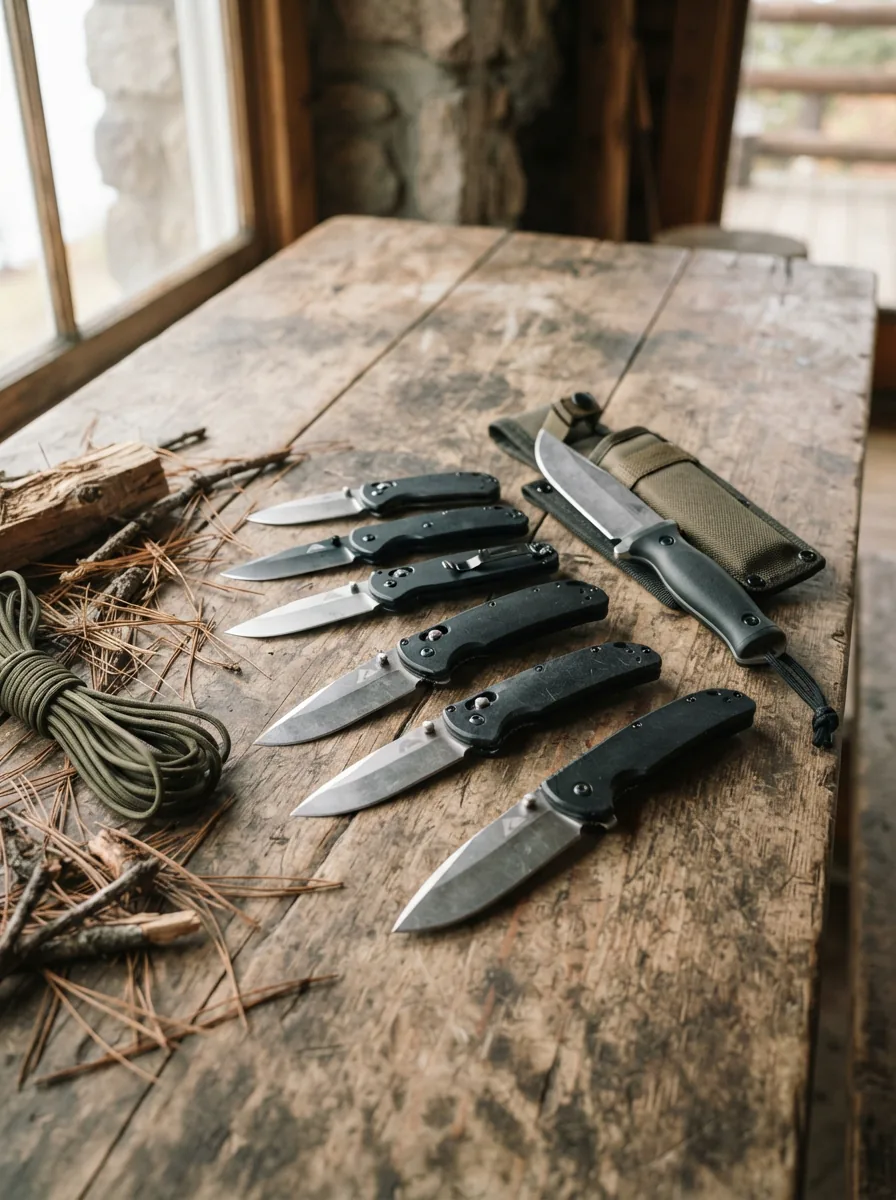
Assorted Ozark Trail folding and fixed blade knives arranged on a rustic wooden camp table
Admin
Ozark Trail Knife

This page lines up Ozark Trail knives so you can compare folding and fixed blades, locks, handles and carry options at a glance. Each pick notes what it handles best, from camp prep to a pocket blade you carry daily.

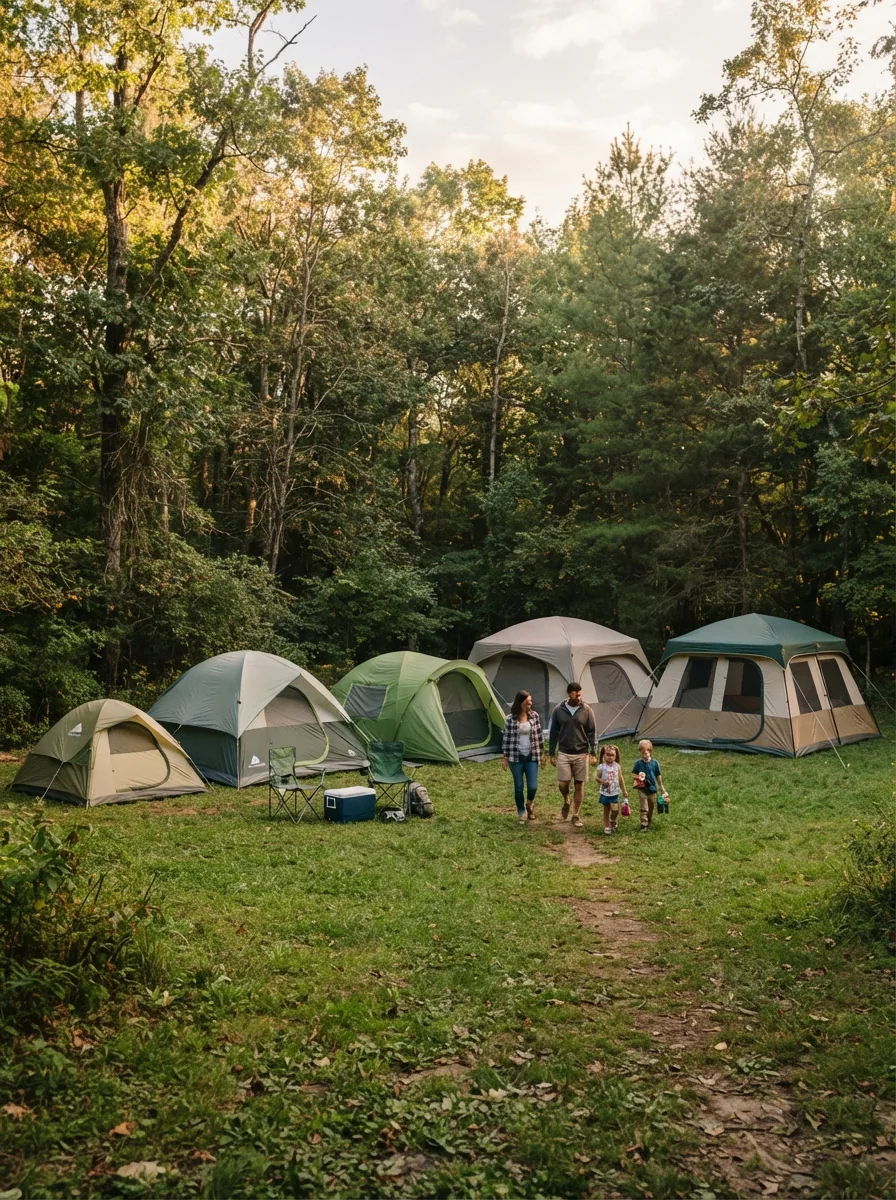
A row of Ozark Trail camping tents of several sizes pitched on a grassy campground with a family walking between them.
Admin
Ozark Trail Tents

Compare Ozark Trail tents by capacity, setup style, weather coverage and packed weight, from solo backpacking shelters to twelve-person family cabins built for drive-up weekend campsites.