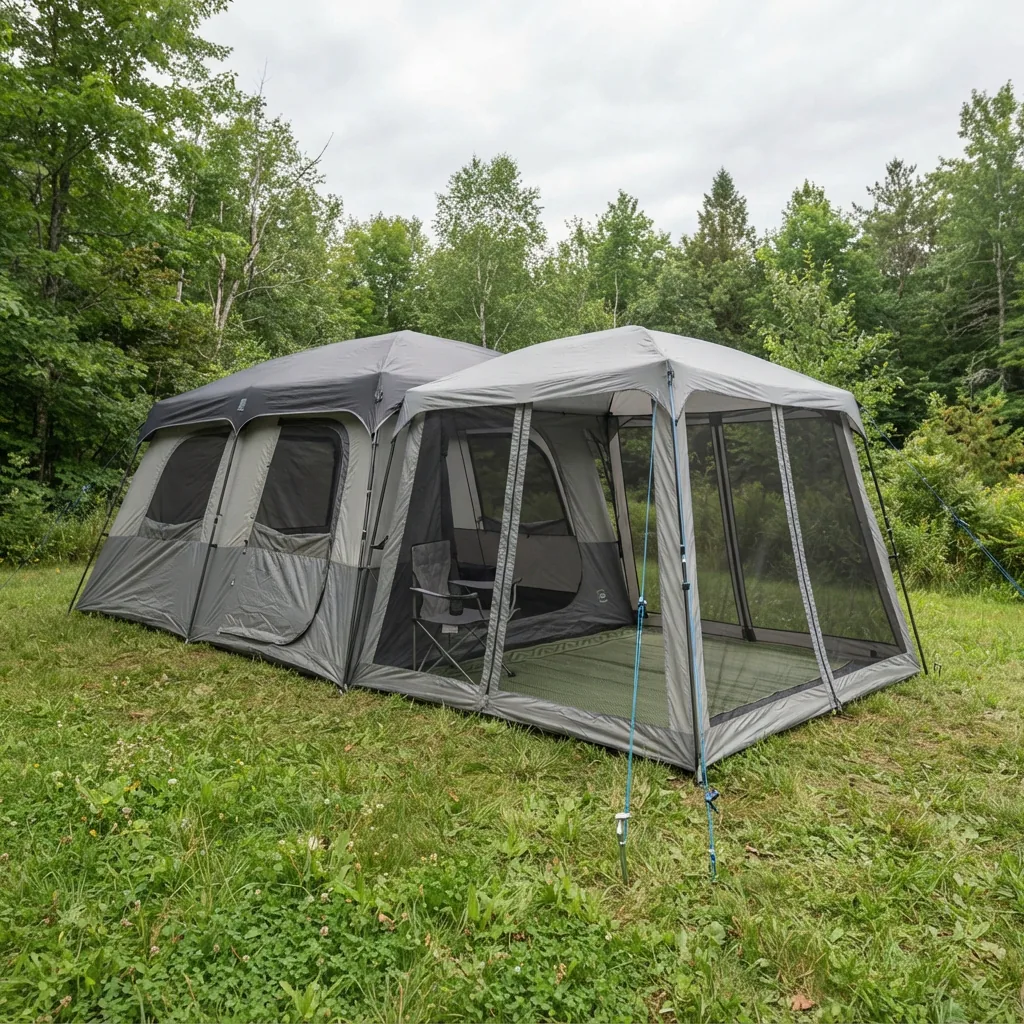
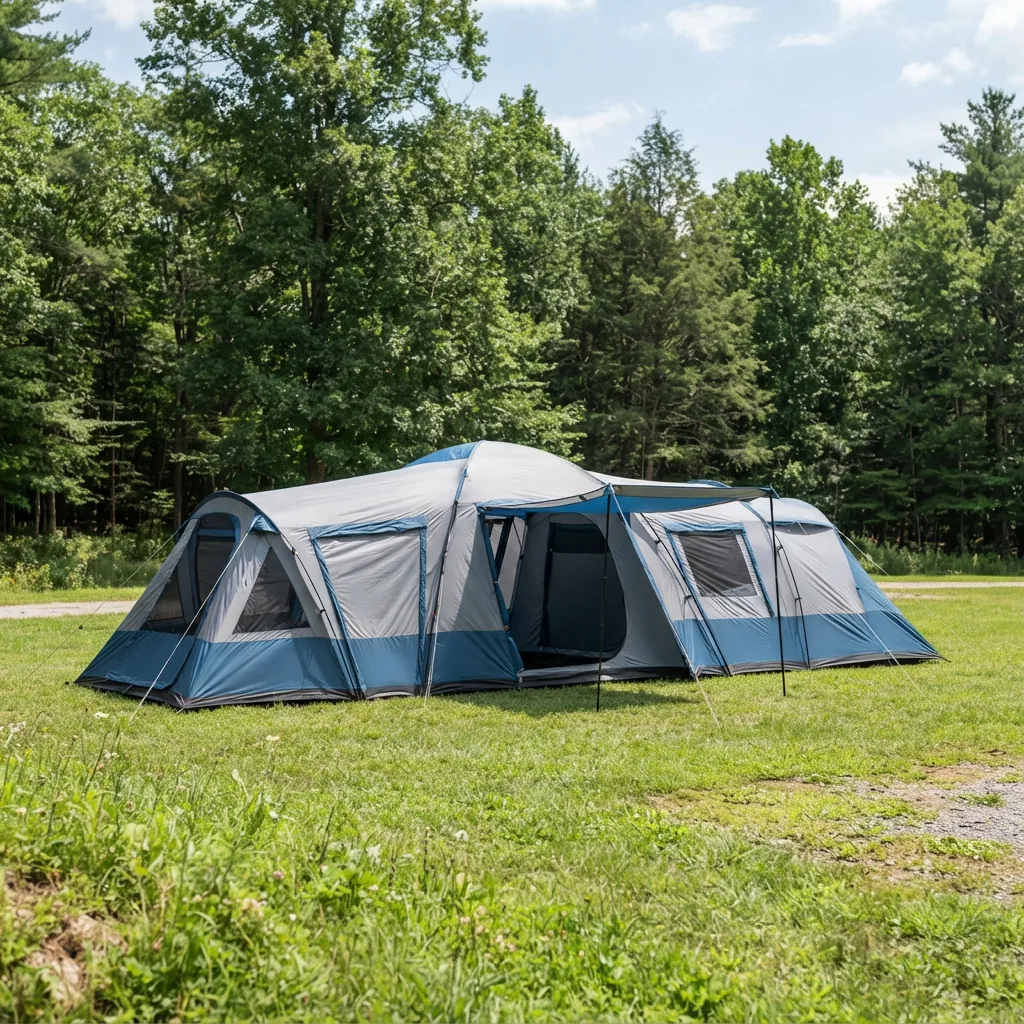




Ozark Trail Cabin Tent

Compare Ozark Trail instant cabin tents by size, room layout and setup style, from four-person weekend shelters to twenty-person family cabins. Weigh prices, dimensions and honest trade-offs side by side.

Four cabin tents, four sizes, one clear lineup

Ozark Trail 4 Person Instant Cabin Tent, 8x7 ft, Recycled Materials, Blue — Weekend Starter

Four options are available, priced at $91.84 down from $123.00. The 8 ft by 7 ft floor fits four sleepers or two adults with gear, and the 54 in walls mean you can stand up to change. Recycled materials keep the cost low, and this size suits a first tent or a two-night weekend.

Ozark Trail 11-Person Instant Cabin Tent, 3 Rooms with Private Room and Awning, Family Camping

Priced at $119.00, down from $175.00, with options listed from $119.00 to $175.00. Three rooms let parents close off a private sleeping area while kids take another, and the awning adds shaded space outside the door for wet mornings or a place to sit. It fits larger family weekends.

Ozark Trail 8-Person Instant Cabin Tent, 13 ft x 9 ft, Roomy Family Camping Layout

At $149.00, the 13 ft by 9 ft floor spreads eight sleepers across a wide rectangle instead of a narrow one, so air mattresses and duffels fit without stacking them. Tall cabin walls keep the space open, and the instant frame makes a two-night family trip easy to start.

Ozark Trail 9-Person Instant Cabin Tent with Screen Room, 2 Rooms, 14 x 13.5 ft, Bugs-Free Lounging

$175.20 buys a 14 ft by 13.5 ft footprint with a separate screen room, so muddy shoes and camp chairs sit outside the sleeping area. Two rooms give parents privacy, and the 40.8 lb weight makes this a car-camping tent rather than one you carry far from the lot.

Ozark Trail 8 ft x 7 ft 4-Person Instant Cabin Tent with LED Lighted Hub, Blue/Gray, 19 lb, Ready for Dusk

At $109.00 the built-in LED hub lights the tent without a hanging lantern, which helps when the last person crawls in after dark. The 8 ft by 7 ft floor holds four sleepers, and at 19 lb it is light enough to carry from the car to the pad on your own. Blue and gray fabric keeps the interior calm in morning sun.
Camp favorites

Three layouts campers keep coming back to

Ozark Trail 11 Person 3 Room 14' x 14' Instant Cabin Tent, Orange, Family Basecamp

The square 14 ft by 14 ft floor gives three rooms equal space, so eleven campers can split sleeping areas without anyone ending up in a walkway. Set it up once and leave it standing; this is a basecamp tent for a full weekend rather than a quick overnight.

10' x 9' Ozark Trail Six-Person Dark Rest Cabin Family Camping and Adventure Tent, Blackout Sleep

A gear loft, hanging organizer and electrical port keep phones and lanterns off the floor and powered from the campsite. The Dark Rest design with extra air circulation tackles the stuffy morning problem, which matters when six people share a 10 ft by 9 ft floor.

Ozark Trail 20-Person 4-Room Cabin Tent with 3 Separate Entrances, Group Basecamp

At $279.97 this is the largest cabin in the group: four rooms and three separate entrances mean a big group can come and go without climbing over sleeping bags. Best for reunions and long weekends where one shared shelter beats booking several smaller tents.
Who it's for

Trips and setups these cabins handle well

These cabins cover first family setups, longer stays where rooms reduce clutter, and big gatherings that need one shared shelter. Match the tent to trip length, group size and how far you walk from the car.

First family setups and weekend trips

A four- or six-person instant cabin gives new campers room to stand, a short setup and a price that does not sting if the trip is a trial run. Bring air mattresses and keep the gear list short.

Multi-room shelters for longer stays

When you stay two or three nights, dividers and separate entrances keep sleeping, storage and rainy-day chaos apart. Everyone gets a corner, and you can leave the tent standing while you explore.

Large group reunions and basecamps

Ten- to twenty-person cabins suit reunions, scout trips and car-camping gatherings where one shared shelter beats booking several smaller ones. Check vehicle space and two-person carrying before you buy.

Room count, floor size, setup style and weight each shift who a tent suits. A private room helps families, square footage suits air mattresses, an instant frame shortens setup, and heavier builds limit how far you carry.

What to weigh before you pick a cabin tent

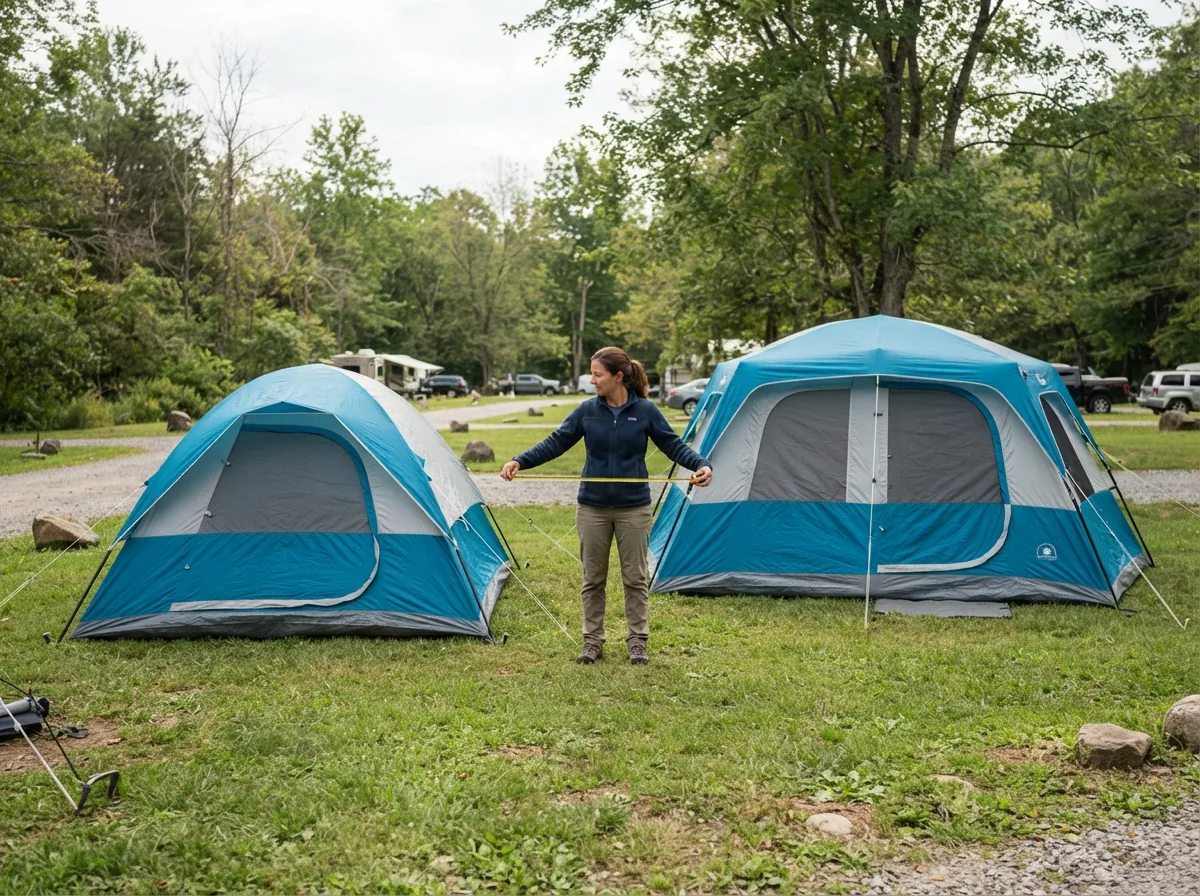
Two cabin tents of different sizes pitched side by side while a shopper compares their floor space
Floor size and how many actually sleep there

Capacity numbers assume sleepers shoulder to shoulder. A four-person floor fits four bags tight or two with gear, while a 13 by 9 foot space leaves room for air mattresses and duffels without blocking the door.

Room dividers and private space

One room keeps everyone together, while two or three rooms let parents close a divider and kids sleep separately. More rooms mean more poles and zippers to check, so weigh privacy against setup effort.

Instant frames versus slower pole setups

Instant cabin frames unfold and lock in minutes, which helps when you arrive at dusk or rain is coming. Classic pole tents take longer but pack smaller and cost less, so consider who is doing the setup.

Weight, packed size and how far you carry

Cabin tents are built for car camping. A 19 lb four-person is easy to move from the trunk to the pad, while a 40 lb family tent wants two carriers and a wagon for longer walks from the lot.

Ways to narrow it down

Four cabin directions worth comparing

Cabins split into clear directions by capacity and layout. Start with how many people sleep and how much separation you need, then decide whether a screen room, awning or extra entrance is worth the added size.
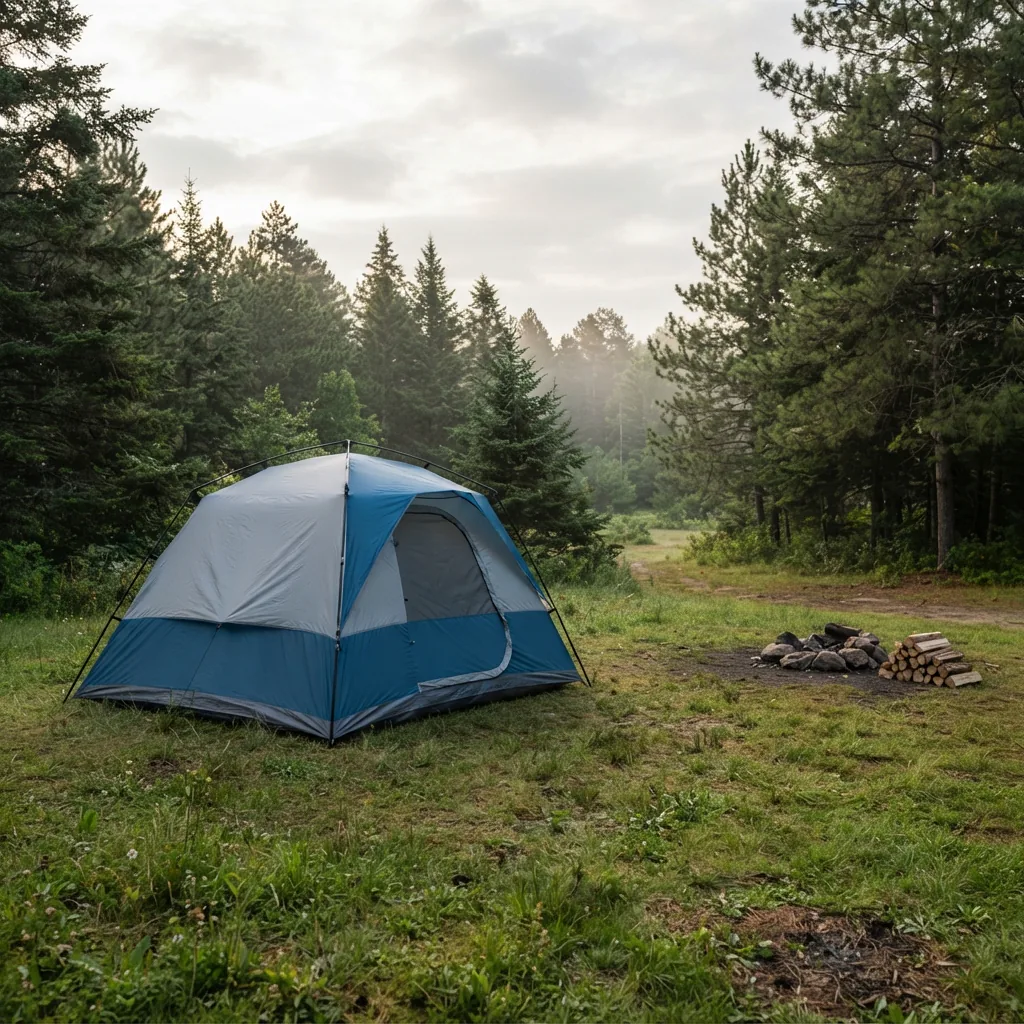
Compact four-person cabin tent with a small footprint pitched on grass

Small four-person weekend tents

Four-person cabins around 8 by 7 feet handle couples, a pair of kids and a first setup. They weigh less, pitch faster and leave budget for a cooler and a decent sleeping pad.

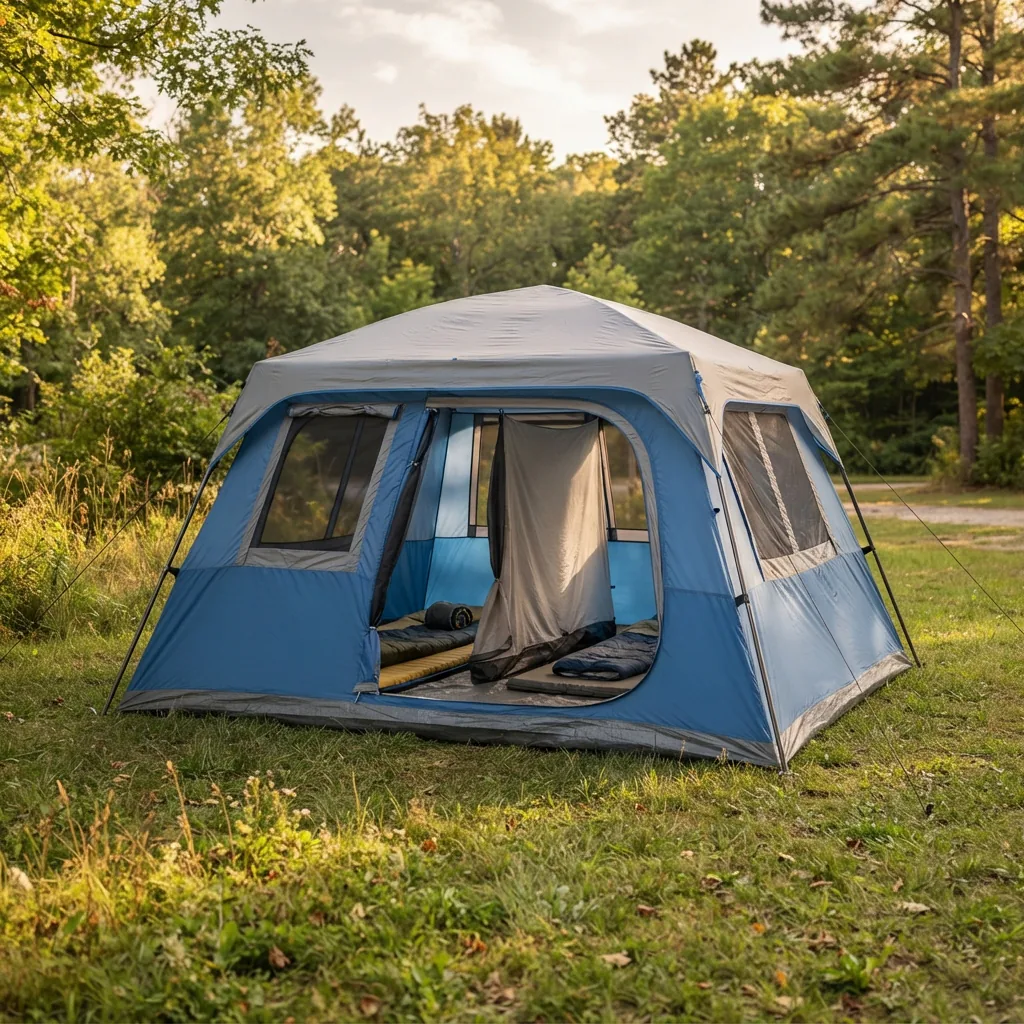
Mid-size family cabin tent with a fabric divider visible through the open door

Room-divided family cabins

Eight- to eleven-person layouts add dividers or a private room. They suit families who want separate sleeping areas without giving up a standing-height cabin.

Cabin tent with an attached screened porch and mesh walls pitched on grass

Screen room and awning layouts

Screen rooms and awnings extend living space past the door, giving you bug-free seating and shade. They cost more and pack larger, so they earn their keep on longer stays.

Large multi-room group cabin tent with several entrances spread across a campsite

Large group and multi-room shelters

Four-room tents built for ten to twenty campers become a shared basecamp. Expect two-person carries, a wider footprint and a site that can hold the full spread.

From the campsite

First-person notes from cabin tent trips

Shoppers describe the same decisions you are making: how much floor space a family really uses, how setup goes on arrival, and how the tent holds up across a season of weekend trips.
I measured the living room floor first and it settled the argument about capacity. We ended up with room for the kids' bags at the foot instead of on top of them, and nobody complained about being cramped for two nights.
Decorative customer review avatar icon 1
Dana R.
Compared three sizes before a family weekend
It was already dark when we rolled in, and I wanted a tent that would not take an hour. Spreading the frame and staking the corners took one person and a headlamp, and having the door open to a dry floor beat waiting for perfect conditions.
Decorative customer review avatar icon 2
Marcus T.
Set up solo at dusk after a long drive
The extra room mostly helped with shoes and wet towels, which sounds small until everyone is stepping over gear. I would pay for that again for a weekend with kids, even though it added weight to the trunk.
Decorative customer review avatar icon 3
Priya S.
Traded a two-room tent for a screen room layout
I wanted something I could set up without watching a video twice. Two of us practiced once at home, then the real trip was quick and calm, and the tent was still standing after a windy night with no leaks.
Decorative customer review avatar icon 4
Ellis W.
First tent purchase for occasional camping
Questions campers ask

Straight answers on cabin tent trade-offs

Tent capacity assumes a tight fit. Four adults fit a four-person floor with gear squeezed in, but two people with air mattresses live better in that space. For families, plan roughly one extra person of room over the stated capacity.
Rooms help when bedtimes differ or you want gear out of the sleeping path. A divider does not add floor space, so a single large room can work if everyone is happy sharing. Choose divided layouts when privacy matters more than open space.
Instant frames attached to the tent body usually spread and lock in a few minutes, which matters when you arrive after work or the weather turns. Practice once in the yard, stake the corners, and a weekend setup stops feeling like a project.
Reviews of this line note tents that hold up in rain, and community reports describe gear light enough for younger campers to manage. Stake every corner and guy out the fly in wind, and expect some durability trade-offs versus premium tents.
Look at fabric weight, seam sealing, zipper quality and how the frame handles repeated folding. Independent testing of this brand has been positive for short trips while noting it may not last as many years as top-end models.
A screen room gives a bug-free place to sit and keeps muddy shoes out of the sleeping area, which helps on longer stays. An awning adds shade at the door. Both raise price and packed size, so skip them if you eat at a picnic table anyway.
Keep exploring

More outdoor guides you might find useful

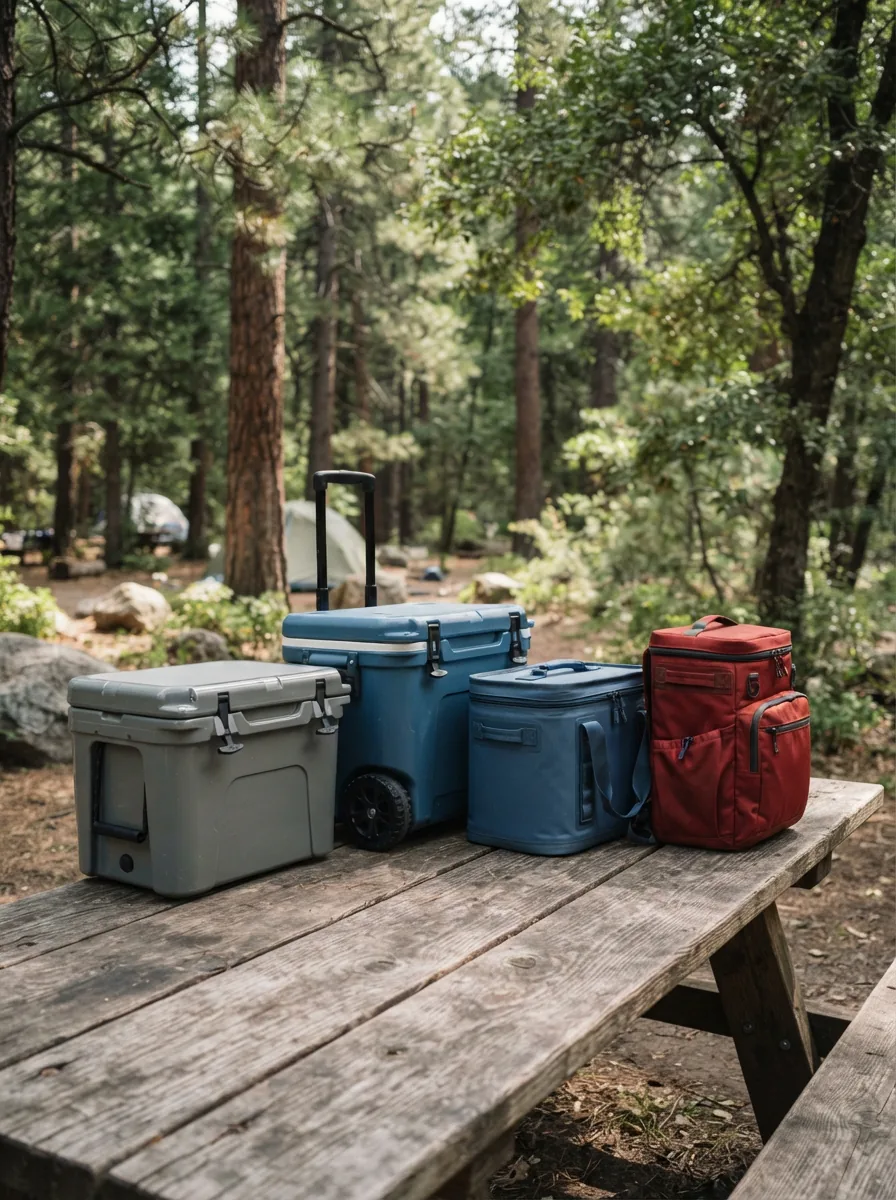
Hard-sided and soft-sided Ozark Trail coolers arranged on a wooden picnic table at a wooded campsite
Admin
Ozark Trail Cooler

Compare Ozark Trail coolers by size, shape and how you carry them, from hard-sided chests that hold ice for a weekend to soft totes and backpack coolers for a day out. Each option below shows capacity, format and the trip it fits best.
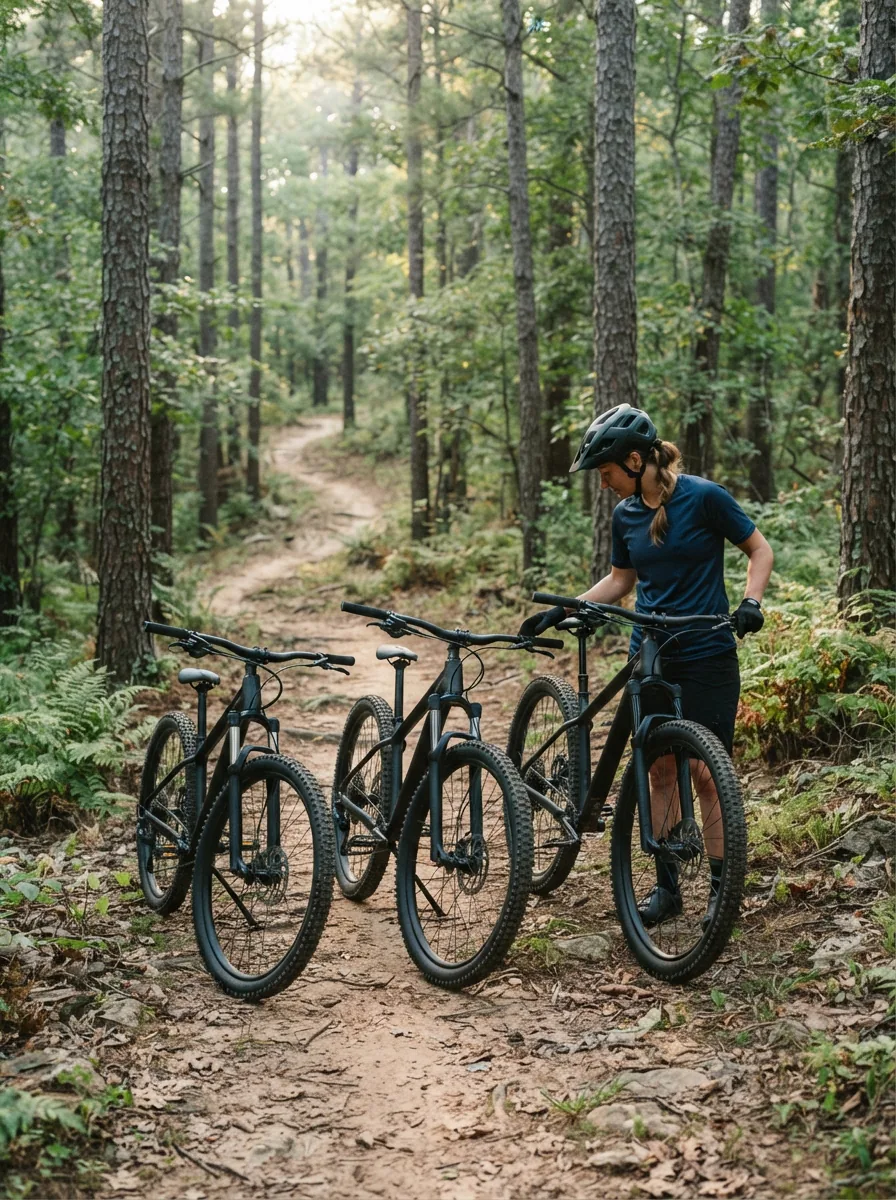
A group of Ozark Trail mountain bikes with front suspension parked on a dirt trailhead, a rider comparing frame sizes beside them
Admin
Ozark Trail Bike

Ozark Trail mountain bikes span hardtails and full suspension builds, sized from young riders to tall adults. Compare fit, suspension, wheels and gears to match your trails and your budget.

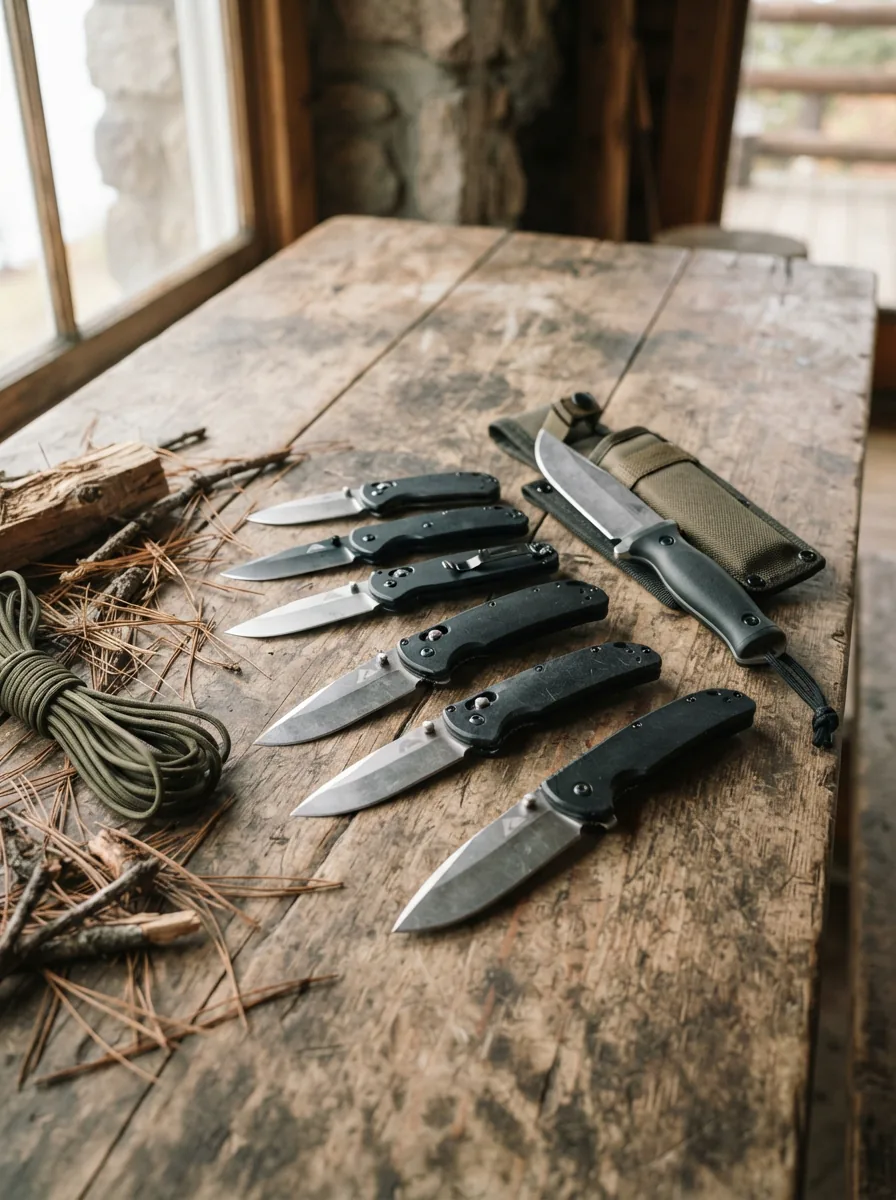
Assorted Ozark Trail folding and fixed blade knives arranged on a rustic wooden camp table
Admin
Ozark Trail Knife

This page lines up Ozark Trail knives so you can compare folding and fixed blades, locks, handles and carry options at a glance. Each pick notes what it handles best, from camp prep to a pocket blade you carry daily.

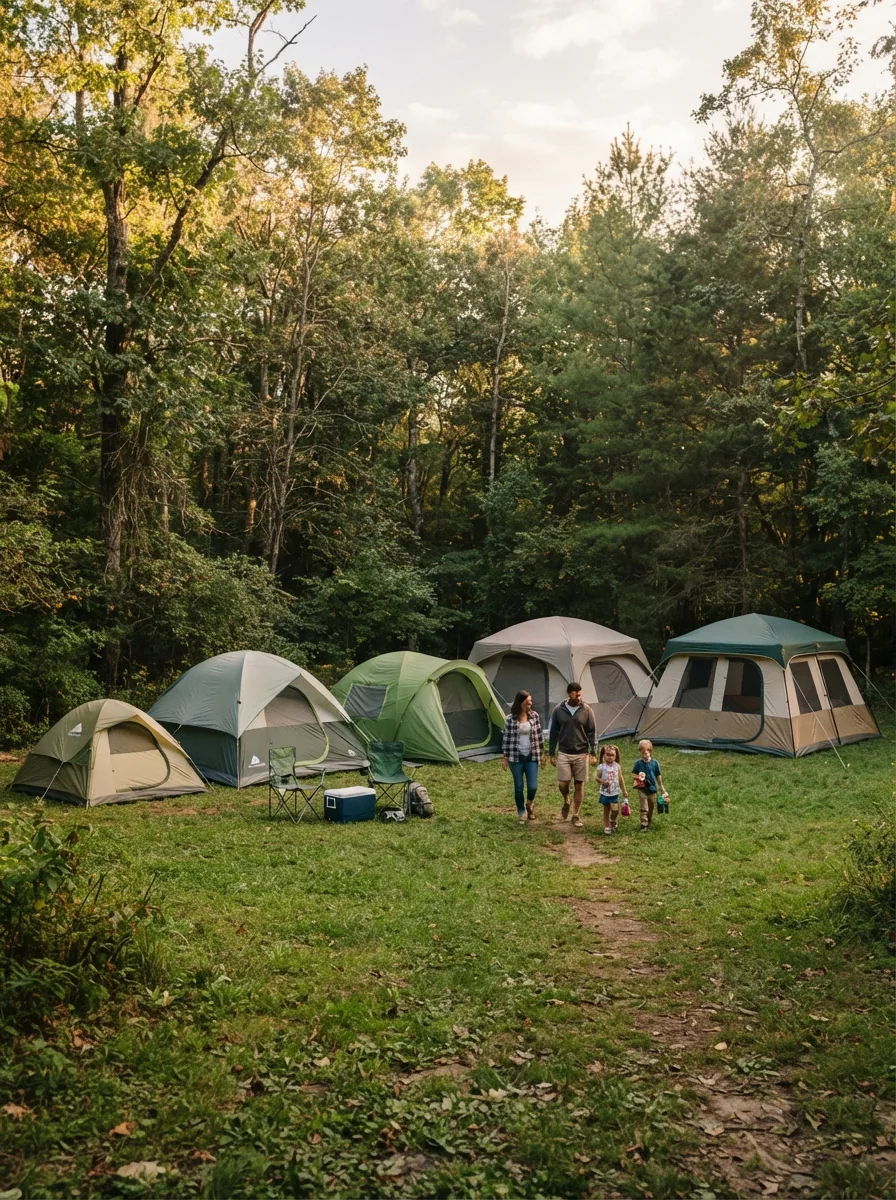
A row of Ozark Trail camping tents of several sizes pitched on a grassy campground with a family walking between them.
Admin
Ozark Trail Tents

Compare Ozark Trail tents by capacity, setup style, weather coverage and packed weight, from solo backpacking shelters to twelve-person family cabins built for drive-up weekend campsites.