



Ozark Trail Bike Parts

This page gathers Ozark Trail bike parts for riders who want dependable upgrades at a fair price. Compare pedals, grips, repair kits and saddles, and decide what fits your bike and the riding you actually do.

New parts worth adding to your ride

Ozark Trail Bicycle Pedals, Model 70316, Black - an overall pick for everyday riding

Marked as an overall pick, these Model 70316 pedals are the straightforward place to start when stock pedals wear out or the bearings begin to catch. The black finish suits any frame color, and the platform shape gives everyday riders familiar, steady footing on neighborhood loops and short trail trips.

Ozark Trail Aluminum Mountain Bike Pedals, Compact and Durable, Purple - light alloy pedals for trail riders

Alloy construction keeps the weight down without giving up strength, and the compact body suits riders with smaller shoes or tighter crank clearance. The purple finish is an easy way to lift a plain frame without spending much. A good fit for trail riders who want a durable pedal that still reads as a deliberate choice.

Avid Brake Caliper Upgrade for Ozark Trail G.1 Explorer Gravel Bike (Black) (Pair)

If braking on your gravel bike feels vague or the pads wear early, this caliper upgrade is the direct fix. It is built to fit that specific frame, sold as a pair, and replaces the stock unit without changing your levers or cables. A practical move for riders who brake late on loose or wet descents and want more control in hand.

Ozark Trail Lock-on Bike Grips, Black - a rollback price on an easy handlebar swap for weekend rides

Rollback pricing makes this the easy answer when your grips have gone slick or started to twist on the bar. The lock-on design clamps in place instead of relying on friction alone, so it holds through rough patches and repeated hand movement. A quick swap with basic tools, and the black finish matches any cockpit without standing out.

Ozark Trail Double Lock-On Bicycle Handlebar Grips, Anti-Slip Rubber, Black, Includes Allen Wrench

Sold as a pair with metal end caps and a wrench in the box, these double lock-on grips are the sturdier choice when a basic grip slips or rotates under load. Two clamps spread the holding force along the bar, and the anti-slip rubber keeps hands planted in rain. They fit most standard bars, and the included wrench means no extra trip to the toolbox before you ride.
More to compare

Fix-and-upgrade picks riders come back for

Ozark Trail Bicycle Repair Tool Kit, 27 Piece - the roadside essentials in one pouch

Twenty-seven pieces cover the roadside basics: hex keys, tire levers, patch tools and drivers rolled into one compact set. Keep it in the garage for home fixes or strap it to the frame before a longer ride. Best suited to owners who would rather sort a flat themselves than wait for a lift back to the car.

Ozark Trail, Bike Repair Kit with Seat Bag, 0.83 lb - trail-ready fixes that pack under the seat

Under a pound of gear, and the seat bag comes with it, so the tools travel with the bike instead of in a backpack. It covers the common trailside problems like flats and loose bolts, which is usually all a short trip calls for. A sensible pick for riders who want to stay self-sufficient without carrying a full toolbox.

Ozark Trail Mountain Bike Saddle - padded comfort for everyday trail and neighborhood riding

The padded shape supports longer outings without feeling bulky, and the durable cover stands up to daily use and the occasional rainy ride. It is a straightforward upgrade when the stock seat wears out or never quite fit your position. The swap takes basic tools, so you lose little time to the job and get back on the trail the same afternoon.
Who it's for

Everyday riders, weekend fixes and first builds

This category suits several kinds of riders: owners replacing parts that simply wore out, people outfitting a first budget bike, and commuters or trail riders who want to stay self-sufficient away from home. Match the part to your situation rather than to a spec sheet, and the choice usually narrows quickly.

Replacing worn everyday parts

Grips go slick, pedals loosen and saddles flatten with use. Replacing the worn part is cheaper than living with it or retiring the bike, and most swaps here need only basic tools and a spare half hour at home.

Outfitting a first budget bike

A first bike rarely needs everything at once. Prioritize the contact points you notice on every ride, then add a repair kit later. Spreading the cost keeps a budget build affordable while still making it comfortable to ride.

Getting roadside ready for trail rides

Anyone riding beyond easy walking distance benefits from carrying tools. A compact kit and a working set of contact points turn a roadside flat or loose bolt into a short stop instead of a long walk back.

Fit comes first: check your bar diameter, crank thread and brake type before anything else. Then weigh material, weight and price against how often you ride. A part that suits weekend loops is not the part for long dirt miles.

How to choose parts that fit your ride

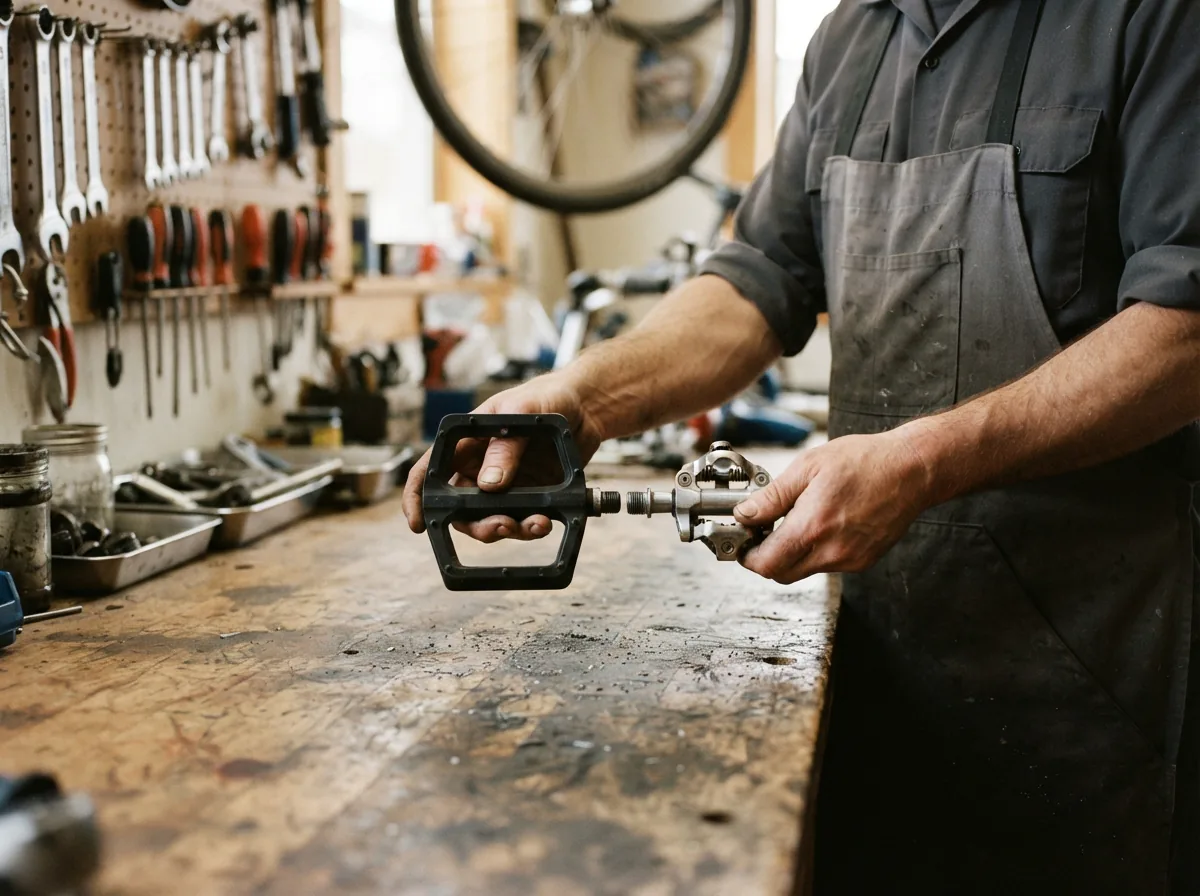
An adult rider's hands holding two bicycle pedals side by side over a workbench while comparing fit.
Start with fit before you compare price

Measure your handlebar and crank specs before anything else. A pedal with the wrong thread or a grip cut for a different bar diameter will not install cleanly, however good the price looks on the shelf.

Material changes feel and weight

Alloy bodies and rubber compounds change how a part feels under load and how much weight it adds to the bike. Lighter materials usually cost more, so decide whether the savings actually matter on your rides.

Match durability to how you ride

Parts that see rain, dust and weekly trail use wear faster than weekend-only gear. If your bike lives on gravel or commutes daily, spending a little more on tougher materials tends to pay itself back.

Balance upgrades against simple repairs

Sometimes a slick grip just needs swapping. Other times a tired brake is the real problem. Decide whether you are fixing a fault or improving comfort before anything goes in the cart.

Where to start

Four directions for your next bike upgrade

Bike parts sort into a few practical groups: contact points like grips and pedals, comfort swaps such as saddles, repair kits that live on the bike, and brake or drivetrain upgrades. Start with the group that matches what is actually bothering you on a ride, then compare within it.
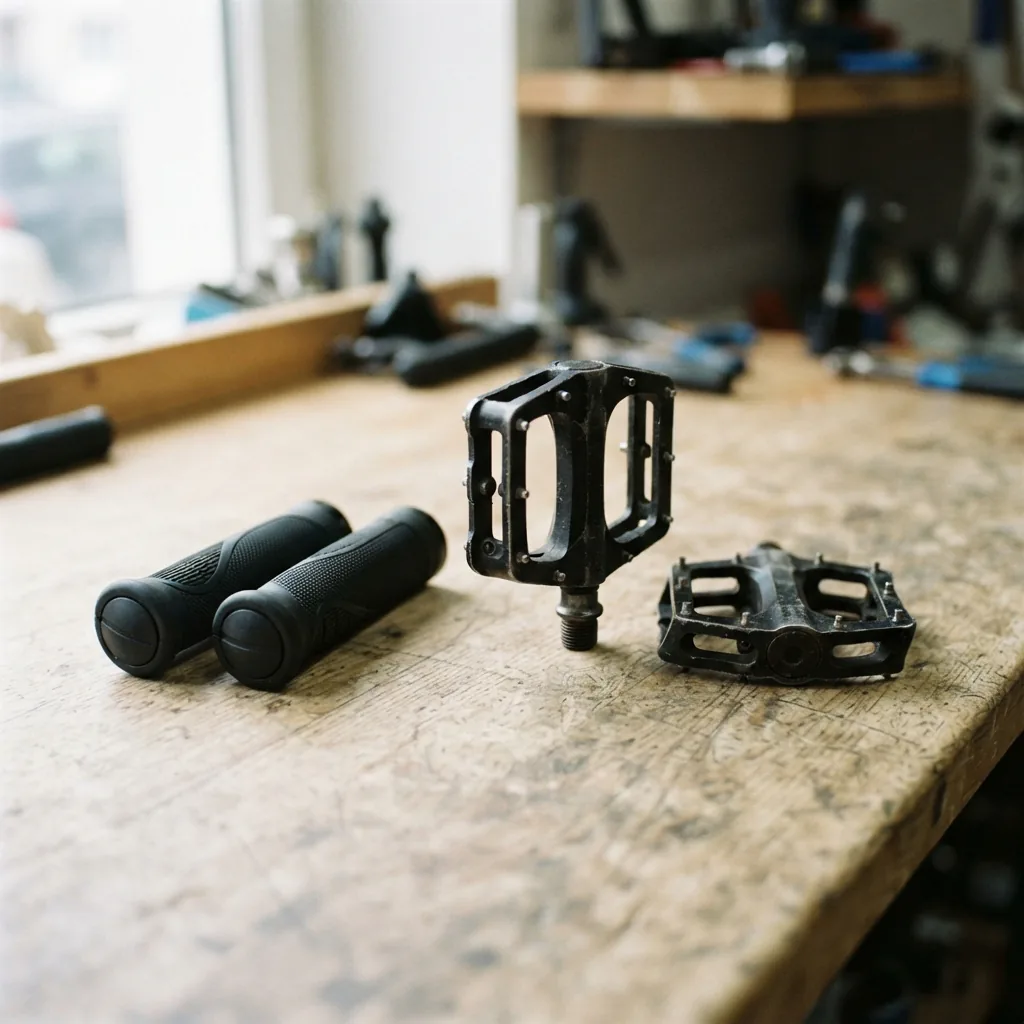
Black handlebar grips and a pair of platform pedals laid side by side on a workbench.

Contact points: grips and pedals

Grips and pedals are the parts your body touches most, so worn versions change how the whole bike feels. Both are inexpensive, both wear with weather and mileage, and swapping either takes minutes with basic tools.

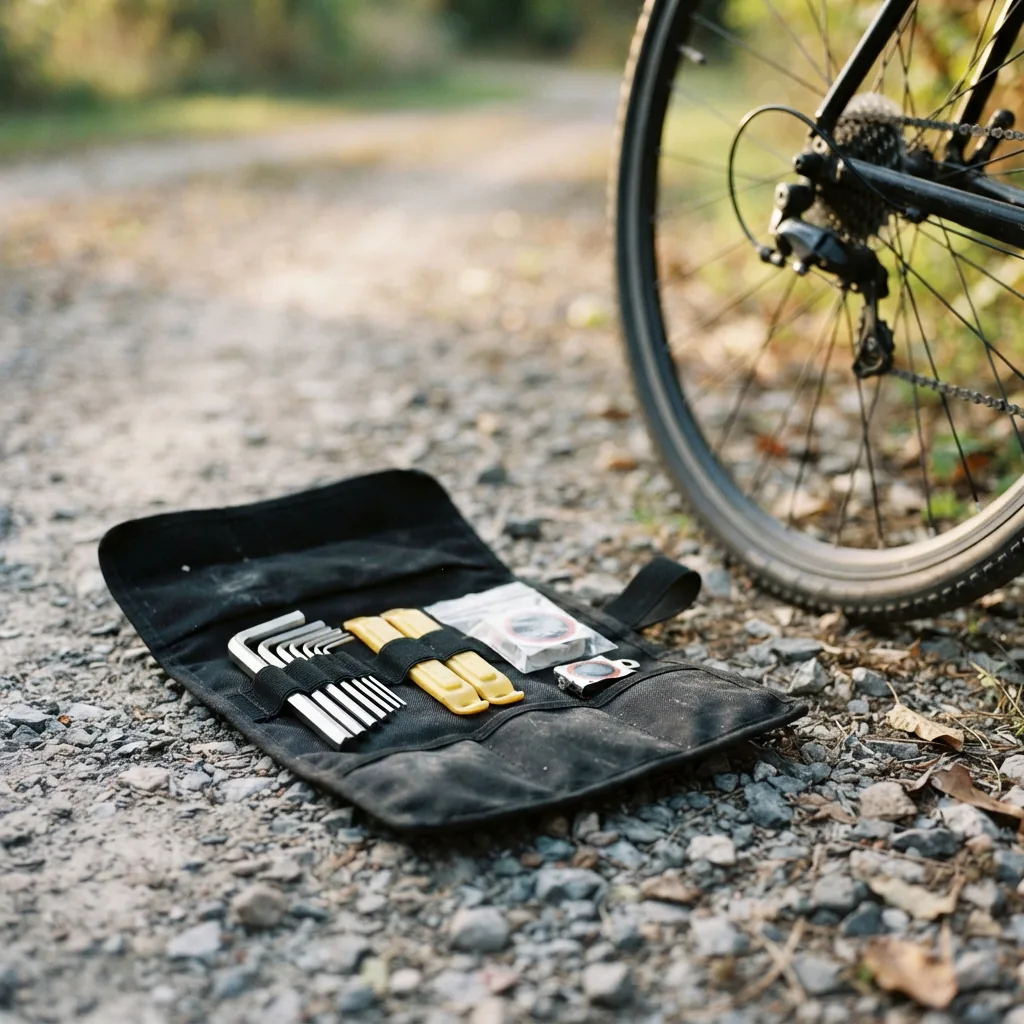
An open bicycle repair roll with hex keys, tire levers and patch tools resting on gravel beside a bike wheel.

Repair kits for the roadside

A kit that lives on the frame solves flats and loose bolts where you stand. Look for the tools you can actually use, and check the weight if you plan to carry it on every ride rather than in a garage drawer.

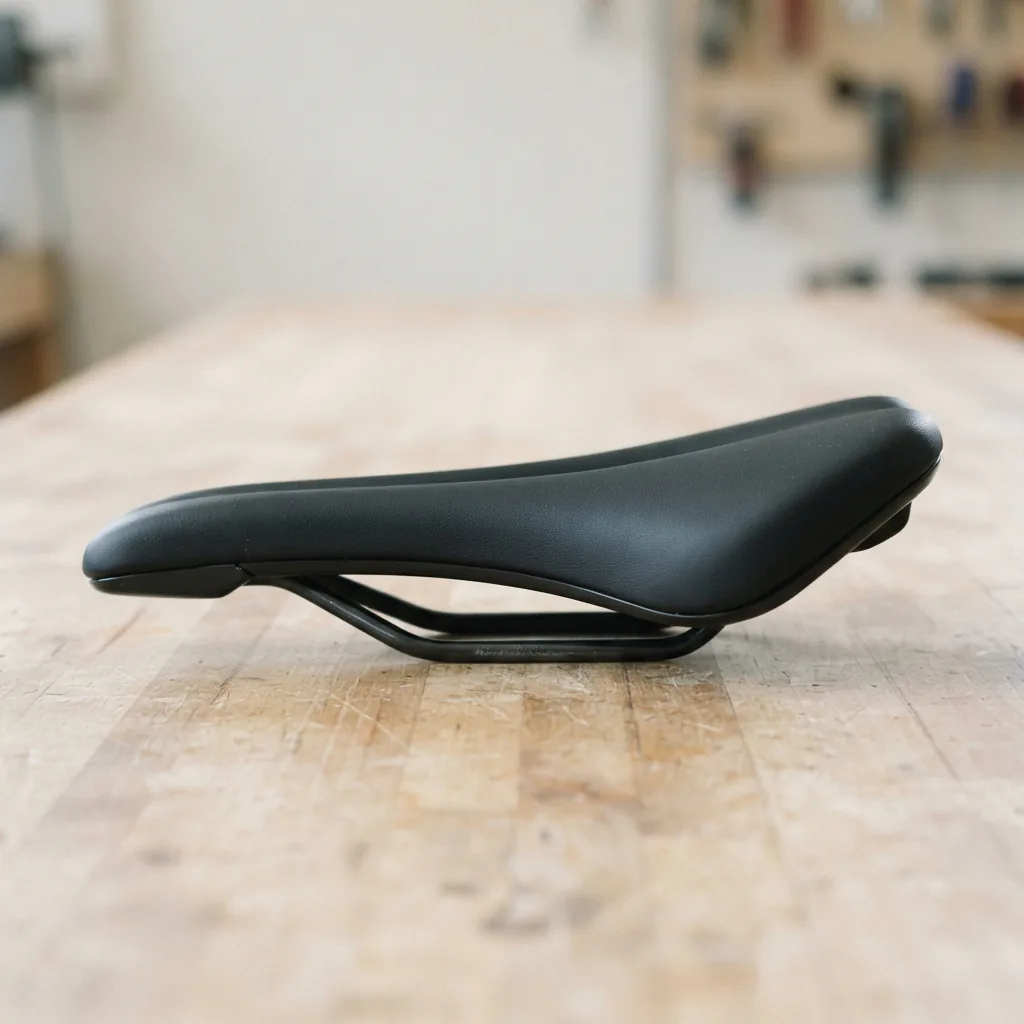
A padded black bicycle saddle shown in profile on a pale workbench surface.

Comfort swaps like saddles

A saddle that never suited you makes every ride feel longer than it is. Replacement shapes trade bulk for padding in different ways, so think about your usual trip length and riding position before choosing.

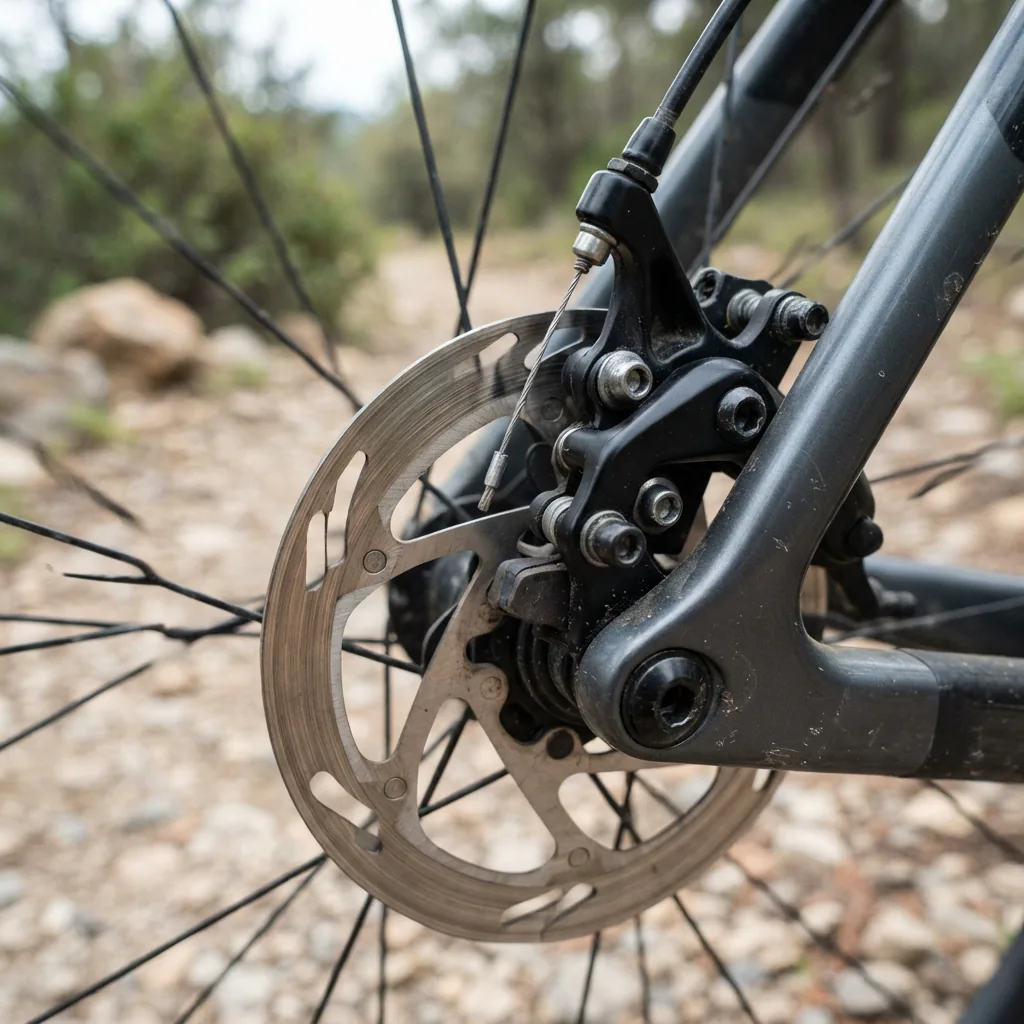
A black bicycle brake caliper mounted on a frame stay beside a silver wheel rotor.

Brake and performance upgrades

Brake calipers and related hardware change control rather than comfort, and they are often model specific. This is the group to shop when your current stopping gear feels vague instead of uncomfortable.

Rider notes

What riders say about fitting new parts

Shoppers in this category often describe the same arc: a part wears out, a replacement gets fitted at home, and the bike feels usable again. The relief is usually less about performance and more about spending a small amount to keep riding instead of parking the bike for a season.
I put off replacing my pedals for months because I assumed it would be a job for a shop. In the end it took one wrench and about ten minutes in the garage. The bike felt solid underfoot again on my usual evening loop, and I stopped worrying about a wobble I had gotten used to.
Decorative customer review avatar icon 1
Dana R.
Fitted new pedals at home with no fuss
My old grips would shift every time I hit a rut, which made me grip harder than I needed to. The lock-on pair I fitted stayed put straight away, even after a wet weekend ride. Small change, but my hands were far less tired by the end of it.
Decorative customer review avatar icon 2
Marcus T.
Grips that finally stopped twisting on rough ground
I strapped a small repair kit under the seat and mostly forgot about it until a flat, halfway through a gravel loop. Everything I needed was there and I was rolling again in under twenty minutes. That single ride made the kit worth carrying on every trip since.
Decorative customer review avatar icon 3
Priya S.
Carried a kit for a year before needing it
The stock seat on my bike was fine for short blocks but uncomfortable past an hour, so I never wanted to extend a ride. The padded replacement made a noticeable difference on a two-hour trail day. Nothing fancy about the install, just basic tools and a few minutes of patience.
Decorative customer review avatar icon 4
Elliot W.
A saddle swap made longer rides bearable
Good questions

Practical answers before you buy

Fit depends on the part. Grips need to match your bar diameter, pedals thread into standard cranks, and calipers are often model specific. Check your bike’s specs or the listed fitment notes before ordering, since a mismatched part usually cannot be returned once installed.
Reviews of the brand’s bikes and gear generally call it a reasonable buy for short trips and regular weekend use, while noting it is less refined than top-end equipment and may not last as many years. For casual riding that is usually a fair trade against the lower price.
Note your bar diameter and grip length, confirm your crank thread size, and check brake type if you are touching the stopping gear. A few minutes of measuring saves a return. Bring the old part with you when you shop in person, and keep the packaging until the new part is fitted.
If your current brakes feel vague, bite late, or the pads wear quickly on loose descents, a caliper upgrade is a sensible move. On a budget gravel bike it is one of the clearer performance gains, though it is money spent on control rather than speed.
A basic kit with hex keys, tire levers and a patch or plug set covers most roadside problems for a modest outlay. Spend more only if you ride far from help or want chain tools and drivers included. Keeping any working kit on the bike matters more than its price.
Most grips and pedals install with hex keys and a pedal wrench, and many kits include the wrench you need. Give yourself a clean half hour and a manual or video for torque direction. If you would rather not, a local shop will usually fit parts quickly for a small fee.
Keep reading

More guides for your next ride

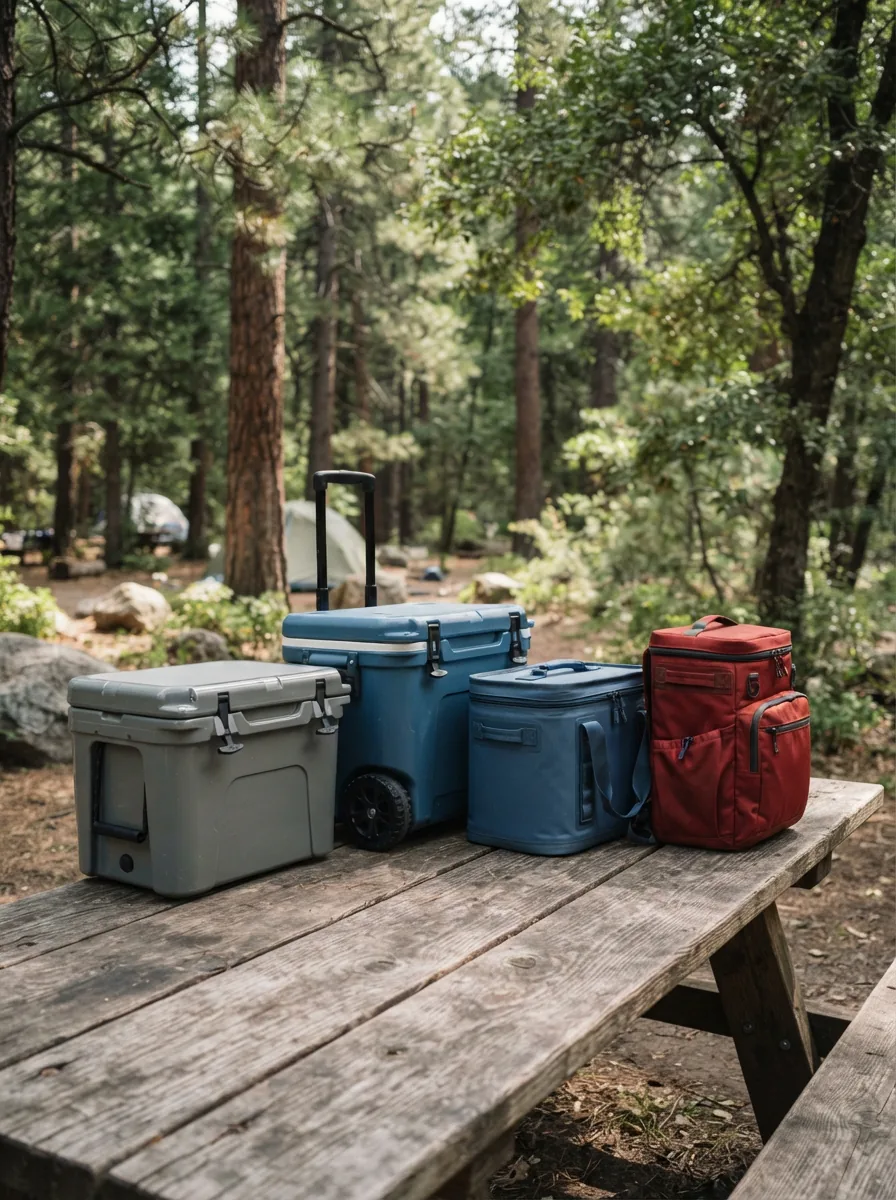
Hard-sided and soft-sided Ozark Trail coolers arranged on a wooden picnic table at a wooded campsite
Admin
Ozark Trail Cooler

Compare Ozark Trail coolers by size, shape and how you carry them, from hard-sided chests that hold ice for a weekend to soft totes and backpack coolers for a day out. Each option below shows capacity, format and the trip it fits best.
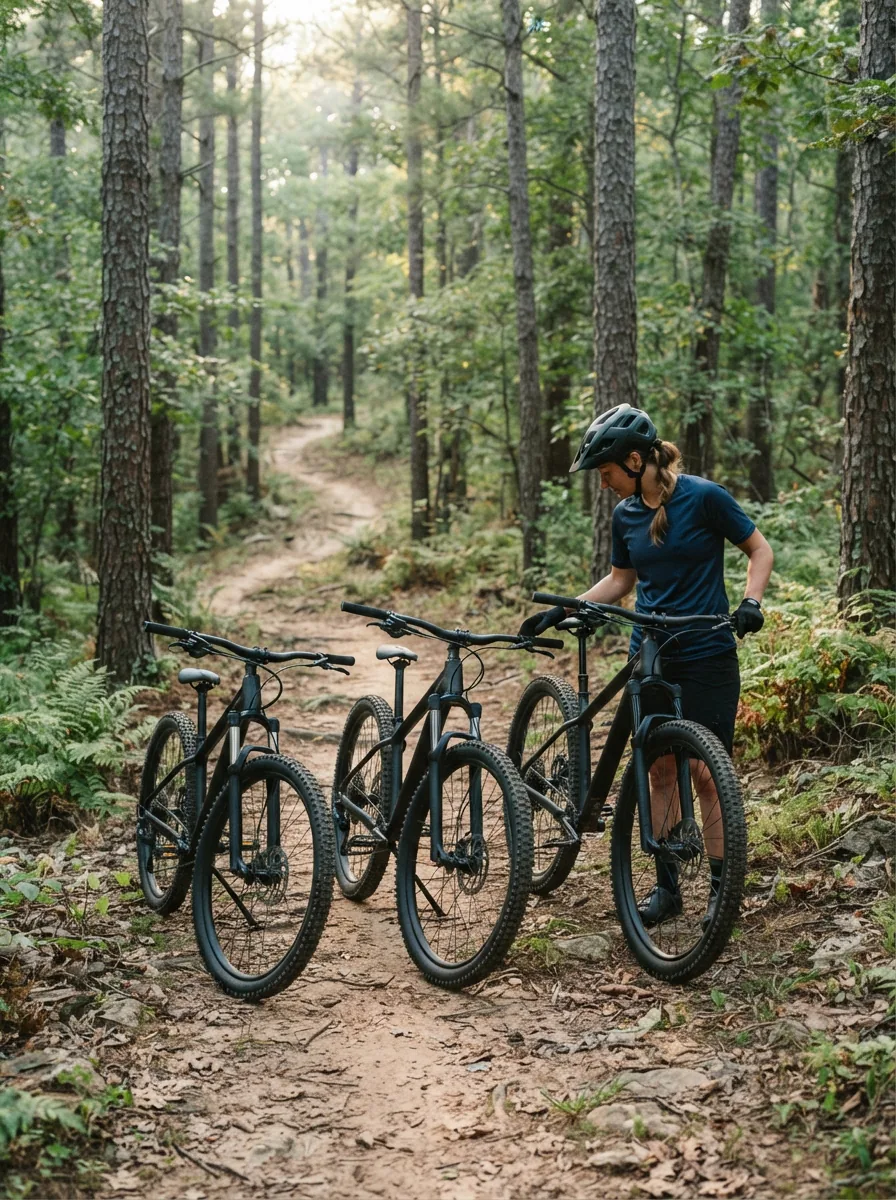
A group of Ozark Trail mountain bikes with front suspension parked on a dirt trailhead, a rider comparing frame sizes beside them
Admin
Ozark Trail Bike

Ozark Trail mountain bikes span hardtails and full suspension builds, sized from young riders to tall adults. Compare fit, suspension, wheels and gears to match your trails and your budget.

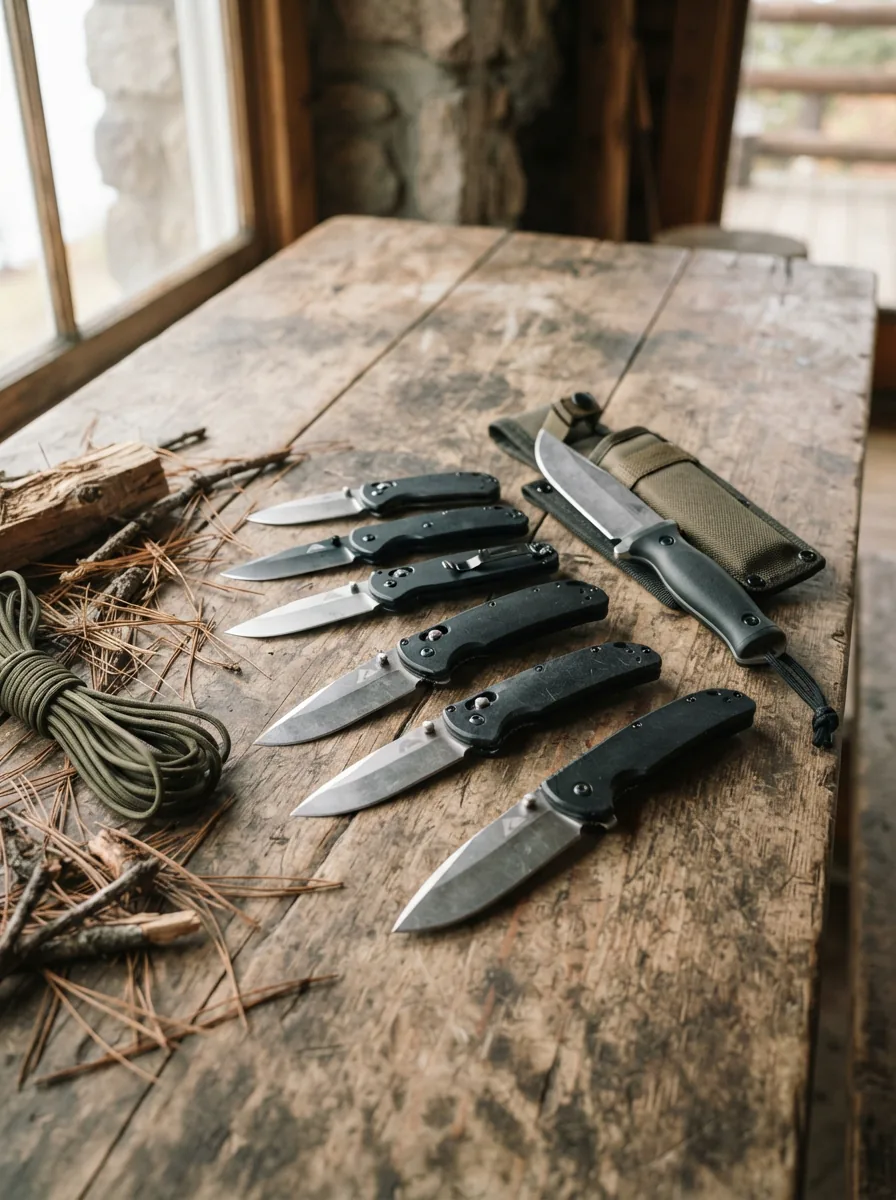
Assorted Ozark Trail folding and fixed blade knives arranged on a rustic wooden camp table
Admin
Ozark Trail Knife

This page lines up Ozark Trail knives so you can compare folding and fixed blades, locks, handles and carry options at a glance. Each pick notes what it handles best, from camp prep to a pocket blade you carry daily.

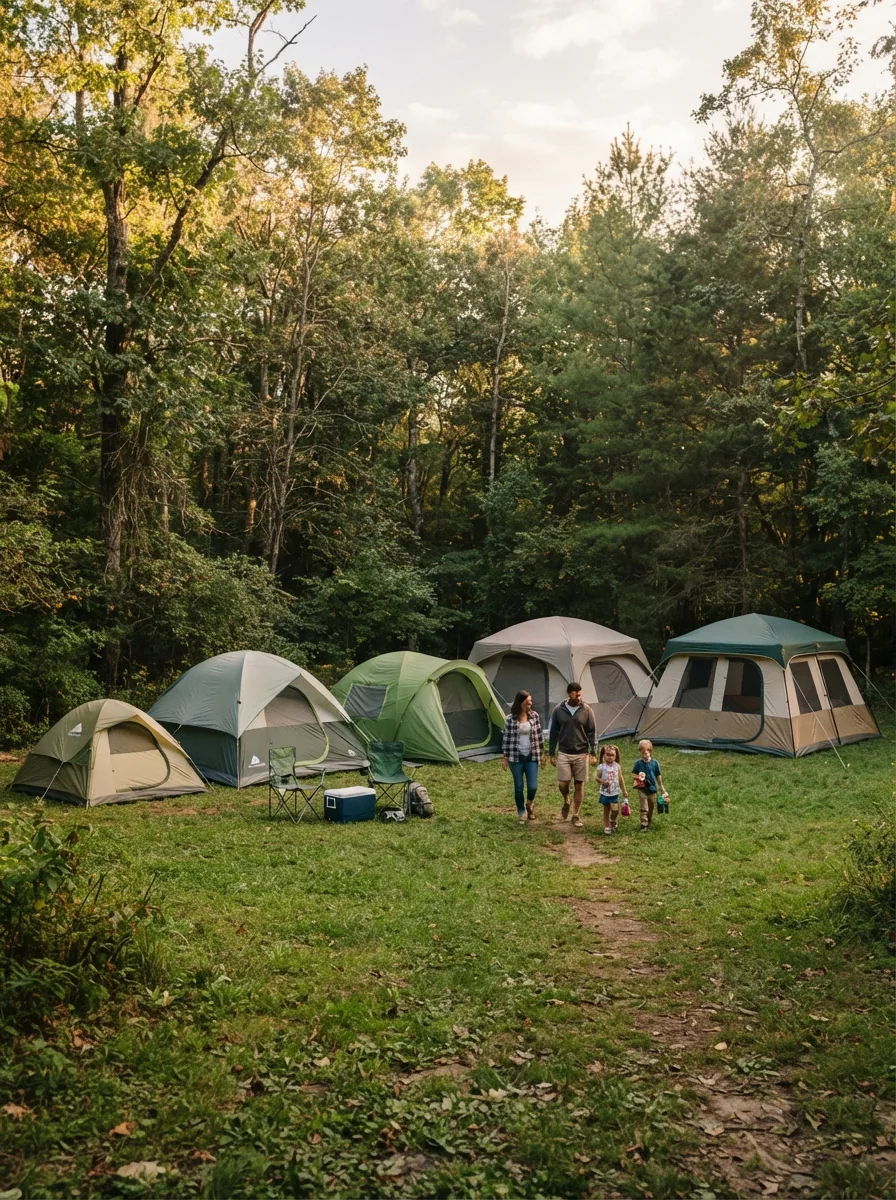
A row of Ozark Trail camping tents of several sizes pitched on a grassy campground with a family walking between them.
Admin
Ozark Trail Tents

Compare Ozark Trail tents by capacity, setup style, weather coverage and packed weight, from solo backpacking shelters to twelve-person family cabins built for drive-up weekend campsites.