



Ozark Trail Bag

This category gathers Ozark Trail bags built for hauling gear to the trailhead, the campsite or a weekend away. Compare capacity, carry style and insulation to match one bag to your trip length, your load and your budget.

Four starting bags and what sets each apart

Ozark Trail 70L Coated Polyester Ripstop Duffel Bag with Backpack Straps, Blue, Built for Weekend Gear Hauls

Blue coated polyester ripstop gives this 70-liter duffel room for tents, sleeping bags and camp kitchen gear on a weekend trip. Backpack straps let you carry the load hands-free across a parking lot or a short walk to the campsite, and the coated fabric shrugs off dirt and light rain when the bag lands on wet ground.

Ozark Trail Soft Cooler Bag, Leakproof Lining for Picnics and Campouts, Easy to Carry

The insulated lining keeps chilled food and drinks cold from morning to evening, and the leakproof interior means melted ice stays inside the bag instead of the car seat. It is soft enough to fold flat in a drawer when the trip is over, which makes it a practical pick for picnics, campouts and everyday grocery runs.

Ozark Trail 6-Can Soft-Sided Cooler with Removable Hard Liner, 6 Qt Tan Insulated Lunch Bag, Compact

The removable hard liner lets you lift the food compartment out for cleaning or add ice without tipping the whole bag. At 6 quarts it holds six cans plus snacks for a work lunch or a short hike, and the tan shoulder strap keeps one hand free while you carry it to the table.

Ozark Trail Fishing Tote with Trays, Blue, 11 x 3.5 x 7.7, Handy for Camping and Tailgating

Trays keep small tackle, hooks and bait sorted above the main compartment, so you are not digging through one deep space on the bank. The compact 11 x 3.5 x 7.7 frame still works as a cooler tote for lunch, tailgating or travel, and the shoulder strap makes the carry short and easy.

Ozark Trail Compact Unisex Fanny Packs Denver 1.5 Ltr, Black, Handy for Short Hikes

Made from recycled polyester, this 1.5-liter waist pack keeps a phone, keys, cards and a snack close without the bulk of a backpack. It sits flat against the hips on casual outings and light hiking, and the compact size means you can also tuck it inside a larger bag for the part of the day when you want your hands free.
Worth a closer look

Three more bags for specific trips

Ozark Trail 25L Adult/Teen Hiking Backpack, Black 100% Polyester Built for Day Hikes

At 25 liters this black polyester pack holds a hydration bladder, an extra layer, lunch and a first-aid kit without turning bulky. Adult and teen sizing fits most frames, so one bag can be shared between a parent and an older kid on a day hike without adjusting much.

Ozark Trail 10L Adult/Teen Polyester Daypack Backpack, Navy, Light Carry for Short Outings

The 10-liter navy daypack is the lightest option in this group, sized for a phone, a water bottle, a light jacket and snacks. It works as a first pack for a teen or as the small bag you grab for a short walk, and it packs down nearly flat in the car.

Ozark Trail 30L Unisex Coated Polyester Travel Backpack with Padded Laptop Sleeve, Blue for Weekend Trips

A padded laptop sleeve turns this 30-liter pack into a bag that covers the commute and the weekend in one. Coated polyester handles rain and rough handling, while the unisex fit and padded shoulders keep heavier loads comfortable on trains, buses and short walks into camp.
Who it's for

Bags for families, hikers and daily errands

These bags cover family campouts, solo day hikes, tailgate lunches and weekday commutes, and the result you want differs in each case. Think about who carries it, how far it travels and whether it needs to hold food or simply hold gear.

Family campouts and weekend hauls

Families hauling shared gear do best with a large duffel or two mid-size bags, so no single person carries everything. Add an insulated bag for food and the trip runs on schedule from the drive to the campfire.

Day hikes and short trail walks

On a day hike, weight and access matter more than total room. A 10- to 25-liter pack keeps water and a layer easy to reach while leaving both hands free for balance on uneven trail.

Work lunches and everyday errands

A compact insulated bag with a shoulder strap fits a work lunch, tailgate spread or errand run without a full cooler in the trunk. Choose a size that matches one meal rather than a whole day of food.

Three things decide which bag works: how much you carry, how you carry it, and whether the contents need to stay cold. Each factor shifts the answer for a weekend trip versus a single afternoon on the trail.

Match capacity, carry style and insulation to your trip

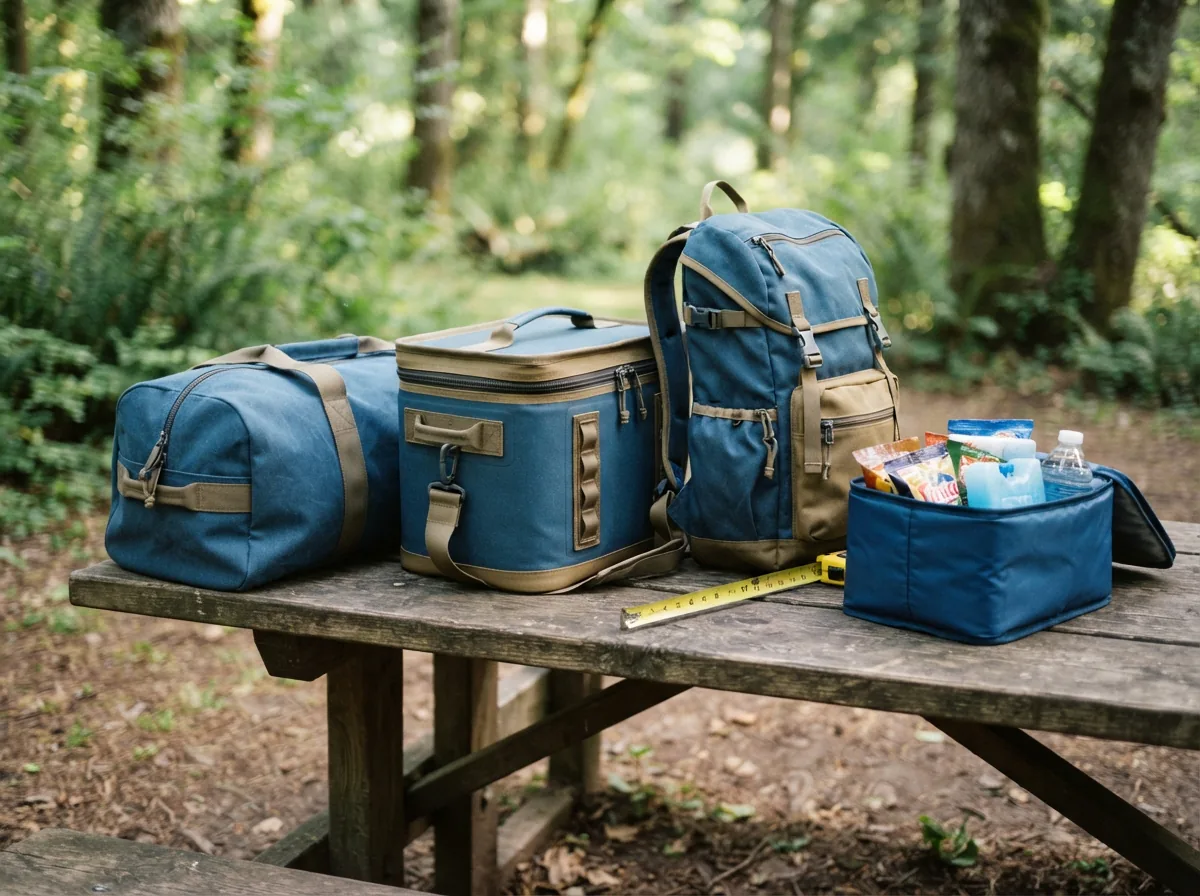
Duffel, soft cooler and daypack lined up on a camp table beside a tape measure for comparison.
Capacity decides what fits

A 10-liter daypack holds water, a layer and snacks for an afternoon out, while a 70-liter duffel is built for shared group gear. Choose the smaller size when you carry your own load alone.

Carry style shapes comfort

Backpack straps and padded shoulder straps matter once the bag is full. Two straps balance weight on the walk to the campsite, while a single strap suits short hops from car to table.

Insulation changes trip length

An insulated soft cooler keeps food steady through a picnic or a tailgate, whereas a plain duffel gives more packing room for the same money. Match insulation to how long you are out.

Build quality and honest trade-offs

Ripstop polyester and coated fabrics resist scuffs and light rain at a value price. Expect solid service on short, frequent trips rather than a decade of daily hard use.

Know the styles

Four bag directions and how to tell them apart

Bags here fall into four directions: wide duffels for bulky loads, insulated coolers for food and drink, light daypacks for walking, and structured travel packs. Start with what you need to carry, then narrow by how far you will carry it.
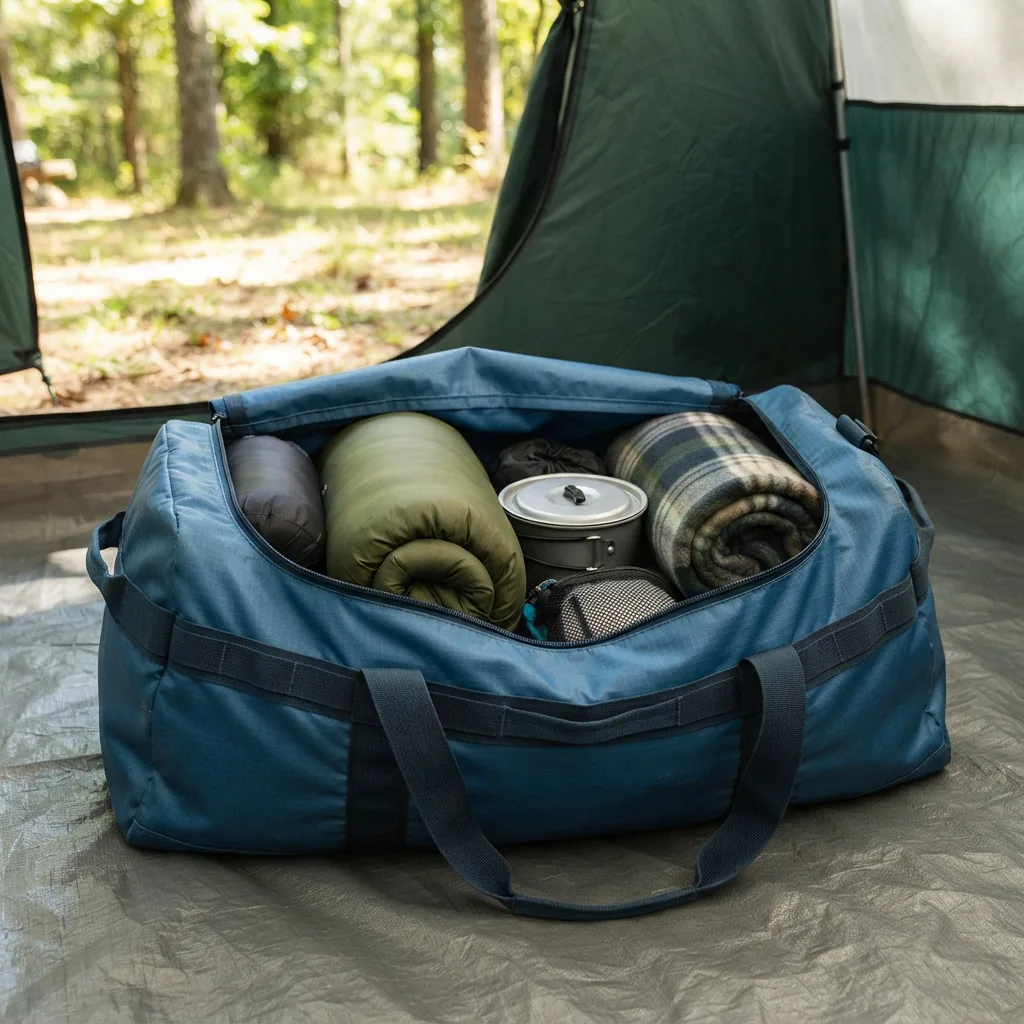
Open blue Ozark Trail ripstop duffel packed with a rolled sleeping bag and cookware on a tent floor.

Roomy duffels for gear hauls

Duffels open wide and swallow odd-shaped gear. Check the liter rating and strap count: a 70-liter bag suits shared camp loads, while a smaller duffel is far easier to carry on your own.

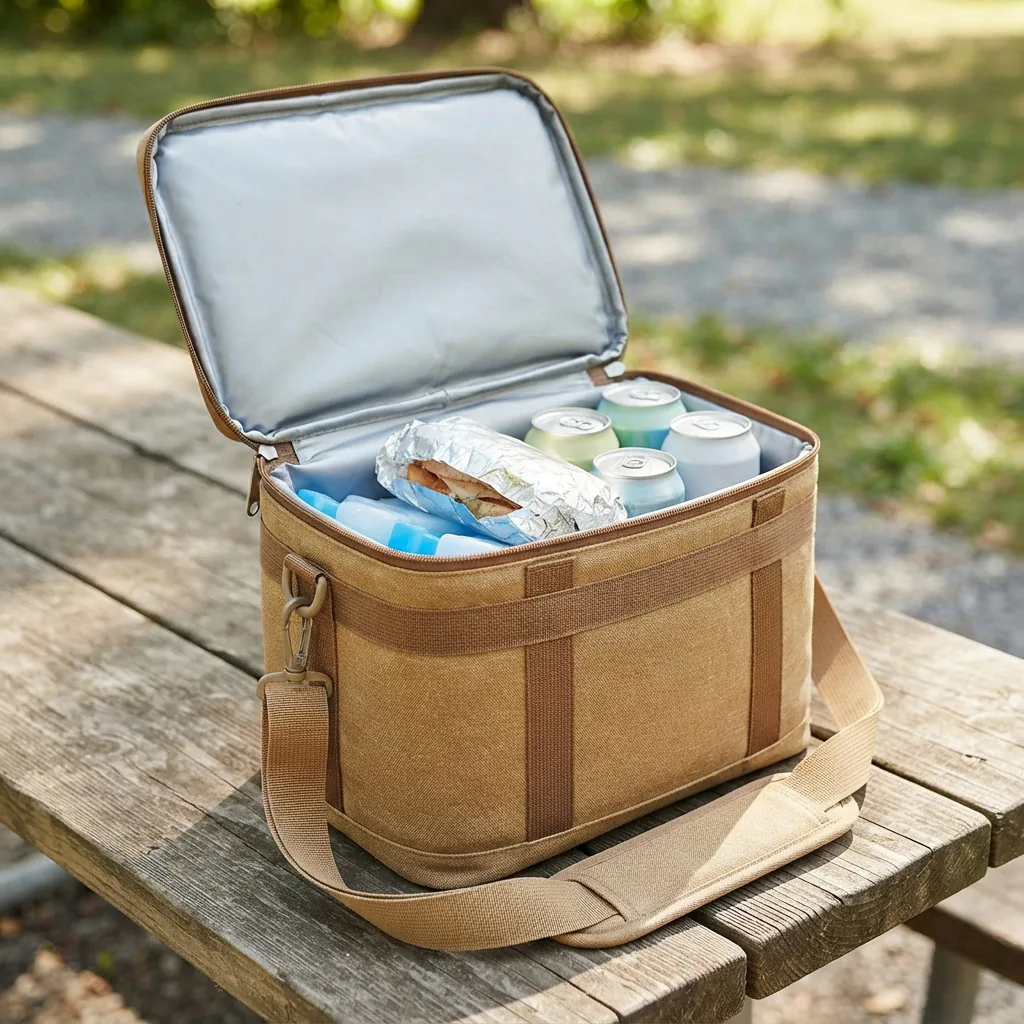
Tan soft-sided Ozark Trail cooler with ice packs and drinks on a picnic table at a park.

Insulated coolers for food

Insulated bags trade packing space for cold retention. Look at lining depth and whether the liner removes, since a hard removable liner makes cleanup and ice changes much quicker.

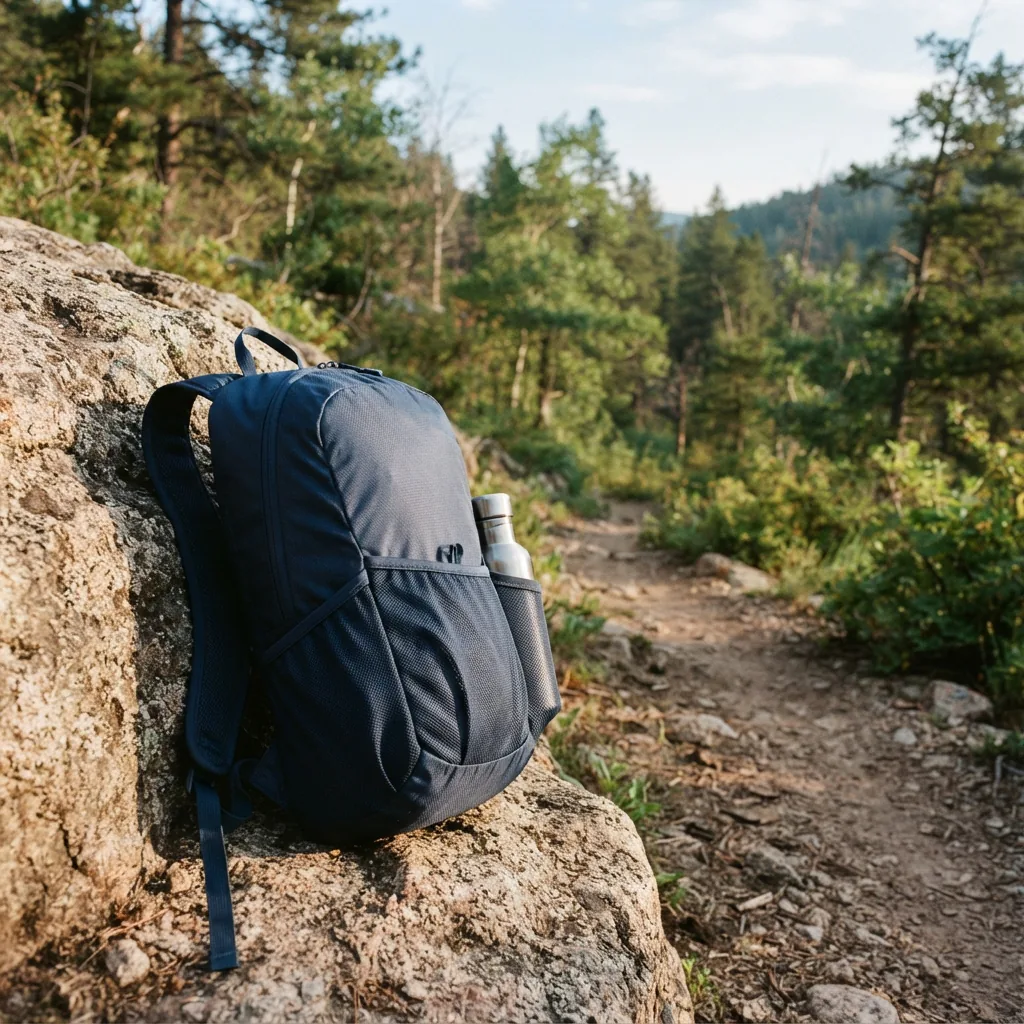
Navy Ozark Trail daypack leaning against a sunlit rock beside a dirt hiking trail.

Daypacks for short hikes

Daypacks keep hands free and weight close to your back. Capacity under 15 liters fits water and a layer, while larger packs add room for extra layers, snacks and a proper lunch.

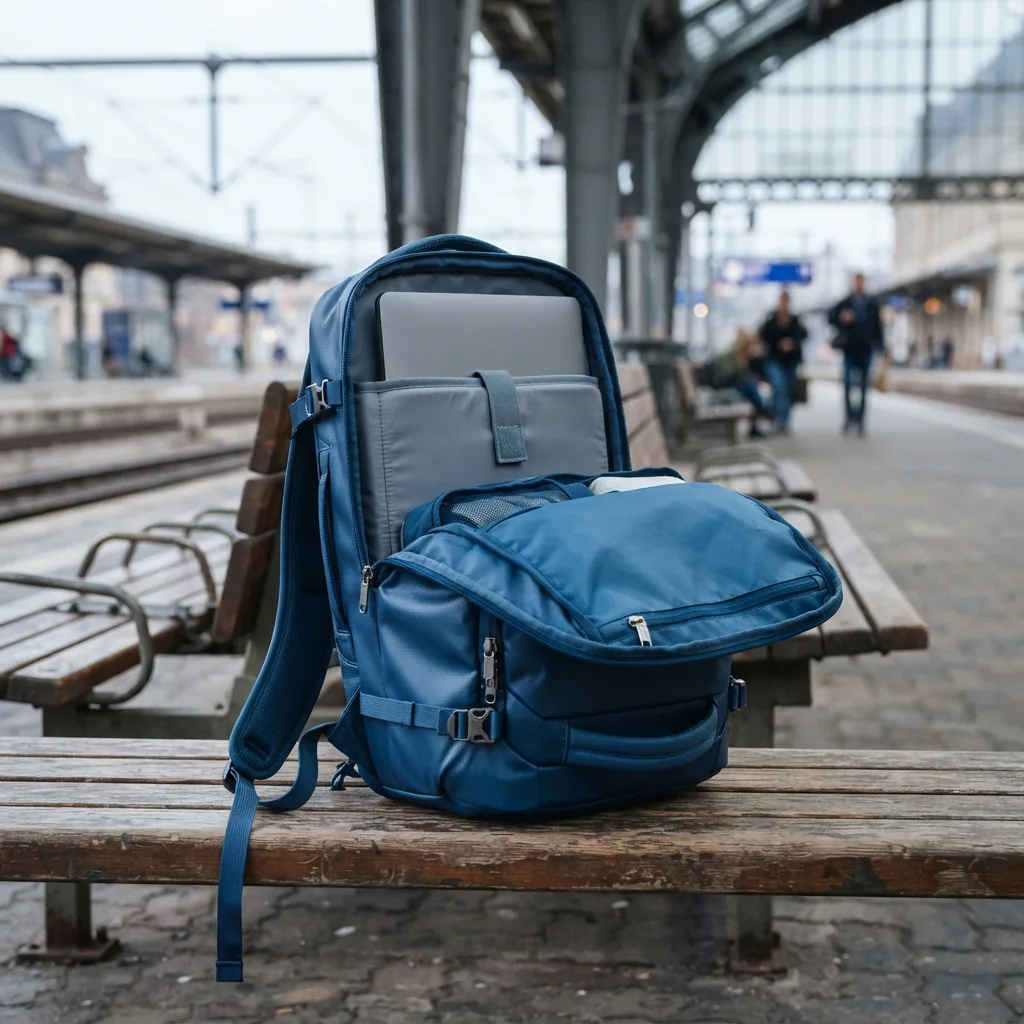
Blue Ozark Trail travel backpack with an open padded laptop sleeve on a station bench.

Travel packs with laptop space

Travel packs add structure and padded sleeves. If you carry a laptop or want gear to stand upright, these hold their shape better than a soft duffel that collapses when it is empty.

What shoppers say

First-person notes from trips and store runs

Shoppers here describe the small decisions behind a bag purchase: reading capacity charts, testing ice retention, and weighing a lower price against a shorter expected life. The pattern is straightforward, honest comparisons that end with a bag chosen for the trips people actually take.
I spent an hour comparing capacities before ordering, and the liter number mattered more than the photos did. The bigger bags swallowed all of our camp gear, which left me deciding who would actually carry it, so I ended up splitting the load between two smaller bags instead.
Decorative customer review avatar icon 1
Marta L.
Compared sizes before a family campout
The cooler question for me was ice retention versus packing room. I went with a softer bag that had a deeper lining, and it kept drinks cold through a full afternoon without leaking into the car. I would still grab a hard cooler for an overnight trip in summer.
Decorative customer review avatar icon 2
Devon R.
Weighed insulation against packing room
My teen wanted something that would not look bulky on short walks. I measured the capacity against a water bottle and a light jacket, and the smaller pack fit both with room left over. He now reaches for it on school runs as much as he does on weekend trails.
Decorative customer review avatar icon 3
Priya S.
First pack chosen for a teenage hiker
I had read that budget gear can take longer to set up and may not last as many years, and that matched what I noticed in person. For the weekend trips we take, the savings were worth the trade, and I am fine replacing the bag if heavy use eventually wears it out.
Decorative customer review avatar icon 4
Curtis M.
Compared budget gear with pricier options
Before you choose

Common questions about size, cold and care

Start with what you are carrying, not with the largest number on the tag. A weekend with shared gear usually needs a big duffel or two mid-size bags, while solo campers often do fine with one 25- to 30-liter pack plus a small organizer. Splitting the load is easier to carry than one very heavy bag.
Insulated soft coolers hold cold well enough for picnics, tailgating and day trips, especially with a frozen pack or ice added. Plan on checking the temperature if the day is very hot, and for overnight storage a hard cooler with more insulation is the safer choice.
A duffel loads from one wide opening and suits gear that is bulky or odd-shaped, while a hiking backpack keeps weight close to your back and leaves your hands free. Pick the duffel for car-to-campsite hauling and the backpack when you are walking any real distance.
Coated ripstop polyester and reinforced straps handle regular weekend trips well. Expect the bag to shrug off dirt, light rain and rough ground; like most value gear it may not last as many years as a premium bag if it is used hard every week. Store it dry after wet trips.
A 30-liter pack with a padded laptop sleeve covers the commute and a weekend trip, and smaller daypacks handle school runs and short hikes. Match the bag to the day rather than buying several, because extra capacity means more discomfort when the bag is only half full.
Confirm the capacity in liters, how the bag is carried, and whether you need insulation. Read the size and weight notes, since a 70-liter duffel is a group load and a 10-liter daypack is for essentials only. If you plan to fly, check airline limits before you buy.
Keep exploring

See what else pairs with your bag choice

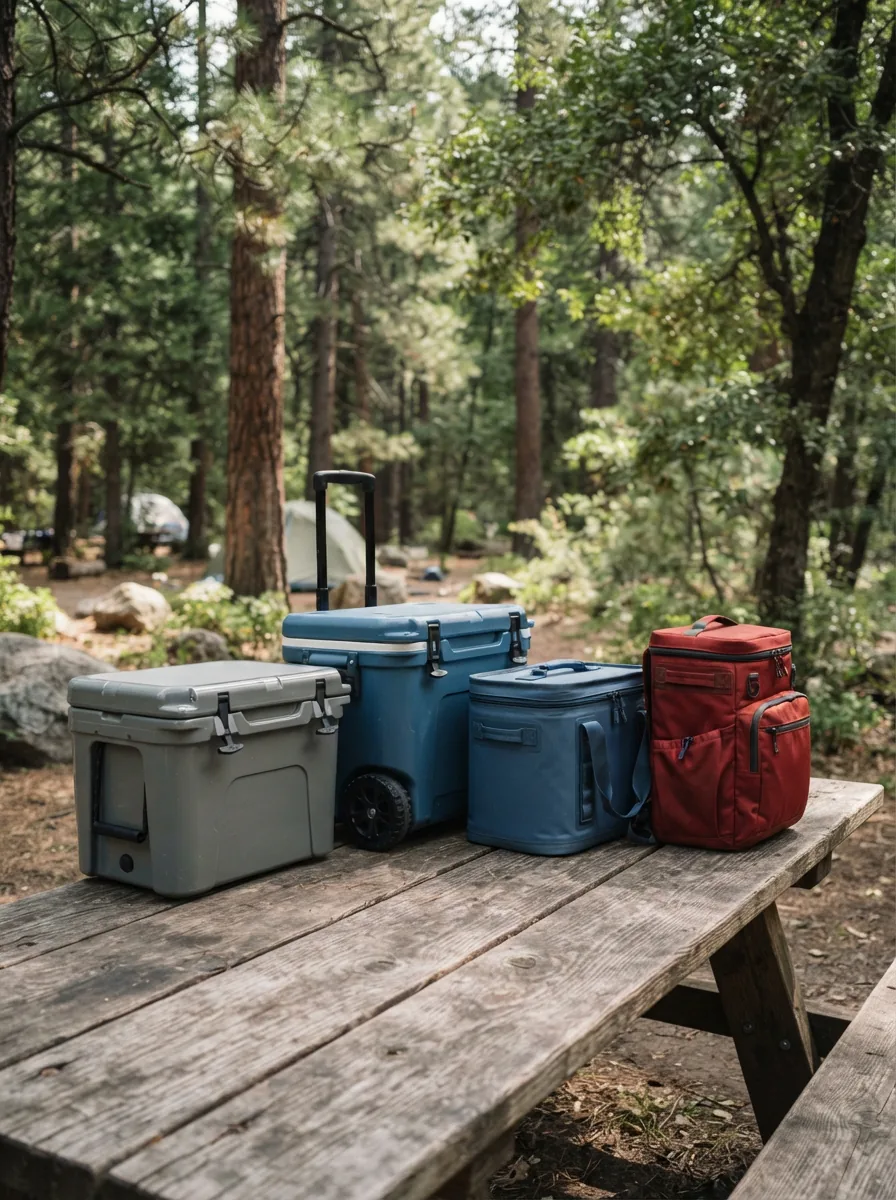
Hard-sided and soft-sided Ozark Trail coolers arranged on a wooden picnic table at a wooded campsite
Admin
Ozark Trail Cooler

Compare Ozark Trail coolers by size, shape and how you carry them, from hard-sided chests that hold ice for a weekend to soft totes and backpack coolers for a day out. Each option below shows capacity, format and the trip it fits best.
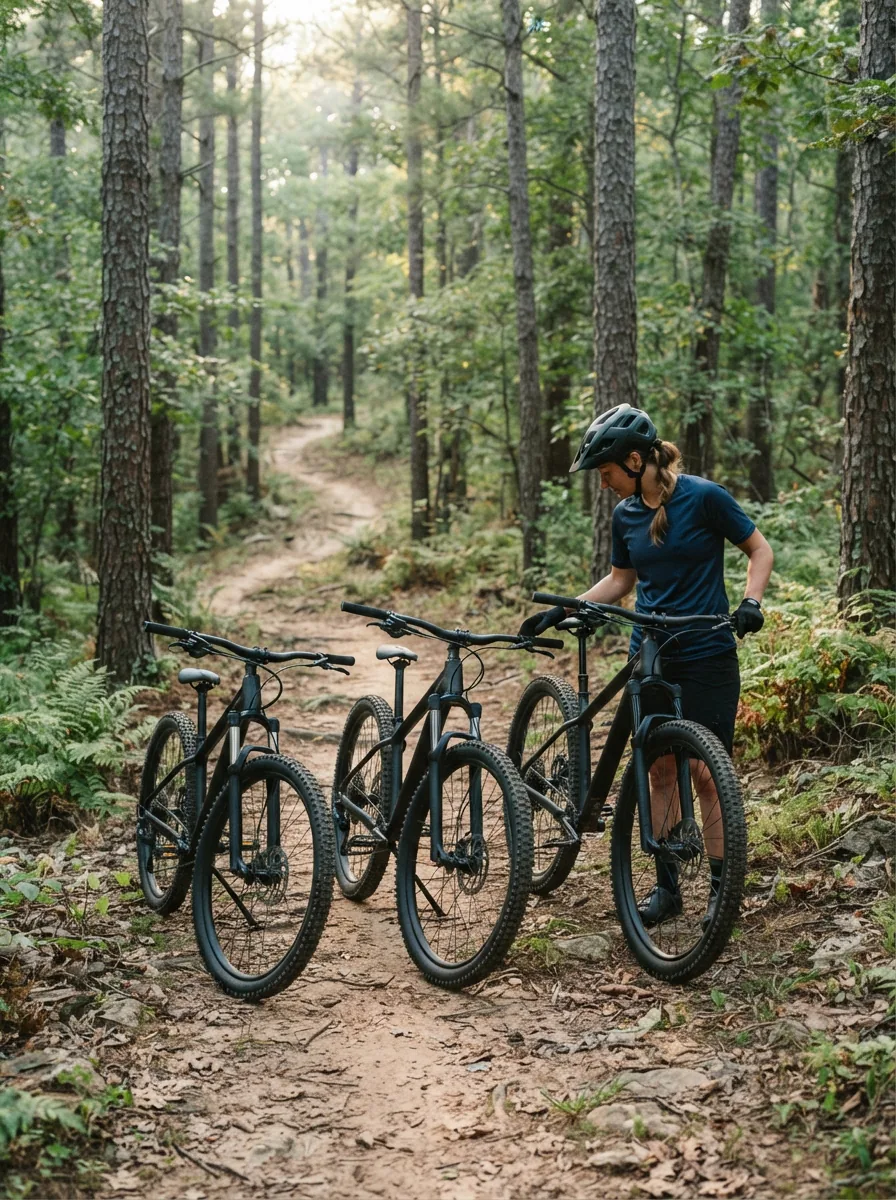
A group of Ozark Trail mountain bikes with front suspension parked on a dirt trailhead, a rider comparing frame sizes beside them
Admin
Ozark Trail Bike

Ozark Trail mountain bikes span hardtails and full suspension builds, sized from young riders to tall adults. Compare fit, suspension, wheels and gears to match your trails and your budget.

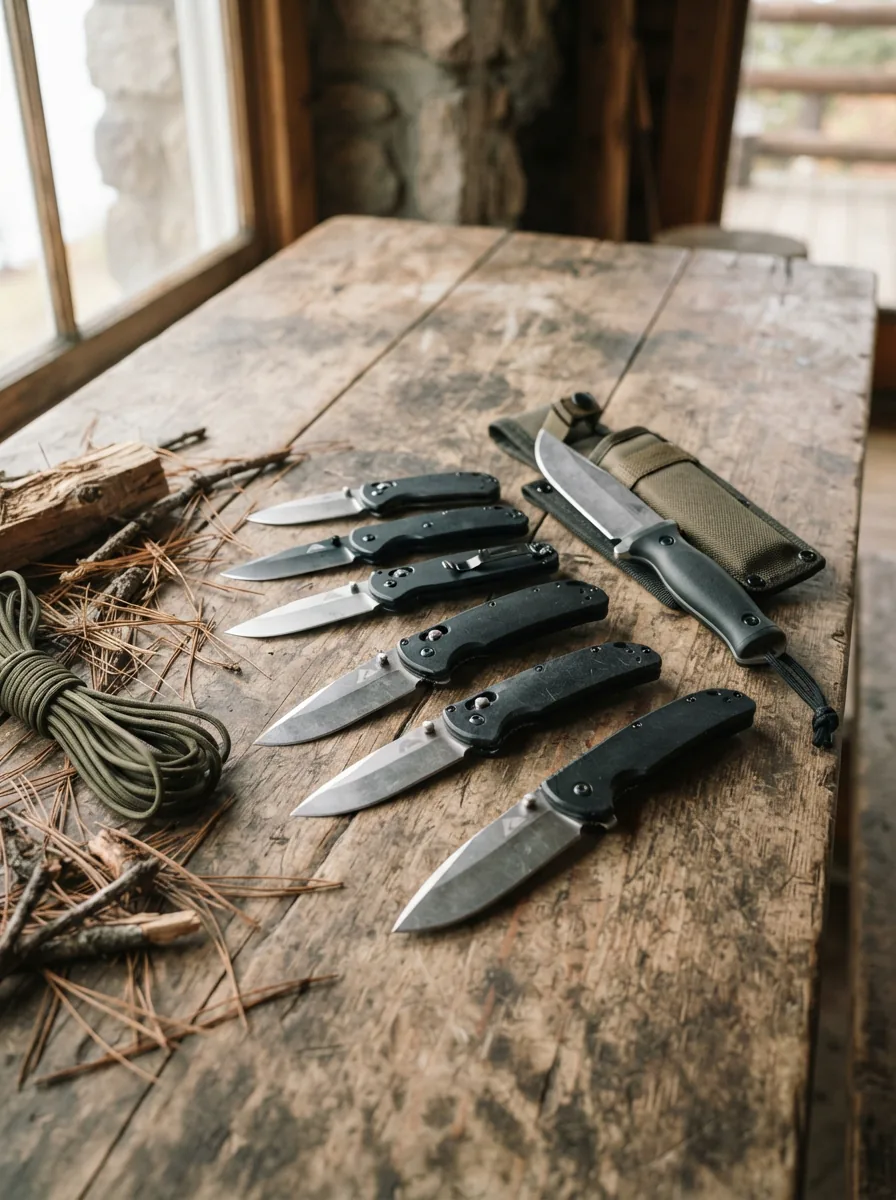
Assorted Ozark Trail folding and fixed blade knives arranged on a rustic wooden camp table
Admin
Ozark Trail Knife

This page lines up Ozark Trail knives so you can compare folding and fixed blades, locks, handles and carry options at a glance. Each pick notes what it handles best, from camp prep to a pocket blade you carry daily.

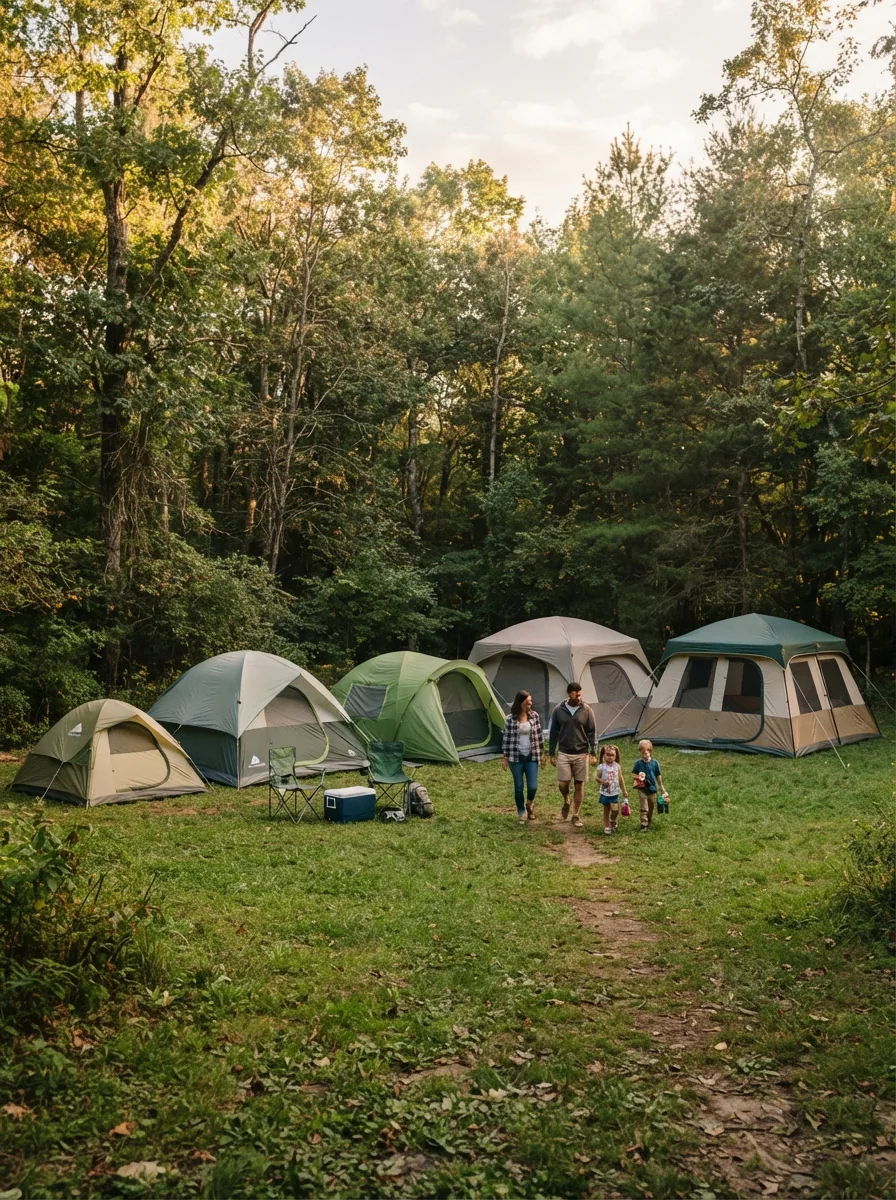
A row of Ozark Trail camping tents of several sizes pitched on a grassy campground with a family walking between them.
Admin
Ozark Trail Tents

Compare Ozark Trail tents by capacity, setup style, weather coverage and packed weight, from solo backpacking shelters to twelve-person family cabins built for drive-up weekend campsites.