
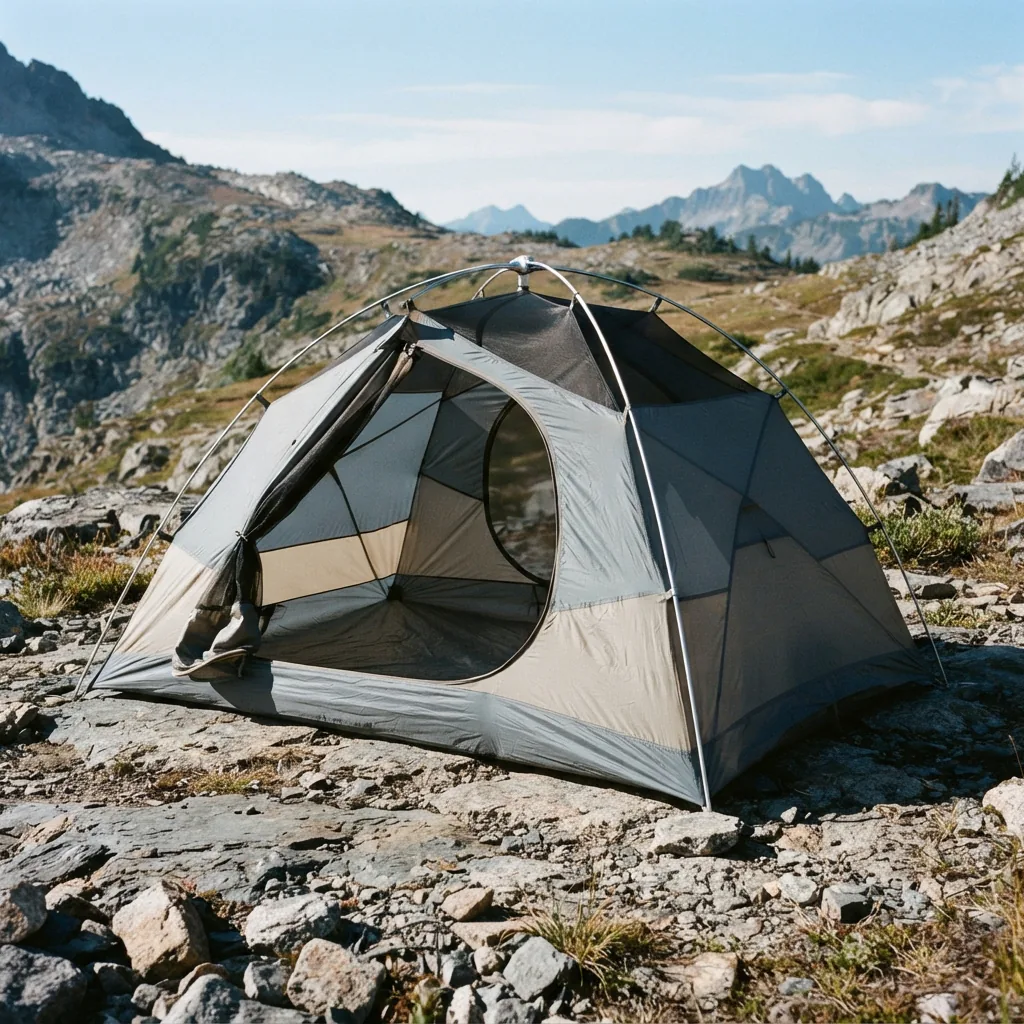





Ozark Trail Backpacking Tent

Backpacking tents built for short trips, weekend outings and first setups. Compare solo shelters against roomier two- and three-person layouts, weigh packed size against interior space, and see which doors, vestibules and setup styles match how you travel. Every option here is priced to get you out without a premium-brand bill.

Fresh backpacking tents and what sets them apart

Ozark Trail 2-Person Backpacking Tent with Room to Spare for Two Sleepers

Nearly 34 square feet of interior space is the headline here, along with two 10-square-foot vestibules for packs and wet boots. A 42 inch peak height keeps it from feeling cramped at either end. It handles short trips and weekend outings well, and the price sits far below premium brands.

Ozark Trail 1-Person Backpacking Tent with Large D-Style Door for Solo Campers

Built for one camper who wants to keep things simple. It packs down small enough to carry easily on the trail, and the large D-style door swings the front open so getting in and out is not a chore at camp. A sensible first backpacking tent for solo overnights and short weekend hikes.

Ozark Trail 1-Person Backpacking Tent, Lightweight with Wide Easy-Entry Door

Lightweight enough that carrying it on your back is not the hard part of the day. The large D-style door opens the whole front wide, so climbing in with a pack or boots on stays straightforward rather than a squeeze. A good fit for hikers who value easy entry over extra floor space.

Ozark Trail 1 Person Backpacking Tent, 4.4 lb Lightweight with D Style Door

At about 4.4 pounds, this tent trades a little packed weight for an honest price and a roomy front door. The D-style opening makes entry easy after dark, and the single-person layout keeps setup quick when you arrive tired. It suits campers and backpackers buying their first shelter.

Ozark Trail 1 Person Hiker Tent, 7ft x 5ft Lightweight for Roomy Solo Trips

The 7 foot by 5 foot floor is unusually generous for a one-person tent, so there is room to sleep diagonally, stash a pack inside and sit up without your head pressing the ceiling. It stays light enough to carry on a trail day, and setup is quick when you arrive tired. A sensible pick for hikers who want a little extra space at a fair price.
Popular choices

More backpacking tents shoppers keep comparing

Ozark Trail 1 Person Hiker Tent, 7ft x 5ft Lightweight Solo Tent for Roomy Weekend Trips

Floor space is where this one wins: the 7 foot by 5 foot base lets a solo hiker sleep diagonally, keep a pack inside and sit up without touching the ceiling. It stays light enough for a trail day, and once you have practiced, setup is quick when you reach camp tired.

Ozark Trail 1 Person Oversized Hiking Tent, 7ft x 5ft Lightweight Comfort for Solo Camps

Room to stretch is the point here. A 7 by 5 foot floor gives one sleeper space for a pack and boots inside, and enough headroom to sit up comfortably at night. Packed weight still stays manageable between camps, so it works when personal comfort matters more than the smallest stuff sack.

Ozark Trail 3 Person Backpacking Tent with Rainfly for Two Campers and Shared Gear

Where a tight two-person shelter leaves little spare room, this three-person floor lets a pair sleep side by side with packs and boots stored inside instead of under the fly. The taller peak makes sitting up to change or read a map easier, and pole-and-clip setup goes up in minutes at camp.
Who it suits

Trips where a backpacking tent earns its place

These tents fit the situations backpackers actually meet: a first solo night out, a weekend shared with a partner, or a short trip where packed weight decides the route. Think about how far you walk, how long you stay out and who carries the shelter, then choose the capacity and setup that keep the trip simple.

First-time backpackers learning the routine

Your first shelter should be quick to pitch and forgiving of small mistakes. A simple pole-and-clip design with a rainfly lets you learn in the yard, then set up in fading light without help. Practicing once makes the first real night out far less stressful.

Solo hikers covering short trail nights

Solo hikers benefit from a small packed size and a floor wide enough to keep gear inside. A D-style door makes entry easy after dark, and one modest vestibule holds a pack and boots. Weight matters more when no one shares the load with you.

Pairs sharing weight on weekend outings

Two campers sharing a tent split poles, fly and stakes between packs, which makes a roomier shelter practical. Two doors prevent climbing over each other, and extra floor space holds gear inside. Taller peak height makes changing clothes at camp easier.

Capacity, weight, doors and setup style decide which backpacking tent fits your trip. More occupants mean shared weight but less personal room. Heavier fabrics handle weather better yet cost more to carry. Freestanding frames pitch anywhere; stake-out designs save ounces. Match these trade-offs to your trip length and budget.

What to weigh when comparing backpacking tents

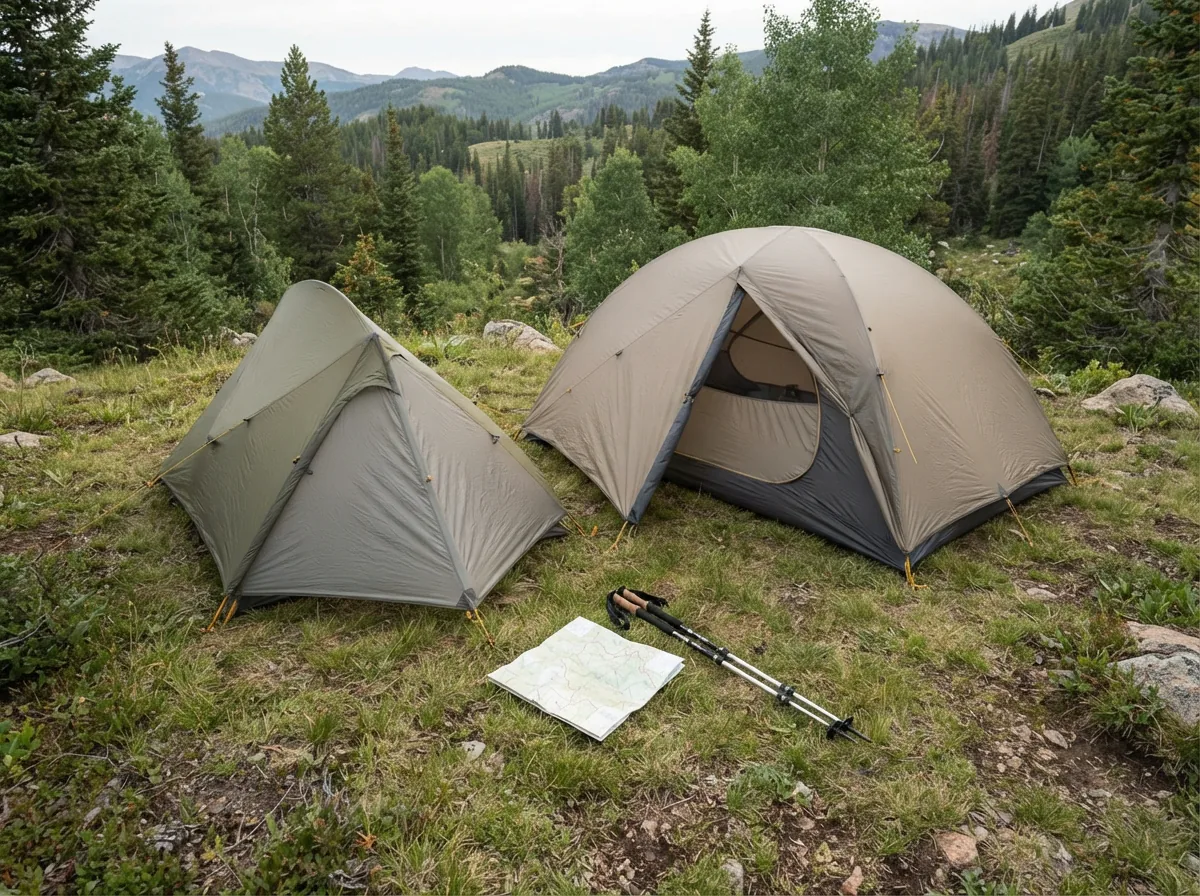
Two backpacking tents of different sizes pitched side by side on grass with a folded trail map and trekking poles between them
Match capacity to how many people share the load

A one-person tent keeps weight and packed size low, but a two-person shelter lets you split poles and fly between packs. If you hike alone and value speed, go small; if you share loads with a partner, the roomier option usually wins.

Judge packed weight against the miles you walk

Every extra pound shows up on your back by mile six. Solo shelters in the four- to five-pound range are manageable for weekend trips. Larger shared tents feel fine when two people carry the parts, and unpleasant when one person carries all of it.

Count doors and vestibules for real camp traffic

Two doors mean no climbing over a partner at night, and vestibules give a dry spot for packs and muddy boots. Hiking alone, one wide door is enough. Sharing, a second door is worth more than a few extra square feet of floor space.

Compare setup style against your campsites

Freestanding tents pitch on rock, sand or bare pads and can be moved once staked out. Pole-and-clip designs go up in minutes but need decent ground for stakes. Both handle rain well when the fly is taut and the floor sits above puddles.

Know the shapes

Four directions inside backpacking tents

Backpacking tents split into clear directions once you know what matters on the trail. Solo shelters minimize carry weight, roomier two- and three-person layouts trade ounces for space, and freestanding frames change where you can pitch. Start with how many people and how much gear travel with you, then narrow by setup style.
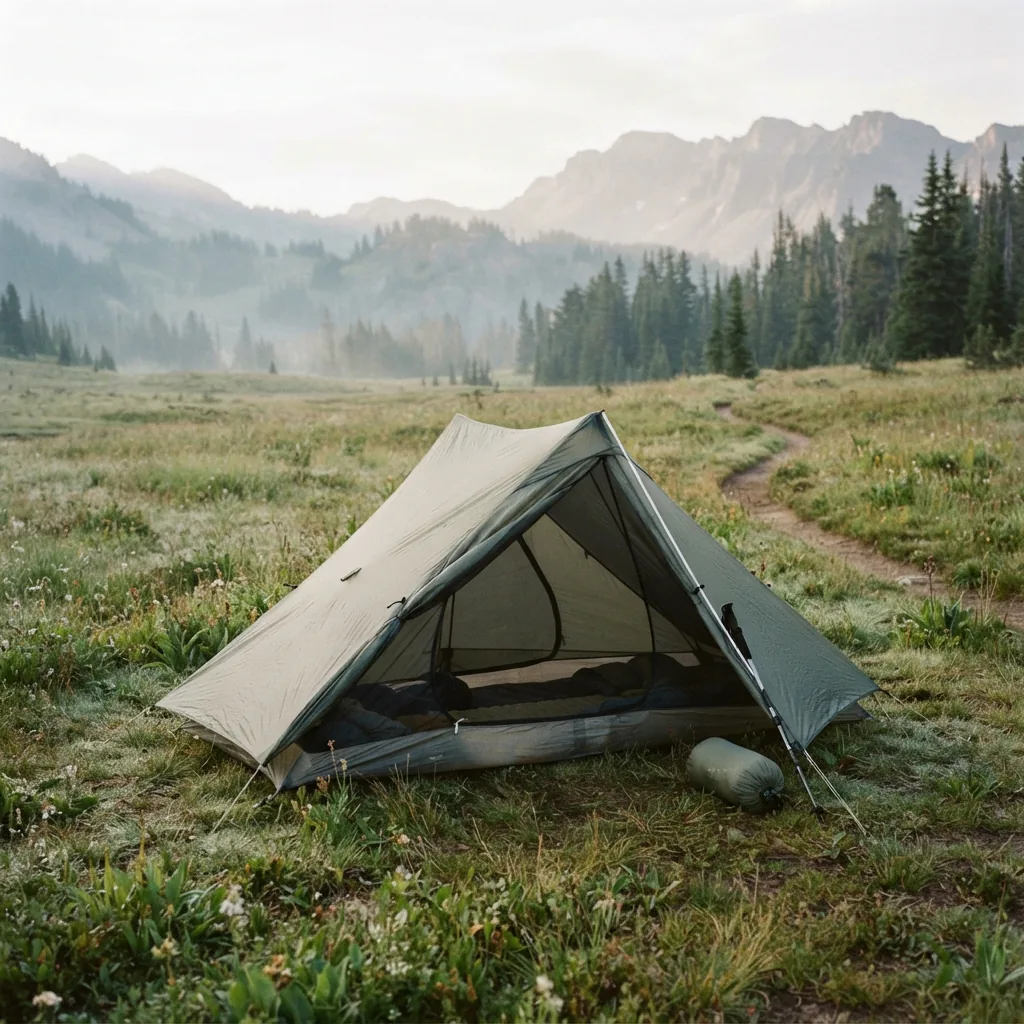
A single lightweight one person backpacking tent pitched alone in an open meadow

Solo lightweight shelters

A solo shelter keeps packed size and weight lowest, which pays off on longer approaches. Look for a floor near seven by five feet if you want to sleep diagonally and keep a pack inside rather than in the vestibule.

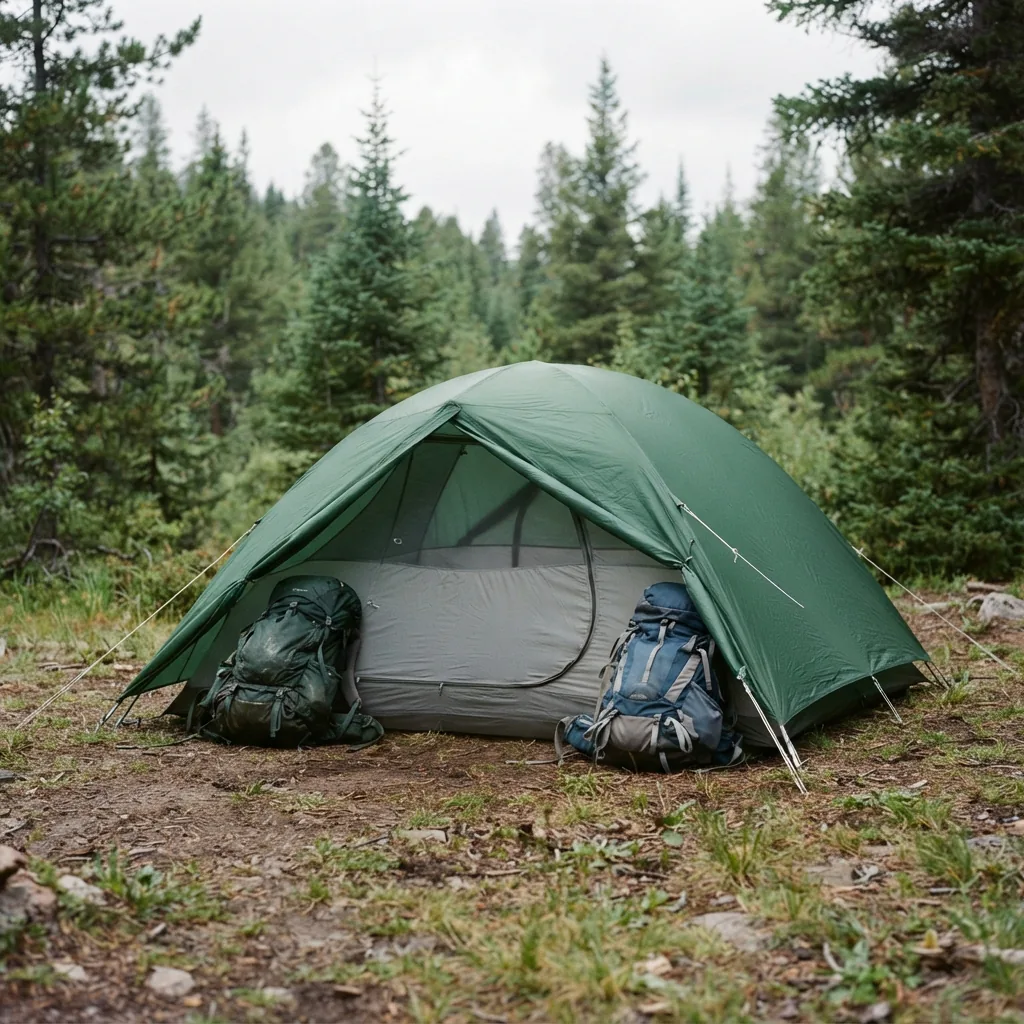
A two person backpacking tent with two vestibules pitched on level ground with packs under each flap

Two-person room and vestibules

Two-person tents add interior square feet and usually a second vestibule, so packs and wet boots stay outside the sleeping area. A 42 inch peak height and a wide door make the extra weight easier to live with at camp.

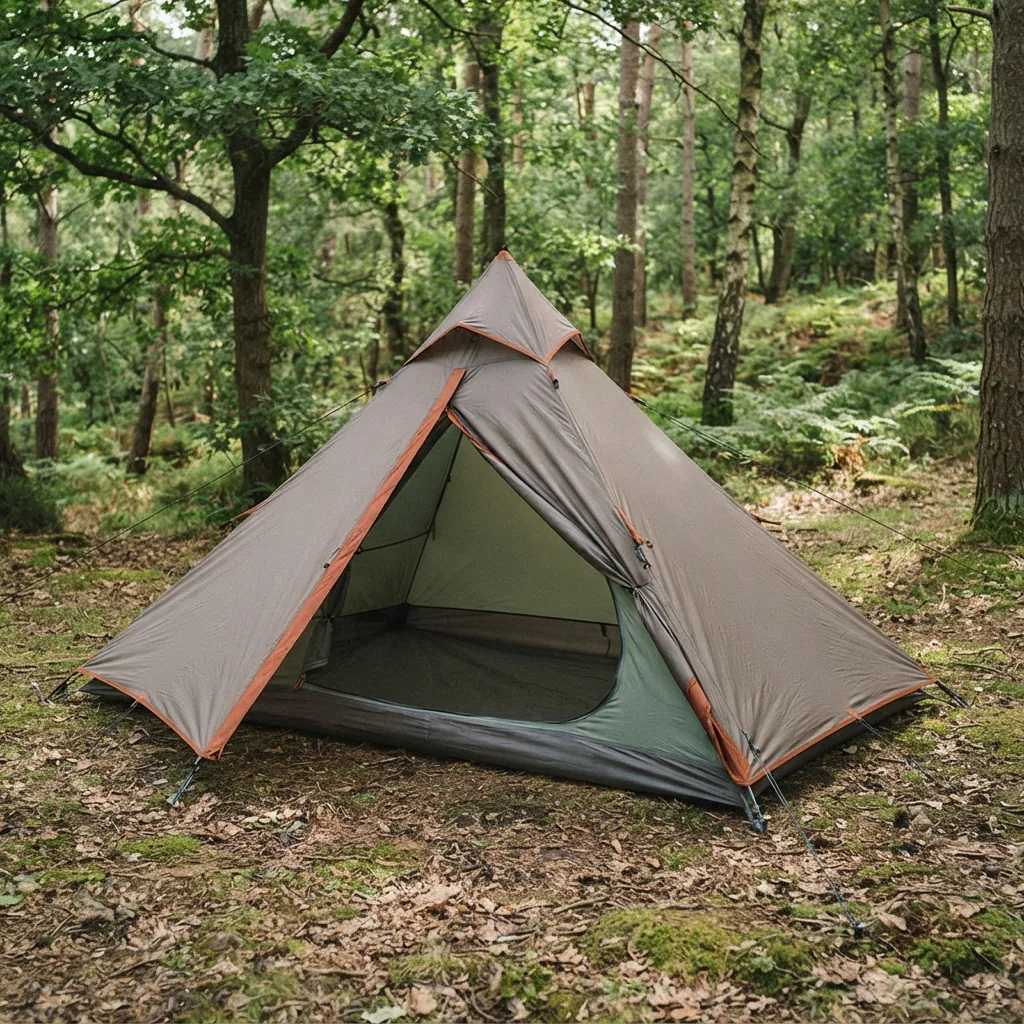
A three person backpacking tent with tall peak height pitched at a woodland campsite

Three-person shared loads

Three-person shelters suit pairs who want to sleep side by side without touching walls, or small groups splitting weight across packs. The taller peak makes sitting up easier, and a sewn-in bathtub floor handles wet ground.

A freestanding backpacking tent with mesh ceiling pitched on rocky ground without stakes

Freestanding pitch designs

Freestanding frames hold their shape without stakes, letting you pitch on rock, sand or bare pads and reposition the tent before staking out. Mesh ceilings vent condensation while the fly handles wind and rain.

From the trail

What backpacking with budget tents is really like

Shoppers comparing these tents want to know how they behave after a few nights out. The accounts below describe real patterns: quicker setups once you have practiced, a little extra weight in the pack, and enough rain protection for weekend weather, all at prices that leave room in the budget for the rest of the trip.
I wanted something I could carry alone without dreading the walk, and the packed size of a one-person shelter was exactly what I needed. Setup took me a few tries in the yard, then it was five minutes at camp. A night of steady rain stayed dry inside. I feel better prepared than I expected for the price.
Decorative customer review avatar icon 1
TrailheadAmy
Solo overnighter buying her first real shelter
We split the poles and fly between our packs, and honestly the shared tent felt lighter than carrying a solo shelter alone. Room for two pads plus our boots in the vestibule made mornings easier. It is not as quick to pitch as high-end models, but at camp we stopped noticing the difference and slept well.
Decorative customer review avatar icon 2
RidgeWalker_J
Weekend hiker who shares a two-person shelter
Coming from a big cabin tent, I expected a backpacking shelter to feel cramped. It does feel smaller, but sitting up to change and keeping a pack inside made it livable for two nights out. Guy lines matter more than I realized. Taut lines, and the wind never bothered us through the evening.
Decorative customer review avatar icon 3
CampDadKevin
Family camper stepping into backpacking
I tested this against a tent costing three times as much and expected the worst. The pitch takes slightly longer and the fabric feels thinner, but it held up through wind and a cold night. For weekend trips a few times a season, spending less here let me buy a better pack instead.
Decorative customer review avatar icon 4
SummitLoop
Value buyer who compared budget and premium
Practical questions

Straight answers on backpacking tent trade-offs

Choose by how many people and how much gear need to fit, then by who carries the weight. A one-person shelter suits a solo hiker who wants a light pack. A two-person tent gives room to sleep side by side and lets you split poles and fly between two packs, which often feels easier overall.
A freestanding tent holds its shape without stakes, so you can pitch it on rock, sand or a bare campsite pad and move it once you find a flatter spot. A stake-out design needs good ground to hold stakes, but usually saves weight, which matters more on longer days.
It depends on your fitness and mileage, but weight adds up quickly once food and water are packed. For a weekend trip, a shelter in the four- to six-pound range is workable for most people. If two of you share a tent, splitting poles and fly between packs makes a heavier model feel reasonable.
For short trips and typical weekend weather, a well-staked budget tent with a rainfly and bathtub floor does the job. Expect it to be less quick to pitch and less comfortable to carry than top-end models, and to last fewer seasons. Taut guy lines and dry storage make the biggest difference.
Simple pole-and-clip shelters usually go up in a few minutes once you have done it once. Practice in the yard before your first trip so the steps are familiar in low light. Pitch on higher ground, stake the corners first, then tension the fly so water runs off instead of pooling.
If you carry a pack, boots and a stove, look for a vestibule so wet and dirty items stay outside the sleeping area. Interior pockets or a gear loft keep headlamps, phones and glasses off the floor and easy to find. Solo hikers can usually manage with one modest vestibule.
Keep exploring

More Ozark Trail gear for the same trips

Hard-sided and soft-sided Ozark Trail coolers arranged on a wooden picnic table at a wooded campsite
Admin
Ozark Trail Cooler

Compare Ozark Trail coolers by size, shape and how you carry them, from hard-sided chests that hold ice for a weekend to soft totes and backpack coolers for a day out. Each option below shows capacity, format and the trip it fits best.


A group of Ozark Trail mountain bikes with front suspension parked on a dirt trailhead, a rider comparing frame sizes beside them
Admin
Ozark Trail Bike

Ozark Trail mountain bikes span hardtails and full suspension builds, sized from young riders to tall adults. Compare fit, suspension, wheels and gears to match your trails and your budget.

Assorted Ozark Trail folding and fixed blade knives arranged on a rustic wooden camp table
Admin
Ozark Trail Knife

This page lines up Ozark Trail knives so you can compare folding and fixed blades, locks, handles and carry options at a glance. Each pick notes what it handles best, from camp prep to a pocket blade you carry daily.

A row of Ozark Trail camping tents of several sizes pitched on a grassy campground with a family walking between them.
Admin
Ozark Trail Tents

Compare Ozark Trail tents by capacity, setup style, weather coverage and packed weight, from solo backpacking shelters to twelve-person family cabins built for drive-up weekend campsites.
