



Ozark Trail Backpack

This category lines up Ozark Trail backpacks from 10L daypacks through 55L travel and hiking packs. Compare capacity, fabric, carry comfort and organization side by side, then match one to your trip length and budget.

Four day and hiking packs worth starting with

Ozark Trail 25L Adult/Teen Hiking Backpack, 100% Polyester, Black — Best Seller for Day Hikes

At 25 liters there is room for water, a lunch and a spare layer, and the pack still sits neatly on a teenager’s frame. The 100% polyester shell resists everyday scuffing, and black stays looking tidy after a season of trail dust. This is the size most day hikers settle on first.

Ozark Trail 10L Adult/Teen Polyester Daypack Backpack, Navy — Overall Pick for Light Carry

Ten liters is deliberately small: enough for water, a snack and a windbreaker on a short loop, and light enough that a younger hiker carries it without complaint. Navy polyester wipes clean quickly, and the compact shape slips under a seat on the drive to the trailhead. An easy first pack.

Ozark Trail 15L Waterproof Backpack, Forest Green, Unisex Adult — Rain-Ready Day Hiking Pick

Waterproof fabric is the headline, so a sudden shower does not soak spare clothes or a phone. At 15 liters it holds the essentials for a day out while staying close to the body on narrow paths. Unisex adult sizing and forest green make it a practical shared option for couples or families.

Ozark Trail 14L Adult/Teen Polyester Juniper Daypack Backpack, Green — Best Seller for School

This 14 liter daypack splits the difference between a light school bag and a trail pack, so one bag covers a weekday and a Saturday hike. The polyester build is easy to maintain and the green color reads outdoors without being loud. Best sellers in this size usually earn repeat use.

Ozark Trail Asheville Dual-Carry 22L Backpack for Adults and Teens, Polyester, Black — Best Seller

Two carry options are the reason this pack stands out. Swapping between a top grab and a side handle makes it easy to pull from a trunk or a bus rack, and 22 liters holds a laptop, a lunch and a light jacket at once. Black polyester stays neutral for work and trail, and teen sizing means one fit can serve more than one person at home.
More to compare

Bigger packs for longer, heavier trips

Ozark Trail 30L Unisex Coated Polyester Travel Backpack with Padded Laptop Sleeve, Blue — Padded Laptop Pick

Coated polyester and a padded laptop sleeve point to travel rather than the trail. Thirty liters covers an overnight change of clothes plus a work device, and the unisex cut keeps sizing simple when one pack is shared. The blue finish is also easy to spot on a luggage carousel.

Ozark Trail 55+5L Hiking Backpack Black/Tan Hydration Compatible — Built for Long Treks

Fifty-five liters plus a five-liter extension is built for trips where you carry food and shelter, and hydration compatibility lets you drink without stopping to unpack. The black and tan colorway hides dirt on long approaches. Expect a heavy load to need careful strap adjustment first.

Ozark Trail Himont 55L Multi-Day Travel Backpack Navy Blue — Spacious Pick for Long Trips

The Himont’s 55-liter body is shaped for travel and camping gear rather than technical climbing. Navy blue stays presentable in transit, and the volume holds a sleeping bag, clothing and a cook kit in one carry. Shoppers who want space without a premium price tend to land here.
Who this category fits

Trips, tasks and shoppers this range serves

From a first family camp to a daily commute or a multi-day trek, this category covers several jobs. Match the pack to the person carrying it and the result you need, rather than buying for a trip you rarely take.

Weekend family camping and short hikes

Families setting up a first camp need one bag per person that holds water, snacks and a jacket without a fuss. A mid-size pack keeps kids carrying their own gear and shortens the morning routine at the site.

School, commute and errand carrying

Students and commuters want padding where a laptop sits and a shape that stays tidy indoors. The same bag can handle a weekday route and a Saturday trail if the volume is sensible.

Multi-day treks and budget backpacking

Longer treks ask for volume, hydration access and straps that handle real weight. Start lighter than you think you need, then move up once you know what you actually carry.

Capacity decides what fits, fabric decides what survives a wet forecast, and padding decides how the pack feels two hours in. Weighting those three differently is what turns a cheap buy into a smart one.

How to compare capacity, weather and carry comfort

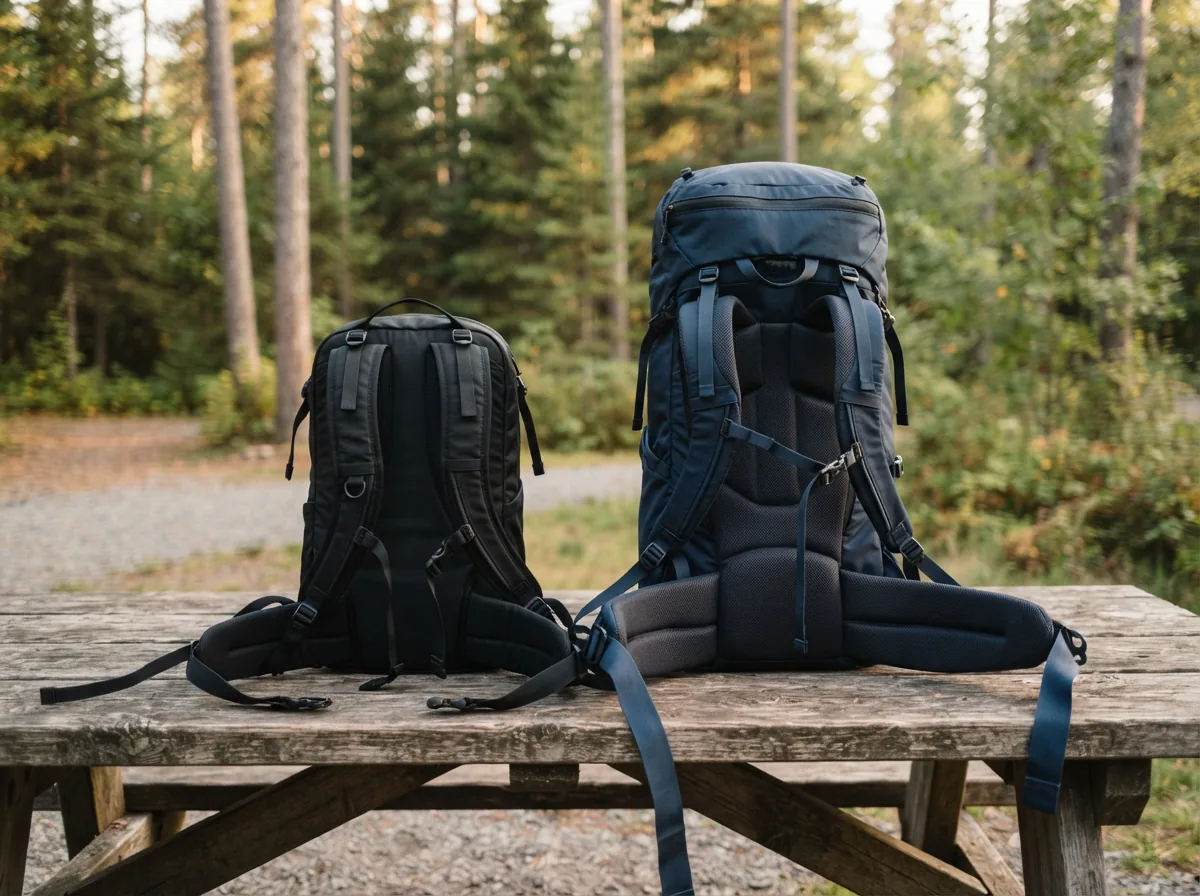
Two backpacks of different sizes open for comparison on a trailhead table
Capacity versus the trip you have planned

A 10 liter pack disappears on your back but forces choices about water and layers; a 55 liter pack carries camp gear and feels wrong on a two hour walk. Match volume to trip length first.

Weather protection and fabric coating

Coated polyester sheds light rain, while fully waterproof fabric handles a soaked morning without a cover. The trade is a little extra weight, so weigh how often you walk in real rain.

Carry comfort and strap support

Padded straps and a shaped back keep a loaded pack from digging in after the first mile. Lighter loads forgive thin padding, but 30 liters with a laptop inside will tell you quickly.

Organization and laptop or hydration space

Compartments decide whether you stop to dig for a rain shell or a key. Laptop sleeves and hydration ports suit commutes, while a simple open main pocket works better on the trail.

Find your pack type

Four directions to narrow your backpack choice

Backpacks here fall into four need-based groups: compact daypacks, larger hiking packs, travel and commuter styles, and waterproof builds. Start with the trip you have planned, then check fabric and organization to tell the rest apart.
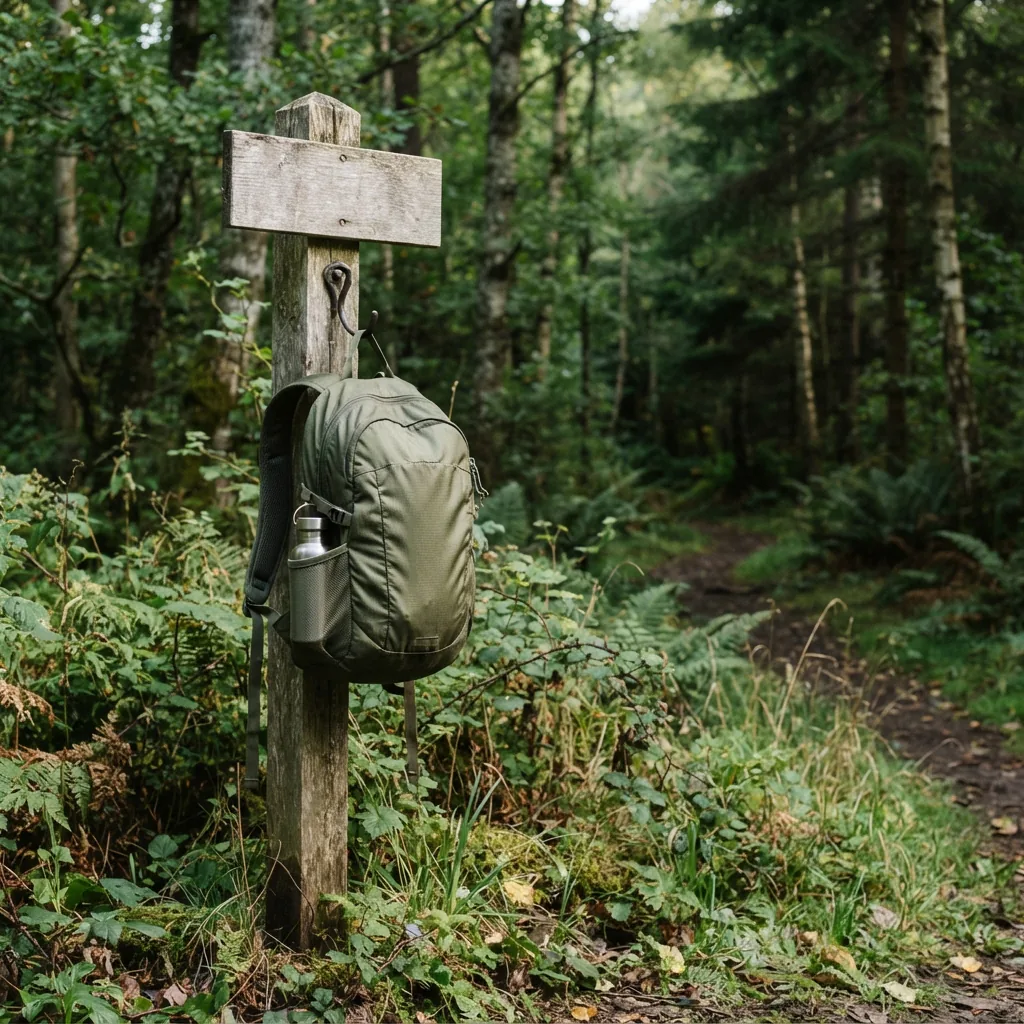
Small 10 to 15 liter daypack backpack hanging from a wooden trail sign

Compact daypacks, 10-15L

Ten to fifteen liters covers water, snacks and a shell for a short loop. If your outing ends before dusk and you are not carrying gear for anyone else, this is the size to keep on your back all day.

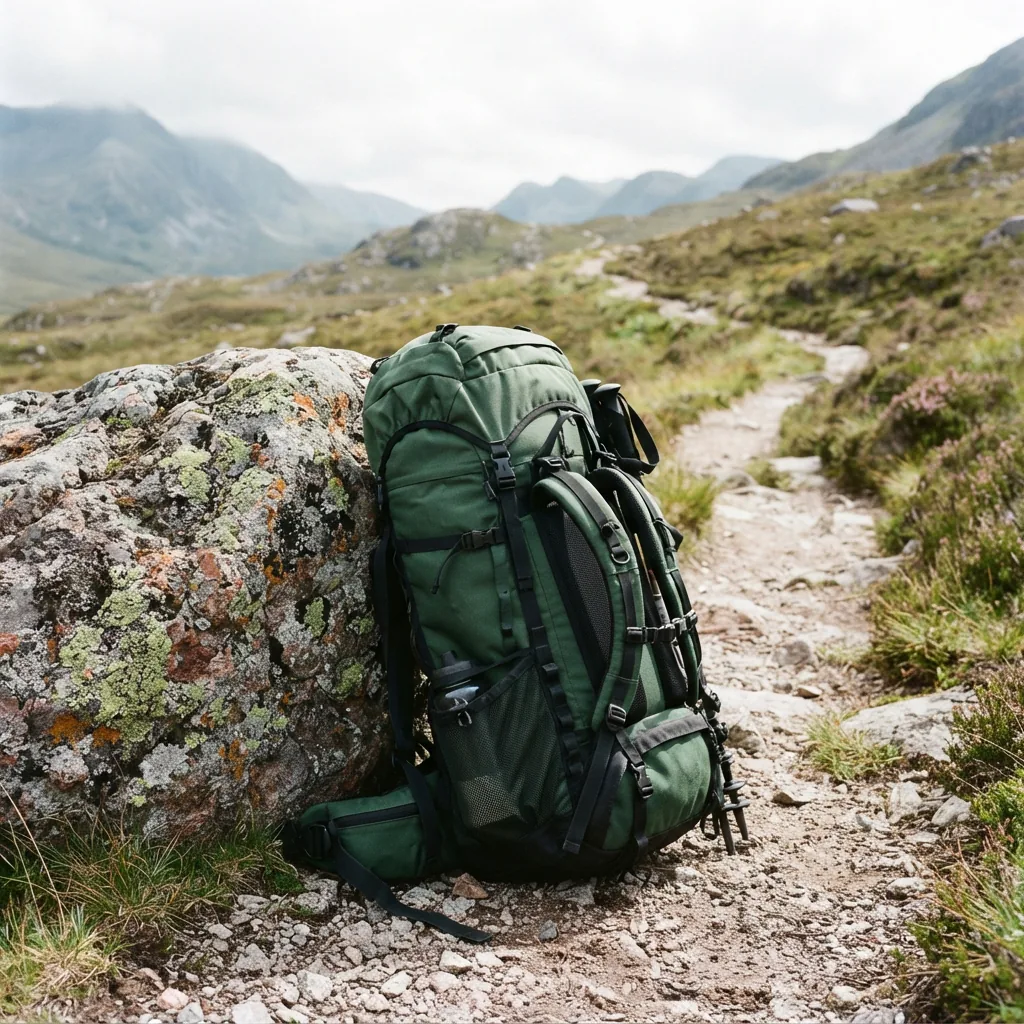
Large 25 to 55 liter hiking backpack leaning against a rock on an open mountain trail

Hiking packs, 25-55L

Twenty-five liters onward adds room for food, layers and extra gear. Choose it when the route runs longer than a few hours or when you are carrying shared supplies for a group.

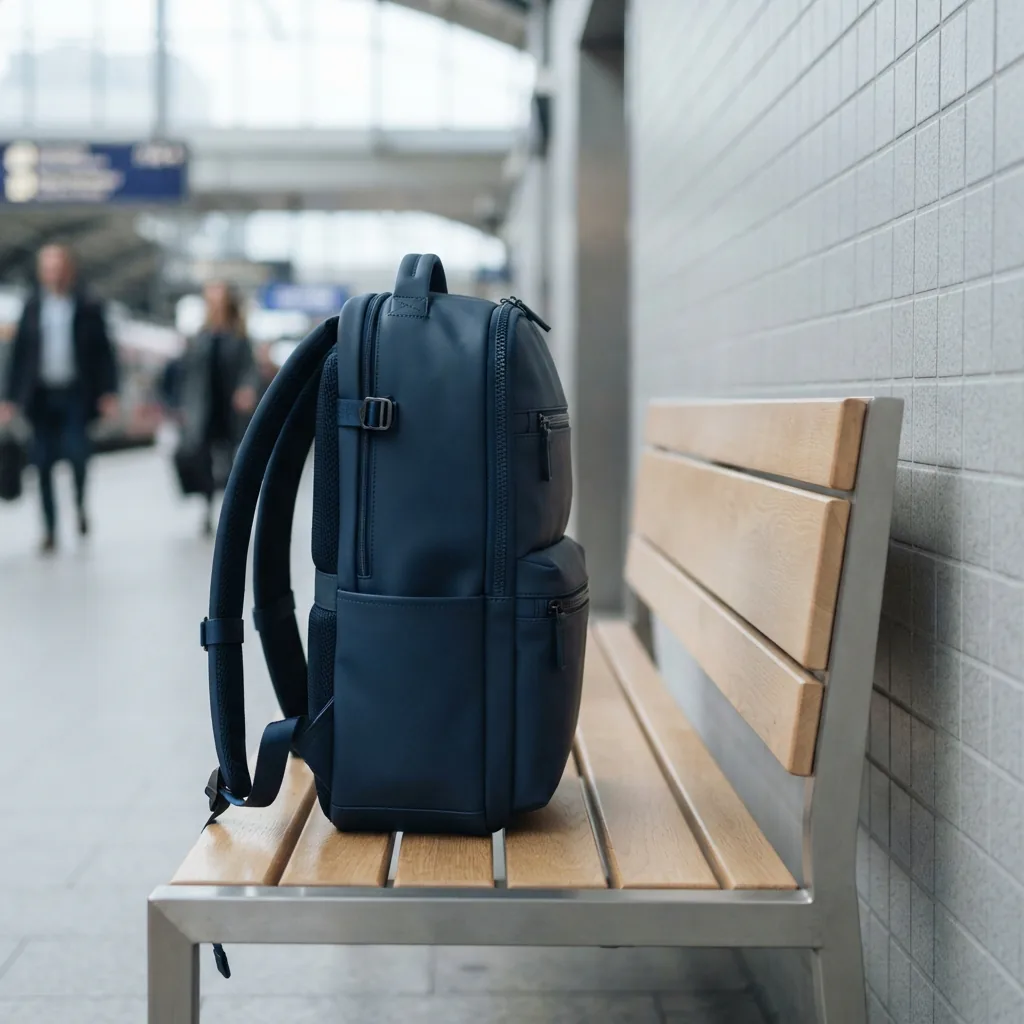
Coated travel backpack with padded laptop sleeve on a station bench

Travel and commuter packs

Coated fabrics and a padded laptop sleeve mark the travel packs. They suit airport runs and commutes where weather protection matters more than trail ventilation.

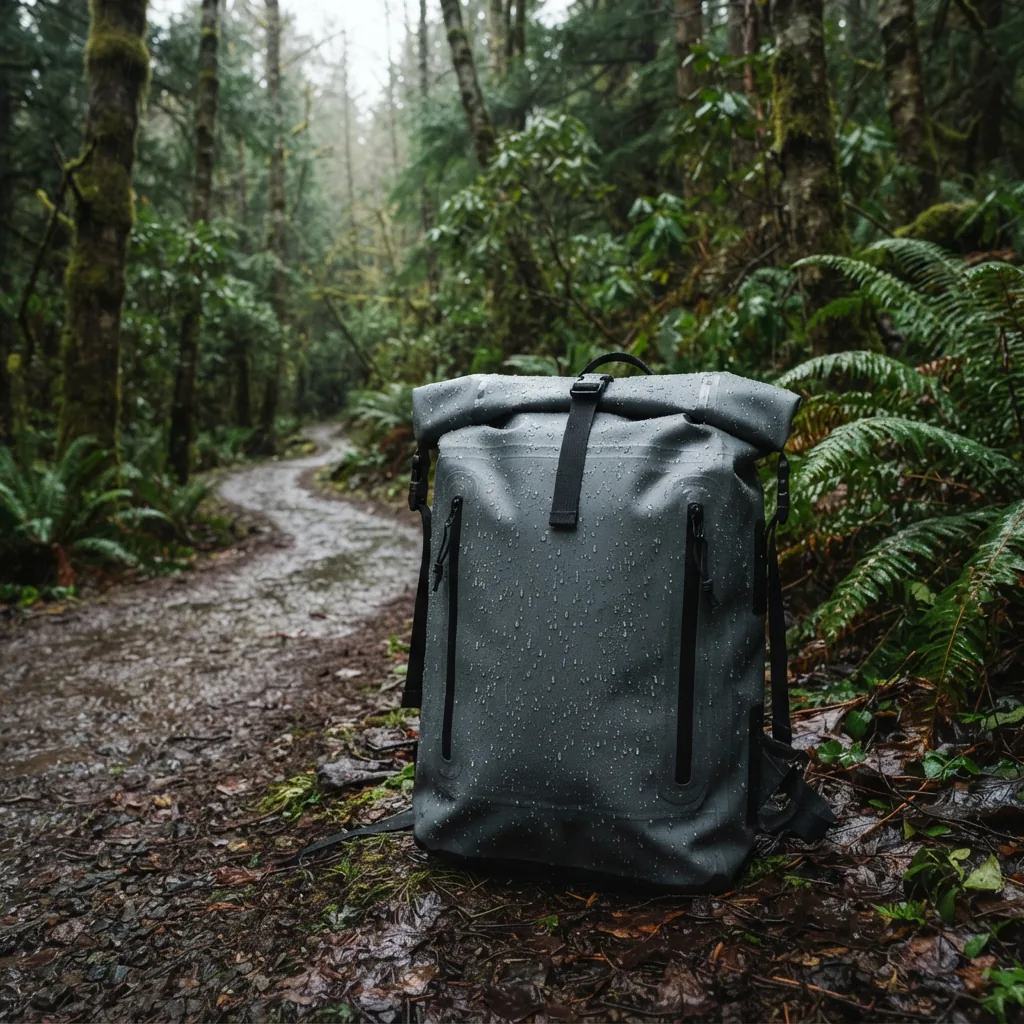
Waterproof backpack with rain droplets on its fabric beside a wet forest path

Waterproof shells for wet trails

Waterproof shells earn their weight when your forecast is unreliable. A 15 liter waterproof pack keeps spare layers dry on a rainy day hike without needing a separate cover.

What shoppers say

First-person notes from real trail use

These accounts stay with the shopping and carrying experience: what a loaded pack felt like, how it handled weather, and whether the price matched what came home. Specific models stay out so the decision remains in view.
We wanted something that would not fall apart after one trip and did not want to spend premium money for a weekend of car camping. The pack held a jacket, water and snacks, the straps stayed comfortable on the walk out, and I stopped thinking about the price once we were on the trail.
Decorative customer review avatar icon 1
TrailsideSam
Bought a first pack for a family weekend
I needed one bag that could take a laptop through the week and come along on a Saturday hike. Padding did the job on both, and after a few months of daily use the zippers still run smoothly, which was honestly my main worry when I chose an affordable option.
Decorative customer review avatar icon 2
Marla K.
Commuter who also hikes on weekends
I tested a low-cost pack next to a friend's high-end bag over two weekends. Mine was a little fussier to load and the straps were not quite as refined, but it carried everything I needed and left enough budget for the rest of the trip gear, so I called it a fair trade.
Decorative customer review avatar icon 3
WeekendRob
Compared a budget pack against a pricier one
My teen carried their own layer, water and snacks without asking me to take over, which has never happened with heavier gear. It is light enough for a young person to handle on the trail, and a rainy morning did not soak anything inside, so the weekend went smoothly.
Decorative customer review avatar icon 4
Dana P.
Packing for a younger, lighter hiker
Questions worth asking

Answers to the trade-offs that matter most

For most day hikes, 15 to 25 liters is enough to carry water, food, a shell and a small first-aid kit. Go smaller only for short warm-weather walks, and go larger when you are packing for other people or expecting a long day out.
It depends on the model. Coated polyester sheds light rain and keeps contents dry in a brief shower, while a pack built as waterproof handles a soaked morning without an extra cover. Check the fabric description before you rely on it in heavy rain.
Reviewers who tested gear from this brand found it reasonable for short trips but noted it will not last as many years as top-end equipment. With careful use and occasional repairs, expect several seasons of weekend hiking before wear shows.
Some models are hydration compatible and others include a padded laptop sleeve; few do both well at once. Decide which job matters more for your week, then choose a pack sized around that priority instead of hoping one bag covers everything.
Usually yes at first. Fifty-five liters only makes sense when you carry food, shelter and clothing for several days, and a full load needs comfortable straps and a good fit. Start smaller, learn what you actually carry, then step up.
You give up some refinement: carries are less refined and materials may not survive as many years of hard use. What you gain is enough performance for short trips and weekend outings at a price that lets you get outfitted sooner.
Keep exploring

More trail and camp reading for your next trip

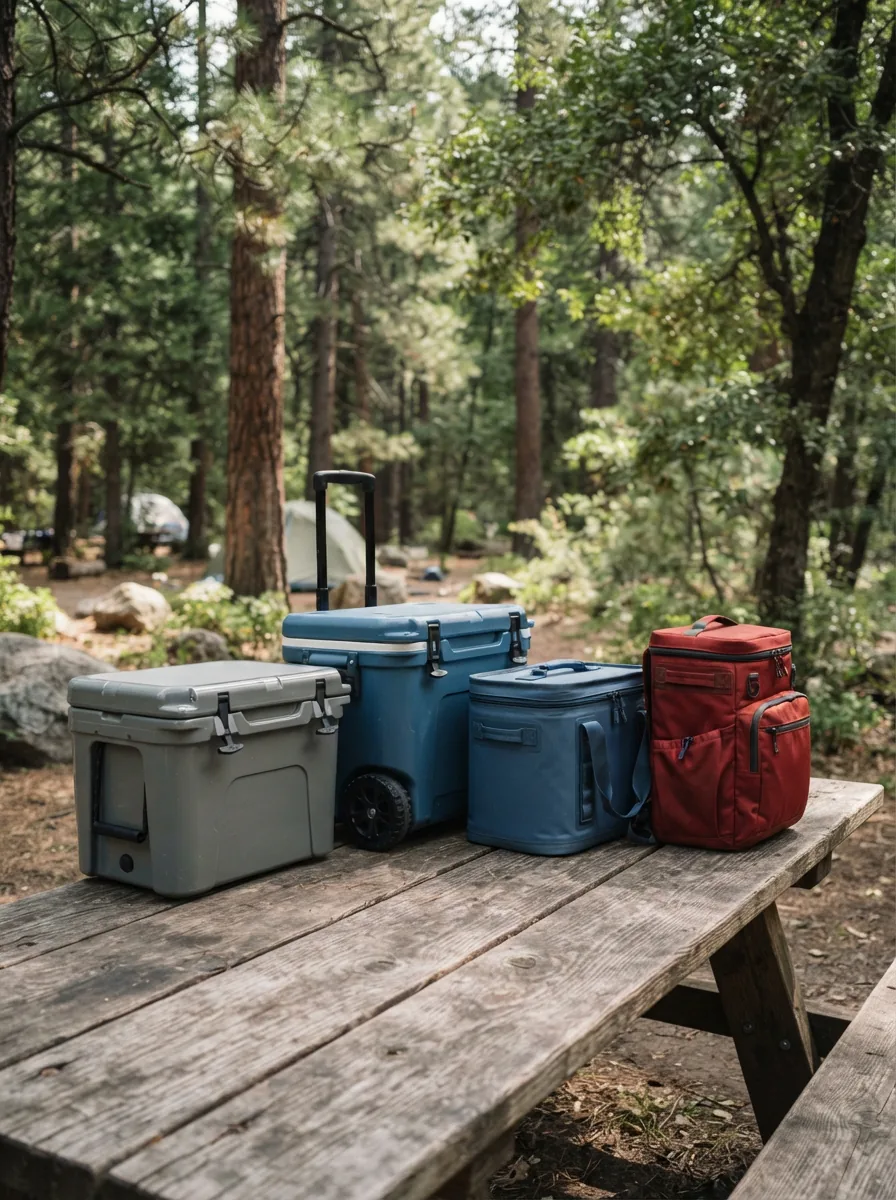
Hard-sided and soft-sided Ozark Trail coolers arranged on a wooden picnic table at a wooded campsite
Admin
Ozark Trail Cooler

Compare Ozark Trail coolers by size, shape and how you carry them, from hard-sided chests that hold ice for a weekend to soft totes and backpack coolers for a day out. Each option below shows capacity, format and the trip it fits best.
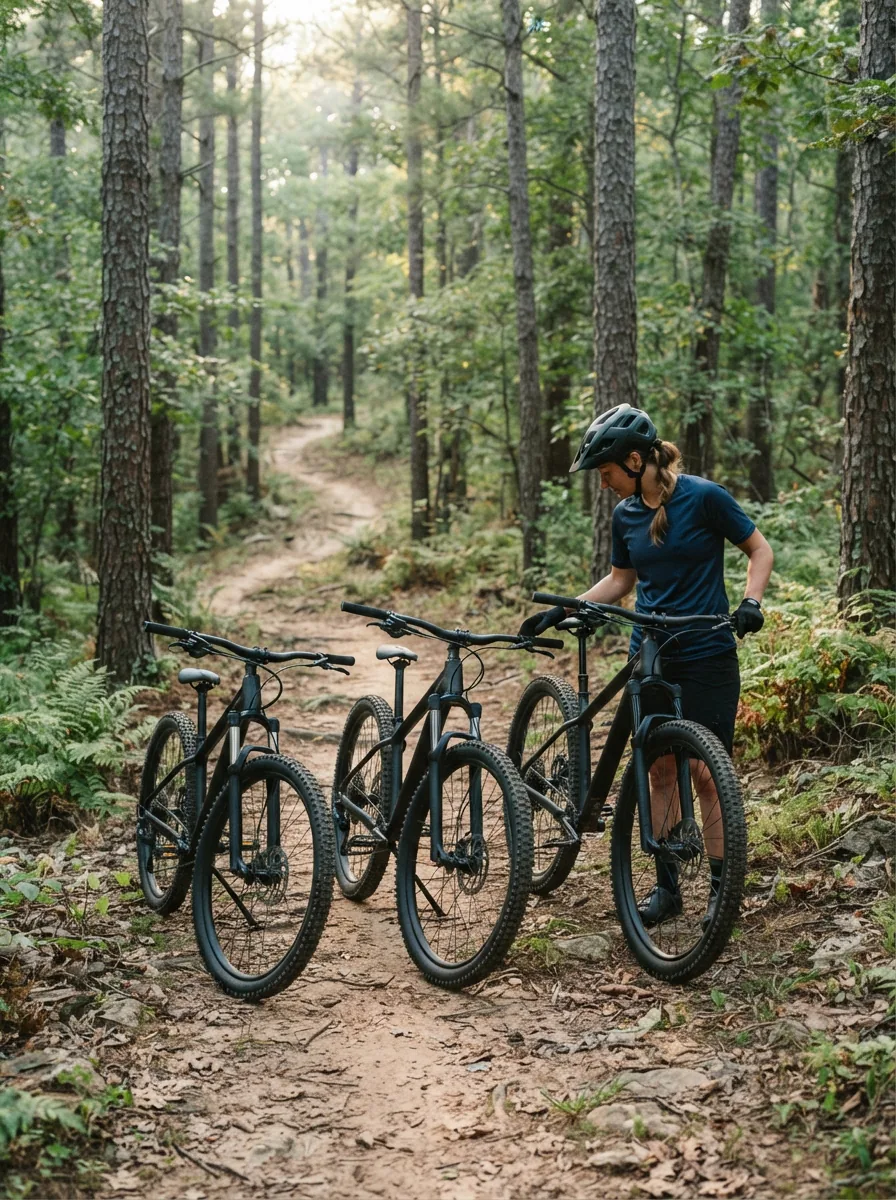
A group of Ozark Trail mountain bikes with front suspension parked on a dirt trailhead, a rider comparing frame sizes beside them
Admin
Ozark Trail Bike

Ozark Trail mountain bikes span hardtails and full suspension builds, sized from young riders to tall adults. Compare fit, suspension, wheels and gears to match your trails and your budget.

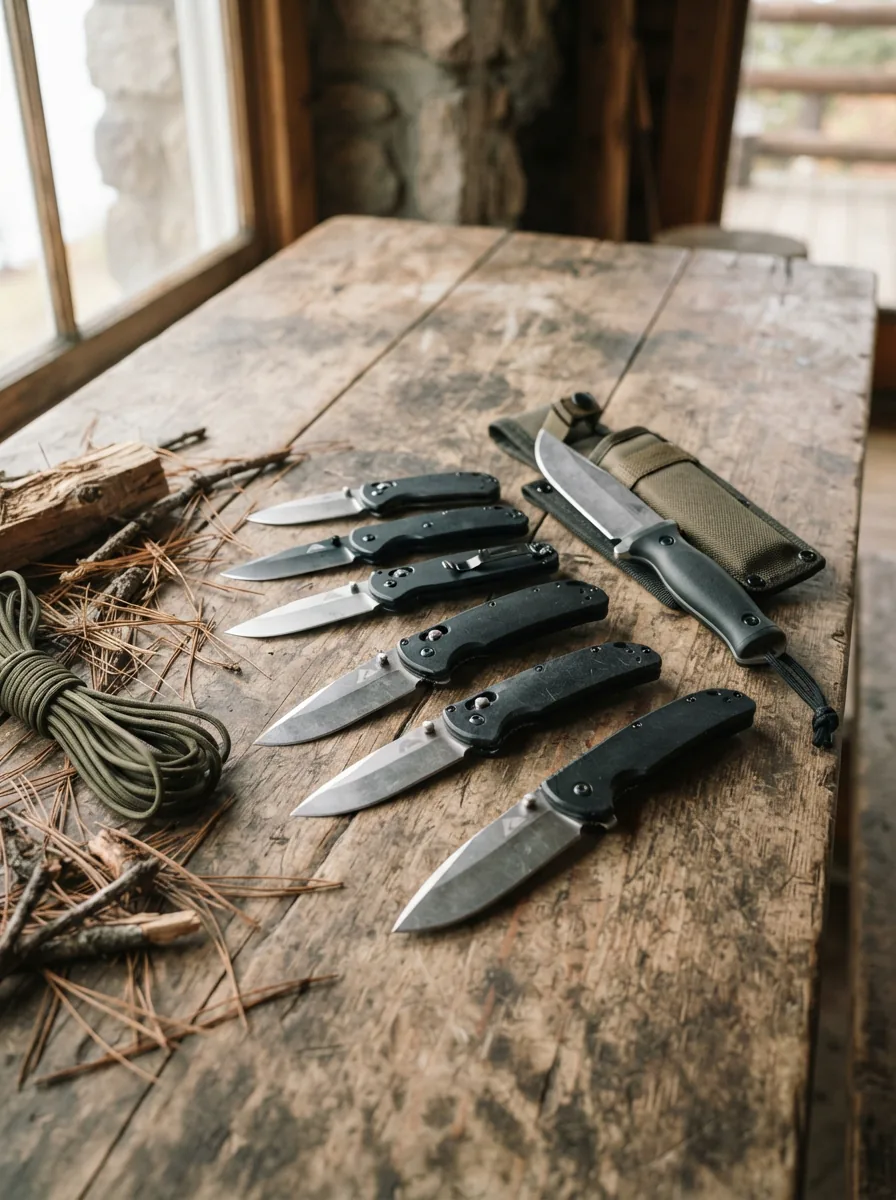
Assorted Ozark Trail folding and fixed blade knives arranged on a rustic wooden camp table
Admin
Ozark Trail Knife

This page lines up Ozark Trail knives so you can compare folding and fixed blades, locks, handles and carry options at a glance. Each pick notes what it handles best, from camp prep to a pocket blade you carry daily.

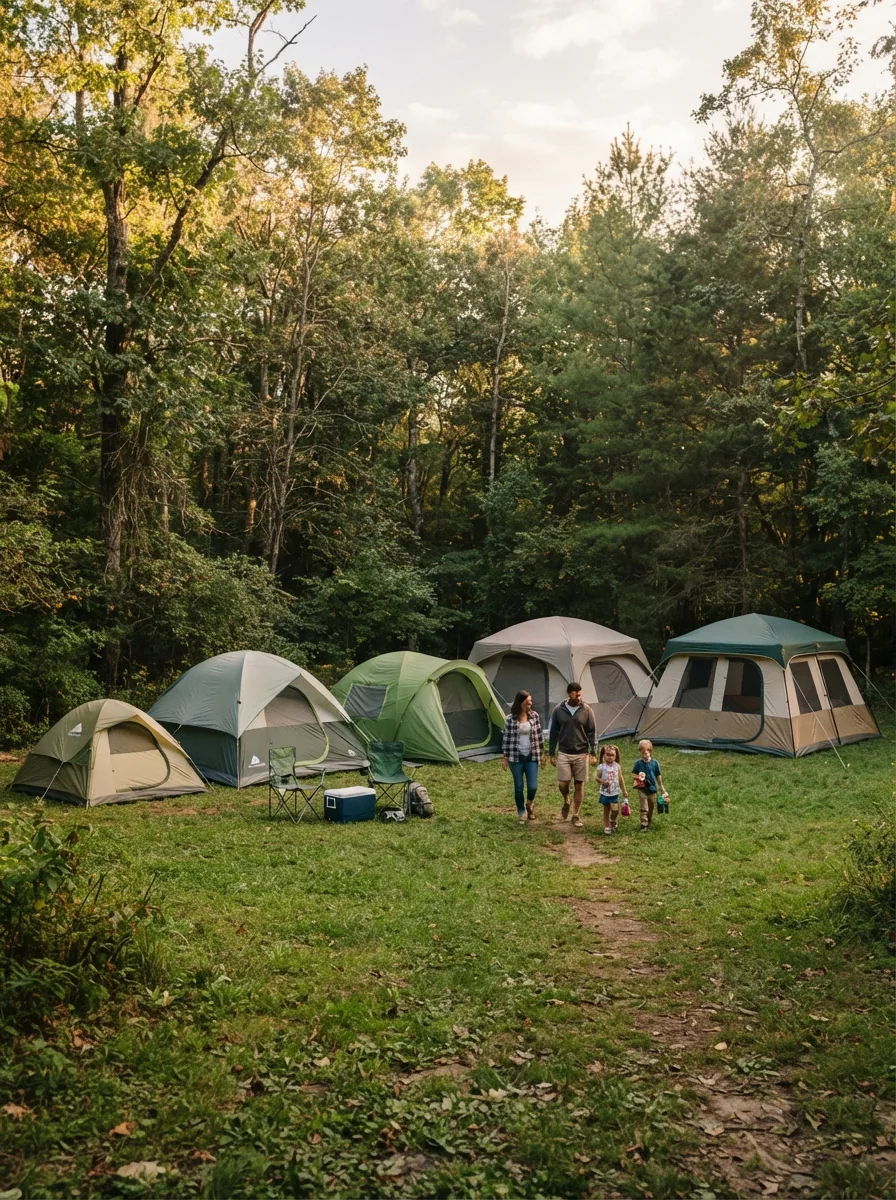
A row of Ozark Trail camping tents of several sizes pitched on a grassy campground with a family walking between them.
Admin
Ozark Trail Tents

Compare Ozark Trail tents by capacity, setup style, weather coverage and packed weight, from solo backpacking shelters to twelve-person family cabins built for drive-up weekend campsites.