



Ozark Trail Angler 10 Kayak

A 10-foot sit-on kayak built for one angler who wants stability and speed without a premium price. The dihedral hull tracks cleanly, and at 39 pounds it stays manageable from the car to the shoreline.
Inside the build

Design built for fishing days

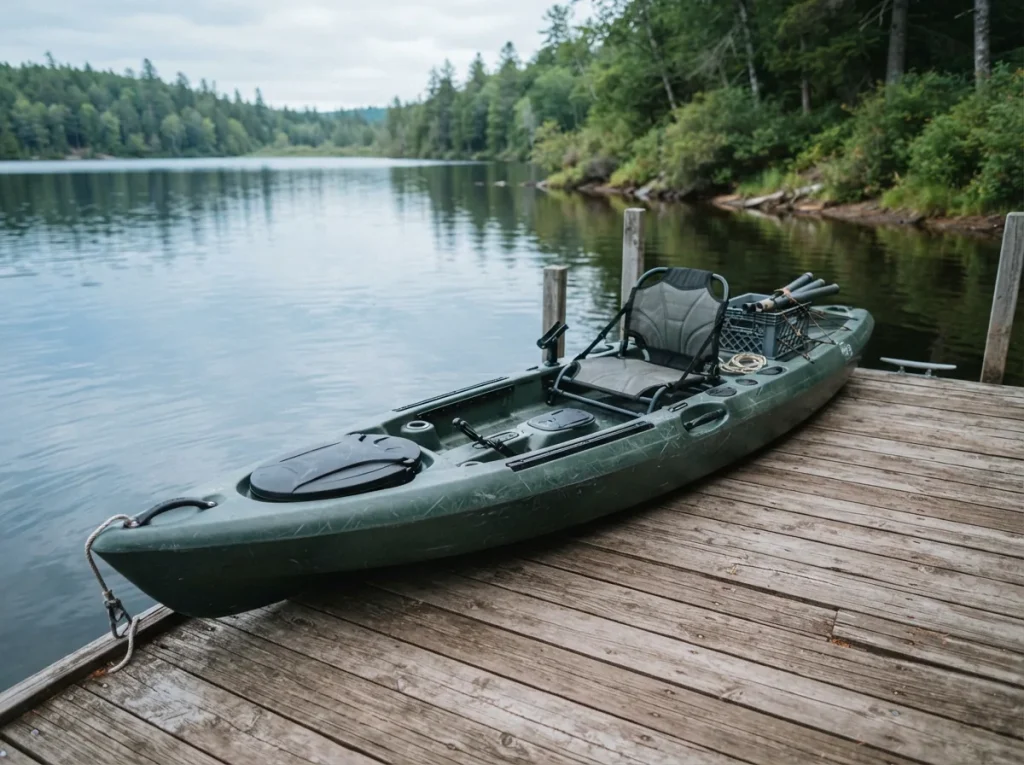
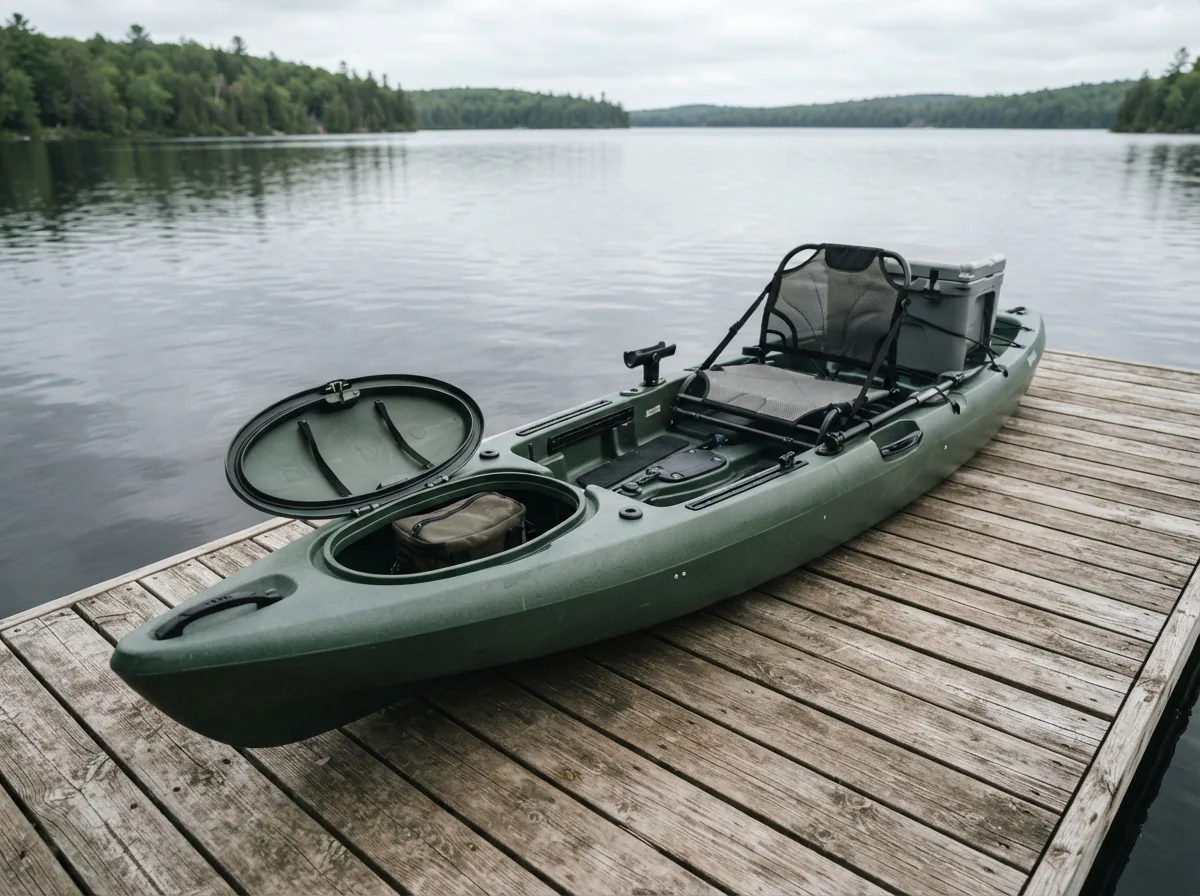
Molded from high-density polyethylene, the dihedral hull cuts through chop and stays planted at rest. Accessory rails, a front cam-lock hatch and a rear gear well keep tackle close to hand.
Three-quarter view of a dark green sit-on fishing kayak on a dock showing its rails, hatch, rod holders and rear gear well

Real gains for a day on the water

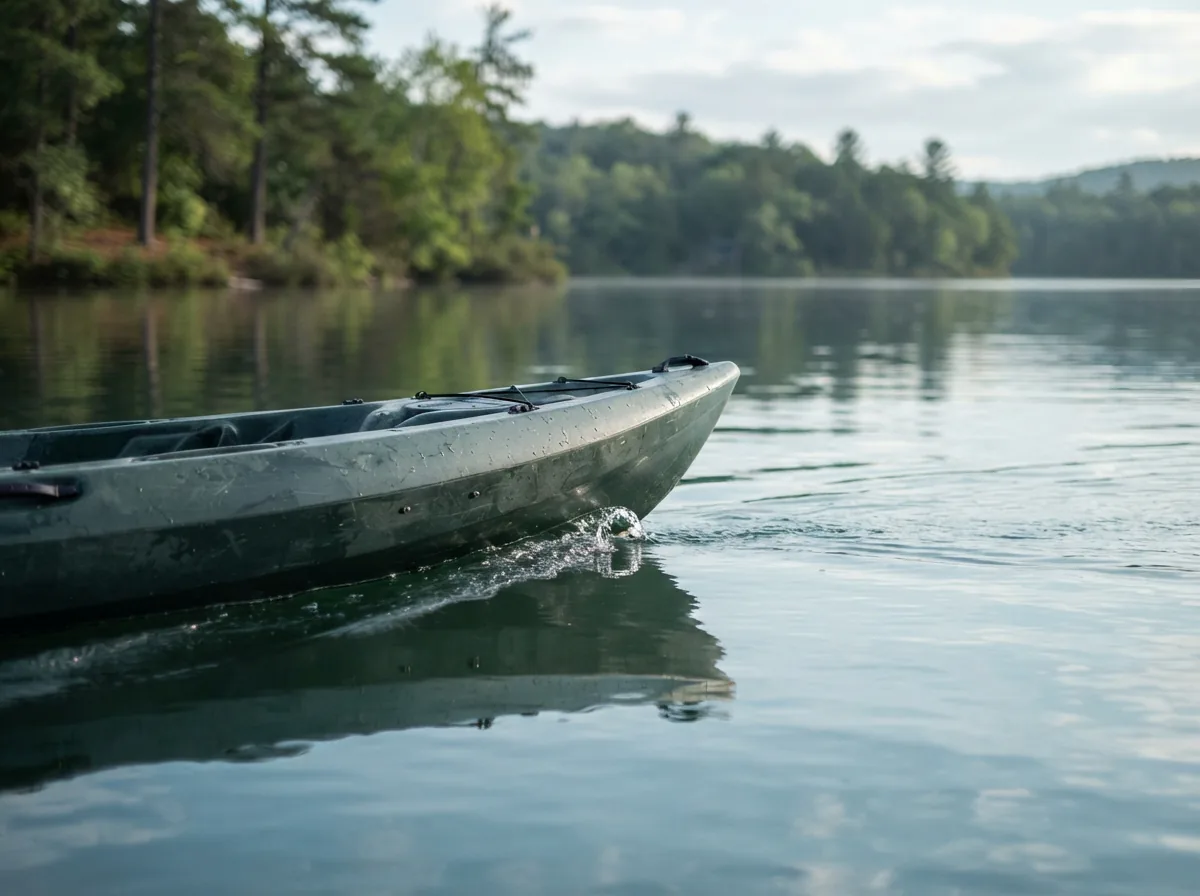
Dihedral hull of a dark green sit-on fishing kayak cutting a small wake across calm lake water
Stable enough to lean and land

Leaning out to net a fish shifts your weight, and the dihedral hull holds its line through that move, so balance stops being the thing you manage.

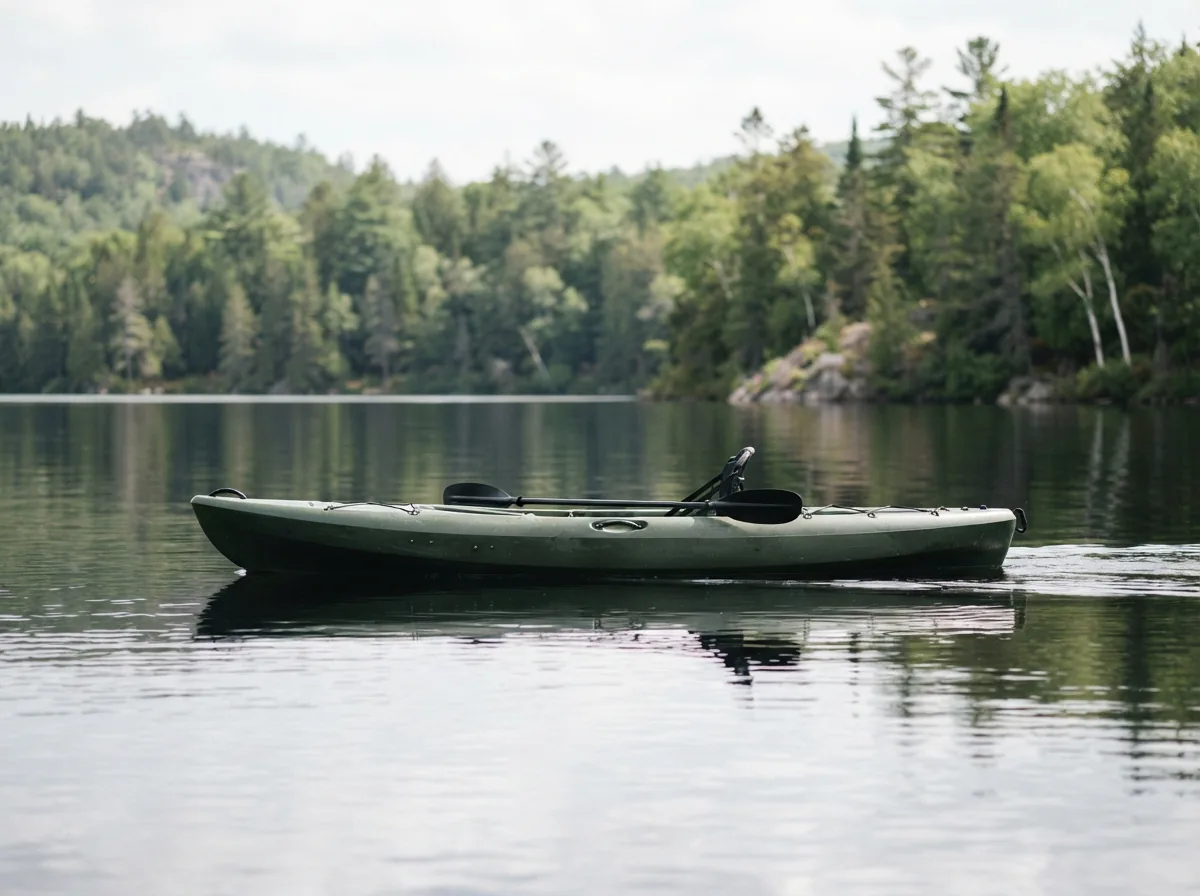
Sit-on fishing kayak gliding across a calm lake with a paddle laid across the cockpit and no person aboard
Speed that still feels easy

The hull shape also cuts through water with less drag, so paddling out to a fresh spot does not drain the energy you wanted for fishing.

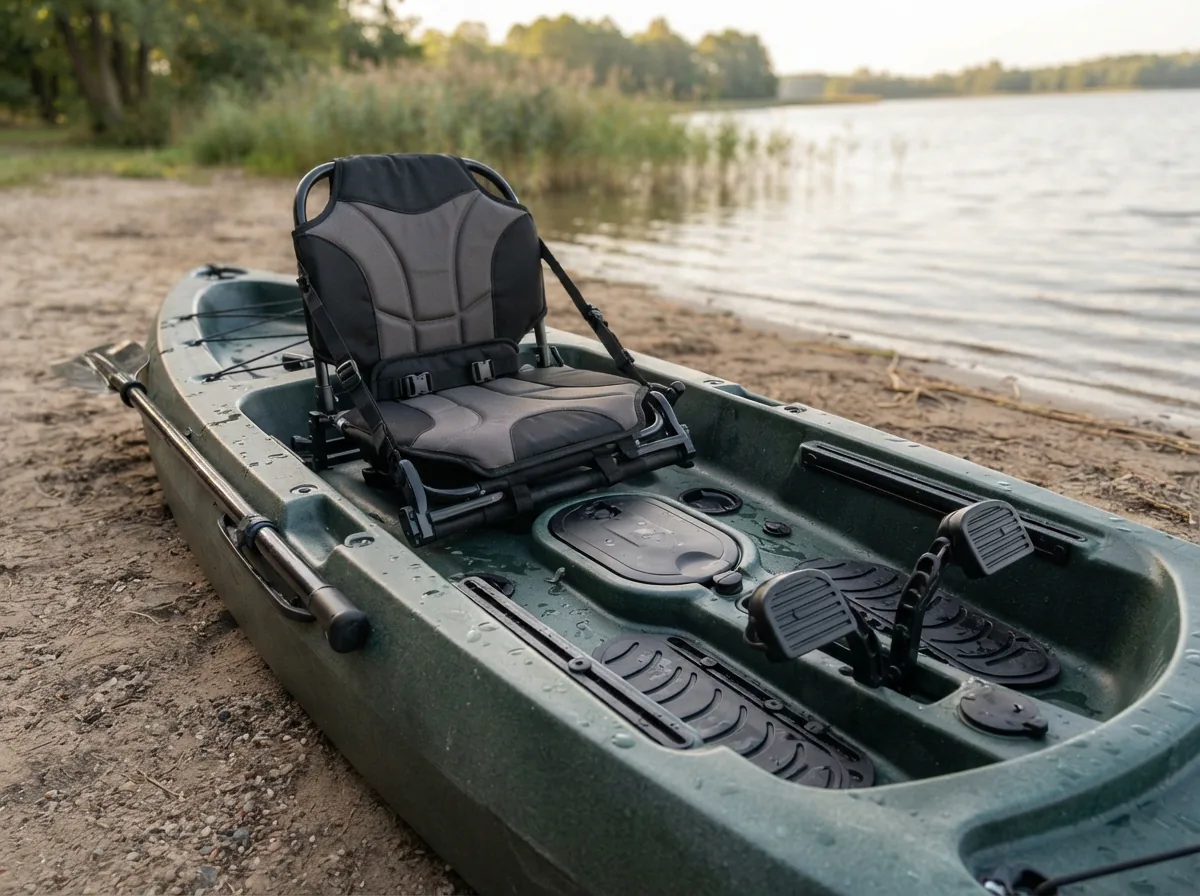
Cockpit of a sit-on fishing kayak showing the adjustable seat and adjustable footrests
Comfort that lasts the trip

Seat height and footrest position both adjust, which keeps your legs from stiffening when a quick morning on the lake turns into a full afternoon.

Rear gear well and open front hatch of a sit-on fishing kayak holding a storage bag and a grey cooler
Room for your fishing gear

The front hatch, rear gear well and three rod holders give tackle, rods and a cooler fixed spots, so nothing rolls across the floor while you paddle.

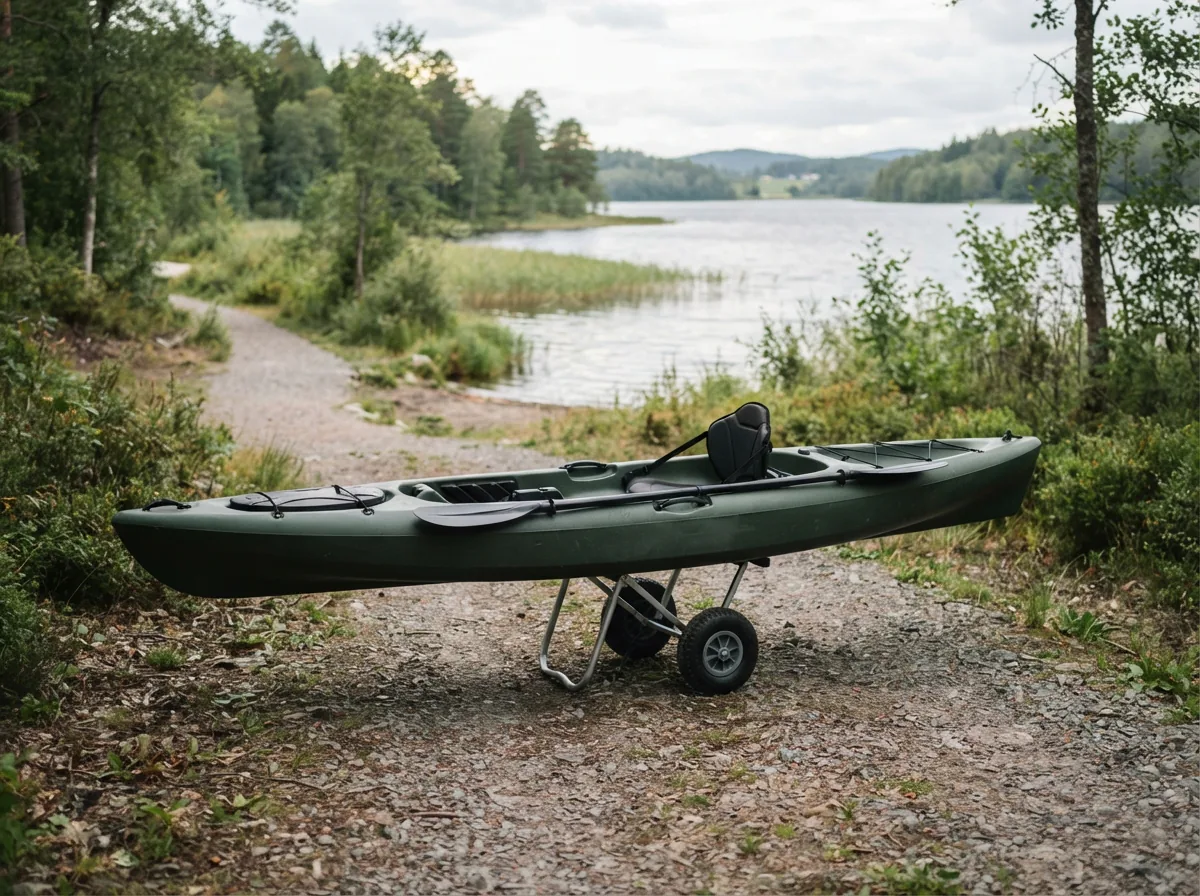
Single dark green sit-on fishing kayak resting upright on a folding cart along a lakeside path
Light enough to carry alone

At 39 pounds you can lift it off a roof rack or a cart by yourself, which turns launch day into a short walk instead of a job that needs a second person.

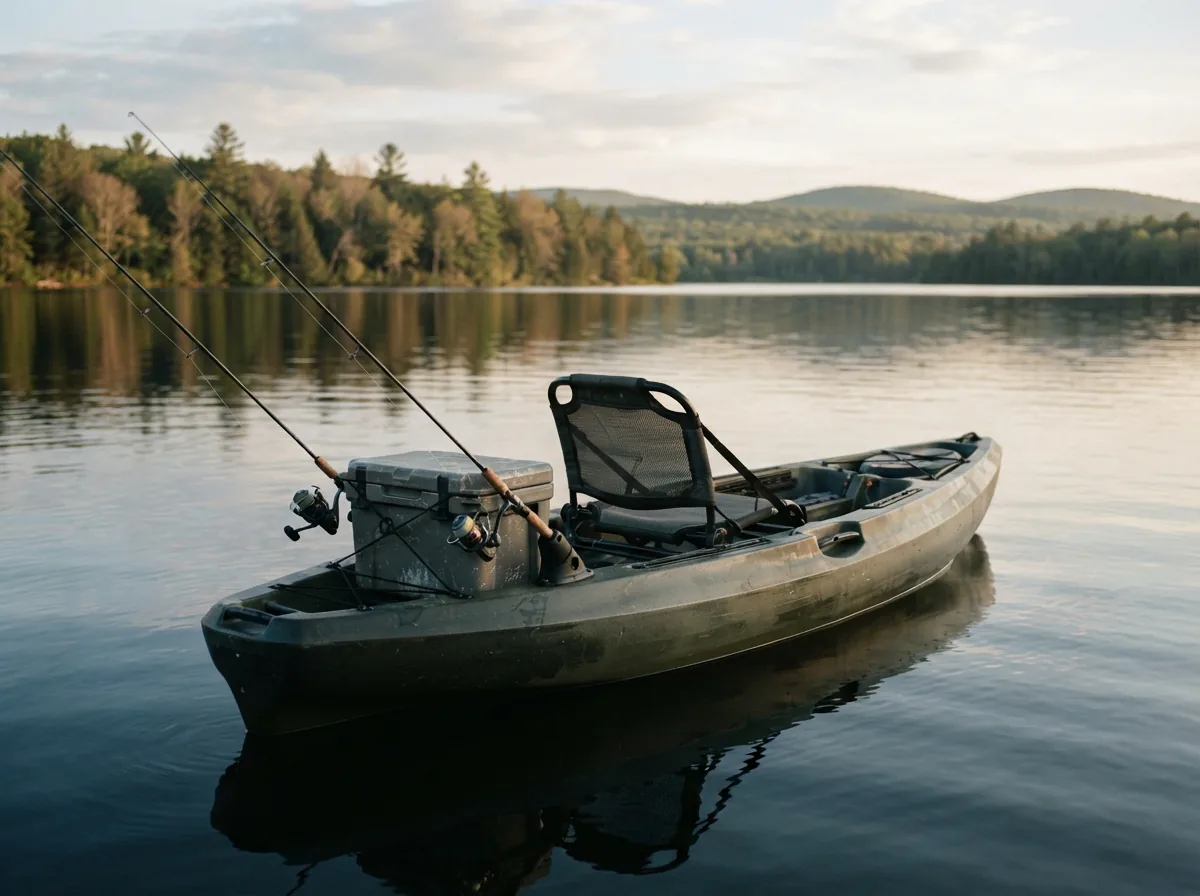
Sit-on fishing kayak on a calm lake with a cooler in the rear gear well and rods seated in the holders
Handles real weekend trips

With a 10-foot body and 295-pound capacity, it covers local lakes, slower rivers and a weekend outing rather than open water or multi-day runs.

Who it suits

Trips this kayak handles well

This kayak fits anglers who fish close to home, want a stable boat to learn on, and would rather spend the day on the water than pay for gear built for bigger adventures. It suits calm lakes, slower rivers and short launches.

Solo fishing on local lakes

Built for one paddler, it suits anglers working a familiar lake for a morning or an afternoon, with three rod holders and a gear well kept close at hand.

First kayak for a new angler

The stable hull and straightforward layout make it a reasonable first boat, especially if you want to learn on calm water without paying a specialist price.

Short trips with a cooler

Owners report fitting a cooler behind the seat, which suits a longer day out when you would rather stay on the past lunch than head back to shore.

Getting set up

Six steps before you launch

A short setup routine keeps the trip smooth. Adjust your seat and footrests before you launch, load weight low and centered, and rinse the hull afterwards so the plastic and fittings stay in good shape for seasons.

Adjust your seat

Set the seat height and back angle before you launch, so the fit is already right once you are on the water.

Set the footrests

Move the footrests until your knees sit with a gentle bend. Small changes here make a long morning much easier.

Pack the hatch bag

Drop tackle and a phone pouch into the front hatch bag, then close the cam lock to keep the cockpit tidy.

Set the rod holders

Clip two rods into the flush mount holders and leave the adjustable one free for the rod you plan to use.

Balance the load

Set the cooler or crate in the rear gear well recess so the weight sits low and centered behind you.

Rinse it and store

Rinse the hull with fresh water, dry the seat and store it out of direct sun to keep the plastic in good shape.

From the water

What owners say about trips

Owners keep returning to the same details: it stays put while they fish, it carries easily, and it handles a bit of chop. Their notes describe real mornings on local water rather than long expeditions.
I finally got this kayak out last weekend and I am genuinely impressed. The stability was exceptional, so I could fish comfortably without worrying about tipping, and the seat held up for a few hours on the water. Everything I brought fit in the storage area with space left over.
Decorative customer review avatar icon 1
MarineT
Stable enough to fish comfortably for hours
I bought it for some local fishing trips and it has exceeded what I expected. The build feels solid, it turns easily and it tracks nicely, and when I hit a patch of waves it handled them like a champ. Fitting a cooler behind the seat for longer days was a welcome surprise.
Decorative customer review avatar icon 2
CastingDad
Tracks straight even when waves pick up
At 39 pounds I can take it off the rack and get it down to the launch without asking anyone for help, which was most of my reason for buying it. Loading takes a minute, and the front hatch keeps my small tackle bag dry and out of the way while I paddle.
Decorative customer review avatar icon 3
Rae Paddles
Light enough to load and launch without help
It suits exactly what I wanted: local lakes, calm water and short morning outings. It is not a big-water boat, and I would not take it far offshore, but for the price I feel I got dependable gear instead of something I would spend the whole trip worrying about.
Decorative customer review avatar icon 4
WeekendCaster
Right-sized for local lakes and short outings
Things to check first

Questions worth asking first

At 39 pounds the kayak is light enough for most adults to carry over short distances. Two people make a roof rack or a long carry simpler, but a single paddler can usually manage a cart or a shoulder carry to a nearby launch point.
The 295-pound capacity covers most solo paddlers plus tackle and a small cooler. One reviewer reported fitting a cooler behind the seat for longer trips, which is a useful guide when you are planning a full day out on the lake.
The dihedral hull is designed for balance at rest, and owners describe the stability as strong enough to fish comfortably without fear of tipping. Sitting low with your weight centered still helps, as it does in any sit-on kayak.
The hull is high-density polyethylene, a durable plastic chosen for stability and performance on water. Rinse it with fresh water after each use, keep it out of prolonged direct sun when stored, and check the hatch seal and footrests before launching.
Reviewers say it maneuvers easily and tracks nicely, even when they run into waves. That makes it a sensible pick for local lakes and slower rivers, where you want to cover some distance without fighting the boat the whole way.
Price and availability are not shown on this page at the moment, so check current listings before you decide. Weigh whatever figure you find against what a heavier or more specialized fishing kayak would cost for the same short trips.
Keep exploring

More gear for your next outing

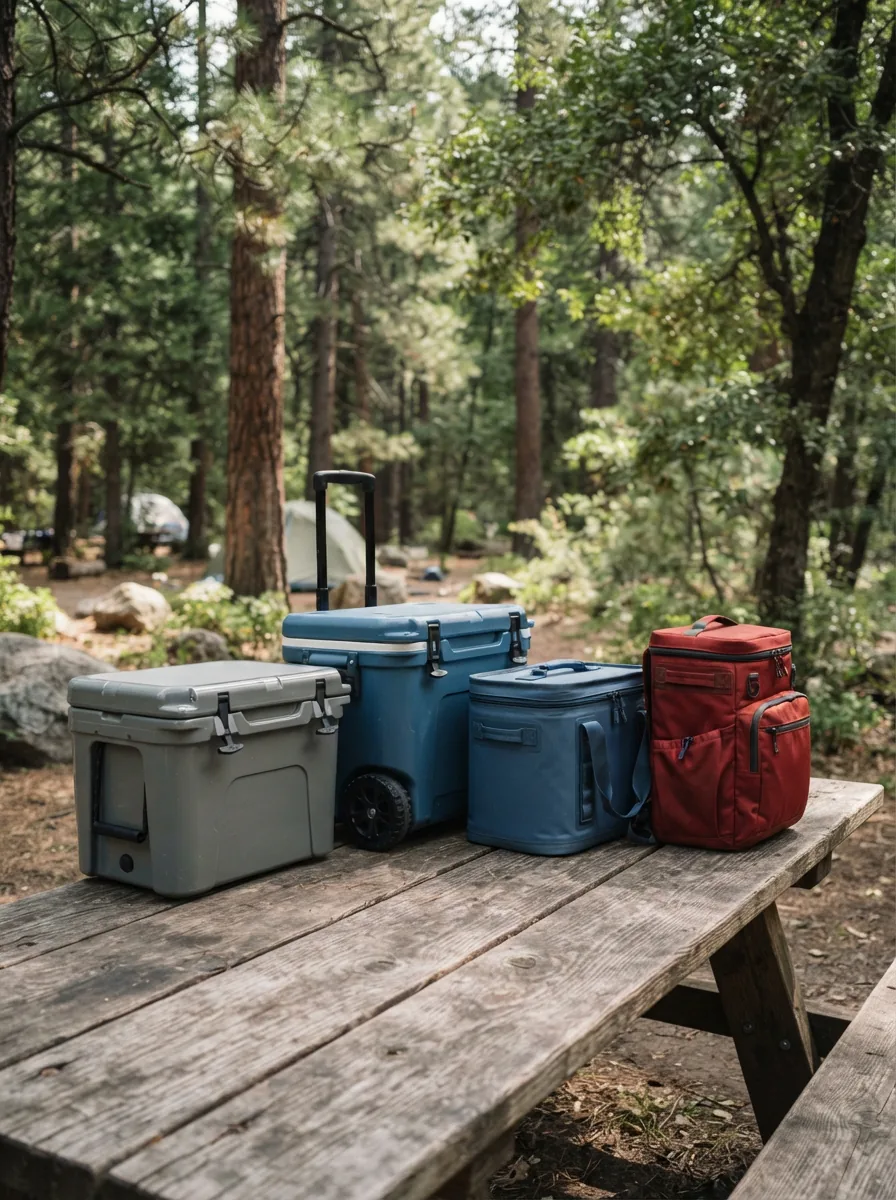
Hard-sided and soft-sided Ozark Trail coolers arranged on a wooden picnic table at a wooded campsite
Admin
Ozark Trail Cooler

Compare Ozark Trail coolers by size, shape and how you carry them, from hard-sided chests that hold ice for a weekend to soft totes and backpack coolers for a day out. Each option below shows capacity, format and the trip it fits best.

A group of Ozark Trail mountain bikes with front suspension parked on a dirt trailhead, a rider comparing frame sizes beside them
Admin
Ozark Trail Bike

Ozark Trail mountain bikes span hardtails and full suspension builds, sized from young riders to tall adults. Compare fit, suspension, wheels and gears to match your trails and your budget.

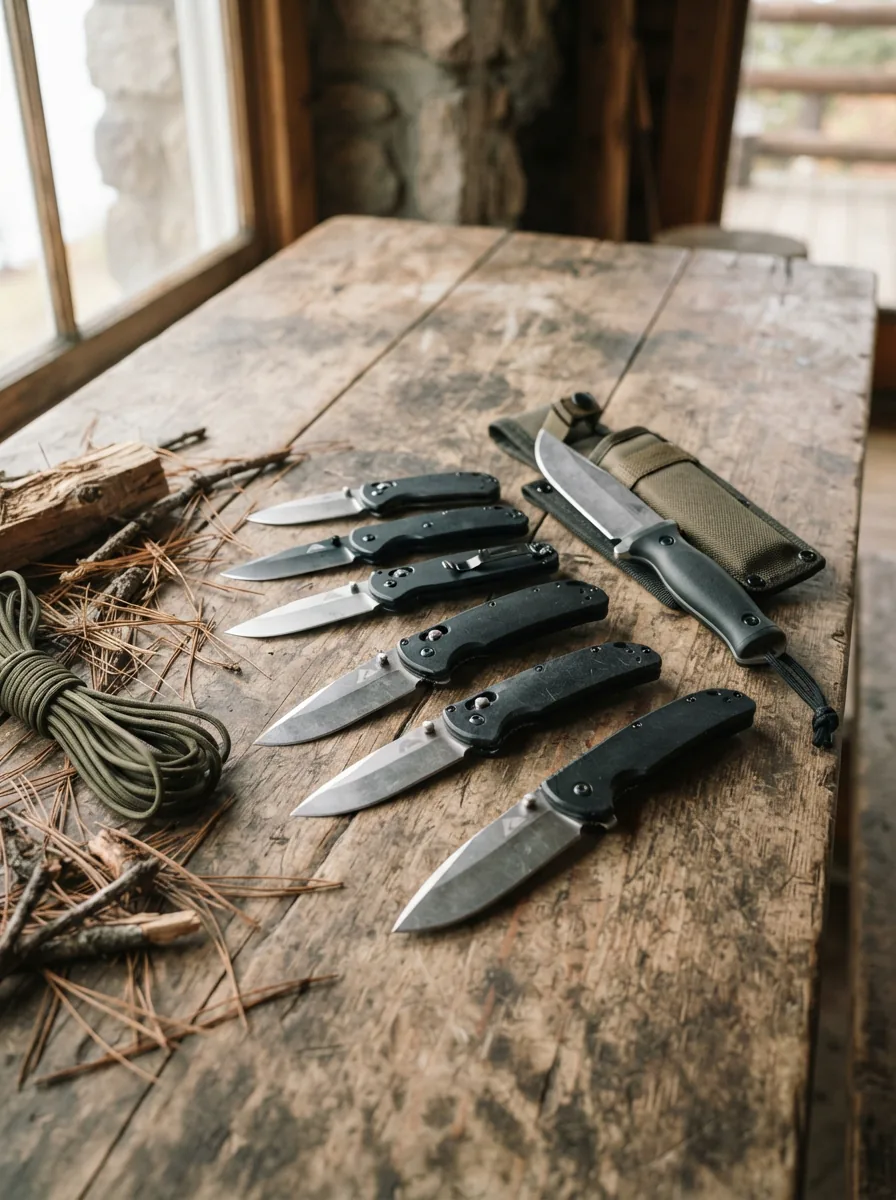
Assorted Ozark Trail folding and fixed blade knives arranged on a rustic wooden camp table
Admin
Ozark Trail Knife

This page lines up Ozark Trail knives so you can compare folding and fixed blades, locks, handles and carry options at a glance. Each pick notes what it handles best, from camp prep to a pocket blade you carry daily.

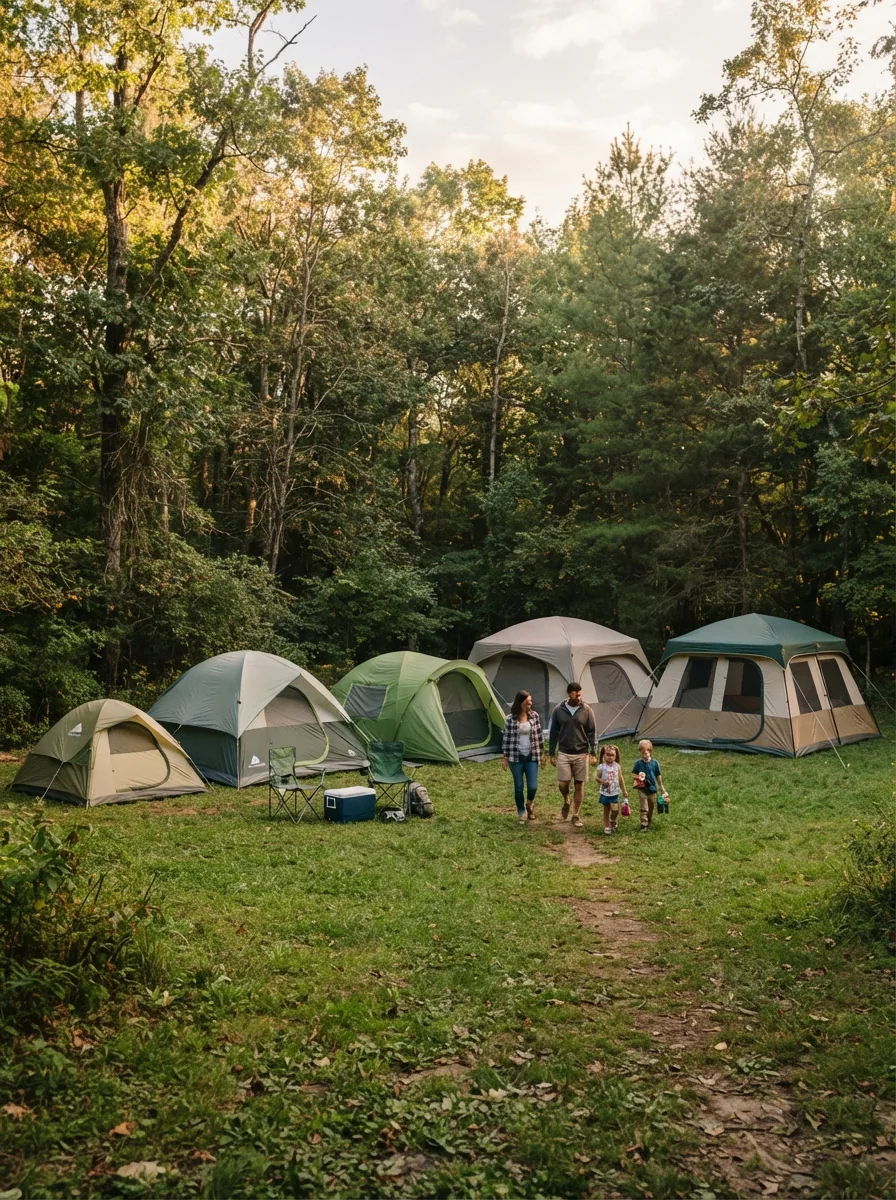
A row of Ozark Trail camping tents of several sizes pitched on a grassy campground with a family walking between them.
Admin
Ozark Trail Tents

Compare Ozark Trail tents by capacity, setup style, weather coverage and packed weight, from solo backpacking shelters to twelve-person family cabins built for drive-up weekend campsites.