





G.1 Explorer Gravel Bike

Ozark Trail builds the G.1 Explorer around a 6061 aluminum frame, 700C x 45 mm tires and a 2x7 drivetrain. It handles pavement and gravel alike, at a price that keeps a first real bike within reach.
Built for the ride

Frame, tires and drivetrain details

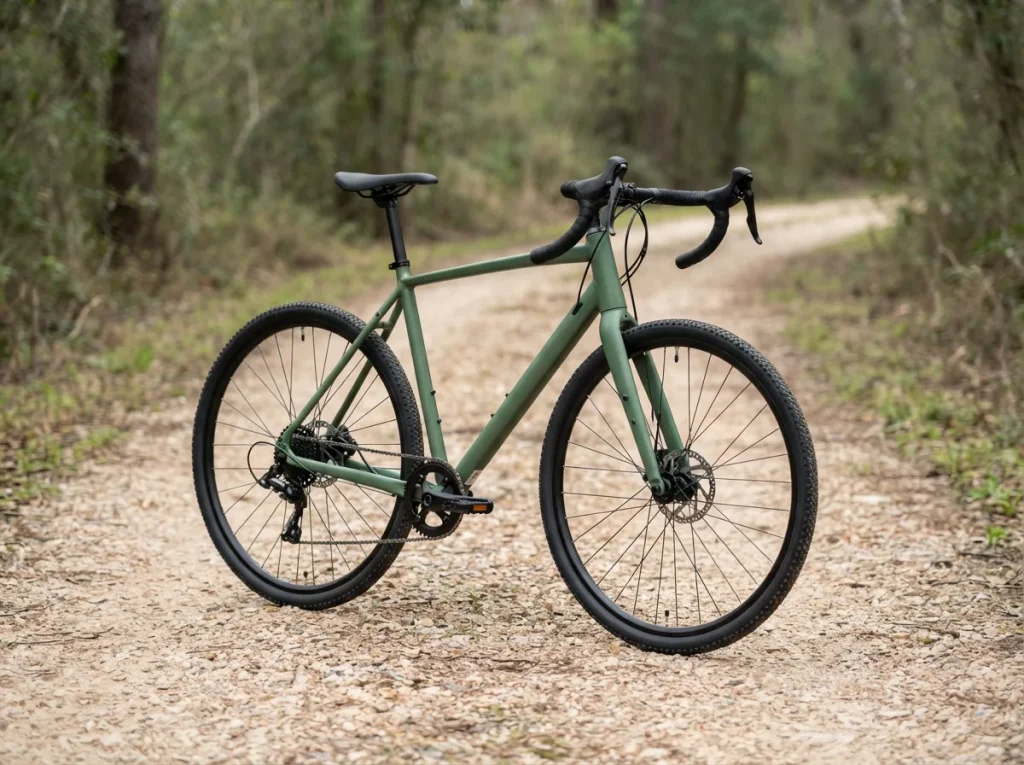
The 6061 aluminum frame and fork carry integrated mounts, while internal cable routing keeps cables tidy. Mechanical disc brakes and a 2×7 drivetrain round out a build for mixed roads and gravel.
Three-quarter overview of the green G.1 Explorer gravel bike showing the frame, drop bars, disc brakes and drivetrain.

What this bike gives you every ride

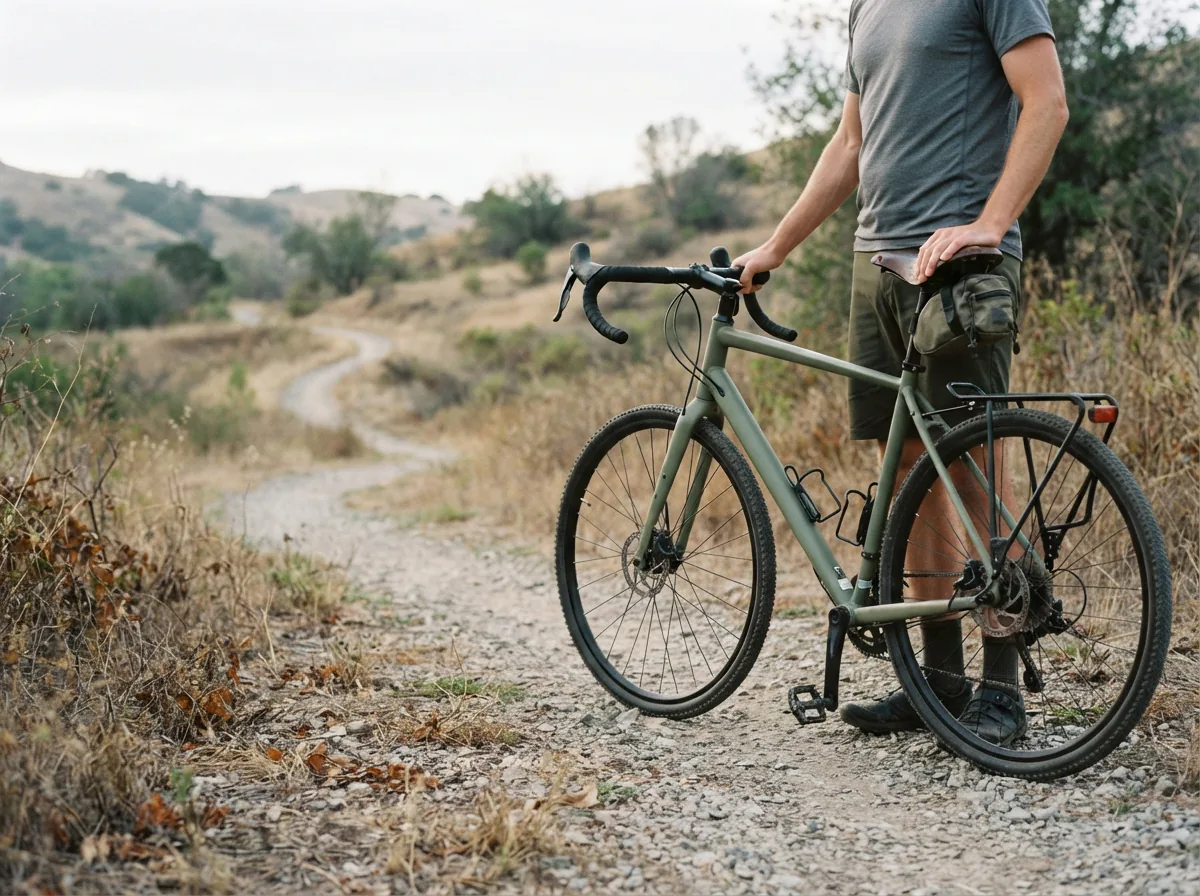
One adult standing beside the green G.1 Explorer gravel bike at a trailhead, checking the fit of the 19-inch frame.
Fits the rider, not just the bike

The 19-inch green frame suits riders from 5 ft 5 in to 5 ft 10 in and carries up to 220 lb, so you can order once knowing the size matches the person who will actually ride it.

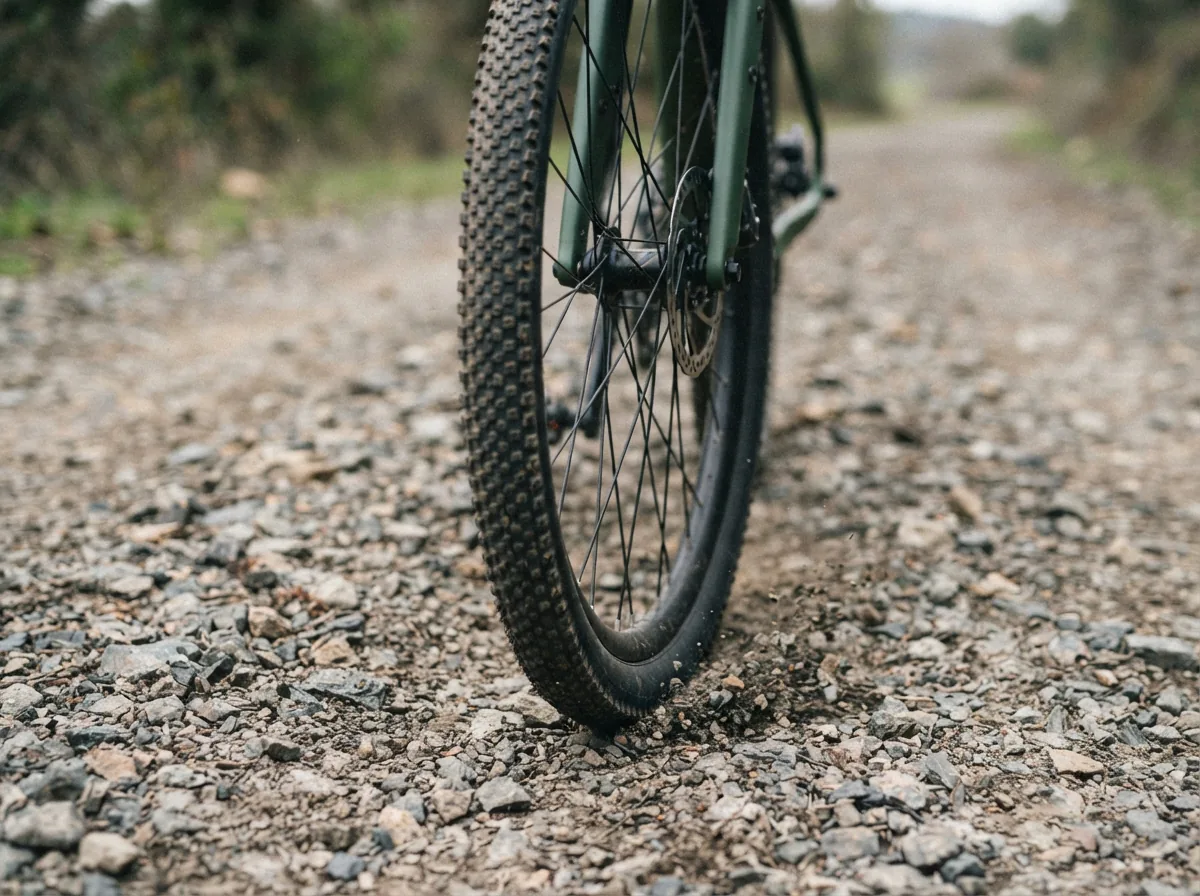
Close-up of the 700C by 45 mm knobby tire on the G.1 Explorer pressing into loose gravel.
Grip and control on rough paths

Wider 700C x 45 mm tires on 28-inch wheels spread out bumps on loose gravel and broken pavement, giving you a calmer ride when the route stops being smooth.

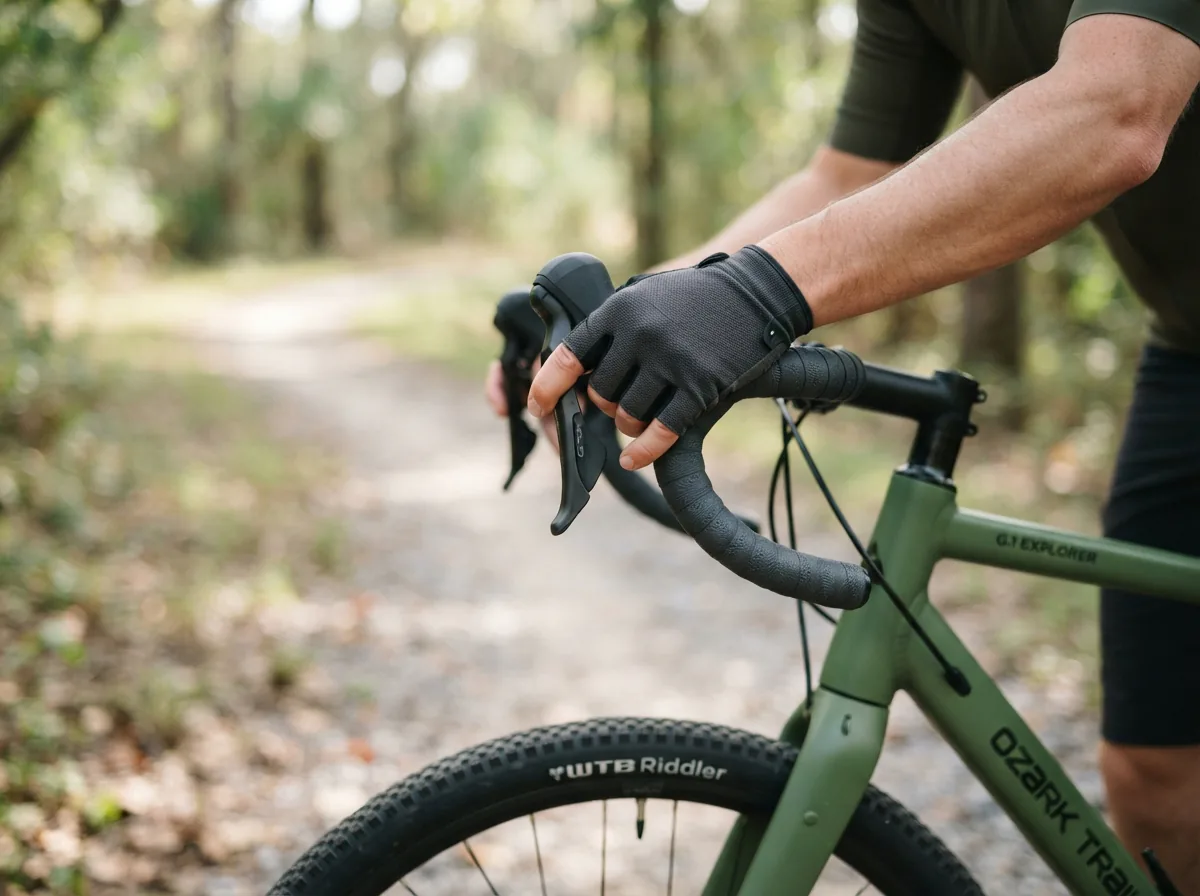
A rider's hand gripping the combined brake and shifter lever on the G.1 Explorer drop handlebar.
Gears that keep the pedals moving

A 2x7 drivetrain with L-TWOO dual brake and shifter levers gives you enough range for gentle climbs, headwinds and quick pavement sections without constant rethinking.

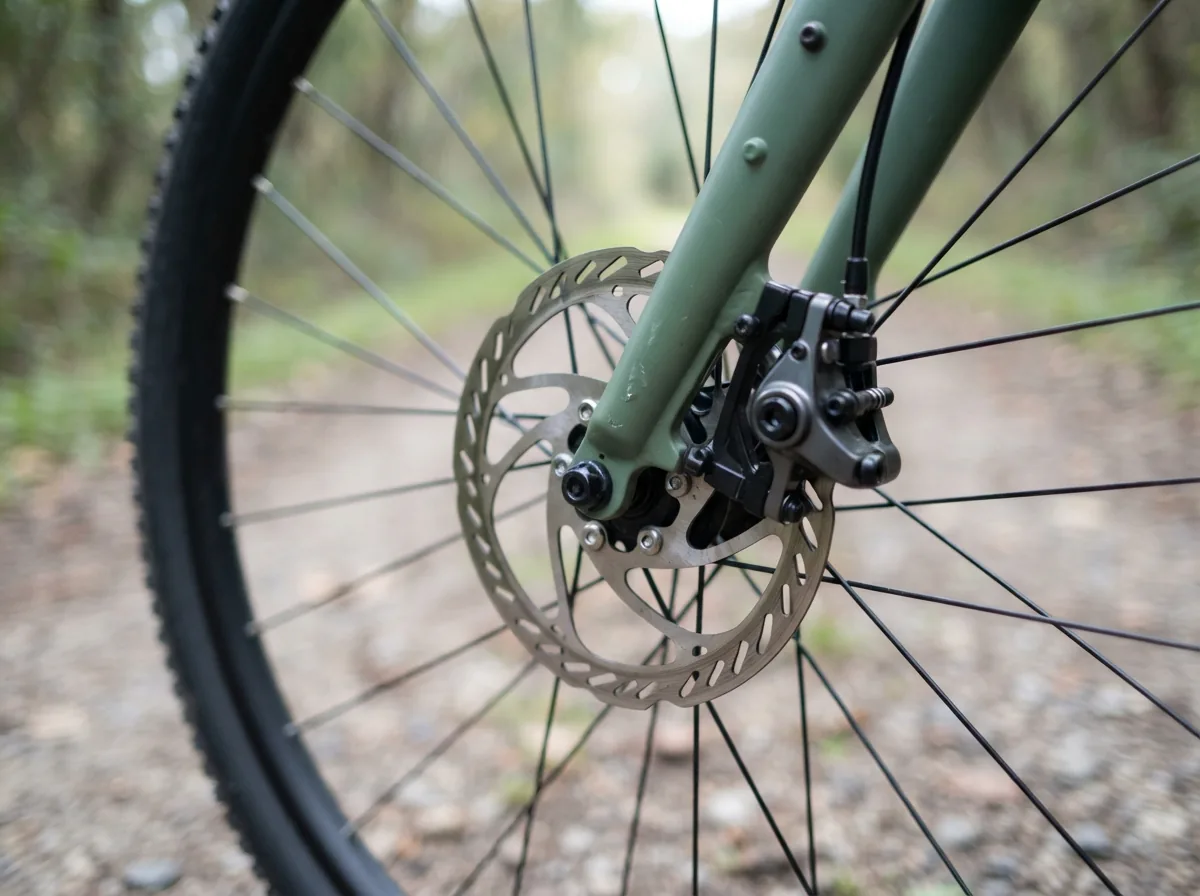
Close view of the front mechanical disc brake rotor and caliper on the green G.1 Explorer gravel bike.
Stopping power when the trail is wet

Mechanical disc brakes bite consistently when a trail turns wet or dusty, which matters on a bike you plan to keep riding through a full season of weekends.

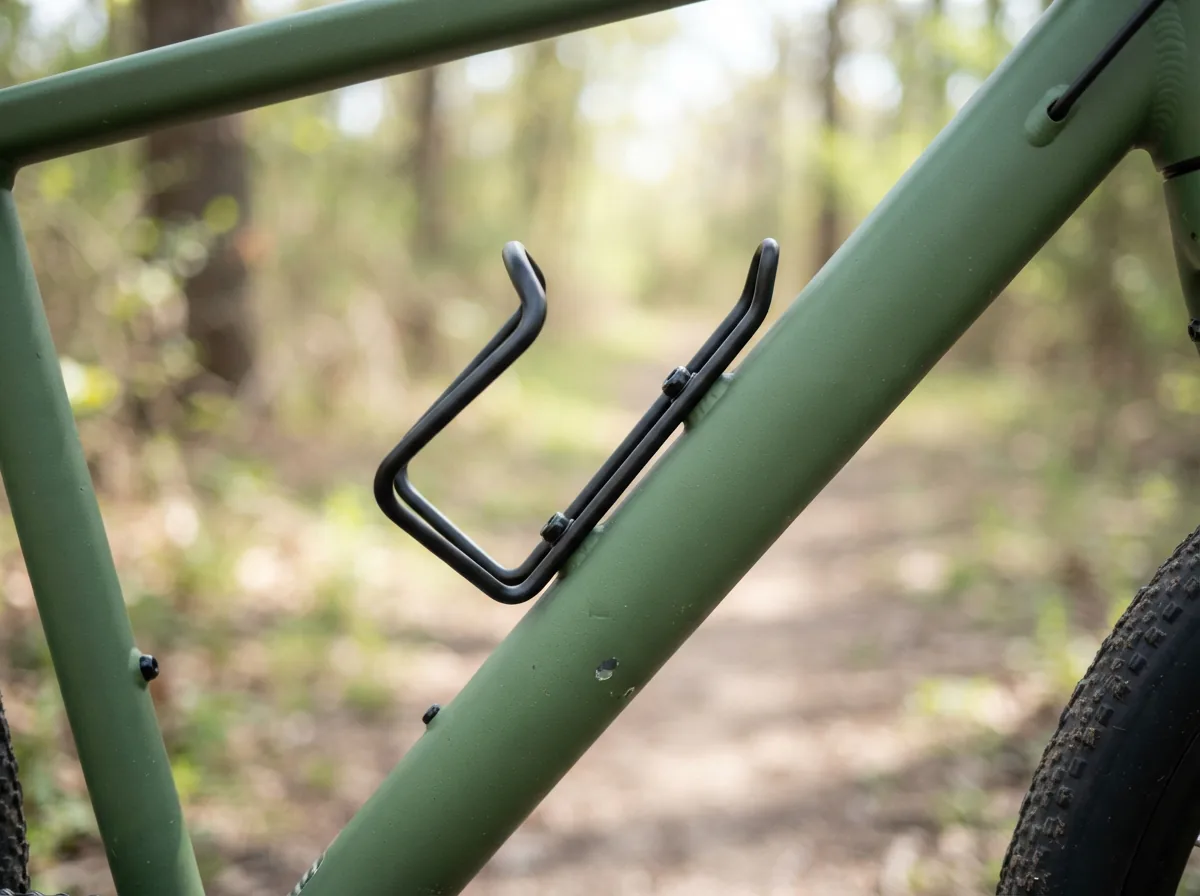
Water bottle cage attached to the integrated down tube mounts on the green G.1 Explorer gravel bike.
Mounts ready for your next setup

Integrated mounts on the aluminum frame and fork take racks, bags or bottles, so the same bike can carry a light commuter load on Monday and trail gear on Saturday.

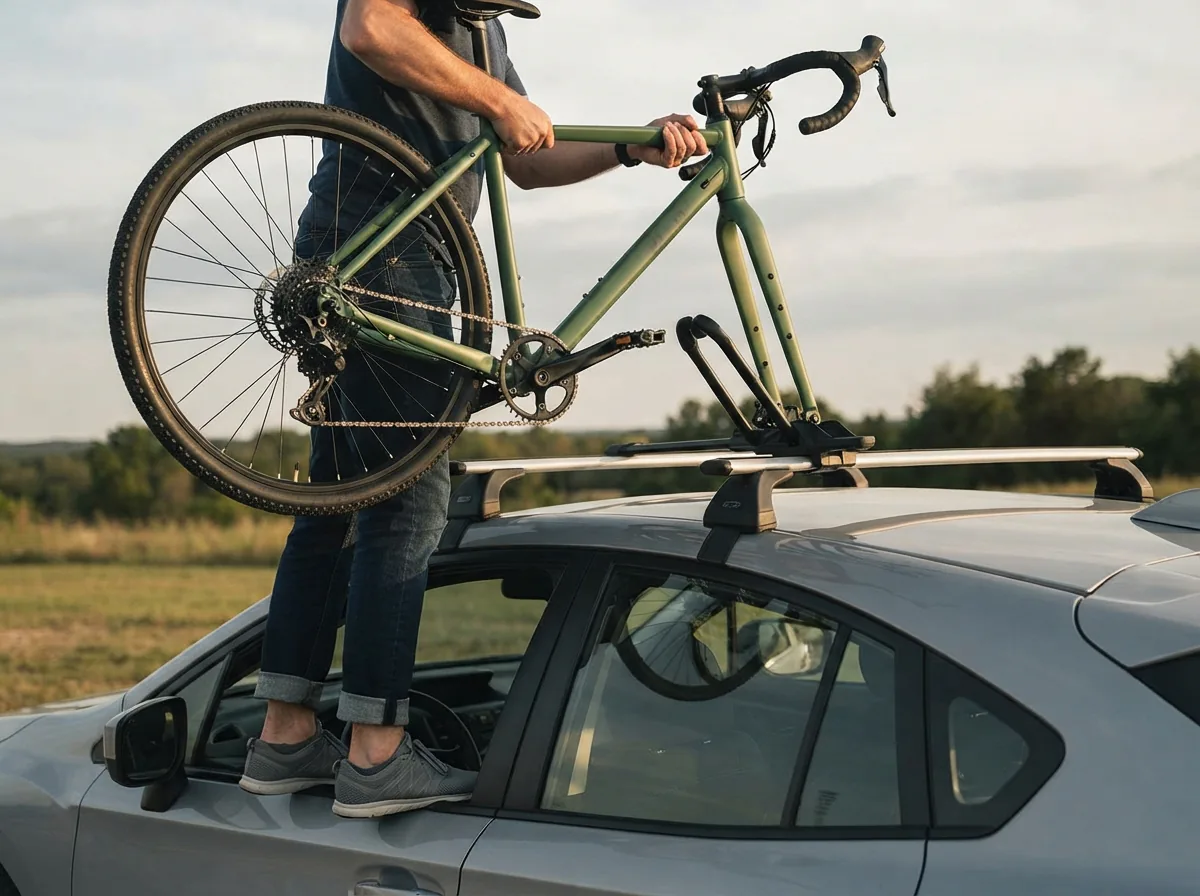
One adult lifting the 30.4 pound green G.1 Explorer gravel bike onto a car roof rack.
Light enough for everyday hauling

At about 30.4 lb the bike is easy to lift onto a rack or up a stairwell, and owners report it feels lighter once extras like the kickstand come off.

Where it fits

Riders and routes this bike suits

The G.1 Explorer suits riders who mix pavement with unpaved shortcuts, people testing gravel riding for the first time, and anyone who wants one bike for errands, commuting and weekend exploring.

Commuting on mixed surfaces

Owners report riding to work five days a week, taking pavement for the trip and gravel paths as a shortcut. The bike's weight and drop-bar fit suit a daily ride of a few miles in either direction.

Weekend gravel and trail exploring

The 700C x 45 mm tires give confidence on loose ground, so a Saturday loop can mix towpath, broken pavement and park trails without swapping bikes or changing tires.

First gravel bike on a budget

If you are testing whether gravel riding suits you, this model gives you disc brakes, a 2x7 drivetrain and an aluminum frame at USD$288.00, a low-risk way to start before spending more.

Getting started

Set it up, then ease into your first rides

Assembly checks and a few short rides answer most questions. Confirm the fit, set tire pressure under the 50 psi limit, then build distance gradually so you learn how this bike behaves on your own routes.

Confirm the frame size

Match the 19-inch frame to a rider between 5 ft 5 in and 5 ft 10 in, and stay within the 220 lb maximum load.

Set tire pressure

The Kendas take a maximum of 50 psi; near that limit suits pavement, while a little less pressure feels better on gravel.

Tighten and inspect

Make sure bolts, levers and the seat post are snug after assembly, then re-check them after the first ride.

Adjust saddle height

Raise or lower the saddle until your leg has a slight bend at the bottom of each pedal stroke.

Start with short loops

Ride a short familiar loop first to feel the gearing and brakes before committing to a longer route.

Add gear as needed

Use the integrated frame and fork mounts to add a bottle cage or rack as your needs grow.

From other riders

Rides that went the distance

One owner rides this bike to work five days a week and plans a hundred-mile check-in; another covered forty-three miles with no trouble. Both describe performance that outruns the price.
I ride to work five days a week, mixing pavement with gravel paths, and the bike has been perfect for commuting. For the price it is a great bike; I only swapped the stem, brake pads and seat. Removing the kickstand and reflectors brought the weight closer to 25-27 lb, and the Kenda tires have been fine.
Decorative customer review avatar icon 1
Marcus D.
Daily commuter who upgraded a few small parts
It is fun and easy to ride, and the good points far outweigh the small negatives. The saddle feels a bit uncomfortable for me, and the kickstand sits at an odd angle that makes the bike wobble when parked, possibly an assembly slip at the store. I would still recommend it to anyone considering a gravel bike.
Decorative customer review avatar icon 2
Priya S.
Weekend rider who noted saddle and kickstand quirks
I rode forty-three miles and had no issues at all. It performed perfectly on both paved roads and gravel paths, the gearing felt smooth, and I stayed confident managing different terrain. For the features it offers I think it is great value, and I am curious to see how it holds up long term.
Decorative customer review avatar icon 3
TrailBoundTom
Long-distance rider testing gravel and pavement
My first outing was a short loop around the neighborhood, then a longer weekend route on mixed surfaces. The gears shifted cleanly and the disc brakes gave me confidence on a wet patch of trail. For a bike at this price I did not expect to feel this settled on day one.
Decorative customer review avatar icon 4
Jenna R.
New gravel rider building confidence on mixed routes
Before you buy

Questions riders ask about the G.1 Explorer

The medium 19-inch frame is designed for riders 5 ft 5 in to 5 ft 10 in and supports a maximum load of 220 lb. If you sit near the top of that range, expect a slightly more stretched-out riding position than a shorter rider will.
The bike weighs approximately 30.4 lb. No cargo rating is published beyond the 220 lb maximum load, so keep added racks and gear light and confirm the combined total stays under that limit before you load up.
The 700C x 45 mm Kenda tires are built for rough paths and hold their grip on gravel while still rolling smoothly on pavement. Owners describe confident performance on both surfaces, including rides of forty miles or more.
One published review praised the price and gravel geometry but flagged the brakes as a point to watch. An owner here upgraded brake pads early, so check pad wear and stopping feel during your first few rides.
Several riders name the saddle as the first part they would change, along with the stem or seat. Try short rides first; many keep the stock setup for commuting and only swap parts if the discomfort continues.
Confirm the brakes bite evenly, the wheels spin true, and the kickstand sits securely. One owner reported an oddly angled kickstand that made parking unstable, which can usually be adjusted or removed.
Keep exploring

More Ozark Trail gear for the trip

Hard-sided and soft-sided Ozark Trail coolers arranged on a wooden picnic table at a wooded campsite
Admin
Ozark Trail Cooler

Compare Ozark Trail coolers by size, shape and how you carry them, from hard-sided chests that hold ice for a weekend to soft totes and backpack coolers for a day out. Each option below shows capacity, format and the trip it fits best.


A group of Ozark Trail mountain bikes with front suspension parked on a dirt trailhead, a rider comparing frame sizes beside them
Admin
Ozark Trail Bike

Ozark Trail mountain bikes span hardtails and full suspension builds, sized from young riders to tall adults. Compare fit, suspension, wheels and gears to match your trails and your budget.

Assorted Ozark Trail folding and fixed blade knives arranged on a rustic wooden camp table
Admin
Ozark Trail Knife

This page lines up Ozark Trail knives so you can compare folding and fixed blades, locks, handles and carry options at a glance. Each pick notes what it handles best, from camp prep to a pocket blade you carry daily.

A row of Ozark Trail camping tents of several sizes pitched on a grassy campground with a family walking between them.
Admin
Ozark Trail Tents

Compare Ozark Trail tents by capacity, setup style, weather coverage and packed weight, from solo backpacking shelters to twelve-person family cabins built for drive-up weekend campsites.
