



Ozark Trail 6 Person Cabin Tent

Compare Ozark Trail six-person cabin tents side by side, from Dark Rest blackout models to two-room and screen-room layouts. Weigh floor size, setup style, weather features and extras to match a tent to your trip length and site.

Four cabins worth comparing first

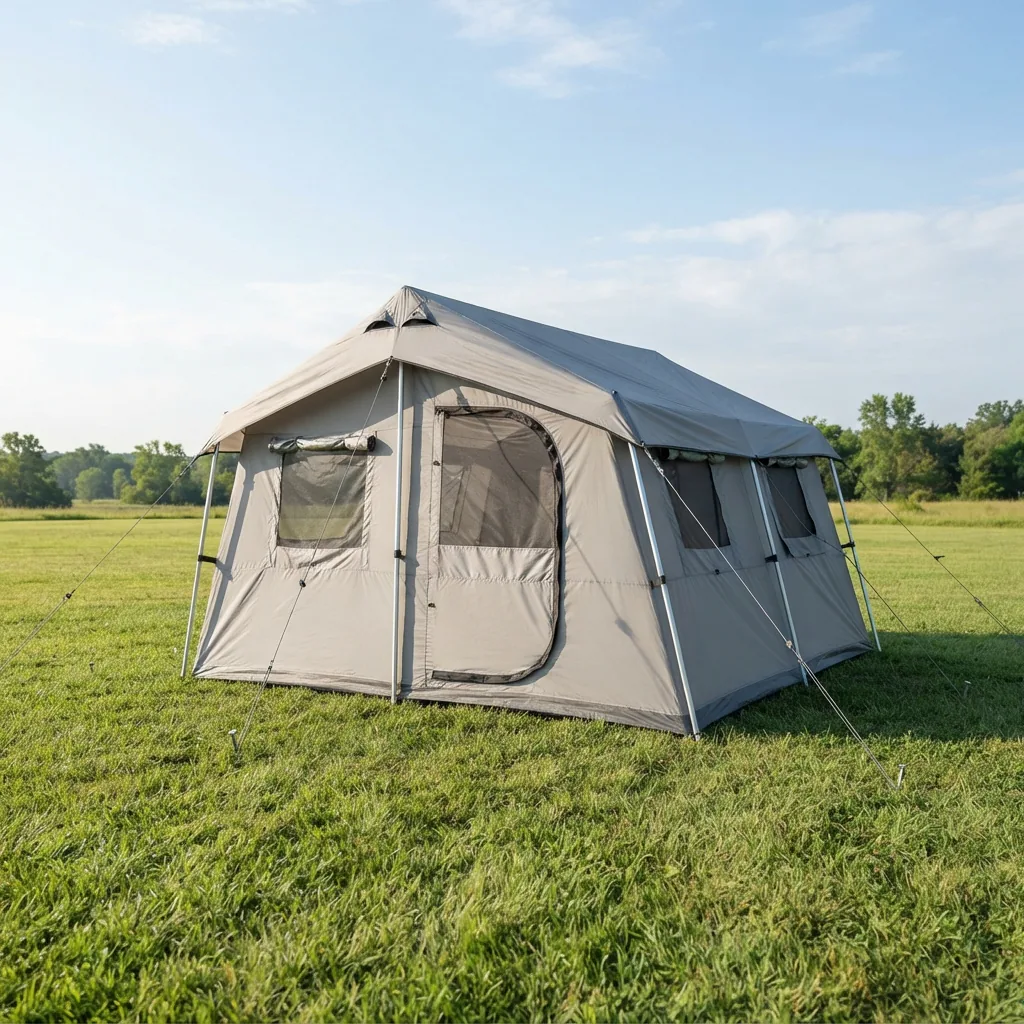
Ozark Trail 10' x 9' Six-Person Instant Cabin Tent with LED Lighted Hub for Fast Setup

Setup is the headline here: the legs unfold and lock into place, so a first-time camper is not threading poles in the dark. The built-in LED hub lights the floor once the sun drops, and the 10 by 9 foot cabin gives six sleepers or a family of four a weekend base with room to stand.

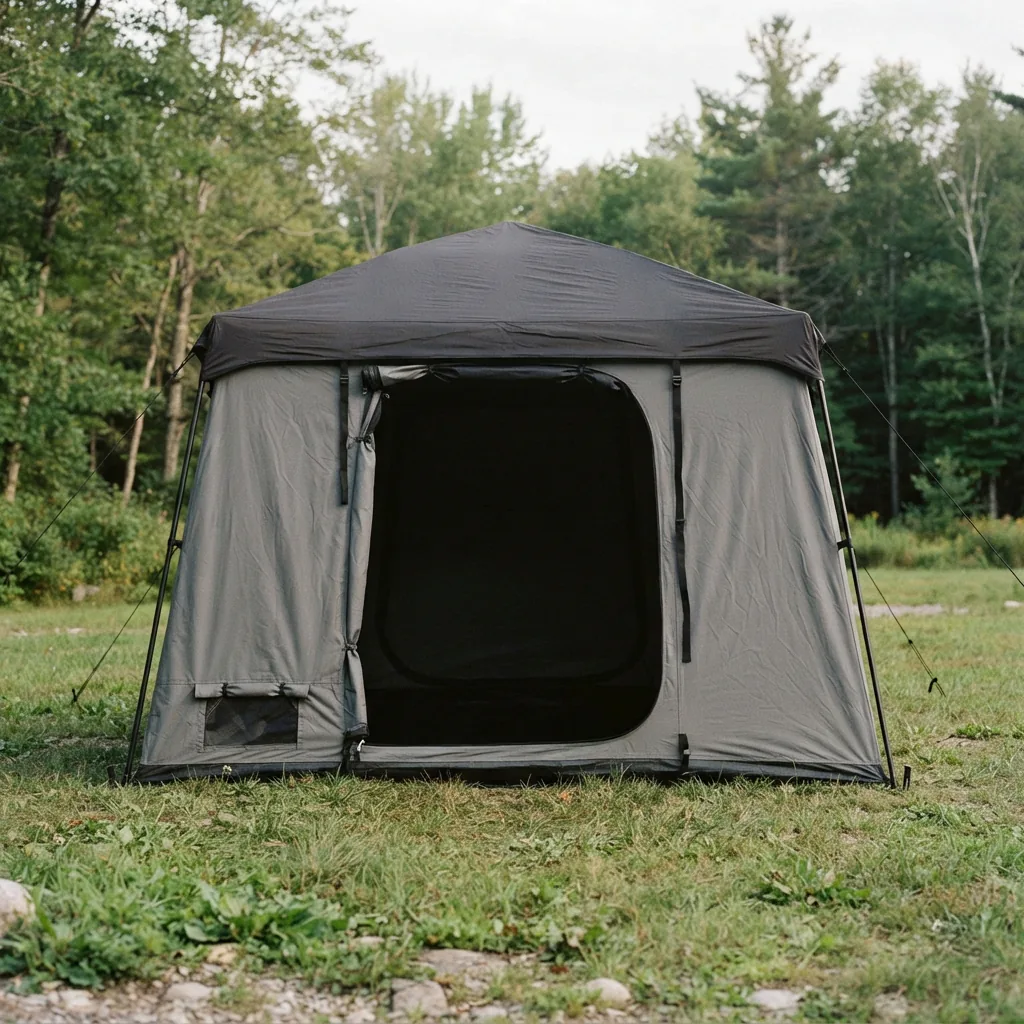
Ozark Trail 6 Person Dark Rest FRP Cabin Tent in Gray for Shaded Camping Trips

Dark Rest fabric is the reason to pick this one: the gray blackout panels cut glare so naps happen after lunch, which matters when kids share the floor. Straight cabin walls and mesh windows keep the interior from feeling closed in. A simple, budget-minded choice for shady campsites.

Ozark Trail 10 x 9 Six-Person Dark Rest Instant Cabin Tent at 16.81 Pounds Packed

At 16.81 pounds this tent is easy to move from the car to a site, and the instant frame means one person can raise it without help. Dark Rest fabric keeps morning light from ending sleep early. The 10 by 9 foot floor still gives a family room to spread out bags and cots.

Ozark Trail 10' x 9' Six-Person Dark Rest Cabin Tent with Gear Loft and Airflow Vent

The extras carry this listing: a gear loft and hanging organizer lift phones and lanterns off the floor, and an electrical port lets you run a cord inside for a fan or light. A ground vent moves air through on warm nights, so the cabin stays comfortable after a long hike.

Ozark Trail 6 Person Two-Room Cabin Tent with Divider for Separate Sleeping Space

The fabric divider splits a 10 by 9 foot floor into two rooms, so kids sleep on one side while adults keep the other. Straight walls and large mesh windows keep the space open, and the center height lets most campers stand while changing. Pick it when separate rooms matter more than a larger footprint.
More ways to choose

Three cabins with a different angle

Ozark Trail 6 Person Cabin Tent with Front Screen Room for Gear and Dry Seating Area

The screened front room is what separates this from a plain cabin. Wet boots, a cooler and camp chairs sit outside the sleeping area, so the floor stays clean and bug-free. On a rainy afternoon the zippered screen works as a shaded place to sit, which keeps six people from crowding the bedrooms.

Ozark Trail 6 Person Cabin Tent with Rainfly and Electrical Port for Wet Weather Nights

Built for a wet weekend, this one pairs a full rainfly with a zippered cord port, so a fan or string light can run inside without leaving a flap open. Ground vents and mesh panels move air through on warm evenings. Tall walls mean cots and duffels do not crowd the middle of the floor.

Ozark Trail 6 Person Cabin Tent with Removable Awning and Gear Loft for Camp Space

Morning shade changes how a campsite feels. The removable awning stretches off the front door for cooking or a chair, and the gear loft stows the fly overhead to free floor space. Interior pockets keep lanterns and phones off the ground, useful for families out a few nights each season.
Who each tent suits

Trips these cabins handle well

These cabins suit first-time family setups, regular campground weekends and longer stays where standing room matters. Match the tent to trip length, weather odds and how much gear you bring along.

First family tent for a campground

Straight walls, a tall center and simple setup make a first purchase painless. Arrive, raise the tent and let everyone move around inside while you level the site.

Weekend trips with mixed weather

When the forecast is uncertain, a full rainfly and ground vents earn their place. You get cover for a wet night without waking to a stuffy, damp interior.

Camping where gear needs its own space

A screen room or gear loft keeps wet boots, chairs and lanterns out of the sleeping area. Choose this if your site is far from the car and you unload once.

Four factors decide which six-person cabin suits you: room layout, rain coverage, venting and setup weight. Each one shifts how the tent fits a weekend, a rainy night or a first family purchase.

Compare cabins by space, weather and setup

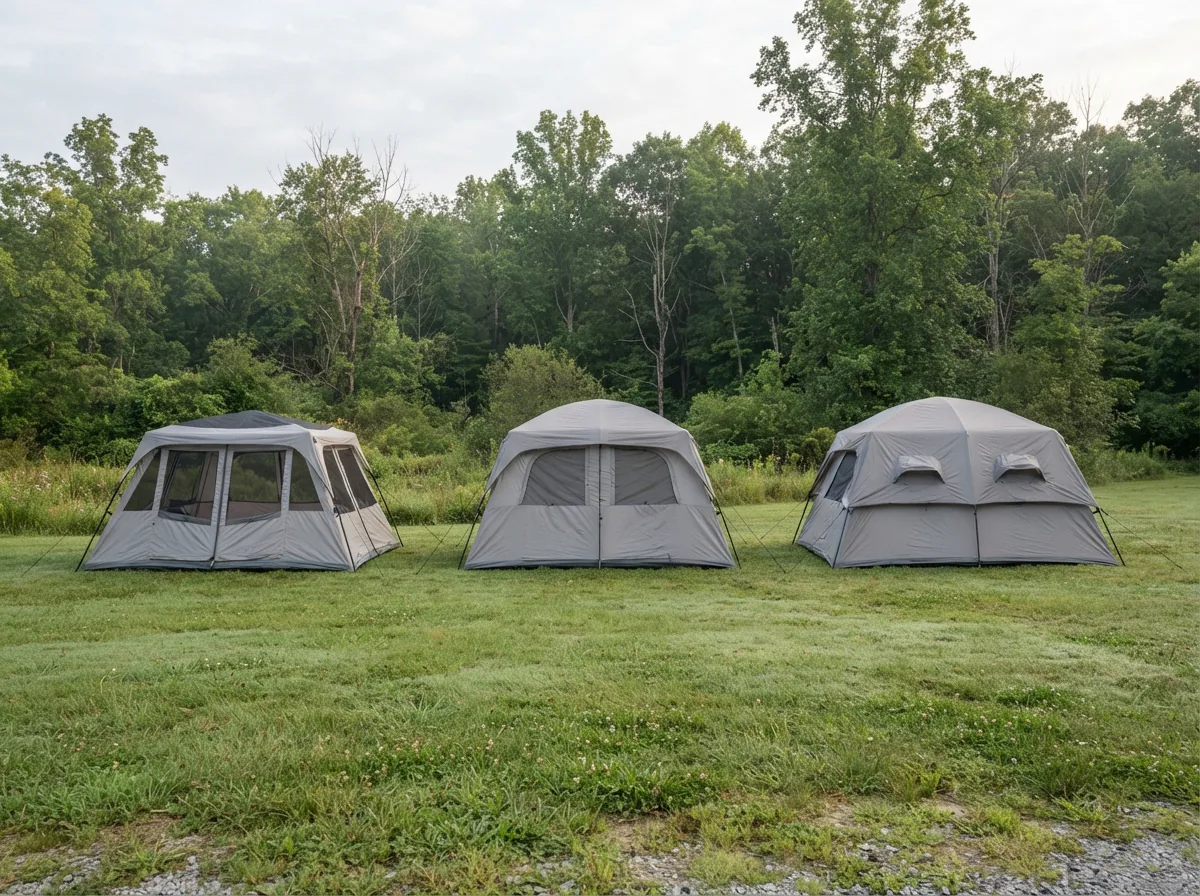
Three six-person cabin tents set up side by side on grass for a layout and feature comparison
Room layout and standing space

Cabin walls and a tall center make a six-person floor feel bigger than the numbers suggest. Look at whether you need a divider or a screen room, since both reduce usable sleeping area in exchange for privacy.

Rain coverage on wet nights

A full rainfly handles steady rain and wind better than a partial cover, but it adds a step at setup. Check whether ground vents still move air once the fly is staked out tight.

Venting and warm-weather comfort

Mesh panels and ground vents matter when summer nights stay warm. Blackout Dark Rest fabric trades airflow for darker mornings, so weigh sleep quality against ventilation.

Setup time and packed weight

Instant frames raise in minutes but weigh more to carry, while classic pole tents pack smaller. If you are walking any distance from the car, packed weight should lead your decision.

Know the layouts

Four cabin layouts for four kinds of trips

Ozark Trail six-person cabins split into a few clear directions: two-room dividers, screened front rooms, blackout Dark Rest panels and plain rainfly models. Start with how you sleep, then add the feature that earns its weight.
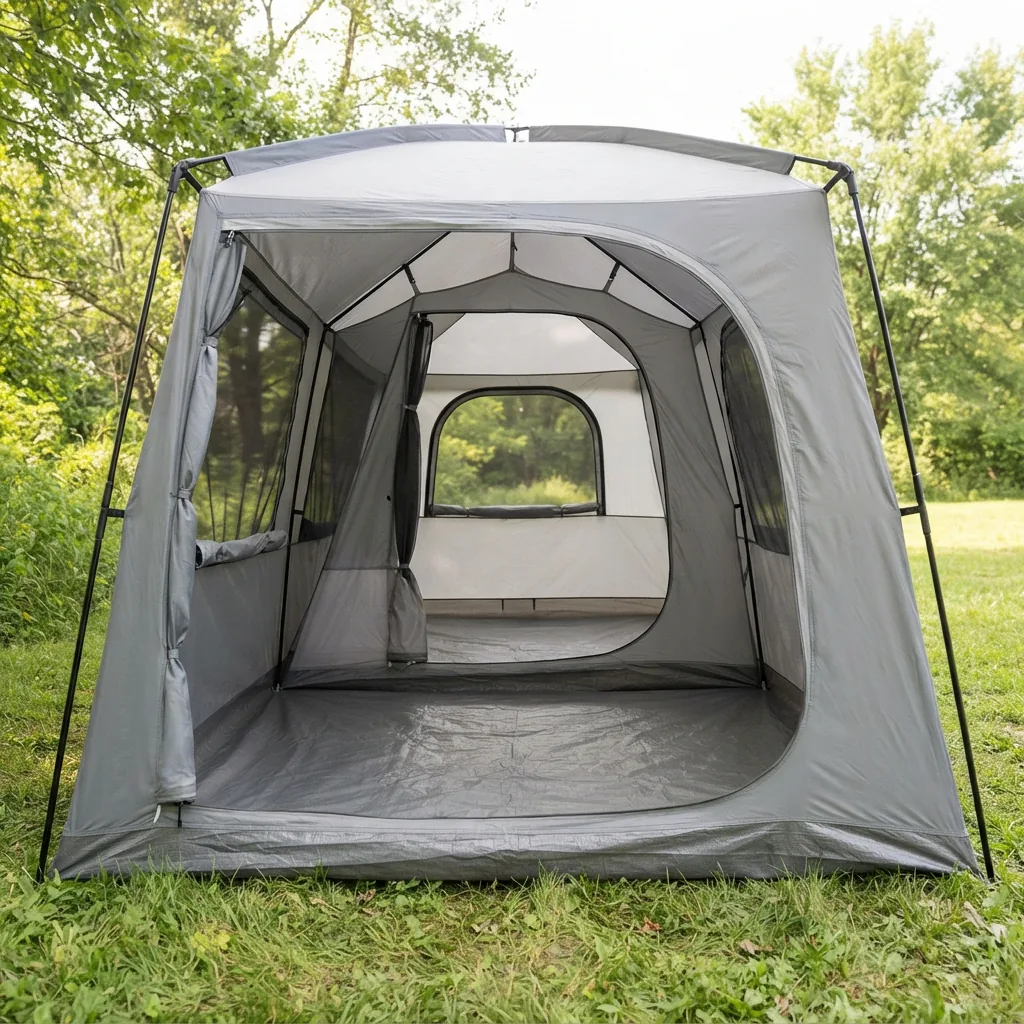
Fabric divider hanging across the open interior of a six-person cabin tent pitched on grass

Two-room cabins with a divider

Look for a fabric divider and two doors. This layout gives kids their own room and keeps adult gear separate, though the split slightly narrows each sleeping side.

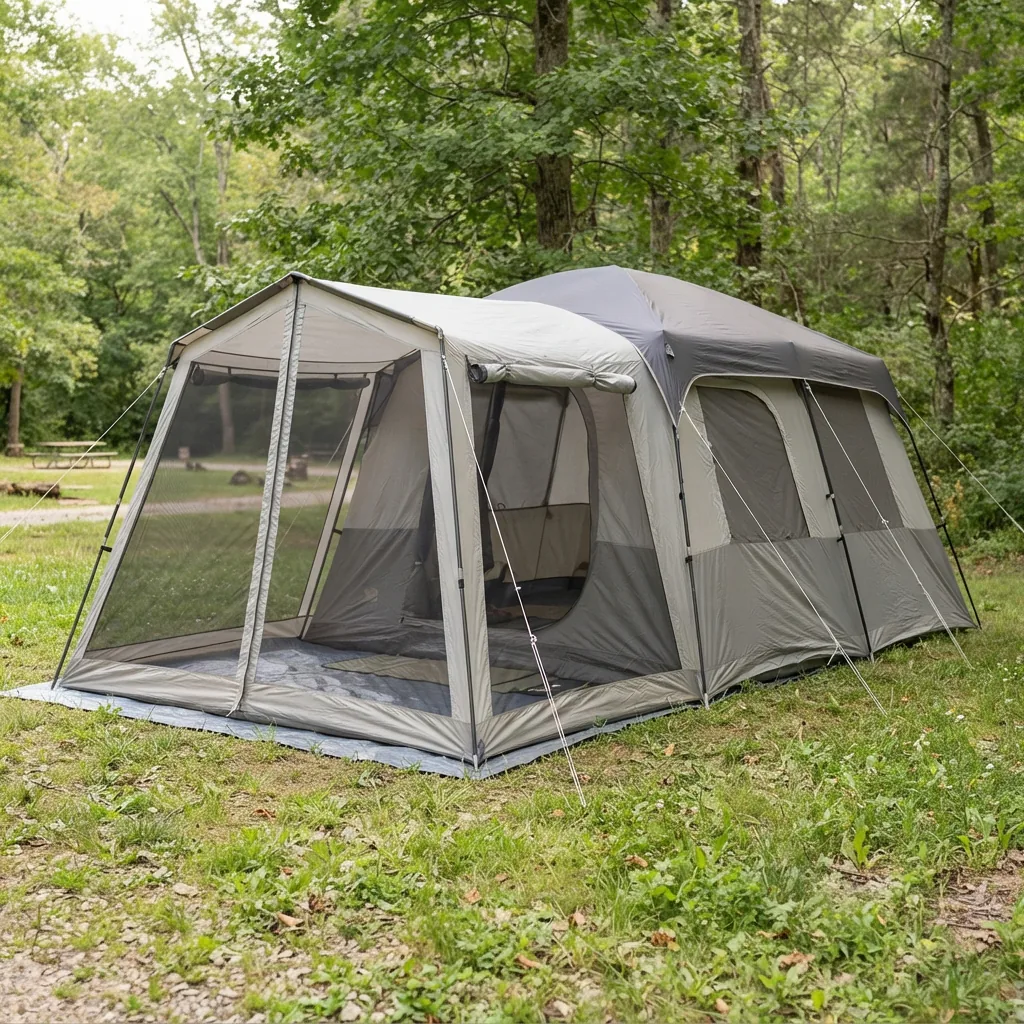
Screened front porch of a cabin tent with mesh walls and an open doorway on a grassy site

Screen-room front vestibules

A screened front room adds bug-free space for boots and chairs. Choose it when you camp at established sites and want somewhere to sit when it rains.

Blackout Dark Rest cabin tent with a shaded interior visible through its open front door

Dark Rest blackout cabins

Blackout panels block early light and hold heat in the morning. Pick Dark Rest if you sleep in after late nights, accepting less natural light inside.

Simple six-person cabin tent with a full rainfly staked over straight walls on a grassy pitch

Simple rainfly family cabins

A basic cabin with a full rainfly keeps the focus on price and simple setup. Best when you want reliable cover without extra rooms or features.

In their own words

What weekend campers report

Campers report the same pattern: setup takes minutes once you have done it once, blackout fabric helps everyone sleep in, and wet nights test the seams. Read what holds up over a season.
We camped three nights and the blackout panels made a real difference. The kids slept until eight on a bright morning instead of waking at first light. Setup took about fifteen minutes with two adults, and the floor stayed dry through a steady overnight rain.
Decorative customer review avatar icon 1
Dana M.
Slept in past sunrise on a family trip
I compared this against tents costing twice as much and decided the trade-off was worth it. It is a little heavier to carry and the poles take a moment to line up, but for two weekends a season it does everything I need without the premium price tag.
Decorative customer review avatar icon 2
R. Whitaker
First-time buyer who wanted a fair price
Six people sounds generous on the box, and it is if you sleep in rows with cots low to the ground. We had room for two adults, two kids and the dog, plus a clear path to the door. Bring a smaller bag than you think you need and it works well.
Decorative customer review avatar icon 3
Jamie L.
Shared a six-person floor with two kids
This is a car-camping tent, and I would not pretend otherwise. It is too heavy to hike in with, but it held up in wind at an exposed site and kept everyone comfortable. For the price, that reliability is what sold me on coming back to the brand.
Decorative customer review avatar icon 4
Marcus T.
Backpacked with a lighter tent nearby
Straight answers

Questions to settle before you pitch

Six is a tight fit. The 10 by 9 foot floor works for six sleeping bags in rows, but families of four are usually comfortable with cots and gear. If you want room to stand and change, plan around four to five sleepers rather than the full count.
Dark Rest fabric blocks early morning light, so sleepers wake later and the interior stays shaded during naps. The trade-off is less natural light inside and airflow that depends more on vents and windows, so check both before you decide.
A two-room tent divides the sleeping floor with a fabric divider, which helps when kids and adults want separate space. A screen room sits outside the sleeping area and holds boots, chairs and gear. Neither adds square footage to the floor plan itself.
Instant frames unfold and lock in place, so one person can raise the tent in roughly ten to fifteen minutes on a flat site. A classic pole design may take longer the first time. Practice once in the yard before a dark arrival.
A full rainfly, guy lines and a staked footprint do most of the work. Stake every corner taut, keep the fly off the tent body, and use the ground vents to move condensation out. Even coverage can leak at an untensioned seam.
Value models sit far below premium brands, and reviewers have noted comparable tents around the low hundred dollar mark with blackout fabric. Expect the simplest layouts to cost least, and features like dividers, screen rooms and awnings to push the price up.
Keep reading

More Ozark Trail camping guides

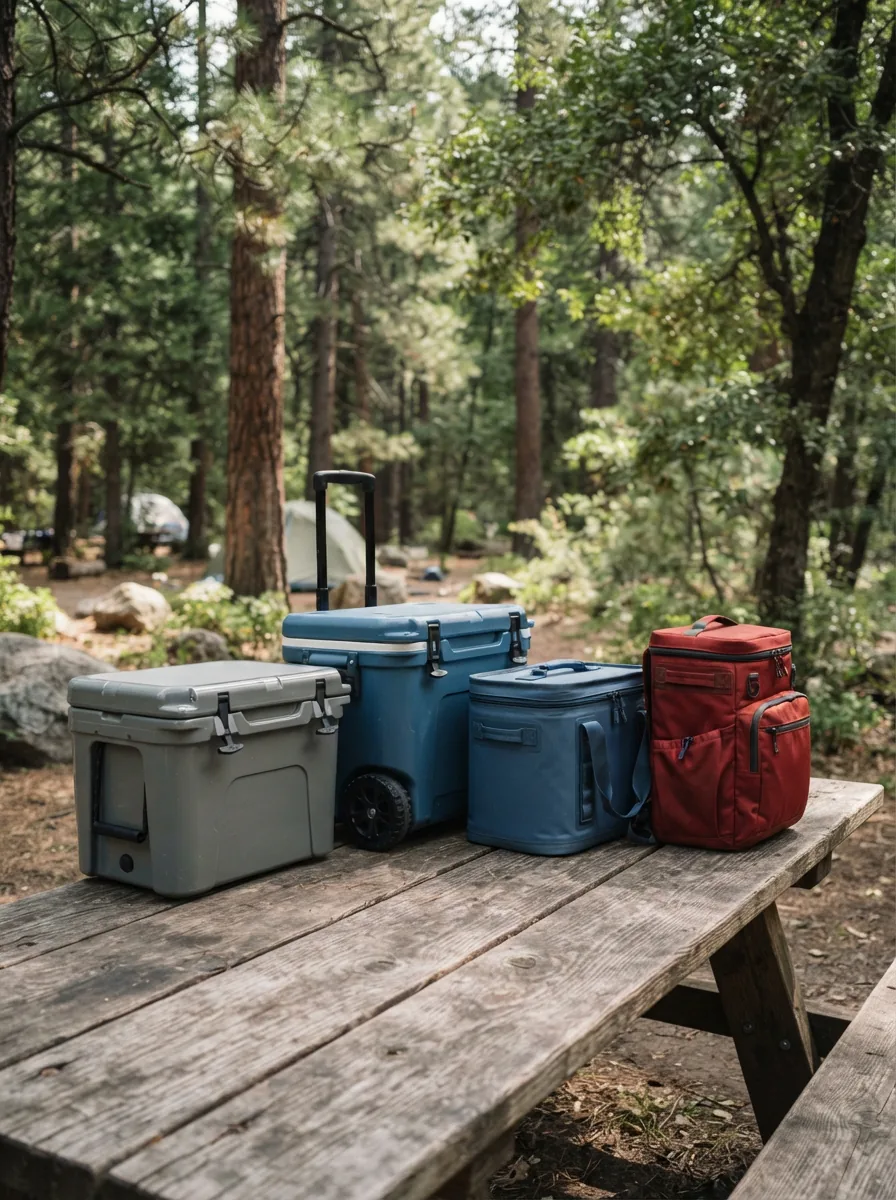
Hard-sided and soft-sided Ozark Trail coolers arranged on a wooden picnic table at a wooded campsite
Admin
Ozark Trail Cooler

Compare Ozark Trail coolers by size, shape and how you carry them, from hard-sided chests that hold ice for a weekend to soft totes and backpack coolers for a day out. Each option below shows capacity, format and the trip it fits best.
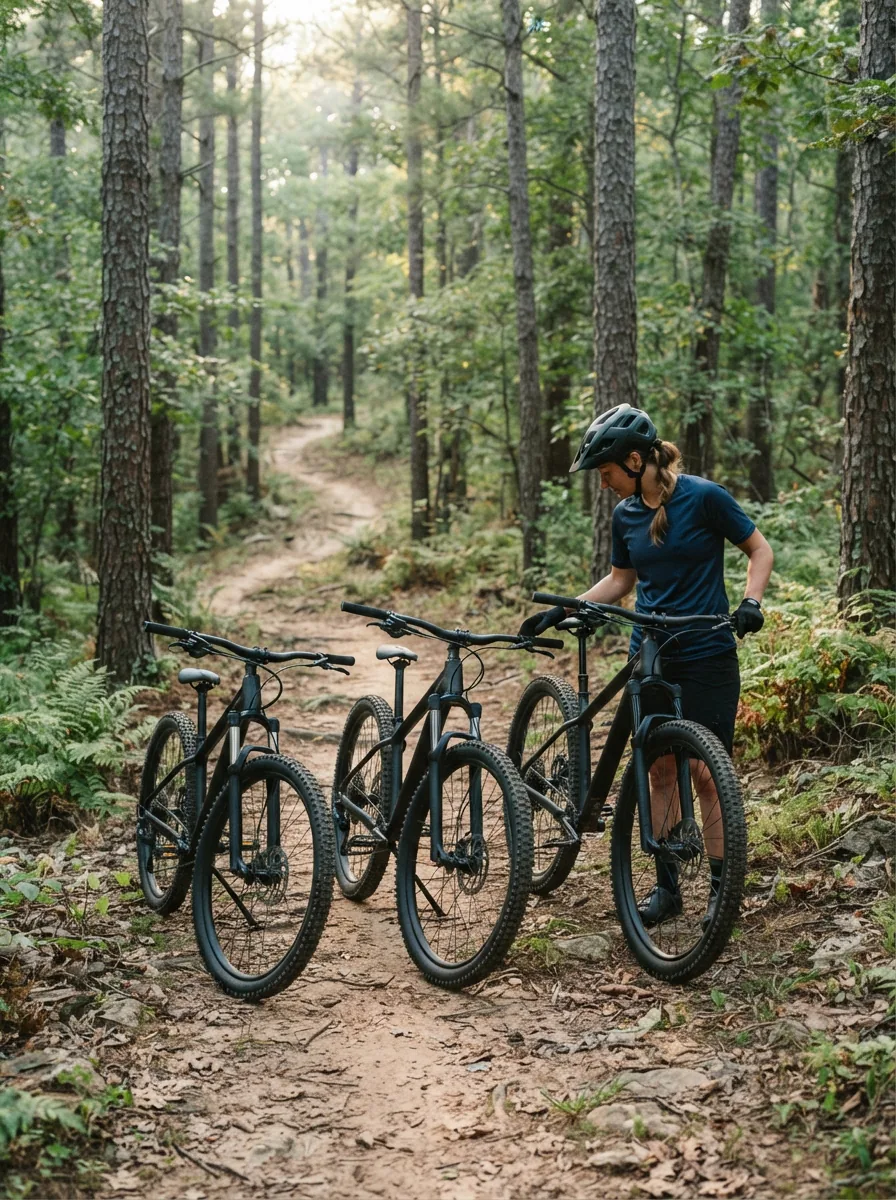
A group of Ozark Trail mountain bikes with front suspension parked on a dirt trailhead, a rider comparing frame sizes beside them
Admin
Ozark Trail Bike

Ozark Trail mountain bikes span hardtails and full suspension builds, sized from young riders to tall adults. Compare fit, suspension, wheels and gears to match your trails and your budget.

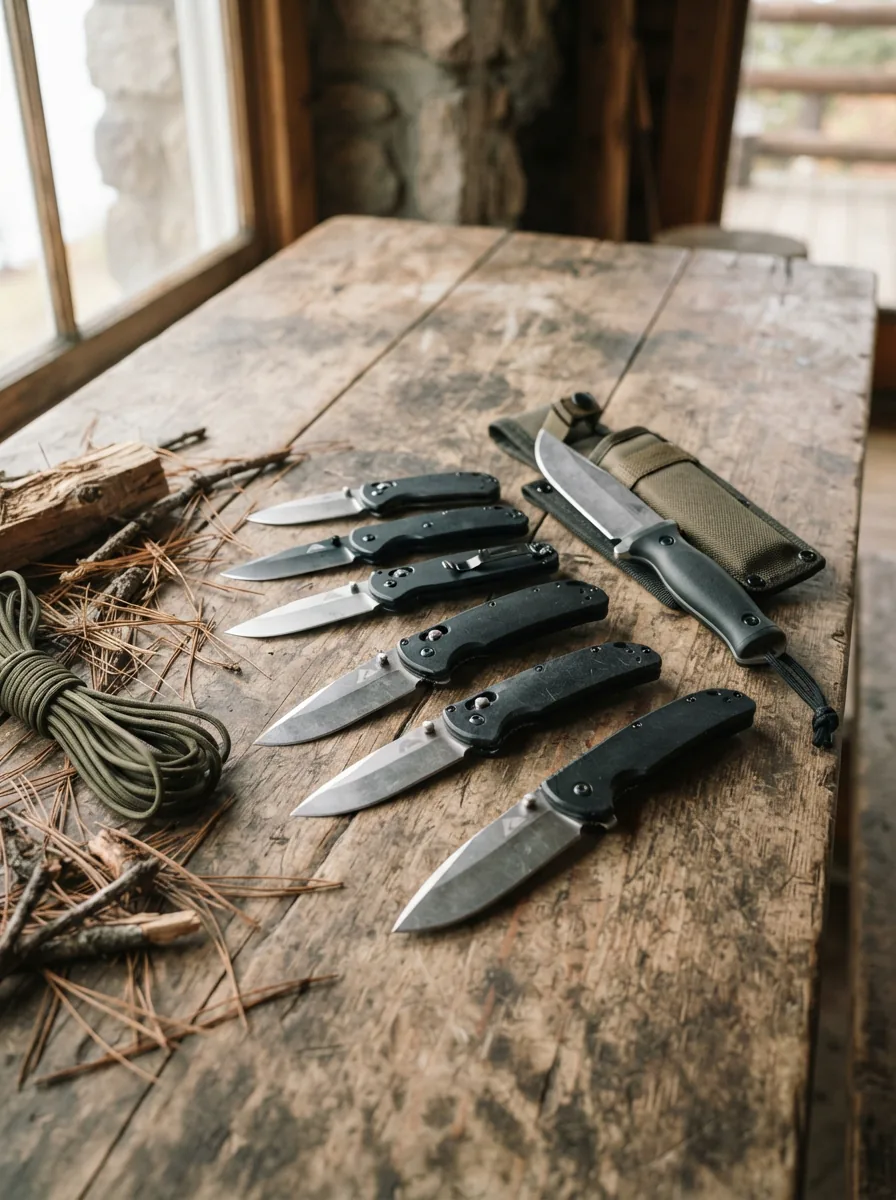
Assorted Ozark Trail folding and fixed blade knives arranged on a rustic wooden camp table
Admin
Ozark Trail Knife

This page lines up Ozark Trail knives so you can compare folding and fixed blades, locks, handles and carry options at a glance. Each pick notes what it handles best, from camp prep to a pocket blade you carry daily.

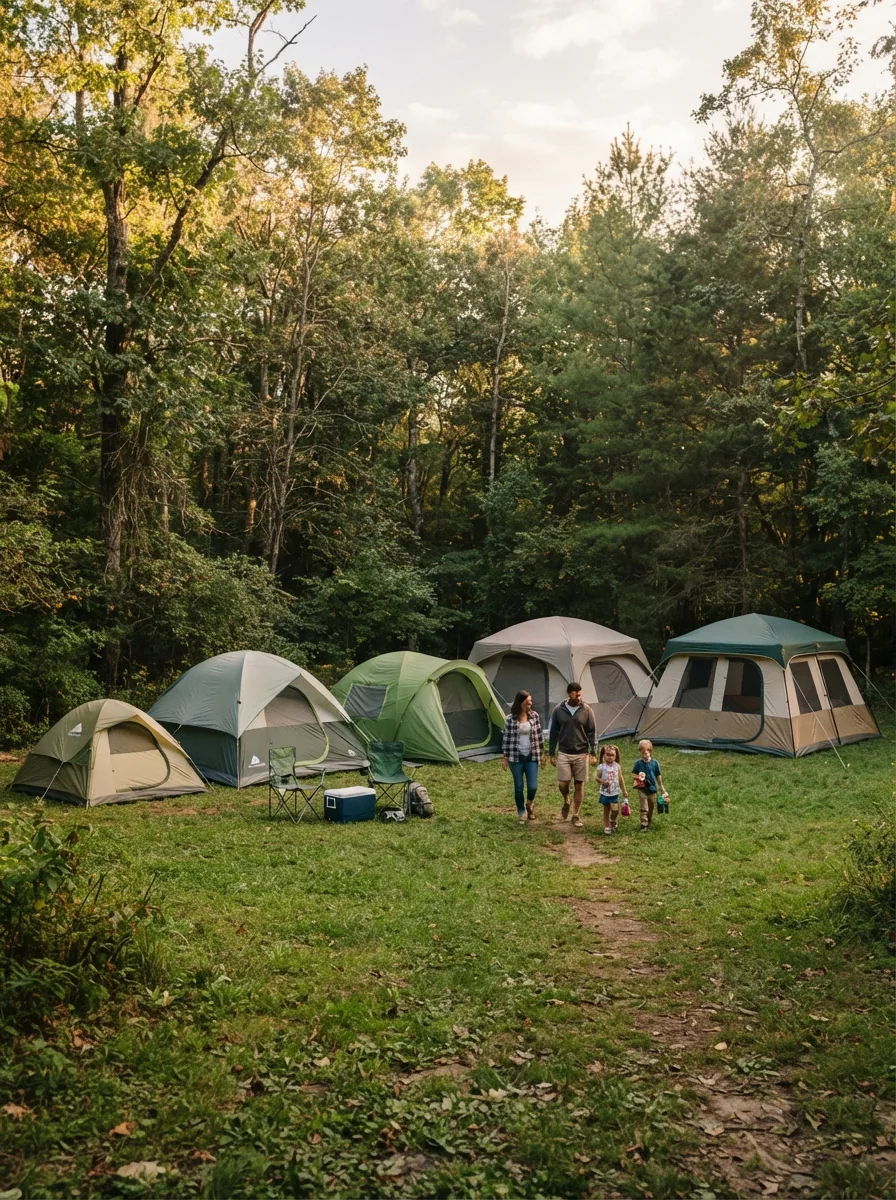
A row of Ozark Trail camping tents of several sizes pitched on a grassy campground with a family walking between them.
Admin
Ozark Trail Tents

Compare Ozark Trail tents by capacity, setup style, weather coverage and packed weight, from solo backpacking shelters to twelve-person family cabins built for drive-up weekend campsites.