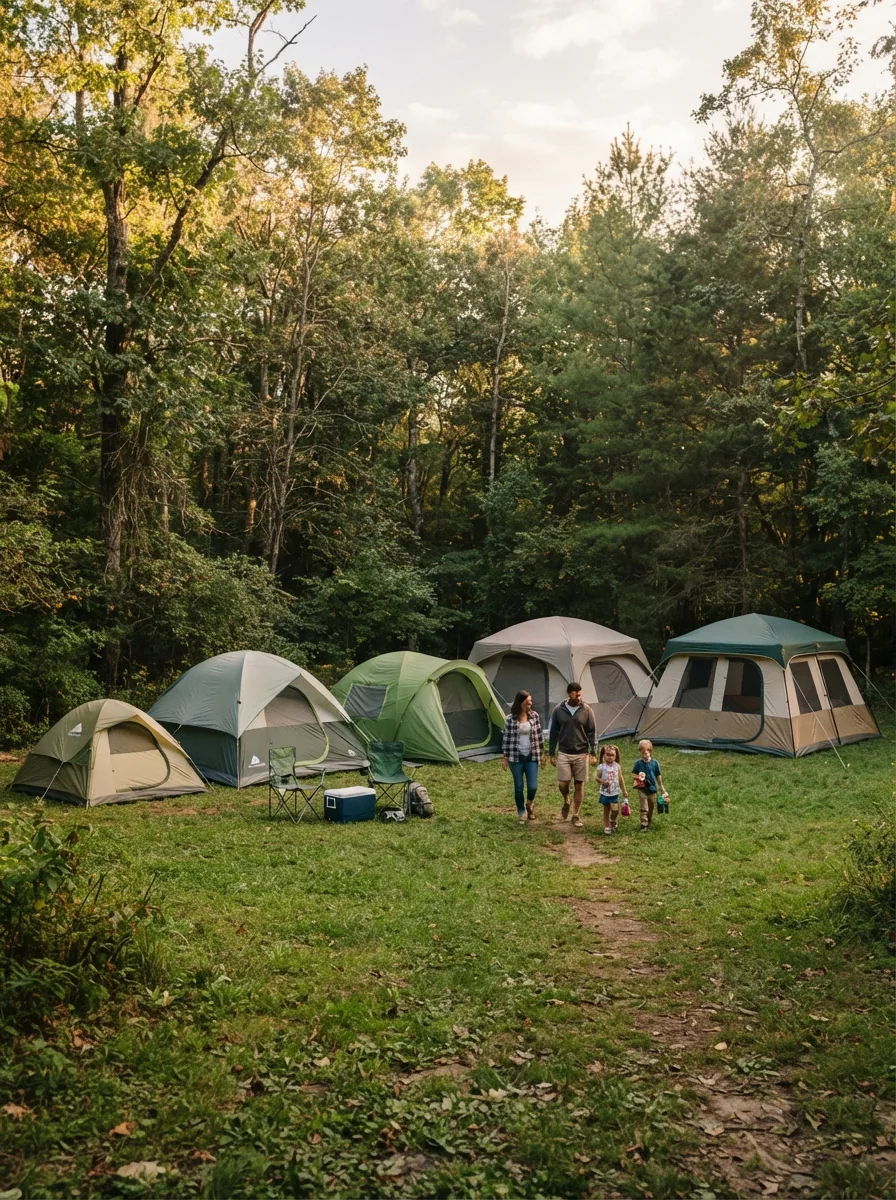




Ozark Trail 4 Person Dome Tent

Compare Ozark Trail 4 person dome tents side by side, from plain weekend shelters to screened porches and darkening fabric, and weigh setup time, interior space and weather features against a fair price.

Four 4 person domes to start comparing

Ozark Trail 4 Person Dome Tent, Waterproof Windproof Shelter That Pitches in Under 10 Minutes

Waterproof and windproof, this dome handles a weekend of steady weather without a complicated pitch. It fits two queen air beds, which is unusual for a 4 person tent, so two adults or a small family sleep comfortably. Setup runs under 10 minutes, making it a sensible first tent for campground weekends.

Ozark Trail 4 Person Dome Camping Tent, Sealed With Carry Bag and 96x102x48 Interior

Sold sealed with a carry bag, this dome arrives ready to move from the car to the campsite. The 96 by 102 by 48 inch interior gives four campers floor space and enough headroom to sit up, while the packed bag keeps poles and fabric together between trips. A straightforward pick for occasional family camping.

Ozark Trail 4-Person Clip and Camp Dome Tent, Roomy 8 by 8.5 Foot Clip-On Setup

A clip-style frame lets you attach the tent body to the poles instead of threading them through sleeves, so the pitch feels simple even on a first outing. The 8 by 8.5 foot floor is nearly square, which makes a four person layout easy to organize. A good fit for car campers who want room without a heavy pack.

Ozark Trail Sport Dome Tent, Weatherproof 9x8 Foot Shelter With Gear Loft for Four

Built for the campsite that turns into a day of rain, this sport dome uses weatherproof fabric to keep gear dry. A gear loft lifts clothing and small items off the floor, which matters when four people share the space. The 9 by 8 foot footprint fits a standard site, and the bright body is easy to spot from the road.

Ozark Trail 4-Person Waterproof Camping Tent, Recycled Fabric With Rainfly and Venting Windows

Built with recycled materials, this 4 person tent suits campers who want a lighter shelter without giving up airflow. A rainfly covers the top when weather moves in, and multiple windows let warm air escape, which limits the condensation four people create overnight. It carries easily from the car to a walk-in site.
Three more to weigh

Feature-led domes for specific trips

Ozark Trail 4 Person Dome Tent With Screen Room, Sheltered Bug-Free Porch for Gear

The screened porch changes how a weekend feels. Boots, coolers and packs stay outside the sleeping area but out of the weather, and campers get a bug-free spot to sit with a coffee. For families, that extra zone keeps the inside tidier and gives everyone somewhere to go when the tent fills up.

Ozark Trail 4 Person Dark Rest Dome Tent, Darkening Fabric for Later Morning Wake-Ups

Darkening fabric keeps the interior shaded well past sunrise, so late nights and early drives do not end in a 6am wake-up. The dome shape still pitches quickly, and the quieter, dimmer interior helps younger campers settle. A practical choice when your campsite faces east or summer daylight runs long.

Ozark Trail 4 Person Fast Pitch Dome Tent, Pre-Attached Frame for a Quicker Setup

A pre-attached pole structure is the point here. The frame goes up without a long learning curve, which suits trailhead arrivals after dark and last-minute weekend plans. It is a sensible first tent for short trips, and it forgives the small mistakes every new camper makes on their first pitch.
Who these domes suit

Where a 4 person dome earns its place

These tents suit weekend car campers, families sharing one shelter, and first-time buyers who want a fair price. Weigh setup time, floor space and how far you walk to the site before you choose.

First tents for weekend campers

If this is your first dome, look for a simple clip-on pitch and a clear stake layout. Practice once at home, then a campground setup after dark takes minutes instead of an anxious half hour.

Families sharing one shelter

Four pads fit a square floor, but two queen air beds use the space more comfortably. Keep boots and packs near the door so the sleeping area stays open for kids and grown-ups alike.

Walk-in sites and packed weight

A drive-up site lets you carry a roomy, heavier dome with no trouble. If your spot sits a few hundred yards from the car, choose a lighter model and pack the poles separately to trim the load.

Dome tents here share a shape but not a job. Floor size decides whether four sleepers or two air beds fit, frame style sets setup time, rainfly coverage changes wet-weather comfort, and packed weight sets how far you carry it.

What to compare before you choose

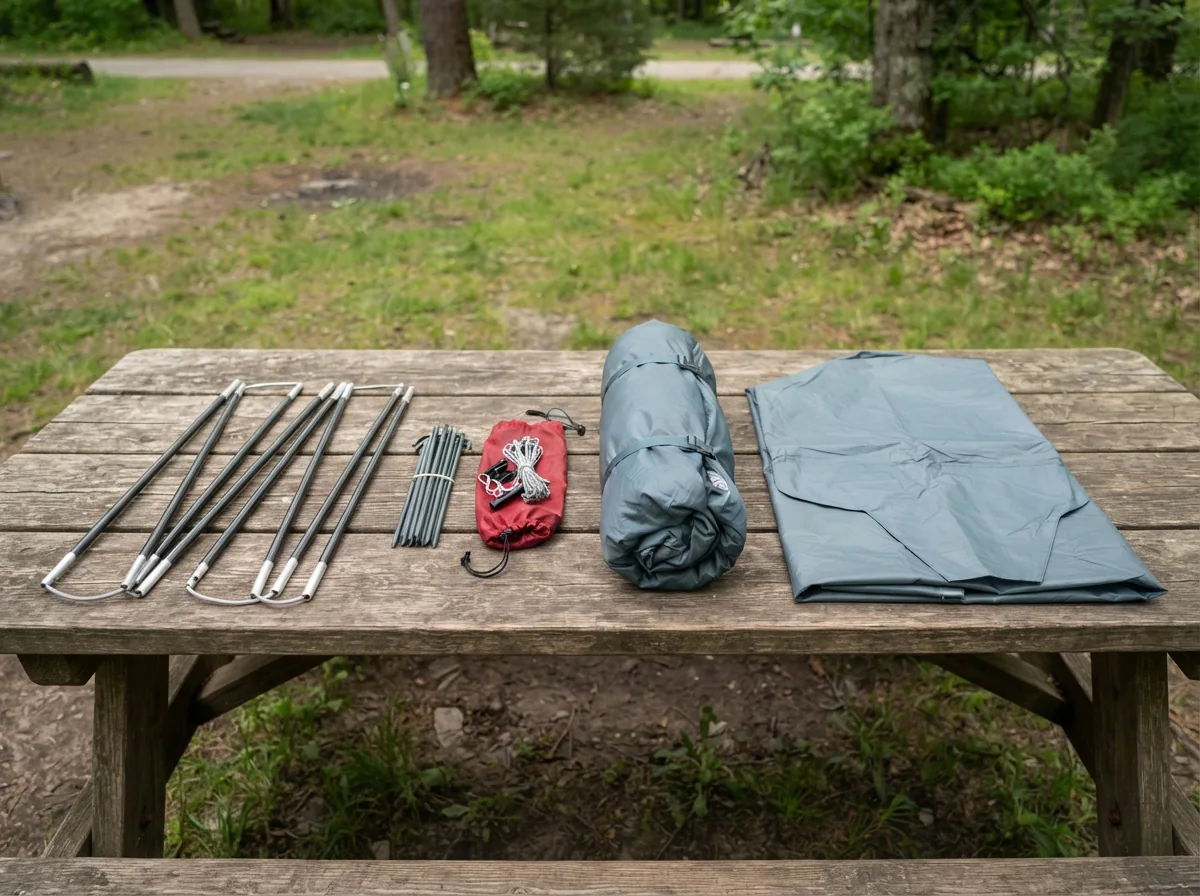
A picnic table holding tent poles, stakes, a rainfly and a laid-out tent footprint arranged for comparison
Floor size and how many sleep

Nominal capacity counts sleeping pads, not comfort. Check floor dimensions and peak height against your air beds; a 96 by 102 inch floor handles two queens, while a square 8 by 8.5 foot floor suits four pads.

Setup time and frame style

Clip-on bodies pitch faster than sleeve-fed poles, and pre-attached frames cut the work further. If you arrive after dark or camp often, the minutes saved matter more than a few ounces of frame weight.

Weather features and rain coverage

A full rainfly, sealed seams and a bathtub floor decide how a tent handles a wet night. Ventilation matters too; multiple windows reduce condensation when four people breathe inside a small space overnight.

Packed weight and how you carry

Packed weight and bag size determine how far you carry the tent from the car. Value domes favor room over light weight, so choose a smaller model if your campsite is a walk-in rather than a drive-up spot.

Know the differences

Four ways to pick a 4 person dome tent

Four directions cover the range: classic domes for a simple pitch, screen room models that add a dry porch, dark rest fabric for sleep-ins, and fast pitch frames that cut setup work. Pick by trip.
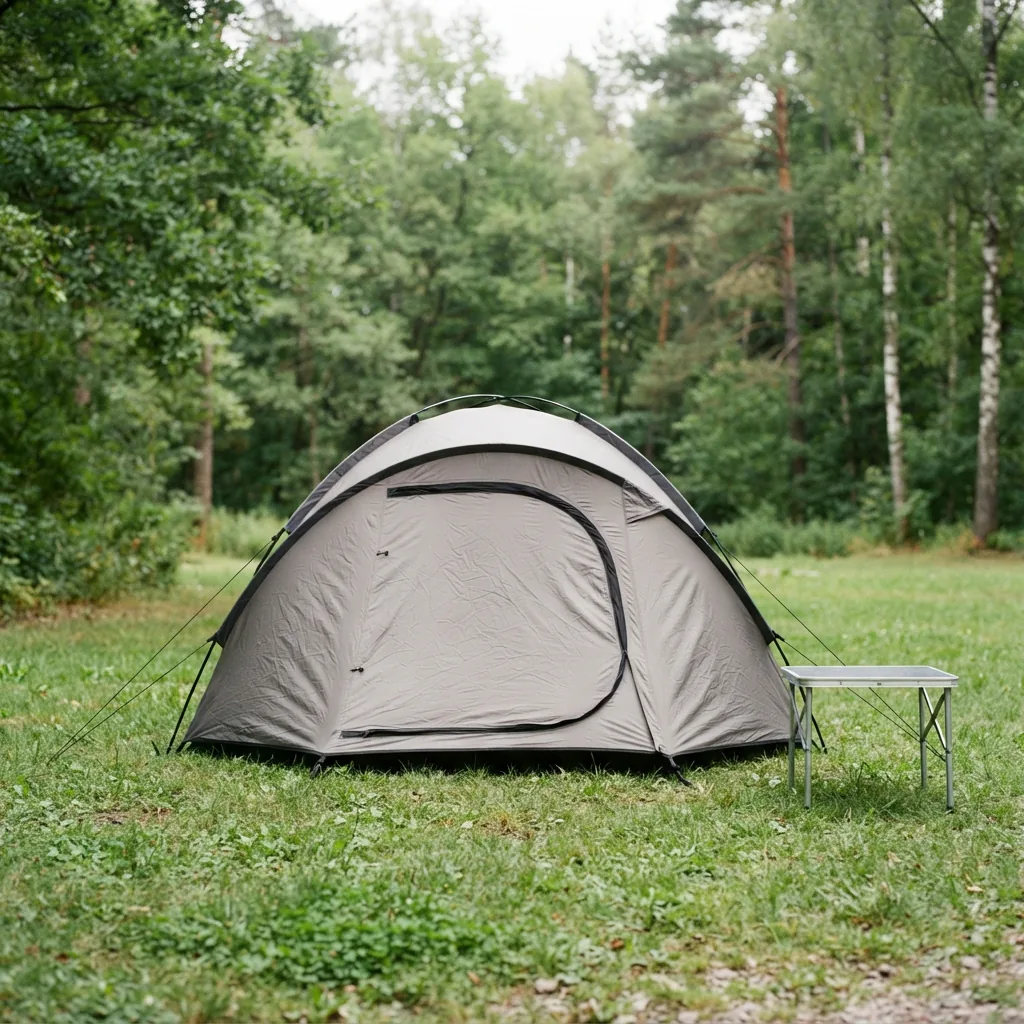
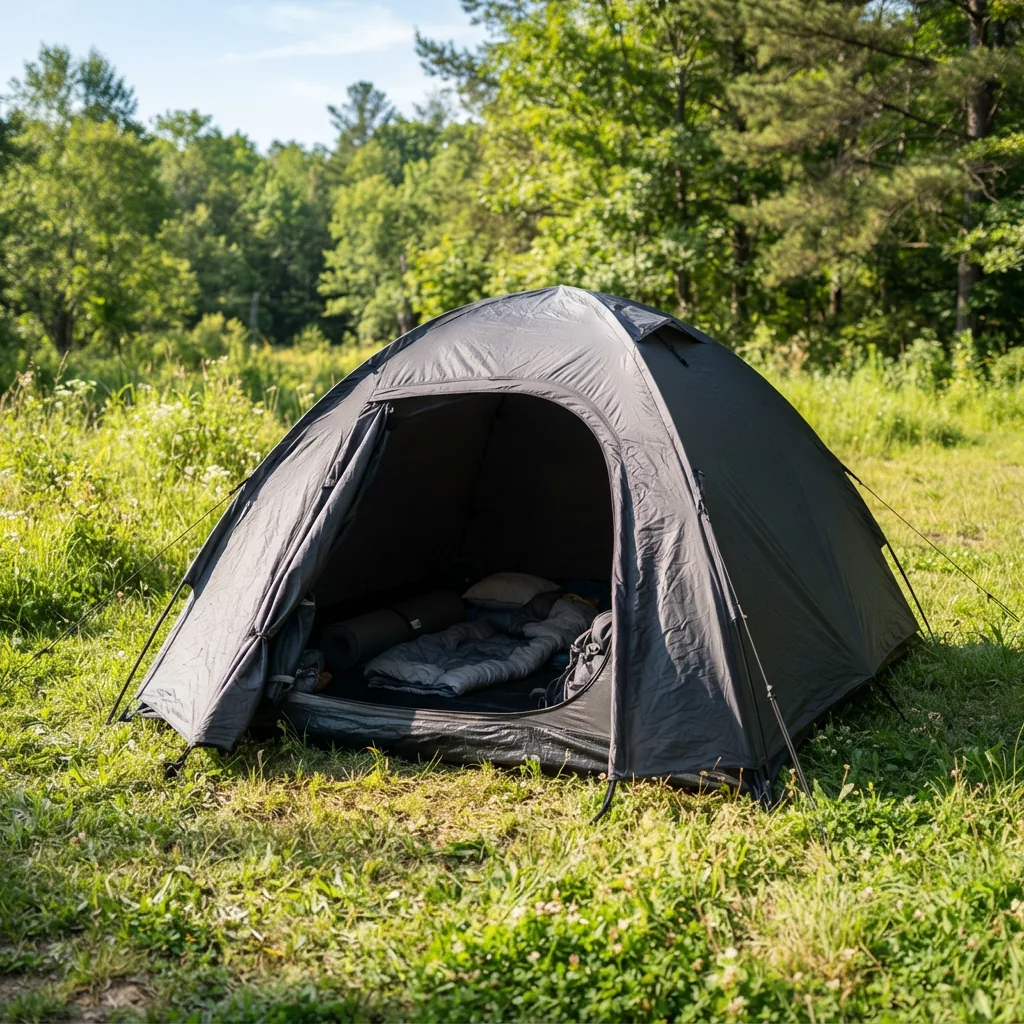
A plain grey dome tent with crossed poles pitched on a grassy family campsite

Classic domes, simplest setup

Two poles cross, the body clips or threads on, and you are done. This is the simplest, lowest-cost direction in the range and suits campers who want shelter without extra features to learn.

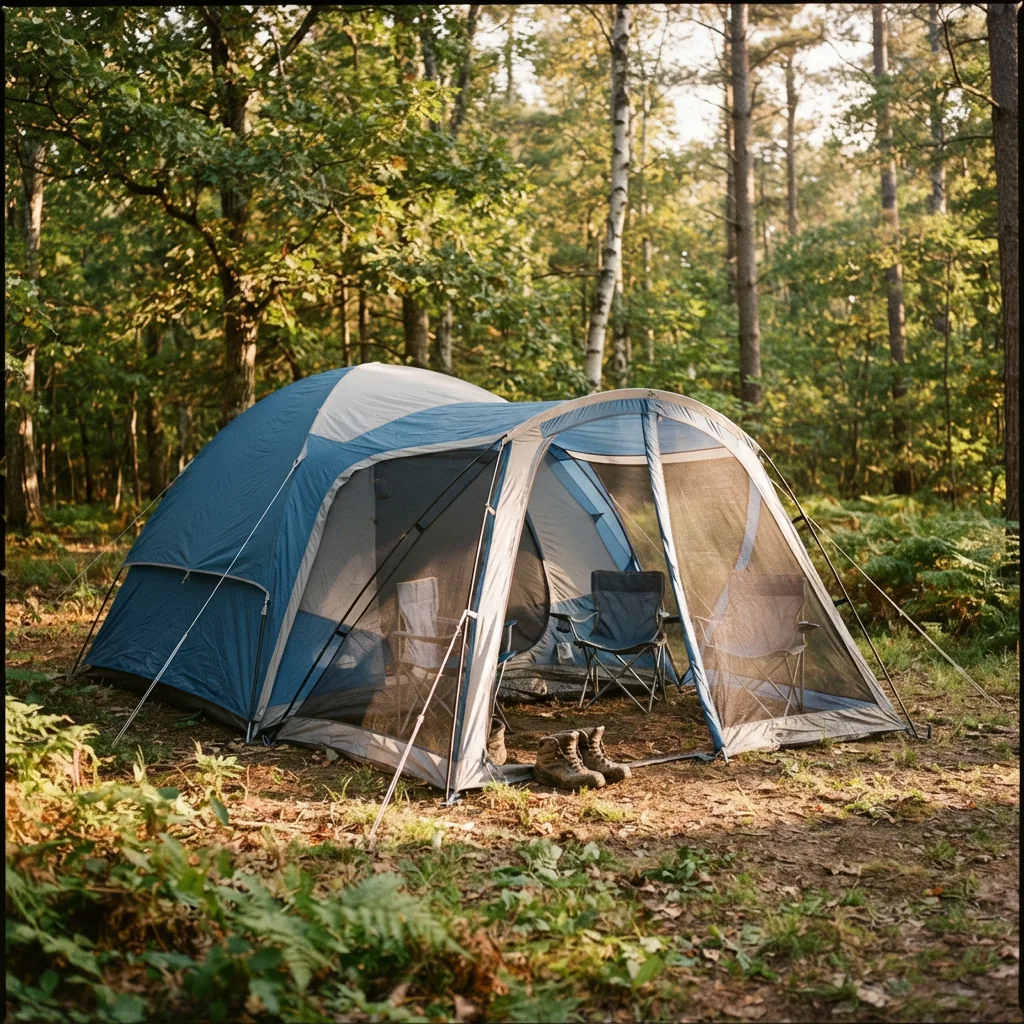
A dome tent with a mesh-screened porch holding camp chairs on a forest clearing

Screen room domes add a porch

A screen room adds a mesh-walled porch in front of the sleeping area. It keeps boots, chairs and coolers out of the tent but inside the shelter, which matters when four people share one door on a wet weekend.

A dark-shaded dome tent interior seen through its open door on a bright grassy morning

Dark rest fabric for sleep-in

Dark rest fabric lines the canopy so the interior stays shaded after sunrise. It does not add warmth or weather protection; the benefit is sleep. Best if your campsite catches early light or you camp with kids.

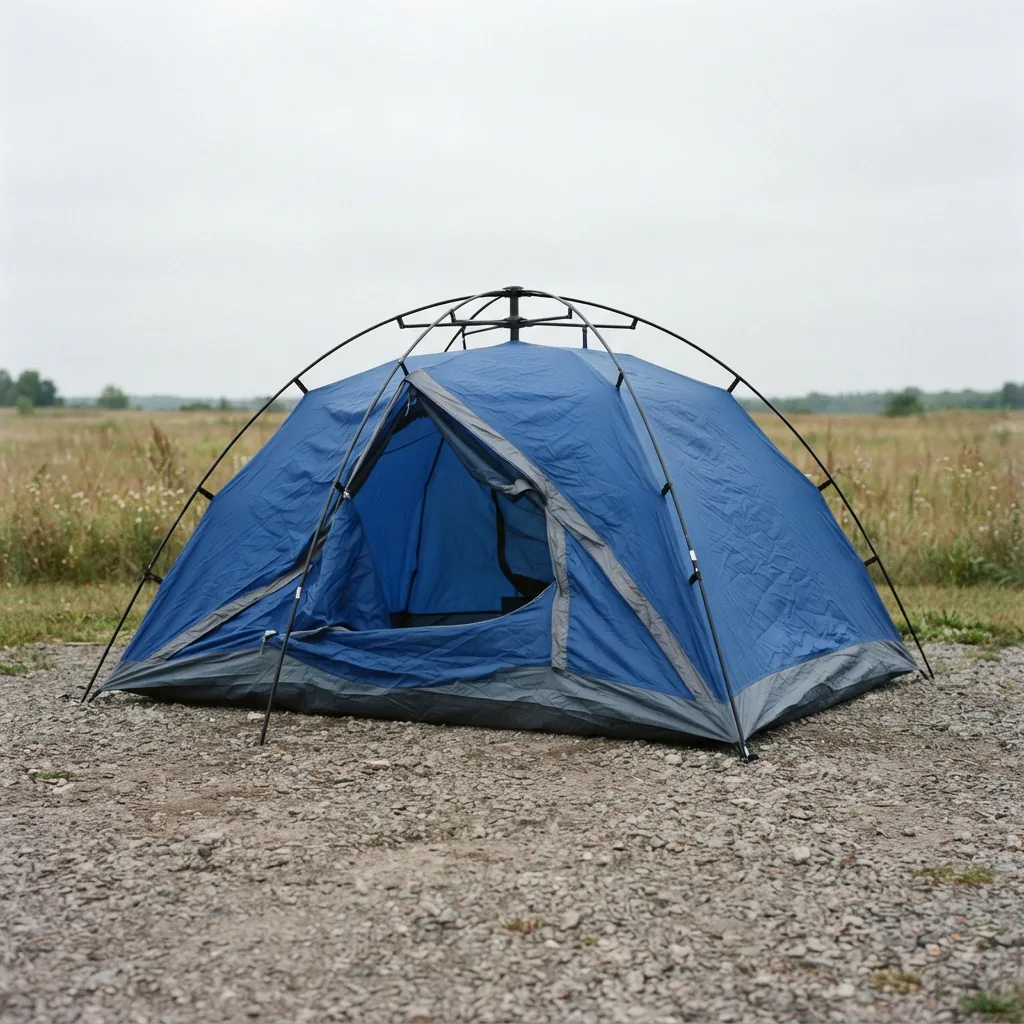
A fast pitch dome tent with hubbed pre-attached poles standing over a partly raised tent on gravel

Fast pitch frames, quicker pitch

Fast pitch designs attach the poles to the tent body ahead of time. The frame unfolds in one motion, so the tent stands quickly. You trade a little packed bulk for a setup that forgives first-time mistakes.

Voices from the campsite

What campers say after a weekend out

Camping write-ups on budget dome tents repeat the same pattern: pitch is quick once you have done it once, the space surprises people who expected it tight, and rain nights reveal which seams and rainflies earn trust.
I had never pitched a tent before and got it up alone on the second try. The floor surprised me once we inflated the air beds, and the first night of rain stayed outside where it belonged. I slept better than I expected and stopped worrying by the morning.
Decorative customer review avatar icon 1
Marla K.
First-time family camper, two weekends a summer
We wanted room for two air beds plus the cooler and packs, and the dome gave us that without feeling cavernous. Setup after a long drive was the part I dreaded, and it turned out to be under ten minutes. Packing it back into the bag takes a little practice.
Decorative customer review avatar icon 2
Dev R.
Weekend car camper who camps with a partner
The kids were up at first light every morning, so I started looking at tents with darker fabric. The change was immediate: they stayed asleep until almost eight and the mornings stopped being a negotiation. Worth it if your campsite faces the sunrise.
Decorative customer review avatar icon 3
Priya S.
Parent camping with two young kids
Most of my trips get planned on Friday afternoon, so a tent that needs a tutorial is useless to me. This style goes up fast even after dark, and I have stopped double-checking every step. It is not ultralight, but I drive to the site anyway.
Decorative customer review avatar icon 4
Tomas L.
Casual camper who books last-minute sites
Straight answers on domes

Questions campers ask before buying

It fits four sleeping pads side by side, but most adults find it cozy once bags and clothing are added. Two adults with two queen air beds, as one model here allows, use the space more comfortably. For four adults, plan on close quarters and keep gear outside the sleeping area.
Many of these domes go up in under 10 minutes once the poles are sorted, though the first attempt takes longer. Practice once in the yard before a weekend trip, and lay out all poles and stakes first. Pre-attached fast-pitch frames shorten that learning curve considerably.
Dome shapes shed wind well and waterproof fabric keeps steady rain out, which field reports from budget tents confirm. Rainfly coverage and sealed seams matter more than shape alone, so check both. Expect solid short-trip performance rather than seasons of daily use.
A screen room adds a bug-free zone for boots, chairs and morning coffee, which helps when four people share one tent. Dark rest fabric shades the interior past sunrise, useful on east-facing sites and long summer days. Pick the feature that fixes your own annoyance.
These are car camping tents first. Packed weight and bulk are manageable for a short walk to a campsite, but they are heavier than specialized backpacking shelters. If your spot is a walk-in a few hundred yards away, choose a lighter model and keep the poles separate.
Look at floor dimensions, ceiling height, whether a rainfly is included and how the tent packs. Confirm poles, stakes and a carry bag are in the box, since some listings are sealed bundles. Set realistic expectations: value tents handle weekends but may not last as many seasons.
Keep exploring

More from Ozark Trail outdoor gear

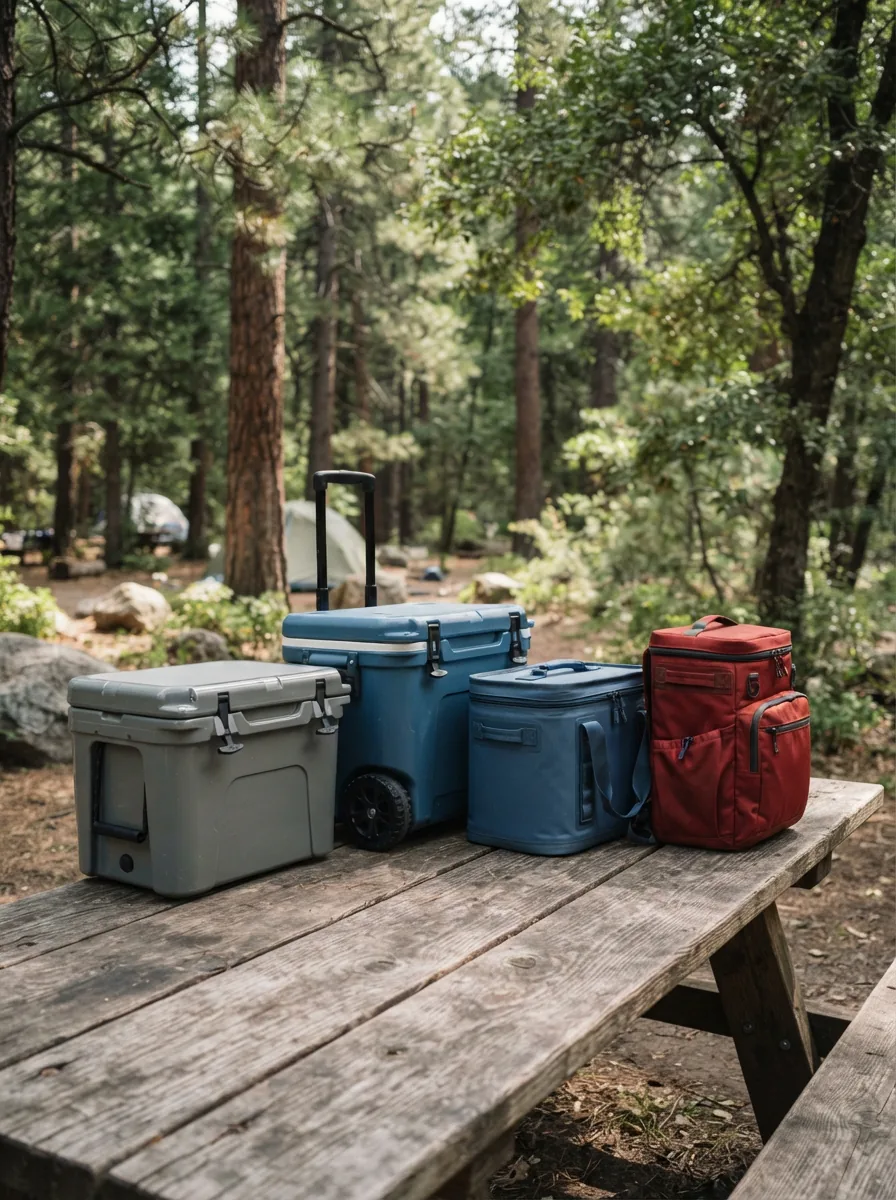
Hard-sided and soft-sided Ozark Trail coolers arranged on a wooden picnic table at a wooded campsite
Admin
Ozark Trail Cooler

Compare Ozark Trail coolers by size, shape and how you carry them, from hard-sided chests that hold ice for a weekend to soft totes and backpack coolers for a day out. Each option below shows capacity, format and the trip it fits best.
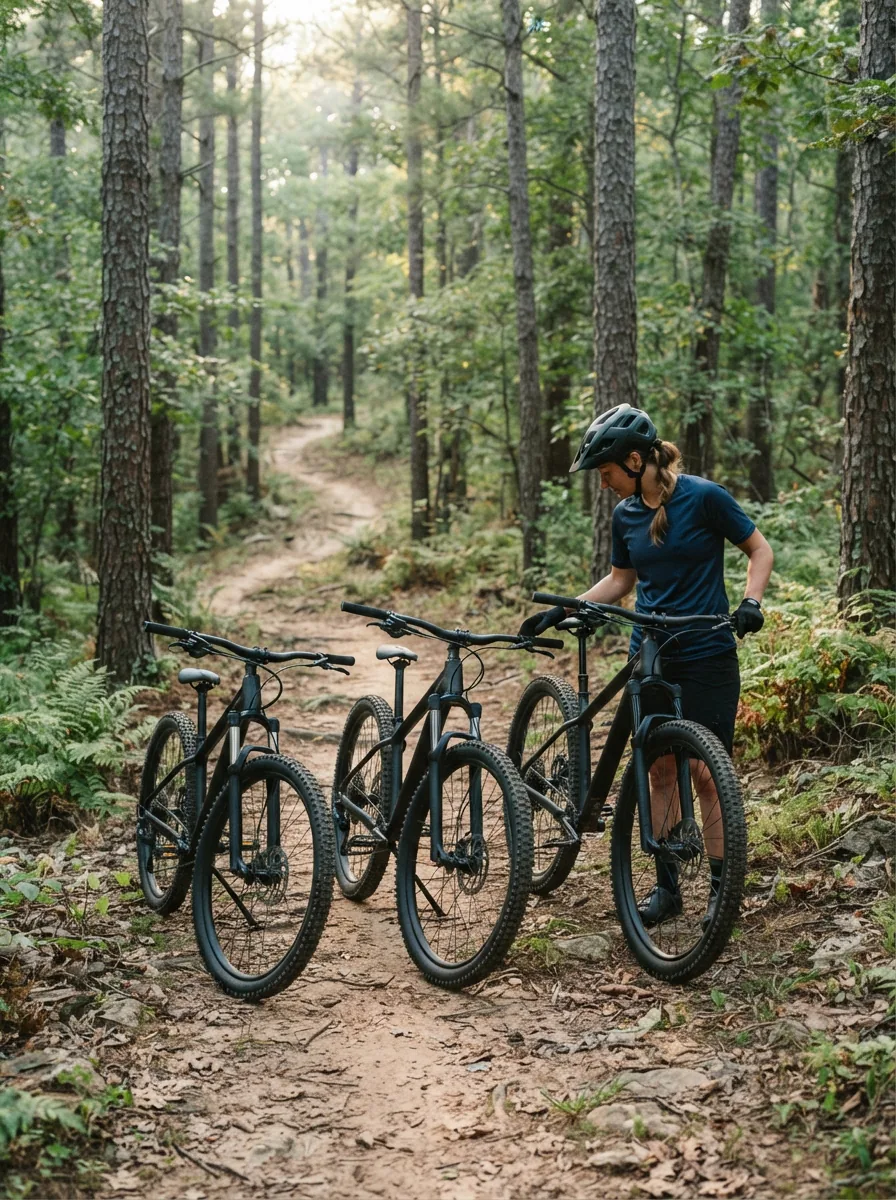
A group of Ozark Trail mountain bikes with front suspension parked on a dirt trailhead, a rider comparing frame sizes beside them
Admin
Ozark Trail Bike

Ozark Trail mountain bikes span hardtails and full suspension builds, sized from young riders to tall adults. Compare fit, suspension, wheels and gears to match your trails and your budget.

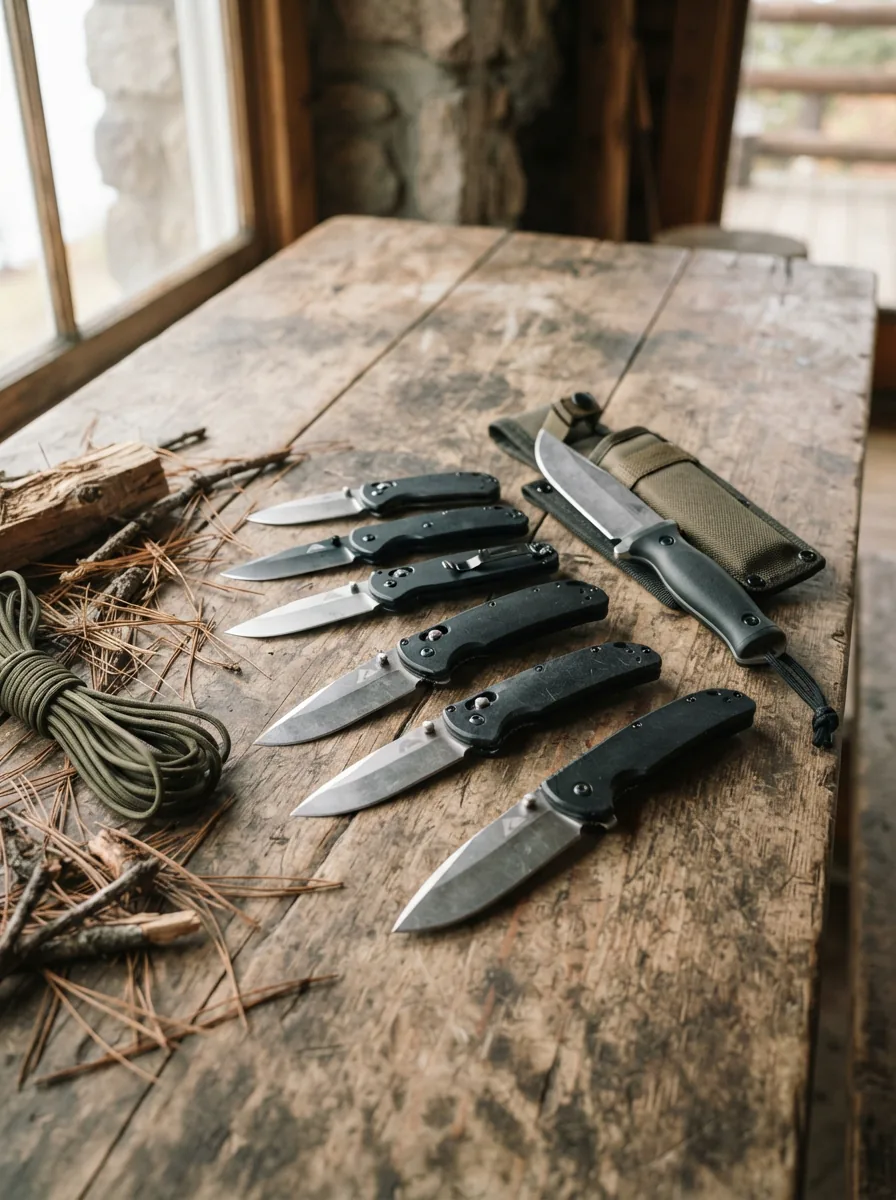
Assorted Ozark Trail folding and fixed blade knives arranged on a rustic wooden camp table
Admin
Ozark Trail Knife

This page lines up Ozark Trail knives so you can compare folding and fixed blades, locks, handles and carry options at a glance. Each pick notes what it handles best, from camp prep to a pocket blade you carry daily.

A row of Ozark Trail camping tents of several sizes pitched on a grassy campground with a family walking between them.
Admin
Ozark Trail Tents

Compare Ozark Trail tents by capacity, setup style, weather coverage and packed weight, from solo backpacking shelters to twelve-person family cabins built for drive-up weekend campsites.