



Ozark Trail 3 Room Instant Cabin Tent

Compare three-room Ozark Trail cabin and dome tents by capacity, setup style and features. See which size fits your group, how quick setup changes the first evening, and where a screened room or dark fabric earns its place.

Four roomy tents, four kinds of trip

Ozark Trail 12-Person 3-Room Instant Cabin Tent for Quick Family Weekends at Camp

Setup is the headline: the instant cabin frame opens fast after a long drive, so the first evening is not spent wrestling poles in the dark. Three rooms give parents and kids separate space, and the 12-person rating suits a large family or two families sharing one site for a short weekend trip.

Ozark Trail 16-Person Cabin Tent with 3 Rooms and 3 Easy Access Entrances for Large Group Camping

Group size decides this pick. Three separate rooms keep sleeping arrangements orderly, and three easy-access entrances mean nobody climbs over a sleeping bag to reach the door at night. The 16-person scale suits base-camp weekends where the tent stays pitched for days.

10 Person Tent 3 Rooms 20 X 10 with a Wide Floor Plan for Family Camping Base Camp Trips

A 20-by-10 floor spread across three rooms is the straightforward answer when everyone wants real sleeping space instead of one crowded floor. The wide shape suits family trips on flatter, open ground where the tent can be staked out fully and left standing through the weekend.

Ozark Trail 3 Room Dome Camping Tent Screen Porch Sleeps 10 For 3 Seasons

Dome poles keep this one easier to move and pack than a tall cabin, and the screen porch becomes a bug-free spot for morning coffee, wet boots and a place to sit outside the sleeping rooms. Three rooms still let ten campers keep some separation, and the three-season build covers spring through fall trips.

Ozark Trail 10-Person Dome Camping Tent with Screen Porch for Bug-Free Family Lounging

Three rooms give a family of ten real separation, and the screen porch handles the jobs a doorway cannot: a bug-free spot for morning coffee and a dry place to kick off wet boots. The dome shape covers three-season use with an approachable setup, and it asks far less of your budget than premium cabin tents with similar room counts.
Worth a closer look

Three more picks for shade, porch space and floor care

Ozark Trail 5-Person 3-Room Dark Rest Instant Cabin Tent for Slower Family Mornings

Dark fabric is the point: the interior stays shaded well past sunrise, so kids wind down earlier and naps still happen later in the day. The instant frame does most of the setup work after a long drive, and the five-person three-room layout suits short weekend trips.

Ozark Trail 3-Room Instant Cabin Tent with Attached Screened Porch for Family Weekends

A screened front room gives everyone a bug-free place to sit, deal cards and drop wet boots before bedtime, so sleeping rooms stay cleaner. Three separate rooms let parents and kids keep their own space instead of negotiating over one open floor. The instant cabin frame keeps setup quick.

Ozark Trail 3-Room Instant Cabin Tent Footprint and Rain Tarp Set to Protect the Floor All Season

Keeping the floor off wet grass is the cheapest way to help a family tent last. The footprint catches dirt, dew and small puddles before they reach the floor, while the tarp doubles as a dry spot for gear stacked by the door. It packs down small and takes little trunk room.
Who this fits

Three-room tents for these camping situations

Big multi-room tents earn their keep when a family or group camps together and needs real sleeping separation. Consider them for base-camp weekends and repeat trips where one shared floor would wear thin by Saturday night.

Families splitting sleep and downtime

Separate rooms let parents sleep while kids stay up, and morning routines stop colliding. Aim for a tent that matches your headcount with a little extra room for gear bags and air mattresses.

Groups sharing one base camp

When friends camp together for a few days, three rooms keep belongings organized and doors usable. Look for multiple entrances so nobody climbs over a sleeping bag to get outside at night.

Buyers moving up to a first large tent

Going from a small dome to three rooms is a jump in setup and packing. Pick an instant frame, practice once at home, and measure your vehicle before committing to a wider footprint.

Capacity, setup style, floor size and extra rooms each change who a tent suits. Bigger numbers add space but need flatter ground and more packing room, while instant frames save time and porches trade floor area for living space.

What to weigh before you pick a tent

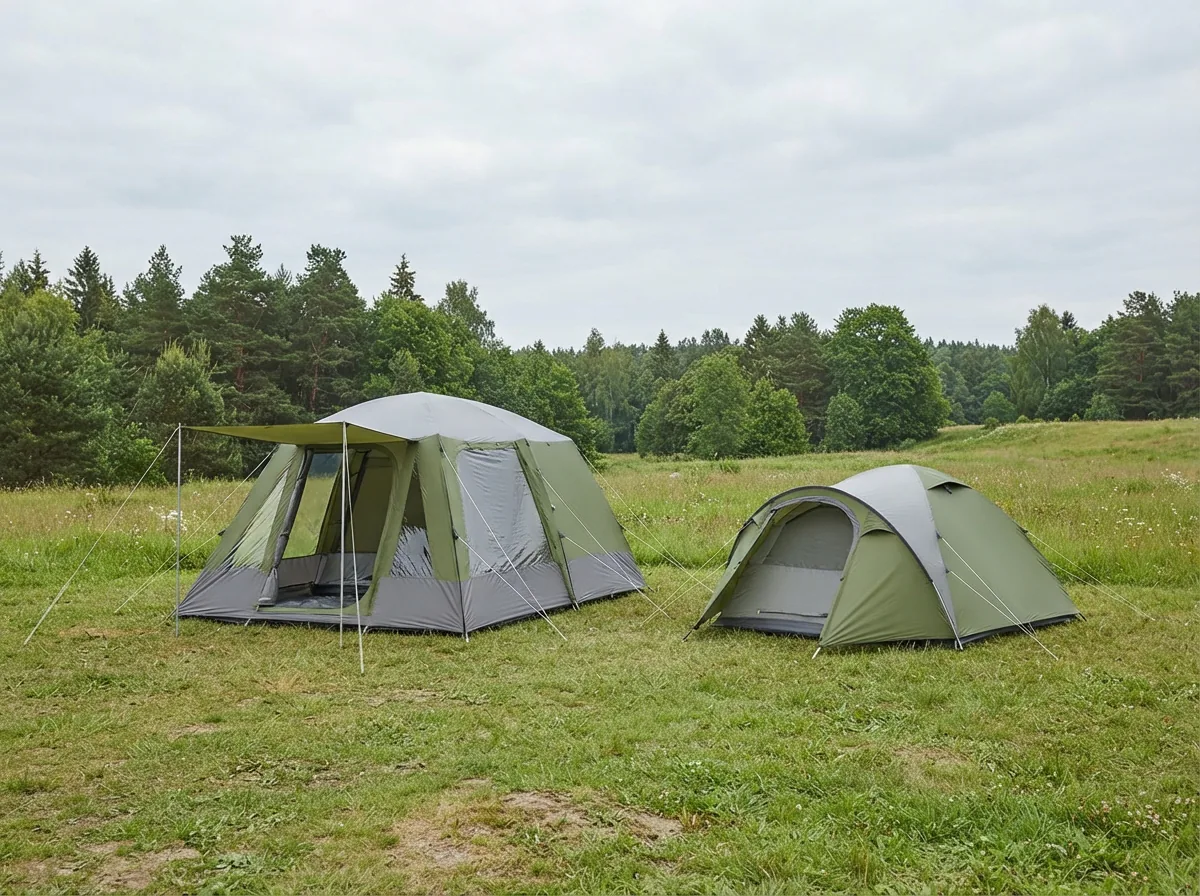
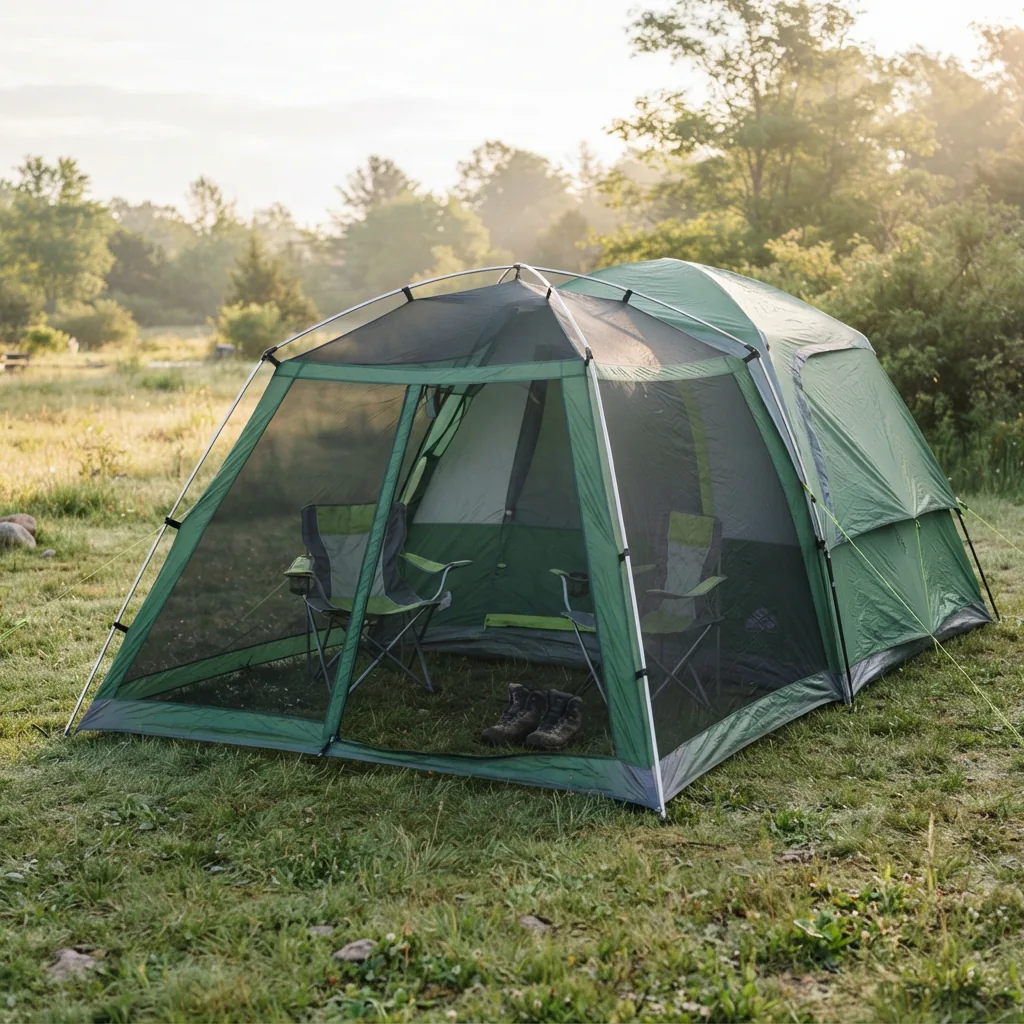
Two three-room family tents, one tall cabin and one lower dome, pitched side by side on a grassy campsite for comparison
Match capacity to your real group

Ratings assume a tight fit, with sleeping bags packed shoulder to shoulder. Add a person or two of slack for gear and air mattresses, then check the floor dimensions against the site you actually use.

Setup style changes the first hour

Instant frames cut pitching time to minutes, which matters after a long drive or in rain. Pole-and-sleeve domes take longer but pack smaller and often cost less, so match the style to your arrival.

Floor size versus packed size

A 20-by-10 floor spreads everyone out but needs a wider site and more trunk space. Smaller packed bundles suit tight cars and walk-in sites, at the cost of standing room inside.

Porches and extra rooms add value

A screened porch gives a clean place for boots and wet gear without eating sleeping space. Extra rooms add weight and price, but keep a family comfortable past the first night.

Find your fit

Four directions the three-room tent market takes

Three-room tents split into instant cabins, classic domes, screened-porch layouts and simple room dividers. Each type trades setup speed, headroom or packed size for a different comfort, so match the type to your campsite.
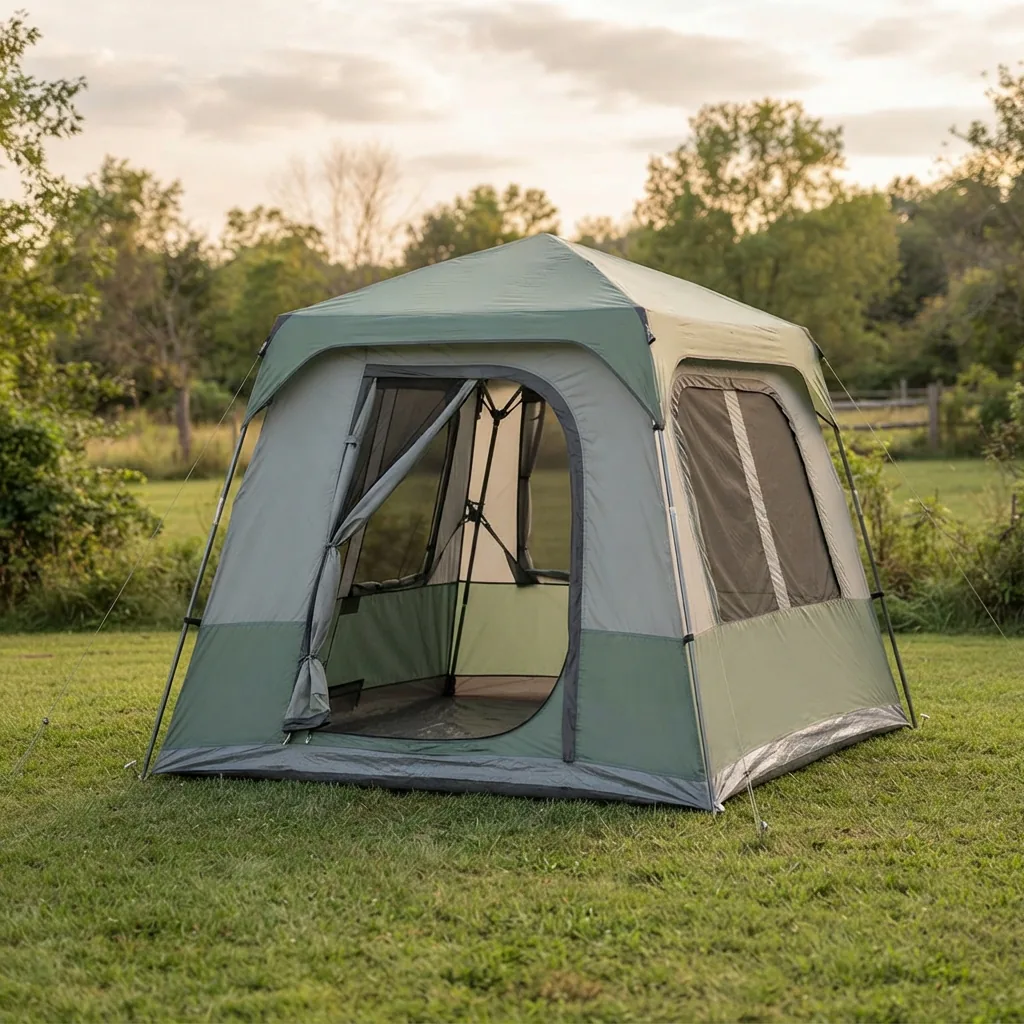
Tall straight-walled cabin-style family tent with an open door on a level grass campsite

Instant cabin frames

Pre-assembled poles mean fewer parts and a faster start after a long drive. You gain tall standing room and quick setup, but a cabin shape packs larger than a dome, so trunk space matters.

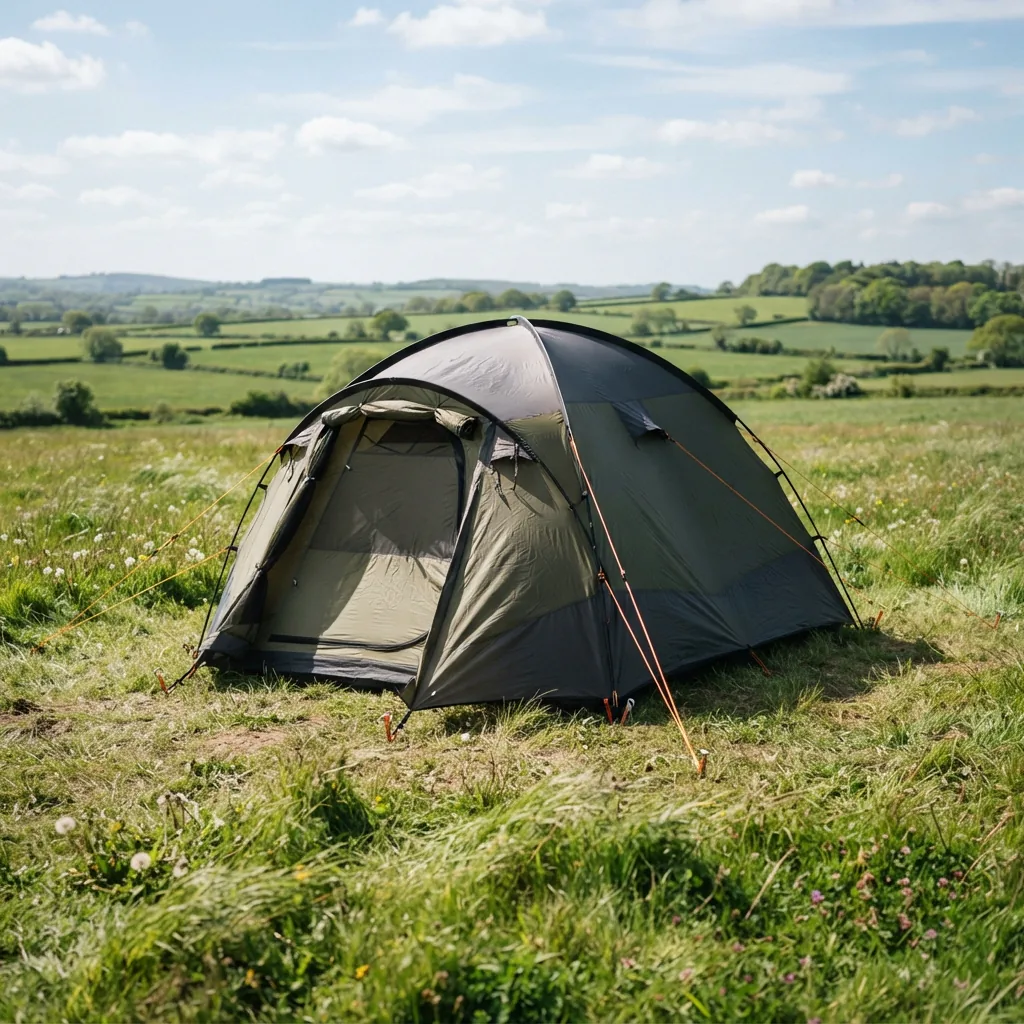
Low curved dome family tent staked out on a breezy grassy field at a campsite

Classic dome shapes

Curved poles shed wind well and fold down smaller, which suits campers walking in or packing tight. The trade-off is lower ceilings and more bending inside when you change clothes.

Family tent with a mesh screen porch extending from the front, set up beside a grassy campsite

Screened porch layouts

A mesh front room adds a bug-free zone for boots, cards and wet gear. It costs some floor area and packed size, but keeps the sleeping rooms cleaner on longer stays.

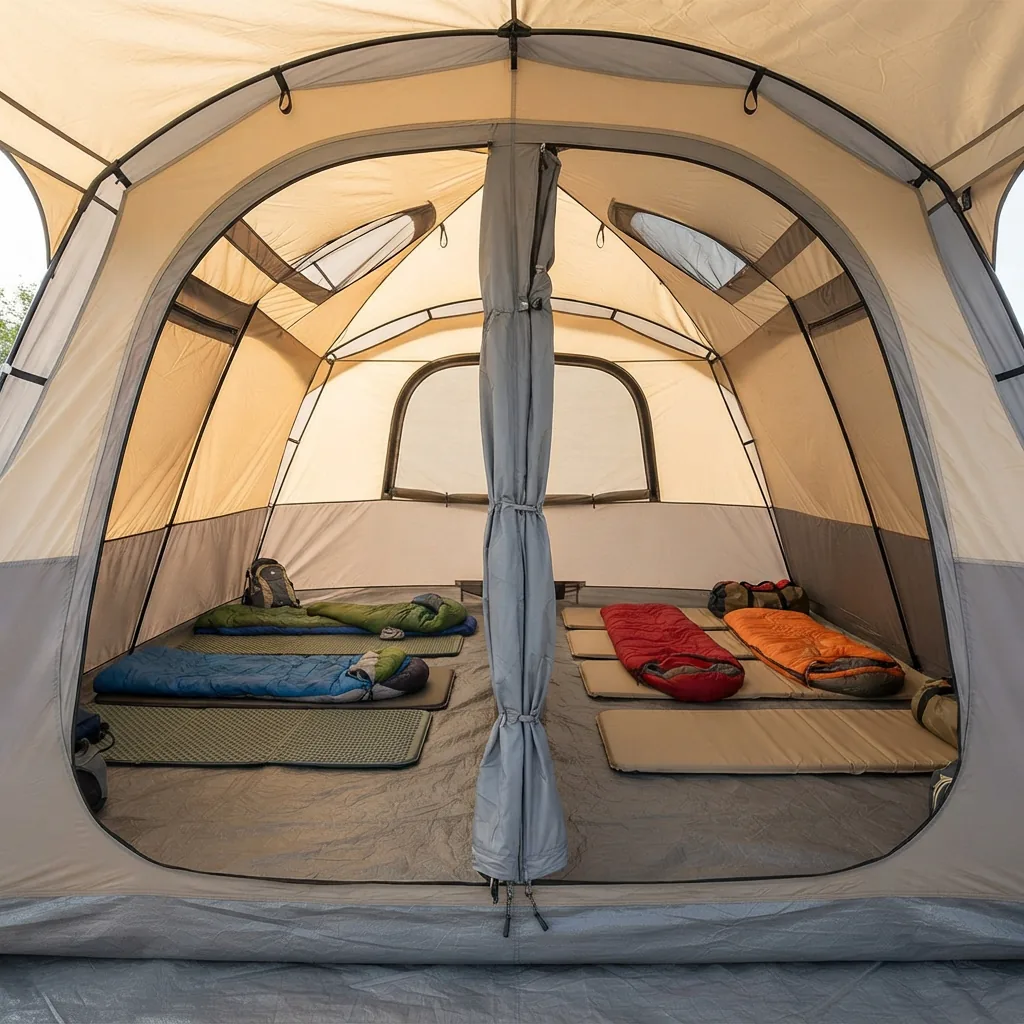
Zippered fabric divider wall splitting a large family tent interior into separate sleeping areas

Room-divider-only tents

Some models split one large floor with zip walls instead of separate structures. You get flexible space and a lighter pack, though privacy is thinner than in true multi-room cabins.

In campers' words

What camping with three rooms feels like

Shoppers talk about setup after a long drive, how a dark tent changes morning routines, and whether extra rooms keep a family comfortable past the first night. Packed size and price come up just as often.
We reached the site after sunset and I had the tent up by headlamp with room to spare. The separate rooms meant the kids went straight to their side while I finished the rest, and I stopped worrying about the extra poles once everyone was settled.
Decorative customer review avatar icon 1
Dana R.
Set up solo after a dark arrival
Sleeping everyone on one big floor used to mean an early argument. With rooms split off, the kids keep their gear on their side and I get a wall between us. Mornings are quieter now, and that alone changed how the whole trip feels for us.
Decorative customer review avatar icon 2
Marcus T.
Two kids, one shared floor, one argument avoided
I measured the trunk before buying and still worried the bundle would not fit. It fit, with the poles across the back seat. Setup took longer than the instant frame I tried in the store, but the floor space once we were inside made up for the extra work.
Decorative customer review avatar icon 3
Priya S.
Packed it into a mid-size SUV hatch
Going from a two-person dome to a multi-room tent felt like a lot to handle. I practiced once in the yard and learned which stakes actually matter. Standing up to change is the part I appreciate most, and the price kept the whole upgrade reasonable.
Decorative customer review avatar icon 4
Jen W.
First big tent after years with a small dome
Before you buy

Practical answers on space and setup

Ratings assume a tight fit, with sleeping bags packed shoulder to shoulder. For a family with kids and gear, plan for two fewer than the listed capacity, then check the floor dimensions to confirm everyone fits in the space you will use.
Instant frames trade a little packed compactness for much faster pitching, which helps after a long drive or in rain. Reviewers have noted such tents can be less easy to carry than top-end models and may not last as many years, so weigh price against how often you camp.
A porch adds a mesh room where boots, wet gear and card games stay out of the sleeping area, which keeps the interior cleaner and bug-free. It costs some floor area and adds packed size, but on multi-night stays it earns that space back quickly.
A footprint shields the floor from dew, grit and small puddles, and a tarp gives gear a dry spot by the door. Neither is required, but both are inexpensive ways to help a family tent survive more weekends, especially on grass or uneven ground.
Three-room cabins pack larger than domes, so measure your vehicle before buying. A 20-by-10 floor means a wider bundle and more stakes, while dome shapes fold smaller. If you drive a small car or walk in, packed size may matter more than standing room.
If you camp once or twice a year and share one floor happily, a smaller tent will serve you better. Three rooms pay off when a family camps regularly, kids need their own space, or trips run several nights and one big room would feel crowded by Saturday.
Keep reading

More guidance for your next camping trip

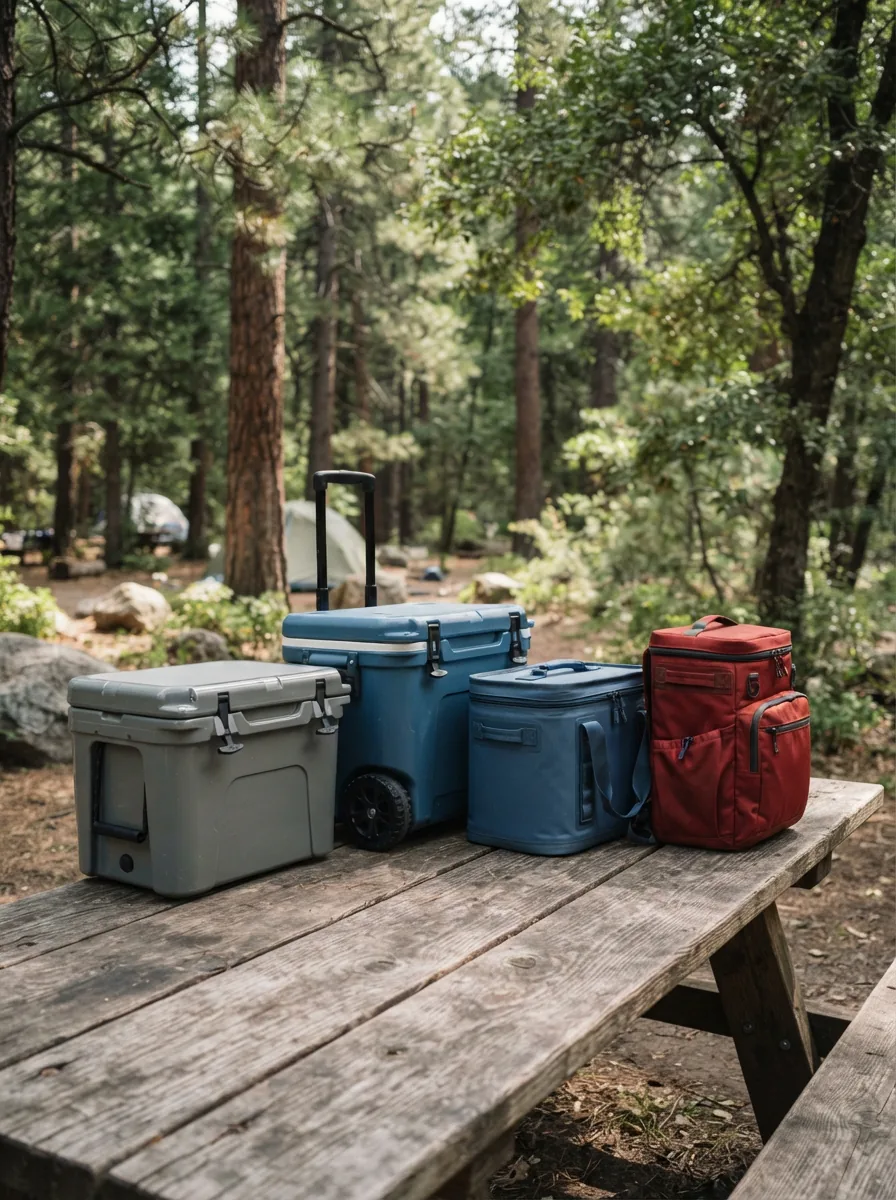
Hard-sided and soft-sided Ozark Trail coolers arranged on a wooden picnic table at a wooded campsite
Admin
Ozark Trail Cooler

Compare Ozark Trail coolers by size, shape and how you carry them, from hard-sided chests that hold ice for a weekend to soft totes and backpack coolers for a day out. Each option below shows capacity, format and the trip it fits best.
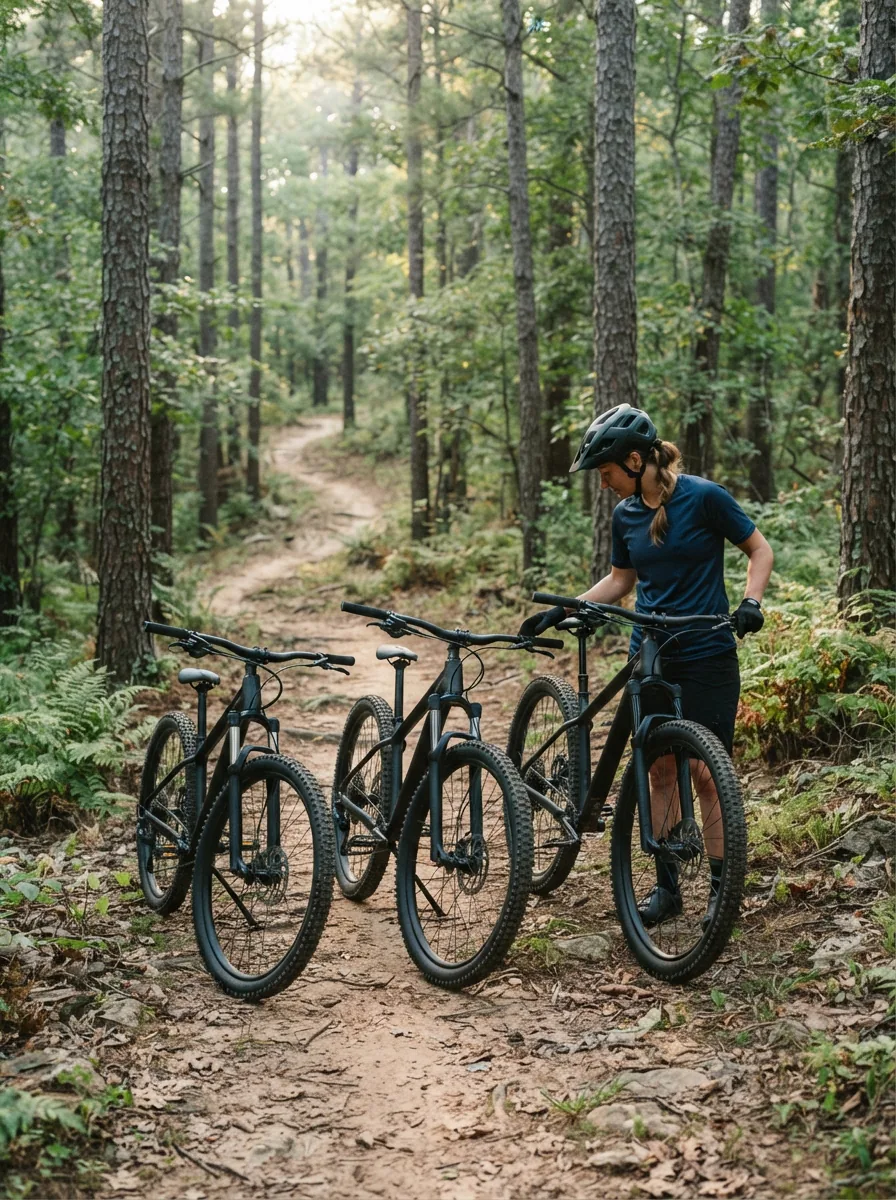
A group of Ozark Trail mountain bikes with front suspension parked on a dirt trailhead, a rider comparing frame sizes beside them
Admin
Ozark Trail Bike

Ozark Trail mountain bikes span hardtails and full suspension builds, sized from young riders to tall adults. Compare fit, suspension, wheels and gears to match your trails and your budget.

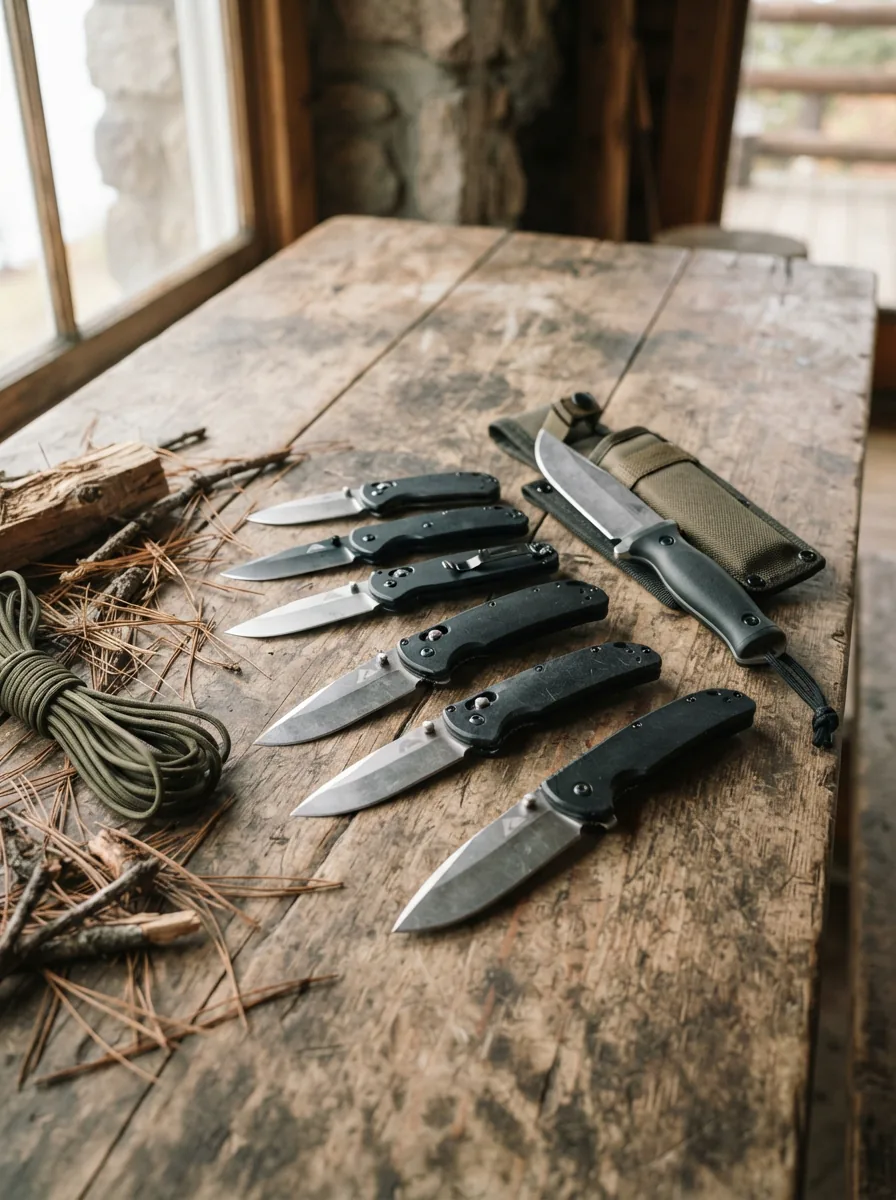
Assorted Ozark Trail folding and fixed blade knives arranged on a rustic wooden camp table
Admin
Ozark Trail Knife

This page lines up Ozark Trail knives so you can compare folding and fixed blades, locks, handles and carry options at a glance. Each pick notes what it handles best, from camp prep to a pocket blade you carry daily.

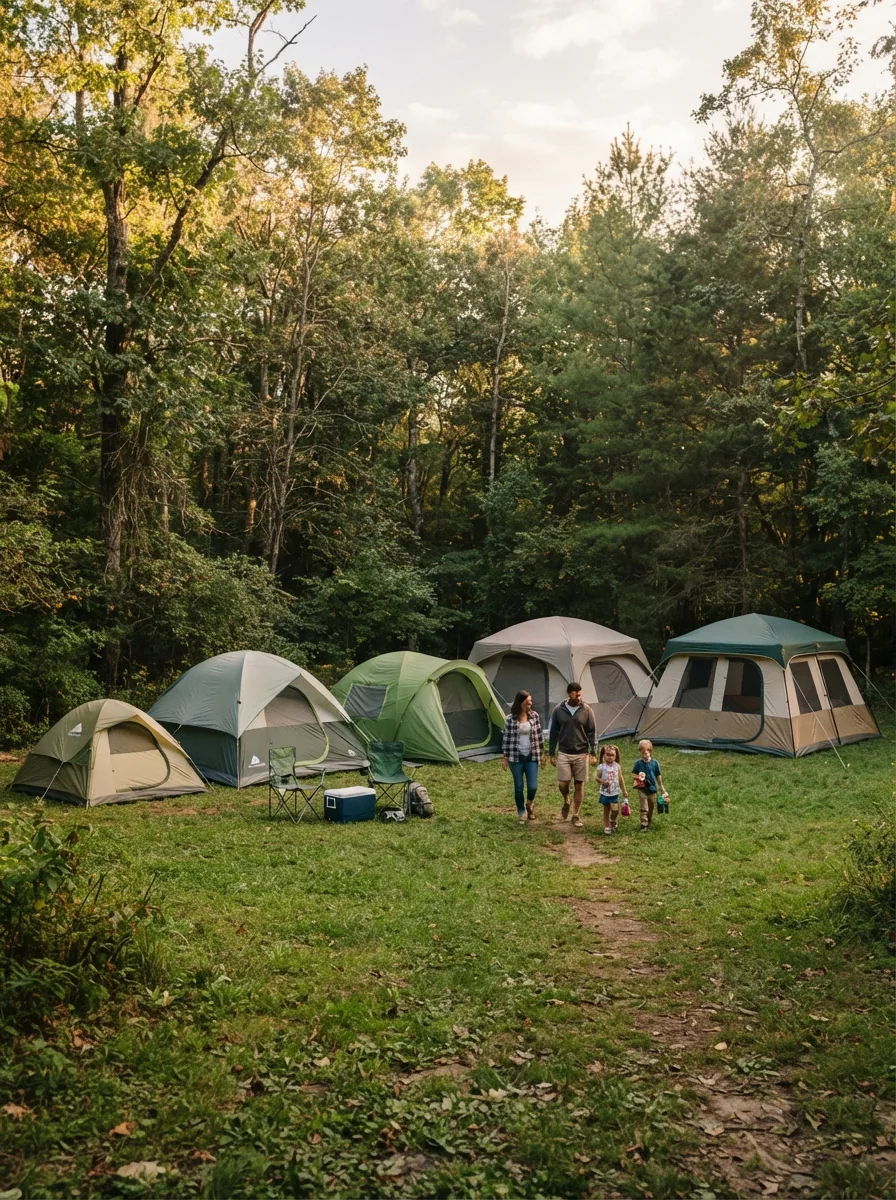
A row of Ozark Trail camping tents of several sizes pitched on a grassy campground with a family walking between them.
Admin
Ozark Trail Tents

Compare Ozark Trail tents by capacity, setup style, weather coverage and packed weight, from solo backpacking shelters to twelve-person family cabins built for drive-up weekend campsites.