





Ozark Trail 29 Inch Mountain Bike

Compare Ozark Trail 29 inch mountain bikes by frame size, suspension and fit, with the helmets, gloves and repair gear riders pair with them. Each option helps you match a bike to your height and the trails you actually plan to ride.

Four 29 inch bikes worth comparing first

Ozark Trail M.2 Ridge 29 in Mountain Bike, Medium 17 in Frame, Gray, Hardtail for Trail Riders

A medium 17 inch aluminum frame in gray fits riders about 5 ft 7 in to 5 ft 11 in. The riser bar and adjustable padded saddle let you set a comfortable upright position, and mechanical disc brakes with a 9-speed drivetrain cover mixed terrain without extra complexity.

Ozark Trail FS.2 Slalom 29 in Full Suspension Bike, Small Frame, Black, 120 mm Fork Travel

Full aluminum alloy construction with a Horst-Link rear and tapered head tube gives this small frame a solid base for riders about 5 ft 1 in to 5 ft 5 in. A 120 mm SR Suntour XCM30 fork smooths roots, while Shimano Cues 9-speed shifting and Logan mechanical disc brakes keep stops predictable.

Ozark Trail FS.2 Slalom 29 in Full Suspension Mountain Bike, Medium Frame, Off-White, Trail Ready

Off-white paint makes this medium frame easy to spot, and it fits riders about 5 ft 6 in to 5 ft 9 in. Full suspension softens repeated hits on rough loops, so longer weekend rides finish with less fatigue. It suits riders moving up from a hardtail who want more cushion without a premium price.

Ozark Trail FS.2 Slalom 29 in Full Suspension Mountain Bike, Medium Frame, Black, Comfort Setup

This black medium frame covers the same 5 ft 6 in to 5 ft 9 in range with a versatile full suspension layout built for comfort and stability. Choose it when trail confidence matters more than minimum weight, since the rear shock absorbs chatter that a rigid rear end passes straight to you.

Ozark Trail FS.2 Slalom 29 in Full Suspension Mountain Bike, Large Frame for Riders 5 ft 10 in - 6 ft 2 in

The large frame fits riders about 5 ft 10 in to 6 ft 2 in, a size budget lineups often skip. Full suspension with a 120 mm fork and a dropper-post-ready frame keeps the bike composed over roots and drops, while the off-white finish stands out in a rack full of dark bikes.
Riders Also Add

Gear that rounds out the ride

Ozark Trail Padded骑行手套 — Full-Finger Trail Ride Gloves for Mountain Biking, Weekend Use

Full-finger padding gives a steadier grip when the bars vibrate on rough descents, and it takes pressure off palms on longer stretches of trail. They pull on and off easily between laps, which suits casual weekend riding and the short outings most mountain bikers actually take.

Ozark Trail Adjustable Bicycle Helmet for Trail and Neighborhood Rides, Dial-Fit Design

Ventilation and a simple dial make this helmet easy to live with: adjust the straps before you roll out and you get a secure feel without a complicated fit system. It works for a local greenway or a relaxed singletrack loop, covering the rides where dependable head protection matters most.

Ozark Trail Compact Trailside Repair Kit for Bikes, Weekend Flats and Loose Bolts

A compact kit that fits in a bag or bottle cage keeps common trailside fixes close, so a quick stop does not end the ride early. It gives you a simple backup for flats and loose bolts on ordinary weekend trips, the two problems most likely to strand a casual rider.
Who It Suits

Three riders this category fits well

This category covers first trail bikes on a tight budget, weekend riders who want rough terrain to feel calmer, and households outfitting several people at once. Match height ranges first, then decide what each rider actually needs.

First mountain bike on a real budget

If this is your first trail bike, a medium or large frame matched to your height covers weekend loops without a large outlay. Spend the savings on a helmet, gloves and a repair kit so day one is ride-ready.

Weekend riders on local singletrack

Riders who get out on Saturdays want a bike that handles roots and chatter without constant tinkering. Full suspension and reliable disc brakes keep those outings smooth and predictable.

Outfitting more than one rider

Families buying for several riders can match frame sizes across the range and stay in one budget. Listed height ranges make it clear who fits which bike before anything is ordered.

Frame size, suspension type, component level and trip length each shift how a bike feels on the trail. Match them to your height and local terrain, and a lower-cost bike stops looking like a compromise.

Four factors that decide which trail bike fits

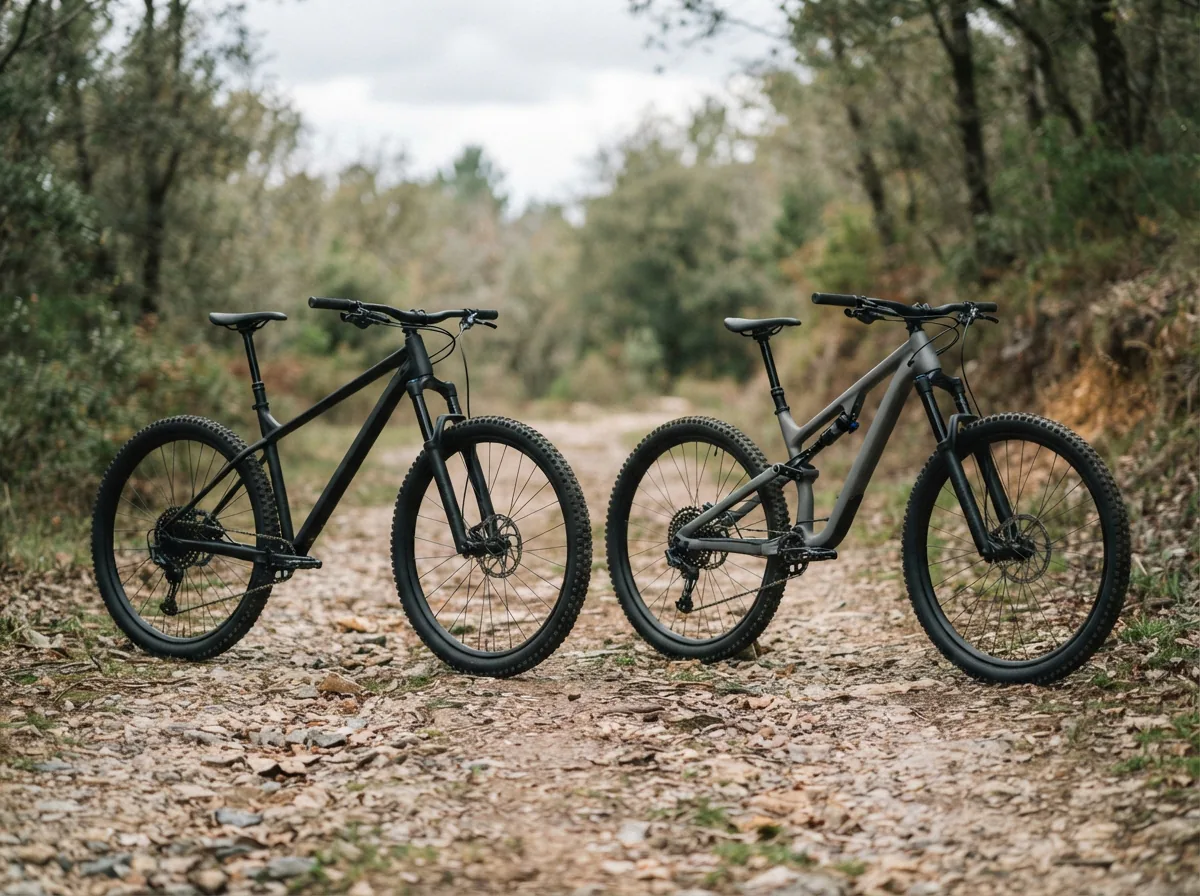
A hardtail and a full suspension 29 inch mountain bike standing side by side on a gravel path with loose trail surface samples between them, no riders present
Frame size and rider height first

Ozark Trail lists a height range with each frame. A medium suits roughly 5 ft 6 in to 5 ft 9 in, while a large runs 5 ft 10 in to 6 ft 2 in. Sitting between sizes, weigh reach and standover over a round number.

Hardtail or full suspension choice

A hardtail keeps the frame simple and light for smooth paths and climbs. Full suspension adds a rear shock that soaks up roots and drops, helping on rougher singletrack but asking more of you to keep it maintained.

Components that shape daily ride quality

Brakes, gears and fork travel decide how the bike behaves stop to stop. Mechanical disc brakes and a 9-speed setup handle ordinary trails, while a 120 mm fork and dropper-ready frame suit riders who push harder.

Matching the bike to your real rides

Weekend loops and greenway paths do not need every upgrade, while frequent rocky descents reward better suspension. Decide how often and how hard you ride before spending, then let that set your budget.

Ways To Narrow It

Four directions inside the 29 inch range

The range splits by what you ride: simple hardtails for smoother paths, full suspension for rougher lines, protective gear for every trip, and small repair kits for when something loosens. Start with terrain, then add what keeps you rolling.
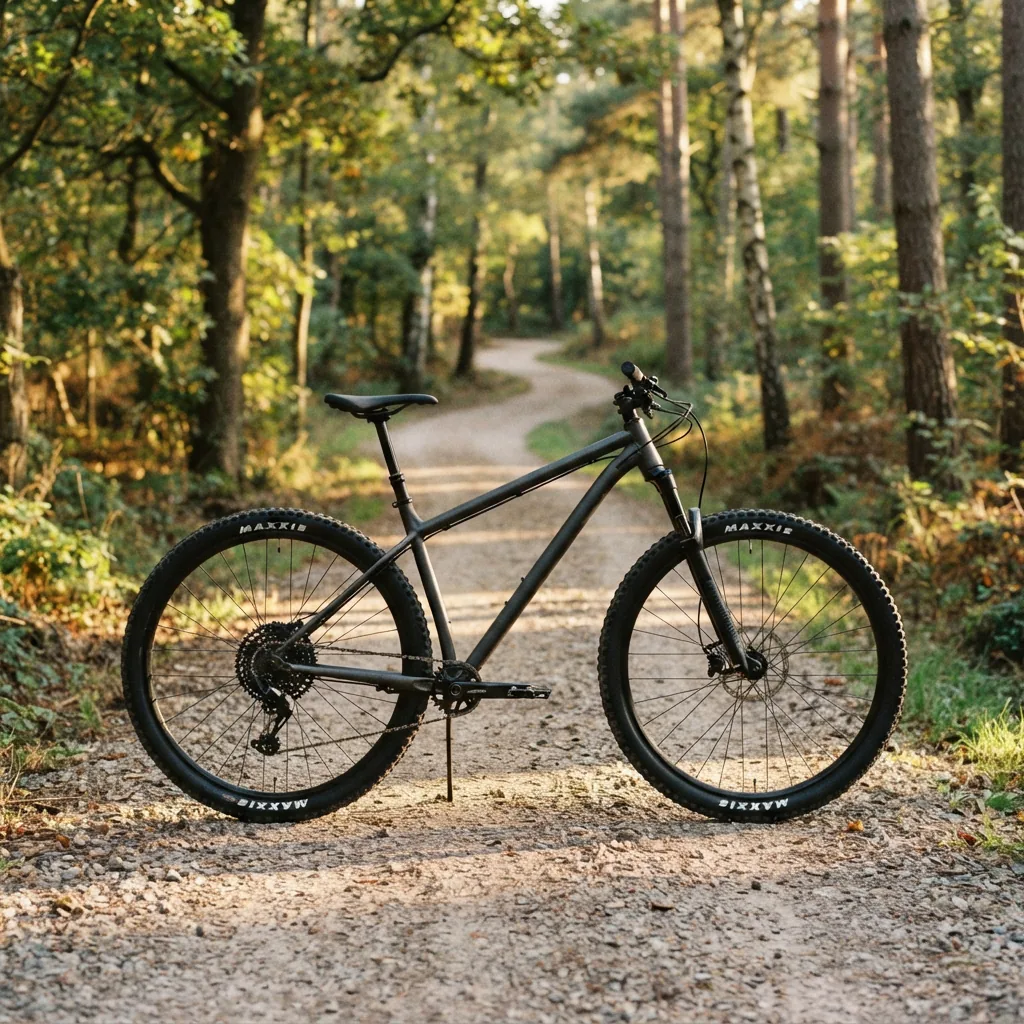
A hardtail mountain bike with rigid rear end parked on a packed gravel path, no rider present

Hardtail trail bikes

A rigid rear end keeps the bike light and simple, which suits packed paths, climbs and riders who do not want extra maintenance. Pick this when most of your riding stays smooth.

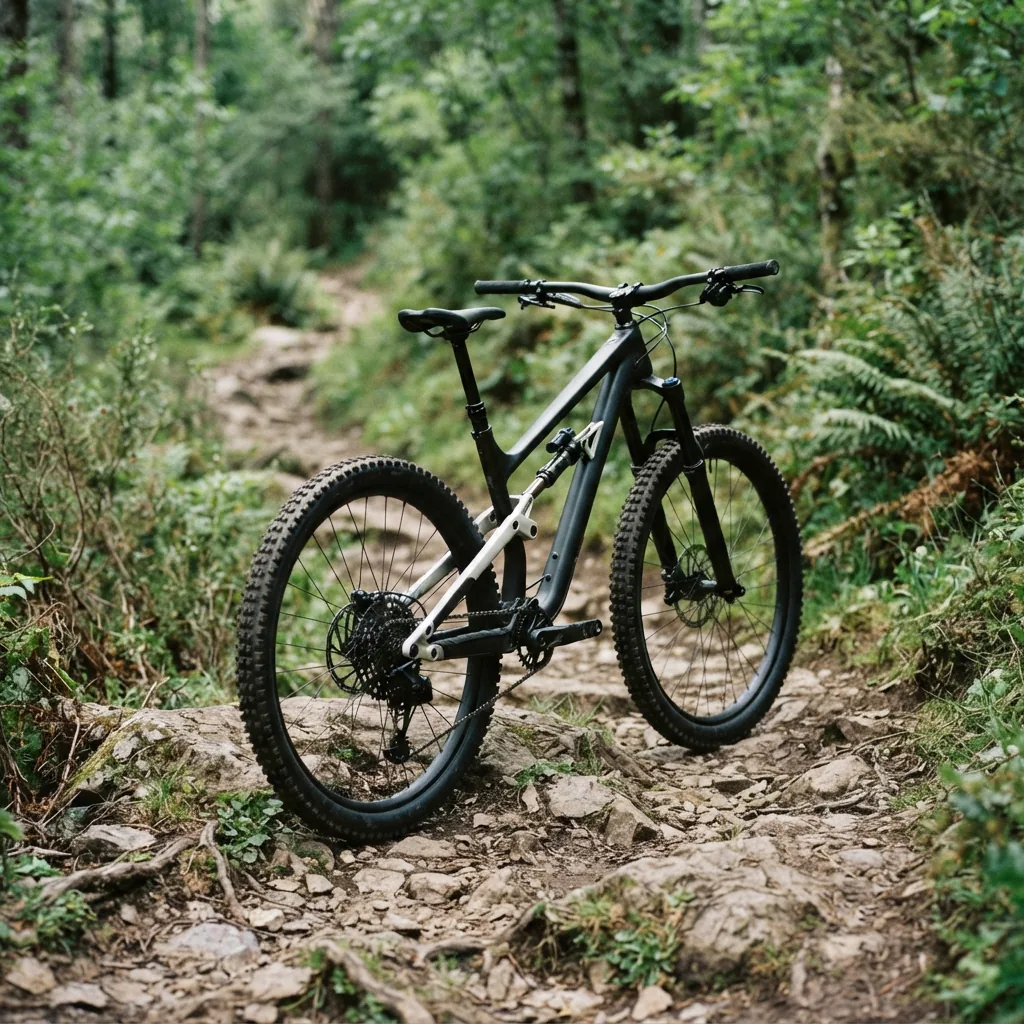
A full suspension mountain bike with rear shock on a rocky singletrack section, no rider present

Full suspension trail bikes

A rear shock absorbs roots and drops, so rougher singletrack feels calmer under you. Choose it when your local trails are rocky or you plan to ride harder lines more often.

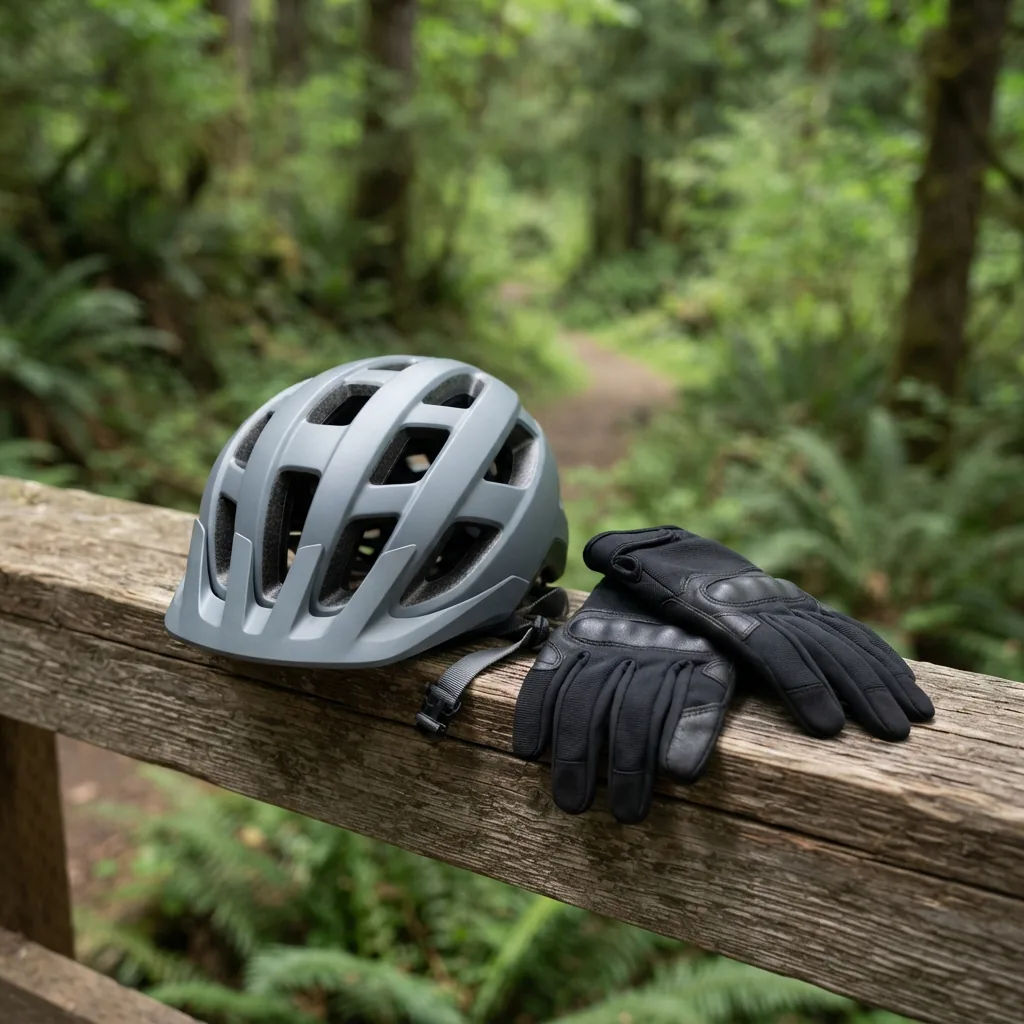
A ventilated bicycle helmet and a pair of full-finger riding gloves resting together on a trailhead rail, no people present

Rider gear and protection

Helmets and gloves belong in the same purchase as the bike. Ventilation, strap fit and finger padding decide how comfortable you stay after an hour on the trail.

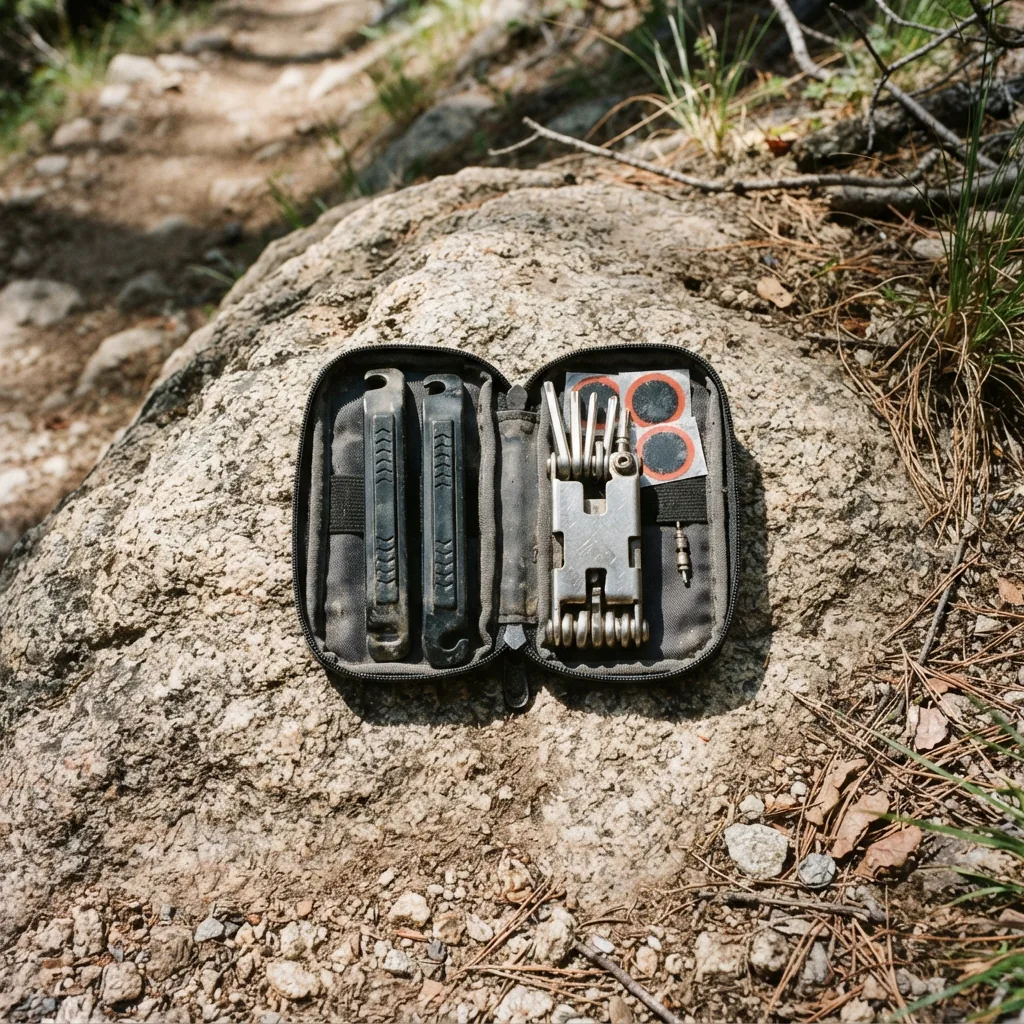
A compact bike repair kit with tire levers and multi-tool open on a rock beside a trail, no people present

Repair and trailside backup

A compact kit turns a ride-ending problem into a five-minute stop. Look for coverage of flats and loose bolts, the issues most likely to strand a casual weekend rider.

First-Person Notes

What riders say about getting started

Riders describe the same moments: dialing in a saddle height, finishing a longer loop with less fatigue, fitting a helmet before heading out, and fixing a flat without cutting the day short. Honest expectations, useful details.
I wanted a bike I could ride a few weekends a month without spending a fortune. The sizing notes made the choice easy, and once I set the saddle height the first rides felt natural. A couple of weeks in, I am still working on trail skills, but the bike is not holding me back.
Decorative customer review avatar icon 1
Dana R.
First mountain bike after years of borrowing
The rear suspension takes the sting out of roots, and I finish longer loops with less fatigue than before. Setup took an afternoon plus a few brake adjustments. It is heavier than the pricier bikes my friends ride, yet on my local trails I cannot tell where the extra money went.
Decorative customer review avatar icon 2
Marcus T.
Weekend rider upgrading from a hardtail
We needed gear that would survive a season of casual riding and still leave room in the budget. The helmet dial makes fitting simple before we head out, and the gloves still look fine after weekly use. Nothing here feels premium, but nothing has failed us either, which is what I wanted.
Decorative customer review avatar icon 3
Priya S.
Parent outfitting a young rider
I like that I can carry a small kit and handle a flat without calling anyone. Pads, tyres and cables are all standard parts, so repairs stay cheap and quick. After a year of weekend rides the bike still shifts cleanly, and I have spent far less on upkeep than I expected going in.
Decorative customer review avatar icon 4
Kevin M.
Rider who fixes his own bikes
Straight Answers

Practical questions before you choose

Each listing gives a rider range: small fits about 5 ft 1 in to 5 ft 5 in, medium about 5 ft 6 in to 5 ft 9 in, and large about 5 ft 10 in to 6 ft 2 in. If you sit between sizes, think about reach and standover height before deciding.
Full suspension absorbs roots and drops, which helps on rougher singletrack, but a hardtail stays simpler, lighter and easier to maintain. For smooth paths and climbs the hardtail is usually enough; for repeated rough sections the rear shock earns its place.
Larger wheels roll over small bumps and hold momentum better than smaller sizes, which helps on mixed terrain. They also shift how the bike fits you, so check the listed rider height range rather than assuming a wheel size will suit.
Yes, and that is part of the value case. These bikes already include mechanical disc brakes, a 9-speed drivetrain and a dropper-ready frame, so the essentials are covered. Swap in better pads, tyres or a dropper post as your riding and budget grow.
A well-ventilated helmet with adjustable straps comes first, followed by full-finger gloves for grip and a compact repair kit for flats and loose bolts. Buying them together means you start riding instead of stopping short on day one.
Ozark Trail is a value-focused Walmart brand built for short trips and regular weekend use. Independent reviewers call it a reasonable buy for occasional outings while noting it may not last as many years as top-end equipment, so weigh trip frequency against price.
Keep Reading

More trail ideas and gear notes to browse

Hard-sided and soft-sided Ozark Trail coolers arranged on a wooden picnic table at a wooded campsite
Admin
Ozark Trail Cooler

Compare Ozark Trail coolers by size, shape and how you carry them, from hard-sided chests that hold ice for a weekend to soft totes and backpack coolers for a day out. Each option below shows capacity, format and the trip it fits best.


A group of Ozark Trail mountain bikes with front suspension parked on a dirt trailhead, a rider comparing frame sizes beside them
Admin
Ozark Trail Bike

Ozark Trail mountain bikes span hardtails and full suspension builds, sized from young riders to tall adults. Compare fit, suspension, wheels and gears to match your trails and your budget.

Assorted Ozark Trail folding and fixed blade knives arranged on a rustic wooden camp table
Admin
Ozark Trail Knife

This page lines up Ozark Trail knives so you can compare folding and fixed blades, locks, handles and carry options at a glance. Each pick notes what it handles best, from camp prep to a pocket blade you carry daily.

A row of Ozark Trail camping tents of several sizes pitched on a grassy campground with a family walking between them.
Admin
Ozark Trail Tents

Compare Ozark Trail tents by capacity, setup style, weather coverage and packed weight, from solo backpacking shelters to twelve-person family cabins built for drive-up weekend campsites.
