



Ozark Trail 14 Person Tent

Compare Ozark Trail 14 person tents across rooms, layout, shade fabric and porch space, then match the choice to your group size, trip length and how much setup work you want to take on.

Four 14-person tents, four ways to camp

Ozark Trail 14-Person, 4-Room Tent with Divided Sleeping Space for Family Privacy

Four separate rooms let families sleep apart, so kids can settle early while adults stay up in another corner. It suits group sites where privacy matters more than a light pack, and the rating comfortably covers two adults per room plus gear inside.

Ozark Trail 14P Spring Lodge Cabin Tent — Fair-Weather Summer Cabin for Warm Group Weekends

Cabin walls stand close to vertical, so the interior feels roomier than the rating suggests. It suits a fair-weather summer weekend: pitch it on warm ground, keep the mesh panels open for airflow, and plan to pack it away before the first autumn storm arrives.

Ozark Trail 14-Person 4-Room Base Camp Tent with 4 Separate Entrances for Group Base Camps

Four separate entrances mean people come and go without climbing over someone else’s sleeping bag, which helps when the group arrives at different times. It works well as a base camp, one tent covering everyone while the rest of the site stays tidy.

OZARK TRAIL 14 Person Cabin Tent for Large Families and Groups on Weekend Camping Trips

A straightforward cabin shape rated for 14 people, which suits large families and groups that mainly need floor space and headroom. Setup runs longer with more poles and guylines, so plan to arrive with daylight left and a helper posted on each side.

Ozark Trail 14-Person Gathering Dome Tent — Open Floor Plan for Reunions and First-Time Group Campers

Built for reunions and shared weekends, this dome keeps everyone in one open sleeping space, so conversation continues after lights out. Setup stays straightforward enough for first-time group campers, and the value-focused price leaves room in the budget for food, firewood and the rest of the trip.
More ways to choose

Three more 14-person options by need

Ozark Trail 14-Person Dark Rest Retreat Tent — Shade Fabric for Light Sleepers on Summer Nights

Shade-oriented fabric keeps morning sun from ending the trip early, which suits light sleepers and long summer nights. The interior stays roomy for families, and the honest trade-off is a darker daytime space that needs a lantern once the sun drops.

Ozark Trail 14-Person Screened Porch Tent — Covered Outdoor Space for Hosting and Gear

Sleeping room plus a sheltered area for sitting out, card games and wet gear gives the group somewhere dry to gather when rain arrives. A practical pick for casual campers hosting a crowd who still want a usable outdoor corner beside the sleeping space.

Ozark Trail 14-Person Reunion Weekend Tent — Simple Weekend Pitch for Extended Family Groups

Pitched for extended families and friend groups sharing one site, it delivers dependable shelter for a weekend outing at a price that leaves budget for the rest of the trip. Expect less polish than higher-end models, and plan setup while daylight holds.
Who it suits

Where a 14-person tent earns its space

These tents serve multi-generation families, reunion groups and weekend hosts who need floor space and privacy. Weigh the results that matter: setup effort, how the group sleeps and what the campsite allows.

Large families splitting into sleep zones

Parents and kids can take separate rooms so one group sleeps early while another stays up. You get privacy at a single site without booking two smaller shelters and pitching both.

Reunions and friend groups on one site

One shared floor keeps everyone close and cuts the number of shelters to pitch. It suits groups that arrive in waves, when nobody wants a separate booking or a second setup.

Weekend hosts with gear to store

Room for bags, coolers and cots inside means less time organizing and more time outside. Expect a longer pitch, so plan to arrive with daylight to spare and tasks divided.

Room count, floor shape, fabric and added shelter each change who a tent suits. Weigh them against your group, the weather you camp in and how much setup work you are willing to take on.

Four factors that decide your 14-person tent

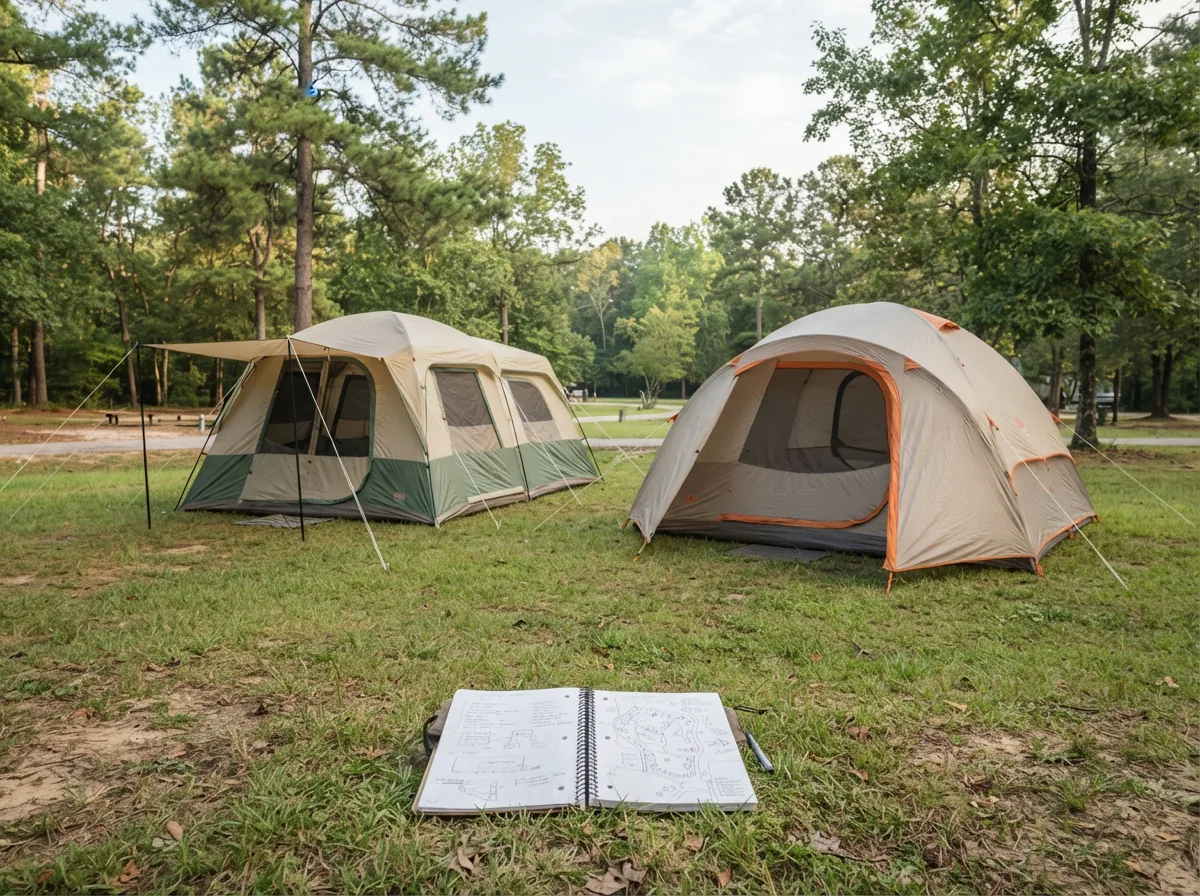
Two large family camping tents of different layouts side by side with a shopper comparing notes at a campsite
Room count against real privacy needs

Four rooms split a large floor into separate sleeping areas, which helps when bedtimes differ. An open floor stays simpler and faster to pitch, but everyone shares one space.

Floor shape and usable floor space

Cabin walls stand near vertical, so cots and gear fit out to the edges. Dome curves slope inward, which trims usable room at the sides even when the rating stays the same.

Shade fabric and morning light

Dark rest fabric limits early sun, useful on summer trips when you want to sleep past dawn. Standard panels let light in and keep the interior brighter for rainy-day card games.

Extra shelter and weather trade-offs

A screened porch or covered entrance adds dry space for gear and wet boots, at the cost of a larger footprint. Bigger tents take longer to pitch and need flatter ground to sit right.

Find your fit

Four ways a 14-person tent can be built

Four clear directions run through this category: divided rooms, one open floor, shade fabric and added shelter. Match each to how your group sleeps, when you camp and how long you want setup to take.
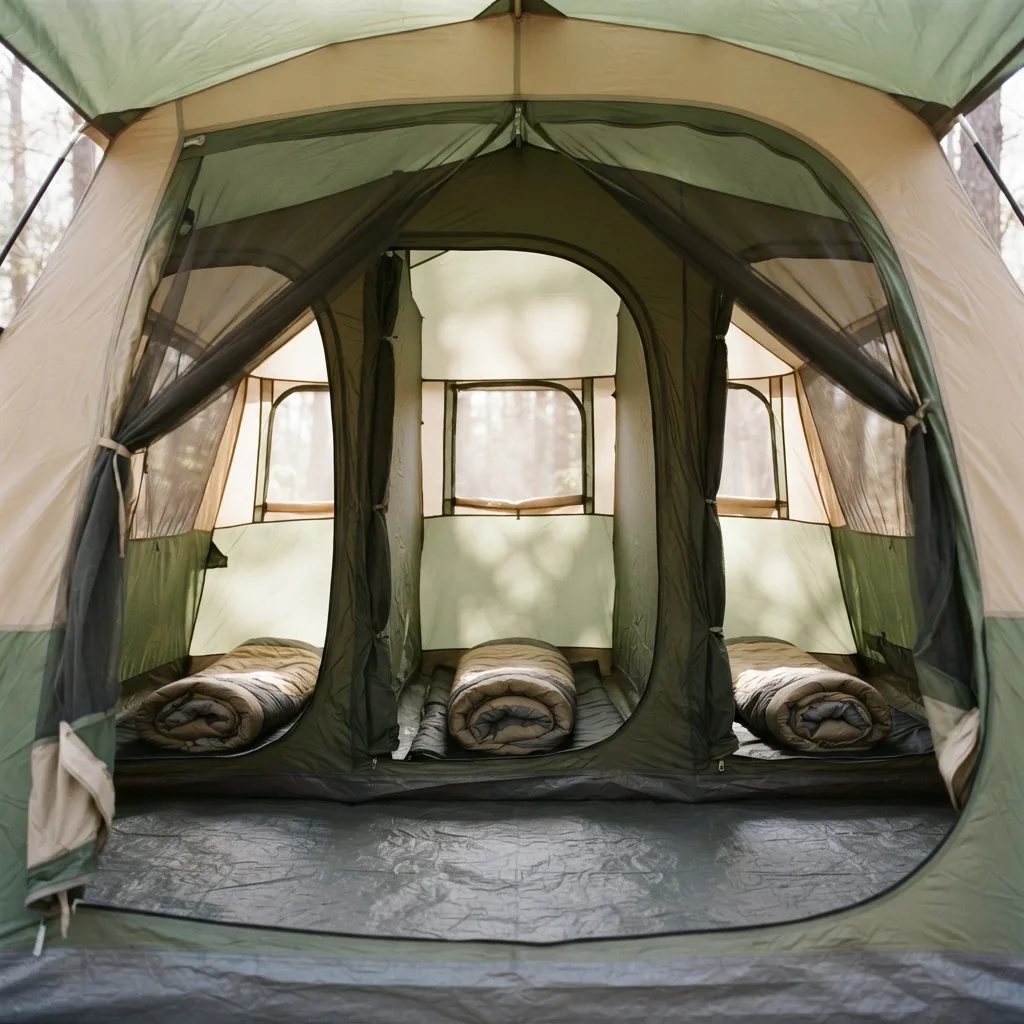
Camping tent interior divided by fabric partitions into separate sleeping rooms

Multi-room privacy layouts

Divided floors suit mixed bedtimes and multi-generation groups. Look for layouts advertising four rooms and more than one entrance so people move around without crossing the middle.

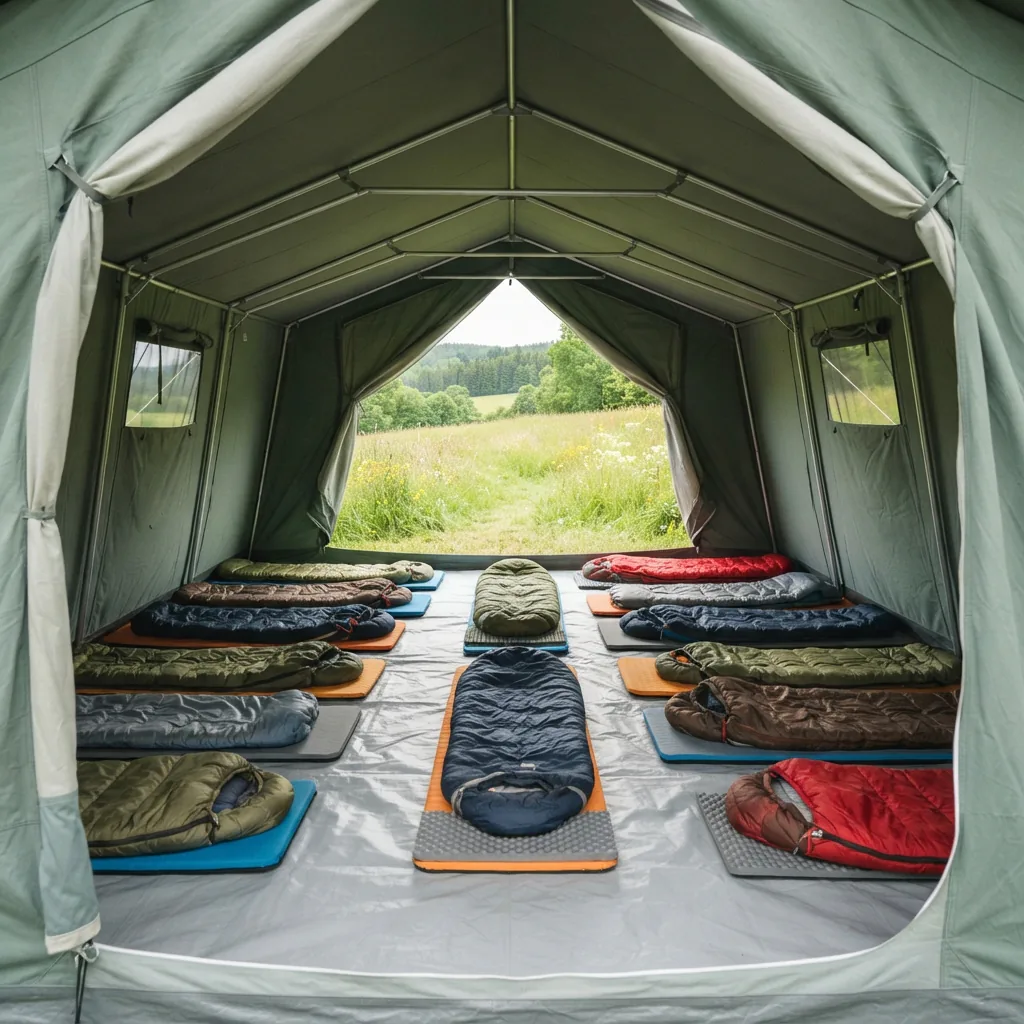
Open single-floor camping tent interior with sleeping bags laid across one shared space

Single open gathering floors

One open floor keeps everyone close and shortens setup, since there is nothing to divide. It works best when the group shares a schedule and nobody needs a private corner.

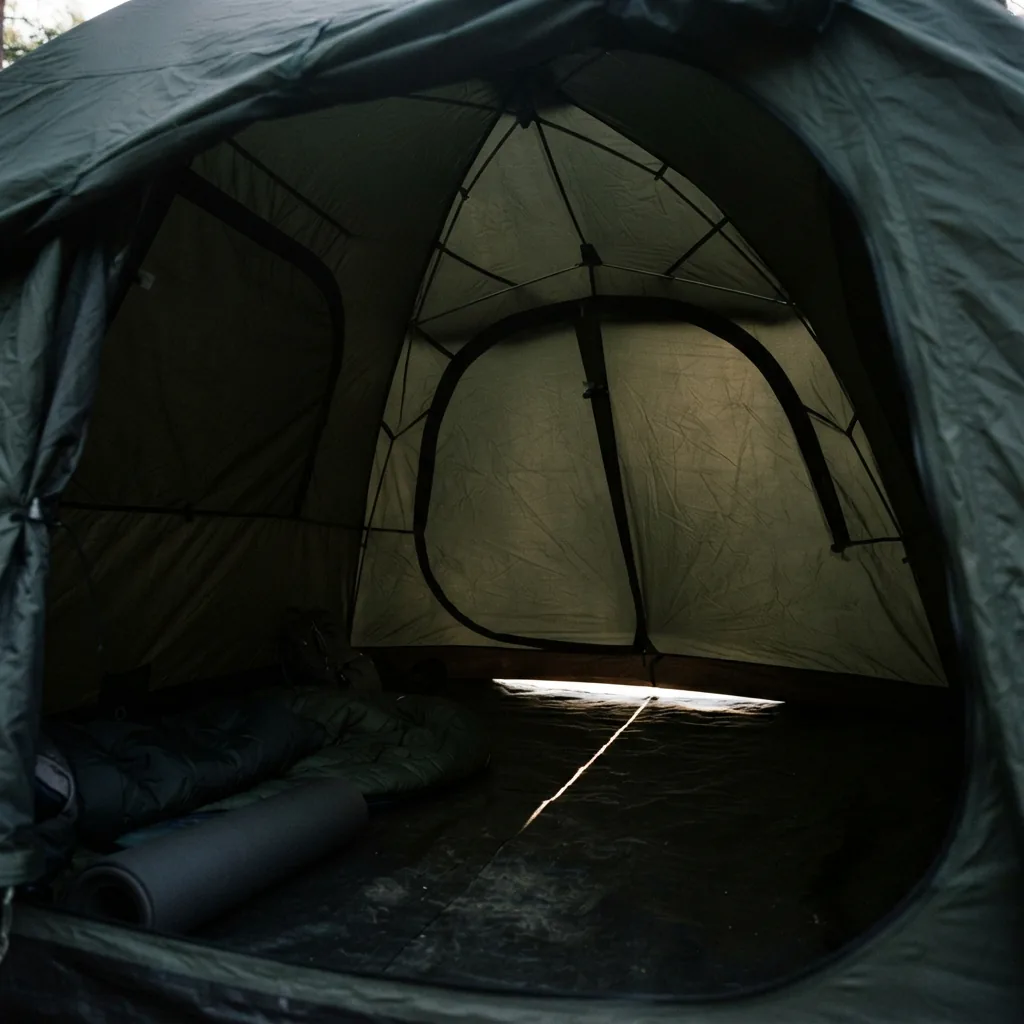
Dim tent interior where shade fabric panels block bright morning sunlight

Dark rest and shade fabric

Shade-oriented panels slow morning sun, helpful for summer trips and light sleepers. Standard walls trade that shade for a brighter daytime interior, which families often prefer on wet days.

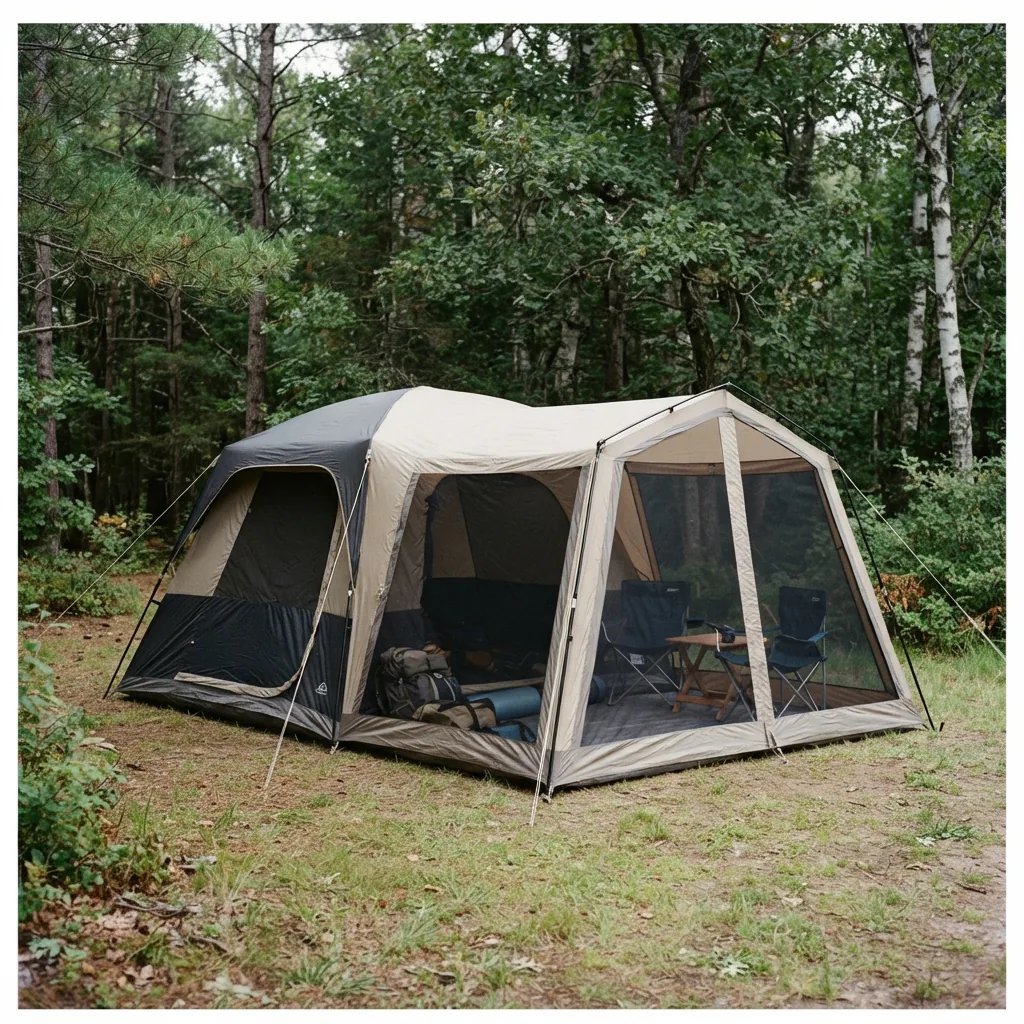
Camping tent with a screened porch area holding camp chairs and stored gear

Screened porch shelter space

A screened-in porch extends living space for wet weather and gear storage. It costs footprint, so confirm the site is wide and level enough before committing to the layout.

In their words

What campers say about big group tents

Campers describe the same trade-off: more space means more setup. These accounts focus on what changed once the tent was up, including sleep, storage and how the group actually used the space.
We spent weeks comparing tents online and kept landing on the same trade-off: more rooms meant more poles and a longer pitch. Once it was up, everyone had a corner, and that made the first night far calmer than any of us expected.
Decorative customer review avatar icon 1
Marla K.
Compared budget options before committing
First time hauling a big tent, and I worried about setup. We arrived in the afternoon and finished before dark once we laid out every pole first. The extra floor space meant nobody was tripping over bags at two in the morning.
Decorative customer review avatar icon 2
Devin R.
First-time group camper on a weekend trip
Sleeping space was the deciding factor for us. Two adults per room still left space for bags inside, so the campsite stayed tidy the whole trip. Mornings felt easier because nobody had to crawl over anyone else to reach the door.
Decorative customer review avatar icon 3
Priya S.
Packed for a three-night family outing
I care more about honest trade-offs than perfect specs. Expect a heavier bag and a longer setup, then enjoy a space where eight adults still fit without arguing over corners. That balance worked well for our group and the price helped too.
Decorative customer review avatar icon 4
Tom B.
Shared a large site with a group of friends
Before you pitch

Questions to settle before you pick a tent

Ratings describe maximum capacity, usually two adults per person slot with minimal gear. Plan for roughly half that number if you want cots, bags and room to move, and read the floor dimensions rather than the head count.
A four-room tent divides one floor with fabric partitions and separate entrances, which helps when bedtimes differ. An open floor pitches faster and rearranges easily, but it offers no visual privacy once the group settles.
Large tents take longer than small ones. Expect to lay out the rainfly, sort poles by length and add a helper for the second half. Arriving with daylight to spare removes most of the stress.
Shade-oriented fabric slows morning sun, which helps light sleepers stay asleep on summer trips. The trade-off is a darker interior during the day, so a lantern becomes useful well before sunset.
A screened porch gives a dry spot for wet boots, gear and sitting out, and keeps the sleeping area clear. It adds footprint and setup time, so confirm your site is wide and flat enough first.
Check floor dimensions, peak height, pole count and how many rooms or entrances the layout promises. Then compare setup time and fabric weight against your vehicle space and how often you expect to pitch it.
Keep exploring

Continue into related Ozark Trail gear

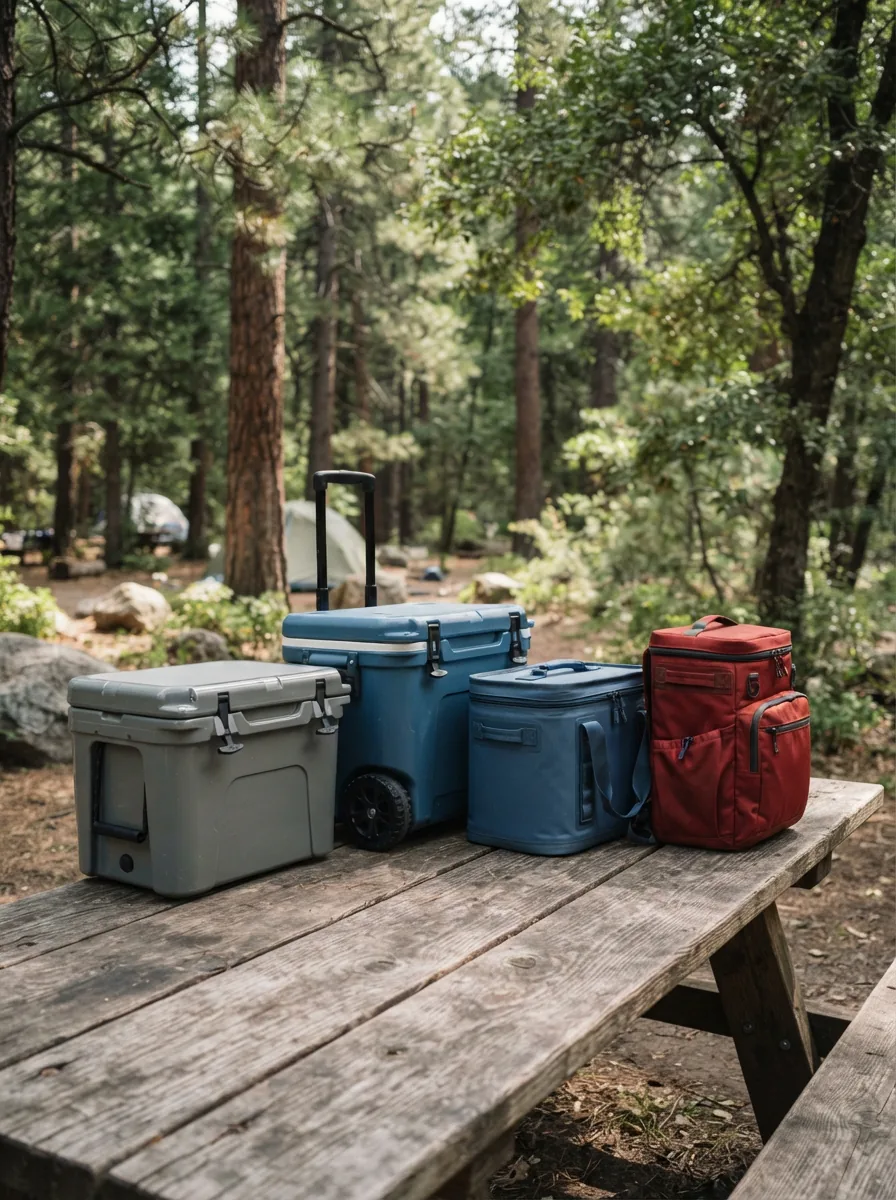
Hard-sided and soft-sided Ozark Trail coolers arranged on a wooden picnic table at a wooded campsite
Admin
Ozark Trail Cooler

Compare Ozark Trail coolers by size, shape and how you carry them, from hard-sided chests that hold ice for a weekend to soft totes and backpack coolers for a day out. Each option below shows capacity, format and the trip it fits best.
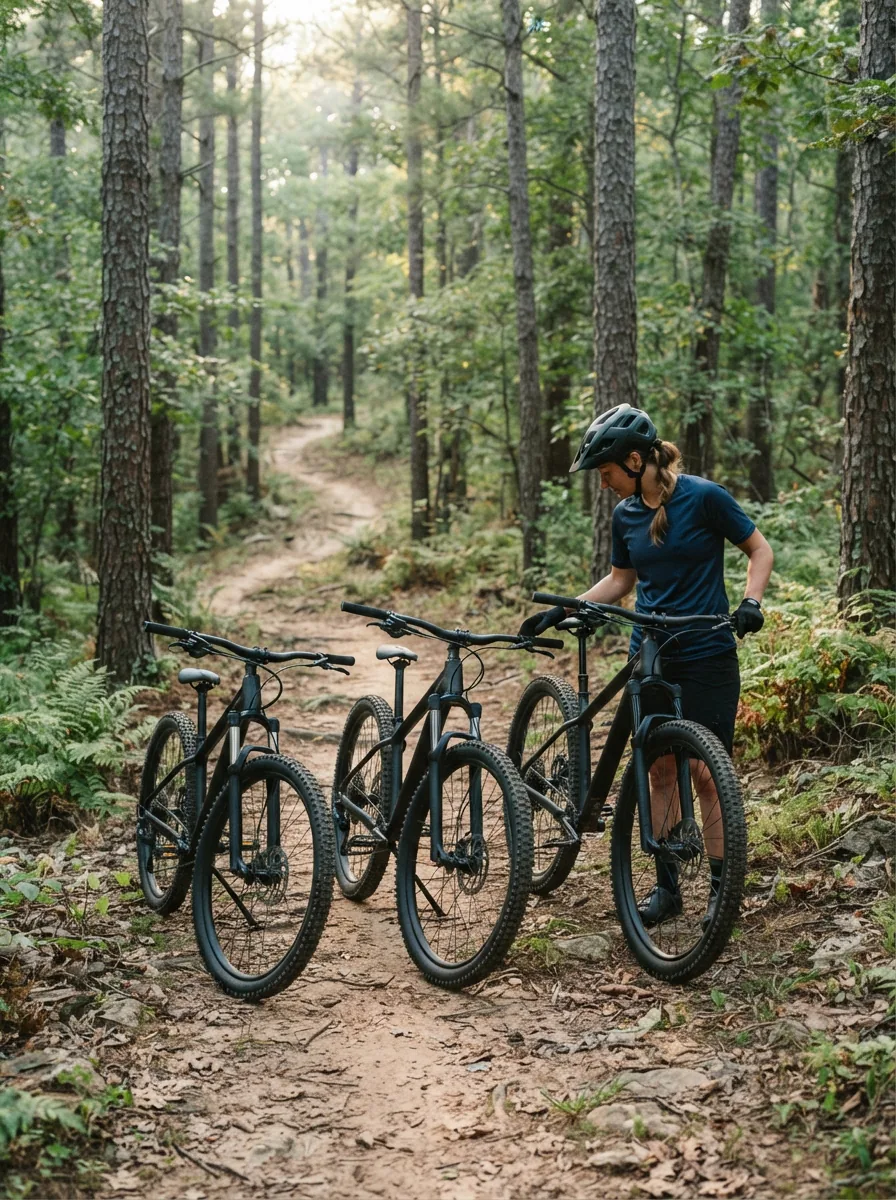
A group of Ozark Trail mountain bikes with front suspension parked on a dirt trailhead, a rider comparing frame sizes beside them
Admin
Ozark Trail Bike

Ozark Trail mountain bikes span hardtails and full suspension builds, sized from young riders to tall adults. Compare fit, suspension, wheels and gears to match your trails and your budget.

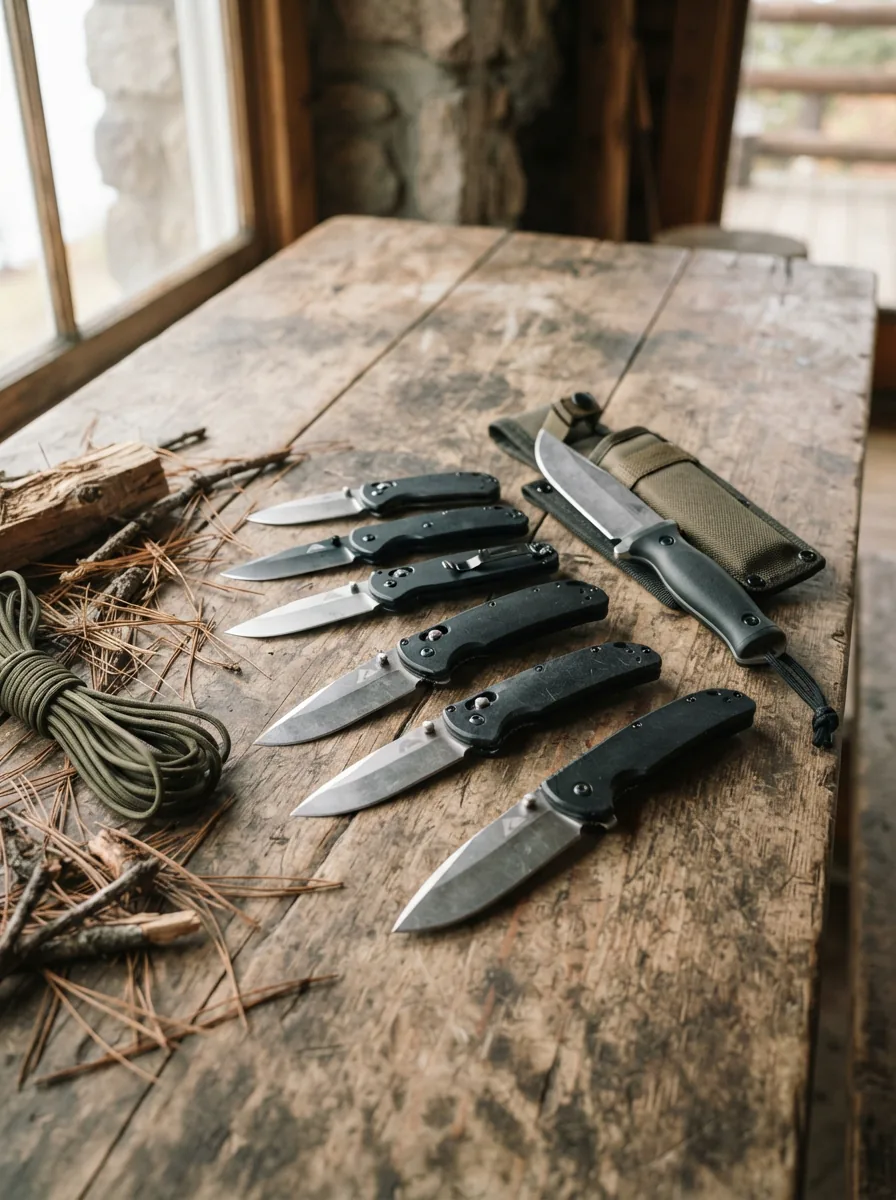
Assorted Ozark Trail folding and fixed blade knives arranged on a rustic wooden camp table
Admin
Ozark Trail Knife

This page lines up Ozark Trail knives so you can compare folding and fixed blades, locks, handles and carry options at a glance. Each pick notes what it handles best, from camp prep to a pocket blade you carry daily.

A row of Ozark Trail camping tents of several sizes pitched on a grassy campground with a family walking between them.
Admin
Ozark Trail Tents

Compare Ozark Trail tents by capacity, setup style, weather coverage and packed weight, from solo backpacking shelters to twelve-person family cabins built for drive-up weekend campsites.