





Room for Ten, Plus a Screen Porch

A three-room dome with 137 sq. ft. of living space, room for three queen air beds, and a 30 sq. ft. screened porch that keeps bugs outside. Built for family weekends at a price that makes a first tent setup easy to justify.
Design and Construction

Built for Space and Airflow

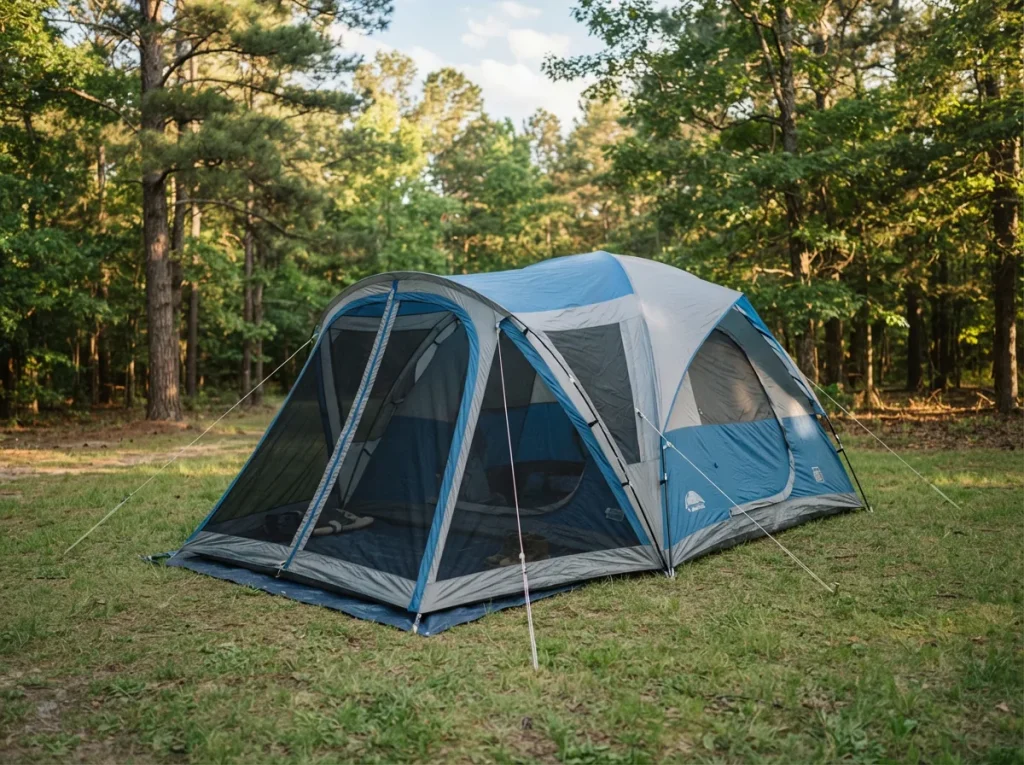
The three-room interior spans 137 sq. ft. within a 17 ft. by 8.5 ft. footprint, with two dividers you can position to suit the trip. A 30 sq. ft. screened porch adds bug-free space up front, and mesh panels keep air moving on warm nights.
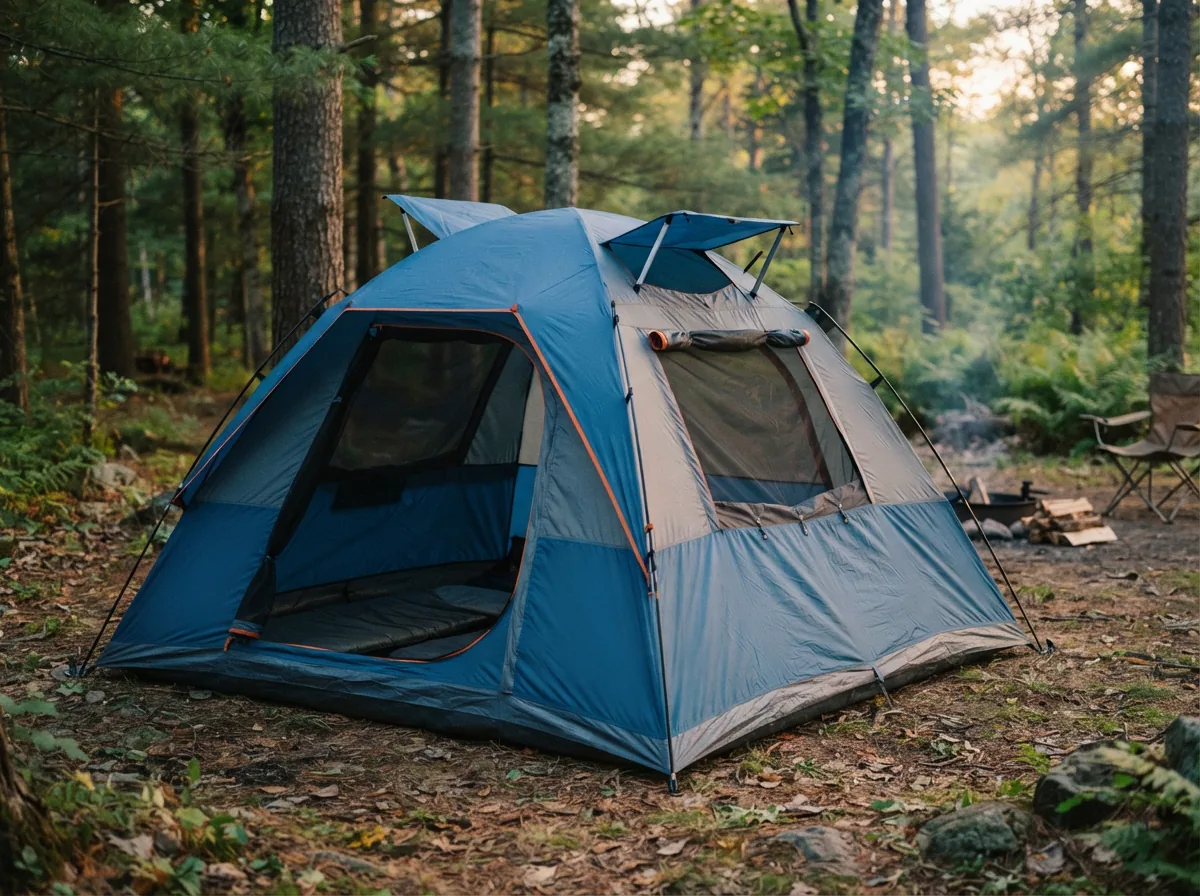
Wide three-quarter view of a large blue and gray dome camping tent with a screened front porch pitched on a grassy campsite

Comfort That Earns Its Weekend

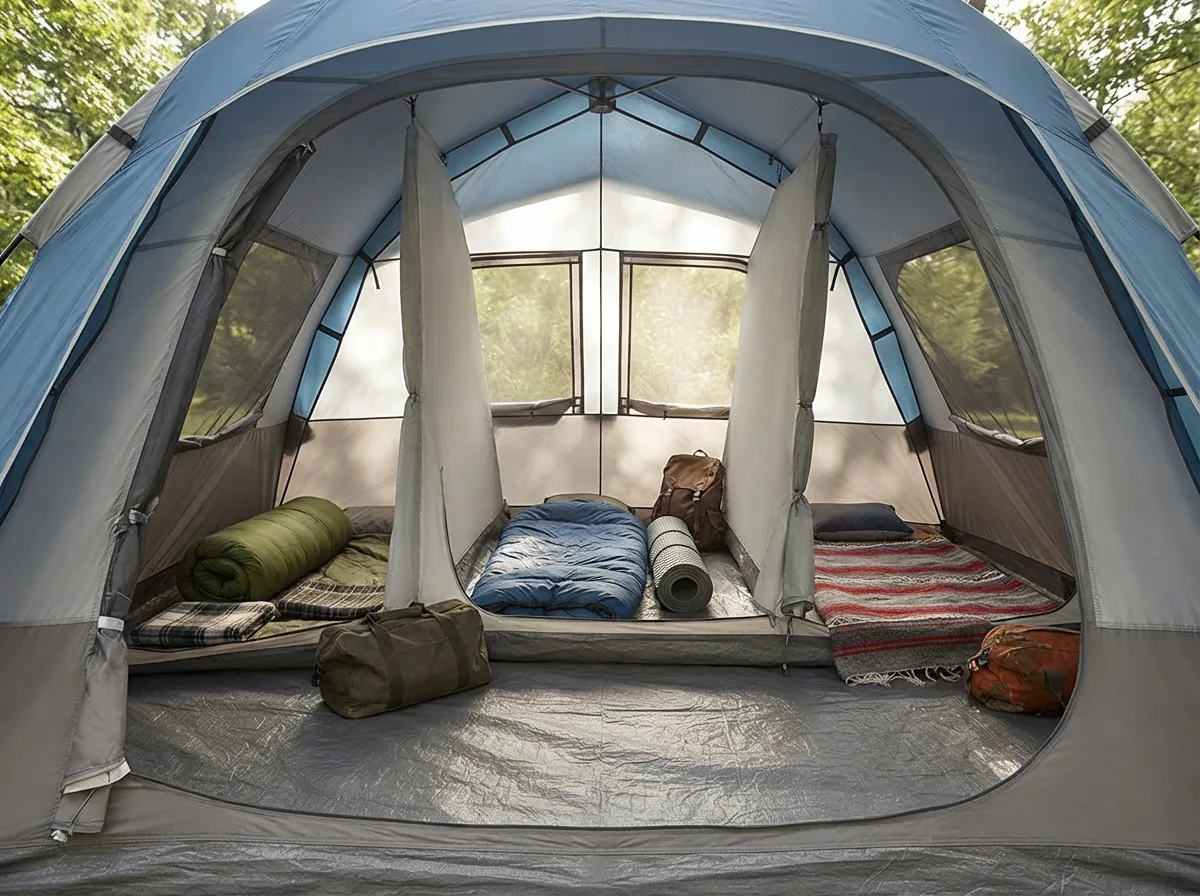
Interior view of a large dome tent divided into three rooms by two fabric dividers
Three Rooms Keep Everyone Organized

Two dividers split 137 sq. ft. into three rooms, so kids can settle in one end while adults keep a quiet space at the other. Nobody has to climb over sleeping bags to reach the door.

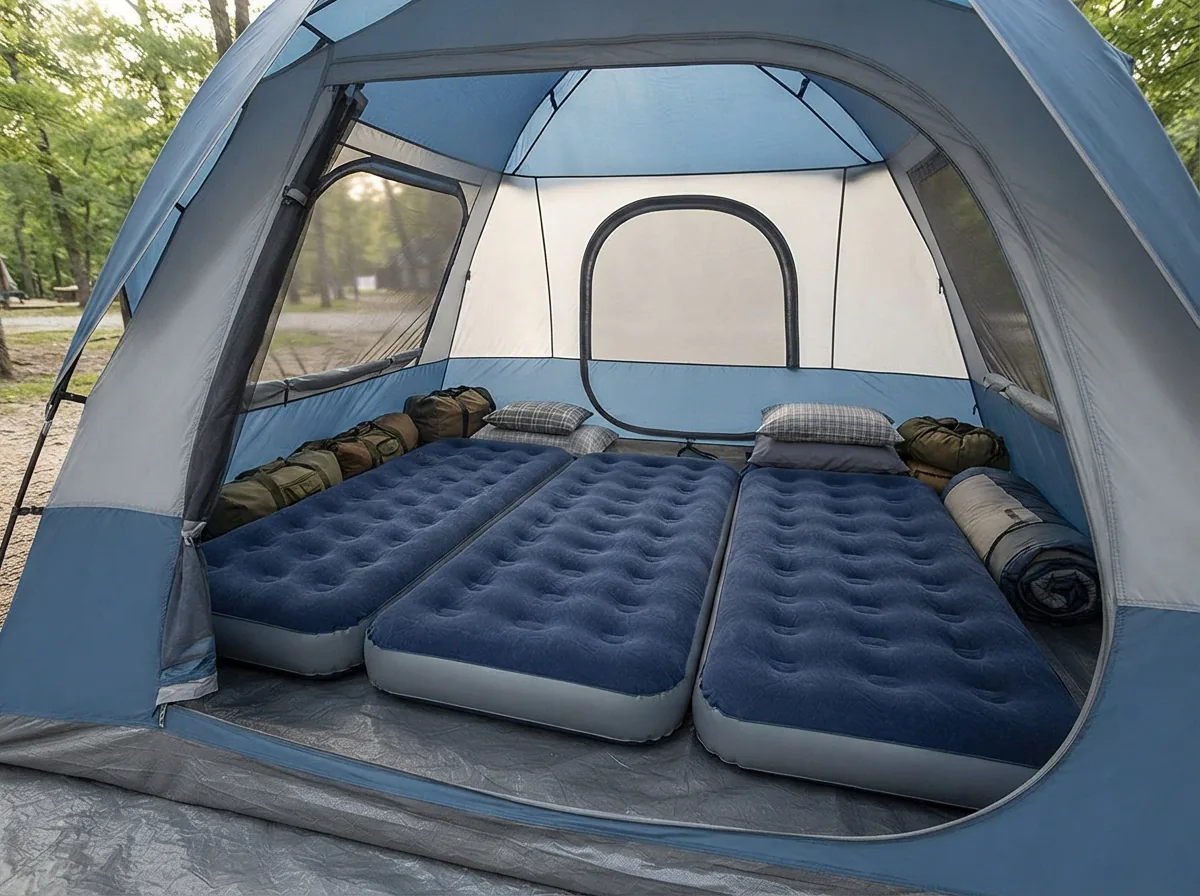
Three queen air mattresses laid out side by side on the floor of a spacious camping tent
Queen Beds Fit Without Crowding

The 17 ft. by 8.5 ft. footprint fits three queen air beds with floor space left for bags and shoes. That means real sleeping room instead of shoulder-to-shoulder mats on a family trip.

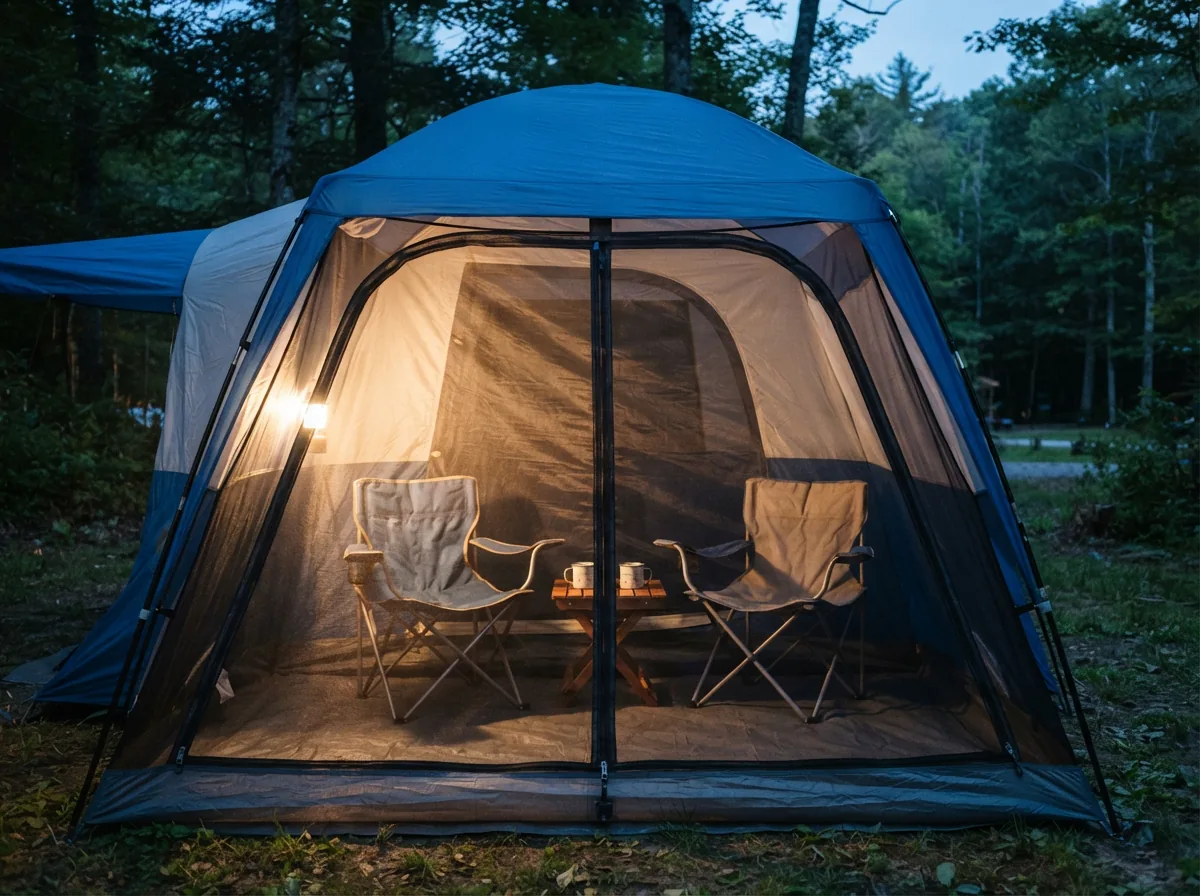
Screened front porch of a camping tent with two camp chairs and a small table, insects outside the mesh
A Porch That Keeps the Bugs Outside

A 30 sq. ft. front porch gives you a screened place to sit after dinner, read, or store wet boots. Bugs stay outside and the gear stays dry, which keeps the main rooms less cluttered.

Open mesh windows and vents on a dome tent releasing warm air on a summer evening
Airflow That Stays Steady Overnight

Mesh panels and the open porch keep air moving through the tent on warm nights, so the inside stays comfortable instead of feeling stuffy. Good airflow matters when ten people share a space.

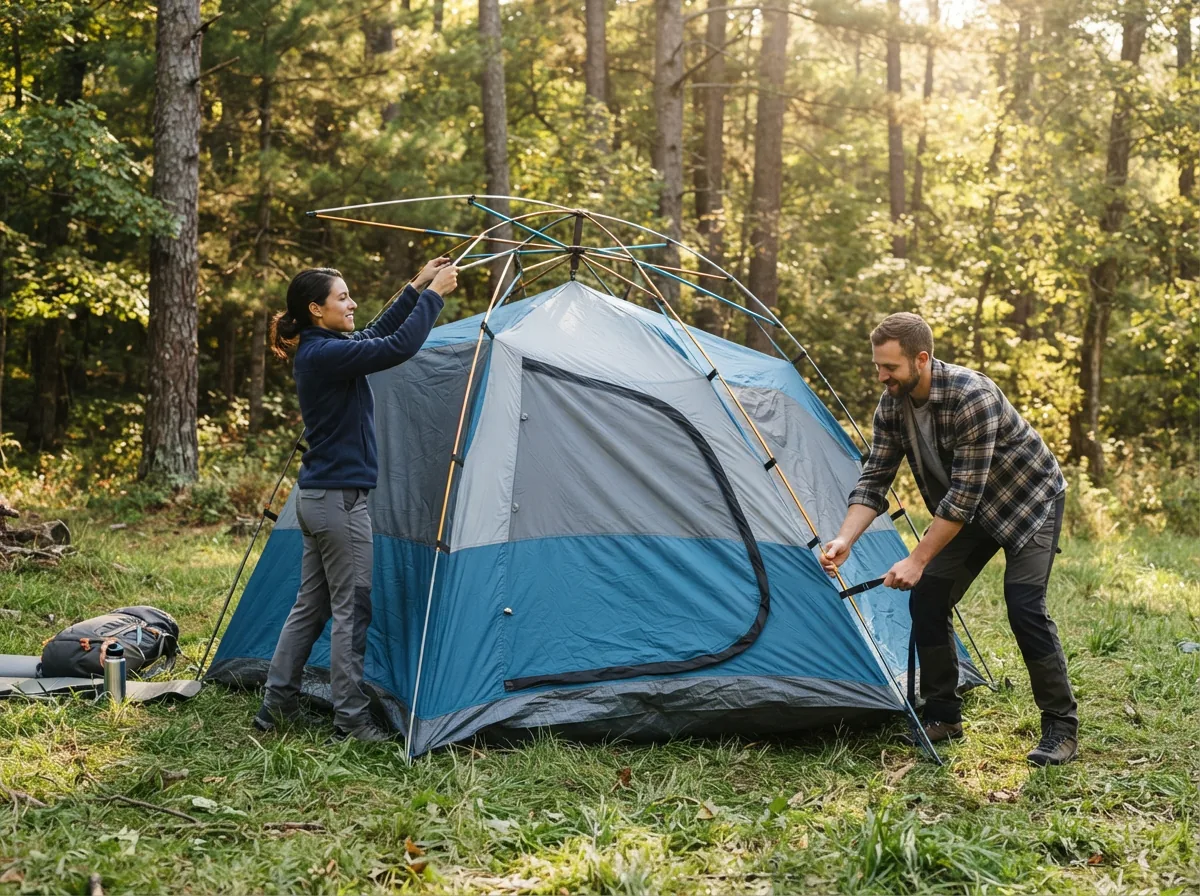
Two adults raising a large dome tent frame together at a wooded campsite
Space That Works for a First Setup

As a first family tent, this one is forgiving. Setup is manageable with two people, and the layout leaves room for mistakes while you learn where each bag and mattress should go.

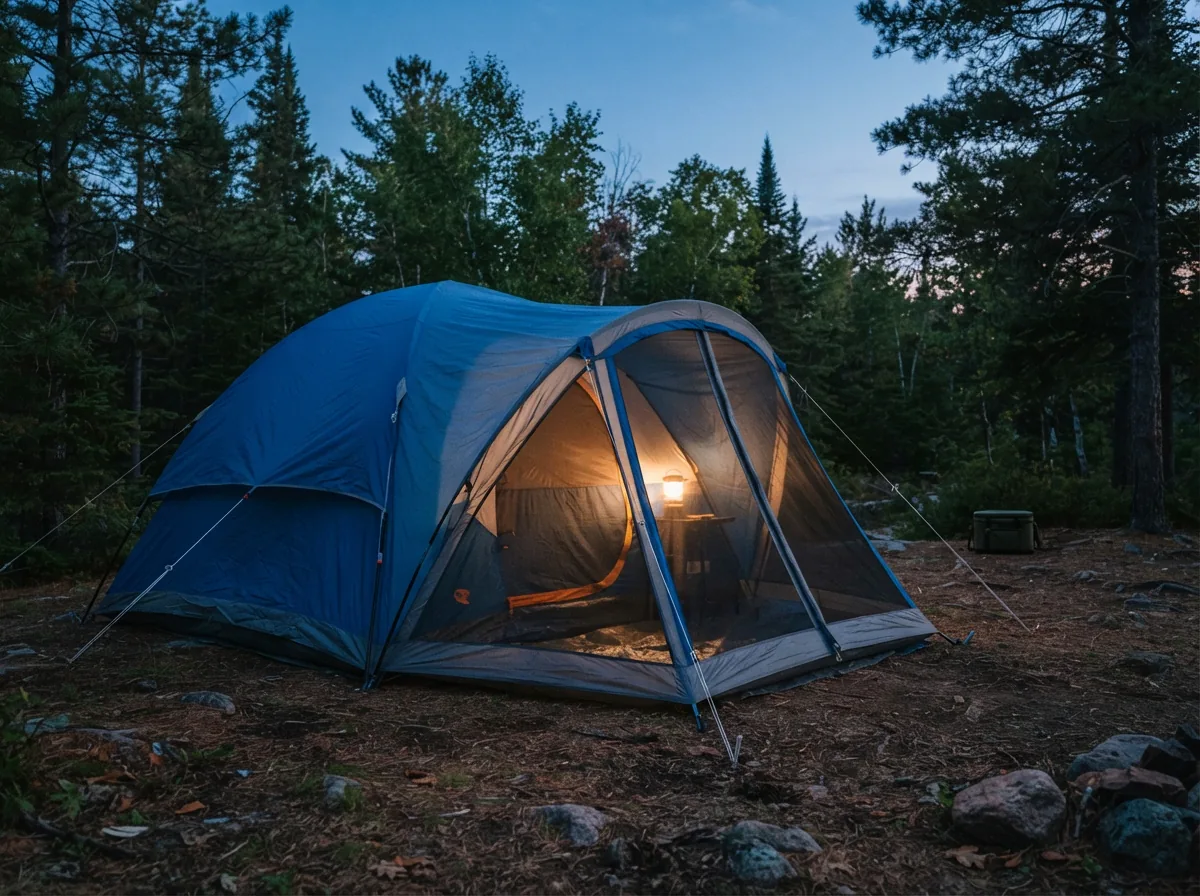
Large family dome tent glowing with lantern light at a quiet campsite at dusk
Weekend Trips Priced for Real Life

At $133.00 with a 4.4-star rating from 3,338 reviews, this tent covers weekend camping for a family without the cost of premium gear. You get generous space and honest performance for the price.

Where It Fits Best

Trips This Tent Was Made For

Family weekends at drive-in sites, a first big setup, or warm nights with the bugs kept outside. It suits short trips where space and comfort matter more than pack weight.

Family Weekends at Drive-In Sites

With three rooms and space for three queen air beds, this tent gives a family room to spread out over a weekend. Kids get their own section, adults keep theirs, and the porch holds the clutter that would otherwise pile up inside.

A First Big Camping Setup

This is a natural first tent. Setup is manageable, the layout is forgiving, and the price leaves budget for sleeping pads, lanterns and the rest of a first camp kit without a big upfront commitment.

Warm-Weather Trips With a Screened Porch

The screened porch is the reason to pick this model. It gives you a bug-free place to sit after dinner, and the mesh panels keep air moving on warm nights when ten people share the same shelter.

Setting It Up Right

Six Steps From Bag to Bed

Two people can move through setup in about 20 to 30 minutes. Start by clearing the site and staking the corners before the poles go in, and let the rainfly go on while the light lasts. A little patience up front saves a re-pitch in the dark.

Pick a Flat Site

Clear sticks and stones, then check that the ground drains away rather than pooling. Aim for a spot a short walk from the car.

Lay Out and Stake

Spread the tent out with the porch facing your view, then stake the four corners so the fabric sits flat before poles go in.

Insert the Poles

Feed the poles through the sleeves and connect the sections. Take your time here, since this is where most of the setup time goes.

Raise the Tent Dome

Lift the dome from the center and clip the tent body to the poles, then add the two interior dividers where your group wants them.

Attach the Rainfly

Drape the rainfly over the top, secure it at the corners, and tighten the guy lines. Rain often arrives with little warning.

Set Up the Porch

Stake out the porch floor and mesh walls so the screened area stands open. Add chairs and leave wet boots outside the sleeping rooms.

What Owners Report

Real Weekends in This Tent

Owners describe the same pattern: quick two-person setup, three air beds fitting comfortably, and a dry interior after rain. Several note that the porch became the favorite spot in the evening, which says as much about the tent as any specification.
We took this out for a family camping trip and the space surprised me. Setup took about 30 minutes with the instructions, and three queen air mattresses fit without feeling cramped. The porch was where we sat every evening, and the tent stayed dry through light rain. For the price I am genuinely satisfied.
Decorative customer review avatar icon 1
Marta L.
Three queen air mattresses fit with room to spare on a first family trip
Two of us had it up and staked in about 20 minutes. The poles felt sturdy and everything lined up without fighting us. We had rain overnight and the rainfly covered well enough that nothing leaked, and the inside stayed ventilated. The little things, like the media pockets and easy doors, made the trip smoother.
Decorative customer review avatar icon 2
Devin R.
Straightforward two-person setup with no leaks over a rainy weekend
We camped through a stretch of rainfall and I can say the tent held up well. No leaking anywhere, and we felt secure inside the whole time. Even with the rainfly on, the ventilation was better than I expected, so the air never felt damp. I would recommend it for moderate rain conditions without hesitation.
Decorative customer review avatar icon 3
Karen P.
Held up through steady rain with good airflow inside the tent
This is the tent I recommend to friends starting out. It is not the lightest or the most premium, and the carry weight takes some getting used to, but the space for the money is hard to beat. We have used it for several weekend trips, and it keeps doing the job without fuss or surprises.
Decorative customer review avatar icon 4
J. Whitfield
A strong value for drive-in family weekends at a fair price
Questions Before You Buy

Practical Answers About This Family Tent

Setup is very doable with two people. Reviewers report roughly 20 to 30 minutes from laying out the tent to having it staked and secured, helped by clear instructions. A first-time camper should expect the longer end of that range and plan for daylight.
Reviewers who camped in light to moderate rain reported no leaks and a dry interior, with the rainfly giving adequate coverage. This is a fair-weather to moderate-rain tent rather than one built for storms, so stake it well and use the guy lines.
The layout fits up to 10 people or three queen air beds across 137 sq. ft., and owners confirm three queens fit without feeling cramped. Real comfort depends on the mix of adults and kids, so families often find eight sleepers more spacious than a full ten.
Compared with premium tents, you give up some ease of packing and long-term durability. Owners consistently praise the space, the porch and the setup time for the price. For weekend and summer camping, most feel the trade is worth it.
The 30 sq. ft. porch is a screened room in its own right, not just storage. Owners use it for camp chairs, a small table and a spot to leave wet boots, which keeps the sleeping rooms cleaner and gives you bug-free seating after dinner.
The tent weighs 28.91 lb, which is manageable for a short carry from the car but heavier than backpacking gear. It suits drive-in campsites. Give it room to dry fully before bagging it so stored fabric stays fresh between trips.
Keep Comparing Options

See How It Stacks Up Against Other Family Tents

Hard-sided and soft-sided Ozark Trail coolers arranged on a wooden picnic table at a wooded campsite
Admin
Ozark Trail Cooler

Compare Ozark Trail coolers by size, shape and how you carry them, from hard-sided chests that hold ice for a weekend to soft totes and backpack coolers for a day out. Each option below shows capacity, format and the trip it fits best.


A group of Ozark Trail mountain bikes with front suspension parked on a dirt trailhead, a rider comparing frame sizes beside them
Admin
Ozark Trail Bike

Ozark Trail mountain bikes span hardtails and full suspension builds, sized from young riders to tall adults. Compare fit, suspension, wheels and gears to match your trails and your budget.

Assorted Ozark Trail folding and fixed blade knives arranged on a rustic wooden camp table
Admin
Ozark Trail Knife

This page lines up Ozark Trail knives so you can compare folding and fixed blades, locks, handles and carry options at a glance. Each pick notes what it handles best, from camp prep to a pocket blade you carry daily.

A row of Ozark Trail camping tents of several sizes pitched on a grassy campground with a family walking between them.
Admin
Ozark Trail Tents

Compare Ozark Trail tents by capacity, setup style, weather coverage and packed weight, from solo backpacking shelters to twelve-person family cabins built for drive-up weekend campsites.
