





Ozark Trail High Performance Cooler

This category gathers Ozark Trail coolers in one place: rotomolded high performance sizes, hard-sided can models, an iceless 12V chest and a wheeled build. Compare capacity, ice retention and how you'll move it before you buy.

Four coolers sized from day trip to family haul

Ozark Trail High Performance Cooler 26 Quart - Rotomolded Ice Retention for Day Trips

Rotomolded insulation holds cold for extended periods, which suits a day at the park, a tailgate or a short campout. At 26 quarts it stays light enough for one person to lift into a trunk, and it takes food and drinks for a small group without dominating the car. Ice life trails the larger sizes.

Ozark Trail High Performance Cooler 52 Quart - Weekend Ice Retention in Warm Weather

Warmer days are where this one earns its place: it keeps items cold for days even when temperatures climb. The 52 quart body splits the difference between the compact and family sizes, so a weekend of groceries, bait or drinks fits without a second cooler in the car. Plan on two hands to move it when full.

Ozark Trail High Performance Cooler 73 Quart - Family Size Holding Ice Up to 9 Days

The largest of the group, this is the one for families and extended trips: the insulated body holds ice for up to 9 days, so you can pack once and leave the ice run alone. Robust construction handles being stacked in a truck bed. The trade-off is size and weight, so it suits a set-up camp more than a hike-in spot.

Ozark Trail 30 qt 42-Can Hard-Sided Cooler, Gray - Compact Can Capacity for Day Outings

Plain and practical, the 30 quart hard-sided body holds up to 42 cans, which covers most outings where drinks matter more than multi-day ice. Gray plastic shrugs off scratches and cleans quickly after a beach or pool day. It sits a step below the rotomolded sizes on retention, so match it to how long things must stay cold.

Ozark Trail HighLine Electric Cooler Iceless 12V, 24L for Road Trips That Need Steady Cooling Without Ice

Run it from a 12V outlet and you skip the ice entirely: no meltwater to drain and no stop for a bag on a long drive. The 24 liter size suits road trips, day outings and camping where space is tight and steady cooling matters more than a multi-day ice hold. It suits food and drinks for a small group on the move.
Three more angles to weigh

Specialty builds for hauling, mobility and dry storage

OZARK TRAIL Marine Cooler - Hard Shell Ice Chest for Fishing, Camping and Boating Days

Built for wet decks and sandy banks, this hard shell ice chest suits fishing, camping and boating where gear gets splashed and dragged. The insulated body holds the catch and the drinks cold through a long morning on the water. It is a simpler build than the rotomolded sizes, which suits a first boat or bank setup.

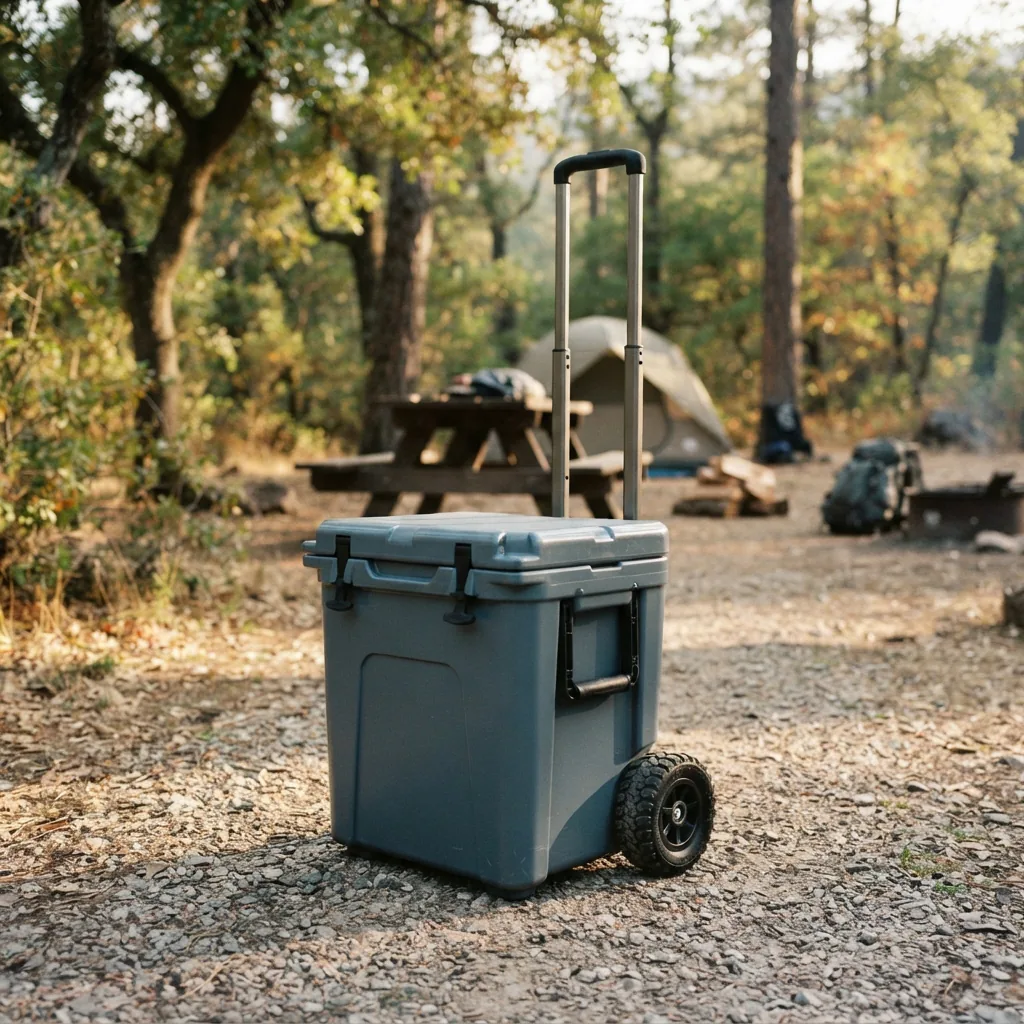
Ozark Trail High Performance Wheeled Cooler - Rolls a Full Load Across Grass and Gravel

Sturdy wheels and a pull handle solve the real problem: one person can move a full load across grass, gravel and pavement without waiting for help. The rotomolded body keeps ice intact through a full weekend, from tailgate to campsite and back. That saves the heavy lift every time you park.

Ozark Trail High Performance Cooler with Dry Storage Basket - Keeps Food Out of Meltwater on Family Trips

The removable basket is the whole idea here: sandwiches, fruit and other food sit up top, chilled but lifted clear of the meltwater below. The insulated shell still holds temperature for extended trips, and the wide lid opens fully so packing is not a squeeze. Choose it when organization matters as much as ice.
Who each build suits

Match the cooler to the trip you take

A cooler earns its keep in a specific situation: a weekend camp where ice must last, a boat or bank morning, or a long drive with kids and snacks. Think about trip length, how often you move it, and how much you pack.

Weekend camping where ice must last

For two or three nights out, size up so you are not chasing ice mid-trip. The 52 and 73 quart builds keep food cold for days, and a wide lid makes it easy to grab dinner without unpacking everything.

Boat and bank mornings on the water

Wet, sandy and often moved, a fishing cooler needs a tough shell and easy cleanup. A hard-sided or marine-style chest keeps the catch and drinks cold without the care a fancier build asks for.

Road trips and long drives with snacks

Plugged into the car, an electric cooler holds a steady temperature for hours of driving with no ice stop. Pair a smaller size with easy reach in the back seat so drinks stay available the whole way.

Four factors decide which cooler fits: how long ice must hold, how much you pack, how far you move it once full, and any extra storage you need. Change one and the better choice often changes with it.

Compare ice retention, capacity and how you carry it

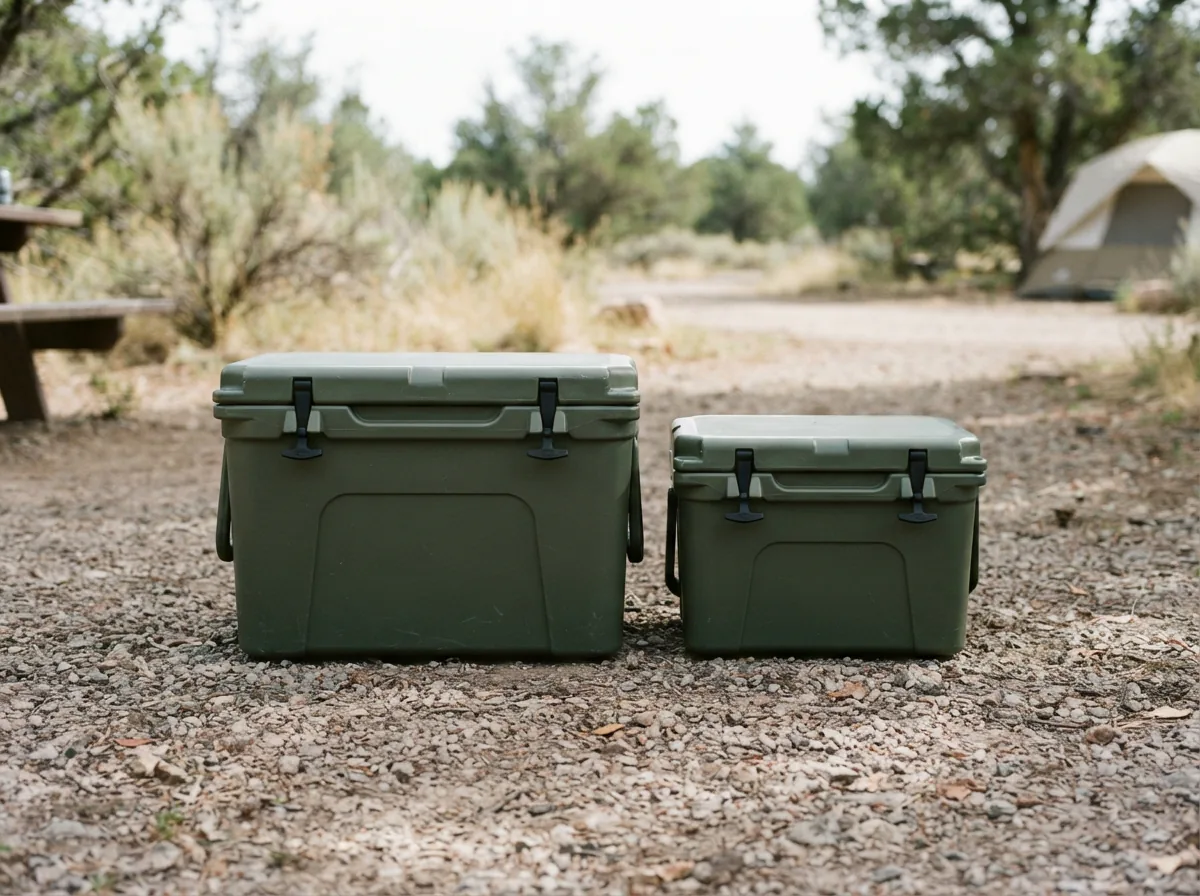
Two plain hard-sided camping coolers of different sizes placed side by side on gravel at a campsite
Ice retention against trip length

Retention is the first filter. The largest high performance build holds ice up to 9 days, while hard-sided and electric styles cover an afternoon to a couple of nights. Match the hold to your longest gap between runs.

Capacity against how much you pack

Twenty-six quarts fits a day out for a small group, 52 quarts suits a weekend, and 73 quarts covers a family with room to spare. Buying larger than you need means more weight to carry when it is full.

Carrying it once it is loaded

Handles, shape and wheels decide who can move it. A wheeled build lets one person roll a full load over grass and gravel, while a compact size stays liftable into a trunk by a single adult.

Extra storage and added convenience

A dry basket keeps food out of meltwater, and an electric model removes ice altogether for travel. Add these only if the trip actually needs them; otherwise the simpler box leaves more room and costs less.

Four ways to narrow it

Pick the build that matches your trip

Three things sort this category: how long ice must hold, how far you carry the cooler, and whether you want wheels or a basket. Match the build to the trip and the rest of the choice gets easy.
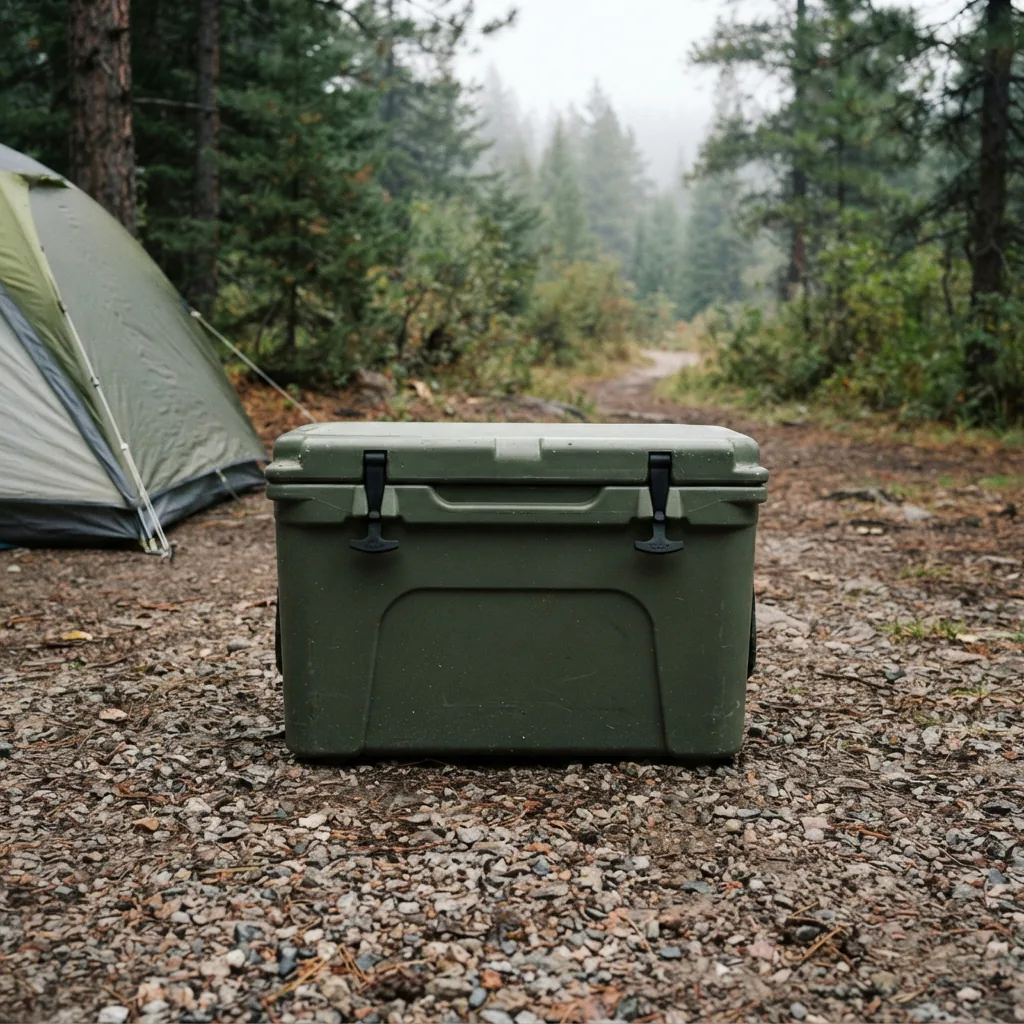
Thick-walled rotomolded hard-sided cooler closed on gravel at a campsite

Rotomolded for multi-day ice

The thick, seamless walls hold temperature longer, so a 73 quart size can keep ice for up to 9 days. Best when you pack once and stay put, at a campsite or a long tailgate.

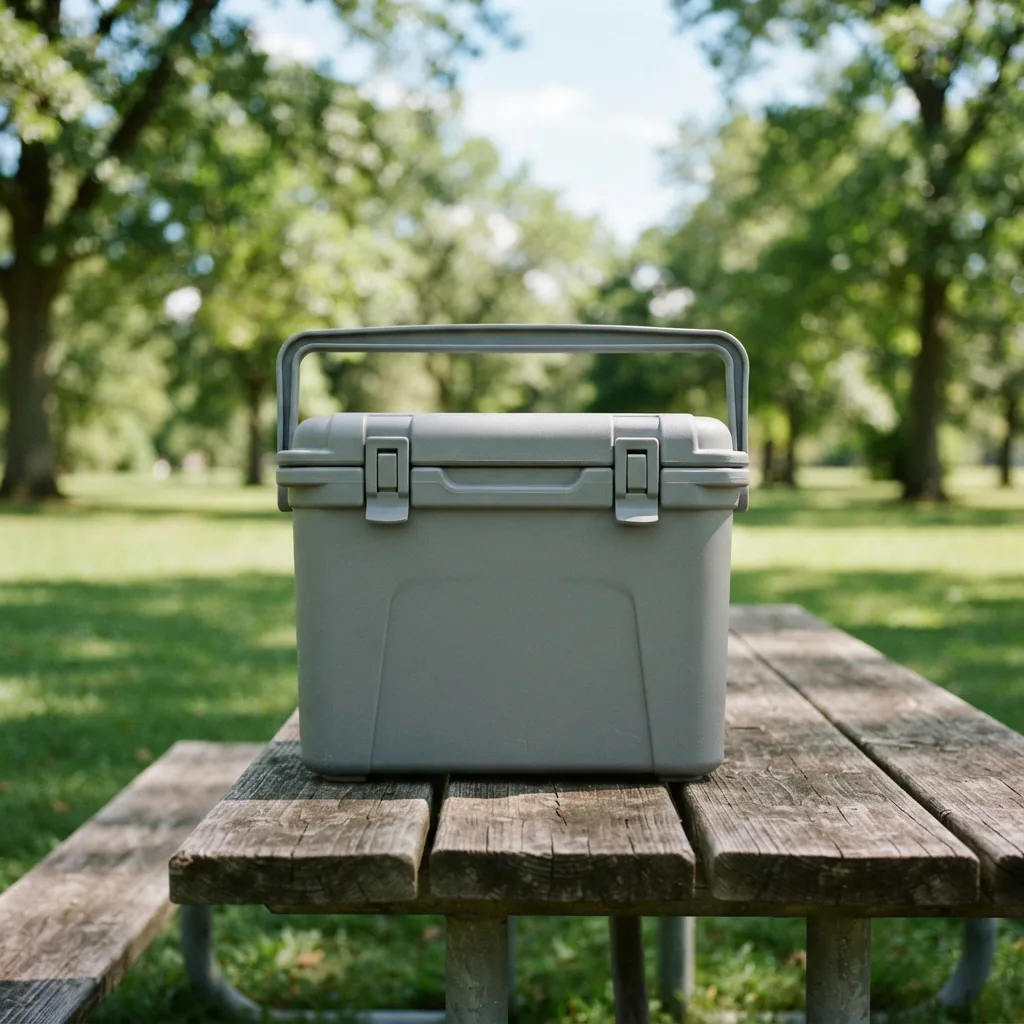
Gray hard-sided cooler with closed lid on a wooden picnic table at a sunny park

Hard-sided for day outings

A simpler shell keeps cost and weight down while still holding up to 42 cans. It suits beach days, park visits and picnics where ice must last an afternoon rather than a week.

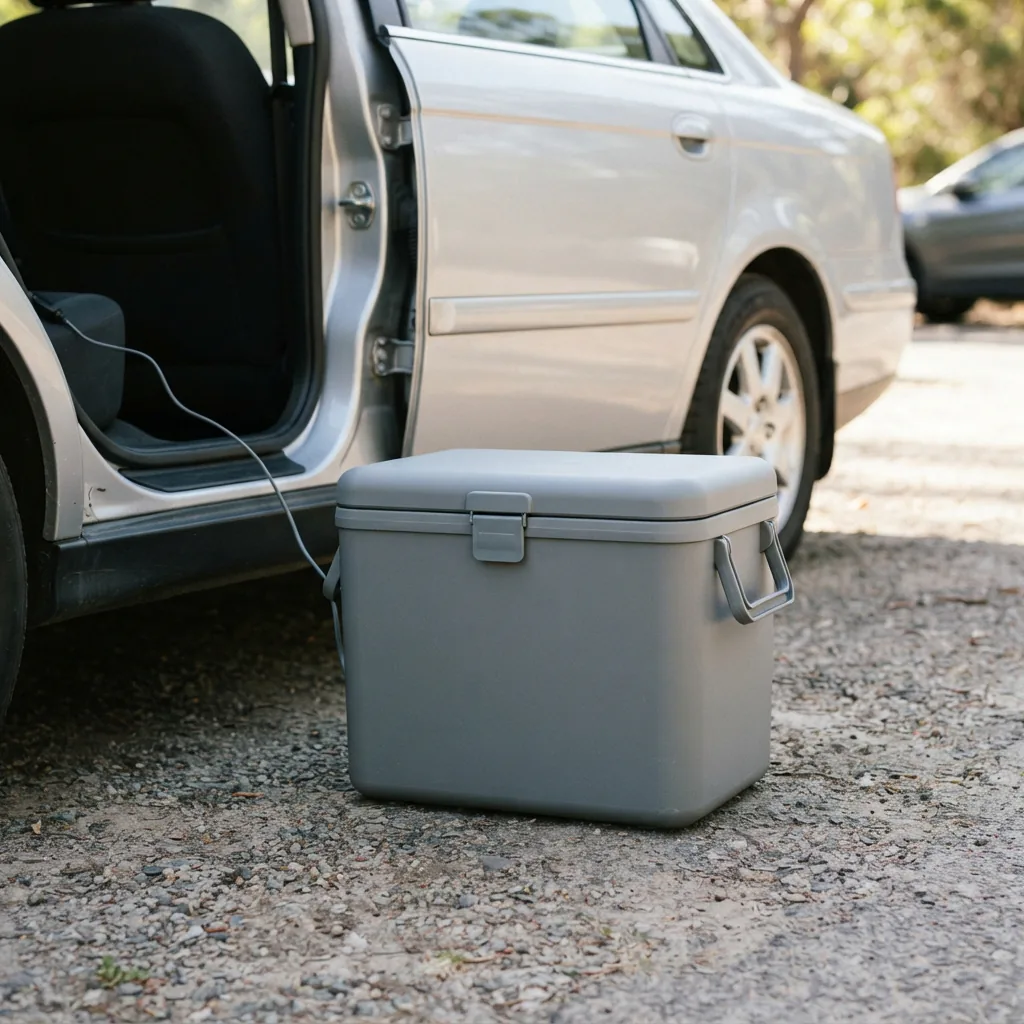
Compact 12V electric cooler on the ground beside an open car door on a road trip

Electric cooling without ice

Plugged into a 12V outlet, this style keeps contents chilled with no ice to buy and no meltwater to drain. It fits road trips and travel where a steady temperature matters more than a long hold.

Wheeled hard-sided cooler with pull handle standing on a gravel path at a campsite

Wheeled and divided builds

Wheels let one person roll a full load over grass and gravel, while a dry basket keeps food out of meltwater. Both help when you move the cooler often or pack for a family.

From other shoppers

What shoppers say after a few trips

These are general shopping and use experiences from people who bought a cooler in this range, not tied to one specific model. They cover the usual trade-offs: ice life, weight when full, and packing space for a group.
I packed it Thursday night and expected to top up on Saturday, but I did not have to. The drinks stayed cold and the food was still fine on the last morning. What surprised me was how heavy it got once it was full, so now I think harder about where I set it down.
Decorative customer review avatar icon 1
Dana R.
Ice held through a three-night trip
I was worried about lugging it across the campsite alone, but the shape and handles made it manageable. I set it down once near the table and left it there for the whole weekend. Next time I would pick a slightly smaller size just to make loading the car simpler.
Decorative customer review avatar icon 2
Marcus T.
Easier to move than I expected
I compared this range with a premium cooler and decided the price gap was not worth it for the trips I take. Two nights is all I need, and it held up fine in warm weather. It is not as refined as the top-end boxes, but nothing about it felt cheap at the campsite.
Decorative customer review avatar icon 3
Priya S.
Good value against pricier brands
We used it for a family campout and never ran out of cold drinks. Packing took a minute because the lid opens wide, so I could see everything at once. After a full weekend there was still ice left in the bottom, which is more than I expected for the money.
Decorative customer review avatar icon 4
Ken W.
Worth it for the weekend campout
Questions worth asking

Common questions before you buy

Match capacity to trip length and group size. A 26 quart build covers a day out for a few people, 52 quarts handles a weekend for a small group, and 73 quarts suits families on extended trips. If you mostly drive to your spot, weight matters less than how much you need to pack.
The rotomolded high performance sizes are built for extended ice retention, and the largest claims up to 9 days. Real results depend on how often you open the lid, the temperature and how much ice you start with, so pre-chilling contents helps. Hard-sided and electric models aim at shorter holds.
An electric model runs off a 12V outlet and holds a steady temperature without ice, which suits road trips where draining meltwater is a hassle. It does not replace a large rotomolded chest for a week away, since it needs power. Think of it as a companion for the car rather than the camp.
Look at empty weight, handle placement and whether wheels are built in. A wheeled cooler lets one person roll a full load across grass, gravel and pavement without help. If you lift instead, a smaller capacity you can carry full is often more useful than a large one you need help moving.
A removable basket sits above the ice and holds food that should stay chilled but out of meltwater, like sandwiches and fruit. It saves double-bagging and keeps the main compartment organized. If you mostly pack drinks, the extra space may not be worth prioritizing.
Independent reviewers have called this brand a reasonable buy for short trips while noting it is less easy to set up and carry than top-end gear and may not last as many years. For weekend use and first setups the price-to-performance ratio is hard to beat, but heavy yearly use may justify spending more.
Keep exploring

See what else fits the way you camp

Hard-sided and soft-sided Ozark Trail coolers arranged on a wooden picnic table at a wooded campsite
Admin
Ozark Trail Cooler

Compare Ozark Trail coolers by size, shape and how you carry them, from hard-sided chests that hold ice for a weekend to soft totes and backpack coolers for a day out. Each option below shows capacity, format and the trip it fits best.


A group of Ozark Trail mountain bikes with front suspension parked on a dirt trailhead, a rider comparing frame sizes beside them
Admin
Ozark Trail Bike

Ozark Trail mountain bikes span hardtails and full suspension builds, sized from young riders to tall adults. Compare fit, suspension, wheels and gears to match your trails and your budget.

Assorted Ozark Trail folding and fixed blade knives arranged on a rustic wooden camp table
Admin
Ozark Trail Knife

This page lines up Ozark Trail knives so you can compare folding and fixed blades, locks, handles and carry options at a glance. Each pick notes what it handles best, from camp prep to a pocket blade you carry daily.

A row of Ozark Trail camping tents of several sizes pitched on a grassy campground with a family walking between them.
Admin
Ozark Trail Tents

Compare Ozark Trail tents by capacity, setup style, weather coverage and packed weight, from solo backpacking shelters to twelve-person family cabins built for drive-up weekend campsites.
