
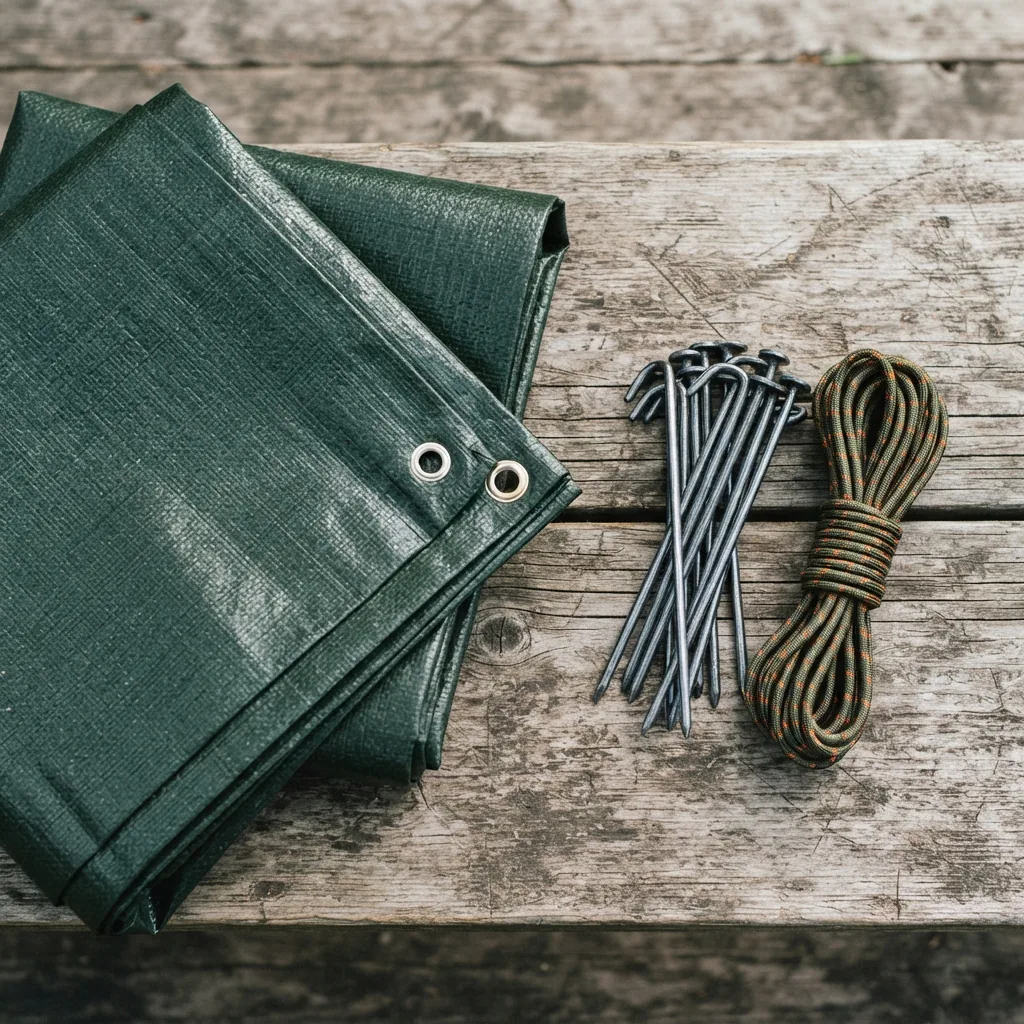





Ozark Trail Tarp

Compare Ozark Trail tarps by size, thickness and grommet strength, from small 9 by 12 foot covers to large 24 by 40 foot sheets and multipacks with stakes. Pick by trip length, load size and how much weight you want to haul.

Four tarps worth comparing first

Ozark Trail 9 ft x 12 ft Heavy-Duty Tarp, 10 mil, Reinforced Corners and Grommets for Weekend Camp Shelters

At 9 by 12 feet, this heavy-duty tarp is the everyday pick for covering a woodpile, a bike or a small gear pile at camp. The 10 mil thickness resists tearing when you pull it snug, and reinforced corners with grommets give tie-down points that hold when the wind picks up.

Ozark Trail Medium-Duty Polyethylene Tarp, 24 ft x 40 ft, Blue and Silver for Large Gear Covers

The 24 by 40 foot span covers a truck bed, a long canoe or a whole picnic area in one sheet, which beats taping smaller tarps together. Being medium-duty, it folds lighter than heavier options, and the blue and silver faces let you choose the shade-up or the reflective side for the day.

(2 pack) Ozark Trail Heavy-Duty Tarp, 16 ft x 30 ft, Polyethylene, 10 mil, Reinforced Grommets

Two heavy-duty sheets in one purchase, each 16 by 30 feet, so a shed roof can be covered while the second stays ready for the trailer. At 10 mil with reinforced grommets, they take repeated tie-downs without the corners wearing out first, and the pair costs less than buying separately.

(7 pack) Ozark Trail Medium-Duty Tarp, 10' x 20', Material PE for Multi-Site Ground Cover

Seven 10 by 20 foot sheets spread the cost across a whole campsite, so every tent gets its own ground layer and the extras cover bikes, coolers or firewood. The medium-duty PE build keeps the bundle light enough to carry without adding weight or fuss to the car load.

(4 pack) Ozark Trail Heavy-Duty Tarp, 10' x 20', PE Material, 10 Mil, Reinforced Grommets for Group Camps

Four heavy-duty sheets at 10 by 20 feet let you cover several vehicles, a long shelter wall or two tents without buying separate tarps. Each sheet is 10 mil polyethylene with reinforced grommets, so repeated stakes and knots do not wear the corners through after a season. The set suits group camps and home projects.
Worth a Second Look

More picks for specific camp jobs

Ozark Trail Medium Duty Tarp, 9' x 12' PE and Coghlan's 10" Steel Nail Pegs, Tent Stake For Hard Ground

Buying the tarp and stakes together removes the usual second trip: you get a 9 by 12 foot medium-duty sheet plus 10 inch steel nail pegs that bite into hard ground where soft pegs bend. It suits a first tent site, a patio cover or any dry-weather job where hold matters more than heft.

Ozark Trail Medium-Duty Tarp, 10' x 20' PE and Coghlan's 10" Steel Nail Pegs, Tent Stake For Hard Ground

The 10 by 20 foot sheet gives a full tent footprint plus room for boots and a cooler, and the included 10 inch steel pegs hold the corners on packed dirt. Medium-duty thickness keeps it easy to fold, so this bundle suits regular weekend camping more than a permanent shelter.

Ozark Trail All-Weather Ground Tarp for Camping and Trail Use, Woven Ground Layer for Tent Sites

A woven ground layer keeps mud, damp soil and stray puddles from reaching your gear, whether it sits under the tent footprint or under a picnic setup. It folds back into a pack for day hikes, wipes clean after a trip, and costs little to keep ready for the next outing.
Where It Fits

Three jobs these tarps handle well

From a weekend tent site to a truck bed or a woodpile, a tarp earns its place by keeping gear dry and surfaces clean. Think about where it will sit, how long it stays up and how far you have to carry it.

Ground layer under the tent

Slide a tarp under the footprint to block damp soil and stray puddles, then shake it off in the morning. Keep the edges slightly inside the tent floor so rain runs past instead of pooling underneath.

Cover for bikes, coolers and gear

Drape a heavy-duty sheet over the bikes or the cooler when a storm rolls in, or over the woodpile at home. Reinforced corners give you a place to rope it down so the wind does not carry it off.

Quick shelter for a picnic stop

A large medium-duty tarp strung between two trees makes instant shade and dry seating at a trailhead. Being light, it folds back into the car without eating the space you need for the rest of the gear.

Size, thickness, grommet strength and pack weight decide which tarp suits your trip. Heavier builds last longer under wind, lighter ones fold smaller, and multipacks cost less per cover when you need several at once.

What separates one Ozark Trail tarp from another

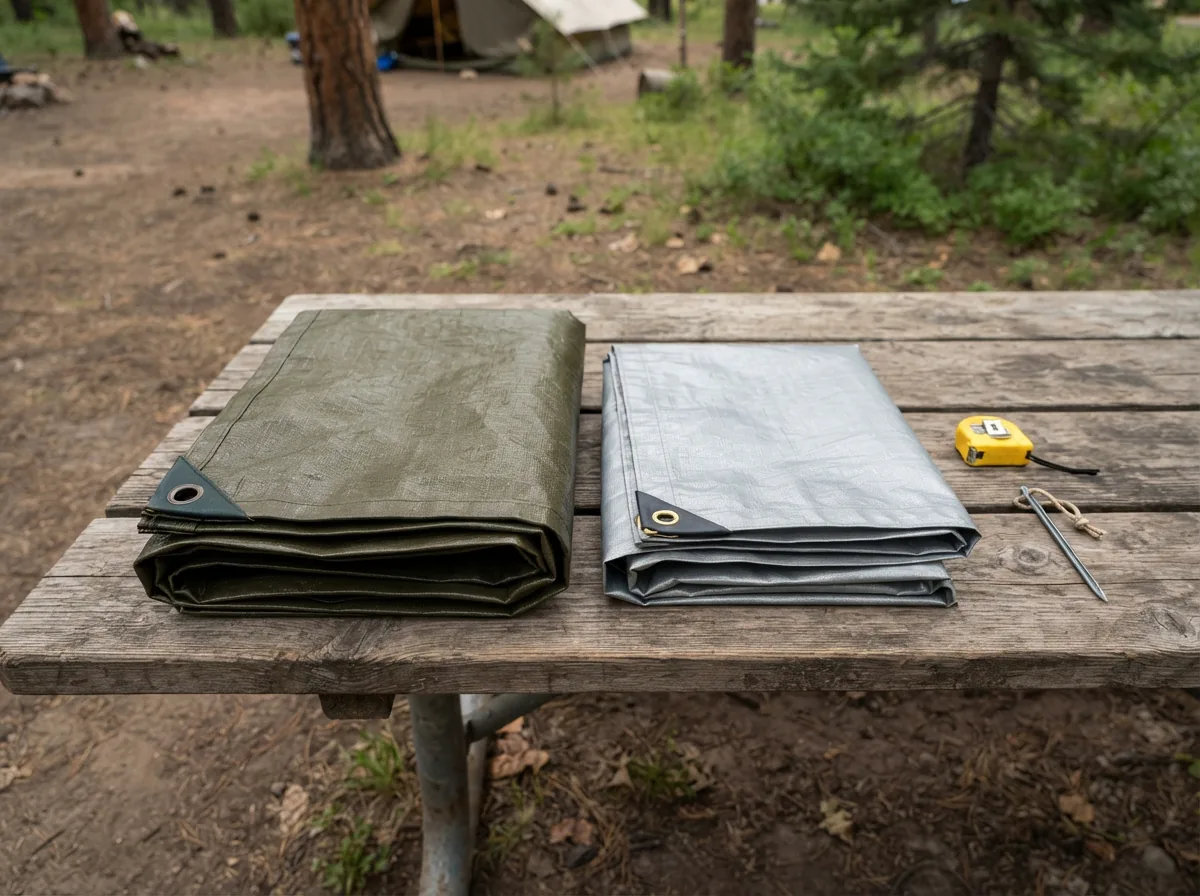
Heavy-duty and medium-duty tarps laid side by side beside folded sizes on a wooden camp table
Match thickness to how hard you use it

A 10 mil tarp takes repeated tie-downs and rough ground better than a thinner sheet, so pick it for shelters you leave up. Medium-duty builds suit weekend jobs where weight matters more than toughness.

Choose size by what you plan to cover

A 9 by 12 foot sheet handles a bike or a woodpile, 10 by 20 feet covers a tent footprint with gear space, and 24 by 40 feet spans a truck or a whole picnic area. Measure first, then leave margin for knots.

Multipacks lower the cost per tarp

Buying seven or four sheets in one go costs less than picking them up one at a time, and it leaves spares for the shed, the trailer and the kids. Split a pack with a friend if you only need one.

Stakes and grommets decide the hold

Reinforced corners and grommets give you a solid point to rope through, while steel nail pegs grip hard ground where soft pegs bend. On windy sites that hardware matters more than price.

Know the Range

Four tarp directions and how to tell them apart

Tarps sort by build, span, quantity and job. Heavy-duty sheets suit long setups, medium-duty ones favor packability, sizes run from 9 by 12 to 24 by 40 feet, and bundles pair covers with the stakes that hold them.
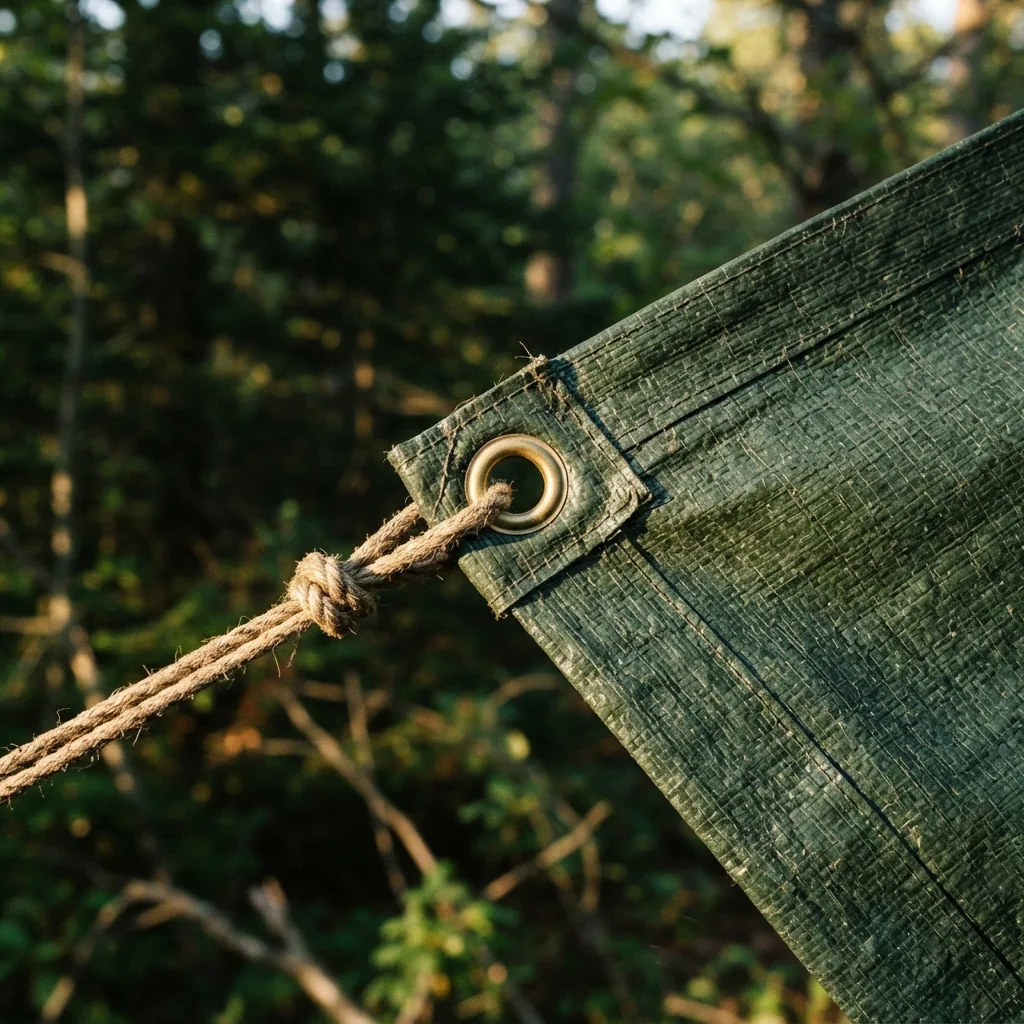
Heavy-duty tarp corner pulled taut with cord threaded through a reinforced metal grommet

Heavy-duty for long setups

The 10 mil sheets with reinforced corners are built for shelters left up through wind and rain. They ask a little more effort to fold, but the corners and grommets keep working trip after trip.

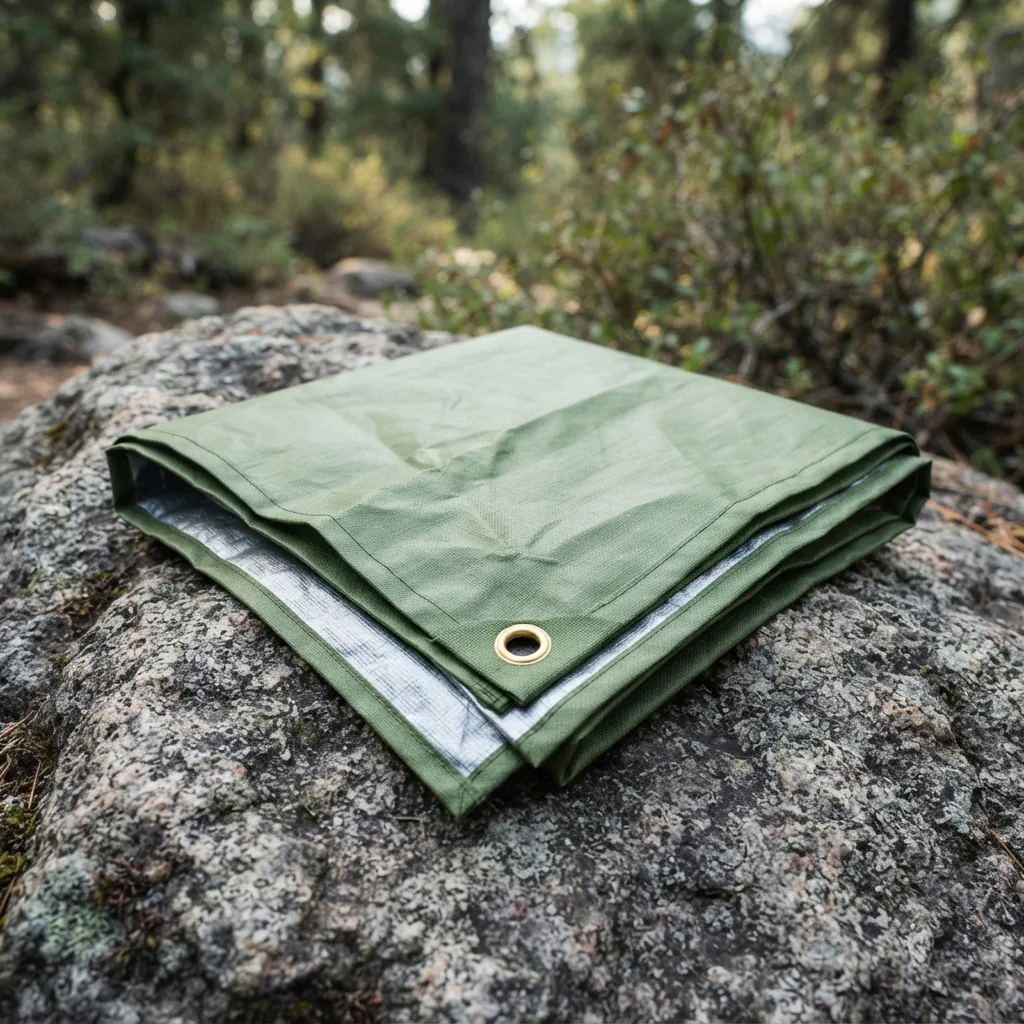
Lightweight medium-duty tarp half folded on a granite boulder beside a trail

Medium-duty for lighter packs

Thinner polyethylene folds smaller and carries easier, which suits day hikes and quick patio covers. Pick it when weight matters more than surviving a full season of sun and wind.

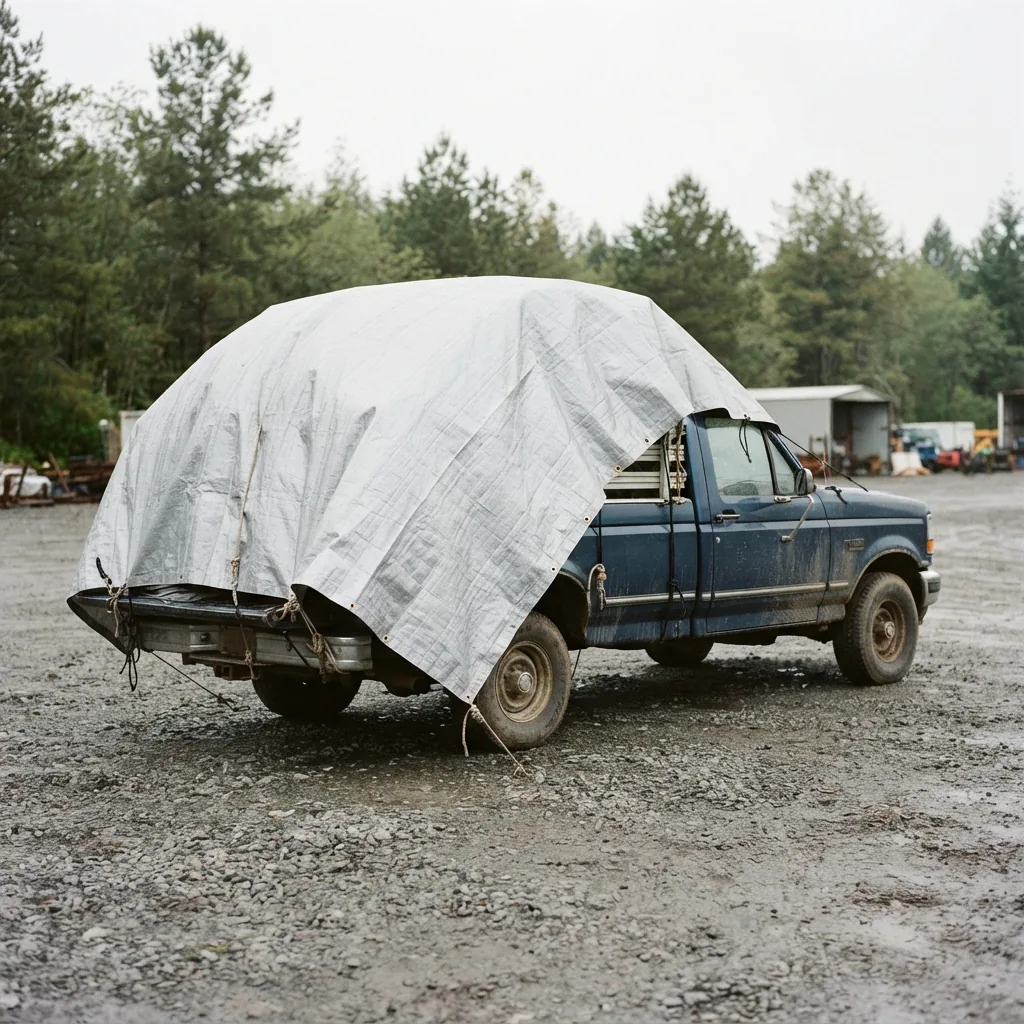
Large silver tarp stretched over the cargo area of a pickup truck in a gravel lot

Large spans for trucks and groups

A 24 by 40 foot sheet covers a truck bed, a canoe or a whole picnic zone in one piece, so you avoid taping two smaller tarps together. Just check your storage space before you buy.

Tarp corner with grommets beside a small pile of steel nail pegs on a wooden bench

Bundles with stakes included

Some packs pair a tarp with 10 inch steel nail pegs that bite into hard ground. That saves a separate trip to the store and gives you a tie-down that will not bend on packed dirt.

Camper Notes

What shoppers say after a few trips

Buyers tend to report the same pattern: the tarp does the job for weekend camping, holds in rain, and asks little in return. Setup is straightforward, folds get easier with practice, and nobody regrets the price paid.
I threw one over the cooler and the bike the first night and slept fine about it. Rain came through around midnight and everything underneath was dry by morning. It folds back down smaller than I expected for the size, so it rides in the trunk without complaint.
Decorative customer review avatar icon 1
TrailsideDan
Weekend camper who covers gear overnight
This was our first real tarp purchase and the setup was not fussy at all. We pulled the corners snug, stacked a few rocks on the lines, and it held through a windy afternoon without shifting. For the price I did not expect it to feel this steady under pressure.
Decorative customer review avatar icon 2
MartaK
Family camper setting up a first tent site
I keep a medium one folded at the bottom of my pack for sitting breaks and gear drops. It is not the lightest thing I own, but it wipes clean and has not torn after a season of being dragged over rocks, roots and wet ground on longer days out.
Decorative customer review avatar icon 3
RidgeRunner72
Day hiker who packs a sheet for trail stops
We bought a larger pack to cover the food bins and the spare tents and split the cost across the group. A couple of corners have scuffed from the rocks, but every sheet still works, and having spares saved us when one blew loose in the night.
Decorative customer review avatar icon 4
CampLeadAmy
Group trip organizer buying several covers
Before You Buy

Common questions about Ozark Trail tarps

Heavy-duty sheets around 10 mil handle wind, rough ground and repeated tie-downs better, so they suit shelters you leave up for days. Medium-duty builds are lighter and easier to fold, which fits weekend trips where pack size matters more than extra toughness.
A 10 by 20 foot sheet usually covers a small tent plus space for boots and a cooler, while larger family tents may want extra width. Lay the tarp slightly smaller than the tent floor so rain cannot channel underneath it.
If you only need one sheet for a single trip, a pack of seven or four may be more than you want. Multipacks make sense when you have a shed, trailer or bikes to cover too, or when you split the cost with a camping partner.
Some bundles already include 10 inch steel nail pegs, which bite into packed dirt where soft plastic pegs bend. On hard or rocky ground, steel pegs and reinforced grommets make the difference between a tarp that stays put and one that flaps loose.
Tarps handle rain and sun through a season or two of regular weekend use, but constant UV and wind wear any polyethylene sheet over time. Dry it before folding, store it out of direct sun, and check the grommets before the next trip.
Reviewers note that budget gear can be a little harder to set up and carry, and it may not last as many years as top-end options. For short trips and first setups, the price-to-performance still works out well in your favor.
More From the Campsite

Related posts to read before your next trip

Hard-sided and soft-sided Ozark Trail coolers arranged on a wooden picnic table at a wooded campsite
Admin
Ozark Trail Cooler

Compare Ozark Trail coolers by size, shape and how you carry them, from hard-sided chests that hold ice for a weekend to soft totes and backpack coolers for a day out. Each option below shows capacity, format and the trip it fits best.


A group of Ozark Trail mountain bikes with front suspension parked on a dirt trailhead, a rider comparing frame sizes beside them
Admin
Ozark Trail Bike

Ozark Trail mountain bikes span hardtails and full suspension builds, sized from young riders to tall adults. Compare fit, suspension, wheels and gears to match your trails and your budget.

Assorted Ozark Trail folding and fixed blade knives arranged on a rustic wooden camp table
Admin
Ozark Trail Knife

This page lines up Ozark Trail knives so you can compare folding and fixed blades, locks, handles and carry options at a glance. Each pick notes what it handles best, from camp prep to a pocket blade you carry daily.

A row of Ozark Trail camping tents of several sizes pitched on a grassy campground with a family walking between them.
Admin
Ozark Trail Tents

Compare Ozark Trail tents by capacity, setup style, weather coverage and packed weight, from solo backpacking shelters to twelve-person family cabins built for drive-up weekend campsites.
