



Ozark Trail Knife

This page lines up Ozark Trail knives so you can compare folding and fixed blades, locks, handles and carry options at a glance. Each pick notes what it handles best, from camp prep to a pocket blade you carry daily.

New picks by blade, lock and carry style

Ozark Trail 7.5 in Folding Pocket Knife, 3.25 in D2 Blade, Black Handle, Slide Lock, Durability Pick

The D2 blade is the selling point here: it stays sharp through repeated cutting, so a weekend of food prep, cord work and packaging does not send you home looking for a sharpener. At 3.25 inches the blade stays easy to control, and the slide lock gives a firm, one-handed close.

Ozark Trail Eagle Rock 7.5 in Fixed Blade Black Tanto Knife, Best Seller for Weekend Trail Use

A fixed blade has no hinge to fail, and the Eagle Rock keeps things simple at camp. The tanto tip carries more steel near the point, so poking through packaging, trimming a stake or splitting light kindling feels solid. At 7.5 inches it rides in a sheath and stays ready without folding first.

Ozark Trail Shadow 7.5 in Tanto Folding Knife, 3.25 in Stainless Steel Blade with Titanium Coating, Green

Titanium coating over stainless steel adds a finish that shrugs off scratches and damp weather, so the green Shadow still looks usable after a season in a pack. The tanto shape gives a strong tip for demanding cuts, and 3.25 inches of blade covers most trail jobs without feeling bulky in a pocket.

Ozark Trail Wanderer 7.5 inch Fixed Knife, Mossy Oak Handle, Sheath Included, Best Seller for Camp Chores

The sheath makes the Wanderer easy to live with: clip it to a belt and the knife stays put while you walk. A Mossy Oak textured handle holds a wet grip, and the 7.5 inch fixed blade handles food, cord and light camp prep with no fold to think about.

Ozark Trail Glacier 7.5 in Folding Pocket Knife, Shaft Lock, White, Best Seller for Everyday Carry

The Glacier uses a shaft lock, which holds the blade open with a bar across the back and releases on a deliberate press, a reassuring setup when you are cutting with force. The white handle is easy to spot in a cluttered drawer or a dark pack, and the 7.5 inch folding frame covers food prep, cord and light trail chores without eating up pocket room.
Shoppers Keep Choosing

More picks judged by size and carry

Ozark Trail Trailman 8.5 inch Folding Knife Black, Overall Pick for Weekend Trail Use

As the longest folder in this group, the Trailman gives more blade for bigger jobs, which matters when a weekend means breaking down cardboard, cutting line or trimming branches. It still folds into a pocket, so the extra reach does not cost you everyday carry convenience.

Ozark Trail Folding Pocket Knife, 3.1 in Stainless Steel Blade, Best Seller for Daily Tasks

The shortest blade here is the easiest one to forget you are carrying. At 3.1 inches it covers opening packages, cutting tape and small trail fixes, and the stainless blade wipes clean after food prep. Choose it when you want a knife that never gets in the way.

Ozark Trail Vertex 7.5 in Folding Knife, Aluminum Handle, Purple New! Free Ship!, Brand New Aluminum Folder

An aluminum handle keeps the Vertex light without feeling flimsy, and the purple finish makes it easy to spot in a dark pack or on a picnic table. The fresh release ships free, which helps when you are outfitting a first kit and watching the total.
Where They Fit

Who these knives work best for

These knives suit first camp setups, regular weekend trips and everyday repairs at home. Think about how often you will carry it, what you cut most, and whether you would rather keep it in a pocket, on a belt or in a drawer.

First camp kit on a budget

If you are setting up a first kitchen and repair kit, an affordable folder covers chopping, cord and packaging without a big outlay. Spend the savings on the rest of the kit and replace blades as they wear.

Day hikes and quick trail fixes

On a day hike you want something light that opens one-handed for snacks, bandages and quick repairs. A small folding blade stays out of the way in a pocket until the moment you actually need it.

Weekend jobs around the house

Around the house these knives handle tape, rope, boxes and garden ties. A folding model tucks into a drawer, while a fixed blade with a sheath works well hung by the garage door.

Match the knife to the work you actually do. Blade length sets reach and carry size, blade type sets tip strength, lock style sets safety, and handle sets grip. Change one factor and the fit changes.

Four factors that decide your knife

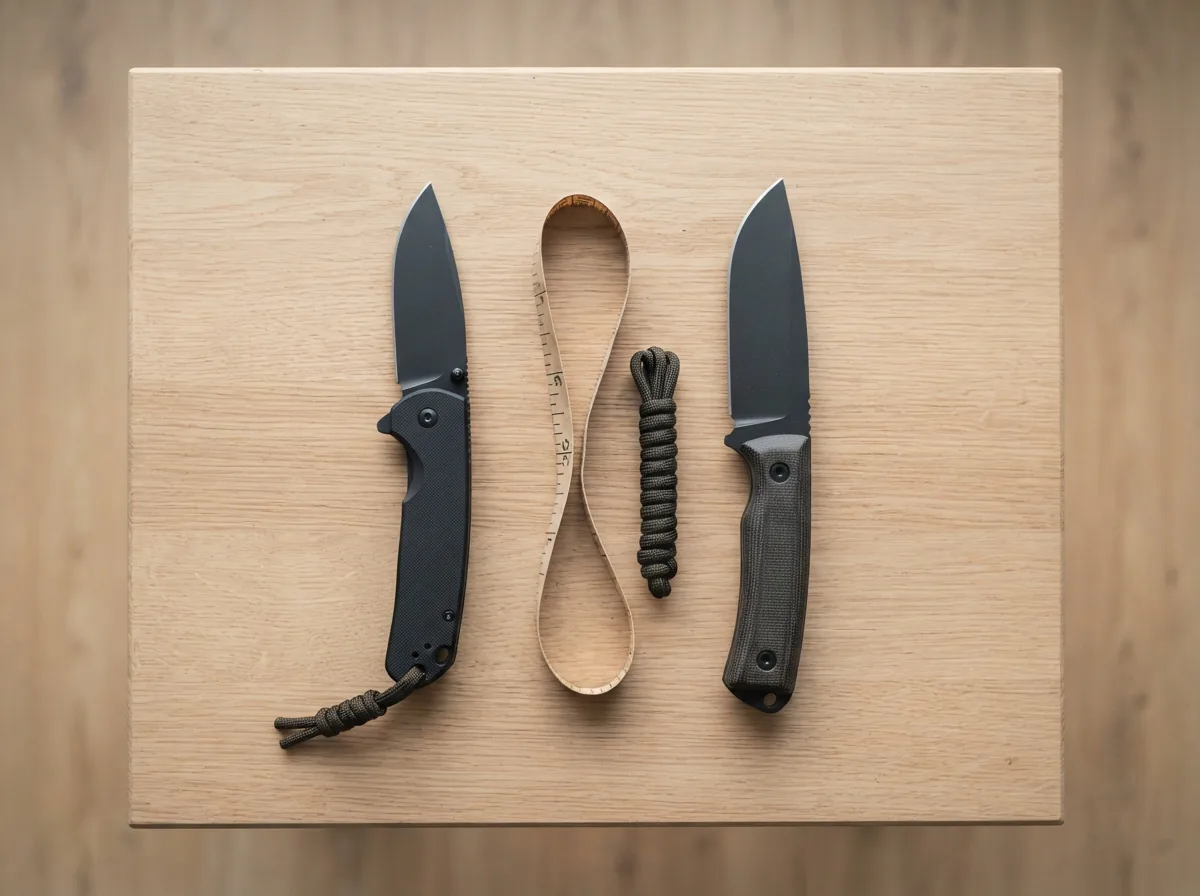
A folding knife and a fixed blade knife laid side by side with a cloth tape measure on a wooden table
Blade length and everyday reach

A 3.1 in blade disappears into a pocket and handles small jobs, while an 8.5 in folder gives reach for breaking down branches. Longer blades cut deeper but ask for more room to carry safely.

Fixed versus folding carry

Fixed blades skip the hinge, so there is nothing to wobble after a hard season, but they need a sheath and belt space. Folding knives pack flatter and suit daily carry where a sheath would be a hassle.

Lock style and how it stays open

Slide, shaft and other locks hold the blade open so it does not fold on your fingers. A firmer lock feels steadier during heavy cuts, and it usually takes a more deliberate press to close.

Handle material and wet grip

Textured handles like Mossy Oak grip better when your hands are wet, while smooth aluminum stays light and easy to clean. Pick the surface that matches the weather you actually camp in.

Know Your Options

Four knife styles and what each does best

Knives here split into folding, fixed, tanto and compact formats. Folders favor carry convenience, fixed blades favor strength, and shorter blades favor daily pockets. Match the format to where you keep it and how hard you plan to push it.
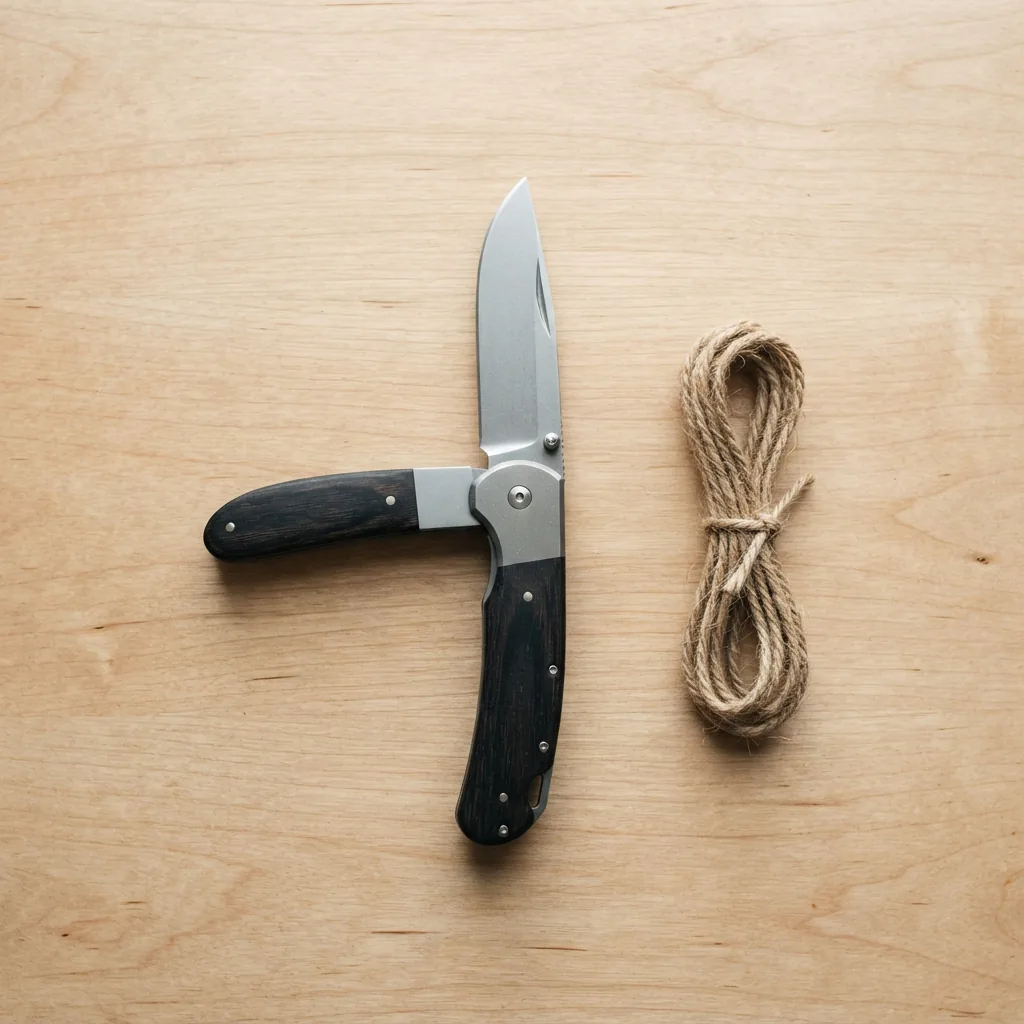
Open folding pocket knife resting on a wooden table next to a bundle of cord

Folding pocket knives

Folds into a pocket or pack sleeve and covers opening packages, cutting cord and food prep. The trade-off is a hinge and lock to maintain, and a slightly thicker profile than a fixed blade of the same length.

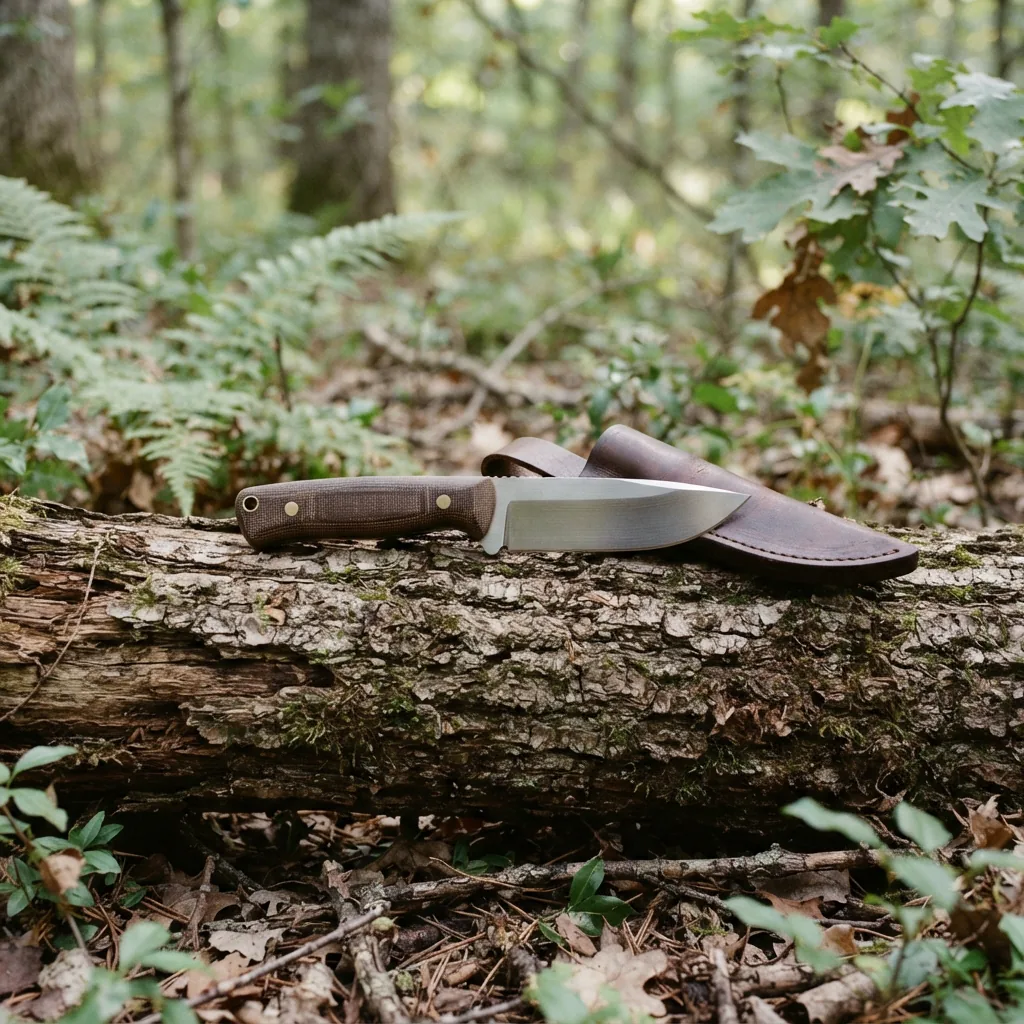
Fixed blade trail knife with a textured handle resting on a fallen log

Fixed blade trail knives

One solid piece of steel from tip to handle, so nothing folds when you push hard. They suit camp chores and light splitting, but they need a sheath and belt or pack space to carry safely.

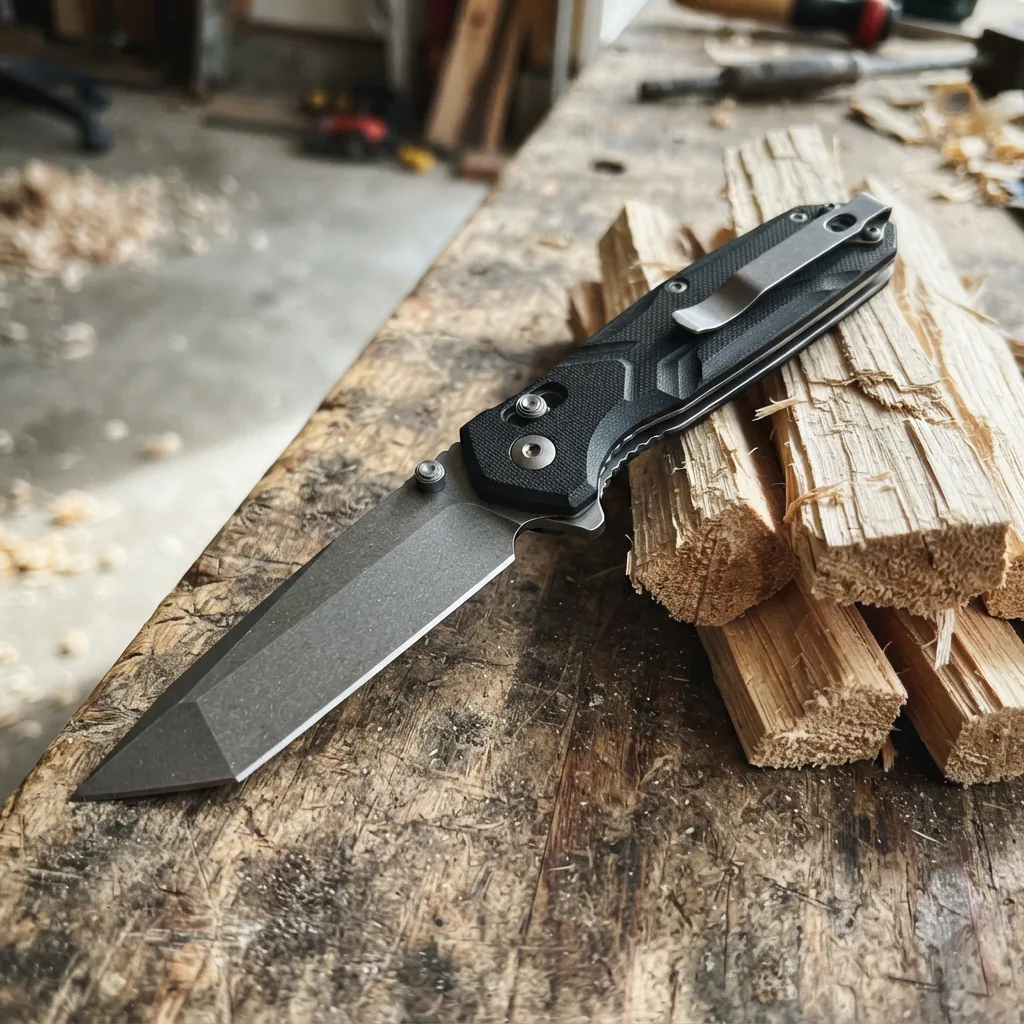
Tanto point folding knife open beside split kindling on a work surface

Tanto blade folders

The tanto tip keeps more steel near the point, which helps with prying and puncturing tough material. Slicing runs a little less smoothly than a curved tip, so it suits utility work over long food prep.

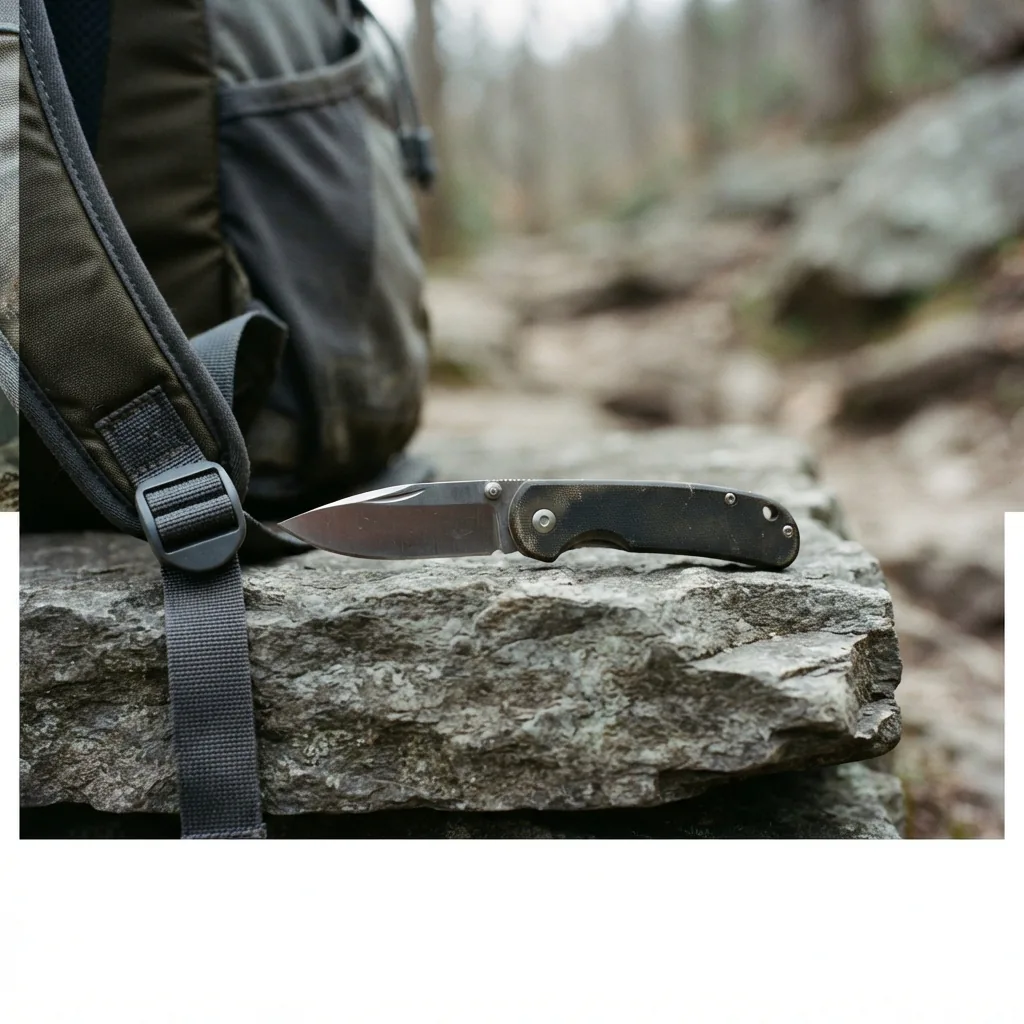
Small folding knife sitting on a stone ledge beside a daypack strap

Compact everyday blades

Shorter blades under about four inches stay light and unobtrusive for daily errands and small trail fixes. You give up reach for thick rope or larger wood, so keep a bigger knife in the camp kit.

Trailside Notes

What shoppers say about trail knives

These accounts cover the small wins and frustrations of living with an affordable knife: how it carries, how it holds an edge and how it behaves when your hands are cold and wet. Read them for patterns rather than promises.
I keep a folding knife in my jacket pocket all spring. It opened packaging, cut cord and trimmed a snagged tent pole without complaint, and the lock never gave. Two weekends in, the edge still passed the paper test, which honestly surprised me at this price.
Decorative customer review avatar icon 1
Dana R.
Carries a folder on every weekend trip
Setting up camp, I realized I had spent everything on the tent and had nothing to cut rope with. An inexpensive fixed blade solved that. It rides in a sheath on my belt, and I like that there is no hinge to think about when my hands are wet.
Decorative customer review avatar icon 2
Marcus T.
First-time camper building a budget kit
I wanted something I would actually carry, so I chose the shortest blade I could find. It handles snacks, tape and a loose strap on the trail without weighing my pocket down. For anything bigger I use the camp knife, but this one comes with me daily.
Decorative customer review avatar icon 3
Priya S.
Day hiker who wants a light pocket knife
I have used knives costing four times as much. The honest difference shows up over months of edge holding and finishing, not in the first week. For weekend cutting, the affordable option has done everything I asked, and I do not baby it in the drawer.
Decorative customer review avatar icon 4
Ken W.
Compares bargain gear against premium brands
Questions Worth Asking

Common questions before you pick a knife

A locking folding knife is the easiest starting point: it packs small, opens one-handed and covers food prep, cord and packaging. A 3 to 3.5 in blade keeps control easy, then add a fixed blade later if you start splitting wood or doing heavier camp work.
Fixed blades have no hinge or lock, so there is no mechanism to fail mid-cut, but they stay exposed and need a sheath for safe carry. Folders are easier to stow, and a good lock holds the blade open, so safety comes down to keeping the knife sharp and your hands dry.
Around 3.1 to 3.25 in handles daily errands and light trail fixes while staying easy to control. Move to 7.5 in fixed or folding options when you want reach for food prep and camp chores, and 8.5 in when larger cutting jobs are routine.
A tanto tip keeps steel behind the point, which helps it resist chipping when you poke or pry at tough material. A curved tip slices more gradually and suits food prep. Pick the tanto for utility work and the rounder profile for general cutting.
For typical weekend tasks like cutting cord, opening packages and prepping food, a stainless or D2 blade will last the trip with a quick touch-up. Heavy batoning wears any edge faster, so carry a small sharpener and expect to hone blades that work hard.
Rinse off dirt and salt, dry the blade fully, then wipe a light coat of oil on the steel before storing it. Textured handles dry quickly and aluminum wipes clean. A few seconds of care keeps the lock and hinge moving smoothly.
Keep Reading

More gear notes to read next

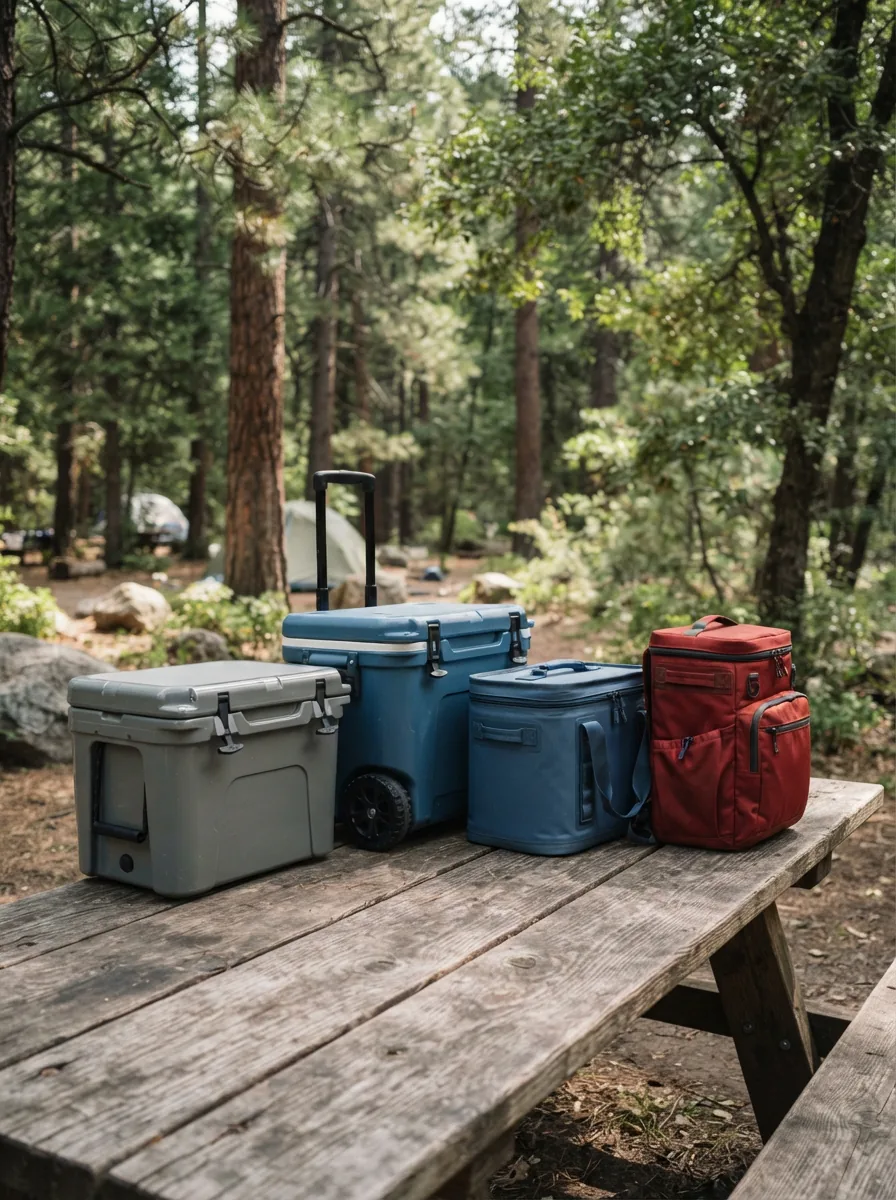
Hard-sided and soft-sided Ozark Trail coolers arranged on a wooden picnic table at a wooded campsite
Admin
Ozark Trail Cooler

Compare Ozark Trail coolers by size, shape and how you carry them, from hard-sided chests that hold ice for a weekend to soft totes and backpack coolers for a day out. Each option below shows capacity, format and the trip it fits best.
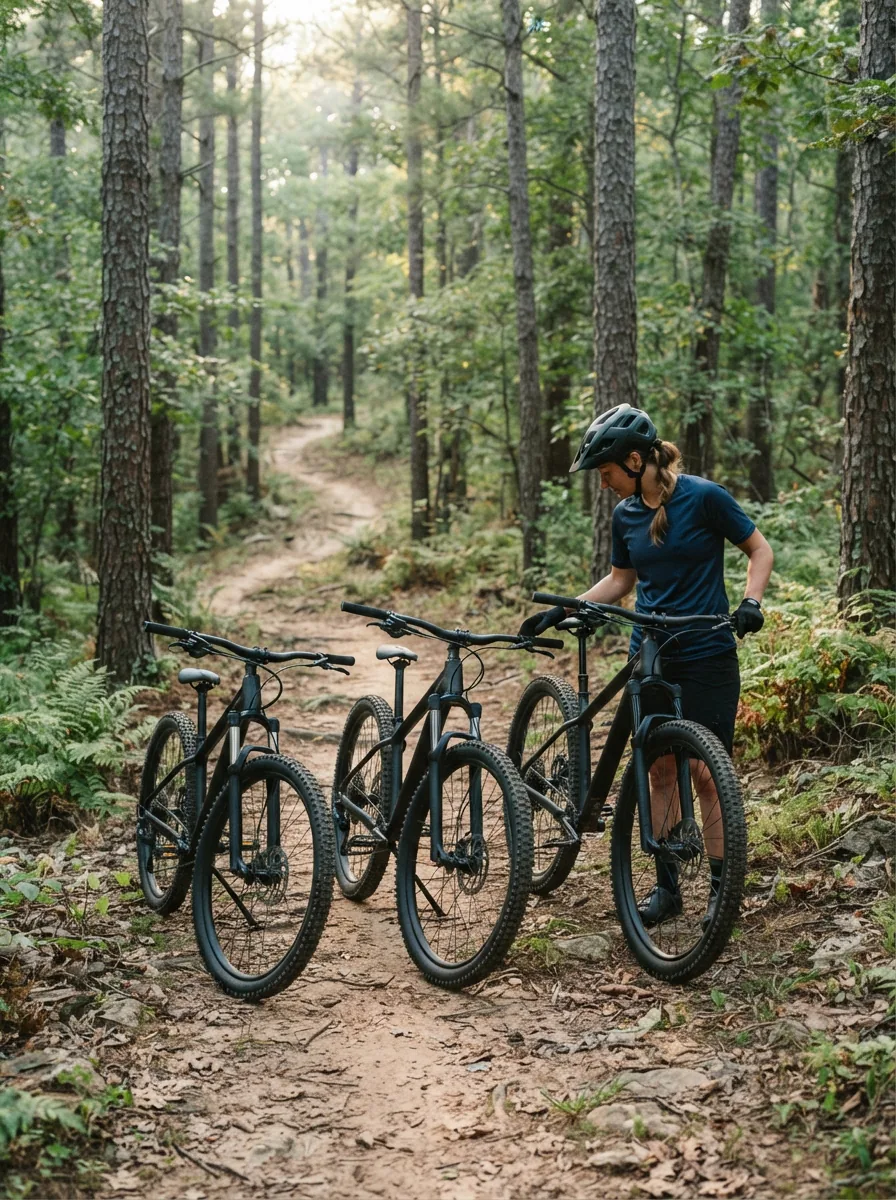
A group of Ozark Trail mountain bikes with front suspension parked on a dirt trailhead, a rider comparing frame sizes beside them
Admin
Ozark Trail Bike

Ozark Trail mountain bikes span hardtails and full suspension builds, sized from young riders to tall adults. Compare fit, suspension, wheels and gears to match your trails and your budget.

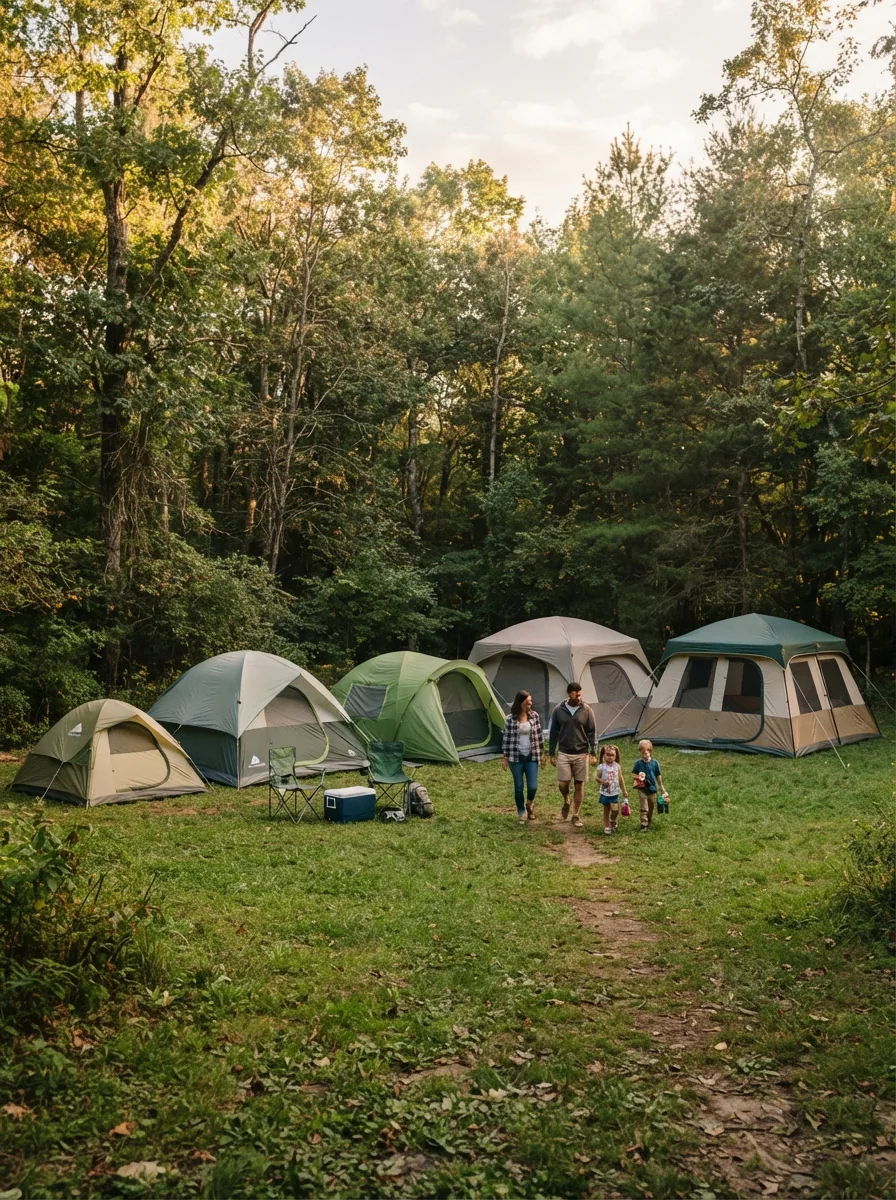
A row of Ozark Trail camping tents of several sizes pitched on a grassy campground with a family walking between them.
Admin
Ozark Trail Tents

Compare Ozark Trail tents by capacity, setup style, weather coverage and packed weight, from solo backpacking shelters to twelve-person family cabins built for drive-up weekend campsites.

A straight-leg pop-up canopy providing shade over a grassy campsite with chairs and a cooler underneath
Admin
Ozark Trail Canopy

Compare Ozark Trail canopies by size, frame shape and setup, from a compact 4′ x 6′ shelter to a 14′ x 14′ canopy with built-in lighting. Find the coverage, stability and extras that match your trip and your budget.