



Ozark Trail Mountain Bike

Ozark Trail mountain bikes cover entry-level riders from about 4 ft 6 in up past 6 ft 2 in, with 24 in, 27.5 in and 29 in wheels. Here you can compare hardtail and full-suspension frames and match a bike to your height and weekend trail use.

Four mountain bikes to start your comparison

Ozark Trail Timber 27.5 in Mountain Bike — Small Frame for Riders 5 ft to 5 ft 6 in

Built on a small frame for riders from about 5 ft to 5 ft 6 in, this Timber comes in black with an adult unisex fit. The 27.5 in wheels roll well on park paths and packed dirt without feeling slow, and the compact reach stays comfortable for shorter adults learning the basics.

Ozark Trail Timber 24 in Mountain Bicycle — 8-Speed Teen Bike, Fits Riders 4 ft 6 in Up

Sized for riders from roughly 4 ft 6 in to 5 ft 6 in, this Timber fits many teens who have outgrown a kid’s bike but are not ready for a full adult frame. Eight speeds give you a low enough gear for neighborhood hills and room to spin on flats. The 24 in wheels keep steering light and easy to manage.

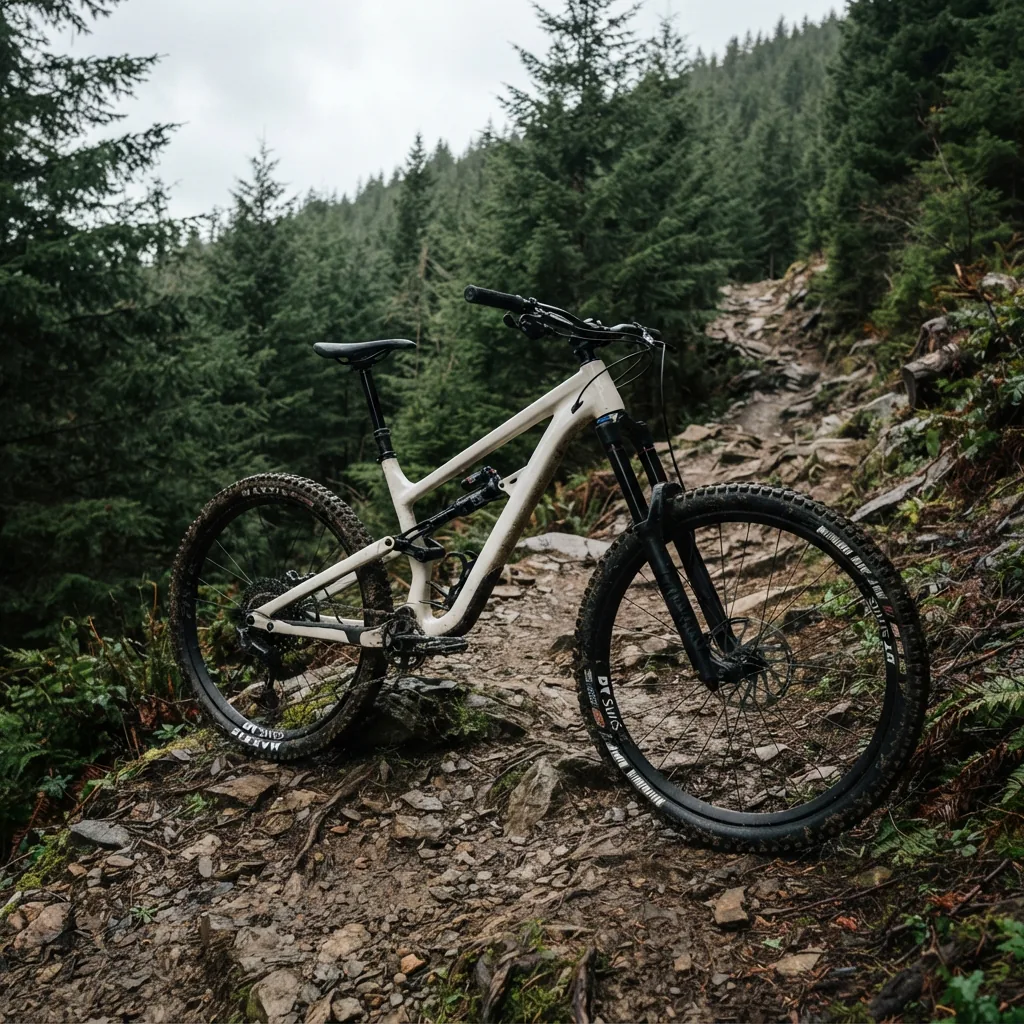
Ozark Trail FS.2 Slalom 29 in Full Suspension Mountain Bike — Large Frame for Riders 5 ft 10 in to 6 ft 2 in

Full suspension meets a large frame here, sized for riders from 5 ft 10 in up past 6 ft 2 in. The rear shock takes the sting out of roots and loose rock, while the off-white finish makes the bike easy to spot in a crowded rack. It suits riders who already know they want more control on descents.

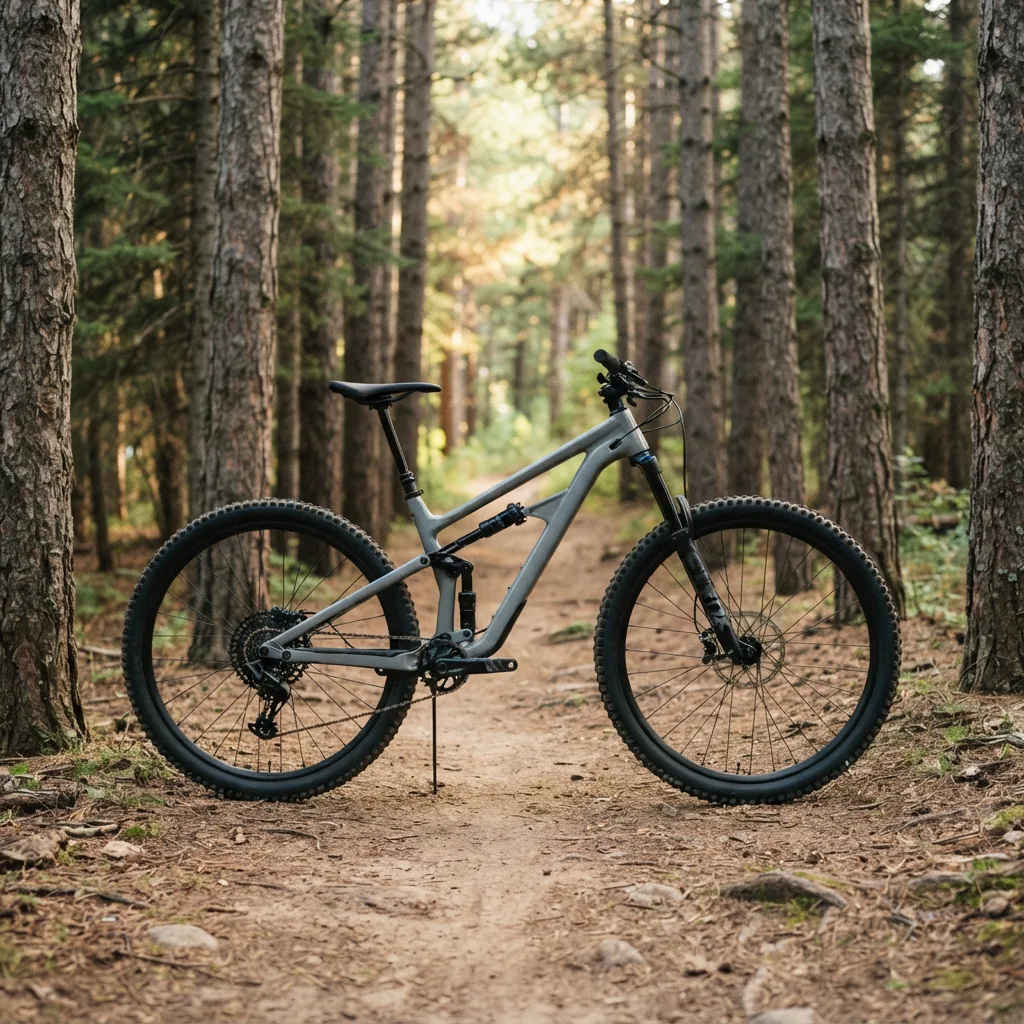
Ozark Trail FS.3 Fastflow Full Suspension Mountain Bike — 29 in Wheels, Small 15 in Frame for Shorter Riders

FS.3 Fastflow puts 29 in wheels and rear suspension on a small 15 in frame, fitting riders from about 5 ft to 5 ft 6 in. It suits shorter riders who want big-wheel roll-over but cannot use the taller large frames. The black adult frame works well on mixed local trails with the odd rocky patch.

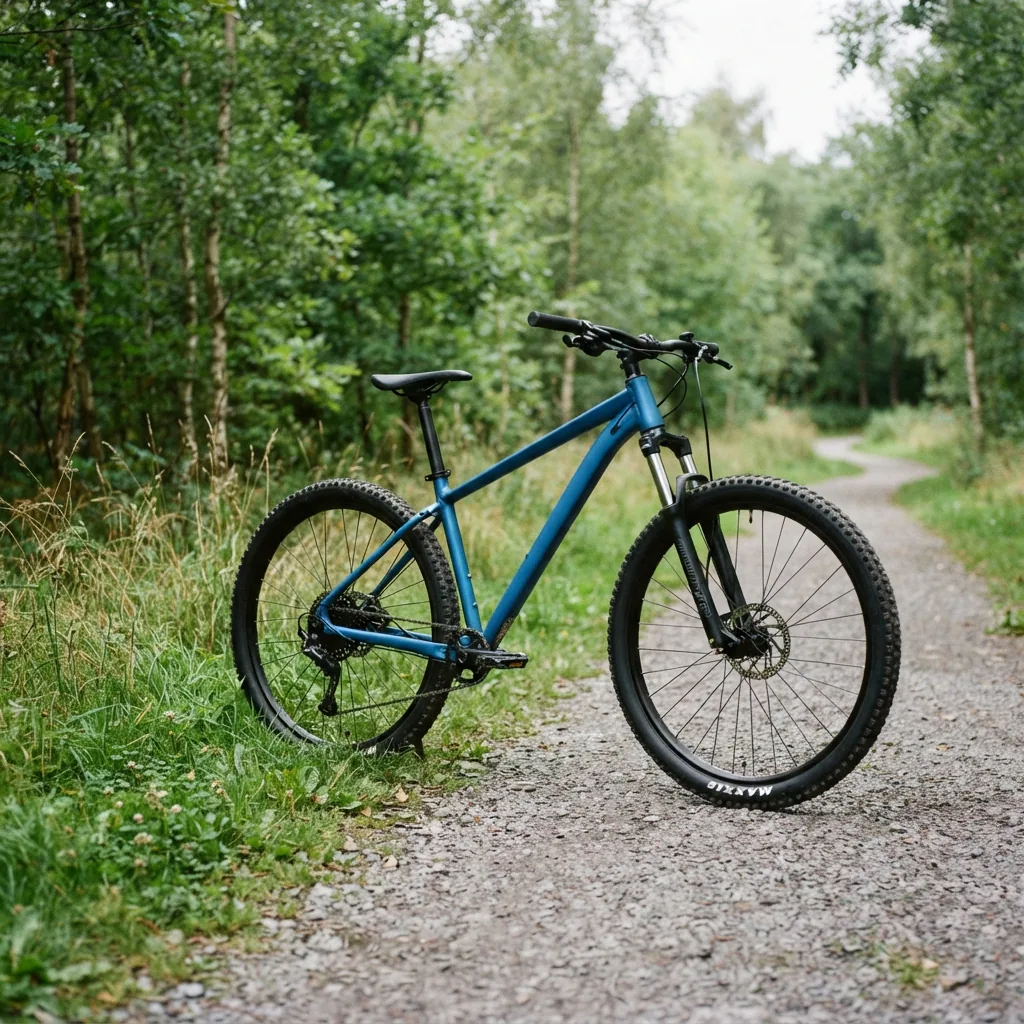
Ozark Trail M.2 Ridge 27.5 in Mountain Bike — Blue Hardtail for Riders 5 ft to 5 ft 6 in

The M.2 Ridge 27.5 in is a hardtail with front suspension and a small frame for riders from about 5 ft to 5 ft 6 in, finished in blue with an adult unisex fit. Without a rear shock it stays lighter and easier to pedal on flat roads and climbs, while the front suspension still smooths gravel and rough park paths.
Rider favorites

Three more bikes worth a closer look

Ozark Trail FS.2 Slalom 29 in Full Suspension Mountain Bike — Medium Frame for Riders 5 ft 6 in to 5 ft 9 in

This medium-frame Slalom fits riders from about 5 ft 6 in to 5 ft 9 in and brings full suspension to riders who want cushion on rougher ground. The 29 in wheels hold momentum over loose gravel and small drops, and the off-white finish stands out in a bike rack. A solid step up for someone ready to try more technical local trails.

Ozark Trail 27.5 in Mountain Bike — Small 15 in Black Frame for Adult Riders 5 ft to 5 ft 6 in

A straightforward hardtail at a small 15 in frame, this black 27.5 in bike suits adult riders around 5 ft to 5 ft 6 in who want something uncomplicated. Front suspension only means less to maintain, and the wheels stay quick on pavement and easy singletrack alike. Good value if your rides stay on moderate ground.

Ozark Trail M.2 Ridge 29 in Mountain Bike — Gray Medium Frame for Riders 5 ft 7 in to 5 ft 11 in

The M.2 Ridge 29 in uses a medium 17 in frame for riders from about 5 ft 7 in to 5 ft 11 in, finished in gray. Larger wheels carry speed over bumps and roots, and front suspension alone keeps the bike lighter than a full-suspension option. It suits everyday riders who want trail capability without extra weight or upkeep.
Who rides these

Everyday riders and situations these bikes suit

These bikes suit first-time trail riders, families outfitting a growing teen, and commuters wanting a sturdy weekend bike. Expect solid performance for short trips and regular outings rather than race-level equipment, and match the frame to the rider’s height.

First mountain bike for a new rider

Starting out, a smaller-wheel hardtail keeps handling predictable and the price low. You learn the trails and your own preferences without paying for equipment you do not yet need.

Outfitting a growing teen rider

A 24 in bike fits riders from about 4 ft 6 in, which covers many teens. Keep the height range in mind, since a growing rider may outgrow the frame within a season or two.

Weekend trails close to home

For park paths and easy local trails, a front-suspension hardtail is enough. You get comfort on rough patches without the extra weight and upkeep of a full-suspension frame.

Wheel size sets how the bike rolls, suspension decides how much bump reaches you, and frame height decides fit. Think about where you ride and how tall the rider is before comparing price.

How to compare Ozark Trail mountain bikes

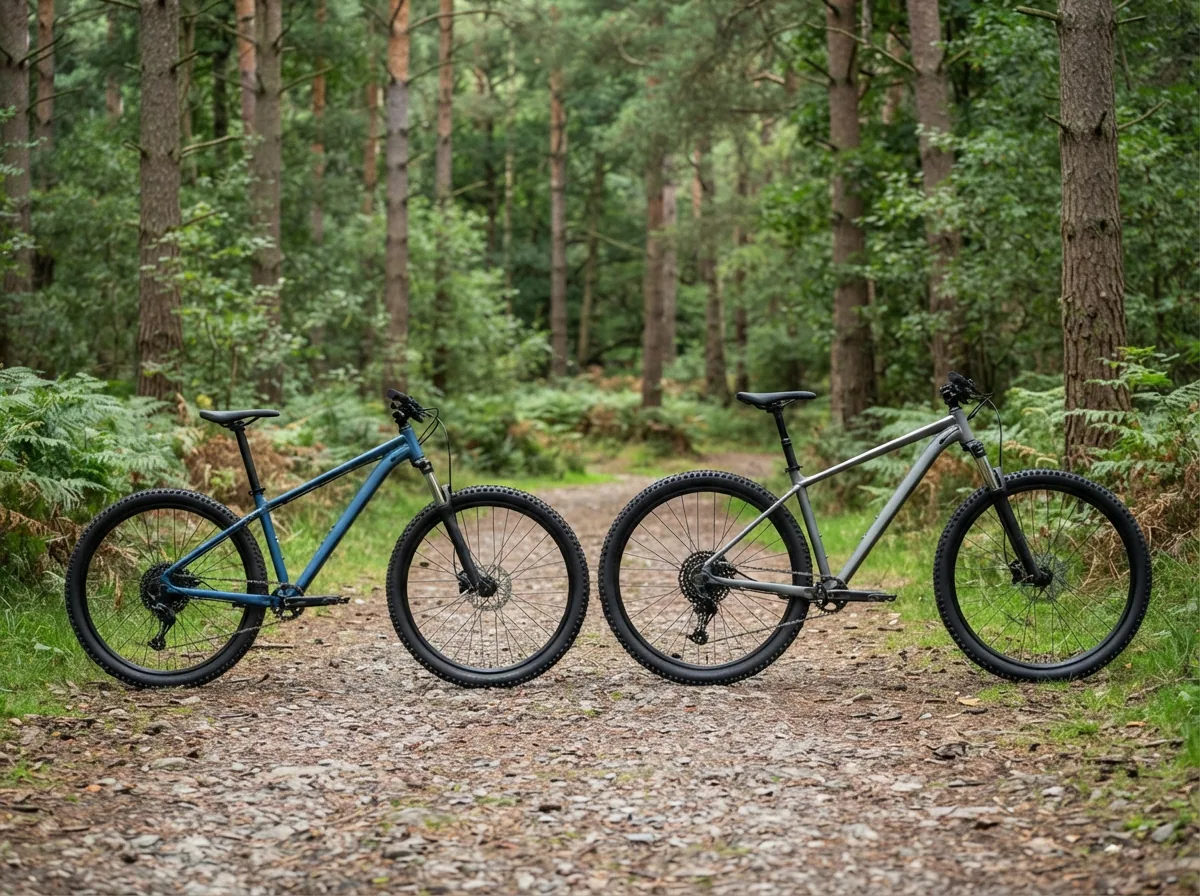
Two mountain bikes of different wheel sizes standing side by side on a gravel trail with no rider
Pick wheel size for your height

Bigger wheels roll over bumps more easily and hold speed better, while smaller wheels feel quicker and easier to steer. Your height limits which sizes will fit comfortably.

Choose hardtail or full suspension

A hardtail uses front suspension only, so it stays lighter and simpler to maintain. Full suspension adds a rear shock for rough trails, but brings more weight and upkeep.

Match gears to your local terrain

More gears help on steep climbs and give you room to spin on flats. Check the gear count if your usual rides include hills or long gravel stretches.

Check fit before comparing price

Frame sizes are listed with rider height ranges. A bike outside that range is hard to handle and uncomfortable to ride, no matter how good the price looks.

Find your fit

Match wheel size, frame and suspension to your ride

The range splits by wheel size, which changes speed and comfort, and by suspension, which changes control on rough ground. Start with your height for frame fit, then decide between a lighter hardtail and a full-suspension trail bike.
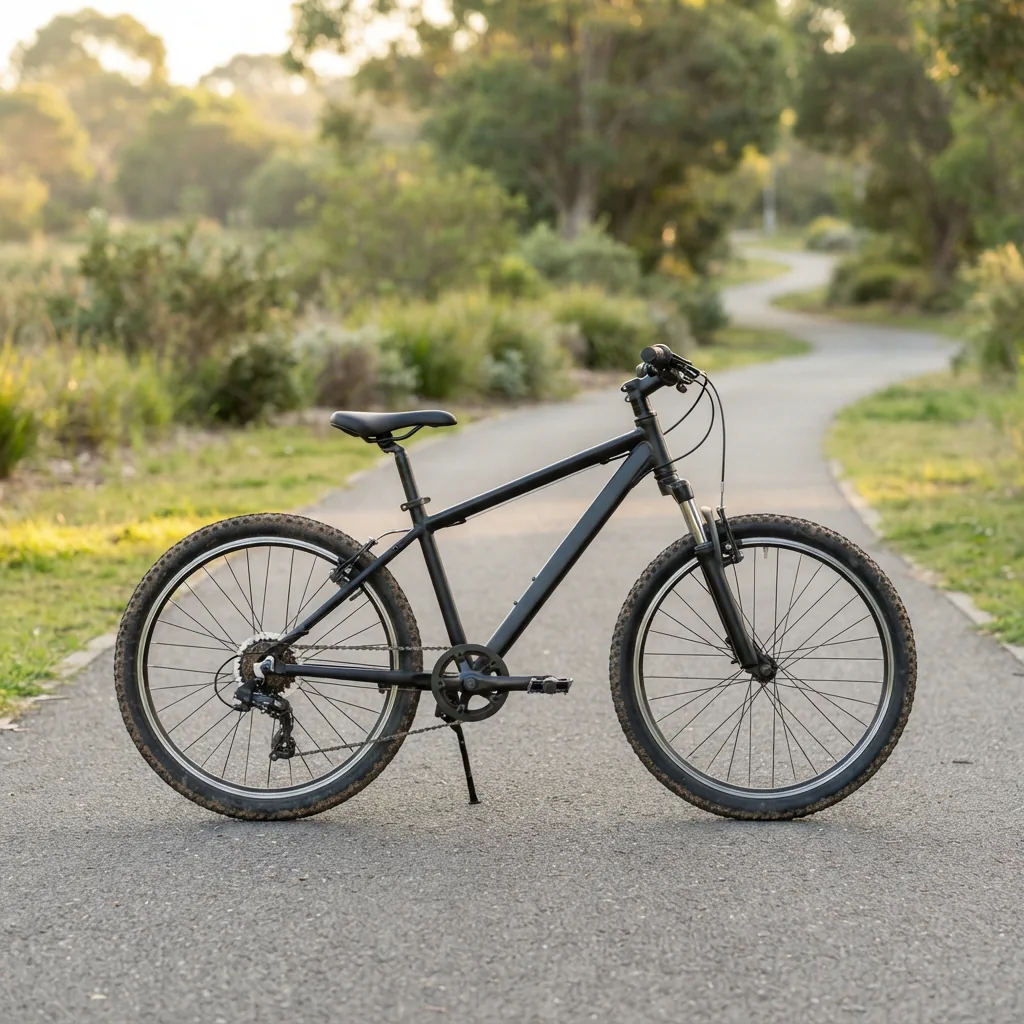
A 24 inch wheel mountain bike on a smooth park path with no rider

24 in wheels for smaller riders

A 24 in wheel keeps the bike easy to handle and comfortable for riders around 4 ft 6 in up to about 5 ft 6 in. It suits teens and shorter adults who want a lighter first bike.

A 27.5 inch wheel hardtail mountain bike on a gravel path beside trees

27.5 in wheels for mixed trails

27.5 in wheels balance quick acceleration with grip, working well on neighborhood paths and casual trail rides. Frame sizes in this group generally fit riders from about 5 ft to 5 ft 9 in.

A 29 inch wheel mountain bike on a wooded trail with tall pine trees, no rider

29 in wheels for taller riders

Larger 29 in wheels carry speed over roots and loose ground and suit riders roughly 5 ft 7 in and taller. Taller frames in this group reach riders past 6 ft 2 in.

A full suspension mountain bike with a rear shock on a rocky downhill trail, no rider

Full suspension for rougher ground

Full-suspension frames add a rear shock that smooths rocks and roots. They cost more weight and upkeep than a hardtail, but give more control on technical descents.

From other riders

What riders say after buying and riding

These accounts come from shoppers who sized a bike to their height, set it up at home and took it to local trails. They describe fit, first-ride nerves and how the bike held up across weekend outings rather than spec sheets.
I spent a week worrying about frame size because I sit between two ranges. I went with the smaller frame and I am glad I did. Standing over it at a stoplight feels easy, and after two weekends on local paths I am more confident on loose gravel than I expected to be.
Decorative customer review avatar icon 1
Dana R.
Nervous about sizing, relieved after the first ride
My son had outgrown his old bike but was not ready for a full adult frame. Setting it up at home took an evening and a few YouTube basics. He rides it to school and out on the park trails on weekends, and the lower gears have made the hills around our house much less of a problem.
Decorative customer review avatar icon 2
Marcus T.
Bought for a teen who outgrew a kid's bike
I compared this against bikes costing twice as much and decided to try the cheaper one first. It is heavier than the shop models I test rode, and the brakes need more effort. For the trails I actually ride, it has been dependable, and I have not felt like I wasted money.
Decorative customer review avatar icon 3
Priya K.
Wanted trail capability without the price jump
I chose full suspension because our local trail has a rocky descent that beat me up on a hardtail. The rear shock noticeably softens that section, though the bike does climb a bit slower. I clean the drivetrain every few rides and check the bolts, which keeps it running quietly.
Decorative customer review avatar icon 4
Joel M.
Full suspension used the way it was meant to be
Common questions

Honest answers about fit, upkeep and trade-offs

Start with the listed height range, then favor the smaller frame if you fall between sizes. A slightly smaller bike is easier to control and comfortable to stand over. A frame that is too big makes steering heavy and stopping awkward.
Both work. Front suspension handles gravel, roots and rough park paths with ease. Full suspension adds comfort and control on rockier descents, but you pay in weight and extra upkeep. Weigh that trade-off against the lower price.
Expect capable gear for short trips and regular weekend rides rather than race-day performance. Independent reviews of Ozark Trail gear praise the value for the price while noting less refinement than top-end models. Durability over many years is the usual trade.
Yes. A rear shock adds moving parts, more cleaning and occasional servicing. Hardtails need less attention and pedal more efficiently on flat ground. Choose full suspension only if your trails are genuinely rough enough to use it.
Many teens fit the smaller frames, and a 24 in wheel suits riders from about 4 ft 6 in. Check the height range first, since a growing rider may outgrow the bike sooner than expected. A bike that fits now is safer and more comfortable.
24 in wheels suit shorter and younger riders and feel easier to handle. 27.5 in wheels balance quick handling with comfort. 29 in wheels roll fastest over bumps and suit taller riders. Your height and trail type decide the best match.
Keep exploring

More trail gear to round out your kit

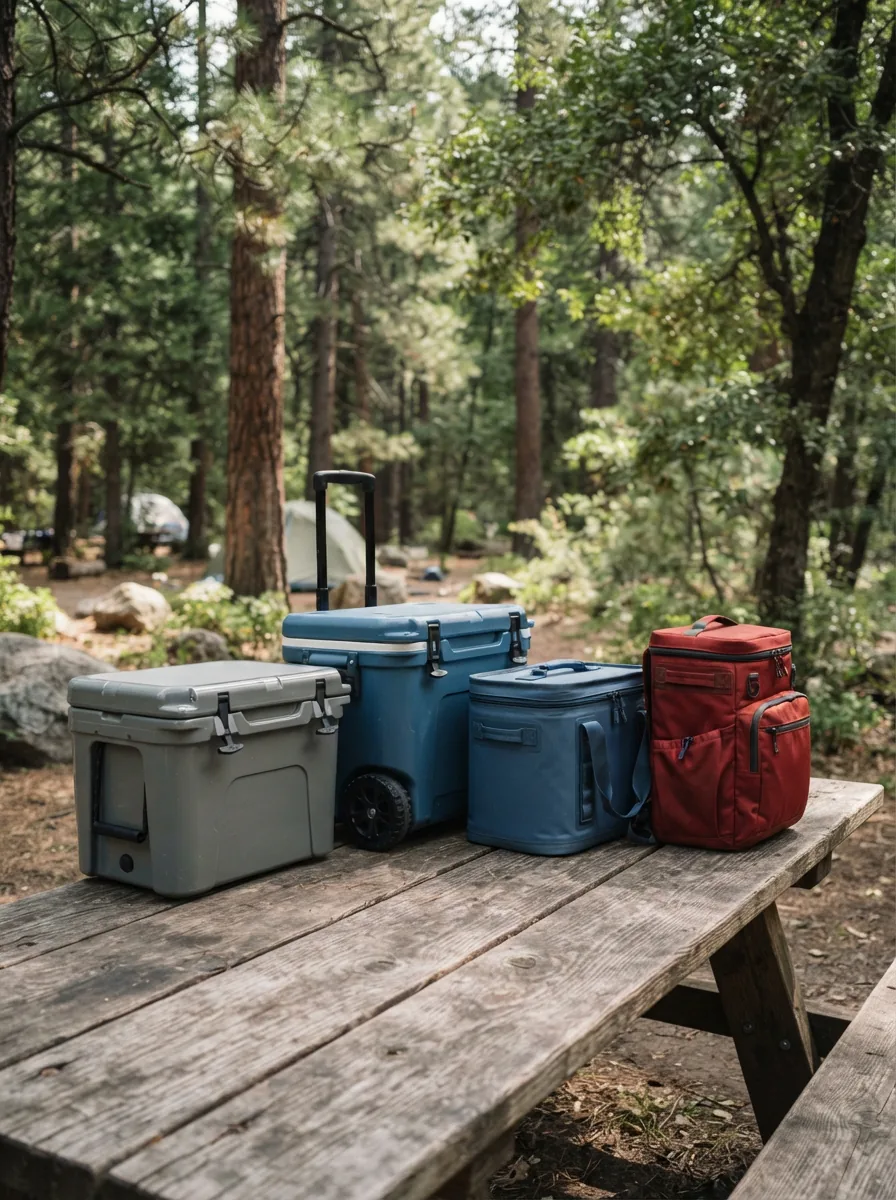
Hard-sided and soft-sided Ozark Trail coolers arranged on a wooden picnic table at a wooded campsite
Admin
Ozark Trail Cooler

Compare Ozark Trail coolers by size, shape and how you carry them, from hard-sided chests that hold ice for a weekend to soft totes and backpack coolers for a day out. Each option below shows capacity, format and the trip it fits best.
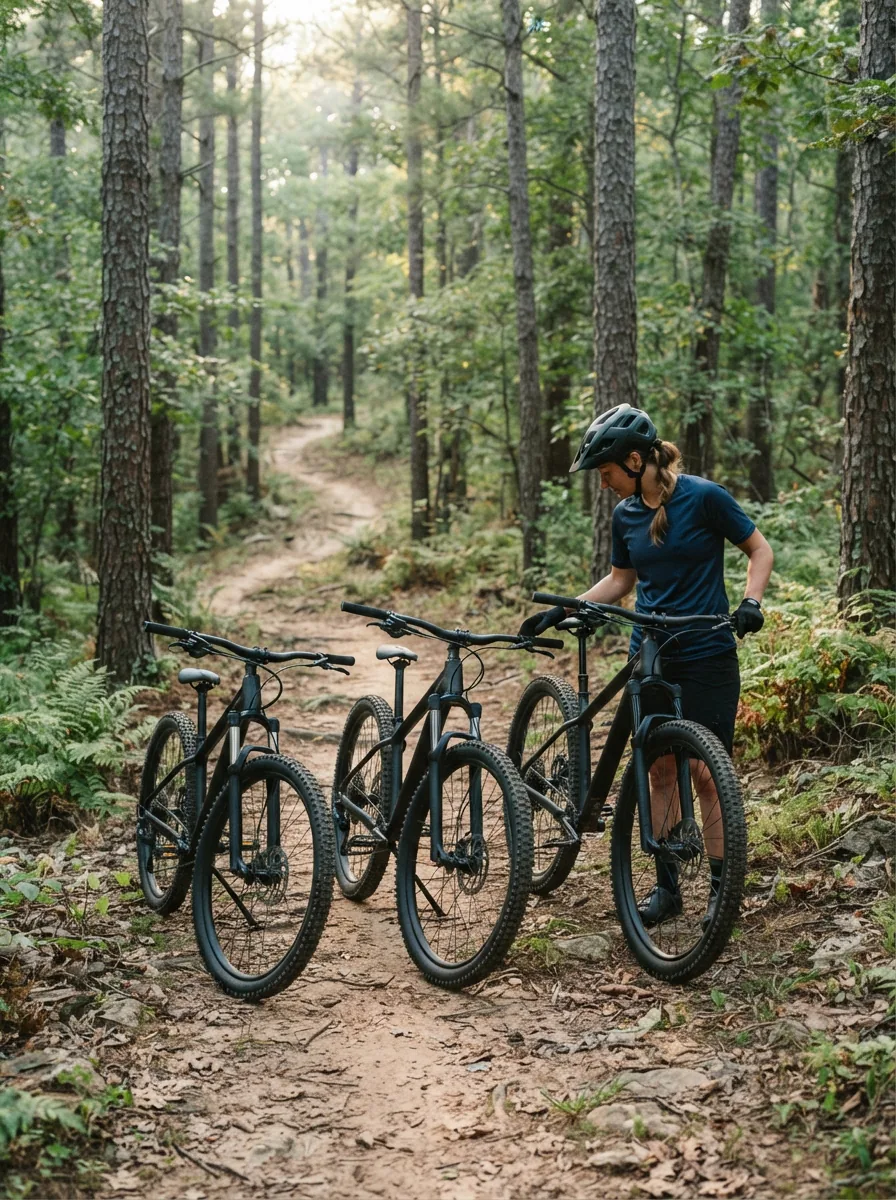
A group of Ozark Trail mountain bikes with front suspension parked on a dirt trailhead, a rider comparing frame sizes beside them
Admin
Ozark Trail Bike

Ozark Trail mountain bikes span hardtails and full suspension builds, sized from young riders to tall adults. Compare fit, suspension, wheels and gears to match your trails and your budget.

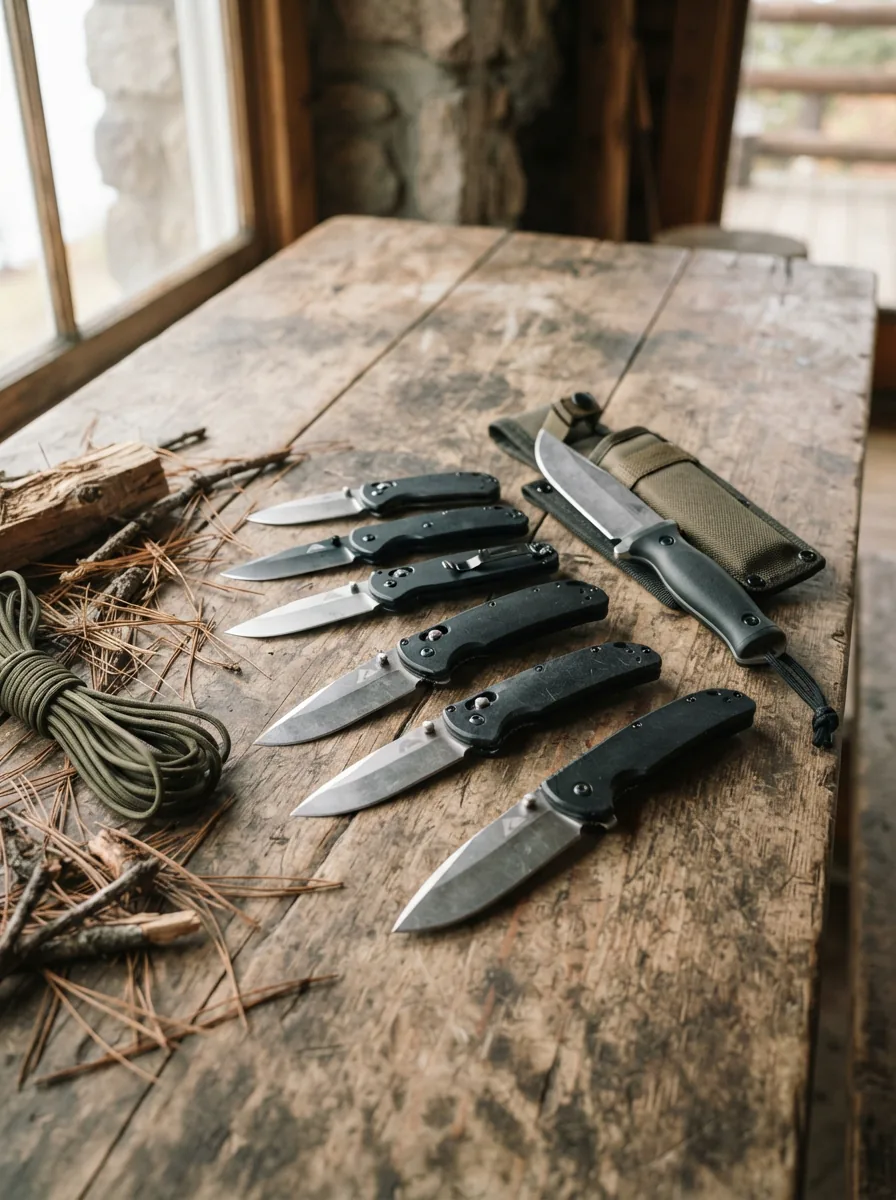
Assorted Ozark Trail folding and fixed blade knives arranged on a rustic wooden camp table
Admin
Ozark Trail Knife

This page lines up Ozark Trail knives so you can compare folding and fixed blades, locks, handles and carry options at a glance. Each pick notes what it handles best, from camp prep to a pocket blade you carry daily.

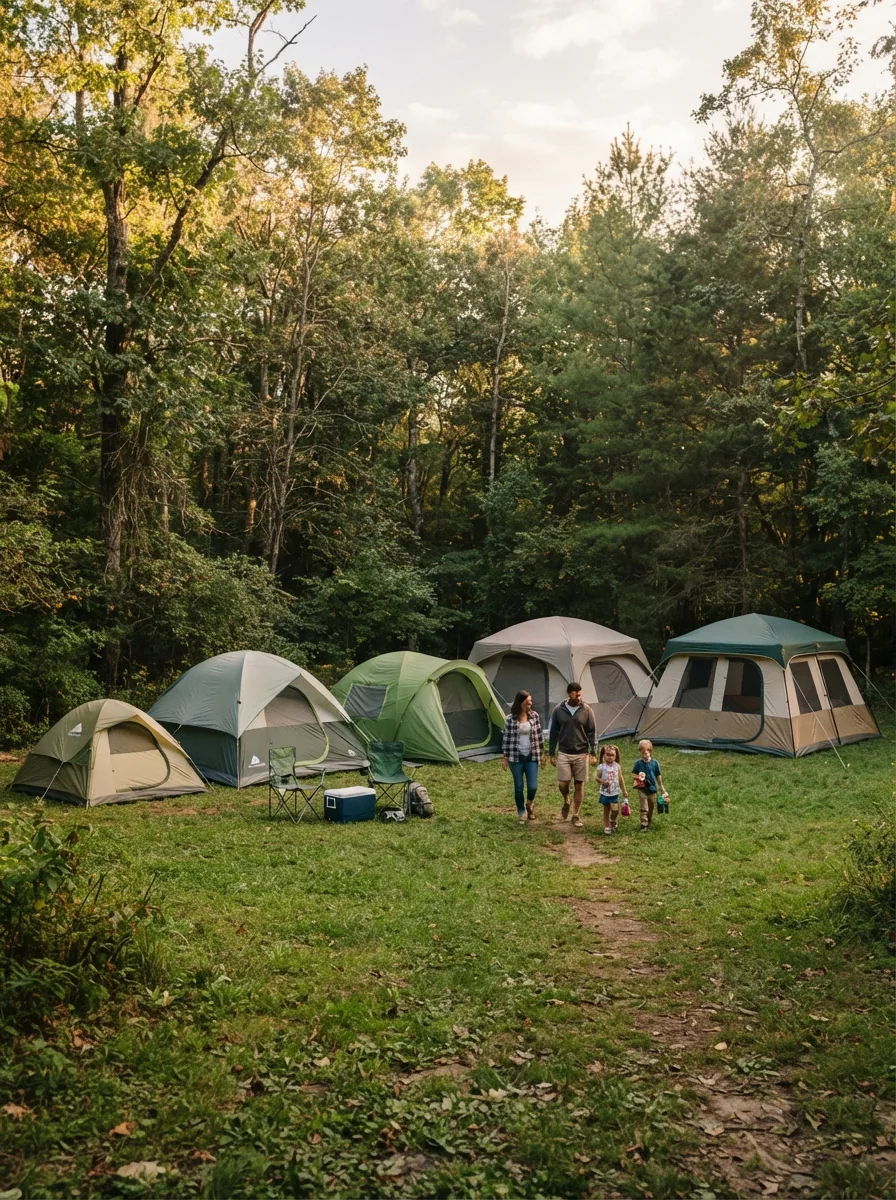
A row of Ozark Trail camping tents of several sizes pitched on a grassy campground with a family walking between them.
Admin
Ozark Trail Tents

Compare Ozark Trail tents by capacity, setup style, weather coverage and packed weight, from solo backpacking shelters to twelve-person family cabins built for drive-up weekend campsites.