
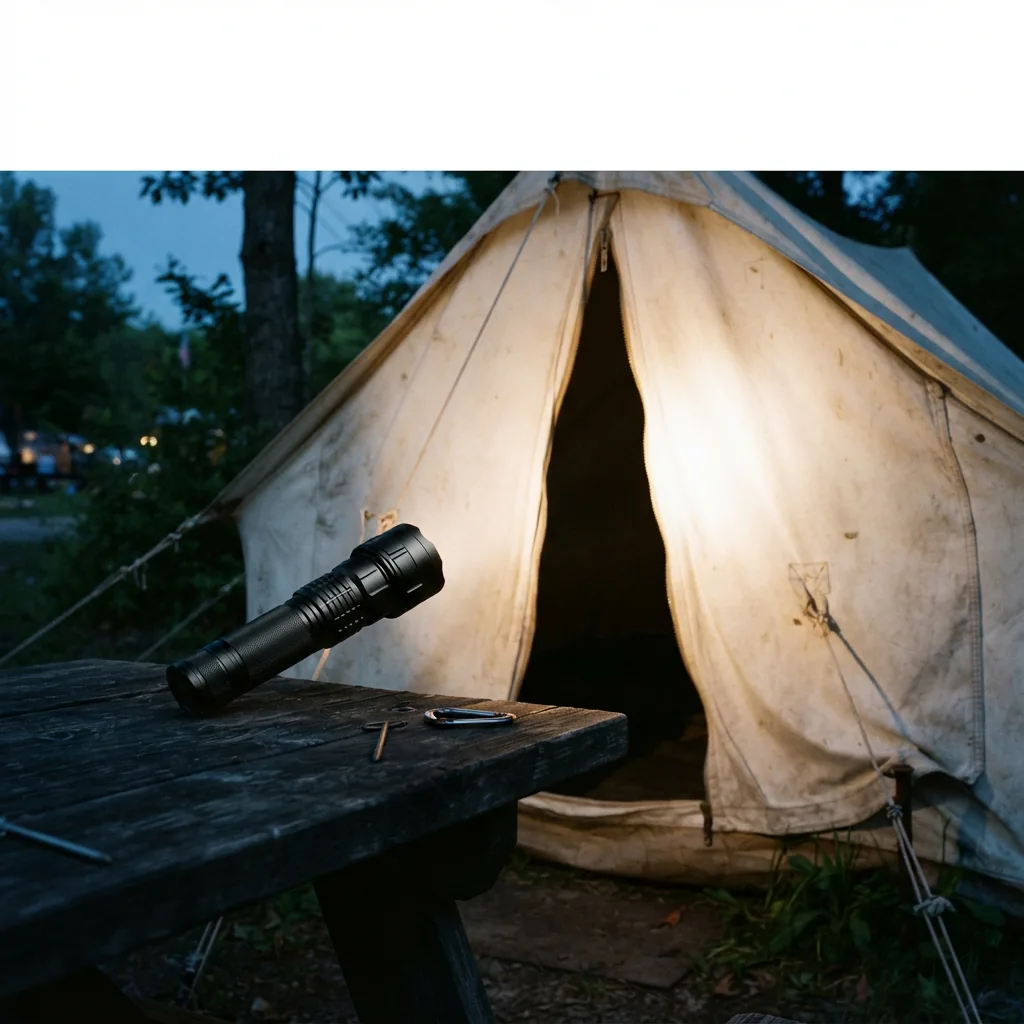





Ozark Trail Flashlight

Compare Ozark Trail flashlights side by side by brightness, power source and water resistance, so you can match a light to evening chores, campsite setup or a full night on the trail.

Four flashlights for first setups and weekend trips

Ozark Trail 5000 Lumens Rechargeable Flashlight with 10-Hour Runtime for Camping Trips

Pushing 5000 lumens, this is the brightest Ozark Trail light here, and the USB-C cell runs about 10 hours between charges. IPX4 water resistance handles rain and splash, so it fits night hikes, camp setup and late pack-ups. It costs more than the compact lights, so pick it when you need the extra reach.

Ozark Trail 1000 Lumens Rechargeable Flashlight with Four Modes for Everyday Carry

Four modes mean you can dial down from full power to a low setting and stretch the charge across a weekend. At 1000 lumens it lights a trail, a tent or the back of a car without glare, and the IPX4 rating shrugs off light rain. On sale it lands under the bigger models, so it is an easy everyday light.

Ozark Trail 500 Lumens Water-Resistant Flashlight with AAA Batteries Included for Emergencies

Batteries come in the box, so it works the moment you need it, even after months in a glove box. The impact-resistant body handles drops, and water resistance covers rain. At 500 lumens it handles camp chores and late dog walks, not a search beam. At about five dollars, a spare costs little.

Ozark Trail 2500 Lumens Rechargeable Flashlight with USB-C Charging and 10 Hour Runtime

A middle-weight option for anyone who finds 1000 lumens limiting but skips the largest body. With 2500 lumens, a trail or a dark yard lights up comfortably, and it runs roughly 10 hours on a charge with USB-C top-ups. IPX4 covers wet weather, and the price sits between the small lights and the top model.

Ozark Trail 1500 Lumen Focusing Flashlight with Bonus Penlight for Waterproof Work

Twist the head to focus the beam: tighten it for distance, widen it for even camp light, so one body does two jobs. IP67 is the strongest rating here, handling brief submersion as well as dust and grit. It uses replaceable cells instead of a built-in pack, and a bonus penlight covers close tasks.
Three more ways to choose

Popular picks by power, backup and beam control

Ozark Trail 1500 Lumen Rechargeable LED Flashlight with Steady Power for Night Use

Rechargeable and rated at 1500 lumens, this sits mid-range, where most weekend trips land. You get enough throw for a trail or a driveway without the size of the brightest model, and recharging means no cell shopping between outings. At just over twenty dollars it is a steady default light for regular evening use.

Ozark Trail 300 Lumen Emergency Flashlight with Hand Crank and Power Bank for Outages

Made for the drawer you open when the power goes out. Crank the handle to build charge when batteries are not an option, and the built-in power bank tops up a phone, while a carabiner clips it to a pack. Output stops at 300 lumens, so it is a close-range light rather than a trail beam, which suits the price.

Ozark Trail Zoom Flashlight with Adjustable Beam for Camping and Hiking on the Trail

The zoom head moves from a wide flood for camp tasks to a narrow spot for distance, so one light covers the tent and the path to it. Aimed at camping and hiking, it is the small, versatile pick you toss in a pack without weighing it. No rechargeable pack is listed, so check the power source before a longer trip.
Who this shelf serves

Situations where a good light earns its place

From camp chores after sunset to power cuts at home, a flashlight covers tasks where visibility is the whole job. Think about where it will live and how often it comes out, since each setting rewards a different level of brightness.

Campsite setup after dark

Pitching a tent or cooking once the sun drops needs a steady wide light more than distance. A mid-range model on a low setting keeps your hands free and your eyes adjusted, and a rechargeable cell means it is ready again on night two.

Trail walking and night hikes

On a path you want reach: enough lumens to read roots and trail markers ahead without glare in your eyes. Water resistance matters here, since evening walks bring dew and sudden rain, and a lighter body is easier to carry for miles.

Power outages and roadside checks

For blackouts and flat tires, reliability beats raw output. Keep a light with simple controls and a battery you trust, and consider a crank or power-bank model so a dead cell never leaves you standing in the dark.

Start with how much light you need, then check how it is powered and how it handles weather. Each factor shifts the fit: more lumens cost more, rechargeable cells suit frequent use, and a higher water rating suits wet trips.

How brightness, power and weather rating change the pick

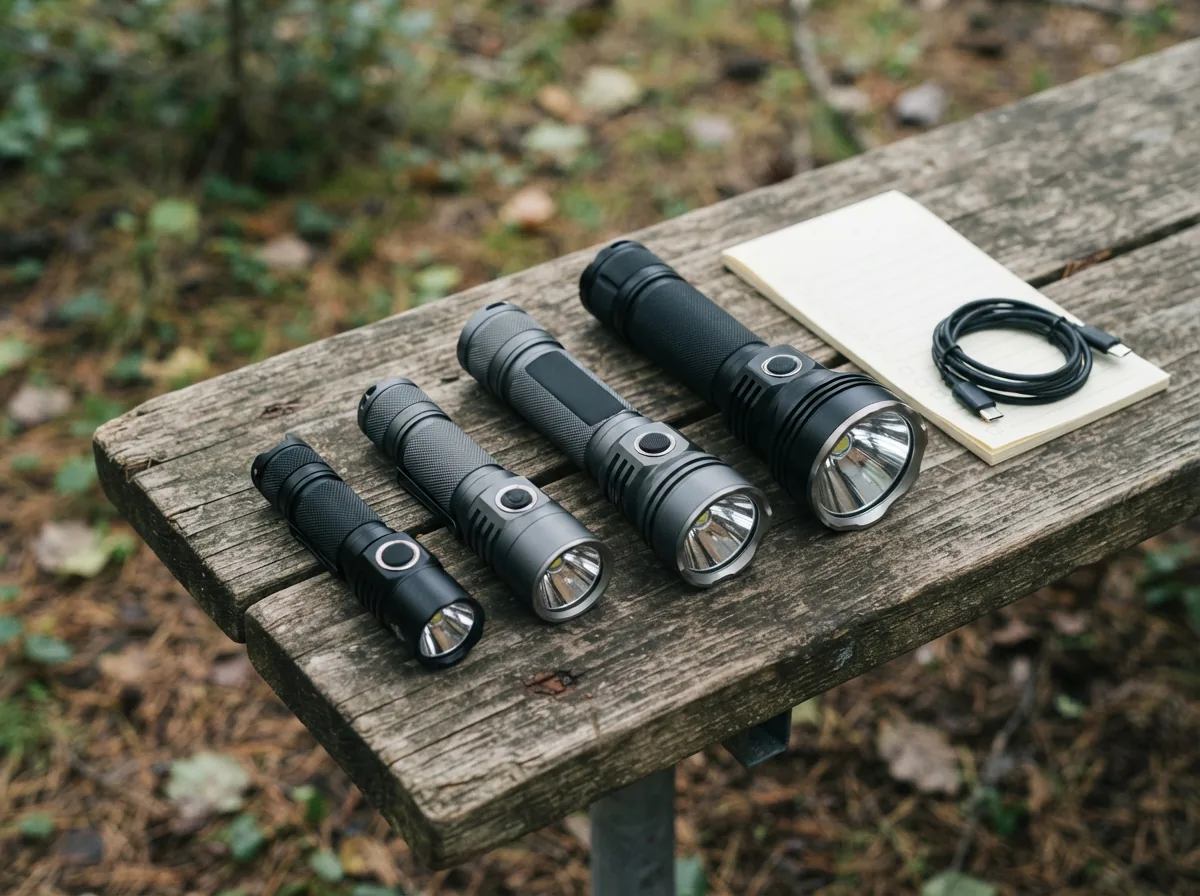
Four Ozark Trail flashlights of different sizes laid out in a row beside a notebook on a camp table
Brightness and beam reach at night

Lumens measure total output, but beam shape decides how far you see. A focused spot carries down a trail while a wide flood spreads light around camp, and mid settings let you balance reach against battery life.

Rechargeable cells versus replaceable

Rechargeable packs suit lights used weekly, since you charge after each trip. Replaceable batteries suit lights left in storage, because cells stay fresh. Think about how often the light leaves the shelf before you choose.

Water and impact ratings explained

IPX4 resists splashes and rain, while IP67 adds dust protection and brief submersion. Impact ratings cover drops onto hard ground. Higher ratings help outdoors but cost more, so buy only what your trips demand.

Size, weight and how you carry it

A larger body holds a bigger cell and sheds heat better, but it weighs more over miles. If the light rides in a pack, weight matters less than if it lives in a jacket pocket.

Where the flashlights split

Four directions for different kinds of light

Flashlights here split by output, power and purpose: small everyday carry lights, high-output models for distance, emergency backups and zoomable beams. Match the subtype to where the light will spend most of its time.
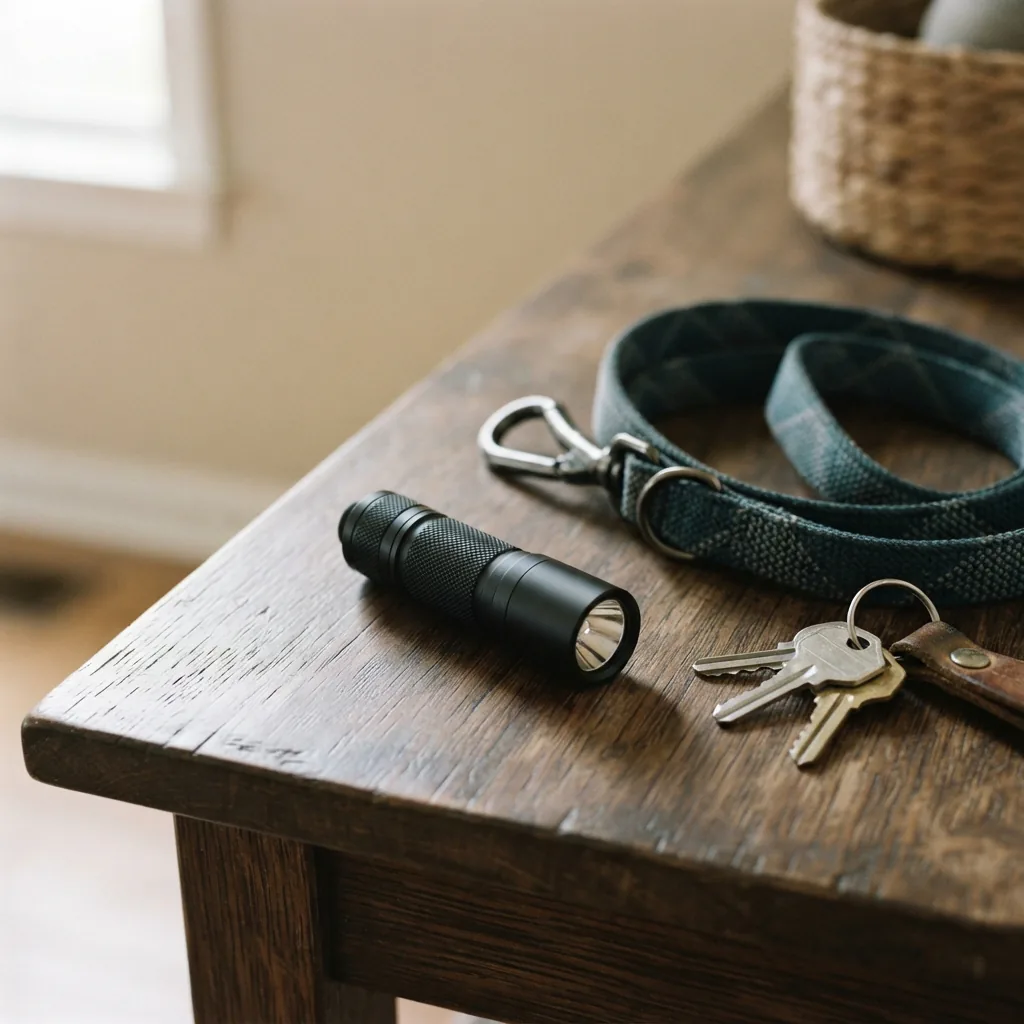
Compact Ozark Trail flashlight beside a leash and keys on a hallway table

Everyday carry lights

Compact, moderate-output lights for dog walks, yard work and finding keys. They favor runtime and pocket size over distance, and their low prices make it easy to keep one in more than one place.

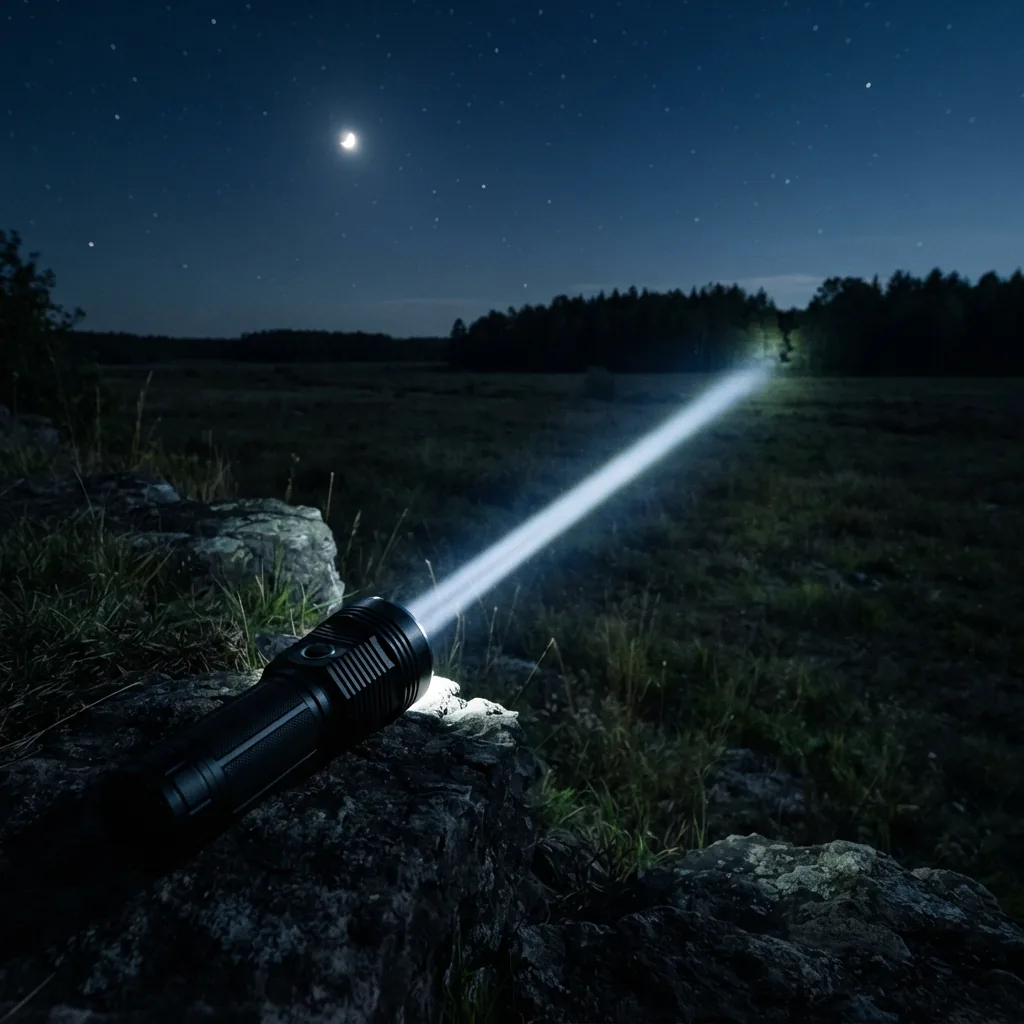
High-output Ozark Trail flashlight casting a long beam across an open field at night

High-output search lights

Models rated 1500 lumens and up, built for open ground where you need to see far. Expect bigger bodies and higher prices, and remember that top brightness shortens runtime on a single charge.

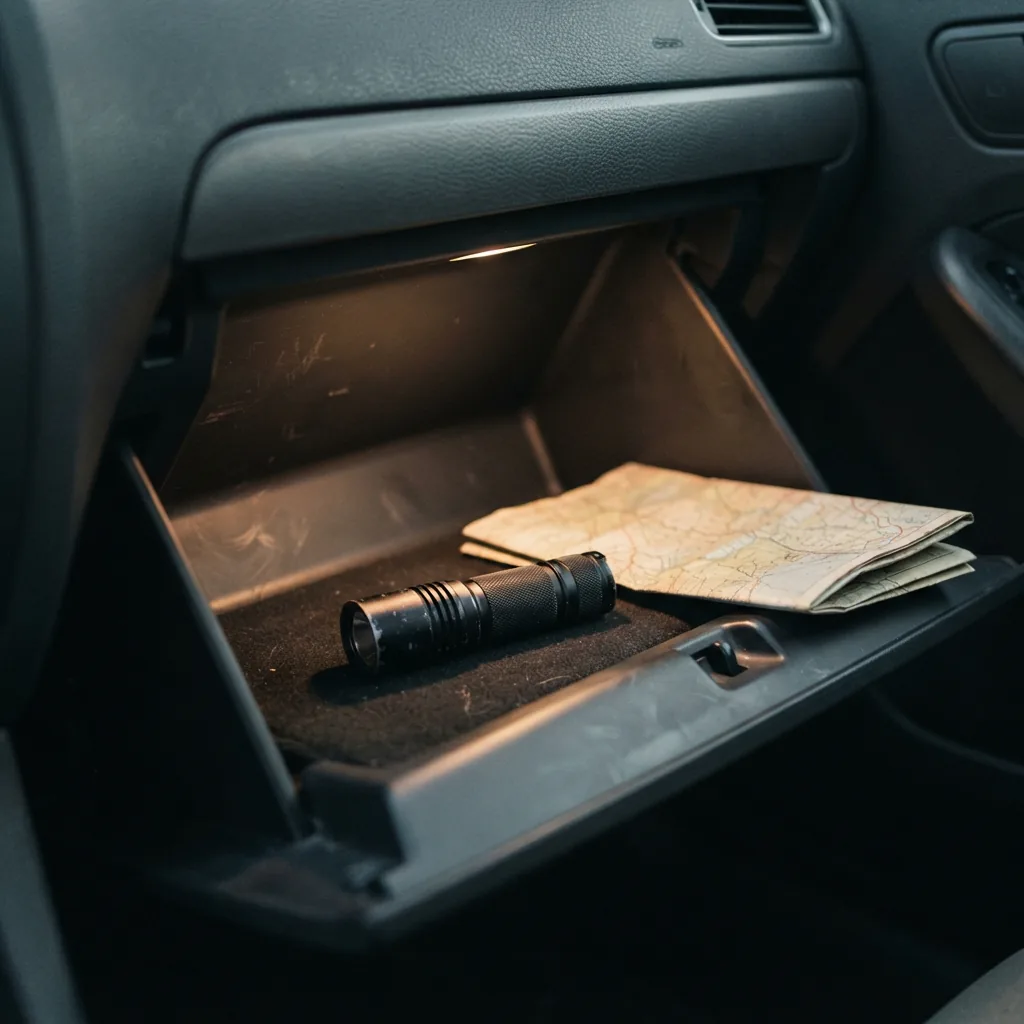
Backup Ozark Trail flashlight kept in an open car glove box next to a folded map

Emergency and backup lights

Simple, cheap lights that live in a glove box or drawer for months. Batteries included, impact-resistant bodies and optional hand cranks matter more here than long range or fine finish.

Zoom-head Ozark Trail flashlight with a wide flood beam lighting a tent doorway at camp

Adjustable beam for the trail

Zoomable heads let you switch between a wide flood for camp tasks and a narrow spot for distance. That flexibility suits mixed evenings when one light has several jobs to do.

What shoppers say

What owning one of these lights is actually like

These notes come from shoppers who used budget flashlights on real trips and during ordinary evenings at home. Each describes a concrete moment and what it changed, so you can weigh durability, ease of use and price before deciding.
I picked up a couple of these before a two-night trip with the kids. Setting up in the dark was simple, the beam lit the whole tent area, and neither one quit on us. I have owned pricier lights, but for the money these handled rain and a drop onto gravel without a complaint.
Decorative customer review avatar icon 1
TrailheadDave
Bought two for a family camping weekend
My expensive flashlight died two days before a trip, so I grabbed a cheaper one as a stopgap. It has outlived the trip, a power outage and a month of dog walks. I still notice the difference in finish, but nothing about it has failed, and I have stopped babying it in the drawer.
Decorative customer review avatar icon 2
Marla K.
Replaced a dead premium light with a cheaper one
I keep one in the car for flat tires and dark parking lots. The low mode is what I use most, since it shows a lug nut clearly without blinding passing drivers. It has survived being kicked around the trunk for a full season, which is more than I expected at this cost.
Decorative customer review avatar icon 3
WeekendRae
Keeps a small light for roadside checks
I compared these with the top-end brands a friend swears by. The brighter one throws an impressive beam and recharges quickly, though it will not last as many years, most likely. For short trips and regular weekends the savings are worth that trade, and I would buy the same again.
Decorative customer review avatar icon 4
glen_p
Weighs the honest trade-off against top-end gear
Questions before you buy

Answers on brightness, power and water

For camp setup and short walks, a few hundred lumens is usually plenty. Step up toward 1000 or more when you want to see farther down a trail or light a large area. Brighter output costs more and drains power faster, so match output to the distance you really cover.
Rechargeable models suit frequent use: you plug them in after a trip and go. Replaceable cells win for storage, since a light kept in a glove box stays ready for months. Pick based on how often you will actually use it, not on which sounds more modern.
IPX4 means the light resists splashing from any direction, which covers rain and wet hands but not submersion. IP67 goes further, keeping out dust and surviving brief immersion. Neither rating removes the need to dry the light and check the seal after a wet trip.
Not always. Extra output helps on open trails where you want distance, but it adds cost, heat and faster battery drain. For wooded paths and camp chores, a lower setting with a wide beam is often easier to use, and multi-mode lights let you switch as conditions change.
Run time depends on the model and the mode you choose. Several lights here are listed at about 10 hours, but that figure usually assumes a lower output rather than top brightness. Expect shorter life on full power, and carry a charge or spare cells for long nights.
The bodies are built to resist impacts and water at their stated ratings, which covers camping, hiking and everyday jobs. Like any budget gear they trade some longevity for price, so treat them sensibly, keep the seals clean, and they will handle short trips and regular weekends well.
Keep reading

More trail notes to pair with your light

Hard-sided and soft-sided Ozark Trail coolers arranged on a wooden picnic table at a wooded campsite
Admin
Ozark Trail Cooler

Compare Ozark Trail coolers by size, shape and how you carry them, from hard-sided chests that hold ice for a weekend to soft totes and backpack coolers for a day out. Each option below shows capacity, format and the trip it fits best.


A group of Ozark Trail mountain bikes with front suspension parked on a dirt trailhead, a rider comparing frame sizes beside them
Admin
Ozark Trail Bike

Ozark Trail mountain bikes span hardtails and full suspension builds, sized from young riders to tall adults. Compare fit, suspension, wheels and gears to match your trails and your budget.

Assorted Ozark Trail folding and fixed blade knives arranged on a rustic wooden camp table
Admin
Ozark Trail Knife

This page lines up Ozark Trail knives so you can compare folding and fixed blades, locks, handles and carry options at a glance. Each pick notes what it handles best, from camp prep to a pocket blade you carry daily.

A row of Ozark Trail camping tents of several sizes pitched on a grassy campground with a family walking between them.
Admin
Ozark Trail Tents

Compare Ozark Trail tents by capacity, setup style, weather coverage and packed weight, from solo backpacking shelters to twelve-person family cabins built for drive-up weekend campsites.
