



Ozark Trail 6 Person Tent

Compare Ozark Trail 6 person tents side by side: dome, instant cabin, pop up and bell shapes, with setup time, headroom and trip length explained so you can pick the right first tent.

Four 6 person tents that differ in setup and space

Ozark Trail 12' x 8' Dome Tent Sleeps 6, 6'1" Headroom for Family Camping Weekends

The 12 by 8 foot floor gives six sleepers a wide rectangle, and the 6 foot 1 inch center height lets most adults sit up and change near the middle. It fits families car camping on weekends who want simple poles, steady weather resistance, and a tent that pitches on level ground without fuss.

Ozark Trail 6-Person Weather-Resistant Dome Tent for Family Camping Trips

Weather resistance is the headline with this dome: it is built to handle rain and wind at a family campground, so a sudden shower does not end the trip early. Choose it when you want a dependable weekend shelter and a shape that stays stable once the breeze picks up.

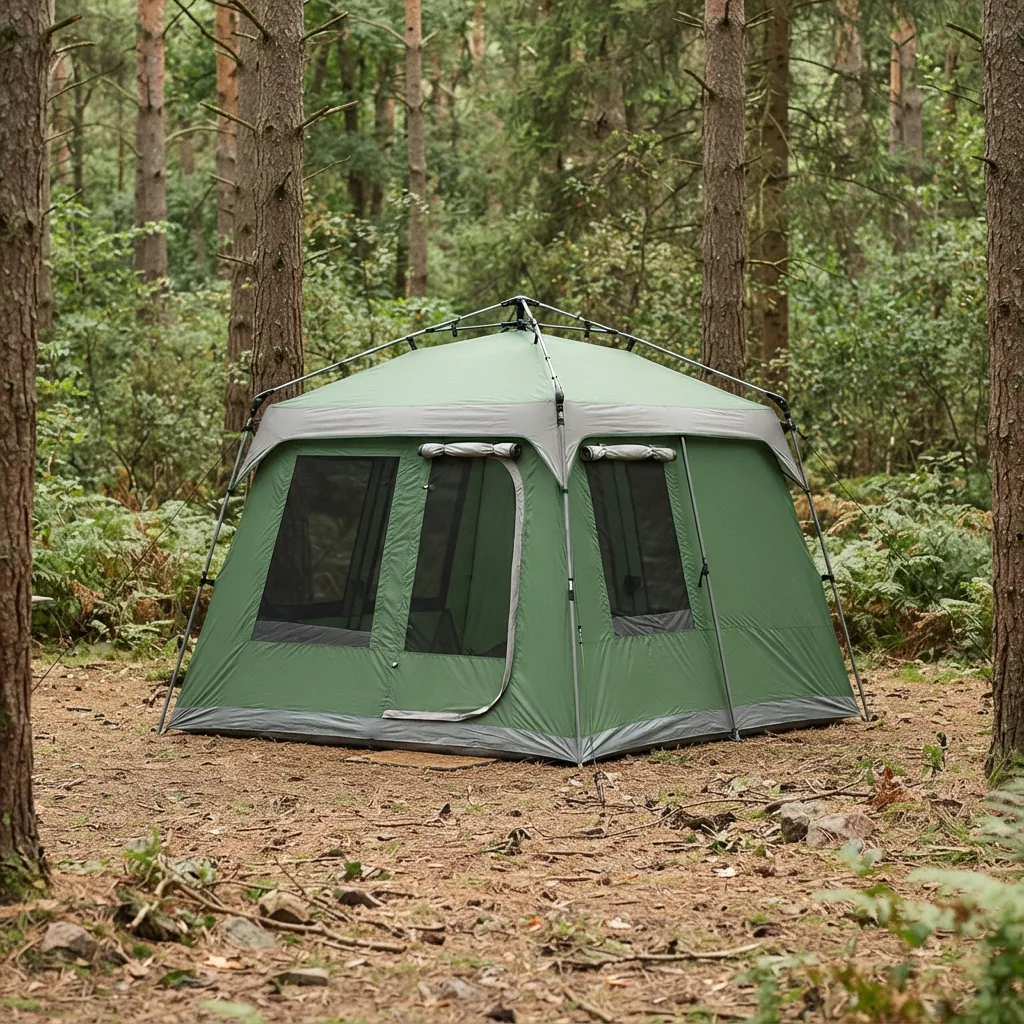
Ozark Trail 6 Person Pop Up Tent for Fast Setup on Short Camping Trips and Weekends

Setup is the whole argument for this one. Open the bag, let the pre-attached poles spring into shape, and stake it out before dinner, which makes it a strong pick for short trips, festivals or a first night when the light is fading. It trades some packed weight for speed.

Ozark Trail 10' x 9' 6 Person Instant Cabin Tent with Built-In LED Lighted Hub Lighting

An integrated LED hub means you are not hunting for a headlamp once everyone is inside, which matters on a late arrival with kids. The 10 by 9 foot floor and instant frame suit car campers who value standing room and even light over the lightest pack weight.

Ozark Trail Dark Rest Instant Cabin Tent Blocks Morning Sun for Later Starts at Camp

Dark rest fabric is the difference maker: it blocks early sunlight so the tent stays dim for sleeping in and cooler through the afternoon, which families notice on bright summer mornings. The instant cabin frame gives near standing height, and at 16.81 pounds it fits car campers who want a quick pitch and room to change.
More shapes to weigh

Three roomy 6 person tents for weekends away

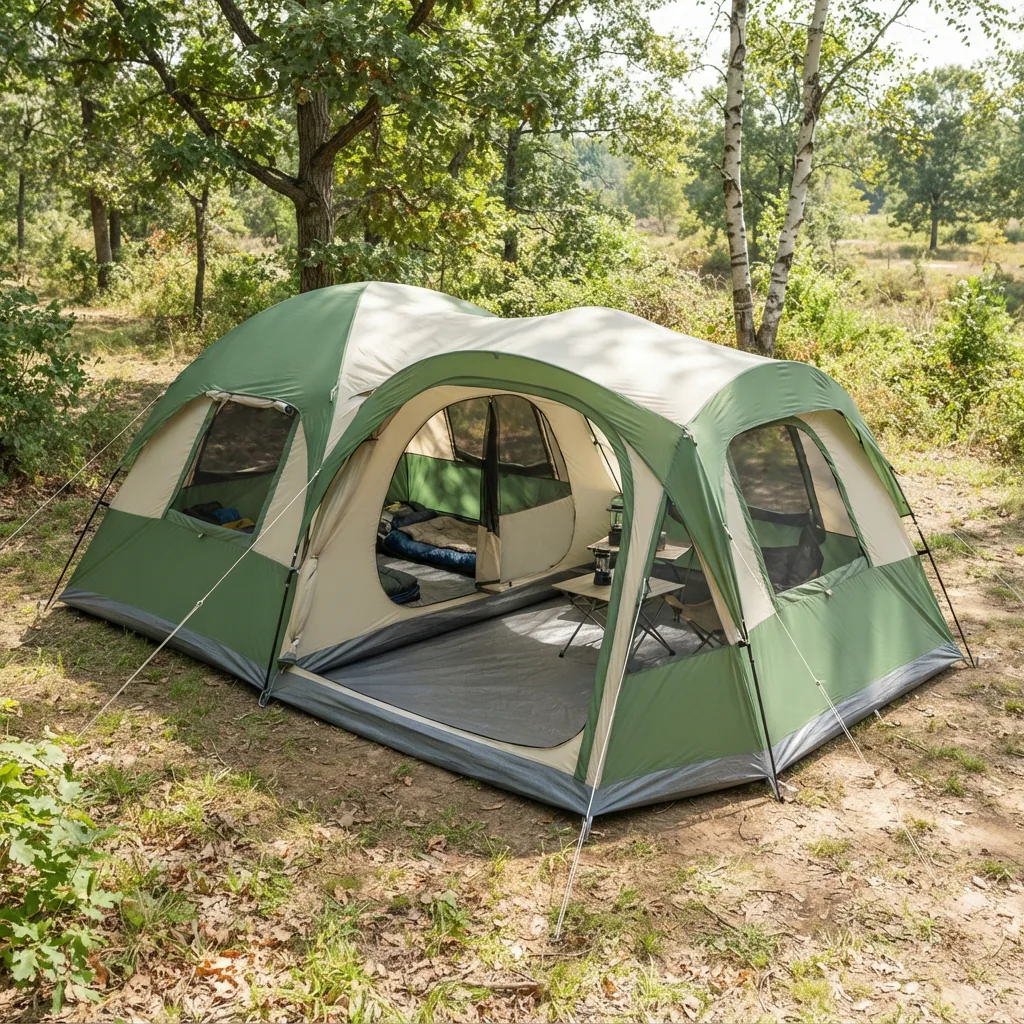
Ozark Trail Two Room 13x10ft Dome Tent with Separate Sleeping and Storage Space Inside

Two rooms change how a family shares the tent. One side becomes the sleeping area and the other holds bags, wet gear and a place to sit, so the 13 by 10 foot footprint keeps the sleeping side tidy. Pick it when a little separation matters more than the smallest pack size.

Ozark Trail 6-Person Dome Tent with Extra Sitting Area for Family Downtime and Gear

A dedicated sitting area is what sets this dome apart from a plain 6 person shelter. The 15 by 11 foot layout gives everyone a dry spot to take off boots and play a card game, while the red and beige walls keep the interior bright. Best for families who linger at camp.

Ozark Trail 6 Person Mushroom Bell Tent for Roomy Glamping Weekends, Open Box Clearance

The 11.8 by 11.8 foot bell shape trades a tall cabin wall for a wide, open interior under one central peak, which reads more like a glamping setup than a backpacking tent. This open box example suits buyers who want generous room for the price if they do not mind an open box.
Who these tents fit

Situations where a 6 person tent earns its space

Family first trips, quick weekends and longer stays each ask something different of a tent. Weigh space, setup time and packed weight against who is coming, and pick the shape that matches your plans.

First family camping trip

A first setup rewards forgiving shapes: room to sleep six, a center height you can stand in, and a door that makes late arrivals easier to manage without help.

Weekend trips close to home

Short weekends favor fast setup and simple packing, so you spend the arrival hour cooking and settling in rather than wrestling with poles in the dark.

Longer stays with gear to store

Multi-night stays reward extra floor area and a separate room, giving wet boots, coolers and kids gear somewhere to go at night while sleepers rest.

Setup style, floor size, standing height and packed weight each shift what a tent suits best. Match them to trip length and who is coming, and the trade-offs become easy to see.

What to weigh before you choose a tent

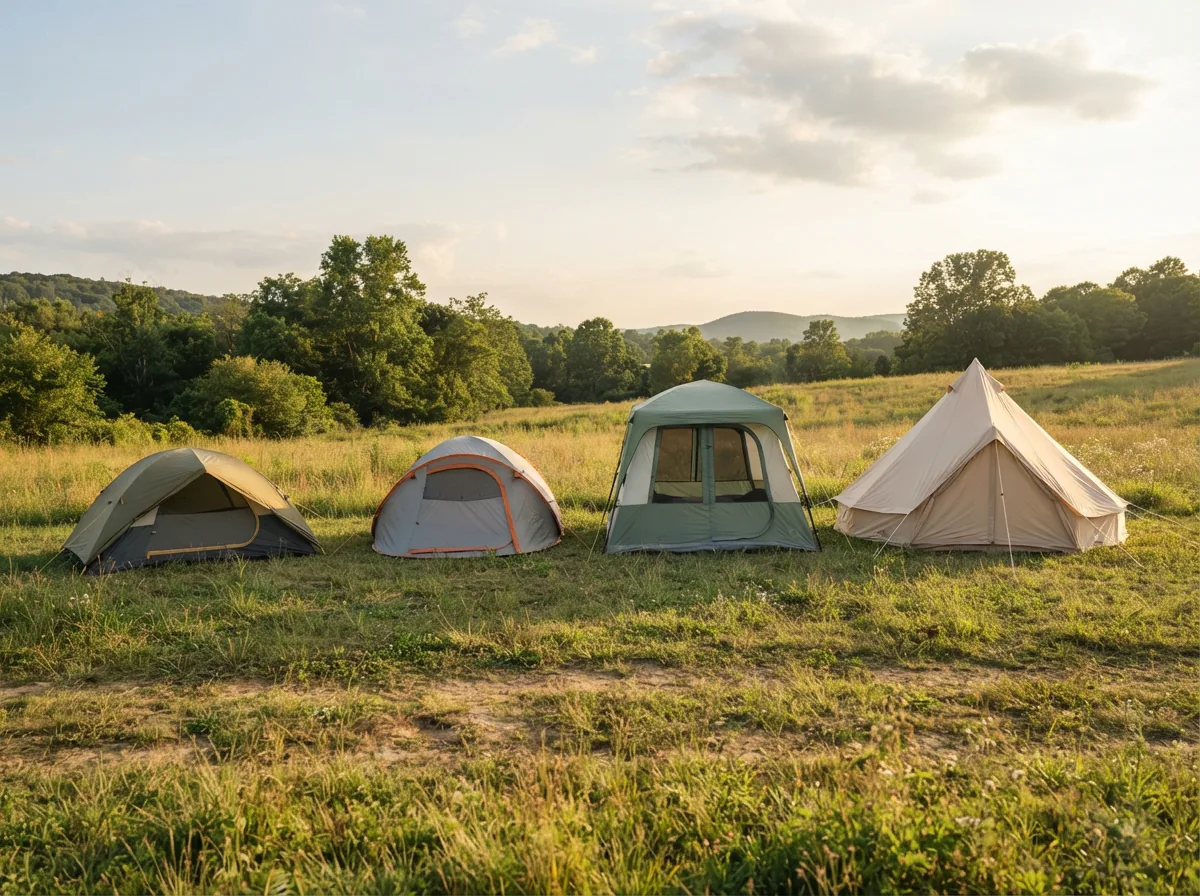
Four tents of different shapes lined up on a grassy field for comparison
Setup style changes trip ease

Pop up and instant cabin frames cut pitch time to minutes, while a classic dome asks for more pole work but usually packs smaller and lighter.

Floor plan decides comfort level

A 6 person rating describes floor area, not guaranteed comfort. Two rooms or a sitting area give families space to spread out gear and still walk around.

Headroom for standing and changing

Center heights near six feet let adults stand to change, but wall slope matters as much as the peak when you plan where the cots and bags go.

Packed weight and carry distance

Heavier frames and hub systems add convenience at camp and pounds on the walk in, so weigh easy car trips against longer hauls to the site.

Know the shapes

Four tent types matched to how you camp

Dome tents are light and simple to raise, instant cabins trade a bit of pack weight for standing headroom, pop ups favor fast weekends, and two room or bell layouts add space for longer stays.
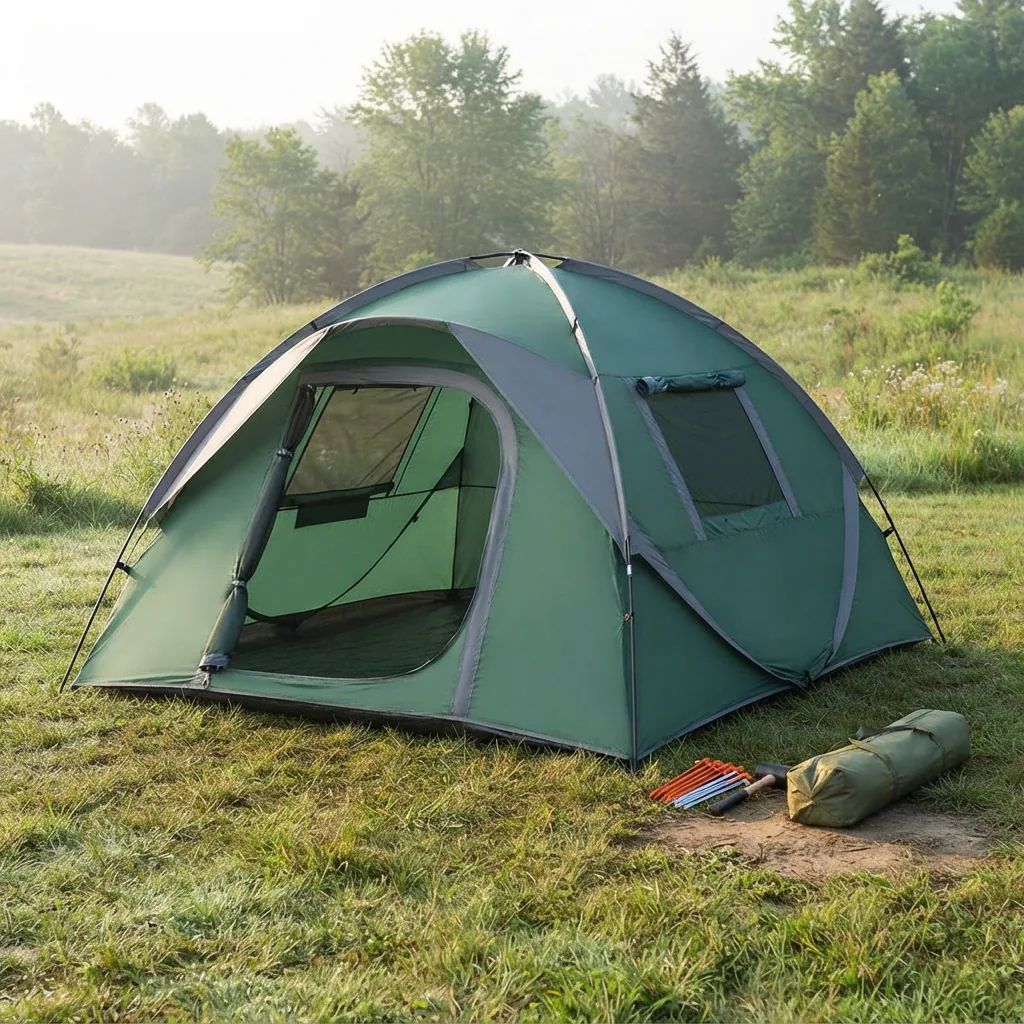
Green six person pop up tent half assembled on a grassy campsite with poles extending outward

Quick pop up shelters

Pop up designs use pre-attached poles, so a short trip starts with minutes of work instead of a long pitch in the dark.

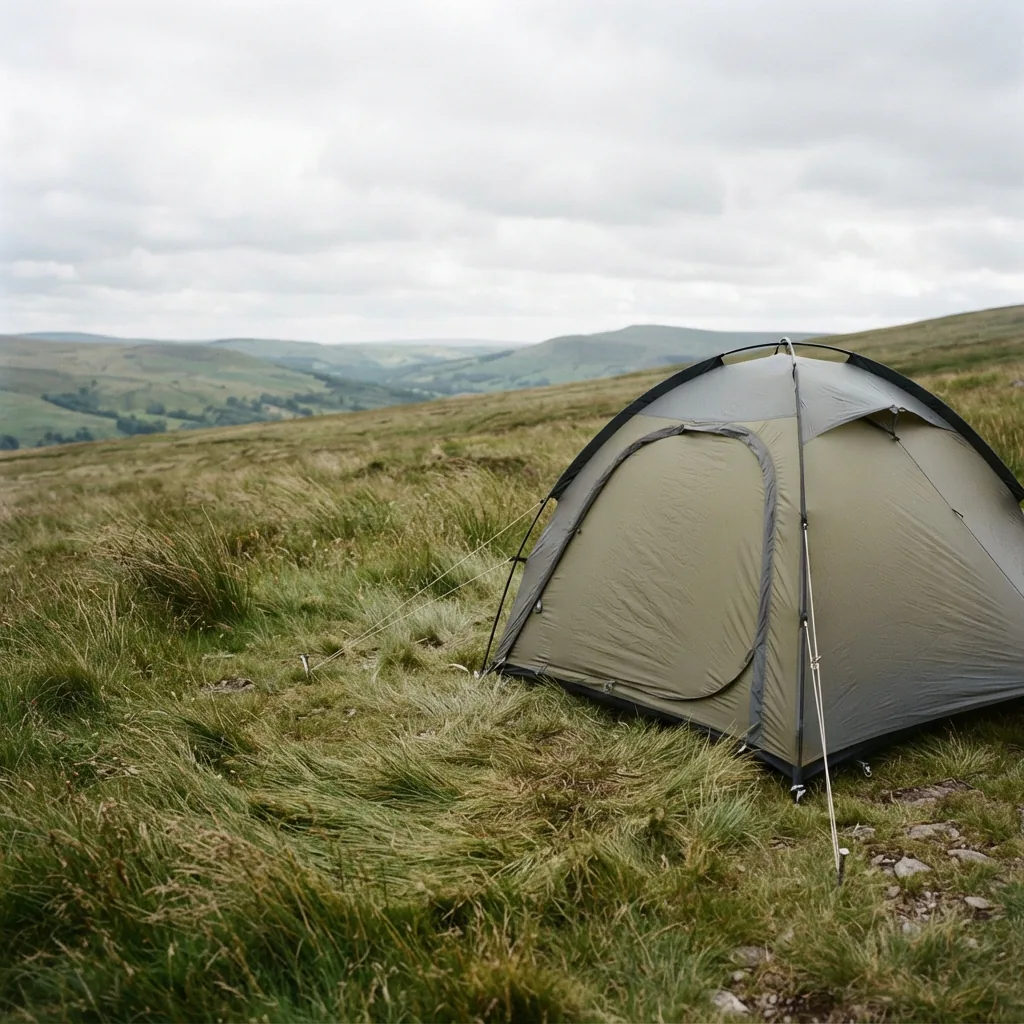
Green dome tent with crossed poles staked on a breezy hillside campsite

Classic dome tent shapes

Dome shapes shed wind well and pack smaller than cabin styles, which suits hikers and first setups that move camp once or twice.

Tall instant cabin tent with a hubbed frame standing in a level pine campsite

Instant cabin headroom

Instant cabins give you near standing height and big doors, but the frame and hub add pounds you will carry from the car to the site.

Spacious two room dome tent with a divider wall open at a family campsite

Two room and bell layouts

Two room and bell layouts add a living area or extra width, useful when families want separation and storage on a longer weekend stay.

From fellow campers

What camping with these tents was actually like

Campers describe the same pattern: a fair price, an easy evening pitch, and small annoyances they learned to work around. Their notes focus on the category rather than any single model.
We pulled in after dark and had the tent up before the kids finished unpacking the car. The frame locked without a fight, and nobody was arguing by the time we rolled out our bags for bed.
Decorative customer review avatar icon 1
TrailSideDad
Easy pitch after a long evening drive
Rain started Saturday morning and we did not feel crowded. We moved the coolers and boots into the extra room, kept the sleeping area dry, and still had space to sit and play cards inside.
Decorative customer review avatar icon 2
Kayla R.
Room to spread out on a rainy weekend
It is not as quick to pack down as the tents that cost twice as much, and the bag is a snug fit. For the price I would buy it again for our weekend trips at the lake without second guessing.
Decorative customer review avatar icon 3
MarcusB
Learning the trade-offs the honest way
The dark fabric made a real difference on our second morning. The kids slept until nearly eight, and the inside stayed shaded while we made breakfast outside in full sun. That small change made the whole trip easier to start.
Decorative customer review avatar icon 4
NorthwoodsNina
Slept past sunrise with dark rest walls
Questions worth asking

Straight answers on 6 person tent trade-offs

A 6 person rating reflects roughly 60 square feet of floor, which fits six sleeping bags shoulder to shoulder. Most families find it roomier with four or five adults, leaving space for bags, coolers and a place to change clothes.
Pop up and instant cabin designs are built for this moment: open the bag, let the frame lock and stake it out. A dome tent needs more pole threading, so plan on a longer pitch if you arrive after dark.
Dome shapes shed wind well when fully staked, and cabin walls give rain somewhere to run off. Neither replaces guying out every line, so check the forecast and add stakes before any storm arrives.
For car camping, usually yes. The hub frame and lighting hardware add weight, but you trade it for standing room and a quick pitch. If you plan to carry the bag any distance, a lighter dome is the kinder choice.
A second room or a covered sitting area keeps wet boots and toys out of the sleeping space, and generous floor width means cots do not touch. Pockets help too when everyone shares one tent for several nights.
Dark rest fabric blocks early sunlight, which helps kids sleep past dawn and keeps the interior shadier during afternoon rests. Standard walls let more light in, which suits reading or dressing inside during the day.
Keep exploring

See what else pairs with your camp setup

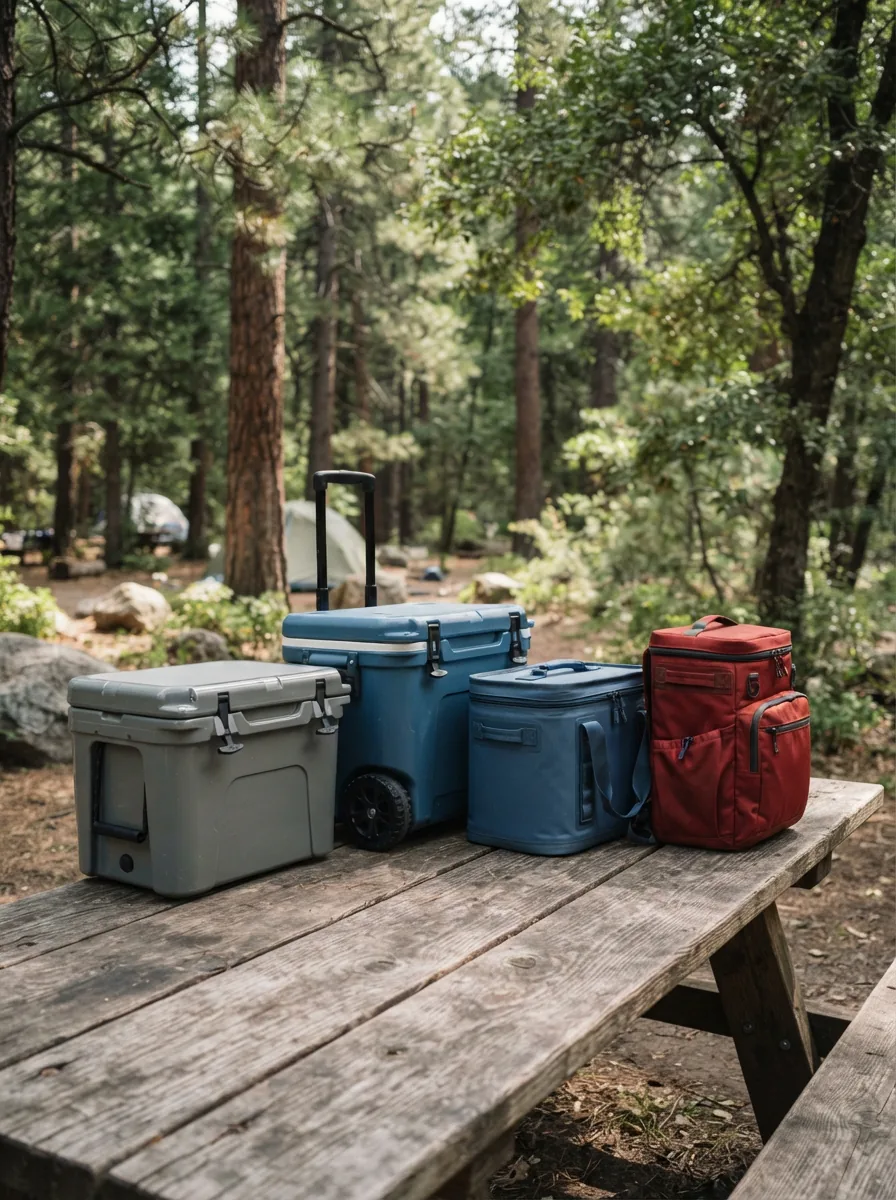
Hard-sided and soft-sided Ozark Trail coolers arranged on a wooden picnic table at a wooded campsite
Admin
Ozark Trail Cooler

Compare Ozark Trail coolers by size, shape and how you carry them, from hard-sided chests that hold ice for a weekend to soft totes and backpack coolers for a day out. Each option below shows capacity, format and the trip it fits best.
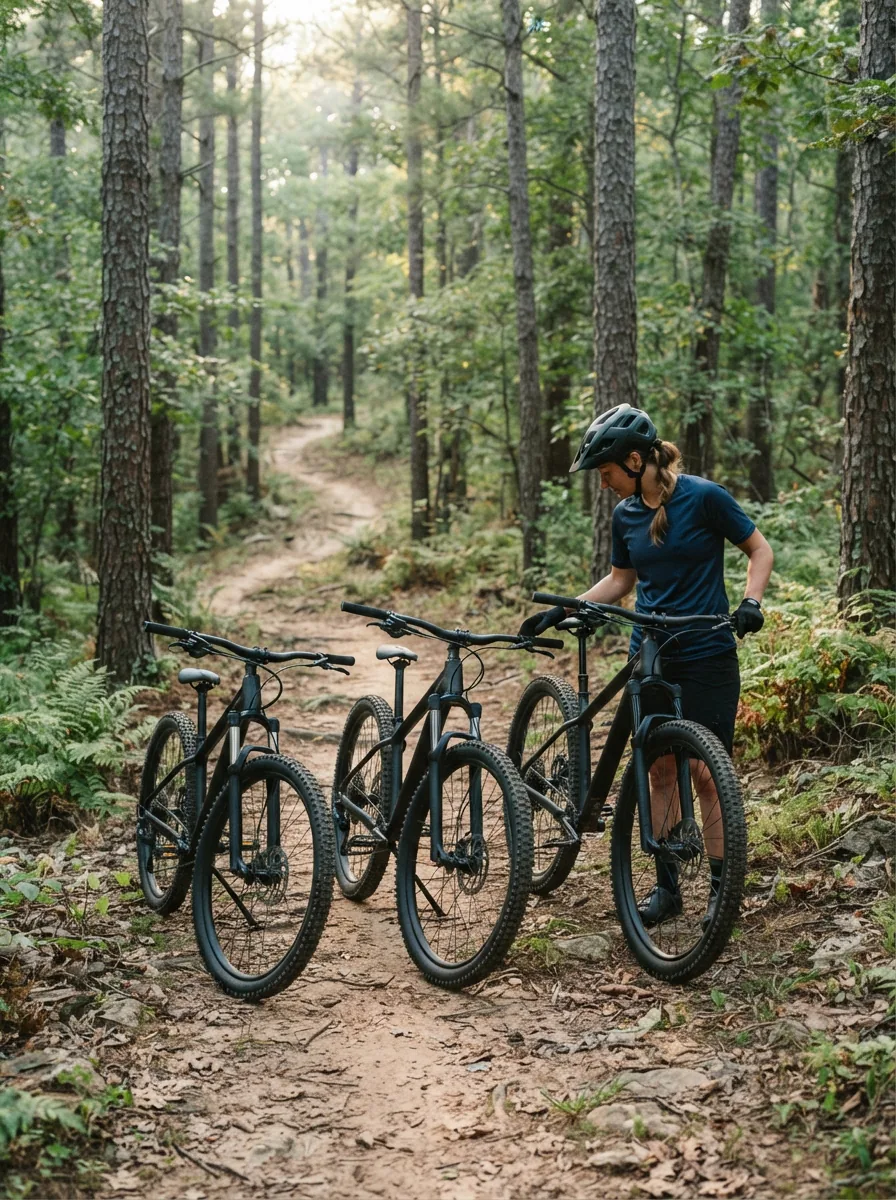
A group of Ozark Trail mountain bikes with front suspension parked on a dirt trailhead, a rider comparing frame sizes beside them
Admin
Ozark Trail Bike

Ozark Trail mountain bikes span hardtails and full suspension builds, sized from young riders to tall adults. Compare fit, suspension, wheels and gears to match your trails and your budget.

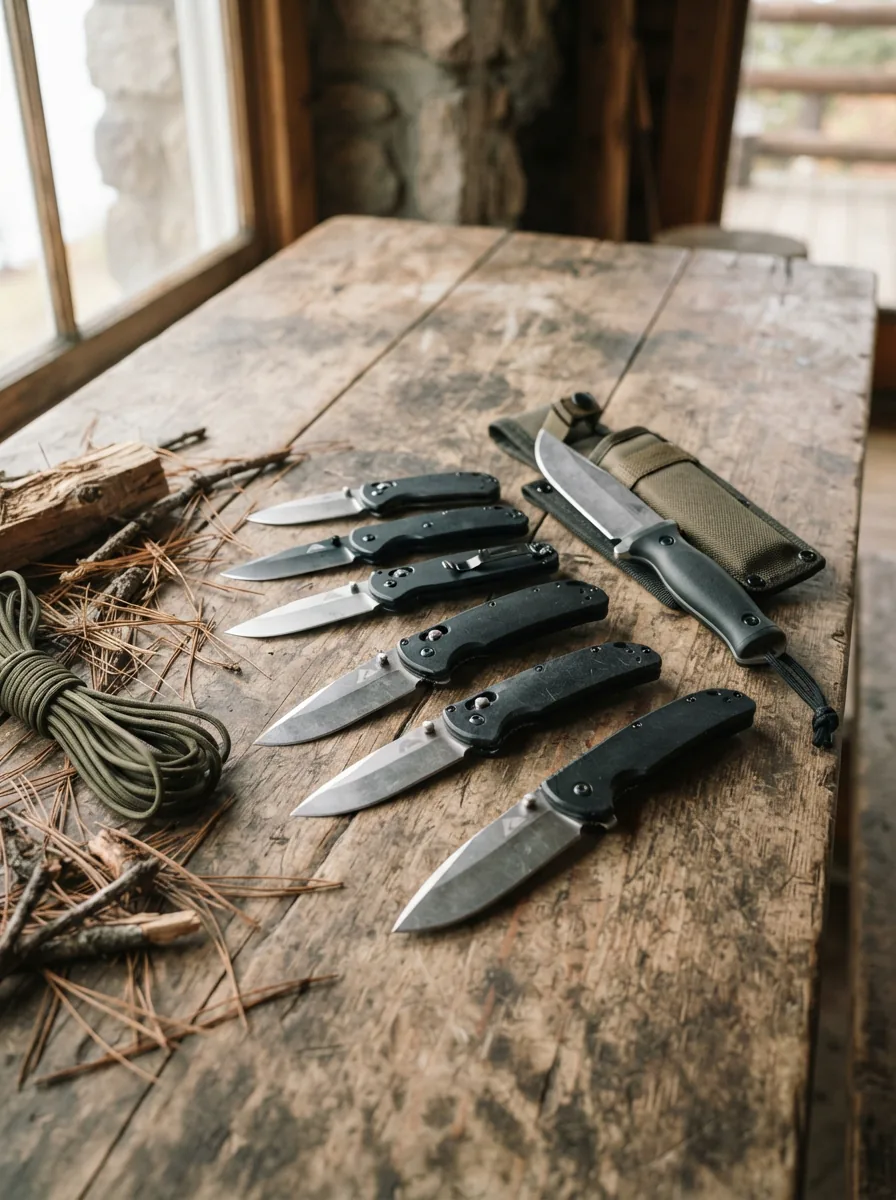
Assorted Ozark Trail folding and fixed blade knives arranged on a rustic wooden camp table
Admin
Ozark Trail Knife

This page lines up Ozark Trail knives so you can compare folding and fixed blades, locks, handles and carry options at a glance. Each pick notes what it handles best, from camp prep to a pocket blade you carry daily.

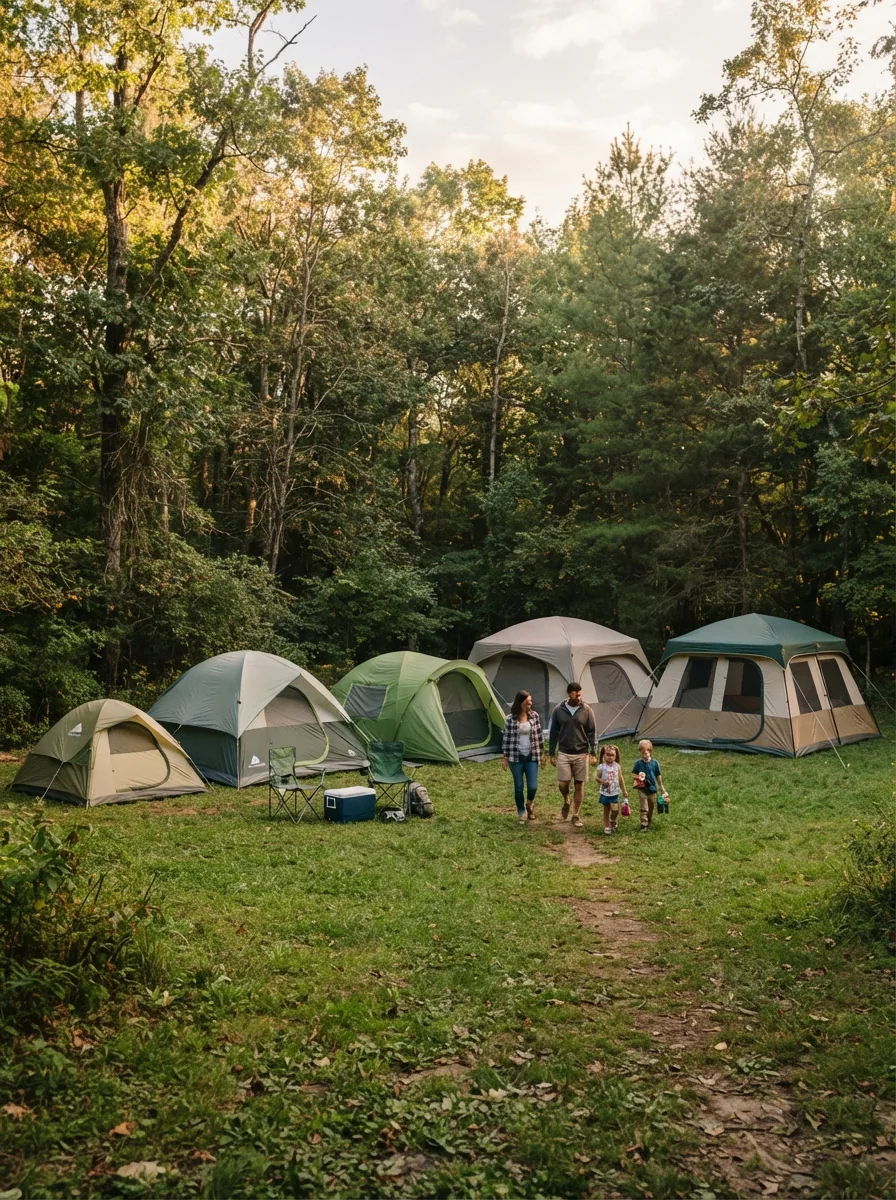
A row of Ozark Trail camping tents of several sizes pitched on a grassy campground with a family walking between them.
Admin
Ozark Trail Tents

Compare Ozark Trail tents by capacity, setup style, weather coverage and packed weight, from solo backpacking shelters to twelve-person family cabins built for drive-up weekend campsites.