



Ozark Trail Multi Tool

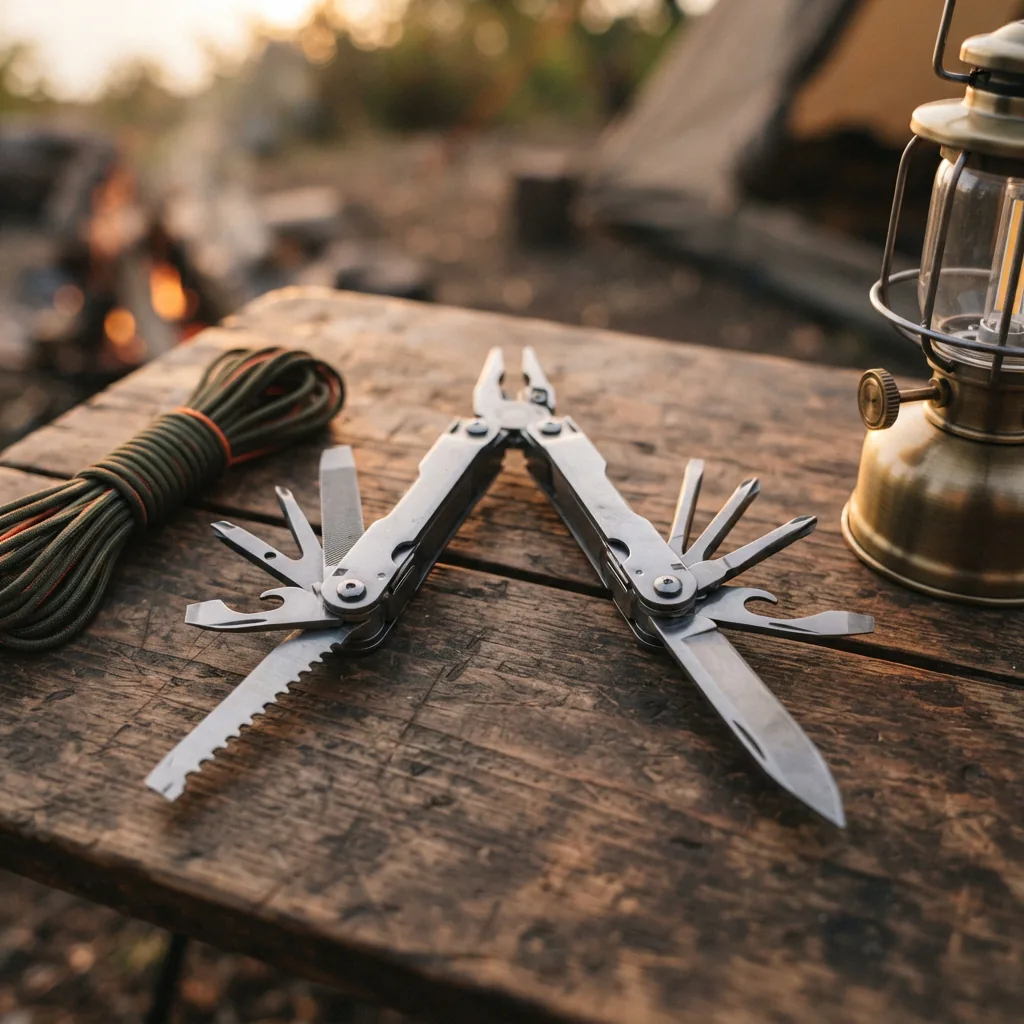
This page gathers Ozark Trail multi tools in one place, from compact pocket knives to pliers-based tools with 30-plus functions. Compare build, size and job range to find the tool that fits your glovebox, tackle box or camp kit.

A starter set that covers four different jobs

Ozark Trail 7-in-1 Stainless Steel Multitool Knife with Screwdriver - Everyday Fixes

A compact knife-style tool that folds seven functions into a slim stainless steel body, so it rides easily in a pocket. The screwdriver handles everyday fixes like loose gear and trailside tweaks. It is the simplest option here, best for shoppers who want a few basics done well rather than a long feature list.

Ozark Trail 11-in-1 Fishing Multi-Tool with Pliers, Wire Cutter and Knife for Tackle Box

Built for fishing trips, this one puts pliers, a wire cutter and a knife in one folding handle. That covers the routine work — crimping weights, clipping line, cutting braid — without a tackle box full of single-purpose tools. Eleven functions keep the count useful rather than padded, and the pliers layout puts your most-used tasks within easy reach.

Ozark Trail Trailside 12-in-1 Pliers-Based Multitool, Black for Campsite Repairs

Twelve functions and a black finish make the Trailside a sensible glovebox or pack tool for general campsite repairs. The pliers-based frame gives you a firm grip on small jobs, and the extra functions add range without pushing the tool into bulk. Choose it when you want a step up from a basic pocket knife but do not need the longest feature list.

Ozark Trail Multiforce 18-in-1 Premium Multi-Tool, Stainless Steel for Camping & DIY Use at a Value

The Multiforce is the most capable tool in this lineup, with eighteen functions aimed at camping and DIY work around the house or garage. Stainless steel construction and a premium build make it the one to pick when you expect regular use rather than the occasional trip. You pay a little more, but the tool covers a wider range of jobs.

Ozark Trail 17-in-1 Multitool, Stainless Steel, Black, Model 2119 - Best Seller Value

Seventeen functions in a stainless steel frame, and this one carries a best seller tag for a reason. It covers the knife, pliers and screwdriver basics you reach for around a campsite or a garage bench, then adds extras that make it a reasonable single tool to leave in the car. Black finish, model 2119, at a price that keeps the trade-off honest.
Wider tool sets to weigh

Three more tools for bigger jobs and wider kits

Ozark Trail 19-in-1 Survival Multitool with Aluminum Handle, 6.3" for the Trail Pack

Nineteen functions sit inside an aluminum handle that keeps the weight down, which matters when the tool lives in a day pack. At 6.3 inches it fills the hand without feeling oversized, and the survival focus makes it a sensible pick for hikers who want a knife, saw and drivers in one place. A sensible middle option if compact tools feel too limited.

Ozark Trail Army Knife 33-In-1 Multitool. Survival Tool Pocket Knife Fishing for the Bug-Out Kit

With 33 functions, the Army Knife is for shoppers who want the widest tool set rather than the smallest. It is built for survival and fishing use, where an odd specialty blade or driver can save a trip to the car. The trade-off is size and weight, so it suits a glovebox, base camp or boat more than a fast pack.

Ozark Trail Multi Tool 8-in-1 Knife Scissors Corkscrew Screwdriver Bottle Opener for Cookouts

Some days the job is opening a bottle at the campsite, not repairing gear. Eight functions — scissors, corkscrew, screwdriver, bottle opener and knife among them — cover the lighter, more social side of camping and picnics. It is the least intimidating tool here and the easiest to hand to a friend, but skip it if you need pliers or a wire cutter.
Where these tools earn a place

Three jobs a multi tool handles well

A multi tool is rarely a replacement for a full kit. It earns its space when a small job would otherwise mean a drive back to the car. Consider where you would reach for one first: on the trail, at the campsite or in the glovebox.

Tackle Box Companion

Pliers, a wire cutter and a knife handle the routine work of fishing without a box full of single-purpose tools. One folding handle keeps the essentials together and easy to reach.

Campsite Repairs and Setup

Loose screws, cut cord, a stuck bottle cap — camp days produce small jobs all day. A tool with pliers and drivers settles most of them in seconds, so the trip keeps moving.

Glovebox and Everyday Fixes

Beyond the outdoors, a compact tool covers bike adjustments, package opens and household tweaks. Keeping one in the car means a small job rarely turns into a whole errand.

Function count is the headline number, but it rarely decides the purchase. Tool type, size, build material and intended trip length each change which tool feels right. Work through these four factors to narrow the choice quickly.

How to compare multi tools before you buy

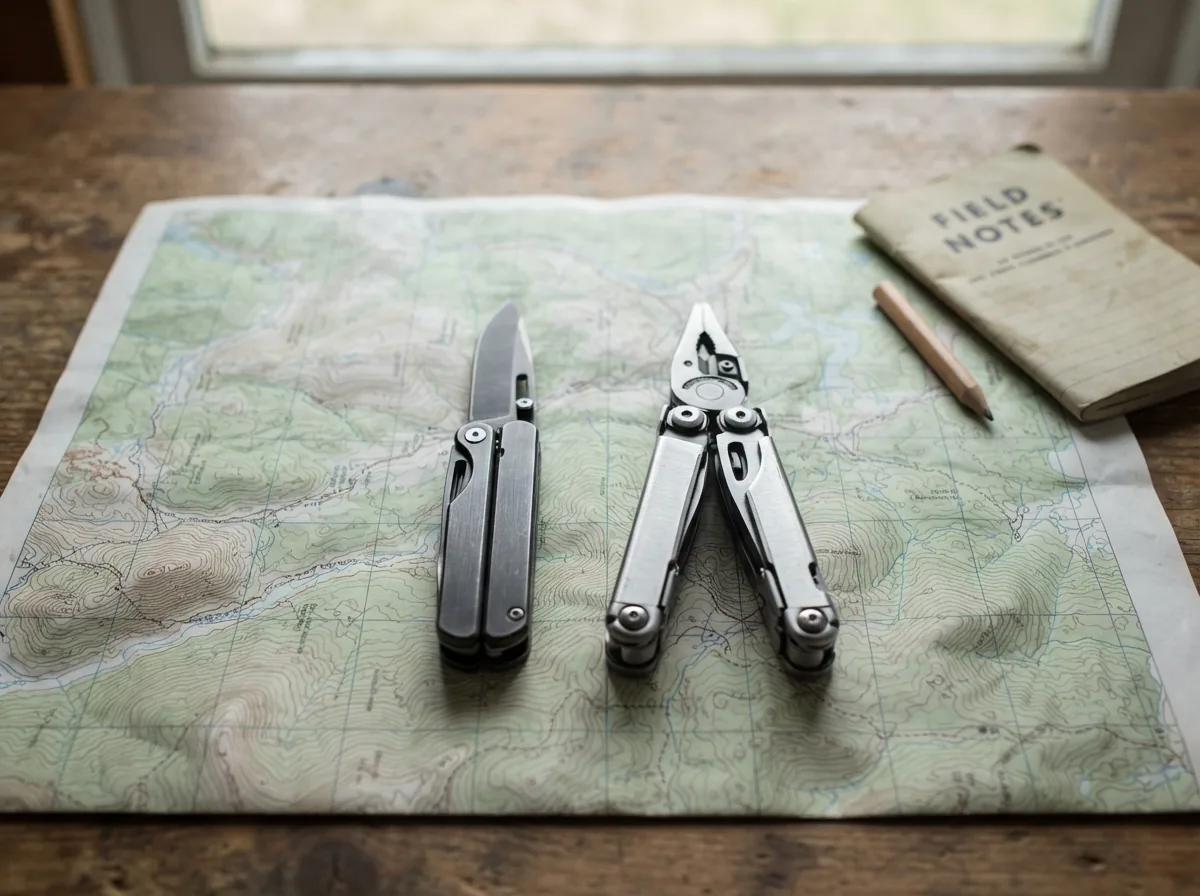
Two folded multi tools of different sizes placed side by side on a map-covered table with a notebook and pen.
Function Count vs. Real Use

An 18- or 33-function tool sounds better than a 7-function one, but extra features only help if you use them. Count the tools you would actually pick up in a month, not the ones listed on the box.

Frame Type Shapes the Job

Knife-style tools favor cutting and driving, while pliers-based frames add grip, cutting and twisting. Match the frame to your main task and the tool works with you instead of against it.

Size, Weight and Carry

Larger tools fill the hand and handle tougher jobs, but they add bulk to a pocket or pack. Decide where the tool will live — glovebox, base camp or day pack — before you pick a length.

Price Against Expected Lifespan

Budget tools trade some longevity for a much lower price. For short trips and weekend use that math usually works; for daily heavy work, expect to replace or upgrade sooner.

Finding your tool type

Four tool styles and what each one does best

Most Ozark Trail multi tools fall into four practical groups. Match the frame style — pocket knife, pliers base, survival set or a light everyday tool — to the jobs you actually reach for, and the right choice becomes obvious.
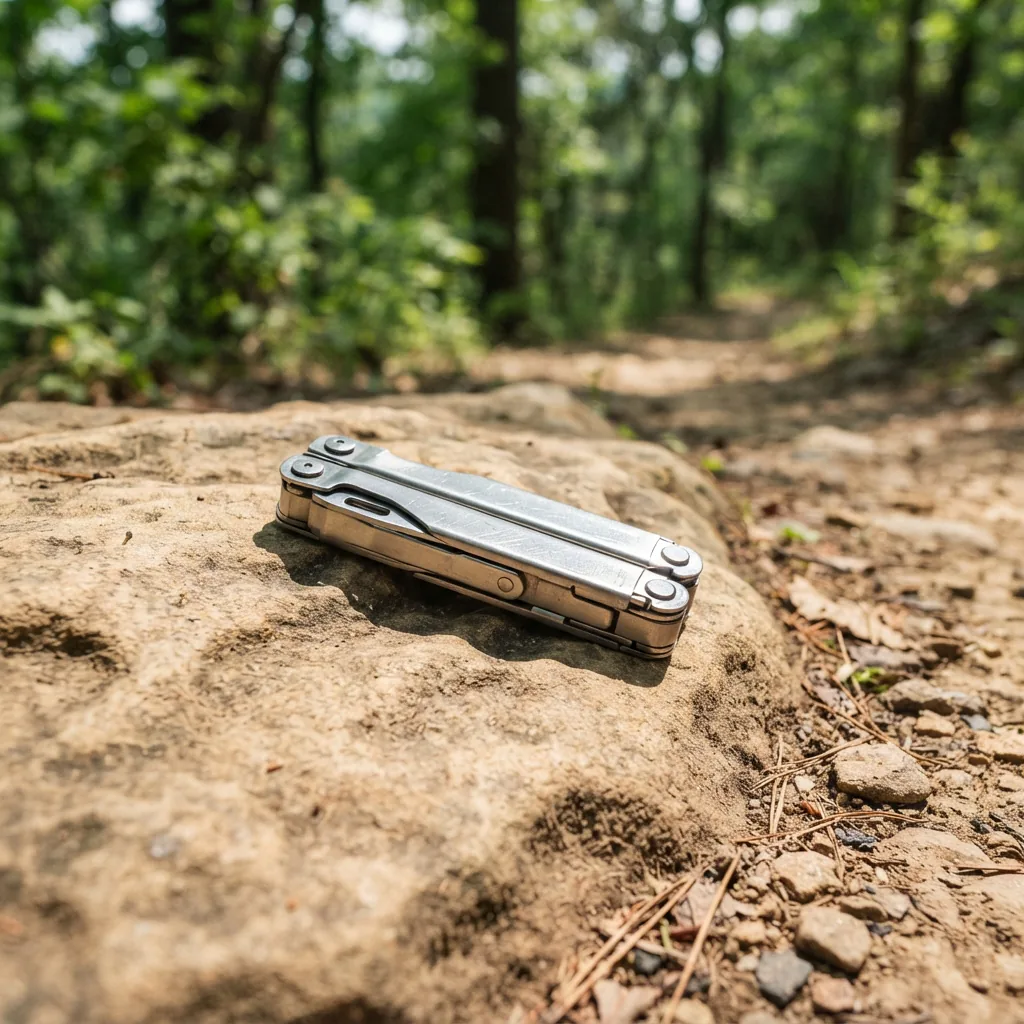
A slim folded stainless steel pocket multi tool resting on a flat rock beside a hiking trail.

Compact Knife-Style Tools

Slim folding tools that put a blade and a screwdriver first. They slip into a pocket and suit shoppers who want a couple of basics done well rather than a tool carrying everything.

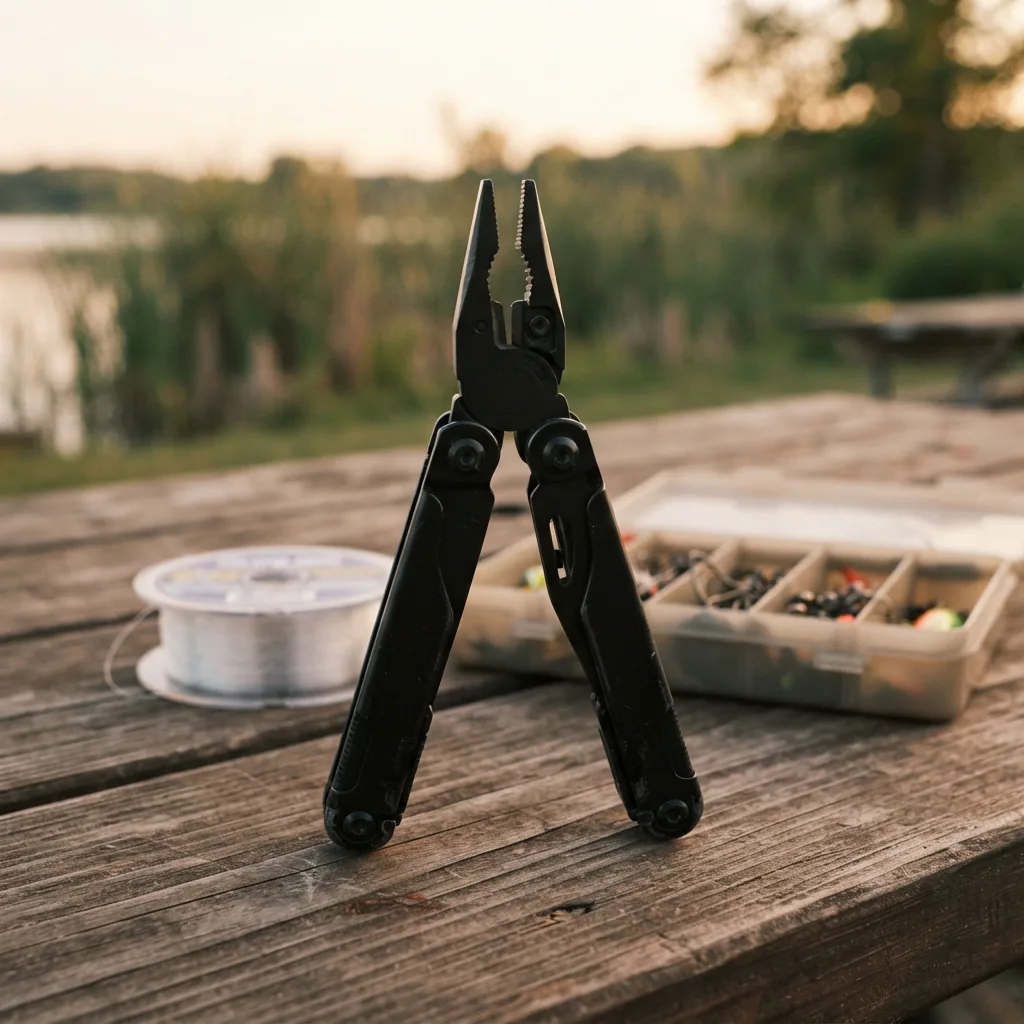
An open pliers-based multi tool standing on a camp table with fishing line and a small tackle tray.

Pliers-Based Multi Tools

Tools built around a pliers head put gripping, cutting and twisting tasks at the front. Choose one when fishing line, wire or campsite clamps are part of your regular routine.

A larger survival multi tool with several blades and drivers fanned open on a wooden base camp table.

Survival and Trail Sets

Higher function counts and survival-focused extras — saws, drivers, specialty blades — favor base camp and bug-out kits where weight matters less than having the odd tool on hand.

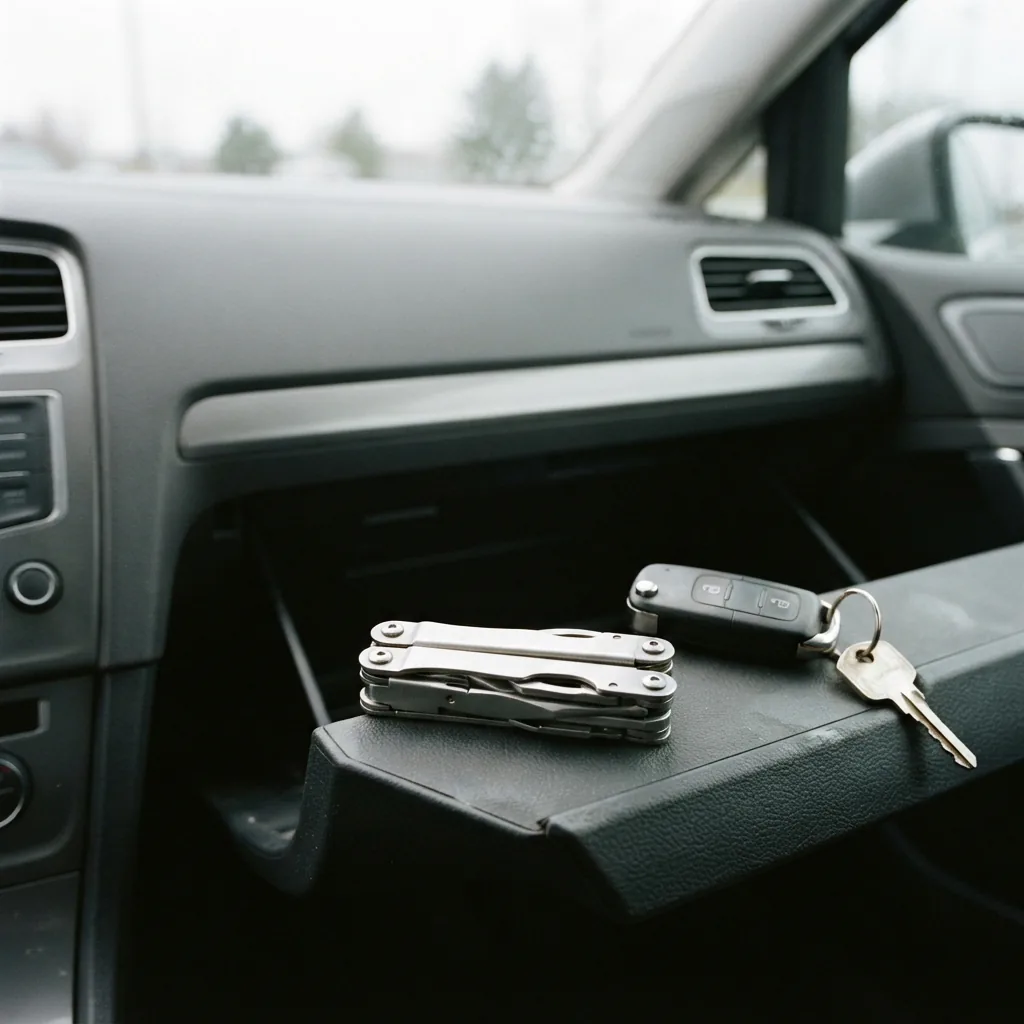
A small lightweight multi tool beside a car key on a glovebox door ledge.

Lightweight Everyday Tools

Small, light tools with modest function counts are easy to keep in a glovebox, tackle box or day pack. They trade depth for convenience and suit occasional, everyday fixes.

What shoppers report

First-hand notes from multi tool owners

Owners tend to describe the same pattern: a low-cost tool handles the small jobs well, and the value shows up most on short trips. These notes focus on how the tools feel to carry and use rather than on any one model.
I packed a folding tool for a first weekend away and ended up using it every day — cutting cord, tightening a stove part, opening a can. It did not feel premium in the hand, but I never once thought about the price again. It earned a permanent spot in the side pocket.
Decorative customer review avatar icon 1
Dana R.
Packed for a first camping weekend and used daily
The pliers and wire cutter are what sold me. Clipping line and crimping weights without digging through the tackle box made trips smoother. It is heavier than my old knife, but I reach for it more often, which is the part that actually matters to me.
Decorative customer review avatar icon 2
Marcus T.
Bought it for fishing, kept it in the tackle box
I tested a budget multi tool next to a name-brand one I already owned. The expensive tool felt tighter and lasted longer overall, but the cheaper one covered most of my weekend jobs fine. For the trips I take, the difference did not come close to justifying the price gap.
Decorative customer review avatar icon 3
Priya S.
Compared a budget tool with a pricier brand
I bought it for a camping trip and now it lives in the car. Bike adjustments, loose screws, opening packaging — the small stuff that would otherwise mean a trip back home. A few functions I never touch, but the ones I do use have held up over a couple of years.
Decorative customer review avatar icon 4
Kevin L.
Keeps one in the glovebox for everyday fixes
Common questions from shoppers

What shoppers ask before choosing a tool

For short trips and regular weekend use, they hold up well and cost far less than premium brands. Independent reviews judged them a reasonable buy, while noting they are less easy to set up and carry than top-end gear and may not last as many years.
Function count tells you what a tool can do, not how well it does each job. A seven-function knife-style tool feels solid for basics, while an eighteen-function pliers tool suits people who genuinely use the extras. Match the count to the jobs you reach for.
Pliers-based tools open with a pliers head, so gripping, cutting wire and twisting come first — useful for fishing and repairs. Knife-style tools stay slimmer and lighter, prioritizing a blade and screwdriver for everyday carries where bulk matters more.
Several are built for fishing, pairing pliers, a wire cutter and a knife in one handle. That covers crimping weights, clipping line and cutting braid. If fishing is your main use, start with a pliers-based model rather than a knife-style tool.
There is no fixed lifespan, and no source promises one. Community reports describe gear holding up in rain and through light backpacking use. Expect solid service on short trips, and treat heavier daily work as the point where a sturdier tool makes sense.
Often not. If you camp occasionally, a compact seven- or eight-function tool covers the small jobs and costs little. Save the bigger eighteen- or thirty-three-function models for people who camp often, fish regularly or want one tool for a wider range of tasks.
Keep exploring

More Ozark Trail gear worth a look

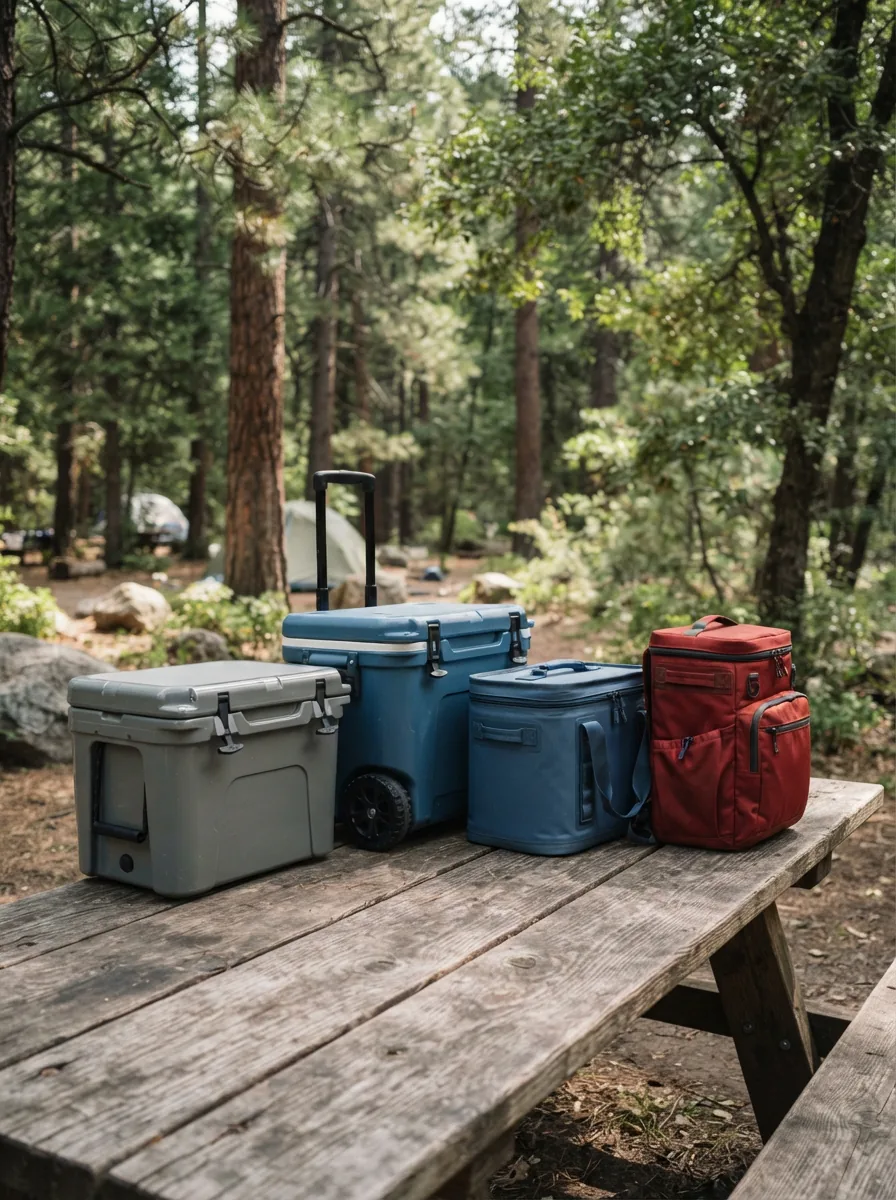
Hard-sided and soft-sided Ozark Trail coolers arranged on a wooden picnic table at a wooded campsite
Admin
Ozark Trail Cooler

Compare Ozark Trail coolers by size, shape and how you carry them, from hard-sided chests that hold ice for a weekend to soft totes and backpack coolers for a day out. Each option below shows capacity, format and the trip it fits best.
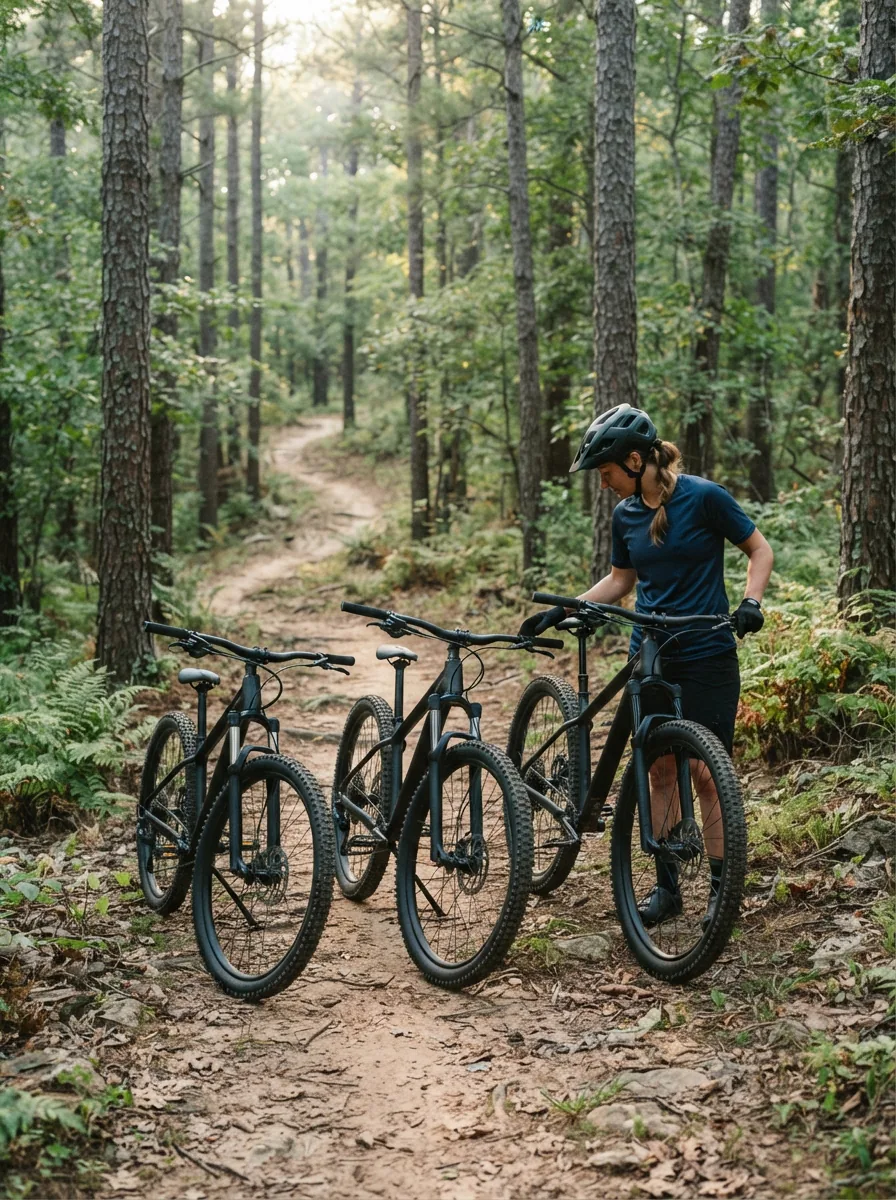
A group of Ozark Trail mountain bikes with front suspension parked on a dirt trailhead, a rider comparing frame sizes beside them
Admin
Ozark Trail Bike

Ozark Trail mountain bikes span hardtails and full suspension builds, sized from young riders to tall adults. Compare fit, suspension, wheels and gears to match your trails and your budget.

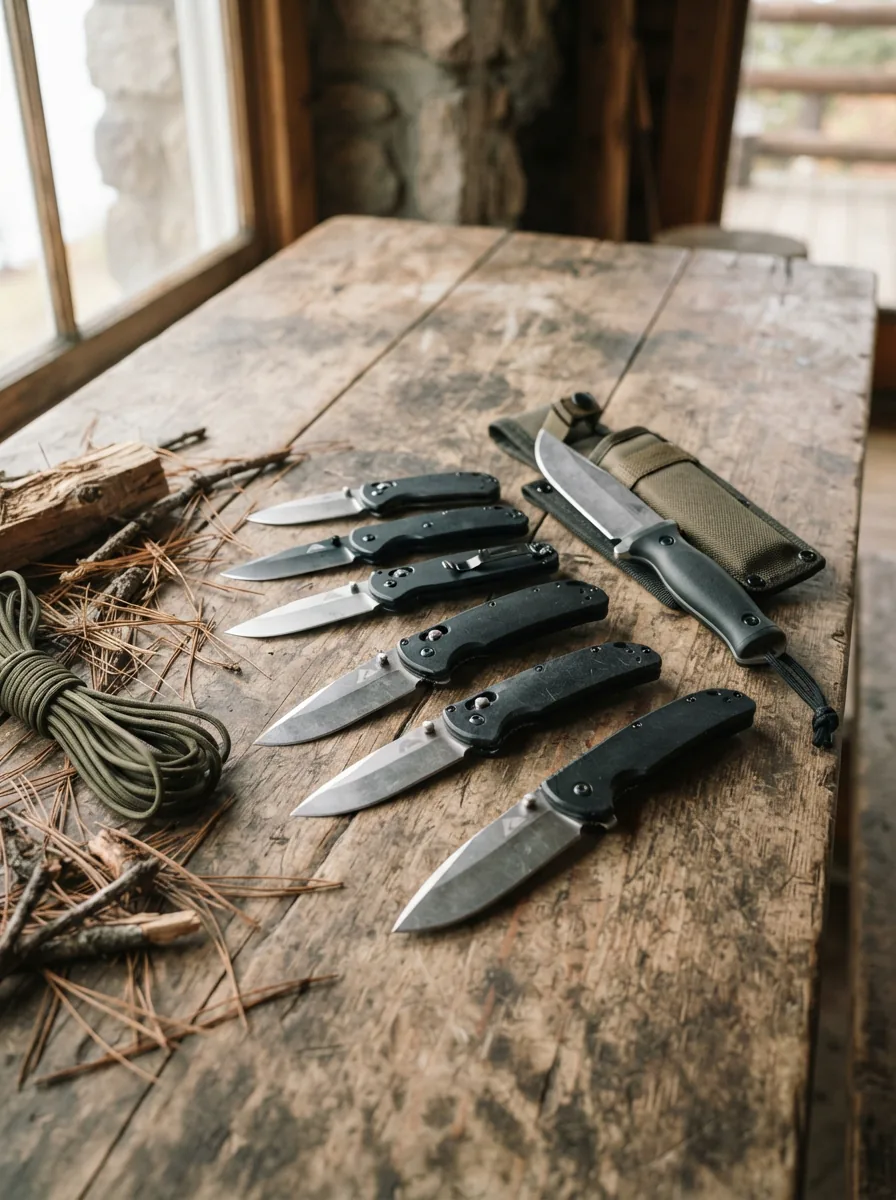
Assorted Ozark Trail folding and fixed blade knives arranged on a rustic wooden camp table
Admin
Ozark Trail Knife

This page lines up Ozark Trail knives so you can compare folding and fixed blades, locks, handles and carry options at a glance. Each pick notes what it handles best, from camp prep to a pocket blade you carry daily.

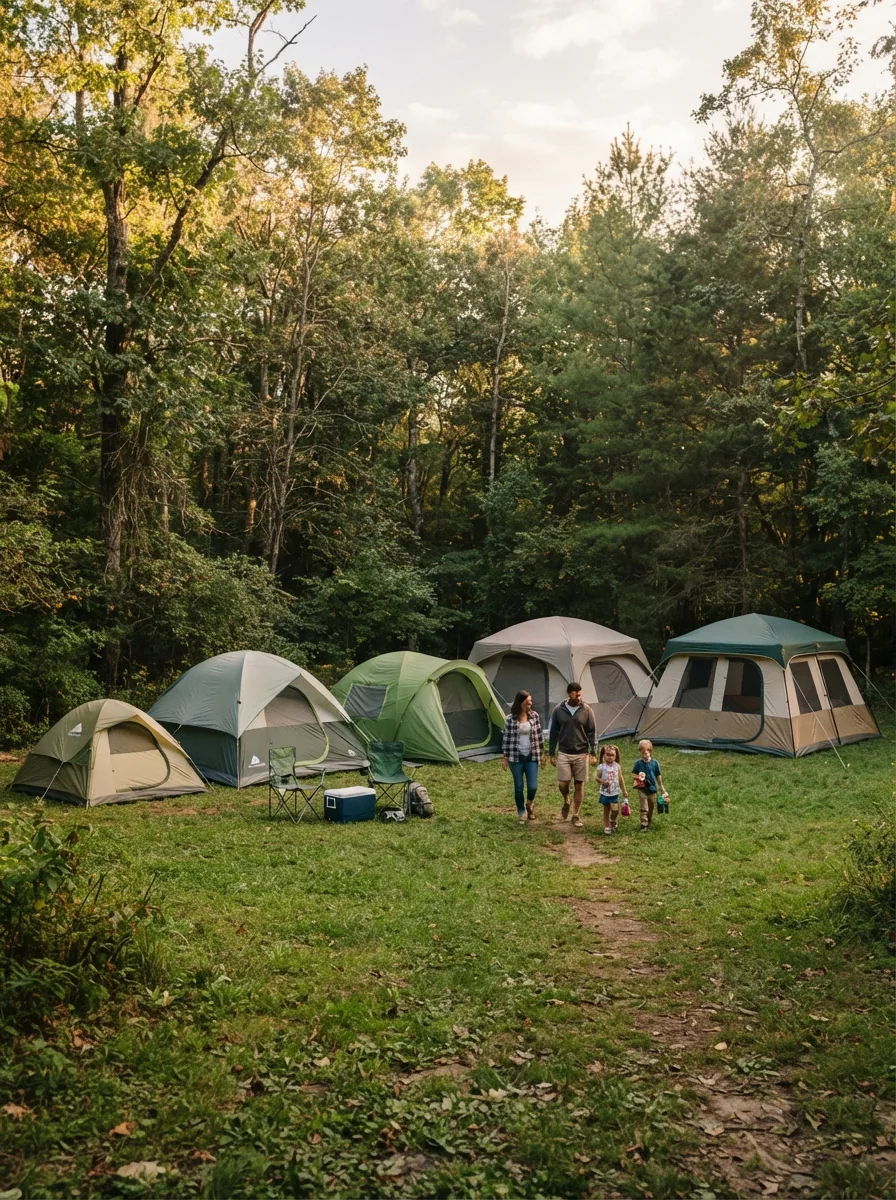
A row of Ozark Trail camping tents of several sizes pitched on a grassy campground with a family walking between them.
Admin
Ozark Trail Tents

Compare Ozark Trail tents by capacity, setup style, weather coverage and packed weight, from solo backpacking shelters to twelve-person family cabins built for drive-up weekend campsites.