



Ozark Trail 20 Person Tent

This page collects Ozark Trail tents built for twenty sleepers, from multi-room cabins to screened pavilions and blackout models. Compare space, setup effort and airflow so your group gets the right fit for the trips you take.

Large tents that differ in rooms and screen space

Ozark Trail 20-Person Star Tent with Spacious Screen Room for Camping Fun, Airy Screened Space for Groups

Group camping works best when one part of the tent stays open and airy. The star layout gives a big shared floor with a dedicated screen room attached, so sleeping bags and camp chairs can stay separated. Screened walls let the evening breeze through while keeping bugs off, which suits summer reunions.

Ozark Trail Hazel Creek 20 Person Star Tent 5 Room Screen Room Family Camping, Five Rooms for Family Trips

Five rooms is the headline here, and it matters once everyone wants a bedtime of their own. Kids can settle in one section while adults take another, and the screen room gives a bug-free spot for morning coffee. The layout suits reunions and longer weekends where one open floor would feel crowded.

Ozark Trail 20 Person Cabin Tent, a Budget-Friendly Deal for Large Family Camping Trips

Walmart lists this cabin-style tent at $149.97, making it an easy first big-tent buy for a family that camps a few weekends a year. Cabin walls stand more upright than dome poles, so headroom holds near the floor edges. You trade some storm performance for that price, a fair swap on fair-weather weekends.

Ozark Trail 20-Person 4-Room Cabin Tent With 3 Separate Entrances, Roomy 283 sq ft Base Camp

Three separate entrances cut the traffic jam that happens when twenty people share one door. Four rooms spread across 283 square feet leave space for cots, duffels and a clear path out at night. Setup takes time and a second set of hands, so plan a morning for pitching.

Ozark Trail 20-Person Dark Rest Tent with Blackout Fabric, Keeps Camp Dim Long After Sunrise

The blackout fabric is the whole argument here. It blocks most sunlight, so the inside stays dim long after sunrise, which helps families with young kids sleep past dawn and keeps an afternoon nap comfortable. Setup is a two-person job, and the tall center height makes moving around inside feel less cramped on longer weekend stays.
More ways to divide the space

Three more layouts for airflow and order

Ozark Trail 20-Person Tunnel Tent with Removable Room Dividers, Splits or Opens for Your Group

Privacy is the trade you can choose with this one. Removable dividers split the long floor into separate sleeping zones for scout trips and reunions, then come out when the group wants one open space for hanging out. Side windows keep air moving on warm nights, and the wide door makes hauling cots and coolers a short job.

Ozark Trail 20-Person Tent with Portico Door and Gear Loft, Covered Entry and Overhead Gear Storage

Muddy boots and loose gear are what usually make a big tent feel messy by day two. The portico-style door creates a covered spot at the entry, so dirty footwear stays outside the living area, while the overhead gear loft keeps small items off the floor. That order helps at base camps, reunions and multi-night stays.

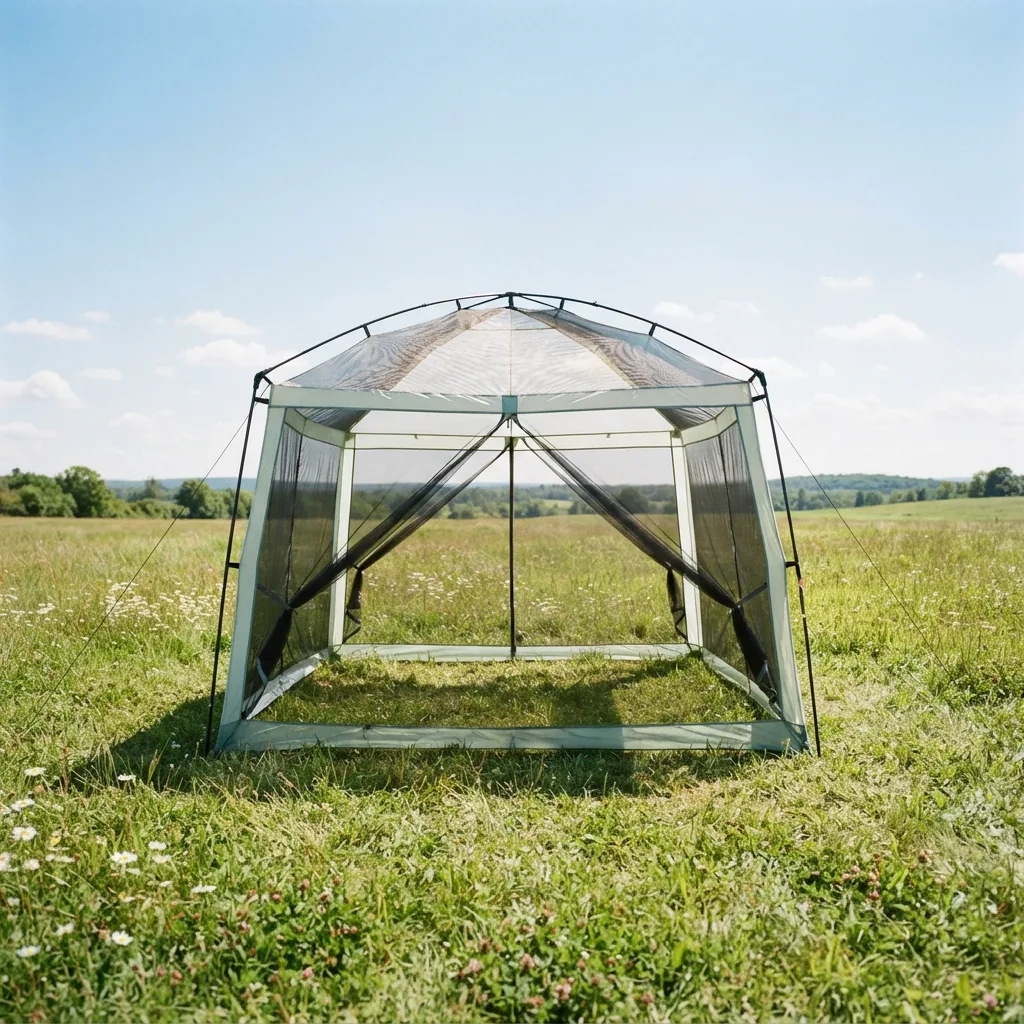
Ozark Trail 20-Person Screened Pavilion Tent with Full Mesh Roof, Wide-Open Airflow for Warm Camping

Warm-weather camping rewards airflow more than insulation, and this shelter leans hard that way. A full mesh roof lets heat rise out and keeps bugs off the lounging area, which fits summer festivals, lake weekends and casual gatherings. Add a rain fly when storms arrive, and save it for seasons when warmth matters less.
Who it is for

Trips these big tents handle best

These tents serve reunions, festival weekends, scout trips and first family setups, and the result to weigh is how much space you gain against the setup time you accept each trip.

Reunions and big family weekends

When cousins, kids and grandparents share one site, separate rooms keep bedtimes from colliding. Look for multiple entrances and enough floor for cots, so nobody climbs over anyone at midnight.

Festivals, scout trips and group camps

Shared sites with long days outside reward airflow and easy access. Mesh roofs and wide doors help when people come and go all evening, and a simple layout speeds teardown on the last morning.

Weekenders stepping up from a small tent

Moving from a four-person dome to a group tent is a jump in space and pitching time. Start with fair-weather weekends, then decide whether the extra room justifies the longer setup later.

Capacity, room count, ventilation and setup effort each pull the decision differently. A twenty-sleeper cabin suits a reunion; a lighter screen-heavy shelter fits a summer weekend. Weigh what your group carries.

Four factors that change which tent fits

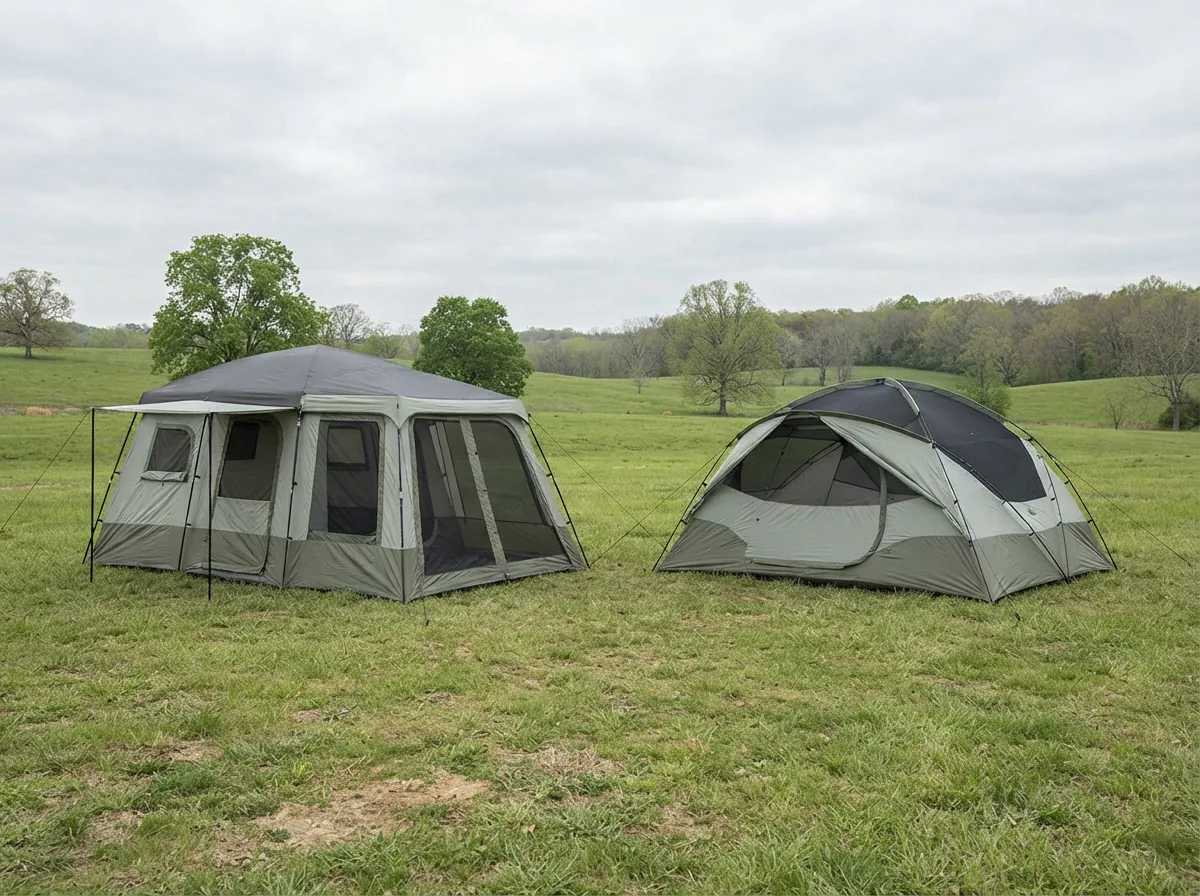
Two large group tents, a multi-room cabin and a mesh-roof shelter, pitched side by side on open grass for comparison
Real headcount versus the rating

A twenty person rating assumes sleepers packed shoulder to shoulder with no gear inside. Add cots, duffels and coolers and the comfortable number drops, so count your real group first.

Room count and door layout

Multiple rooms and separate entrances help once bedtimes differ, but every divider adds pitching time. Decide whether night privacy matters more than a quick setup after a long drive.

Airflow, blackout fabric and rain cover

Mesh roofs move heat and keep bugs out but need a rain fly when storms arrive. Blackout fabric trades that airflow for a dimmer interior, so match the choice to your season.

Setup effort and how often you camp

Bigger tents take longer and usually need two people. If you pitch once a summer a simple build is fine; if you camp most weekends, extra minutes are worth a layout you still like.

Four ways to size it up

Find the layout that suits your weather

Big tents split into clear directions: cabin styles with rooms and multiple doors, star layouts with attached screen rooms, blackout models for slower mornings, and mesh shelters for summer. Match one to your weather.
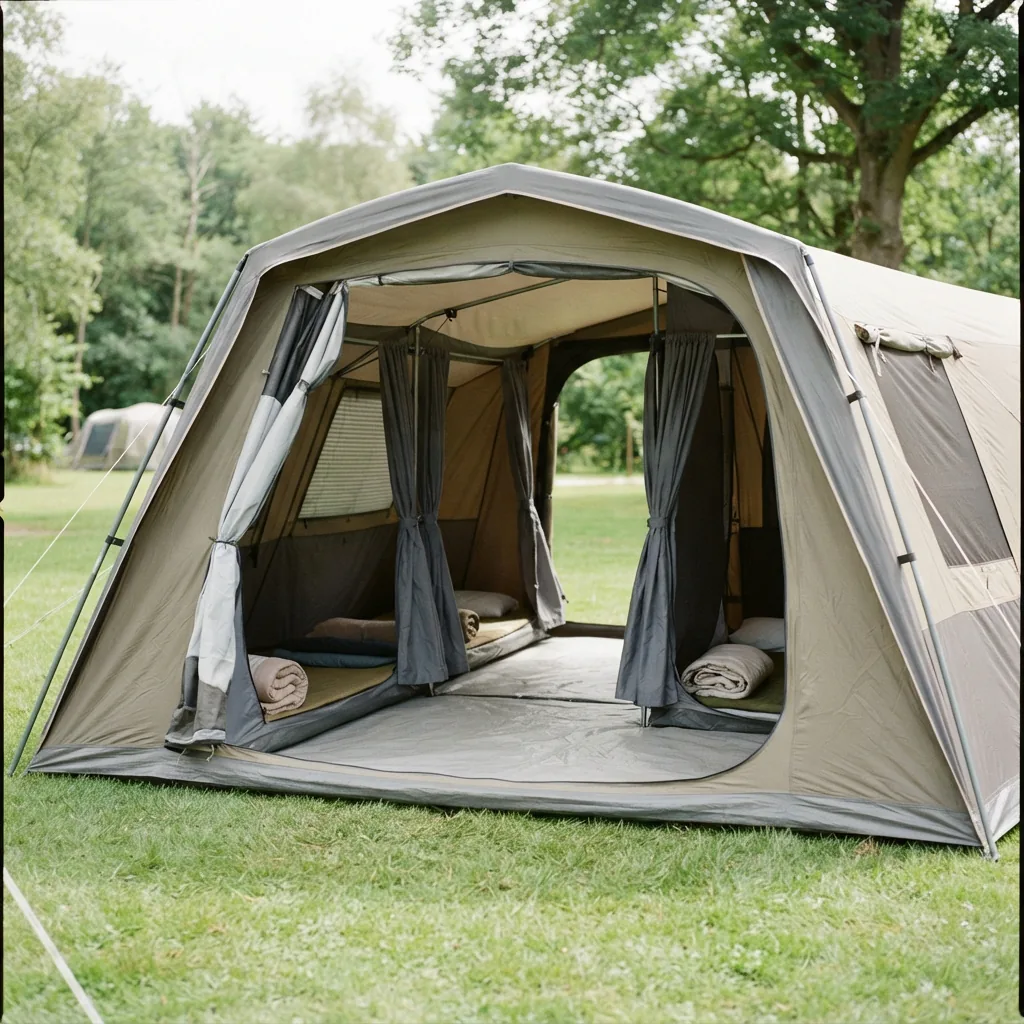
Large cabin-style tent with several curtained sleeping areas visible through its open door

Cabin layouts with separate rooms

Cabin walls stand upright and hold their shape over a wide floor, so rooms feel usable rather than sloped. Multiple entrances help, but each added divider means more poles and longer pitching.

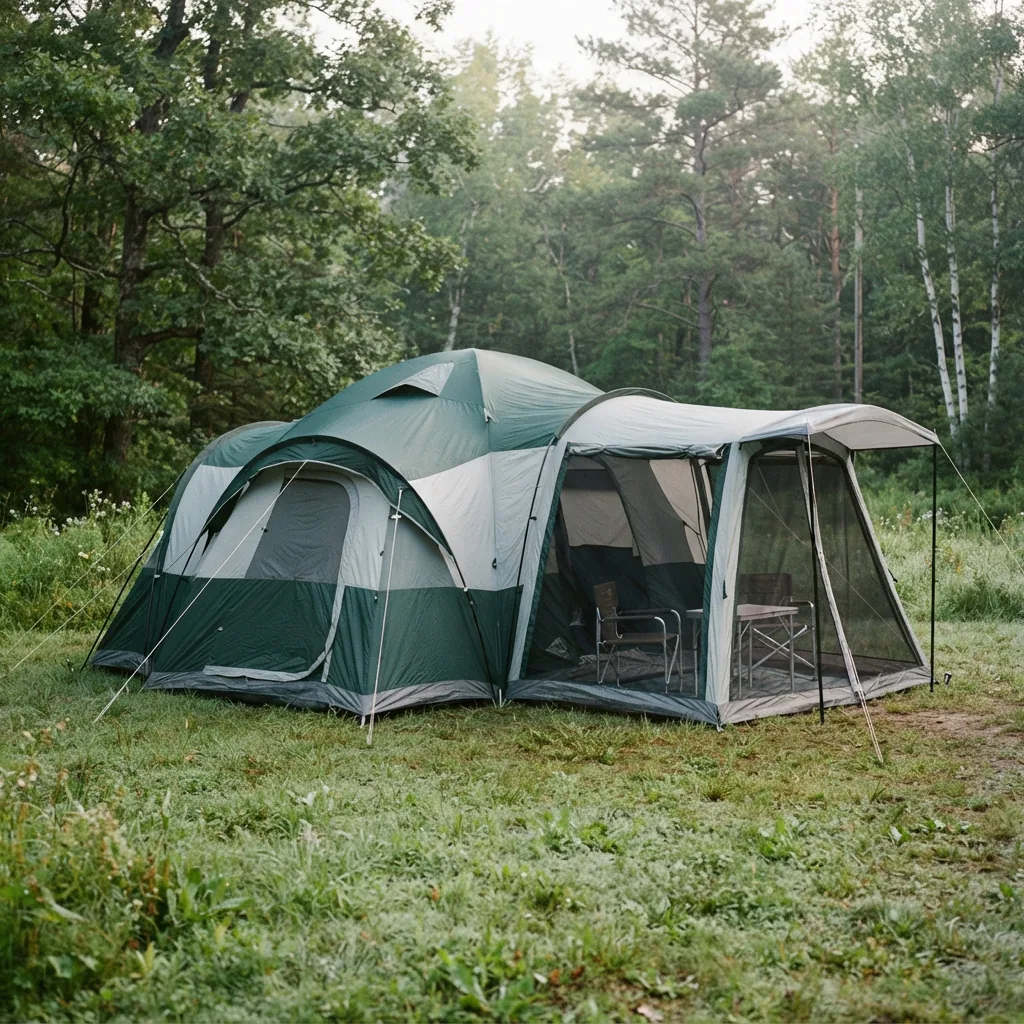
Star-shaped group tent with a screened sitting area attached, pitched on a grassy campsite

Star tents with a screen room

A star-shaped floor with an attached screen room works well when a group wants bug-free sitting space without giving up sleeping area. Look for mesh that runs the full wall height.

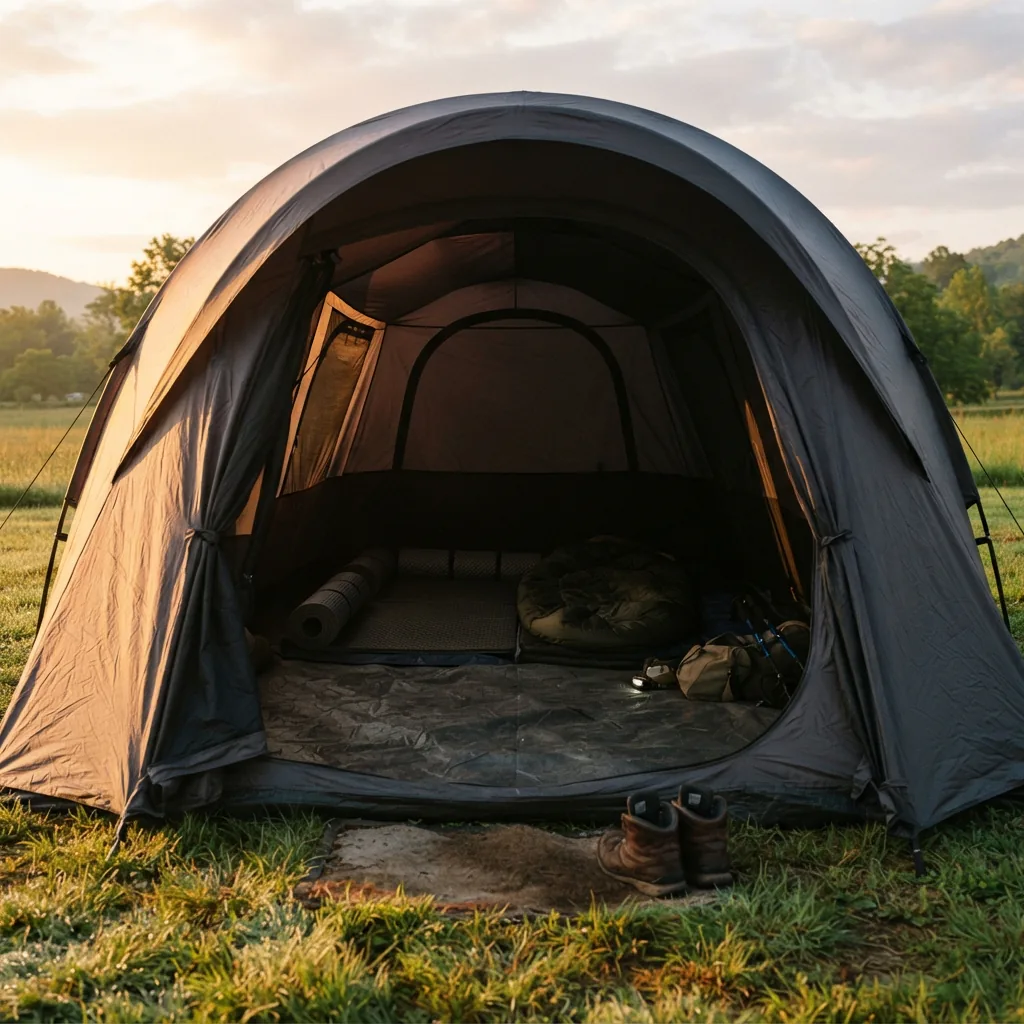
Group tent interior shaded by dark rest fabric, dim through the open doorway at sunrise

Blackout fabric for slower mornings

Dark rest fabric blocks most sunlight, so the interior stays dim after sunrise. It helps families sleep later but moves less air than mesh, so open the windows when afternoons get hot.

Screened pavilion shelter with a full mesh roof on an open summer field

Mesh-heavy shelters for warm trips

Full mesh roofs vent heat and keep insects out, which suits hot weekends by a lake or at a festival. You will need a rain fly for storms, and the shelter will not hold warmth in cold weather.

What campers report

First-person notes from big-group camping

Shoppers writing about large-group camping mention the same things: how long pitching took, how the space felt on the second night, and whether the price matched the trip. Those details help.
We arrived late and still had the tent up before dark with two of us working. The first night felt roomy enough that nobody tripped over gear, and by the second morning we had a routine for re-staking the fly. I would do it again, just earlier in the day.
Decorative customer review avatar icon 1
Dana R.
First big tent, pitched with one helper
Dividers were the deciding factor for us. The boys settled into their own end while the adults took the other, and pulling them out on the last night made pack-up easier. Airflow was fine in July, though we left the side windows open all night.
Decorative customer review avatar icon 2
Marcus L.
Camped with scouts, wanted separate zones
Morning light was the problem with our old setup, and a darker interior bought us an extra hour of sleep. Setup takes both adults, so we now pitch it before lunch. For the price, the trade-off against a pricier tent feels fair to me.
Decorative customer review avatar icon 3
Priya S.
Family of five, kids who wake at dawn
I camp mostly in summer, so ventilation mattered more than insulation. Bugs stayed out, heat rose through the roof, and I only needed the fly when a storm rolled through late. It is not a cold-weather tent, and I am fine with that.
Decorative customer review avatar icon 4
Tom W.
Warm-weather camper, prioritized airflow
Straight answers

Practical questions before you pick a big tent

Ratings assume adults lying shoulder to shoulder with no gear inside. Real families usually fit fewer once cots, duffels and coolers take floor space, so plan on roughly two thirds of the rating if everyone needs room to move.
Most tents this size need at least two adults and a clear, level site. Longer layouts with dividers take more time, so aim to start pitching with daylight left rather than after a late arrival at the campground.
Seams and a properly staked rain fly do most of the work. Expect to re-stake after wind and check that the fly covers the doors. Costlier tents seal better, but a well-pitched budget tent handles ordinary summer rain.
Blackout fabric keeps the interior dim into the morning, which helps with young kids, but it moves less air. A mesh roof vents heat and keeps bugs out yet needs a rain fly. Match the choice to your usual season.
Budget about twenty to twenty-five square feet per person if everyone wants a cot plus walking room, and leave extra space near doors. The 283 square foot layouts here show how quickly furniture fills the floor.
Independent reviewers call low-cost tents a reasonable buy for short trips while noting they are less quick to carry and may not last as many years. For occasional weekend use the price is usually the right trade.
Keep reading

More camping notes from the field

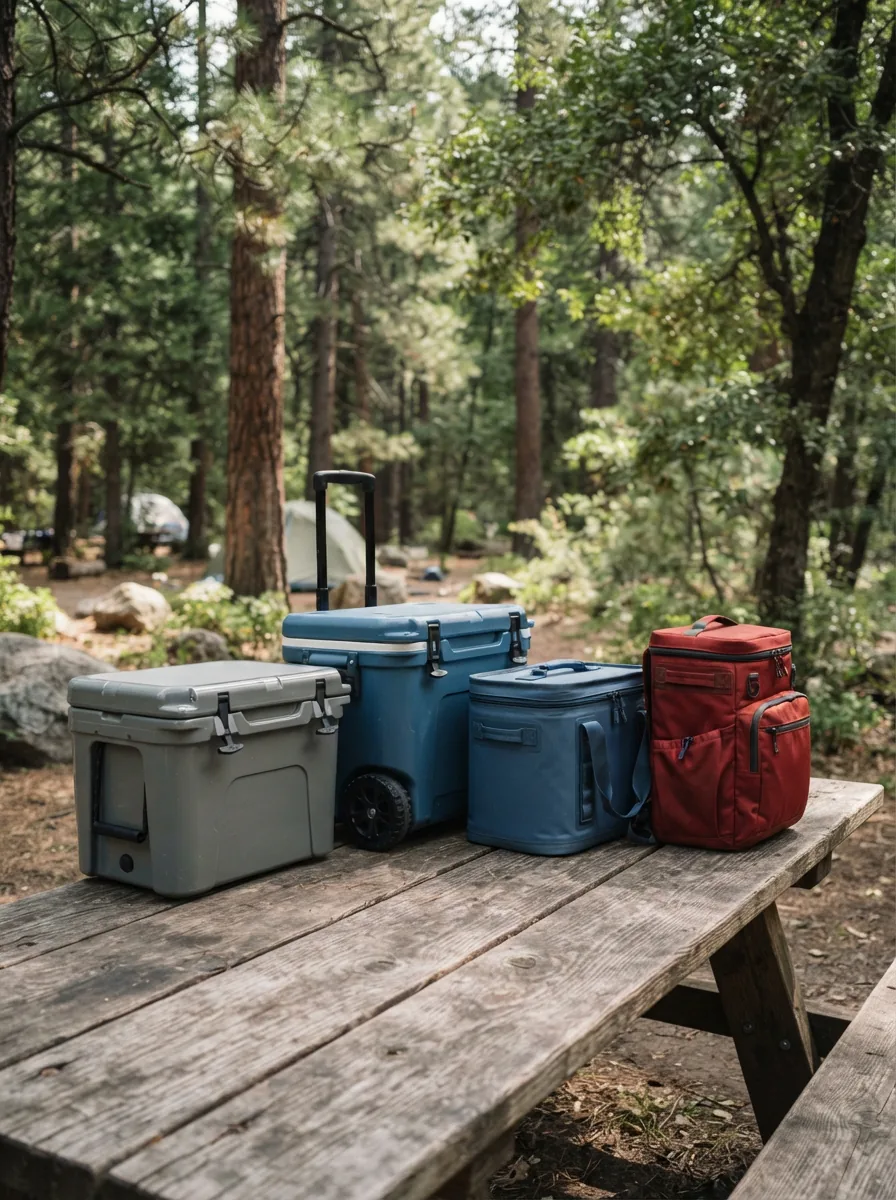
Hard-sided and soft-sided Ozark Trail coolers arranged on a wooden picnic table at a wooded campsite
Admin
Ozark Trail Cooler

Compare Ozark Trail coolers by size, shape and how you carry them, from hard-sided chests that hold ice for a weekend to soft totes and backpack coolers for a day out. Each option below shows capacity, format and the trip it fits best.
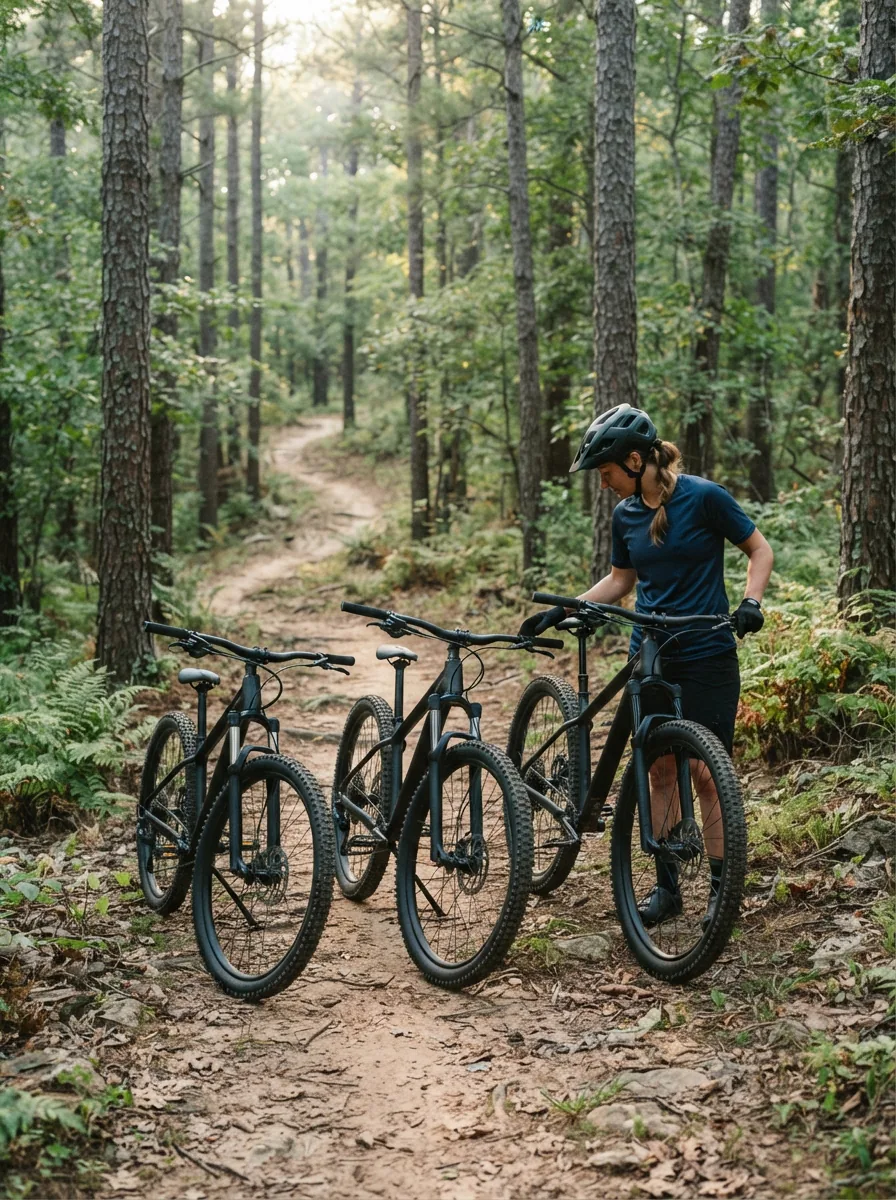
A group of Ozark Trail mountain bikes with front suspension parked on a dirt trailhead, a rider comparing frame sizes beside them
Admin
Ozark Trail Bike

Ozark Trail mountain bikes span hardtails and full suspension builds, sized from young riders to tall adults. Compare fit, suspension, wheels and gears to match your trails and your budget.

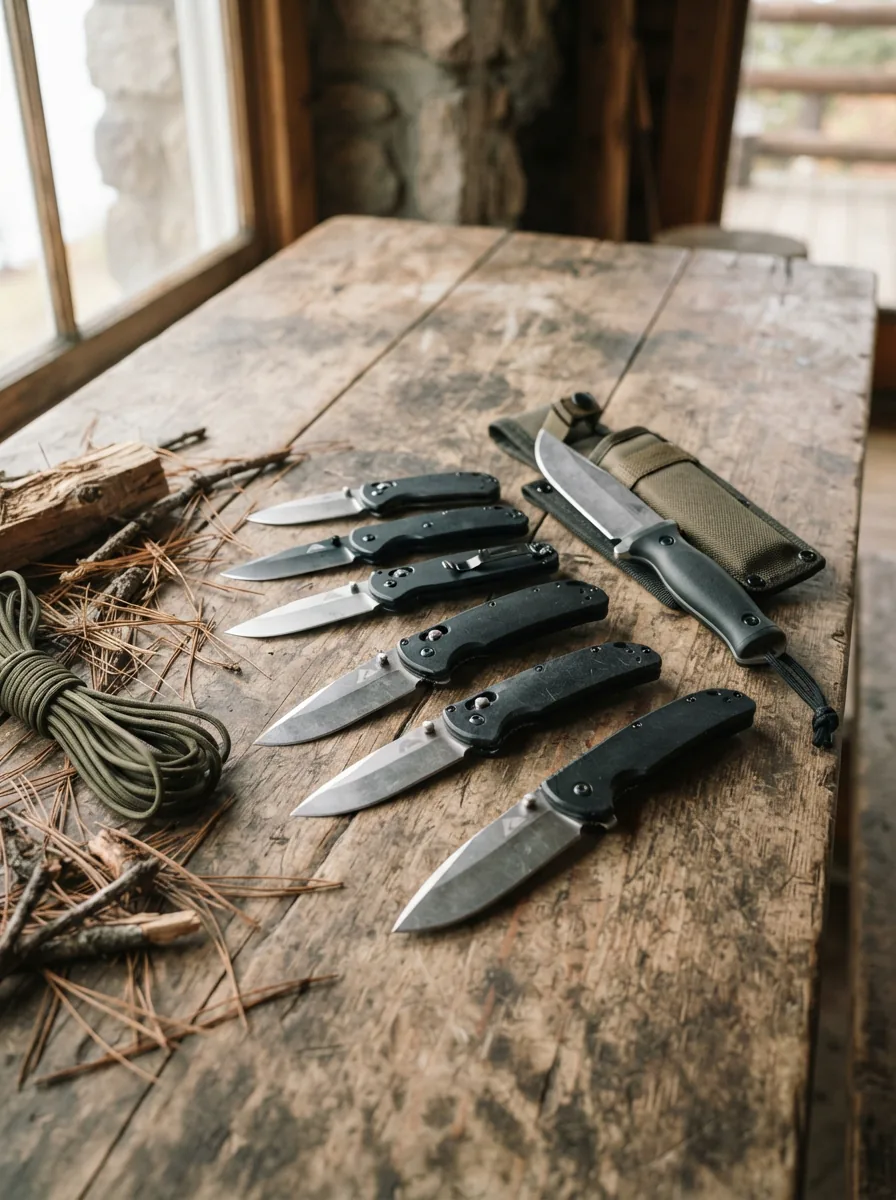
Assorted Ozark Trail folding and fixed blade knives arranged on a rustic wooden camp table
Admin
Ozark Trail Knife

This page lines up Ozark Trail knives so you can compare folding and fixed blades, locks, handles and carry options at a glance. Each pick notes what it handles best, from camp prep to a pocket blade you carry daily.

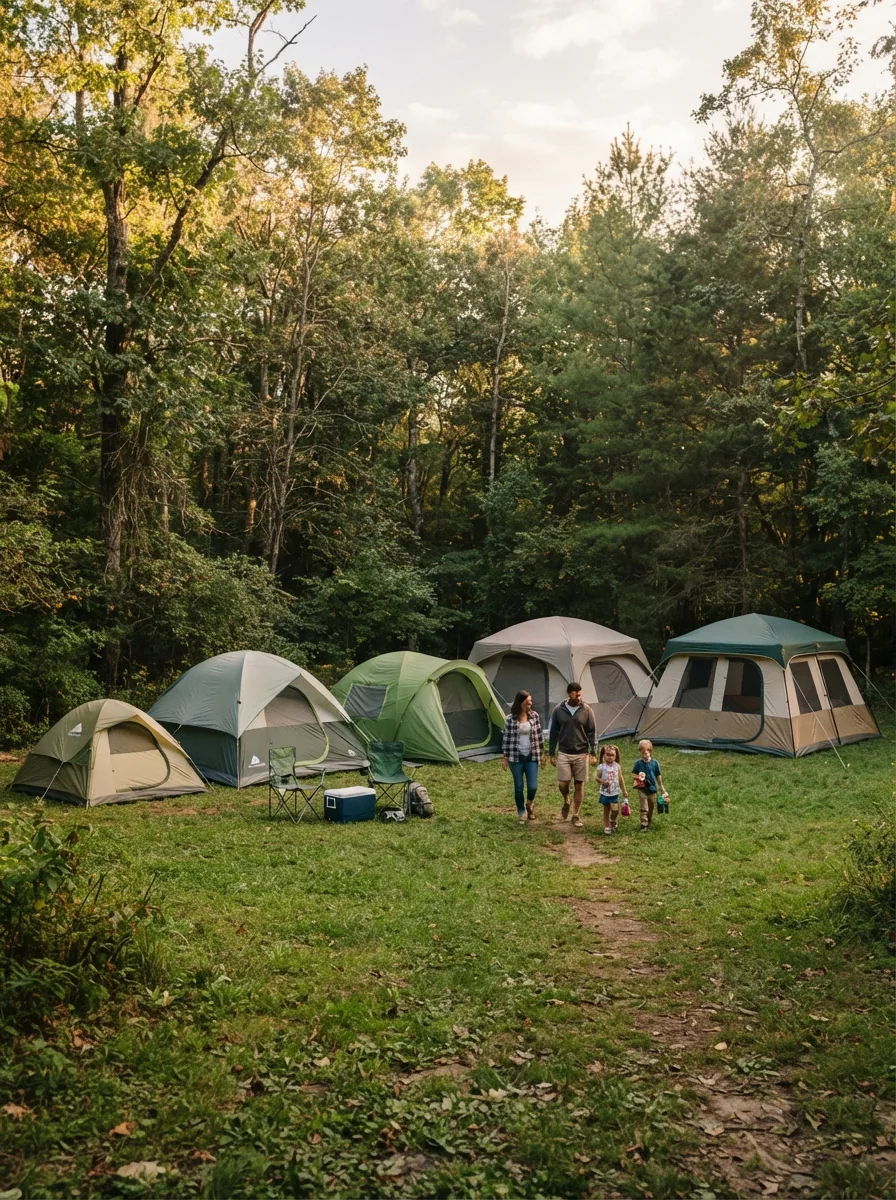
A row of Ozark Trail camping tents of several sizes pitched on a grassy campground with a family walking between them.
Admin
Ozark Trail Tents

Compare Ozark Trail tents by capacity, setup style, weather coverage and packed weight, from solo backpacking shelters to twelve-person family cabins built for drive-up weekend campsites.