




Ozark Trail Hand Warmer

Compare Ozark Trail hand warmers by heat source, run time and fit, from rechargeable pocket units to disposable pads. Each one answers a different trip length and carrying habit, so the sections below show how they differ.

Four warmers that cover most cold-weather starts

Ozark Trail Rechargeable Hand Warmer — Pocket Heat in Seconds, No Batteries to Buy

Charge it over USB before you head out, then press the button when your fingers start to sting. It heats in seconds and sits flat in a glove or jacket pocket, so it is ready for an early trail start, waiting at a game, or shoveling the driveway. Nothing to buy after the first purchase.

Ozark Trail Disposable Hand Warmers, 10 Count — Steady Warmth With Nothing to Charge

Open the pack and they begin heating on their own, holding steady warmth for several hours with no charger to remember. Tuck a pair into your boots or gloves and leave the rest in the pack for later in the day. A straightforward pick for short day hikes and cold-weather commutes.

Ozark Trail Battery-Heated Hand Warmer Glove Liners — Warm Fingers Under Any Glove

Thin enough to wear under your outer gloves, these liners use a small battery pack with low, medium and high settings, so you set the heat to match the morning. Fingers keep moving without the bulk of a heavy glove. Charge at home, then swap the battery when a longer day outside calls for more.

Ozark Trail Reusable Ignite Gel Hand Warmer — Refillable Metal Warmth for Camp Fuel

Fill the metal body with gel fuel, light it with a match, and you get instant radiant heat you can relight again and again. It slips into a coat pocket and only costs fuel after the first buy. Campers who already carry fuel for a stove will find it the easiest one to keep going.

Ozark Trail Hand Warmer Mitt with Pocket — Oversized Fleece Warmth for Camp and Sidelines

A fleece mitt with a built-in pocket sized for a disposable or rechargeable warmer. It slips on over a bare hand for quick warmth at a campsite, a sideline or a parking lot, and packs down small. Skip the warmer and it still works as a plain insulated mitt, so it stays useful when the plan changes.
More ways to stay warm

Three picks for specific cold-weather routines

Ozark Trail USB-C Hand Warmer and Power Bank Combo — Warm Hands and a Charged Phone in One

One device handles two jobs: it warms both sides of your hand and doubles as a power bank for your phone. A single charge covers a stretch of cold waiting plus a quick top-up for your devices, which means one less item to carry when your pack is already full.

Ozark Trail Foot and Hand Warmer Pads, 6 Count — Adhesive Heat for Toes and Fingers

Thin adhesive pads that slip inside boots or gloves and deliver steady heat for hours, so toes and fingers warm at the same time. They are a good fit for long sits in a blind or a cold stand, and light enough to keep a spare set in the car all winter.

Ozark Trail Kids Rechargeable Hand Warmer — Gentle Single-Button Warmth for Small Hands

Sized for smaller hands with a rounded shape, a single-button control and a gentle low-heat setting a child can manage alone. It covers the walk to the bus stop or a chilly outdoor event, recharges over USB, and slips into a coat pocket without weighing it down.
Where these earn their place

Situations a good hand warmer handles well

The right warmer depends on whether you are moving or waiting, and for how long. Active time favors light, reachable heat, while long stationary stretches call for coverage that holds. Match the situation first.

Cold morning trail starts and hikes

An early trail start or a day hike rewards a warmer you can reach without stopping. Keep it in a chest or hip pocket, switch it on before you set out, and let steady heat carry the first cold hour.

Sidelines, bus stops and driveways

Waiting is its own kind of cold. A pocket-sized option covers bus stops, parking lots and sidelines, where you are standing still and want heat without bulky gear in the way.

Long sits in a stand or blind

Sitting still in a stand or a blind pulls heat from your fingers first. Adhesive pads inside boots or gloves keep toes and fingers warm through a long, quiet stretch outdoors.

Four things decide which warmer fits: how it makes heat, how long it holds it, how it sits in your hand or boot, and what you spend to keep it going. Change any one and a different option wins for your trip.

What to weigh before you pick a warmer

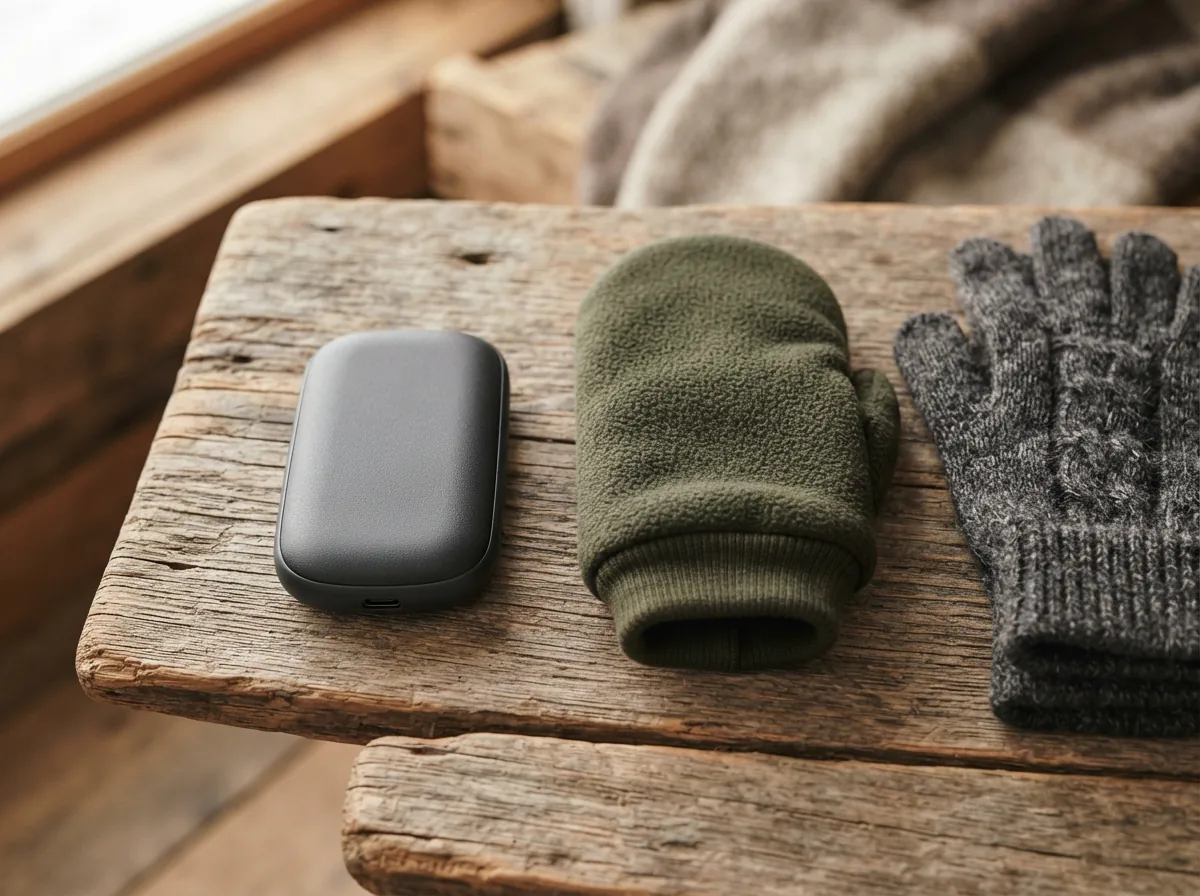
A rechargeable hand warmer and a fleece hand-warmer mitt placed side by side with a knit glove on a wooden table for comparison
Heat source and how you power it

Heat source comes first. Air-activated pads need nothing from you, rechargeables need a USB outlet, and gel warmers need fuel. Pick the one whose refueling habit already fits your routine.

Run time versus trip length

Run time sets the day. Several steady hours suit a commute or a short hike, while a rechargeable unit you can top up again covers a longer outing without carrying extras.

Fit, bulk and how you carry it

Fit changes comfort. A warmer that nests in a palm keeps fingers free; a liner or mitt adds coverage but takes room in a glove. Decide whether you want heat alone or warmth you wear.

Reusable cost versus one-time use

Cost after the first buy matters. Disposable and pad options cost per use, while a refillable or rechargeable warmer levels out once you own it. Frequent use favors reusable gear.

Find your warm style

Match the heat type to how you travel

Warmers divide by how they make heat and how they sit on you. Pocket units, pads, wearables and refillable cans each solve a different part of the problem. Start with the format that matches your trip, then narrow by run time.
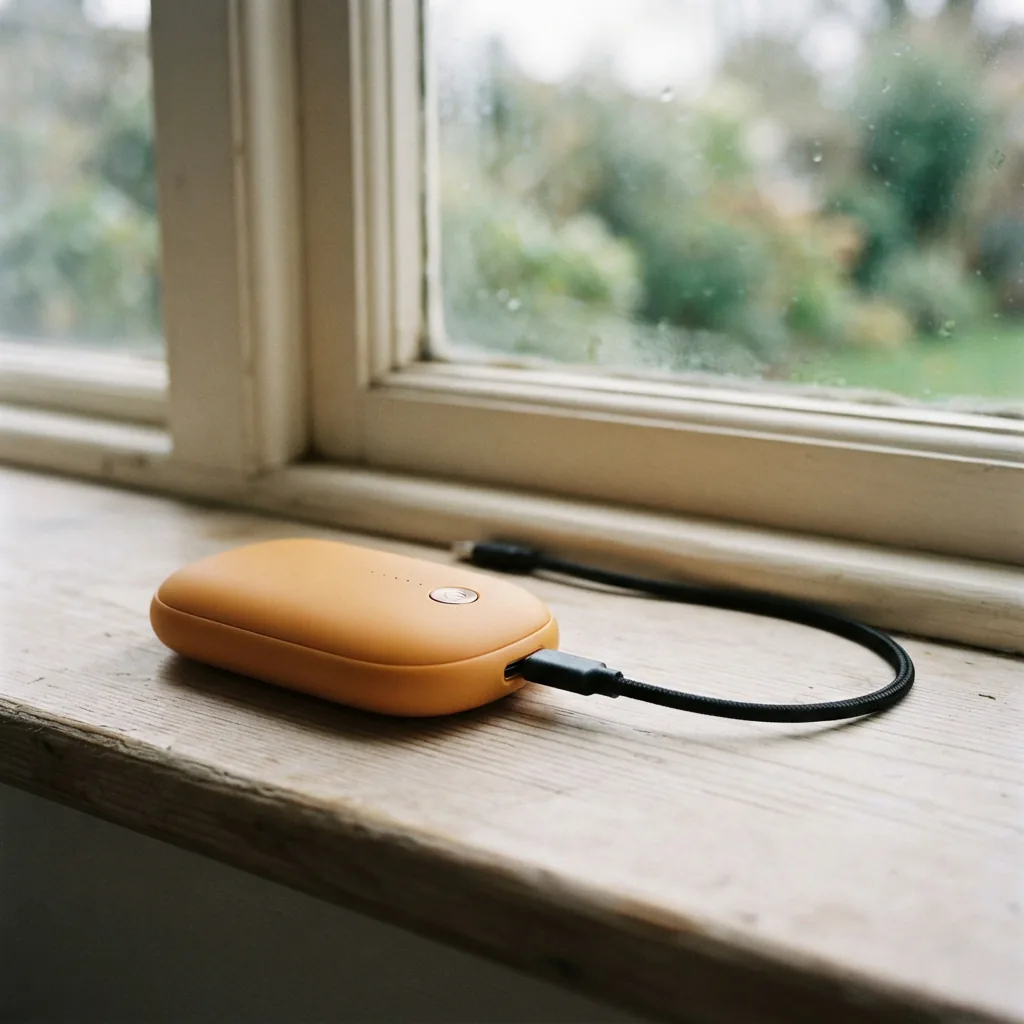
A small rechargeable hand warmer resting on a wooden windowsill with its short charging cable

Rechargeable pocket warmers

Pocket units run on a battery you recharge over USB. They heat fast, switch off with a button, and recharge between uses, which suits regular cold-weather routines.

Air-activated hand warmer packets resting on a frost-covered windowsill beside a small evergreen sprig

Air-activated disposables

Air-activated pads start when the pack opens and hold steady heat for hours with nothing to switch on. They are light, quiet and easy to share or stash in a car.

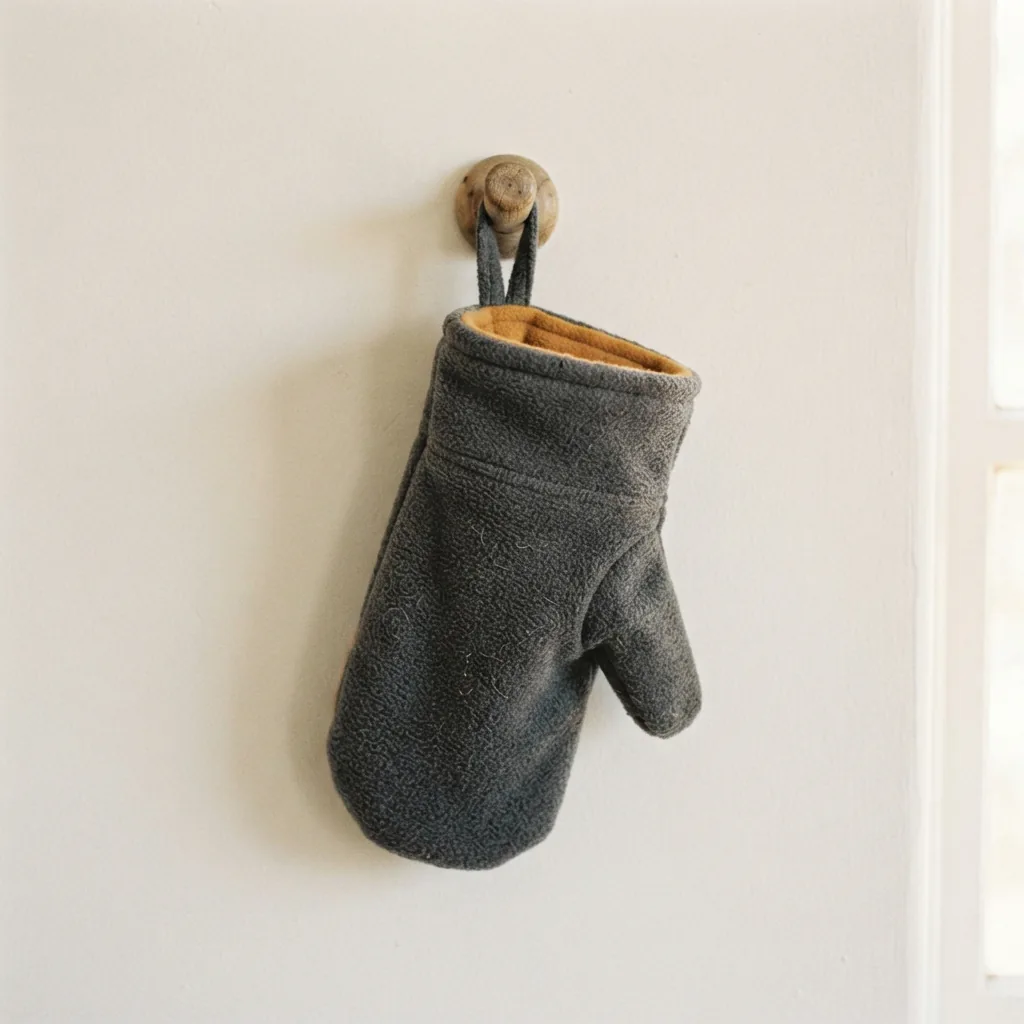
A fleece hand-warmer mitt hanging from a wooden peg on a plain wall

Wearables you put on and take off

Wearable options put heat under a glove or over a hand. Liners add adjustable warmth without bulk, while a fleece mitt adds coverage when you want both at once.

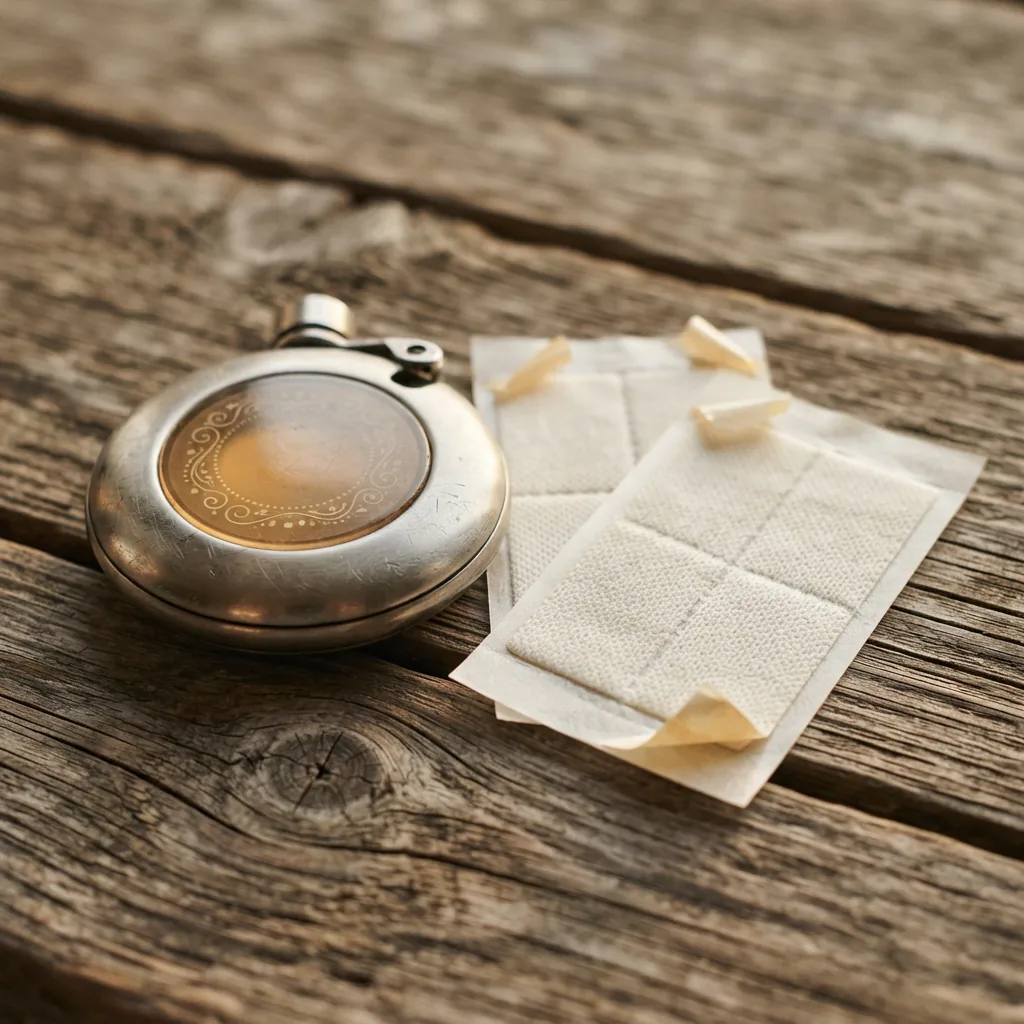
A round refillable metal gel warmer beside two thin adhesive warming pads on weathered wood

Pads and refillable gel heat

Refillable gel warmers and adhesive pads cover the extremes: repeated camp heat from fuel you already carry, or thin toe-and-finger heat for long sits.

In their own words

What shoppers notice once they are out there

These notes come from people who have spent real time in the cold with gear from this category. They talk about small things that add up: what stayed comfortable, what needed planning, and what they would do differently next time.
I stop before the sun is up, and my fingers are the first thing to go. Slipping a warmer into my glove at the car means I am not fumbling with cold hands on the first stretch. By the time the trail warms up I have forgotten about it, which is exactly what I want.
Decorative customer review avatar icon 1
Dana on the Trail
Used warmers on early hikes and appreciated the simple start
I tried both approaches across one winter of waiting for buses. Recharging took some planning, but I stopped buying replacement packs every few weeks. On days I forgot to charge, a single-use option still got me through. Now I keep one of each in the coat closet.
Decorative customer review avatar icon 2
M. Reeves
Compared reusable and single-use options for a long winter commute
Our kids wanted something to hold while we made dinner, and I wanted warmth that did not need supervision. Having a couple of small warmers and a plain insulated option meant nobody was left out. They packed down small, which mattered more than I expected in a full car.
Decorative customer review avatar icon 3
CampKim88
Bought for a family campsite where everyone wanted a different fix
Sitting still for hours is where the cold really shows up, and hands were only half the problem. Thin pads inside my boots kept my toes comfortable through a long sit, and I did not notice any bulk. I carried a spare set in the car all winter just in case.
Decorative customer review avatar icon 4
StandSideJoe
Sat through long cold waits and cared most about toe coverage
Questions worth asking

Straight answers on warmth, fit and upkeep

Rechargeables make sense when you can plug in before you go and expect many cold days, since the cost drops once you own it. Disposables suit occasional use, travel or a day with no outlet. Buy for how often you actually get outside.
Air-activated pads and gel warmers are not made to be soaked, so keep them in a sealed bag if rain is likely. A rechargeable unit sealed in a pocket handles light moisture better. Check the product details before relying on one in steady rain.
Several hours of steady warmth is the normal expectation for pads and most pocket units, which covers a commute, a short hike or a sideline. Longer days need a spare, a recharge or a warmer you can refuel. Plan for the length of your trip rather than the ride there.
Thin pads and liners are made to sit against boots and under gloves, and they spread heat across the surface rather than in one hot spot. Avoid placing any concentrated heat source directly against bare skin for long periods, and check your feet partway through the day.
A small rechargeable unit with a simple single-button control and a gentle low setting is easier for a child to manage than a fuel-based warmer. Teach them to hold it rather than press it against skin, keep a spare charged for the trip home, and stay nearby.
Liners add low, medium and high heat while staying thin, so you keep dexterity in your outer gloves instead of gaining bulk. They suit cold mornings and active use where heavy gloves feel clumsy. The trade-off is charging and battery swaps, so budget time for that.
Keep exploring

More cold-weather reading from the trail

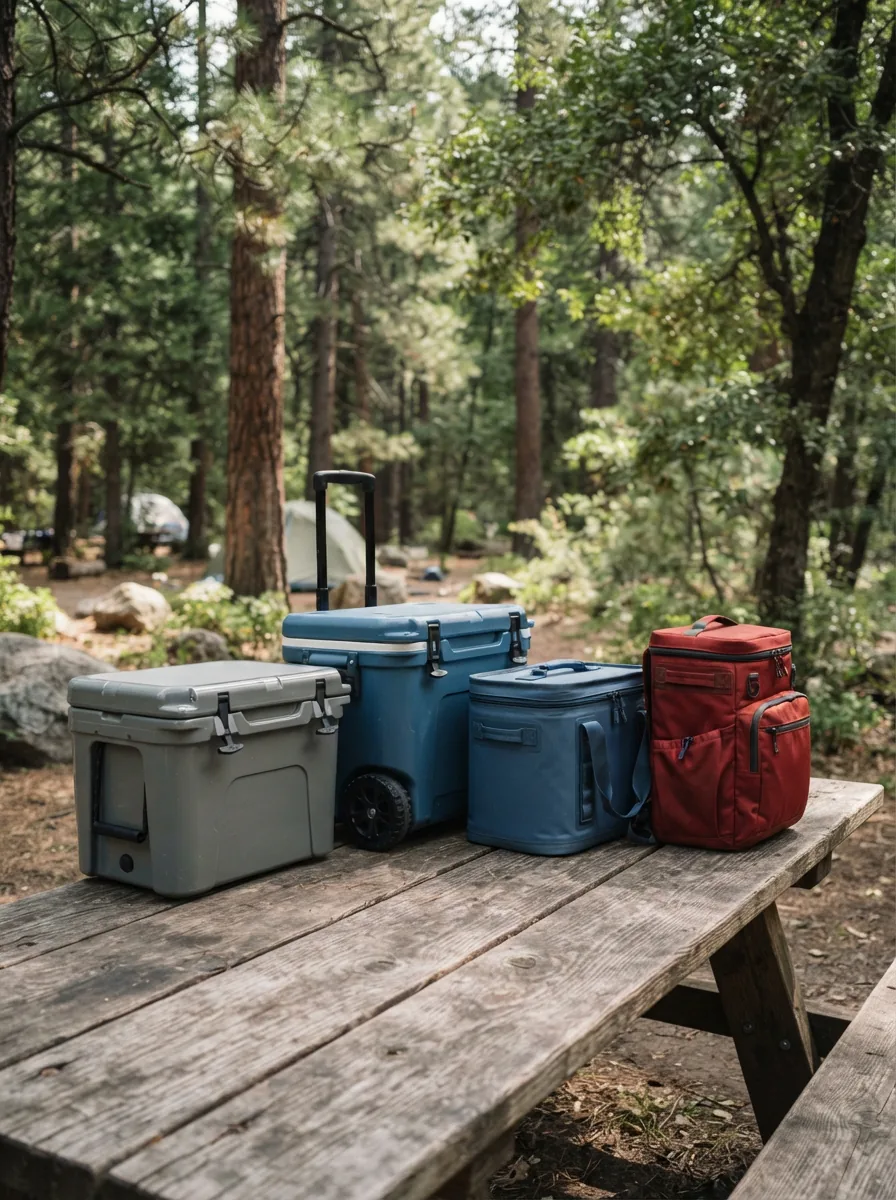
Hard-sided and soft-sided Ozark Trail coolers arranged on a wooden picnic table at a wooded campsite
Admin
Ozark Trail Cooler

Compare Ozark Trail coolers by size, shape and how you carry them, from hard-sided chests that hold ice for a weekend to soft totes and backpack coolers for a day out. Each option below shows capacity, format and the trip it fits best.
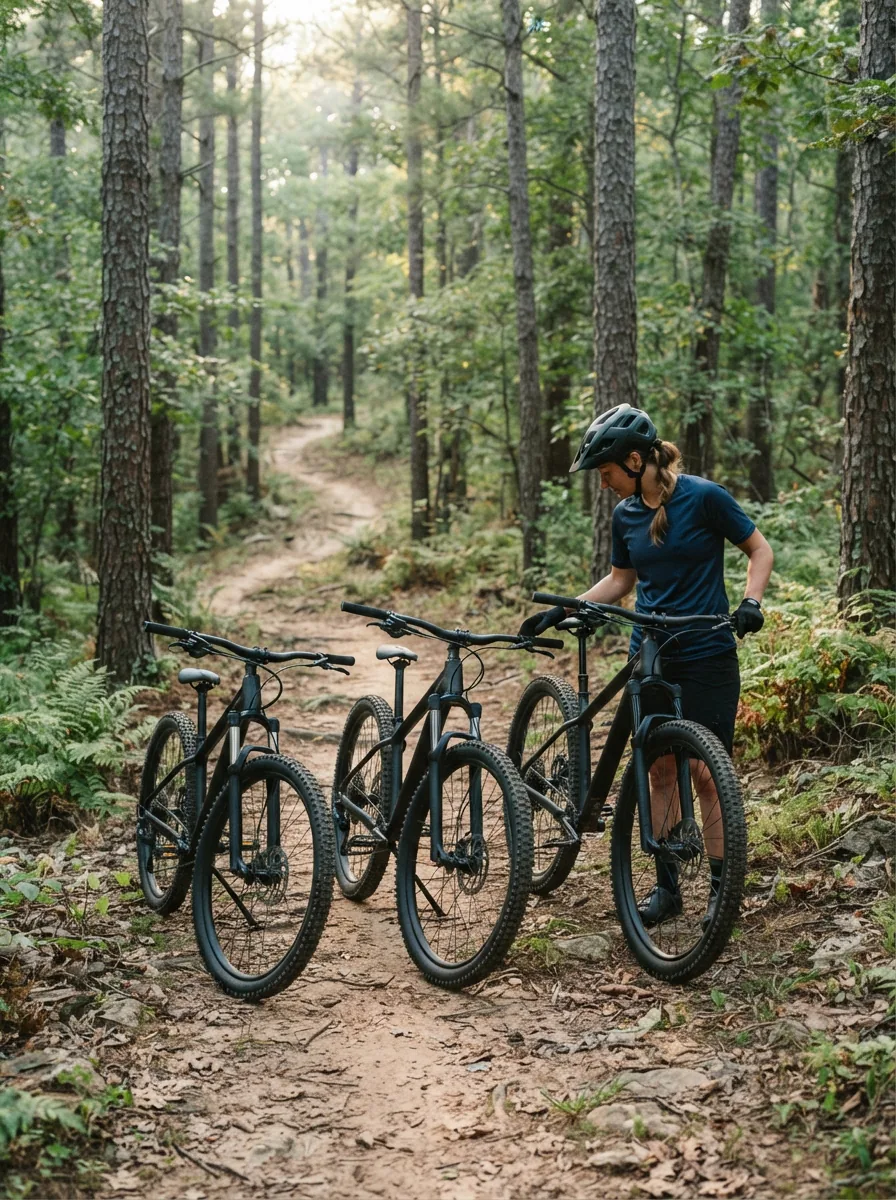
A group of Ozark Trail mountain bikes with front suspension parked on a dirt trailhead, a rider comparing frame sizes beside them
Admin
Ozark Trail Bike

Ozark Trail mountain bikes span hardtails and full suspension builds, sized from young riders to tall adults. Compare fit, suspension, wheels and gears to match your trails and your budget.

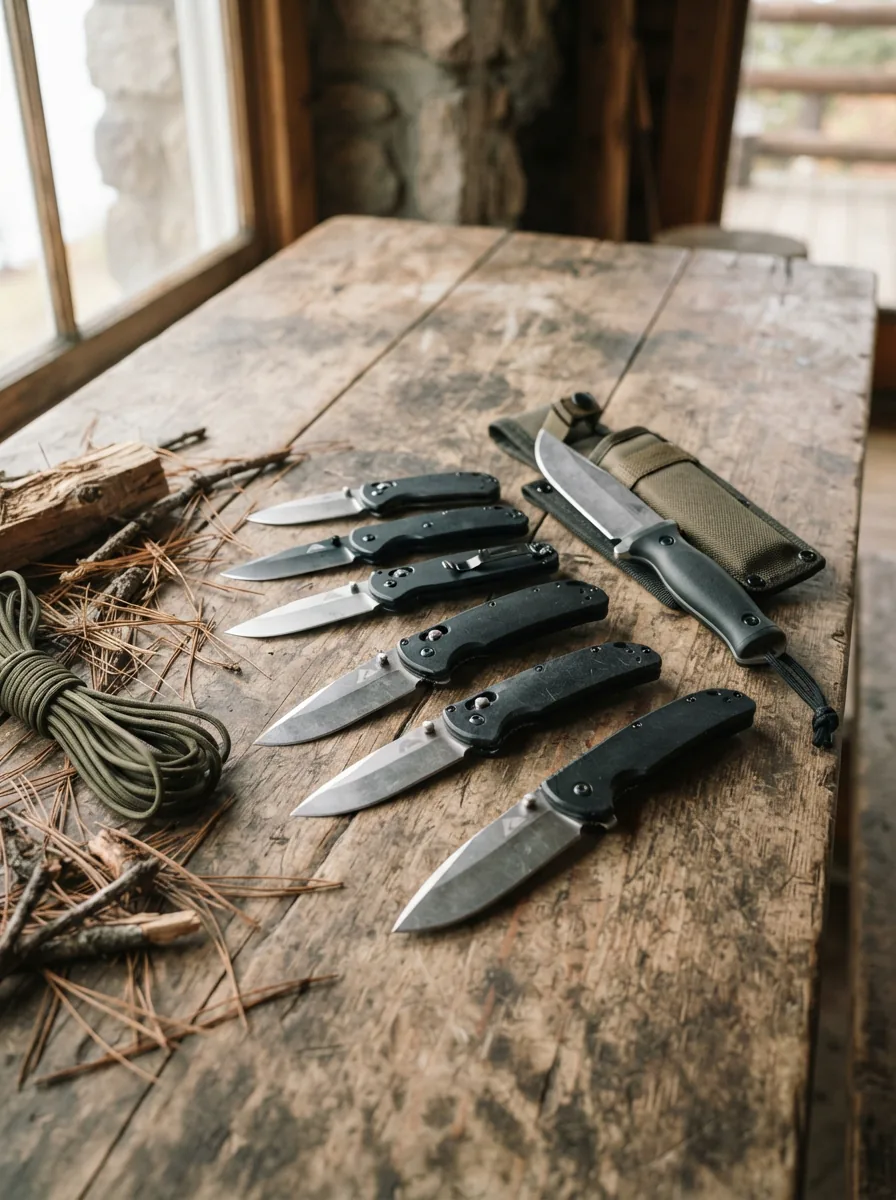
Assorted Ozark Trail folding and fixed blade knives arranged on a rustic wooden camp table
Admin
Ozark Trail Knife

This page lines up Ozark Trail knives so you can compare folding and fixed blades, locks, handles and carry options at a glance. Each pick notes what it handles best, from camp prep to a pocket blade you carry daily.

A row of Ozark Trail camping tents of several sizes pitched on a grassy campground with a family walking between them.
Admin
Ozark Trail Tents

Compare Ozark Trail tents by capacity, setup style, weather coverage and packed weight, from solo backpacking shelters to twelve-person family cabins built for drive-up weekend campsites.