



Ozark Trail Rechargeable Flashlight

This category gathers Ozark Trail rechargeable flashlights from 300 to 5000 lumens, including pocket, lantern and power bank designs. Compare brightness, runtime, charging and water resistance to fit your trip length and budget.

Four rechargeable lights, four different jobs

Ozark Trail Rechargeable LED Flashlight, 1000 Lumens, 4 Modes, IPX4, Everyday Carry

Four modes let you step the beam down for close campsite chores or run it bright on the trail, so one light covers several jobs. At 1000 lumens it handles everyday tasks well, and the IPX4 rating shrugs off light rain and spray around the tent. Recharging by cable means no spare cells to pack.

Ozark Trail 5000 Lumen Rechargeable Flashlight with USB-C and 10-Hour Runtime for Long Trips

When you need real reach, 5000 lumens throws light far down a dark trail or across a wide campsite. The 10 hour runtime matters on longer outings where you cannot recharge, and USB-C means one cable covers your phone too. Water resistance keeps it usable in a passing shower.

Ozark Trail 2500 Lumen USB-C Rechargeable Flashlight for Campsite and Trail Night Use

Sitting between the smaller and larger models, 2500 lumens gives a clear, far reaching beam without the heft of the biggest heads. USB-C recharging and a 10 hour runtime cover a full evening of camp chores or a late trail start. Water resistance means a damp morning will not stop you.

Ozark Trail 4000 Lumen Dual Source Rechargeable Flashlight with 5000 mAh Power Bank

This one does two jobs: it lights the campsite and it charges your phone. The built in 5000 mAh power bank tops up a device when an outlet is miles away, and dual source power gives you options when recharging is not possible. At 4000 lumens the beam is strong enough for large campsites and night driving.

Ozark Trail Rechargeable Pocket Flashlight and Lantern, 1000 lm, IPX5, Black and Orange

It works as a focused flashlight and a soft lantern for the tent. With 1000 lumens it covers close work and short walks, and the IPX5 rating handles stronger spray than basic rain protection. The pocket size means it rides easily in a pack, so it travels as well as it works at camp.
Worth a closer look

Three more lights for specific needs

Ozark Trail 1500 Lumen Rechargeable LED Flashlight, Durable Black for Everyday Tasks

A middleweight option for people who want more than a basic light without paying for the top model. At 1500 lumens it throws a solid beam for evening walks and camp setup, and the durable black body is built to be tossed in a bag. Recharging means it is ready whenever you remember to top it off.

Ozark Trail 300 Lumen Emergency Flashlight with Hand Crank, Power Bank and Carabiner Clip

Made for the drawer you open when the power goes out. The hand crank gives you a way to add charge when there is no outlet, and the built in power bank can top off a phone. At 300 lumens it lights a room or a path close by, and the carabiner clip keeps it on a pack or a hook.

Ozark Trail Rechargeable LED Flashlight, Black, a Simple Backup Light for Camp and Home

For shoppers who want one dependable light and no fuss. It runs on a built in battery you top off with a cable, so there are no cells to buy, and the body handles the bumps and damp of everyday use. The beam suits close to medium distances, which covers campsite chores, dog walks and outages.
Where they work best

Everyday jobs these lights handle well

From family camping to evening walks and home outages, these lights cover tasks where you need light on demand and no outlet nearby. Match the model to how far you need to see and how long you will be away.

Weekend camping without a spare battery

Recharge the light before you leave and top it off at camp if you have power. Several hours of runtime covers nights of cooking, dishes and the walk to the restroom.

Trail walks after the sun goes down

A brighter beam keeps the path readable at distance. Look for a secure grip and water resistance, since evening walks often mean damp ground and cooler air.

A dependable light for power outages

Store a charged light where you can reach it in the dark. A model that also works as a power bank keeps a phone alive long enough to check on family.

Brightness, runtime, charging method and water rating each change who a light suits. Higher lumens reach farther but drain faster, longer runtime helps on multi-night trips, and USB-C keeps topping up easy between uses.

How to compare lumens, runtime and charging

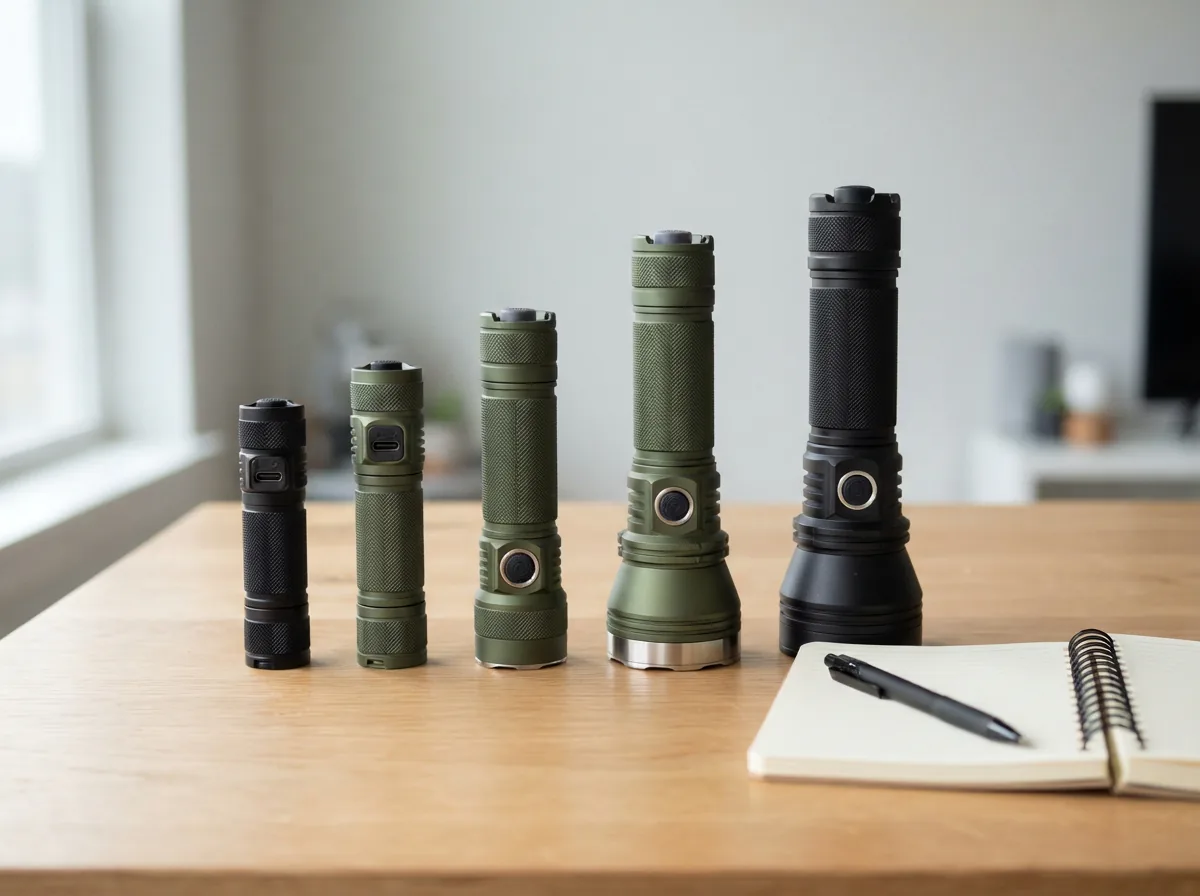
Four flashlights of different sizes in a row beside a notebook on a light wood table
Match brightness to distance, not habit

A 300 to 1000 lumen light suits campsite chores and short walks where the beam stays close. Reserve 2500 lumens and up for long sight lines down a trail or across a large clearing.

Plan runtime around trip length

Ten hours of runtime covers a full evening plus a late start back. For weekend trips away from outlets, longer runtime means you can use a bright mode without watching the battery drain.

Check how the light recharges

USB-C models share a cable with your phone, so one charger covers both. Some add a hand crank or power bank, which helps when an outlet is nowhere near the campsite.

Match water resistance to conditions

An IPX4 rating handles rain and splash from any direction, which is enough for normal camping. IPX5 adds a stronger spray rating if you expect heavier weather on the trail.

Find your fit

Four directions within one category

The range splits by job rather than price. Pocket lights favor portability, high-lumen models favor distance, lantern hybrids spread light around camp, and emergency versions add crank or power bank options when there is no outlet.
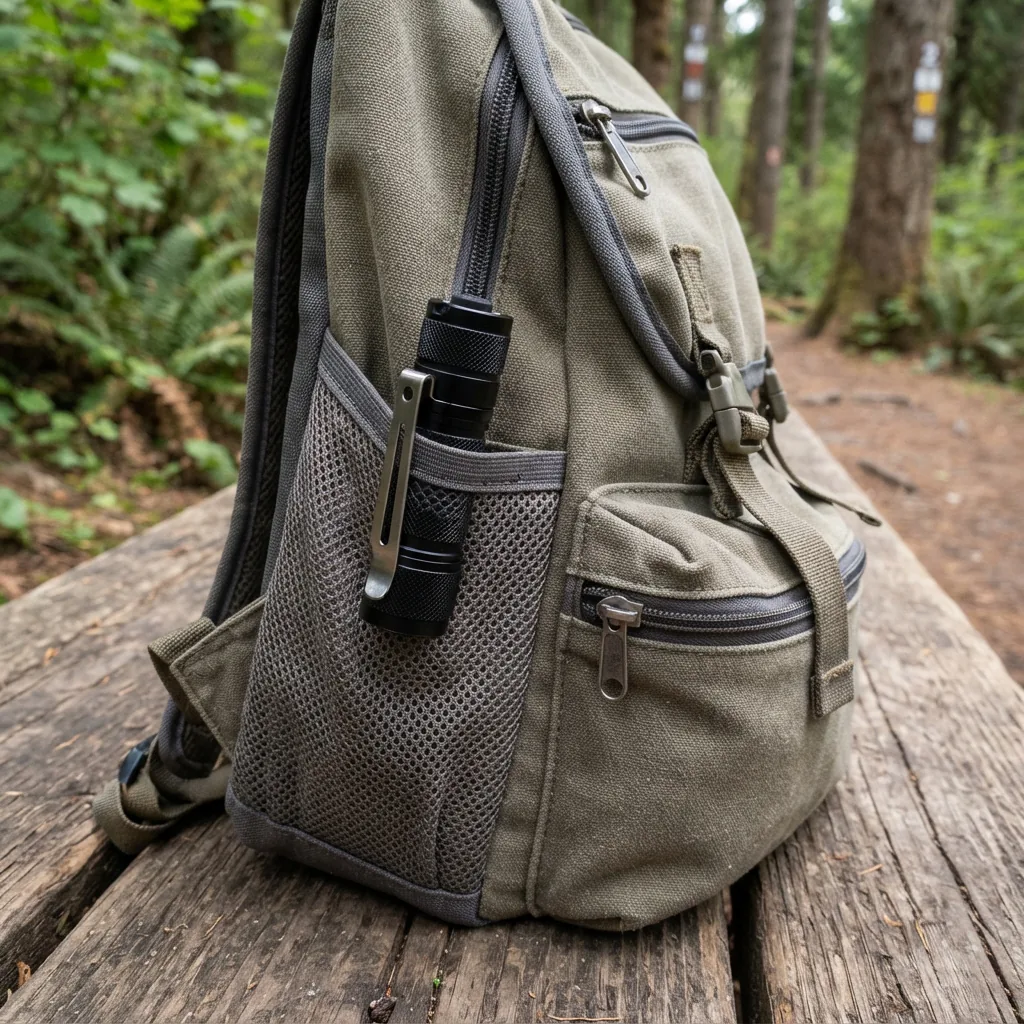
Compact flashlight clipped to the outside pocket of a canvas daypack on a trailhead bench

Pocket and everyday carry

Small, light lights that fit a pack pocket or glove box. Output stays modest, so they suit close work, dog walks and a backup you always have on hand.

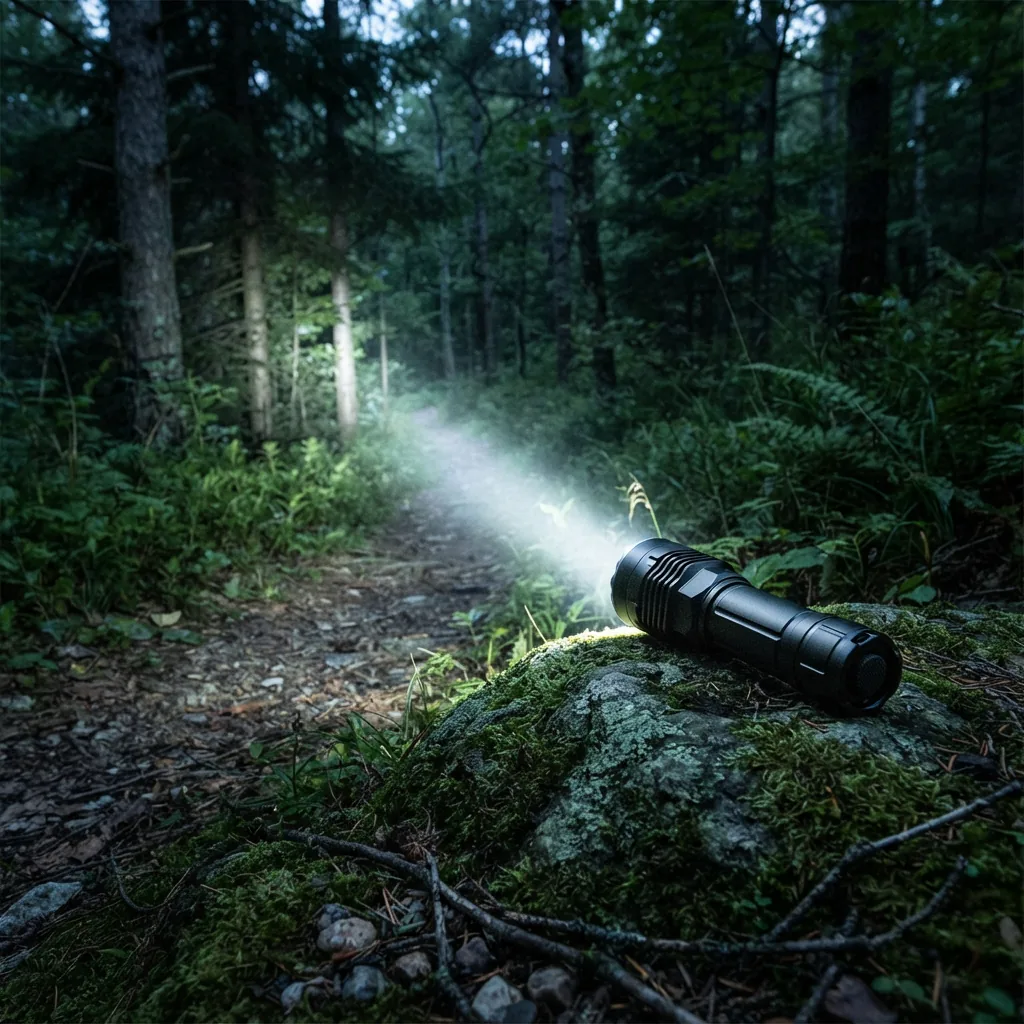
Flashlight beam reaching down a narrow wooded path at night from a rock beside the trail

Trail and long-range beams

Higher lumen models throw light far enough to read the trail ahead. Choose these when you walk after dark or cover ground where a wide, distant view matters.

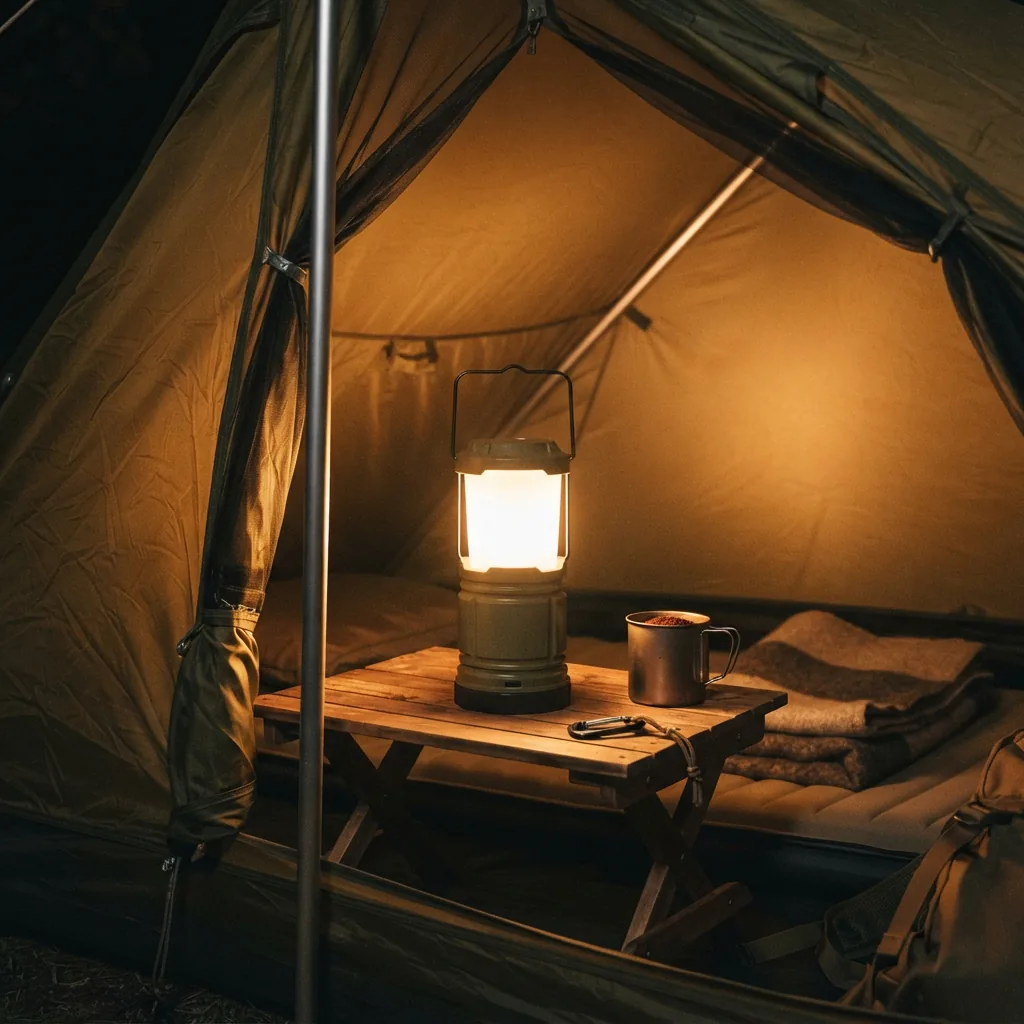
Rechargeable flashlight glowing as a soft lantern on a small table inside a tent at night

Lantern-style camp lighting

Some models double as lanterns, spreading soft light around the tent instead of a focused beam. Handy for cooking, cards and finding things inside at night.

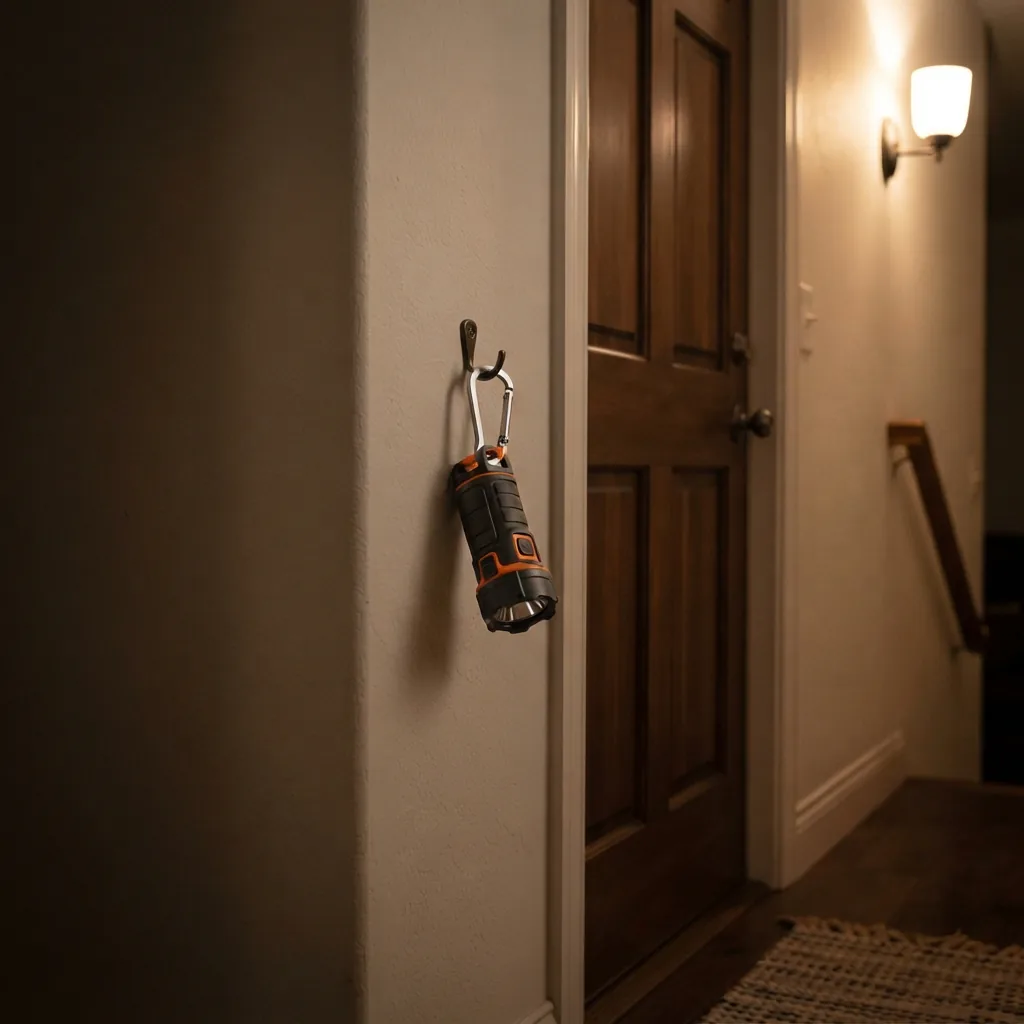
Compact emergency flashlight with a carabiner clip hanging from a hook beside a closed front door

Emergency and power bank models

Hand crank charging and a built in power bank keep you going in an outage. These models prioritize staying useful over raw brightness, so pick them for the car and the closet.

What shoppers notice

First-hand notes from real use

Shoppers describe the small decisions that matter once the gear is home: whether it charged in time, how the beam felt on a dark path, and whether it stayed useful when the weather turned.
I wanted something that would not fail on our first overnight trip, and the rechargeable light I picked did the job. Getting ready was simply plugging it in the night before. Around the tent it was bright enough, and I never had to think about spare batteries once.
Decorative customer review avatar icon 1
Dana R.
Bought a light for a first family camping trip
I read the numbers side by side and went with a mid-range model rather than the brightest one. For walking the dog and late camp chores, that turned out to be the right call. The beam reaches far enough, and charging between uses has been simple.
Decorative customer review avatar icon 2
Marcus T.
Compared lumen ratings before choosing
I keep one charged light in the glove box and another by the fuse panel. During a storm outage, having a steady beam without hunting for cells was a real relief. Water resistance mattered too, since I was carrying it through rain to the porch.
Decorative customer review avatar icon 3
Priya S.
Keeps a charged light in the car and hallway
On an evening hike I wanted a beam I could trust past the trailhead. The light I chose threw plenty down the path and still fit in a side pocket. I top it off at home before every trip and have not needed a spare battery yet.
Decorative customer review avatar icon 4
Ken W.
Evening hiker who carries one in his pack
Questions worth asking

Practical answers before you choose

For cooking, dishes and moving around camp, 300 to 1000 lumens is plenty and saves battery. Step up to 2500 lumens or more only when you need to see far down a trail or across a large campsite.
Rechargeable models cost less to run over time because you top them off with a cable instead of buying cells. The trade-off is that you need power before the trip, so charge ahead and keep a crank model as backup.
IPX4 means the light is protected against water spray from any direction, which covers rain and splashes during normal use. It is not rated for submersion, so keep it out of puddles, lakes and sinks.
Runtime depends on the mode you use, since brighter settings draw more power. One model in this group lists a 10 hour runtime, which usually covers a full evening of use plus a few shorter sessions.
A smaller model with a carabiner clip or a hand crank is the safer bet, since it stays useful when there is no outlet. Keep it charged and check it every few months so it is ready when you need it.
Higher output usually means a larger body and more weight, so check the size if you are carrying it all day. For close campsite use, a mid-range light is easier to pack and just as useful on the trail.
Keep exploring

More outdoor gear stories and guides

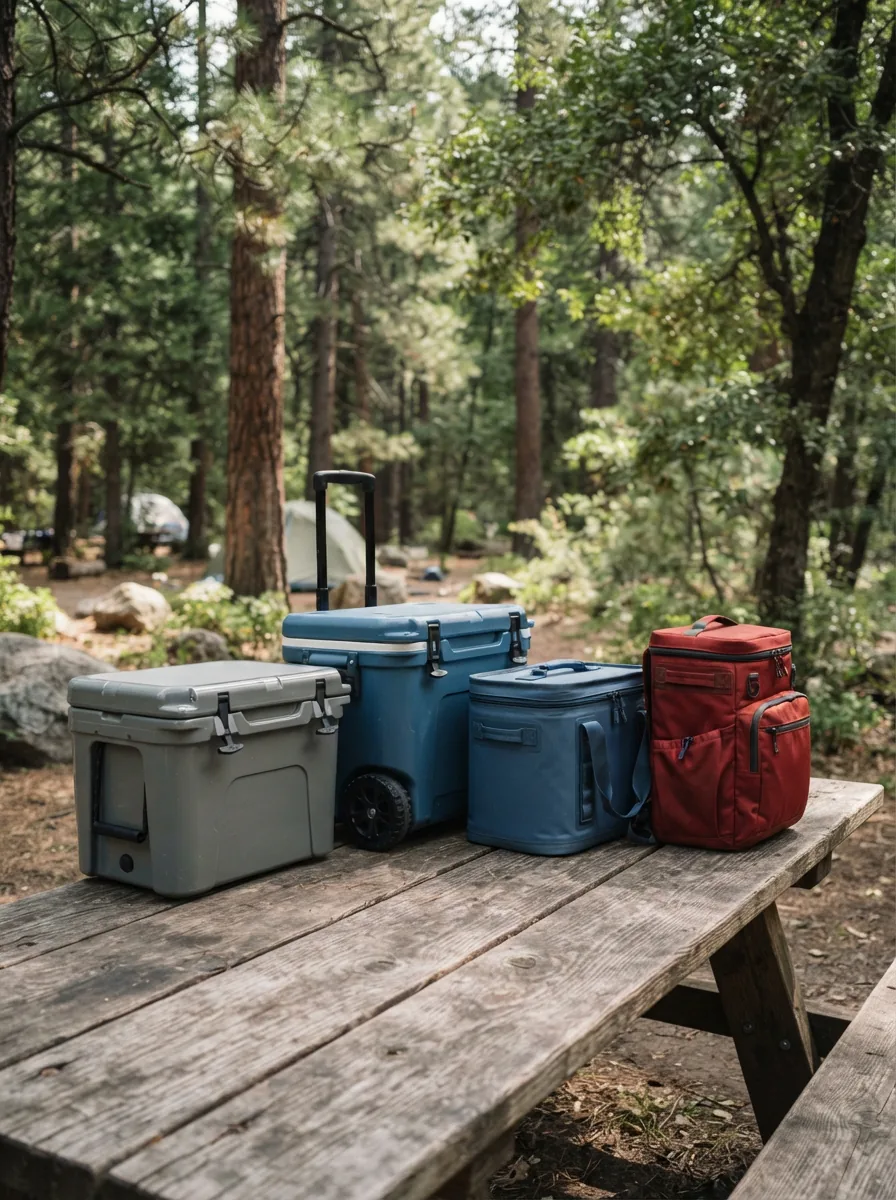
Hard-sided and soft-sided Ozark Trail coolers arranged on a wooden picnic table at a wooded campsite
Admin
Ozark Trail Cooler

Compare Ozark Trail coolers by size, shape and how you carry them, from hard-sided chests that hold ice for a weekend to soft totes and backpack coolers for a day out. Each option below shows capacity, format and the trip it fits best.
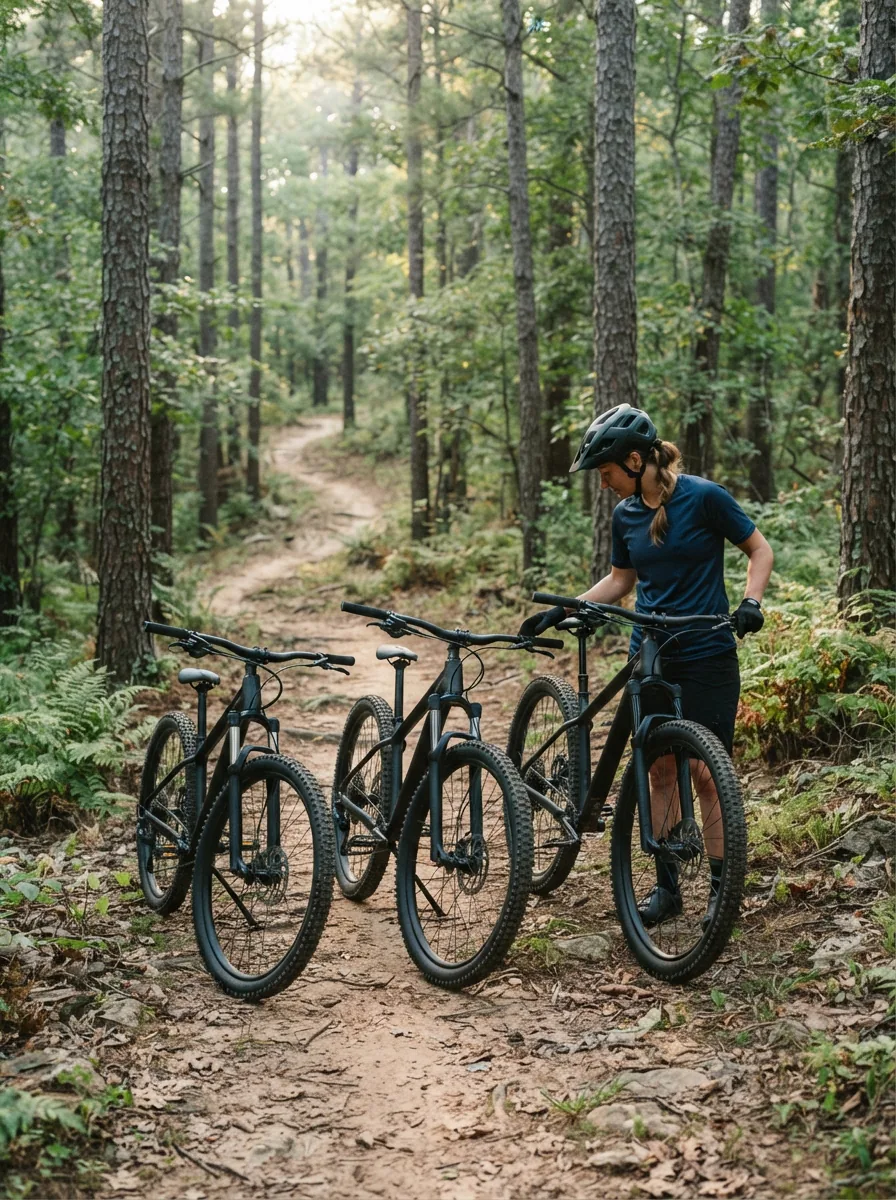
A group of Ozark Trail mountain bikes with front suspension parked on a dirt trailhead, a rider comparing frame sizes beside them
Admin
Ozark Trail Bike

Ozark Trail mountain bikes span hardtails and full suspension builds, sized from young riders to tall adults. Compare fit, suspension, wheels and gears to match your trails and your budget.

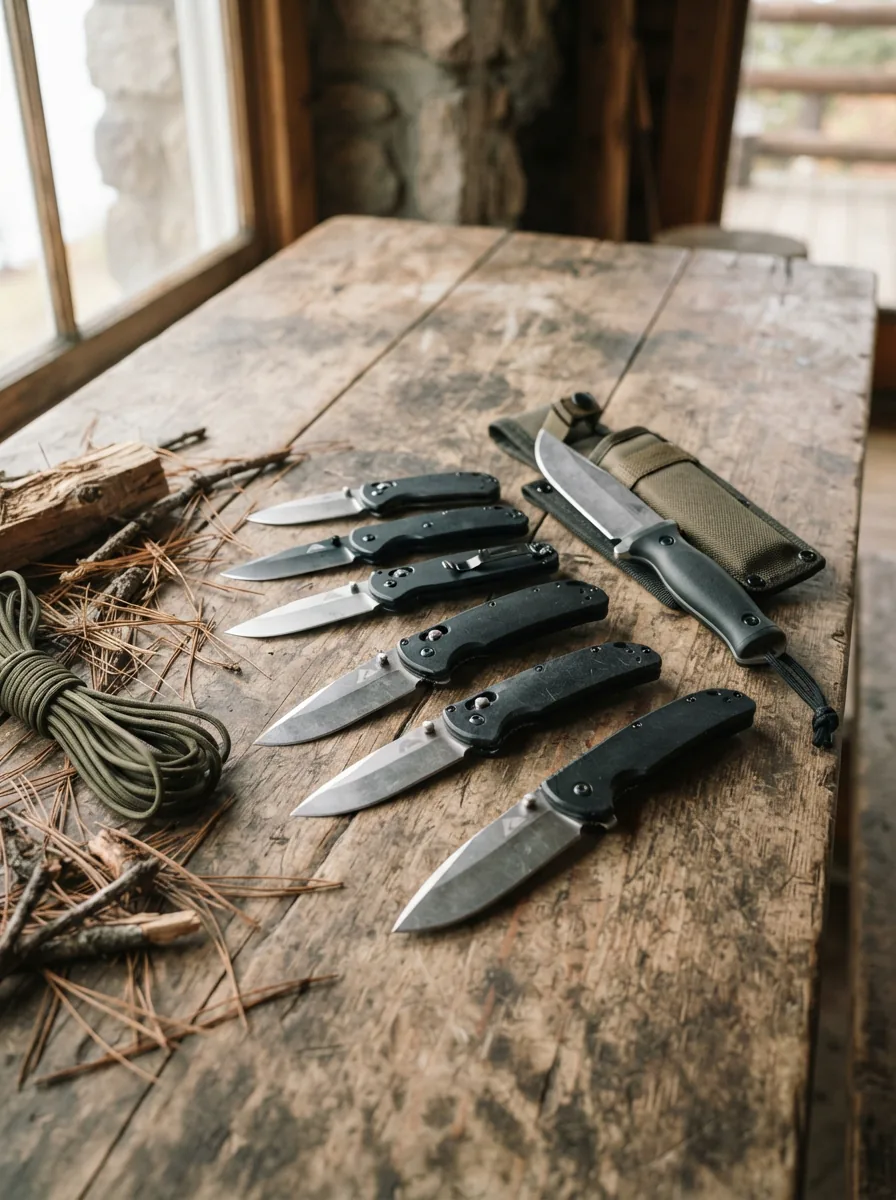
Assorted Ozark Trail folding and fixed blade knives arranged on a rustic wooden camp table
Admin
Ozark Trail Knife

This page lines up Ozark Trail knives so you can compare folding and fixed blades, locks, handles and carry options at a glance. Each pick notes what it handles best, from camp prep to a pocket blade you carry daily.

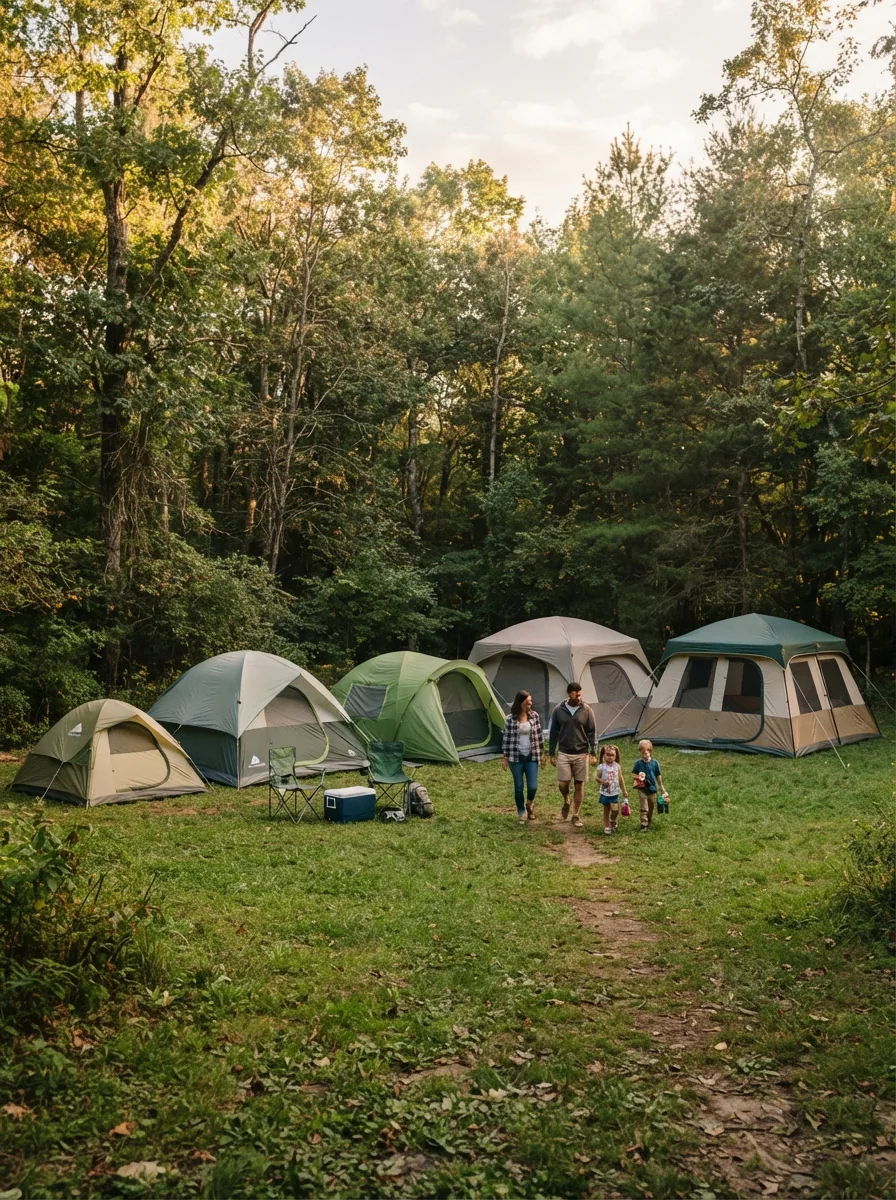
A row of Ozark Trail camping tents of several sizes pitched on a grassy campground with a family walking between them.
Admin
Ozark Trail Tents

Compare Ozark Trail tents by capacity, setup style, weather coverage and packed weight, from solo backpacking shelters to twelve-person family cabins built for drive-up weekend campsites.