




Ozark Trail Sleeping Pad

Compare Ozark Trail sleeping pads side by side, from self-inflating air models to lightweight foam rolls, and match thickness, pack size and warmth to your trip length and budget.

Start here: air pads that differ by size and setup

Ozark Trail Large Rectangular Sleeping Air Pad — Roomy Comfort for Weekend Camping

Perfect for camping, this large rectangular air pad gives you a familiar bed-like surface that rolls down into a compact bundle. The generous width suits side sleepers and anyone who moves at night, and because it inflates in minutes you are ready for a weekend trip without extra gear.

Ozark Trail Self-Inflating Large Rectangular Sleeping Pad for Easy Car Camping

Setup is the selling point here: open the valve and the built-in foam draws in air on its own, so you top it off by mouth instead of hauling a pump. The large rectangular shape covers most of a tent floor, giving couples and restless sleepers steady cushion for a weekend of car camping.

Ozark Trail Foldable Sleeping Pad, Lightweight PE Foam, 72.8 in x 21.65 in — Packed for Hiking Trips

No valve, no inflation, nothing to forget at home. This lightweight PE foam pad folds into a slim panel you can strap to a pack, and at 72.8 by 21.65 inches it covers a standard sleeping area while adding a simple barrier between you and cold ground. It dries fast and shrugs off damp soil.

Ozark Trail Adult Inflatable Camp Sleeping Pad, Blue, 78 in x 25 in x 3.5 in — Full-Size Loft for Adults

At 78 by 25 inches with 3.5 inches of loft, this pad is sized for most adults and keeps hips and shoulders off the tent floor. It inflates for car camping and backyard nights alike, and the blue shell packs down small enough to tuck into a trunk or a shared gear bin.

Ozark Trail Closed Cell Foam Sleeping Pad, Blue, 20 in x 72 in x 0.5 in — No-Inflate Pad for the Trail

Closed cell foam means there is nothing to puncture and nothing to inflate. The 20 by 72 inch sheet lays flat under a sleeping bag and adds half an inch of padding that keeps ground chill from draining warmth, which suits backpackers who want gear that keeps working after rough handling.
Three picks campers return to

Popular pads matched to how you camp

Ozark Trail Camping Pad, Blue — Straightforward Low-Cost Layer for First Camping Trips

This is the straightforward option: a basic blue camping pad that covers the essentials without extra features driving up the price. It works for festivals, spare bedding at camp and first setups where you want a dependable layer under you and money left over for the rest of the trip.

Ozark Trail Self-Inflating Sleeping Pad — Lightweight, Compact Comfort for Camping Trips

A lighter, more compact take on self-inflating comfort, this pad rolls small for camping and outdoor adventures while still giving you a cushioned layer. It suits hikers who camp only now and then and want one pad that handles a weekend without taking over pack space.

Ozark Trail Roll-Up Single Foam Sleeping Pad, Silver/Orange, Camping — Roll-Up Pad for Easy Camp Nights

Silver and orange, single size, and it rolls rather than folds, so it stows in a corner of the car or a camp box without fuss. Foam needs no setup at all, which makes it a smart backup pad for guests, kids or a quick overnight where a reliable surface matters more than plushness.
Where these pads earn their place

Situations this sleeping pad range handles well

From a family campsite to a trailhead overnight, the right pad depends on how you travel and how long you stay. Consider who is sleeping, how far the gear moves and what result you want by morning when you compare these options.

Family weekends at a drive-in campsite

When the car is parked next to the tent, weight hardly matters, so pick room and cushion. A wide air or self-inflating pad gives everyone a comfortable night and still packs into the trunk beside the cooler.

Short hikes with an overnight stop

Carrying a pad from the car to the trailhead changes the math. A lightweight foam or compact self-inflating pad keeps pack weight down while still giving you a solid barrier between your bag and the ground.

Guest bedding and last-minute plans

A basic, low-cost pad solves the spare-sleeper problem without a big purchase. Keep one folded in the car or the camp box so an extra guest or an unexpected night out is covered on short notice.

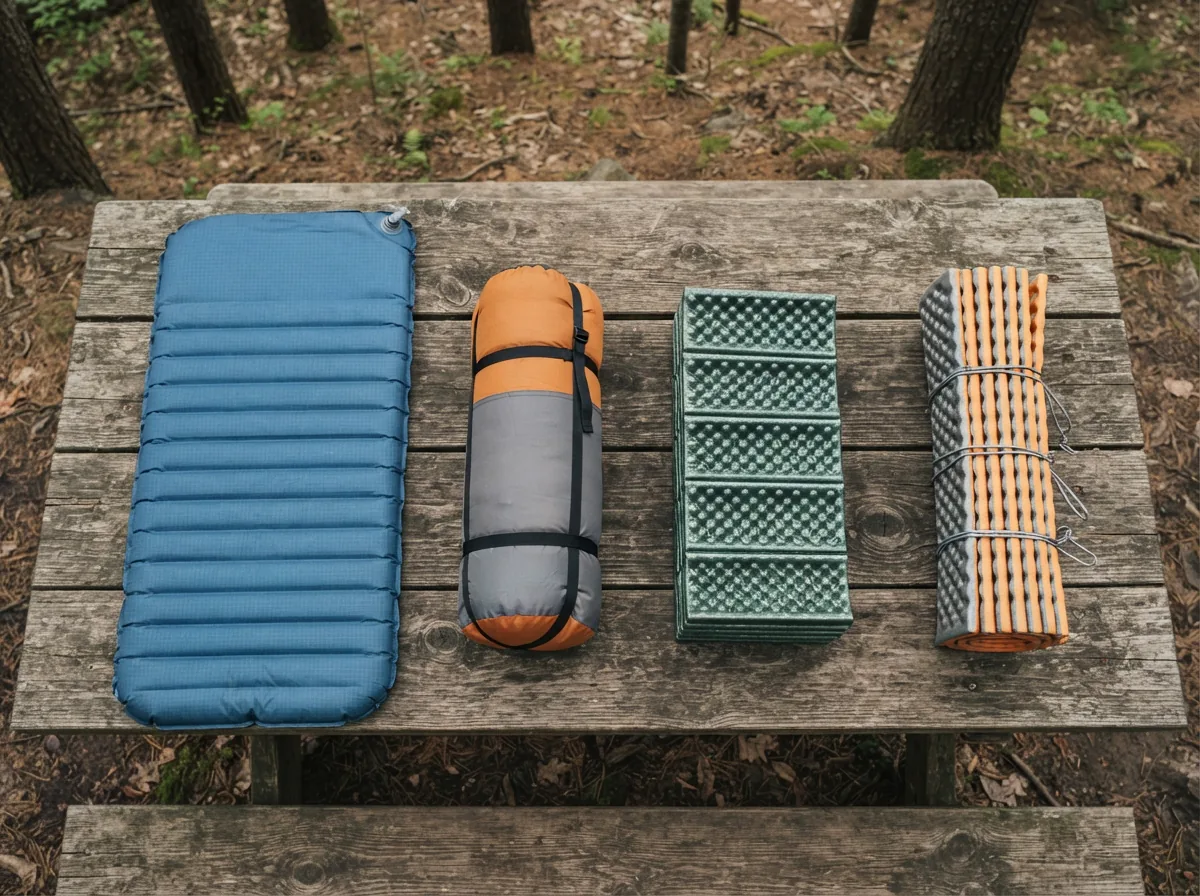
Trip length, sleep style and how you carry the pad matter more than any single feature. Weight and packed size decide comfort on the trail, while thickness and insulation decide how you sleep at camp once the ground cools.

Four factors that decide your sleeping pad

Four sleeping pads of different types laid side by side on a campsite picnic table for comparison
How far you carry the pad

Car campers can accept a heavier, roomier pad because it rides in the trunk. Hikers need weight and packed size under control, or the pad eats into the room left for food and extra layers.

Sleep style and cushion thickness

Side sleepers feel pressure at hips and shoulders, so thicker air or self-inflating pads help. Back sleepers often sleep fine on thinner foam and save weight while doing it.

Ground temperature and insulation

Foam and self-inflating pads add a barrier that slows heat loss to cold ground. Air pads insulate less on their own, so check thickness and plan extra warmth for cool nights.

Setup effort and what can fail

Inflatable pads give the most comfort but need a valve and a few minutes of effort. Foam pads deploy instantly and keep working even when there is nothing left to inflate.

Four pads, four jobs

Match the pad type to your trip

Sleeping pads here fall into inflatable, self-inflating and foam groups. Each trades comfort against weight, pack size and setup effort, so start with how far you carry the pad and how cold the ground gets.
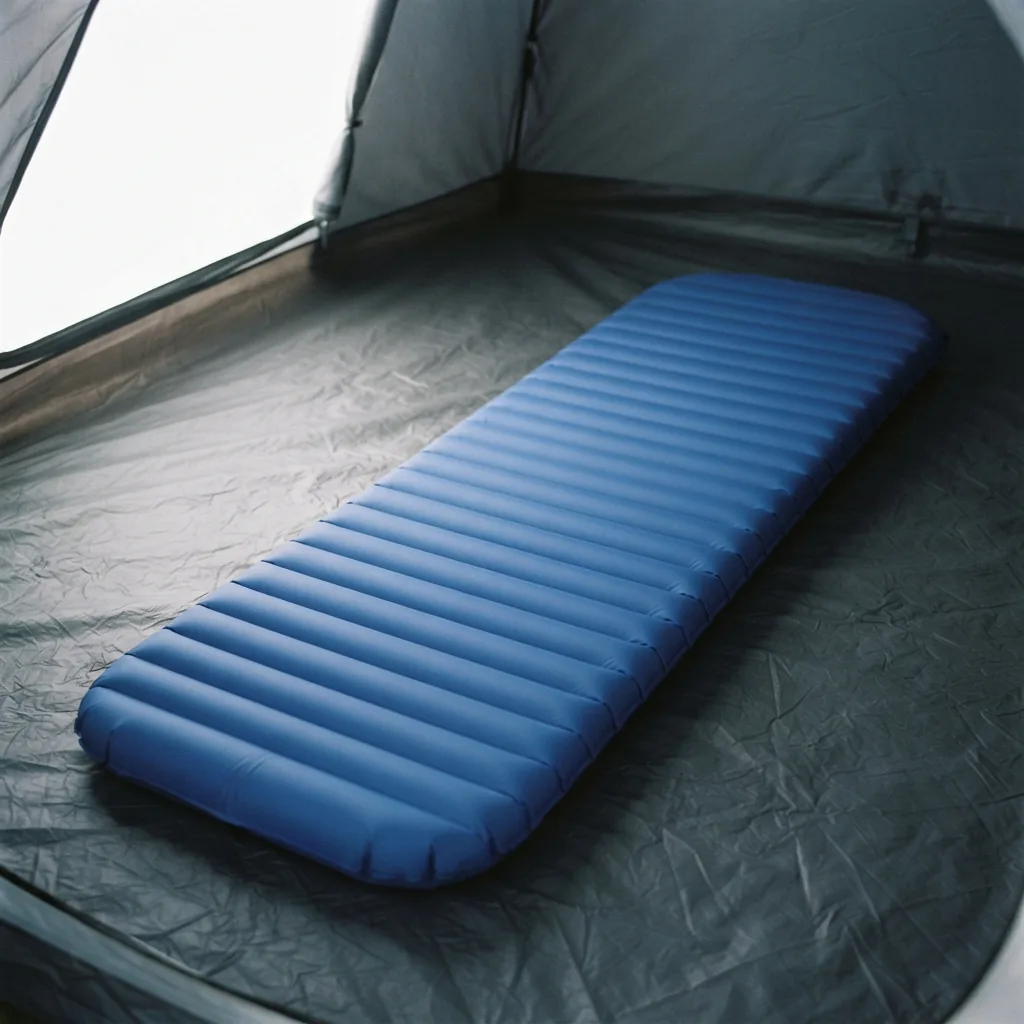
Unbranded blue inflatable camping air pad fully inflated on a tent floor

Inflatable air pads

They pack smallest and give the most cushion, but you spend a few minutes inflating and you rely on the valve staying sealed. Best when the car is close and space in the trunk matters.

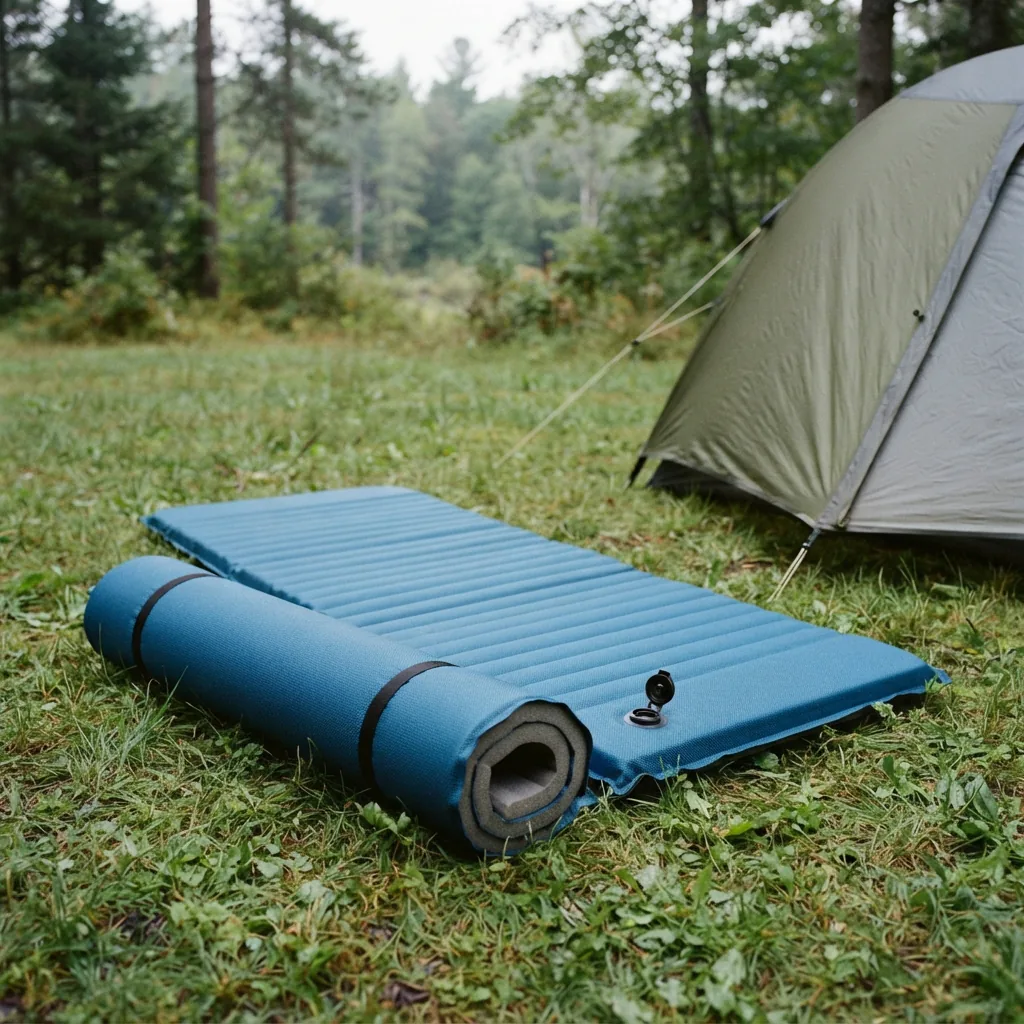
Unbranded self-inflating foam sleeping pad half unrolled on grass beside a tent

Self-inflating pads

A foam core draws in air on its own, so you top it off by mouth instead of pumping. You trade a little extra weight for steady, even cushion that will not go flat overnight.

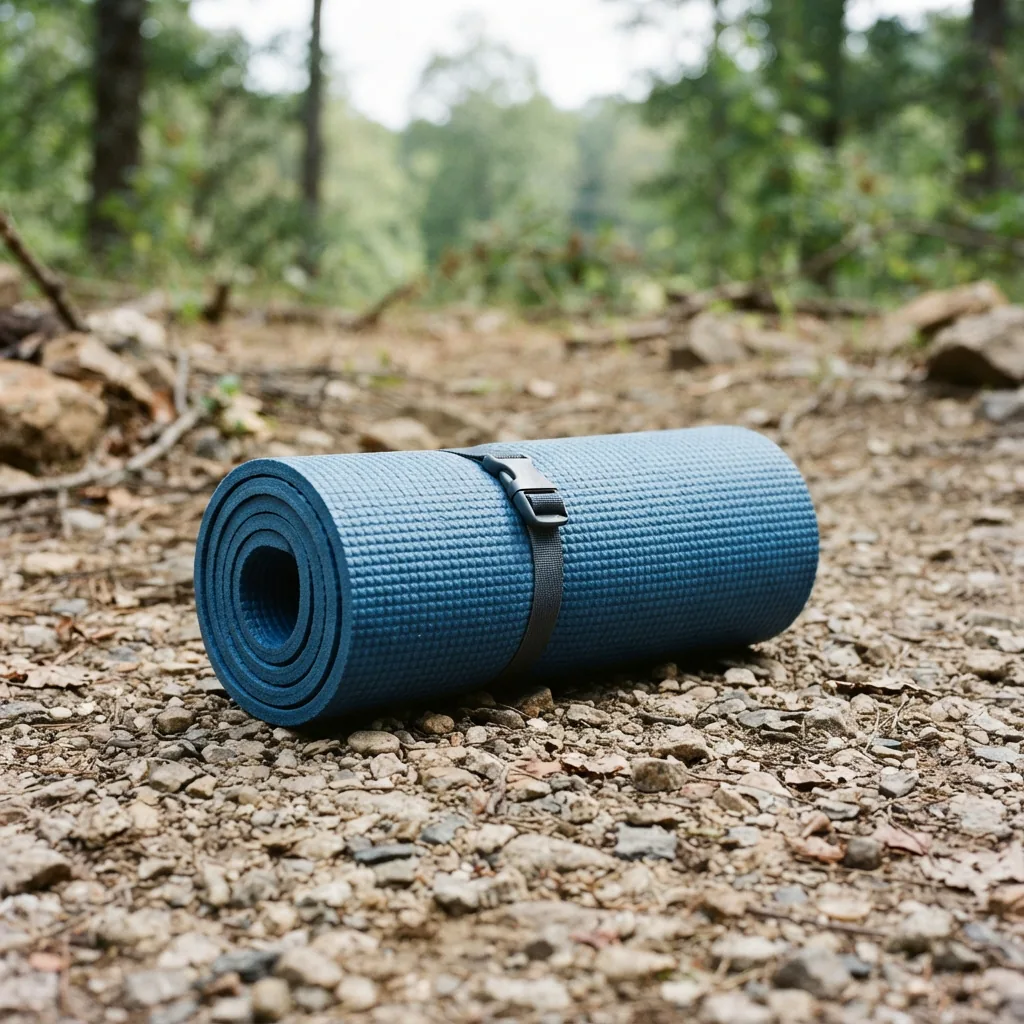
Unbranded foam sleeping pad rolled with a strap on gravel at a campsite

Foam pads that fold or roll

Nothing to inflate and nothing to fail. Foam is light, cheap and quick to deploy, though it is thinner and gives side sleepers less cushion under the hips.

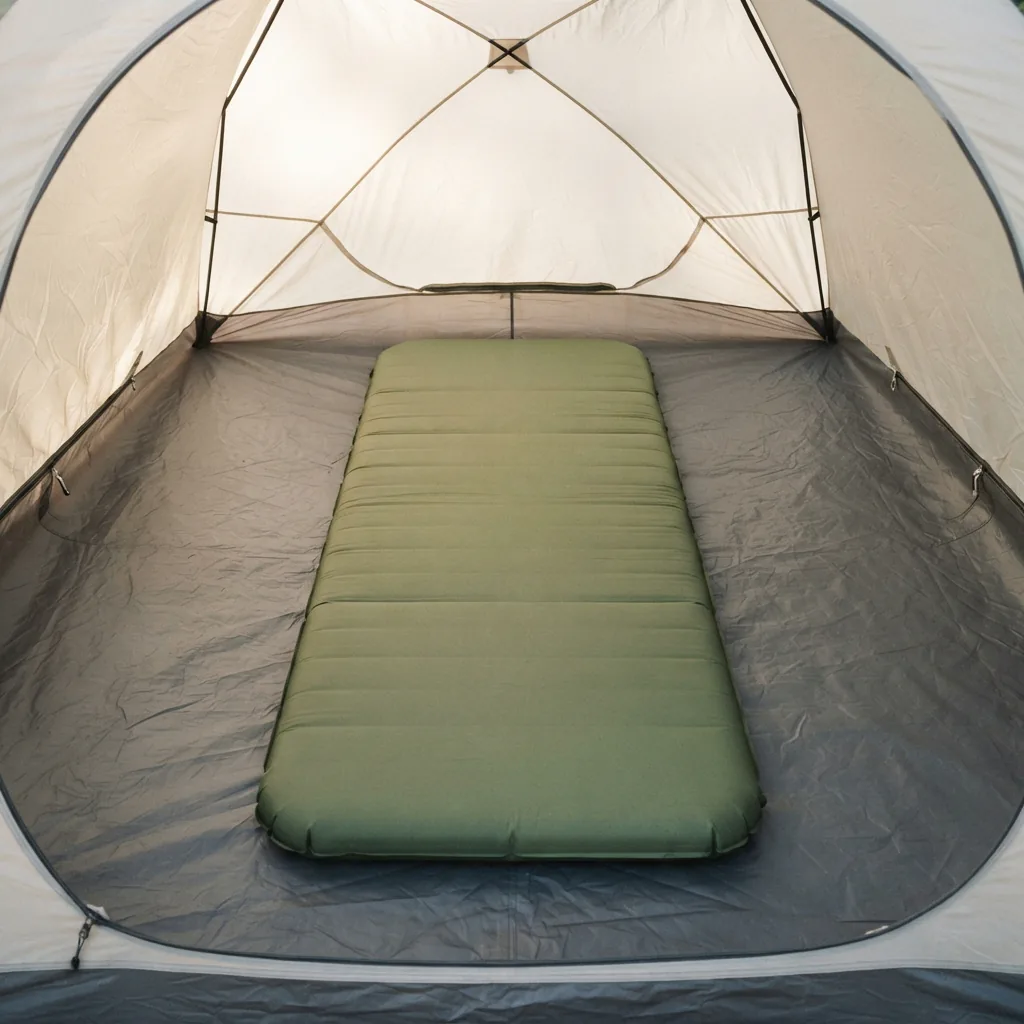
Wide unbranded rectangular sleeping pad laid inside a spacious tent with room on both sides

Wide and oversized pads

Extra width gives restless sleepers room to turn without rolling off, and rectangular shapes cover more tent floor. They pack a little larger and usually cost a bit more.

Campers in their own words

What shopping and sleeping here feels like

These are first-person accounts from shoppers comparing and using pads in this range: what surprised them at setup, where the savings showed up, and which trade-offs they accepted for the trips they actually take.
I spent an evening lining up price, packed size and thickness before I chose, and the plain descriptions made the differences easy to see. I ended up going lighter than I planned, and over a two-night trip it was comfortable enough that I slept through both nights without an ache.
Decorative customer review avatar icon 1
Dana R.
Compared three pads before picking one
Setup was the part I worried about, and it turned out to be the easy bit. Unrolling a pad or opening a valve took a minute, and I had more time to sort dinner than I expected. It did what I needed for a weekend and cost less than I had budgeted for the trip.
Decorative customer review avatar icon 2
Ted W.
First-time camper who wanted simple setup
As a side sleeper I feel thin pads straight away at my hip, so I looked at thickness first and price second. The extra loft made a real difference on hard ground, and I woke up without the shoulder ache I had grown used to on my old pad. Packed size still fit my trunk easily.
Decorative customer review avatar icon 3
Priya S.
Side sleeper checking cushion thickness
I carry my pad a few miles from the car to the trailhead, so weight and packed size decided it for me. I gave up some plush comfort and accepted that going in, but the pad rolled down small and left room for food. For the price I use it several weekends a season without complaints.
Decorative customer review avatar icon 4
Curtis M.
Weight-conscious hiker watching pack space
Questions before you buy

Straight answers on sleeping pad trade-offs

Foam pads need nothing at all: unroll or unfold and you are done. Self-inflating pads do most of the work for you, though you will top them off by mouth for a couple of minutes. Inflatable air pads take the longest and are the ones that depend on a valve staying sealed.
Choose foam if you want low weight, a low price and nothing that can leak; it is thinner, so cushion is modest. Choose inflatable if you value a softer, bed-like night and do not mind inflating it and checking the valve before each trip.
Any pad helps by separating you from cold ground, and thicker pads hold more warm air against you. A half-inch foam sheet reduces chill but will not match a thicker self-inflating pad. If you sleep cold, weigh thickness first and add warm bedding before anything else.
Around 72 to 78 inches long and 20 to 25 inches wide covers most adults, with wider shapes giving side sleepers room to turn. Check dimensions against your height and your tent floor, since a narrow pad leaves elbows and hips on bare ground.
Foam pads fold or roll but keep a fixed bulk, so they are easy to lash outside a pack or slide into a car. Air and self-inflating pads compress much smaller, which matters when gear space is tight, though they need a few minutes of setup at camp.
For short trips and regular weekend use, a value pad is a sensible starting point. Independent coverage of Ozark Trail gear has called the low-cost range a reasonable buy for shorter outings while noting it is less refined than top-end alternatives and may not last as many seasons.
Keep planning the kit

Related camping gear to explore next

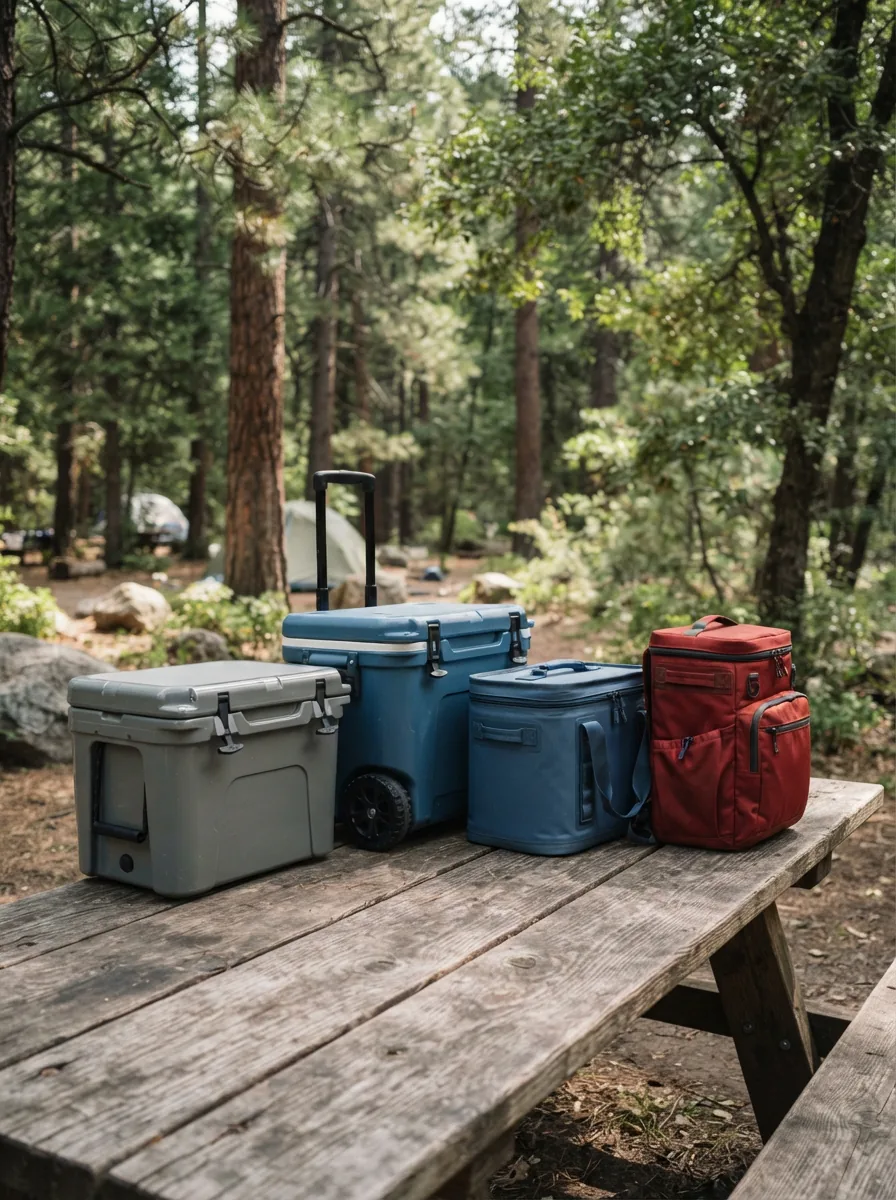
Hard-sided and soft-sided Ozark Trail coolers arranged on a wooden picnic table at a wooded campsite
Admin
Ozark Trail Cooler

Compare Ozark Trail coolers by size, shape and how you carry them, from hard-sided chests that hold ice for a weekend to soft totes and backpack coolers for a day out. Each option below shows capacity, format and the trip it fits best.

A group of Ozark Trail mountain bikes with front suspension parked on a dirt trailhead, a rider comparing frame sizes beside them
Admin
Ozark Trail Bike

Ozark Trail mountain bikes span hardtails and full suspension builds, sized from young riders to tall adults. Compare fit, suspension, wheels and gears to match your trails and your budget.

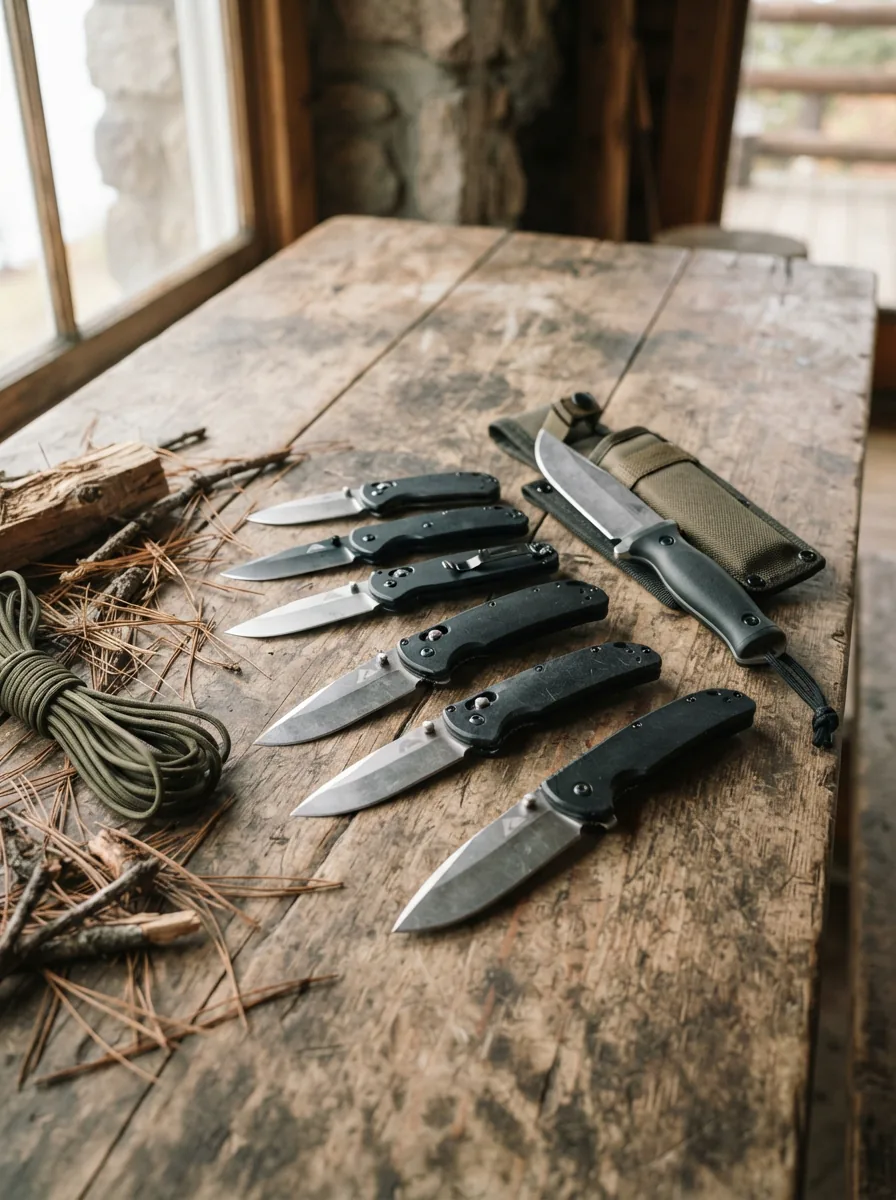
Assorted Ozark Trail folding and fixed blade knives arranged on a rustic wooden camp table
Admin
Ozark Trail Knife

This page lines up Ozark Trail knives so you can compare folding and fixed blades, locks, handles and carry options at a glance. Each pick notes what it handles best, from camp prep to a pocket blade you carry daily.

A row of Ozark Trail camping tents of several sizes pitched on a grassy campground with a family walking between them.
Admin
Ozark Trail Tents

Compare Ozark Trail tents by capacity, setup style, weather coverage and packed weight, from solo backpacking shelters to twelve-person family cabins built for drive-up weekend campsites.