




Ozark Trail Camping Mat

Compare Ozark Trail camping mats and sleeping pads side by side, from simple foam cushions to inflatable and self-inflating options. Each one is built for a fair price, so you can match comfort, packed size and trip length.

Four starting points for your first camping pad

Ozark Trail Camping Pad, Blue — a low-cost cushion for weekend trips and first setups

At $15.46, this basic blue camping pad is the entry point in the group. It gives you a thin layer between you and the tent floor, which helps on short overnight trips and first setups. Expect simple cushioning rather than deep padding, and a price that keeps a spare pad easy to justify.

Ozark Trail Closed Cell Foam Sleeping Pad, Blue, 20 in x 72 in x 0.5 in — firm padding

This closed cell foam pad measures 20 by 72 by 0.5 inches and sells at $15.46, with options reaching $30.92. Foam needs no inflating, so it is ready the moment you unroll it and it will not puncture. The trade-off is a firm sleeping surface and a pad you carry rolled on the outside of a pack.

Ozark Trail Adult Inflatable Camp Sleeping Pad, Blue, 78 in x 25 in x 3.5 in — extra room

Measuring 78 by 25 by 3.5 inches and priced at $31.87, this inflatable pad gives adults more width and lift off the ground. It suits weekend car camping where comfort matters more than packed size. You will need to inflate it yourself, so plan on a pump or a few minutes of breath before bed.

Ozark Trail Foldable Sleeping Pad, Lightweight PE Foam, 72.8 in x 21.65 in — folds small

Foldable and built from lightweight PE foam, this pad measures 72.8 by 21.65 inches and lists at $36.92. It folds down for easy carrying, which helps when you walk to a site rather than park beside it. Foam stays consistent in cold and damp conditions, though cushioning is on the firmer side.

Ozark Trail Self-Inflating Large Rectangular Sleeping Pad — steady cushioning that tops up on its own at camp

This large rectangular pad is self-inflating, so opening the valve lets it take in air on its own and you only top it up by mouth. It lists at $33.48 and suits campers who want real cushioning without managing a separate pump. The rectangular shape gives full coverage, and it rolls back down for the drive home.
Worth a closer look

Value picks and camp-floor comfort options

Ozark Trail Large Rectangular Sleeping Air Pad — roomy air cushion at a marked-down price

Marked down from $30.93 to $24.64, this large rectangular air pad is the value pick of the group. Inflating it gives a soft, even surface with plenty of room to move, which suits couples or anyone who shifts at night. It takes a pump or some breath, and it is worth checking for leaks after a busy season.

Ozark Trail Padded Tent Floor Mat — a soft base layer that keeps the tent floor cleaner

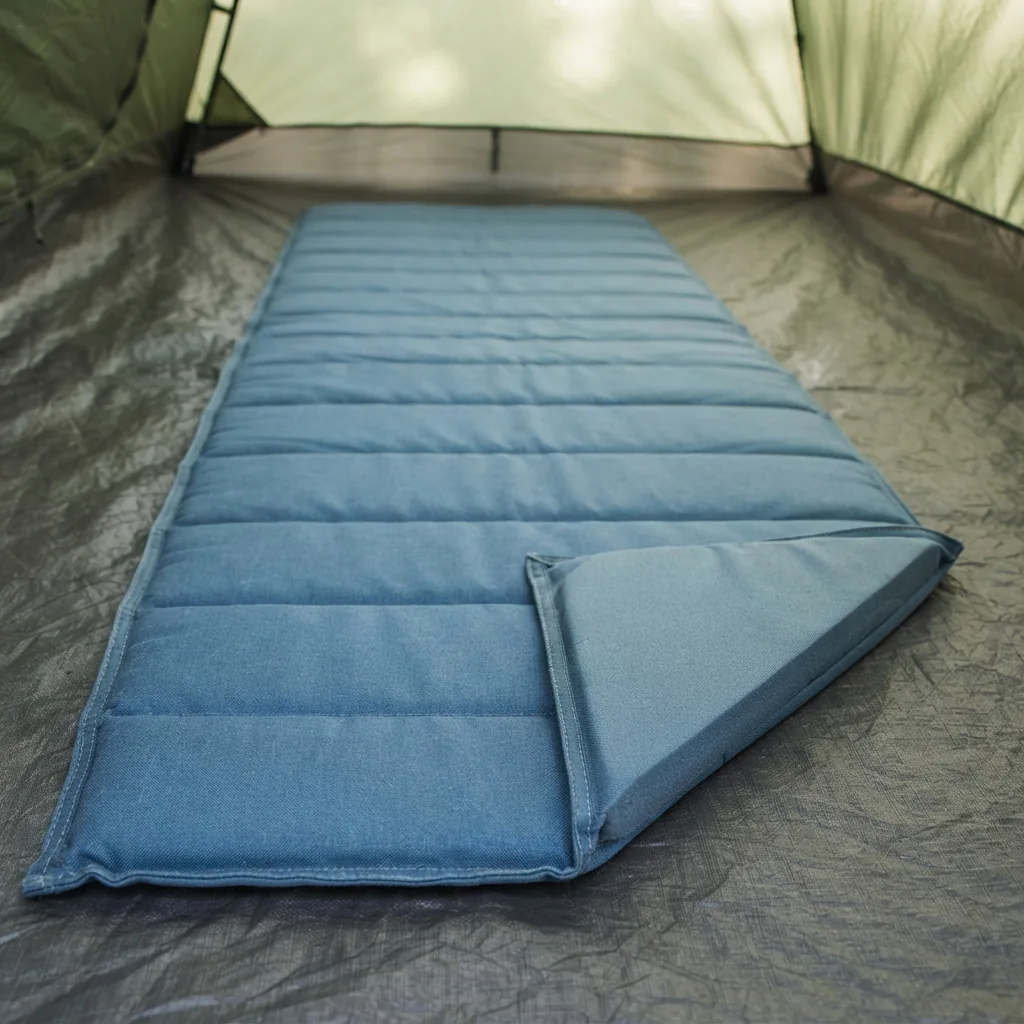
Described as a soft, cushioned layer for the inside of a tent, this floor mat takes the edge off hard ground and helps keep the sleeping area cleaner. It unrolls simply before bed and shakes out in the morning. It is aimed at weekend trips and first setups where comfort matters more than shaving pack weight.

Ozark Trail Basecamp Sitting Mat — a small mat for cooking, kneeling and stretching out

A grab-and-go mat for sitting, kneeling or stretching around camp, this option works at the picnic table, on a damp morning or on a day hike break. It packs down small and dries quickly, so it stays practical in a trunk. Think of it as everyday camp comfort rather than an overnight sleeping surface.
Who it serves

Camping mats for these campsites and tasks

These mats cover a spread of campers, from families driving to a site to solo walkers who need something light. The result to weigh is comfort against weight and setup, and matching the pad to the trip length you actually take.

Weekend car camping comfort

If you drive to your site, packed size matters less than a good night. An inflatable or self-inflating pad gives room and cushion, and a floor mat can cover the rest of the tent for a comfortable base.

Short trips and first setups

For one or two nights away, a simple foam pad keeps cost and setup low. It unrolls in seconds, needs no maintenance and is easy to replace after a few seasons of regular use.

Around-camp seating and tasks

Cooking, kneeling and stretching around camp call for something you can grab quickly. A sitting or floor mat dries fast, wipes clean and lives in the trunk between trips.

Weight, thickness, setup time and price pull against each other here. Foam is light on effort and cost, air pads trade setup work for softness, and self-inflating models sit between. Match the pad to how far you carry it.

Choosing the right mat: thickness, weight and price

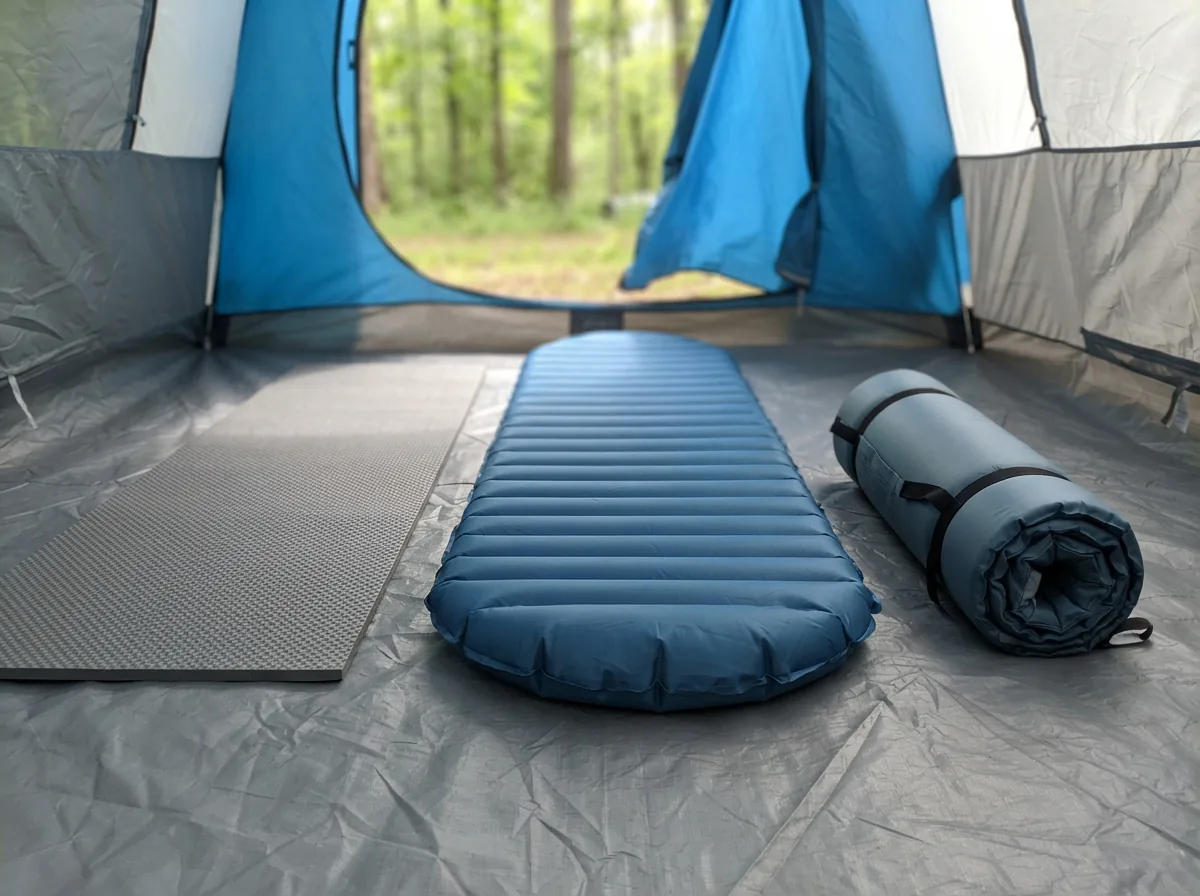
Rolled and unrolled camping mats lined up side by side on a tent floor for comparison
Thickness and cushioning you want

Thicker pads feel better on hard ground but weigh more. Foam gives predictable, modest cushioning, while air and self-inflating pads add loft you can adjust by adding or releasing air.

Weight and packed size on the trail

If you are walking to your site, every ounce counts. Foam pads often strap to the outside of a pack, while inflatable pads pack smaller but need protection from sharp gear inside a bag.

Setup time and inflation method

Foam is ready the moment you unroll it. Inflatable pads need a pump or your breath, and self-inflating pads do most of the work when you open the valve.

Price and how long you expect it to last

Prices here run from about $15 to $37. Spending more adds width, loft or self-inflating convenience, but a basic pad may be all a short trip needs.

Where each mat fits

Four directions to match pad to trip

The category splits into a few clear directions: plain foam, inflatable air pads, self-inflating models and floor mats. Foam favors low cost and durability, air favors softness, and self-inflating sits in the middle.
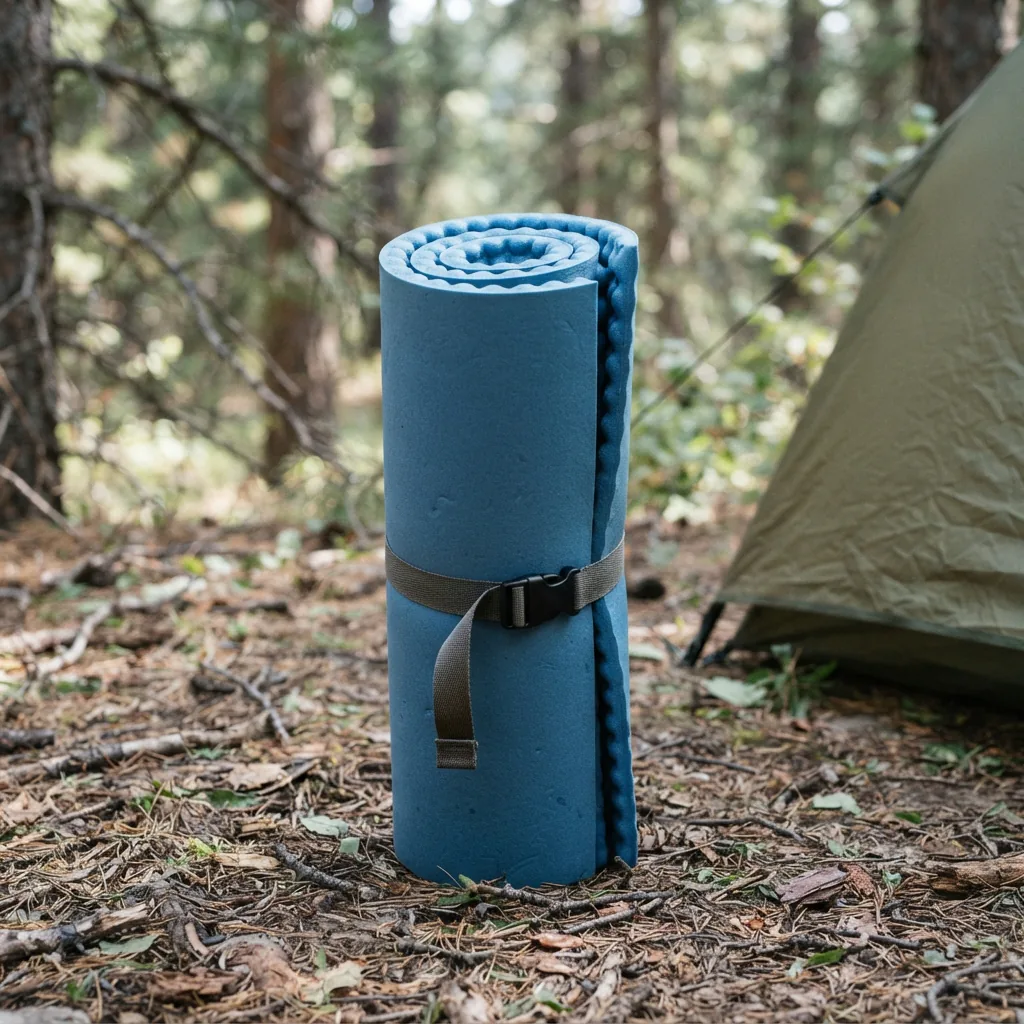
Rolled blue foam sleeping pad standing upright on forest ground beside a tent

Foam pads that need no air

Closed cell and PE foam pads unroll ready to use, resist punctures and shrug off damp ground. They are firm, but they are the simplest and most durable choice for a first setup or a short trip.

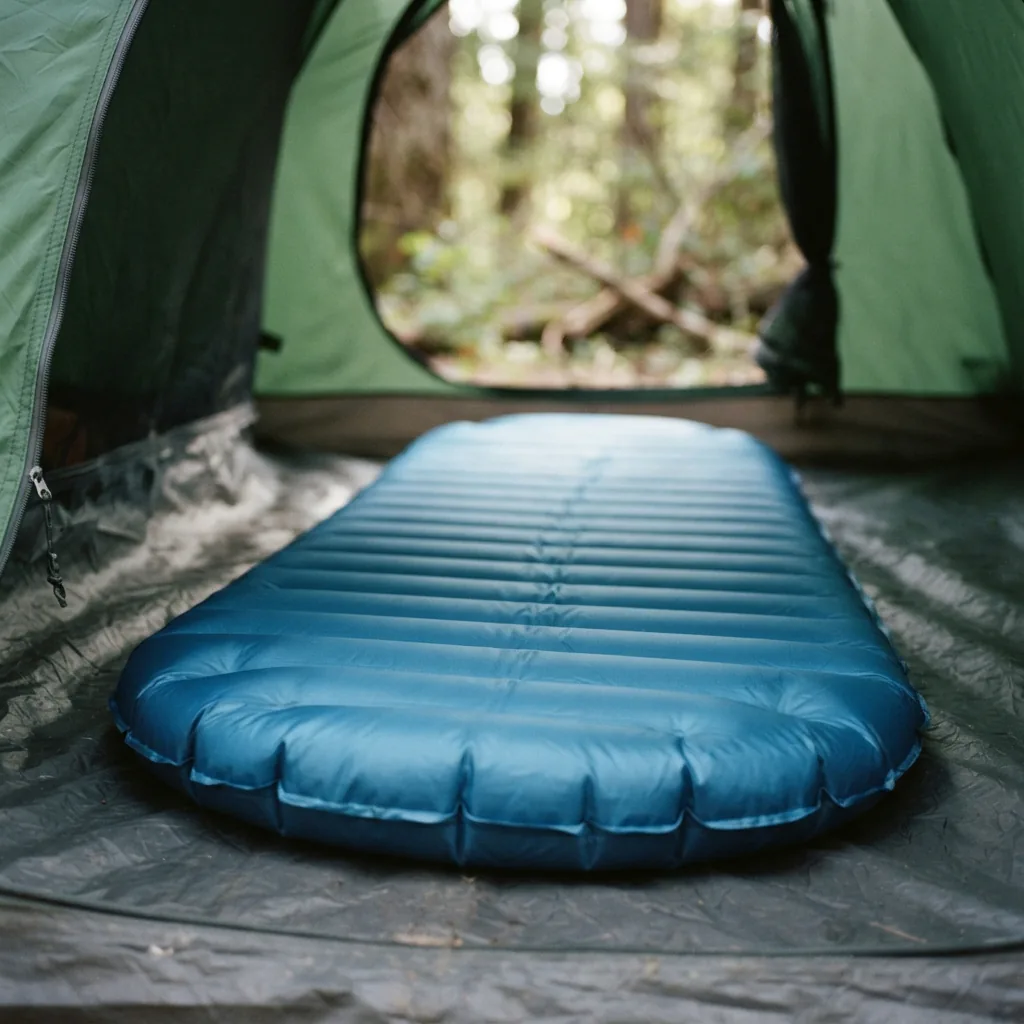
Blue inflatable sleeping pad laid out and lofted on the floor of an open tent

Inflatable pads for car camping

Air pads give the softest night for the money and pack down small once deflated. They add a few minutes of setup and need a pump or breath, which is a fair trade for weekend car campers.

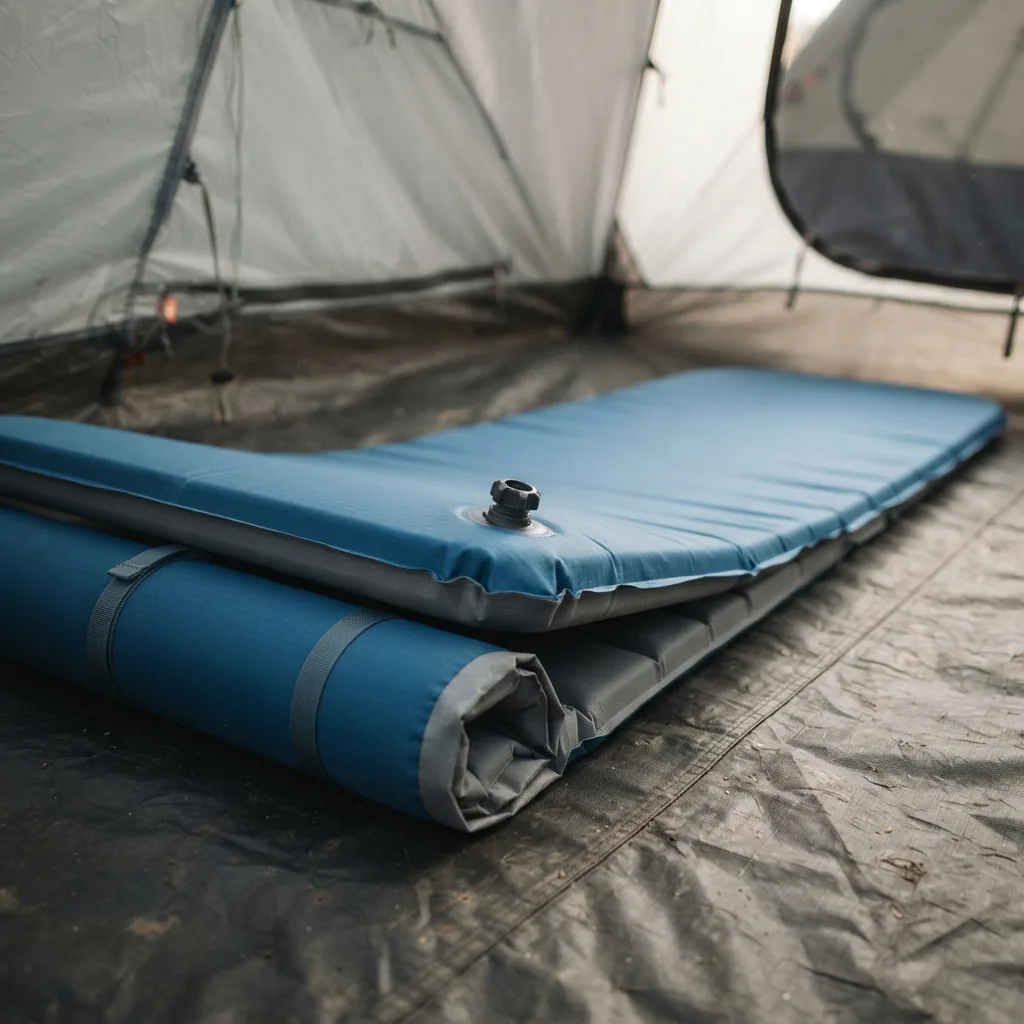
Self-inflating foam sleeping pad partially unrolled on a tent floor with its valve visible

Self-inflating pads

Self-inflating pads combine foam and air, so opening the valve does most of the work. They cost a bit more and weigh more than plain foam, but they save time and effort at the end of a long drive.

Padded camp mat spread on a tent floor with one corner folded back

Floor and sitting mats

Mats made for the tent floor or for sitting around camp add comfort without replacing a sleeping pad. Look at these when you want a cleaner, softer base layer or a seat you can carry one-handed.

From other campers

What shoppers say about camping mats

Shoppers describe unrolling a pad in seconds, carrying a foam roll strapped to a pack and inflating an air pad after a long drive. The recurring feeling is relief that a low price did not mean an uncomfortable night.
I wanted something cheap for a weekend at the lake with the kids. The pad unrolled in seconds, and nobody complained about the ground. It is firm, sure, but for the price I was not expecting plush, and I would buy it again for car camping trips.
Decorative customer review avatar icon 1
Dana R.
Bought a foam pad for a first family trip
My old pad lived inside the pack and took up half the space. Moving to a foam roll on the outside was the easy fix. It is not as soft, but I stopped worrying about punctures, and setup at camp now takes about ten seconds instead of five minutes.
Decorative customer review avatar icon 2
Marcus T.
Swapped a heavy pad for a lighter foam roll
We drive to our sites, so packed size was never a problem. Inflating the pad took a few minutes, and the extra cushioning made a real difference by the third morning. Just keep it away from campfire sparks and sharp gear and it holds up fine.
Decorative customer review avatar icon 3
Priya S.
Car camped on an inflatable pad through summer
I keep a small mat in the trunk for cooking at the table and for breaks on day hikes. It dries fast after a wet morning and shakes out clean. It is not for sleeping, but it made the camp kitchen a more comfortable place to sit for the whole weekend.
Decorative customer review avatar icon 4
Ben H.
Uses a sitting mat for cooking and trail breaks
Choosing and using your pad

Answers on comfort, setup and durability

Foam is the simpler start. It needs no air, will not puncture and costs around $15, so it suits short trips and new setups. Inflatable pads feel softer but add setup time and need care around sharp gear.
Look at the listed dimensions. A pad around 20 inches wide is enough for one adult who sleeps still, while 25 inches gives more room to shift. Lengths near 72 to 78 inches cover most adults.
Mostly. Opening the valve lets foam draw in air on its own, which takes a few minutes. A final top-up by mouth firms the surface, and the process is quicker than inflating a plain air pad by hand.
They are designed for tent floors and camp platforms, where they add comfort and help keep the sleeping area cleaner. Direct ground use is harder on the material and on your night, so a tarp underneath helps.
A pad mostly insulates you from the cold ground rather than adding heat. Thicker air and self-inflating pads keep you further from the surface, which helps when the temperature drops overnight.
Clear dirt before packing, dry pads before storage and check air pads for leaks after trips. Keep foam out of direct sun for long stretches, and a small repair kit is worth adding if you camp often.
More from the campsite

See how these mats fit with the rest of your kit

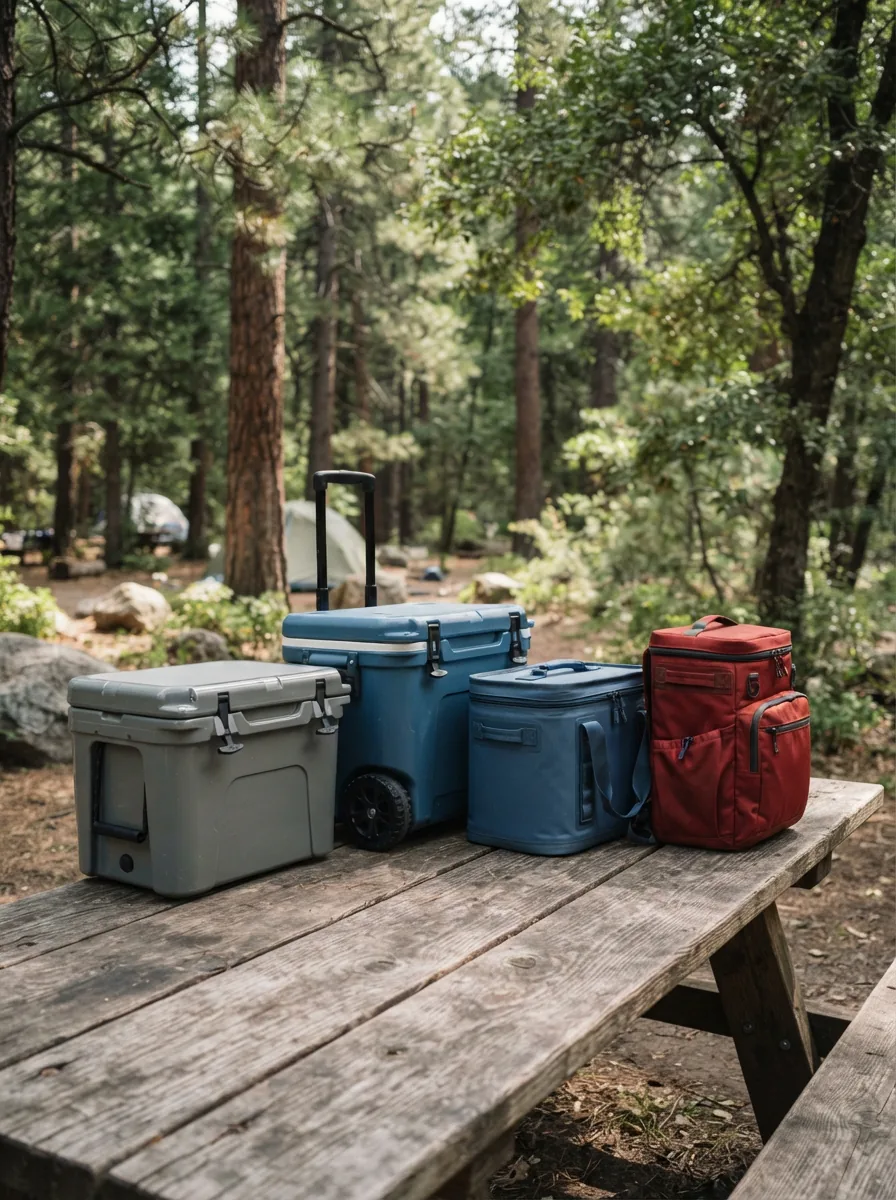
Hard-sided and soft-sided Ozark Trail coolers arranged on a wooden picnic table at a wooded campsite
Admin
Ozark Trail Cooler

Compare Ozark Trail coolers by size, shape and how you carry them, from hard-sided chests that hold ice for a weekend to soft totes and backpack coolers for a day out. Each option below shows capacity, format and the trip it fits best.


A group of Ozark Trail mountain bikes with front suspension parked on a dirt trailhead, a rider comparing frame sizes beside them
Admin
Ozark Trail Bike

Ozark Trail mountain bikes span hardtails and full suspension builds, sized from young riders to tall adults. Compare fit, suspension, wheels and gears to match your trails and your budget.

Assorted Ozark Trail folding and fixed blade knives arranged on a rustic wooden camp table
Admin
Ozark Trail Knife

This page lines up Ozark Trail knives so you can compare folding and fixed blades, locks, handles and carry options at a glance. Each pick notes what it handles best, from camp prep to a pocket blade you carry daily.

A row of Ozark Trail camping tents of several sizes pitched on a grassy campground with a family walking between them.
Admin
Ozark Trail Tents

Compare Ozark Trail tents by capacity, setup style, weather coverage and packed weight, from solo backpacking shelters to twelve-person family cabins built for drive-up weekend campsites.