



Ozark Trail Hiking Backpack

Compare Ozark Trail hiking backpacks by capacity, strap comfort and trip length, from compact 10-liter day packs to 65-liter haulers, so you match the pack to your outing instead of paying for features you will not use.

Four packs chosen for day hikes and short overnights

Ozark Trail 55+5L Hiking Backpack Black/Tan Hydration Compatible for long weekend trails

At 55 liters with a 5-liter extension, this pack gives multi-day hikers room to separate overnight gear from daytime layers. Hydration compatibility lets you sip on the move, and padded shoulder straps keep the load comfortable when the trail stretches into a few hours of steady walking.

Ozark Trail 45L Montpelier Technical Hiking Backpack Dark Gray Durable Nylon built for hard weekends

Built with heavy-duty construction, the 45-liter Montpelier sits in the middle of the range, big enough for a night of camping yet still manageable on a day hike. The durable nylon body shrugs off scuffs on rocky trails, so one pack can cover both hiking and camping.

Ozark Trail 65L Hiking Daypack Backpack Black/Blue Nylon Zip Padded Straps for a full camp load

With a padded hip belt and fully adjustable straps, this 65-liter pack is the option to reach for when you need to haul a full load. The belt moves weight off your shoulders, which is often the difference between a long approach feeling manageable or exhausting by the end.

Ozark Trail 36L Hiking Pack Backpack Gray Blue With Padded Waist Strap for day-hike comfort

Light on its own and easy to dial in, the 36-liter pack carries a day’s worth of layers, water and lunch without dragging you down. Adjustable padded straps and a padded waist strap let you set the fit once, then forget about it for the rest of the hike.

Ozark Trail 15L Hiking Daypack Backpack Orange/Gray Zip Chest & Waist Straps for steady day hikes

At 15 liters, this daypack is sized for a few hours outside rather than an overnight. The zip closure keeps small items secure, while chest and waist straps steady the pack on a faster descent. It fits a light layer, snacks and water without bouncing, and the orange and gray fabric stays easy to spot on the trail.
More crowd favorites

Three more packs worth comparing by trip length

Ozark Trail 10L Gray Day Pack Hiking Backpack Polyester Zip 2 Pockets for light short trips

Two zippered pockets and a slim 10-liter body make this the pack you grab for a short walk to a viewpoint. It holds water, a snack and a light layer, and the polyester build stays light enough that you barely notice it once you start moving uphill.

Ozark Trail 25L Adult/Teen Hiking Backpack sized for growing hikers on a first overnight

At 25 liters, this polyester pack covers the middle ground between a small day bag and a big hauler, which makes it a practical shared choice for adults and teens. It has room for a jacket, lunch and water on a longer day without feeling oversized on a smaller frame.

Ozark Trail Himont 55L Multi-Day Travel Backpack Navy Blue with room for a full weekend

The Himont’s spacious 55-liter body is built for extended hikes and travel legs where several days of clothing and gear need to fit. Adjustable straps let taller and shorter hikers share the same pack, and the navy blue finish keeps trail dust from showing after a long weekend.
Who these packs suit

Trips and tasks these packs handle well

These packs cover solo walks, family camping and short overnights where you need a dependable load without a premium price. Think about how far you walk, how much gear you carry and how often you go, then match the size to that pattern.

First-time backpackers getting outfitted

If this is your first pack, a mid-size option gives you room to grow without a heavy price tag. Try it around the yard before a real trail so you learn how the straps should sit and what you actually end up carrying.

Day hikers covering a few hours outside

For morning hikes that end by early afternoon, a smaller pack keeps you moving. Bring water, a snack and a light layer, and leave the extra volume at home instead of hauling an empty compartment up the hill.

Weekend campers hauling a full load

When you need gear for a night or two, capacity matters more than weight. A larger pack with a hip belt lets you carry the tent, food and spare clothes in one trip instead of making two runs back to the car.

Capacity decides how much you can carry, strap padding decides how it feels after two hours, and hip belts decide whether the load stays put. Weigh trip length first, then comfort features, then pocket access.

Match capacity, comfort and trip length to your plans

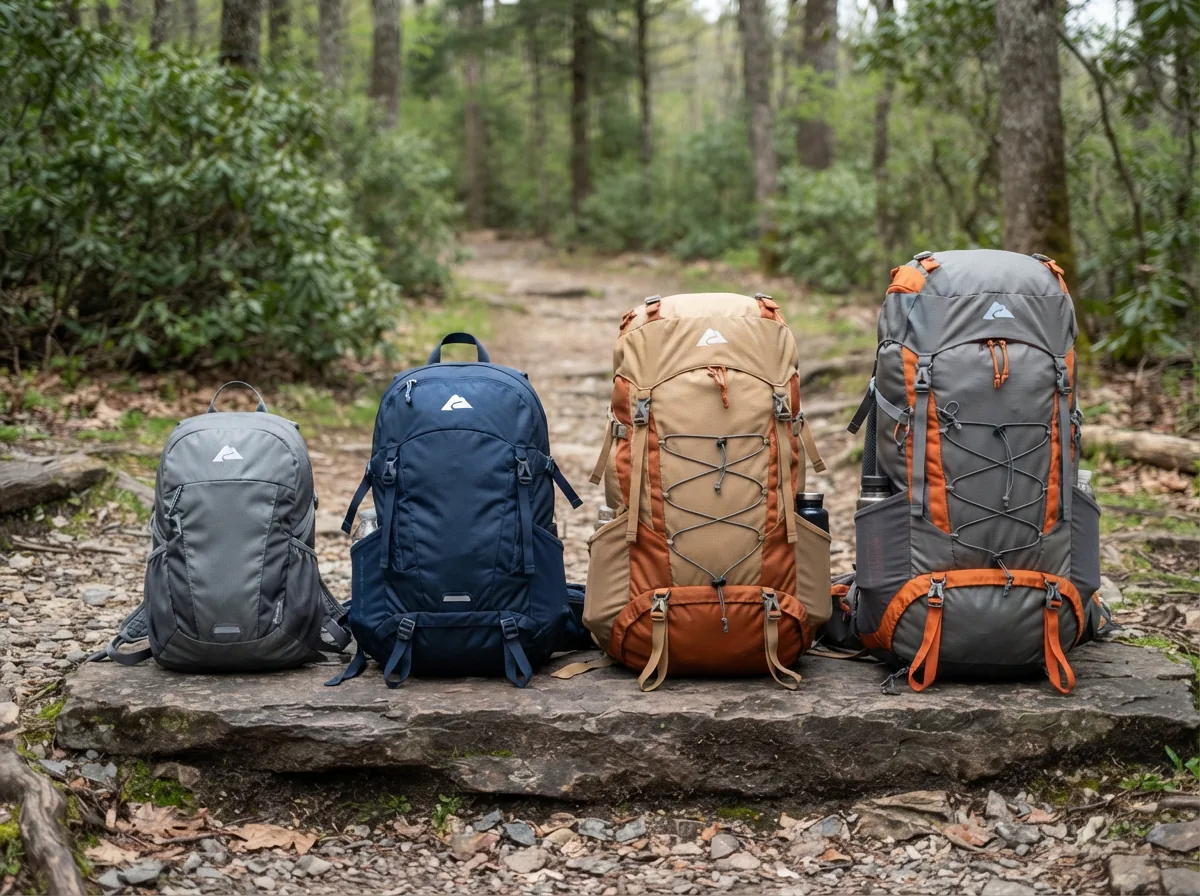
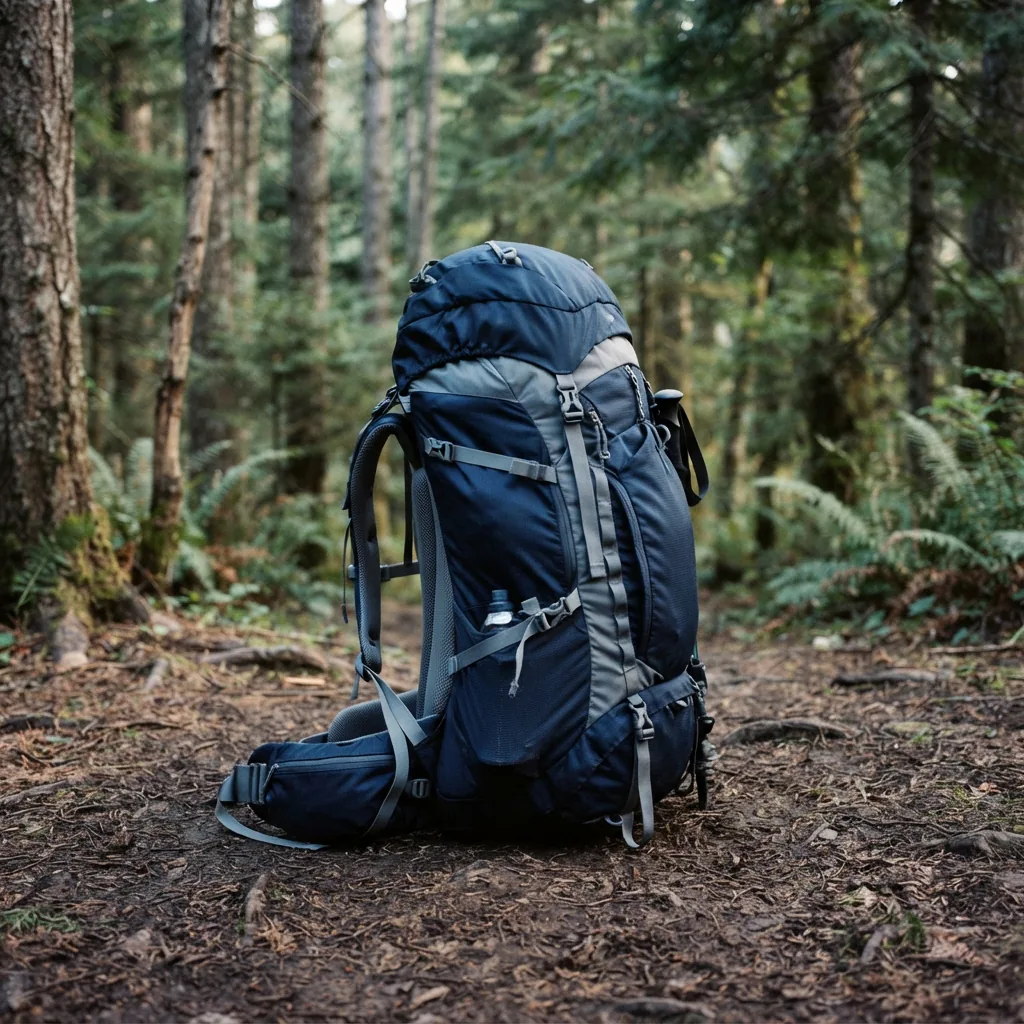
Four Ozark Trail hiking backpacks of different capacities lined up for comparison on a flat rock slab at a trailhead
Capacity sets your ceiling first

A 10-liter pack holds water and a snack, while a 65-liter hauler carries a sleeping bag and camp gear. Pick the size your longest realistic trip needs, not the biggest number on the shelf.

Strap padding shapes comfort over distance

Padded shoulder straps spread weight across a long approach. Thicker padding helps when you are new to carrying a pack or your route has a steady climb that adds up mile after mile.

Hip belts keep the load steady

A padded hip belt shifts weight off your shoulders and onto your hips, which matters most on multi-day hikes where a bouncing pack wears you down faster than the distance does.

Pockets and hydration access add convenience

Zippered pockets keep keys and snacks within reach, and hydration compatibility lets you sip without stopping. Both help on quick hikes where you would rather keep moving than dig around.

Choose by trip size

Four ways to sort the pack lineup

Capacity is the clearest split: a 10-liter pack covers a short walk, while a 65-liter hauler carries gear for a full night out. After that, look at strap padding, hip belts and pocket layout to tell one direction from another.
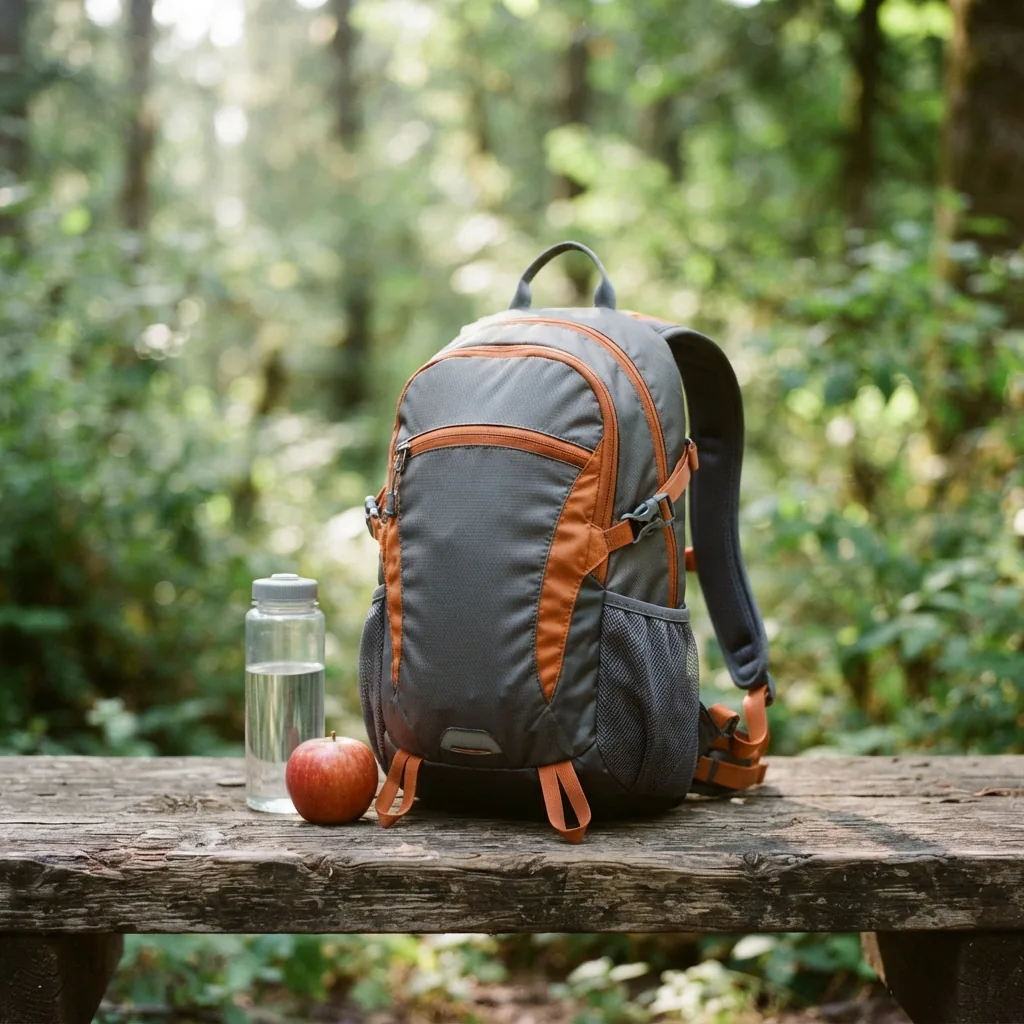
Small 10-liter hiking backpack standing open beside a water bottle and snack on a trailhead bench

Compact day packs, 10 to 15 liters

Under 16 liters, these carry water, a snack and a shell on walks that end by lunch. The lighter weight means less to manage, and the small body keeps you from over-packing for an outing that does not need much.

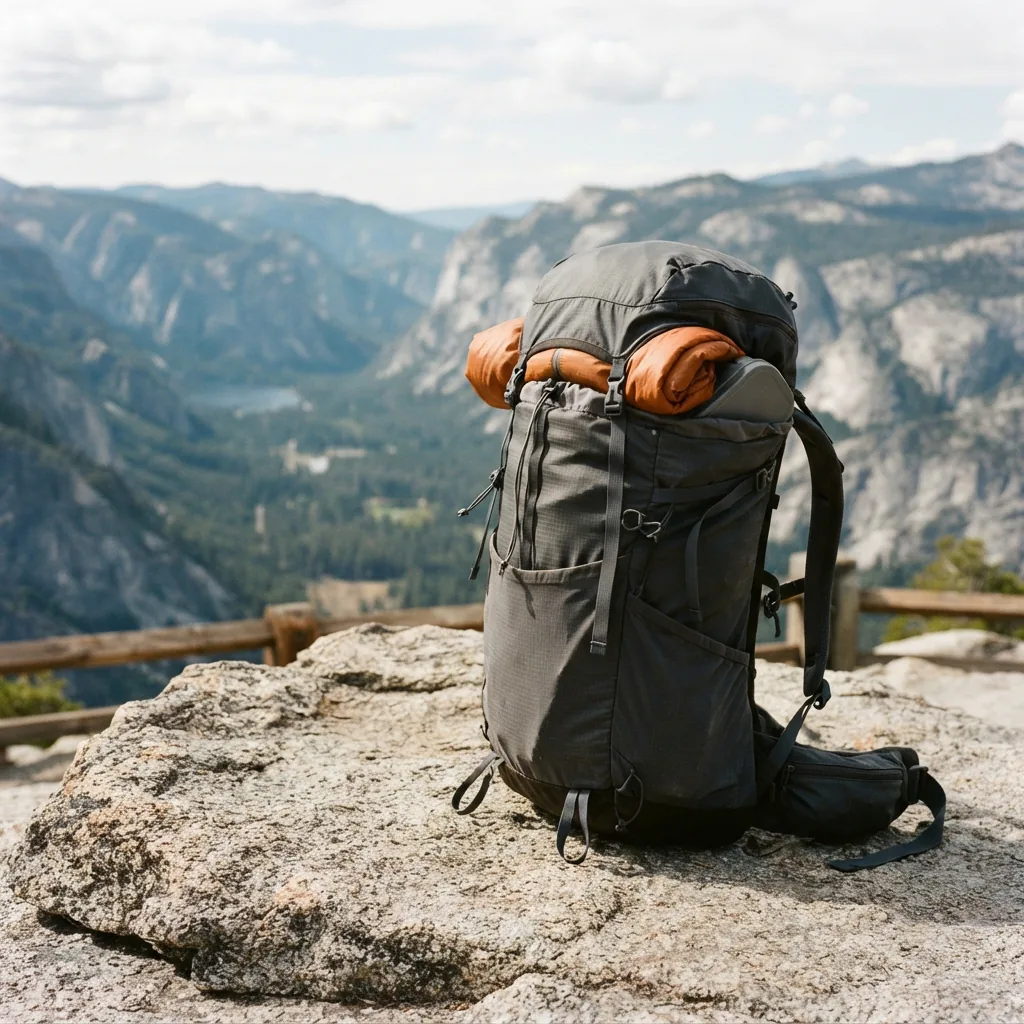
Mid-size hiking backpack loaded with a lunch container and rolled jacket on a rocky overlook

Mid-size packs, 25 to 45 liters

From 25 to 45 liters you gain room for extra layers, a lunch and a camera while staying nimble on the trail. This is the size most day hikers settle on once a smaller bag starts feeling too tight.

Large multi-day hiking backpack with a padded hip belt standing on the ground at a forest campsite

Multi-day haulers, 55 to 65 liters

At 55 liters and up, packs add volume for a sleeping bag, camp stove and a second day of clothes. Look for a padded hip belt in this range, because the extra weight needs a place to sit on your hips.

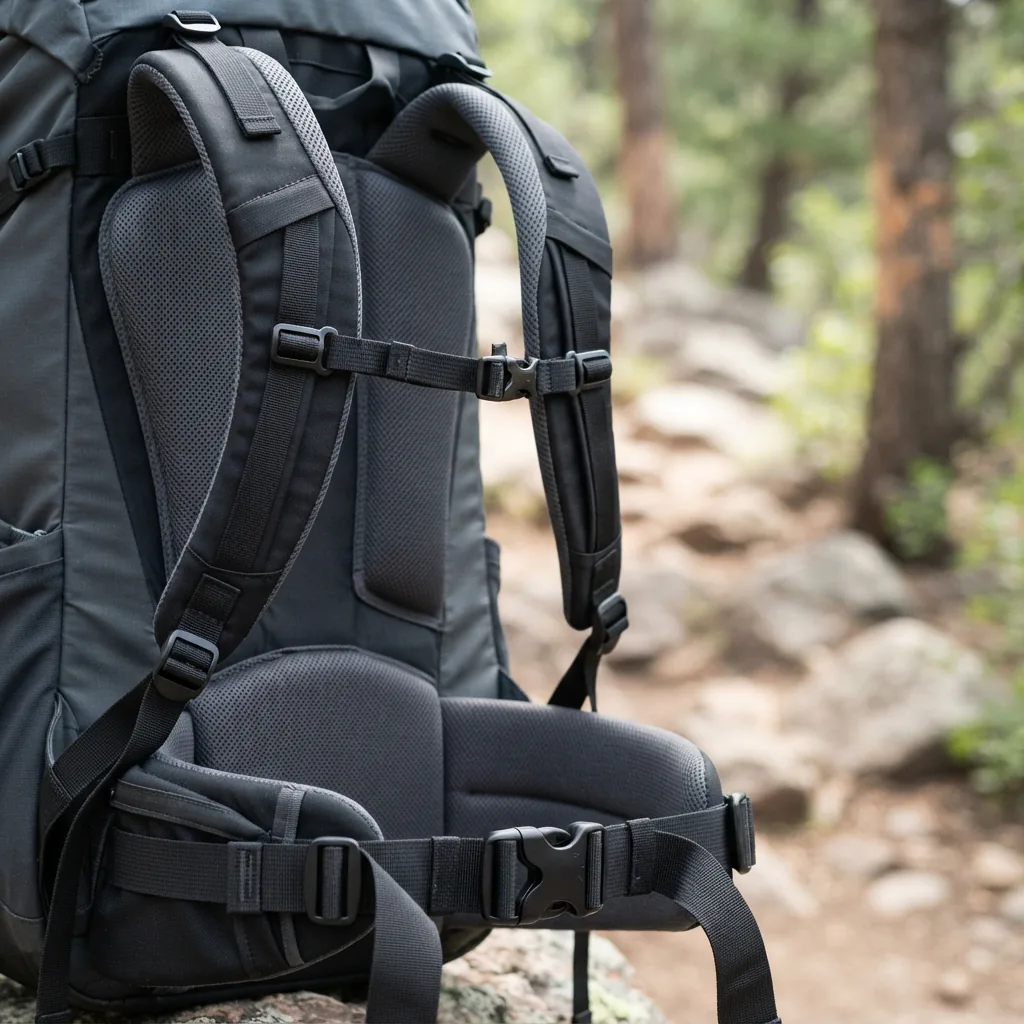
Close view of a hiking backpack harness with padded shoulder straps, sternum strap and hip belt

Straps, hip belts and load control

Once capacity fits, check the harness. Padded shoulder straps, an adjustable sternum strap and a hip belt decide whether the load feels steady or keeps shifting as you walk downhill.

What shoppers say

First-hand notes from weekend trail use

These notes come from shoppers who bought packs for weekend hikes, family camping and first setups. Expect plain detail on comfort, pockets and how the gear felt after a long day, along with the limits that come with a lower price.
I wanted a pack that would last a few seasons without costing a lot. The bag handled a rainy weekend and dried quickly, and I liked having enough room for a jacket and lunch. It is not the lightest option, but for the price I stopped worrying about scratching it on rocks.
Decorative customer review avatar icon 1
Dana R.
Weekend car camper buying her first pack
Two hours in, the padded straps still felt fine and the waist strap kept the pack from swinging when I picked up the pace. I filled it with water and a thermos and forgot it was there. The instructions were plain and useful instead of full of marketing claims.
Decorative customer review avatar icon 2
Marcus T.
Day hiker working local ridge trails
We outfit two kids and ourselves for camping, so price mattered more than a brand name. The zippers still run smoothly after a season of being stuffed full, and the pockets are deep enough that nothing fell out on the trail. I would buy again for a first setup.
Decorative customer review avatar icon 3
Priya S.
Family camper outfitting on a budget
For one-night trips I pack light, and this range let me pick a size instead of settling for whatever was on the shelf. The hip belt takes the edge off after the first mile, though the finish is less refined than pricier gear I borrowed from a friend. It got me out the door.
Decorative customer review avatar icon 4
Ben H.
Casual backpacker planning short overnights
Questions before you buy

Straight answers on fit, capacity and care

Start with your longest realistic trip. A 10 to 15 liter pack suits walks that end by lunch, 25 to 45 liters handles a full day with extra layers, and 55 liters and up covers an overnight. Buying for a bigger trip than you usually take means carrying empty space every weekend.
Beginners usually do well with a mid-size pack in the 25 to 45 liter range. It leaves room for water, food, a jacket and a first-aid kit without so much volume that you over-pack. Fill it at home first so you learn how the straps should sit on your shoulders.
Hydration compatibility means the pack has a sleeve and port for a water bladder, so you sip while moving instead of stopping to open a bottle. It is a helpful extra on longer days, though a plain pack works fine if you prefer a bottle in an outer pocket.
For a few hours on easy ground, chest straps alone are often enough to keep things steady. A padded hip belt earns its keep once your pack gets heavier or your hike runs long, because it moves weight off your shoulders. Treat it as a priority if multi-day trips are coming.
Ozark Trail gear is value-focused rather than premium specialist equipment, so expect it to serve short trips and regular weekend use well. Independent reviews judge it a reasonable buy for the price while noting it is less refined than top-end gear and will not last as many years.
Weight matters, but it should not outrank fit. A lighter pack with straps that do not suit your torso will feel worse than a slightly heavier one that sits well. Compare weight only after you have narrowed the choice by capacity and harness comfort.
Keep exploring

More trail gear to pair with your pack

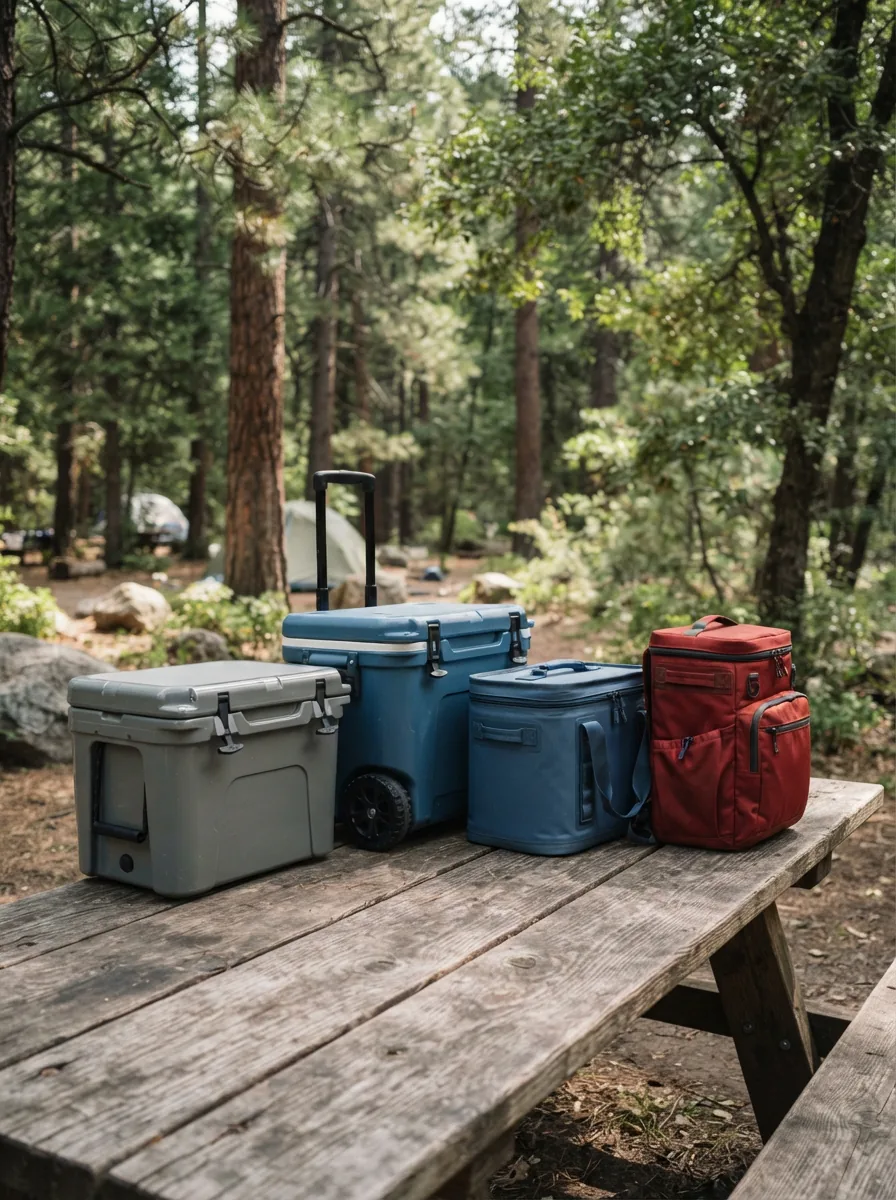
Hard-sided and soft-sided Ozark Trail coolers arranged on a wooden picnic table at a wooded campsite
Admin
Ozark Trail Cooler

Compare Ozark Trail coolers by size, shape and how you carry them, from hard-sided chests that hold ice for a weekend to soft totes and backpack coolers for a day out. Each option below shows capacity, format and the trip it fits best.
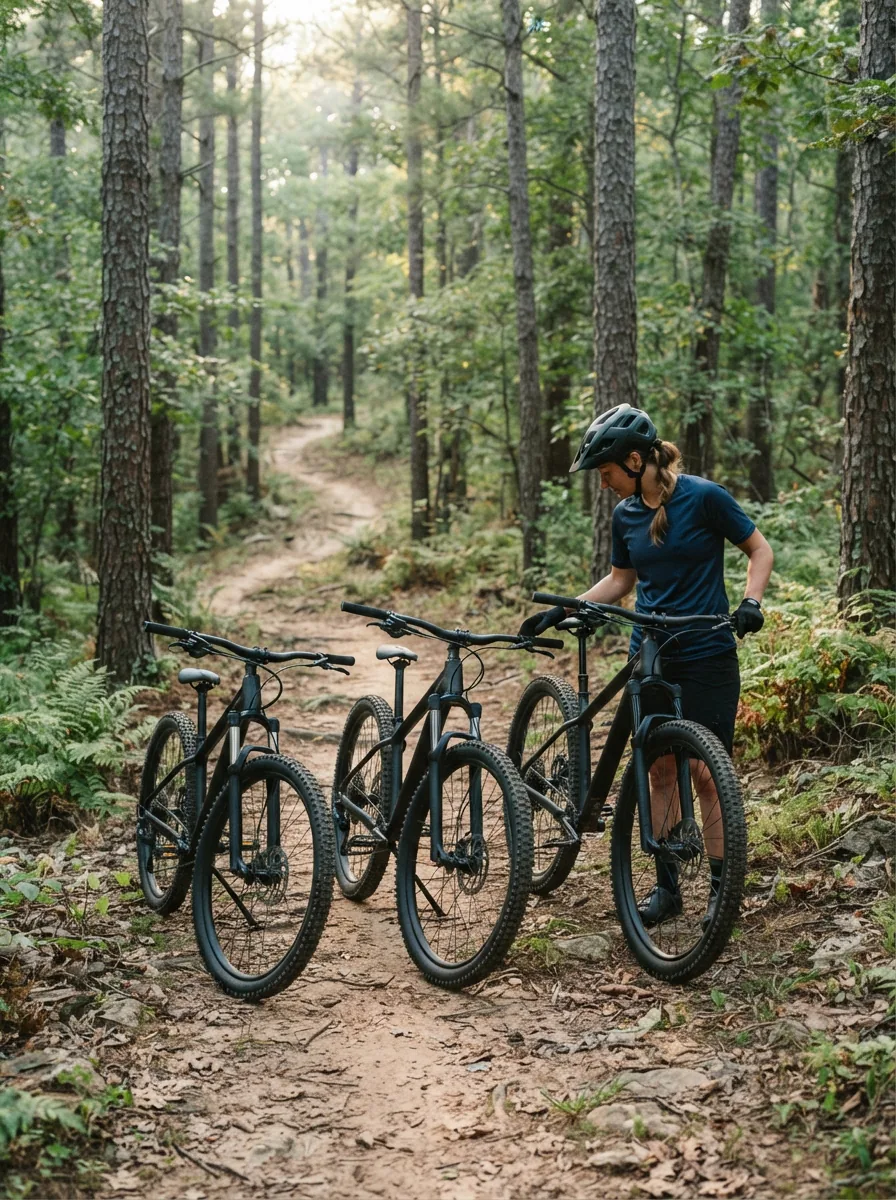
A group of Ozark Trail mountain bikes with front suspension parked on a dirt trailhead, a rider comparing frame sizes beside them
Admin
Ozark Trail Bike

Ozark Trail mountain bikes span hardtails and full suspension builds, sized from young riders to tall adults. Compare fit, suspension, wheels and gears to match your trails and your budget.

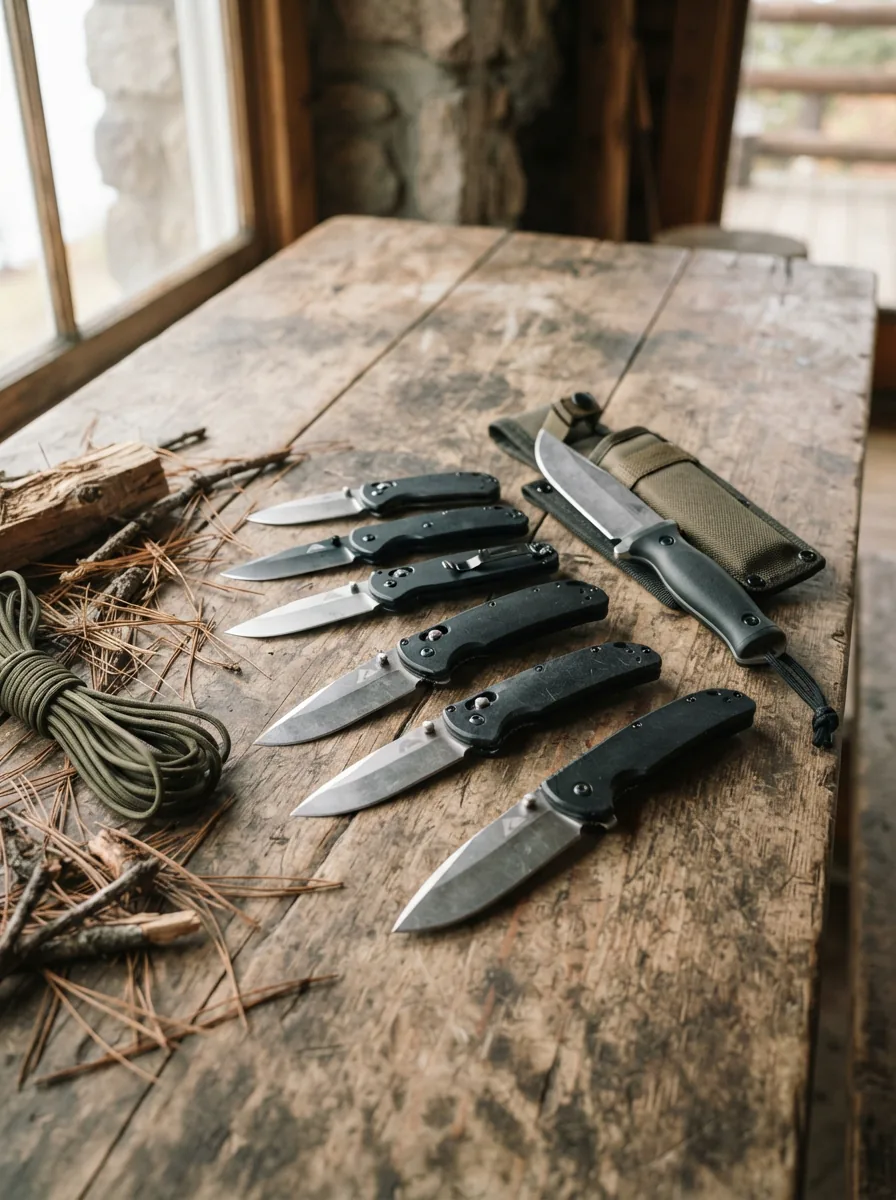
Assorted Ozark Trail folding and fixed blade knives arranged on a rustic wooden camp table
Admin
Ozark Trail Knife

This page lines up Ozark Trail knives so you can compare folding and fixed blades, locks, handles and carry options at a glance. Each pick notes what it handles best, from camp prep to a pocket blade you carry daily.

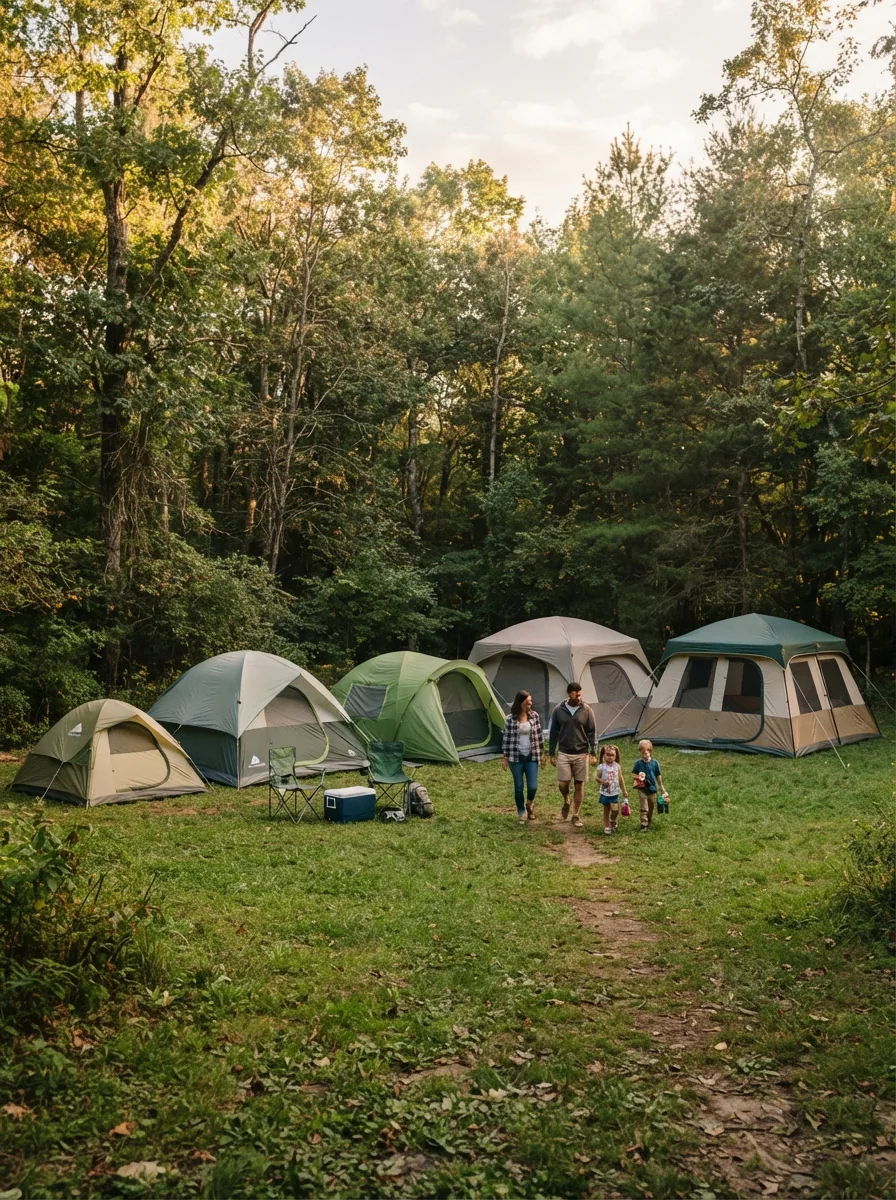
A row of Ozark Trail camping tents of several sizes pitched on a grassy campground with a family walking between them.
Admin
Ozark Trail Tents

Compare Ozark Trail tents by capacity, setup style, weather coverage and packed weight, from solo backpacking shelters to twelve-person family cabins built for drive-up weekend campsites.