
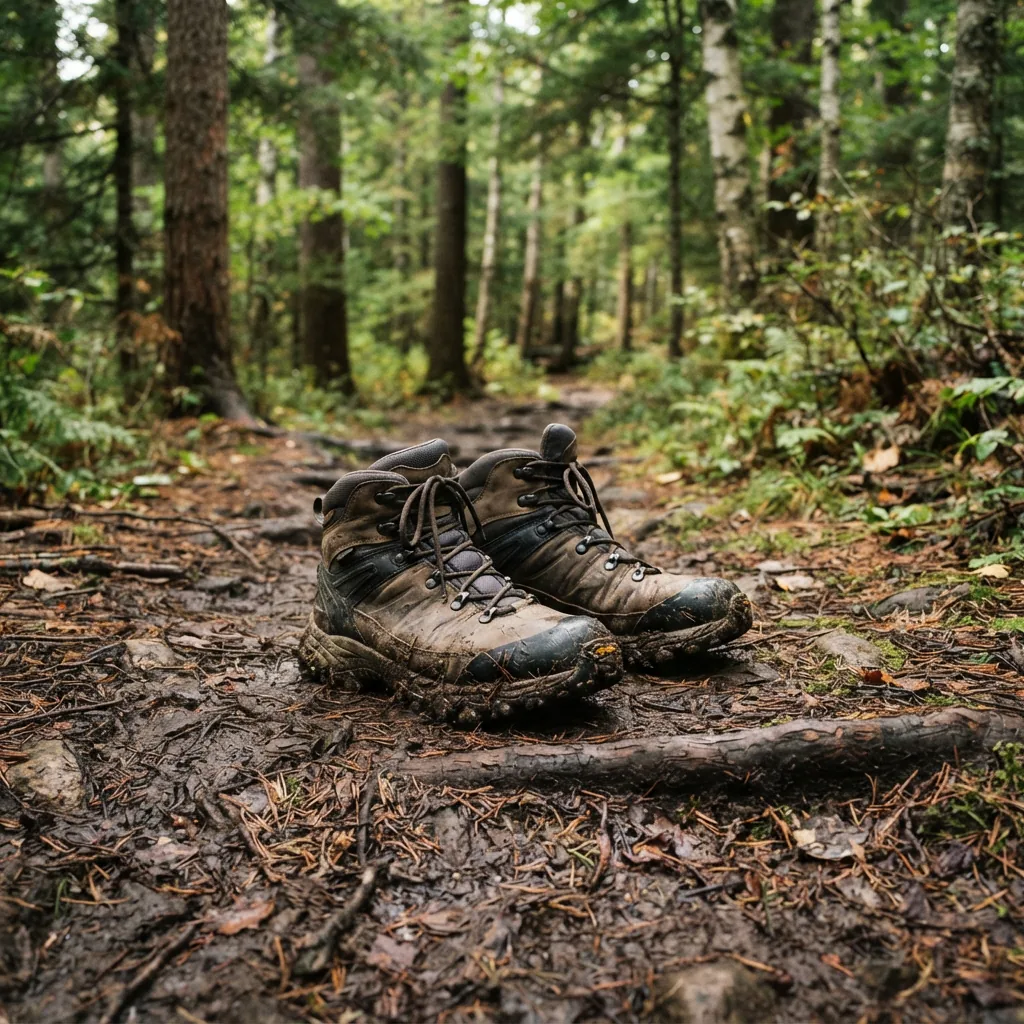





Ozark Trail Snow Boots

This collection covers Ozark Trail boots for cold days, wet snow and muddy trails. Compare pull-on styles, insulated lace-ups, duck boots and trail footwear side by side to find the pair that fits your winter errands or first hiking season.

Four best sellers that cover most winter days

Men's Chelsea Snow Boots — Pull-On Style for Quick Winter Errands and Driveway Duty

A best seller, and for a clear reason: pull-on chelsea boots get you out the door fast. Stretch side panels replace laces, so there is nothing to fuss with while your hands are gloved and full. Best for dry, cold mornings, driveway shoveling and short errands where easy on and off beats deep insulation.

Men's Lace Up 400G Snow Boot — Extra Insulation for Long Days in Deep Cold

The 400G rating is the point of this boot. It packs more insulation for stretches of genuinely cold weather, and the lace-up build lets you cinch a close fit over thick socks so snow stays out at the ankle. Choose it when the day is spent outdoors rather than dashing from the car to a warm room.

Men's Lace Up Classic Snow Boot — Everyday Adjustable Fit for Errands and Chores

This is the everyday lace-up of the group. Familiar lacing gives an adjustable fit across the foot, which helps when feet swell on a long walk or you switch to heavier socks mid-season. A sensible first winter boot for shoppers who want a plain, workable pair without paying for a specialty design.

Men's Winter Boot — A Dependable Pick for Commutes, Yard Work and Weekend Trips

Named simply because it handles the ordinary winter jobs well. Expect a warm, closed-up feel for commutes, yard work and long stands at a bus stop, with a shape that works across several months instead of one brutal week. A good starting point if you are still figuring out what your winter actually needs.

Men's Duck Boots — Mixed-Weather Pick for Slush, Puddles and Wet Winter Sidewalks

Duck boots split the difference between snow and rain. The rubber lower shrugs off puddles and melting slush, while the flexible upper moves with the foot instead of fighting it. That makes them a practical pick for wet winters, mixed precipitation and long walks where conditions change halfway through.
More boots worth comparing

Three more picks chosen by fit, independence and grip

Women's Insulated Snow Boots — Supportive Fit for Shoveling and Long Cold Afternoons

Fit support is what sets this pair apart. A supportive shape and a warm lining keep feet comfortable when the temperature drops, which matters for anyone standing still through shoveling or long afternoons outdoors rather than walking to stay warm. A steady choice for adults who want steady comfort over deep-cold performance.

Kids' Waterproof Winter Snow Boots — Easy-On Closure for Snow Days and Recess

Independence is the selling point here. A simple closure helps kids get out the door fast, and a water-resistant upper deals with the wet snow and slush they find at recess without complaint. Easy-on construction suits snow days when small hands and hurry do not mix well with long lacing.

Waterproof Hiking & Trail Boots — Grip for Day Hikes, Camp Chores and Muddy Paths

Grip and protection carry the argument for uneven ground. Traction underfoot plus a protective upper handles muddy paths and campsite chores, which is where cheaper flat soles usually give up. A fair-price starting point for first-time hikers who want dependable comfort before committing to premium trail gear.
Where these boots earn their keep

Winter tasks these boots were made to handle

Winter boots serve different people in different ways, and the right match depends on the task more than the temperature. A homeowner clearing a walk, a parent sending kids into slush, and a hiker heading onto a muddy path all need slightly different things from the same shelf.

Shoveling and driveway mornings

Clearing a walk means standing still in the cold, so warmth and a stable sole matter more than flexibility. A lined boot with real tread keeps you planted on icy concrete and comfortable through a slow, ten-minute job.

Slushy school runs and errands

Snow and slush are guaranteed, and a boot that drains quickly or resists soaking saves the rest of the day. Water-resistant uppers and simple closures also mean less time waiting at the door.

Day hikes and muddy camp chores

On uneven ground, grip and a protective toe decide the walk. Lighter trail boots avoid the heavy, plodding feel of deep insulation while still handling mud, roots and wet campsite chores.

A few honest trade-offs decide which boot fits your winter. Insulation sets how long feet stay warm, water resistance handles slush, closure shapes the fit, and tread sets grip on ice. Match those to your real week instead of paying for warmth you will not use.

Compare warmth, water resistance and tread before you choose

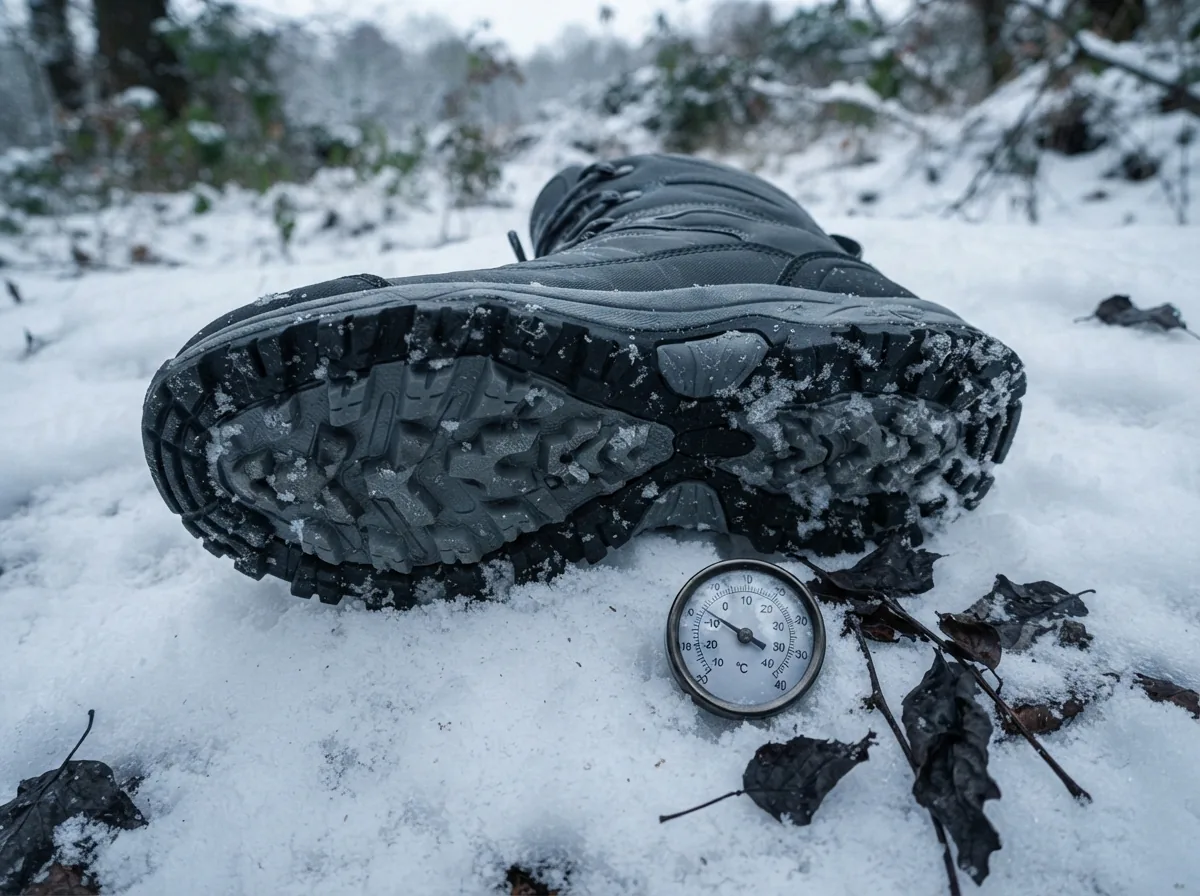
Close-up of a winter snow boot outsole tread pressed into packed snow with an outdoor thermometer resting beside it
Insulation rating sets how long you stay warm

Insulation is rated by weight, and a higher number means more fill for longer time outside. If you shovel for ten minutes, a lined pull-on pair is plenty. If you stand in the cold for an hour, step up.

Water resistance versus waterproof lowers matters

Water-resistant uppers handle falling snow and slush. Rubber lowers and sealed seams handle standing water. Knowing which one you have tells you whether a puddle ends the outing or just marks the boot.

Closure controls fit speed and ankle hold

Laces let you cinch over thick socks and adjust as feet swell on a long walk. Pull-on panels trade that control for speed. Pick based on whether you value fit or a fast exit out the door.

Outsole lugs and boot height decide traction

Deep lugs grip loose snow and mud. Flat soles slide on wet tile and packed ice. Check the tread pattern and boot height, since a taller shaft keeps drifting snow out when you wade in.

Find your direction

Four winter boot directions and how to tell them apart

Within winter footwear, four directions cover almost every need. Start with how wet and how cold your days really are, then narrow by how quickly you want to get moving. The distinction between a quick pull-on and a cinched lace-up is usually the one that decides it.
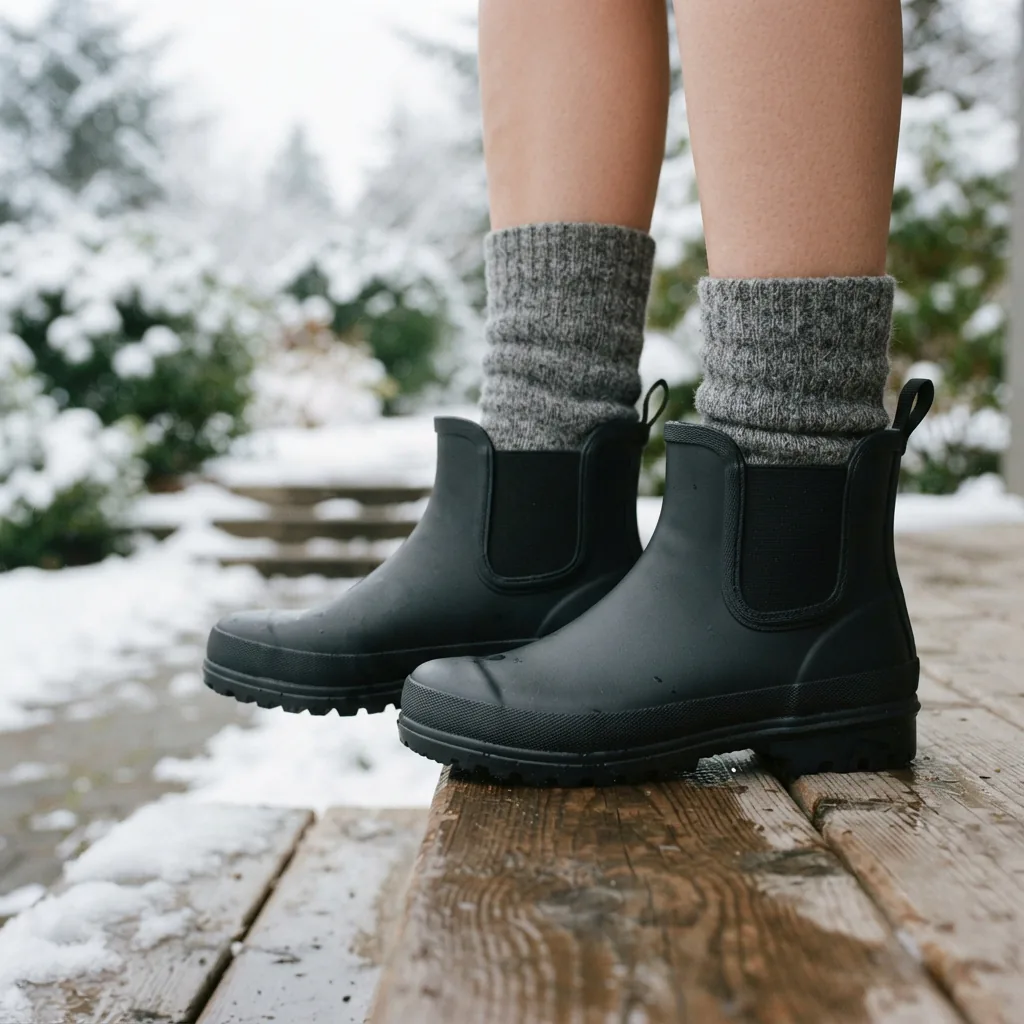
Black pull-on chelsea snow boots with elastic side panels slipped on at the edge of a cleared porch walkway

Pull-on chelsea boots for fast errands

Choose this when speed and simplicity matter more than sealing out deep snow. The stretch panel replaces lacing, and the boot slips on over a sock in seconds. It suits paved walks, porches and quick trips outside.

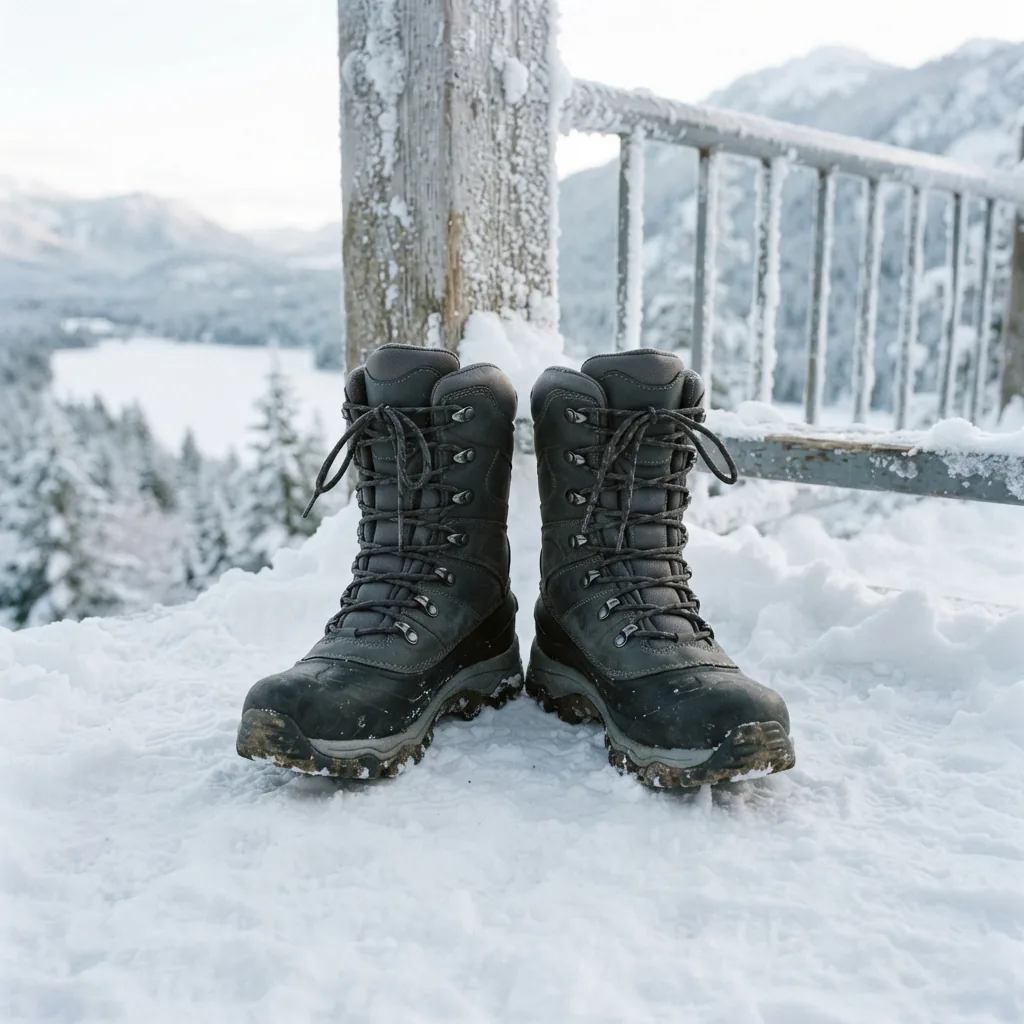
Insulated lace-up snow boots with laces cinched tight standing in deep packed snow on a cold morning

Insulated lace-ups for deep cold days

Built for standing still in real cold rather than moving through it. A higher insulation count and a lacing system that seals the ankle make the difference on long mornings outside in low temperatures.

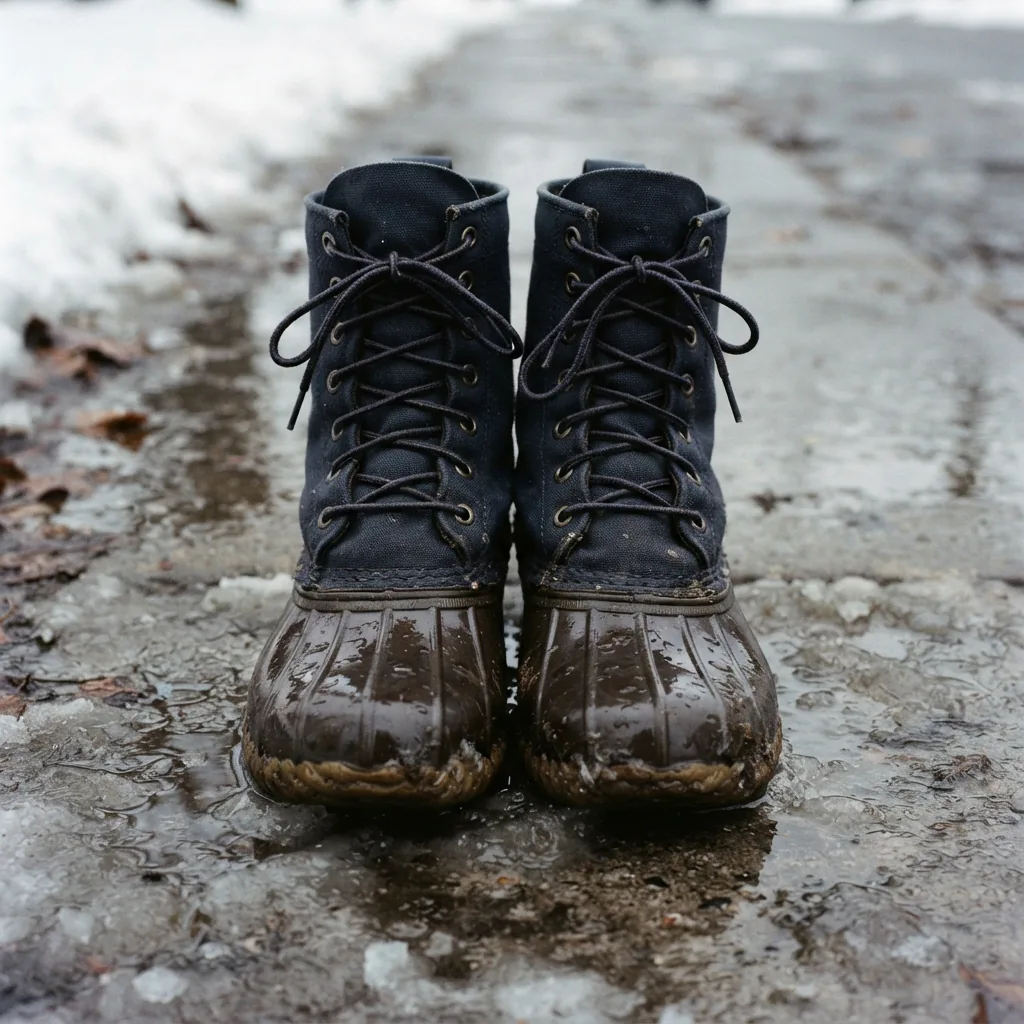
Duck boots with rubber lowers and fabric uppers standing at the edge of melting slush on a wet sidewalk

Duck boots for slush and mixed weather

The rubber lower handles water and slush, while the flexible upper moves with the foot. This is the wet-weather middle ground between a snow boot and a light everyday shoe in mild winters.

Lightweight trail boots with deep-lugged soles resting on a muddy path scattered with pine needles and roots

Trail boots for muddy paths and campsites

Lighter, grippier and shaped for uneven ground. Choose trail boots when your winter is mostly packed paths, mud and campground walking rather than drifting snow or long stands in the cold.

What shoppers report

Winter boot stories from shoppers like you

Shoppers describe the same handful of moments: cold hands on laces at 7 a.m., snow that melts inside the car, and the relief of dry socks at the end of the day. Their notes focus on fit, warmth and how the boots behaved over a full season rather than on first impressions.
I stand outside for about twenty minutes each morning, so I stopped guessing at warmth and picked the heaviest lining I could find. My feet stayed comfortable instead of numb, and the fit did not loosen once the sock warmed up. That small change made the whole winter easier to get through.
Decorative customer review avatar icon 1
Renee M.
Commuter who stands at a frozen bus stop daily
Whatever gets my kids out the door fastest wins in this house. The simple closures took about five seconds per boot, even with puffy gloves on, and the uppers handled puddles at the bus stop without soaking through. A season in, they still look workable rather than worn out.
Decorative customer review avatar icon 2
Dan P.
Parent of two snow-day kids
I compared a few pairs before buying and figured I would trade a little warmth for better footing. That turned out to be right for packed trails and gravel, where the tread gripped instead of slipping. My only note is to plan on dry socks after slush, since wet snow eventually wins.
Decorative customer review avatar icon 3
Alina R.
Weekend walker on mixed winter terrain
I wanted to see how much a value pair could actually handle before spending premium money. For weekend trips and yard work it has been fine, and the trade-off is honest: heavier and less refined, but plenty warm for a few hours outside. That fit my budget and my actual use.
Decorative customer review avatar icon 4
Marcus T.
First-time buyer comparing budget and premium
Common questions and trade-offs

Practical answers for choosing winter and trail boots

Match the boot to how long you stand still. Ten minutes of shoveling works fine in a warmly lined pull-on pair. For an hour outdoors or a long cold walk, move to higher insulation and a lace-up fit that holds warmth around the ankle.
Check what the boot is actually built from. Rubber lowers and sealed seams handle standing water, while fabric uppers usually handle snow and light slush. Assume anything will soak through if you stand in water long enough, and plan on drying them indoors.
Plan for thick socks and a fingertip of room past your toes. A snug heel with space across the forefoot lets you layer without cutting off circulation. Try boots on at the end of the day, when feet are at their largest.
Laces give a more secure fit, but they take longer with cold hands. If a child layers up every morning, a simple closure or pull-on design cuts the routine down. Older kids who walk further usually do better with adjustable lacing.
Light trail boots work well on packed paths and muddy campground walks. Deep-snow or heavily insulated boots feel heavy on longer hikes and hold moisture if you overheat. Match the boot to the terrain and how far you actually plan to walk.
Brush off loose snow, pull the laces out and stuff the boots with newspaper to pull out moisture. Let them dry at room temperature, away from radiators or direct heat, which can crack rubber and shrink liners. Never put them in a dryer.
Keep exploring

More gear guidance for colder months and longer days

Hard-sided and soft-sided Ozark Trail coolers arranged on a wooden picnic table at a wooded campsite
Admin
Ozark Trail Cooler

Compare Ozark Trail coolers by size, shape and how you carry them, from hard-sided chests that hold ice for a weekend to soft totes and backpack coolers for a day out. Each option below shows capacity, format and the trip it fits best.


A group of Ozark Trail mountain bikes with front suspension parked on a dirt trailhead, a rider comparing frame sizes beside them
Admin
Ozark Trail Bike

Ozark Trail mountain bikes span hardtails and full suspension builds, sized from young riders to tall adults. Compare fit, suspension, wheels and gears to match your trails and your budget.

Assorted Ozark Trail folding and fixed blade knives arranged on a rustic wooden camp table
Admin
Ozark Trail Knife

This page lines up Ozark Trail knives so you can compare folding and fixed blades, locks, handles and carry options at a glance. Each pick notes what it handles best, from camp prep to a pocket blade you carry daily.

A row of Ozark Trail camping tents of several sizes pitched on a grassy campground with a family walking between them.
Admin
Ozark Trail Tents

Compare Ozark Trail tents by capacity, setup style, weather coverage and packed weight, from solo backpacking shelters to twelve-person family cabins built for drive-up weekend campsites.
