



Ozark Trail Men's Boots

This category gathers Ozark Trail men's boots for trail miles, wet yards and everyday errands. Compare waterproof uppers, shaft height and closure style to match a pair to your trip length and the weather you actually walk in.

Four starting points with different jobs

Men's Meadows 2.0 Waterproof Mid Hiking Boots - Overall Pick for Short Weekend Trails

Marked as the overall pick, the Meadows 2.0 sits in the middle of the range: a waterproof mid cut that covers the ankle without the bulk of a tall boot. It suits day hikes and short weekend trips where wet grass and puddles are likely, and the mid shaft helps on uneven ground.

Men's Winter Boot - Best-Selling Warm Pick for Cold Mornings, Chores and Winter Walks

A best-selling winter option built for cold rather than for distance. Use it when mornings are freezing and you are standing still, like clearing a walkway or feeding a fire, instead of covering miles. It pairs naturally with warm socks and works best on frozen ground rather than wet trails.

Men's Waterproof 13-Inch Chore Boots - Best Seller for Wet Yards and Long Work Days

At 13 inches, this chore boot is the tallest option here and keeps water out when you are standing in it. The waterproof build suits muddy yards, washing down gear and long days outdoors where a low shoe would fill with water. It is less nimble on a rocky trail, which is the honest trade-off.

Ozark Trail Men's Black Lace-Up Ankle Boots Faux Leather Comfort US 12, Comfortable Everyday Wear

This everyday ankle boot trades trail features for plain comfort: black faux leather, a lace-up fit and a look that carries from a commute to a casual evening. It has no stated waterproofing, so treat it as a dry-weather choice and reach for rubber or hiking boots when the ground is wet.

Mens OZARK Trail Waterproof Boots Black Leather Round Toe Lace Up Ankle Top, Round-Toe Pick for Wet Weekends

The featured pick combines the two features shoppers ask about most: a waterproof build and a rounded toe with room to move. The lace-up closure lets you set the fit around the ankle, while the black leather upper works on the trail and around town. Consider it for wet weekends when one pair needs to cover both.
More Pairs To Consider

Three more boots for specific conditions

Ozark Trail Men's Black Waterproof Pull-On Mid-Calf Rubber Rain Boots, Slip-On Pick for Muddy Mornings

Pull-on is the whole argument here. With no laces to tie or undo, these mid-calf rubber boots go on over wet socks and come off at the door, which matters when you are moving between a muddy yard and the house. The rubber upper is made for standing water rather than long walks.

Ozark Trail Men 6 Hiking Boots Brown Waterproof Outdoor Work Trail Boots - Budget Pick for Trail and Yard Days

Sized in US 6, this brown pair is a straightforward waterproof trail boot for smaller feet. It covers the everyday needs of a day hike: a waterproof upper, secure lacing and a brown finish that hides trail dust. Think weekend mileage and yard work rather than technical climbing.

Ozark Trail Men's Dark Brown Hiking Boots - US 11 Pair for Day Hikes and Camp Chores

Listed in US 11, the dark brown hiking boot is a plain, dependable option for larger feet that need a waterproof pair. It fits the role of a general-purpose boot for camp chores, park walks and light trail days, where a steady shape matters more than specialist features or extra weight.
Where These Boots Fit

Three situations these boots are made for

This category covers shoppers heading out for a weekend, working outside in wet ground, or needing a warm pair for cold mornings. The right choice depends on where you stand, how far you walk and how often you will wear the boots.

Weekend hikes and short trail days

Weekend hikers and first-time campers get the most from a waterproof mid boot on day trails and short trips. Match the pair to trail length and the forecast, and remember that lighter builds wear out sooner than premium ones.

Wet yards, chores and standing water

Yard work, dog walks in the rain and washing down gear all reward a tall waterproof boot you can rinse clean. Pick a pull-on or 13-inch build when you stand in water, and save the lace-up hiking pair for walking.

Cold mornings and everyday errands

Cold mornings, errands and everyday wear suit a winter boot or a plain ankle pair rather than a trail build. Decide whether you need warmth and water protection every day or only on trips, then choose the simplest boot that covers it.

Four factors decide which pair fits your trip: how wet it gets, how far you walk, how much ankle coverage you need and how the boot runs in size. Change one factor and a different boot in this category becomes the better answer.

What to compare before you pick a pair

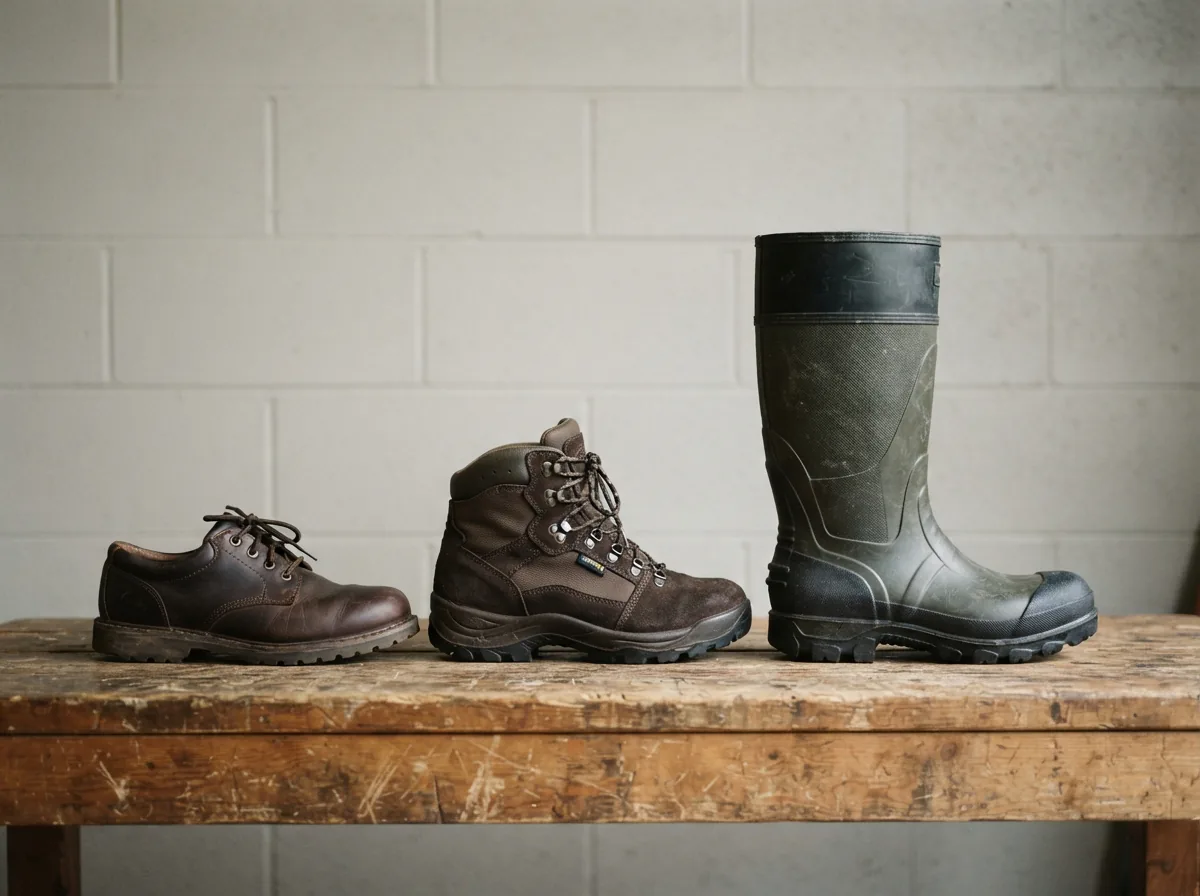
Three men's boots of different heights lined up on a wooden bench for comparison
Waterproofing changes where you can go

Waterproof listings handle wet grass, puddles and standing water, while unwaterproofed pairs are dry-weather choices. If your route crosses a stream or a rainy yard, choose the sealed build; if it never leaves pavement, you can skip it.

Shaft height sets coverage and mobility

A low cut lets the ankle bend, a mid cut covers the joint on uneven ground, and a tall shaft keeps water out at the cost of weight. Shorter is easier to walk in; taller is easier to trust in mud.

Trip length tests long-term durability

Value boots are tuned for short trips and regular weekends, not seasons of daily use. Occasional hikers get the price-to-performance benefit, while anyone needing years of hard miles should expect to replace the pair sooner than premium gear.

Fit and sizing decide all-day comfort

Listings here show single US men's sizes such as 6 or 11, and fit shifts with thick socks and long days. Compare against a boot you already own, and go up if you plan winter layers or expect your feet to swell.

Find Your Subtype

Four boot types and how to tell them apart

Ozark Trail men’s boots divide by shaft height, upper material and closure. Low lace-ups favor light miles, mid and tall boots add coverage, and rubber pull-ons handle standing water. Read those three signals and the right subtype becomes obvious.
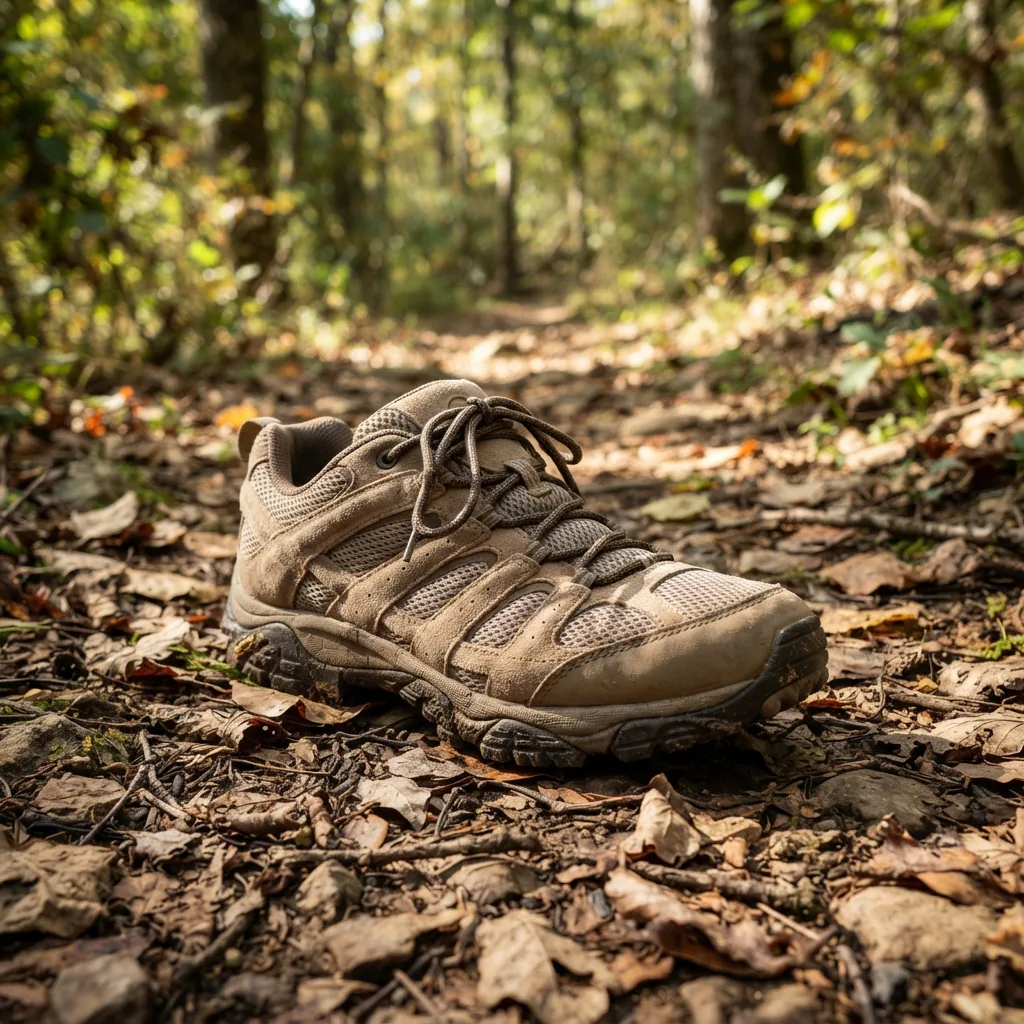
Low-cut lace-up hiking shoe on a dry leaf-covered woodland path

Low Lace-Up Trail Shoes

Low cuts keep weight down and let the ankle move freely, which suits dry paths, short loops and everyday wear. They break in fast and pack easily, but they give little protection from rocks, brush or standing water.

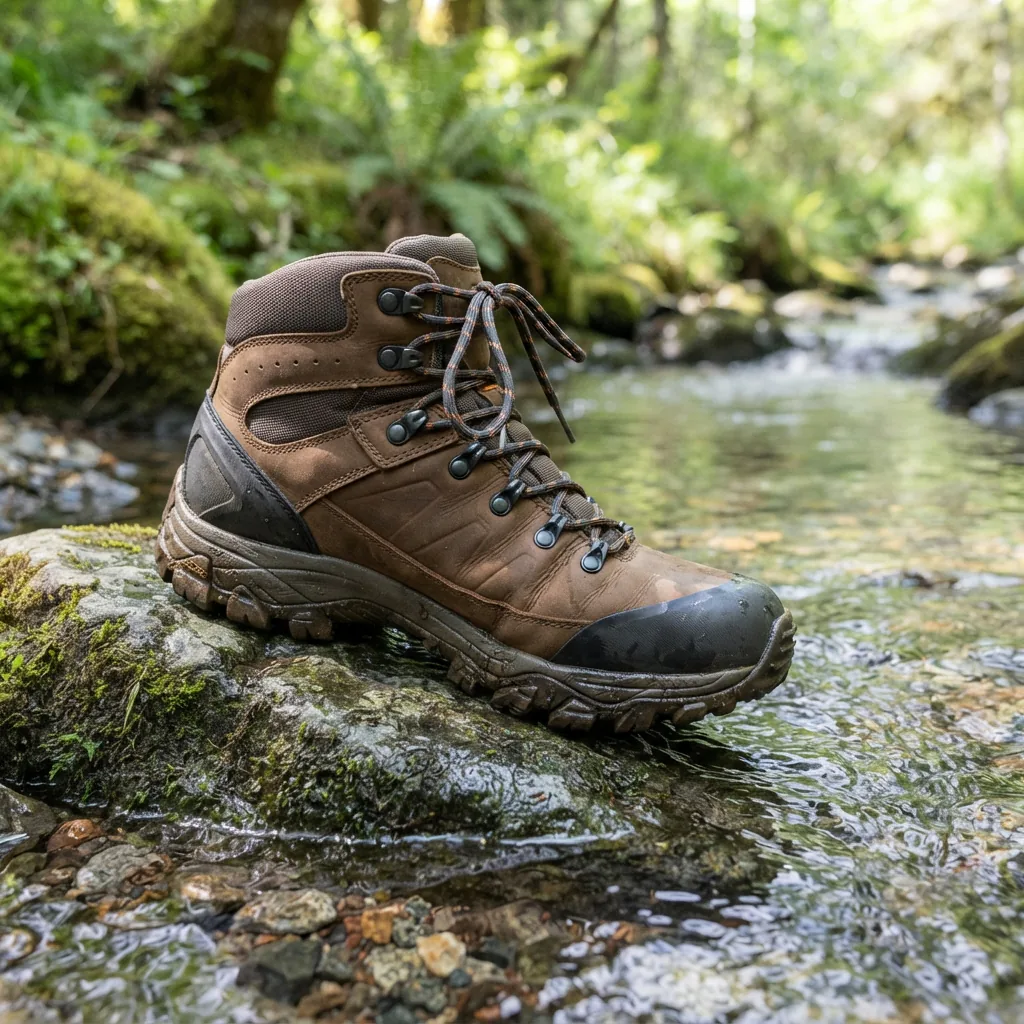
Waterproof mid-cut hiking boot resting on a wet rock beside a shallow stream

Waterproof Mid-Cut Boots

Mid heights cover the ankle and pair that coverage with a waterproof upper, a good match for uneven ground and wet grass. You gain protection without the stiffness of a tall boot, at the cost of some breathability on hot days.

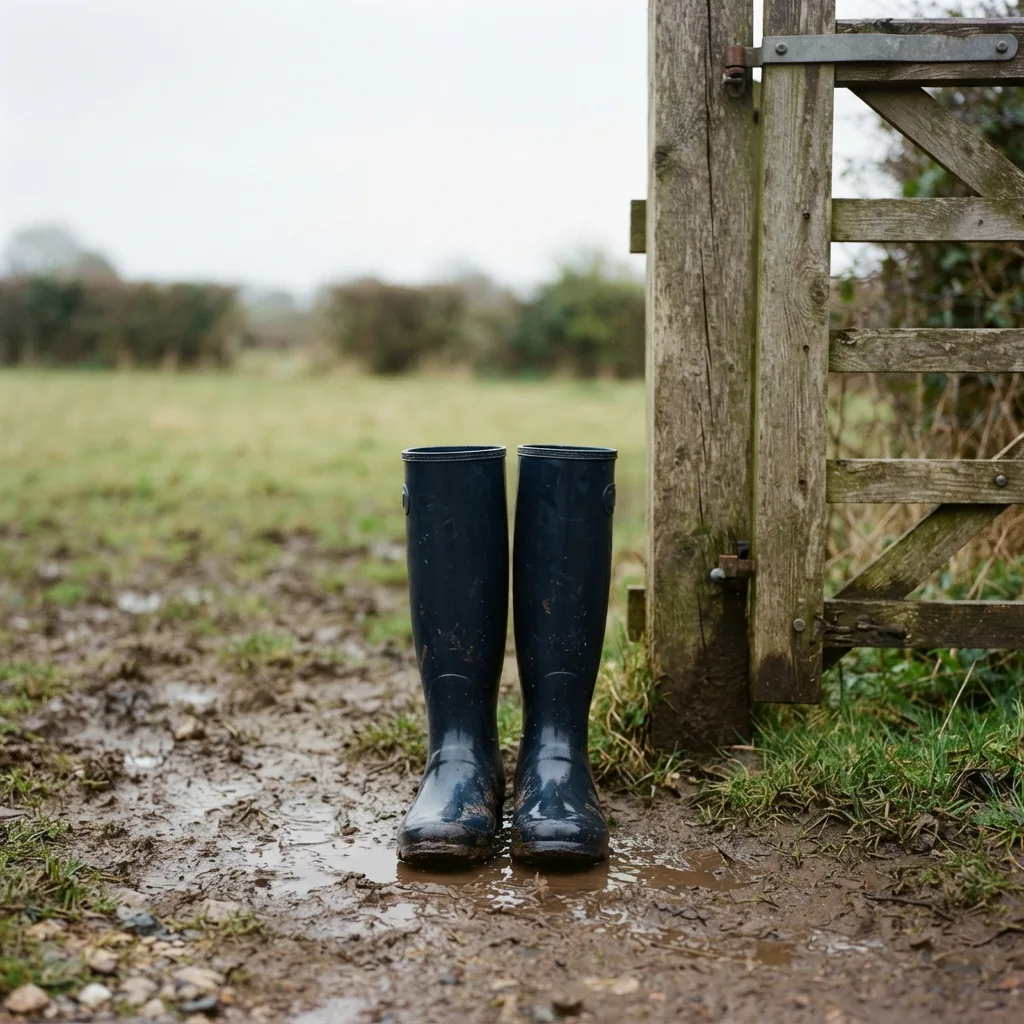
Pair of tall rubber rain boots standing in shallow mud beside a wooden gate

Tall Chore and Rain Boots

Tall boots are built for standing in water rather than walking far. The shaft keeps mud and splash out during yard work and washing gear, and the trade-off is extra weight and less precision on a rocky trail.

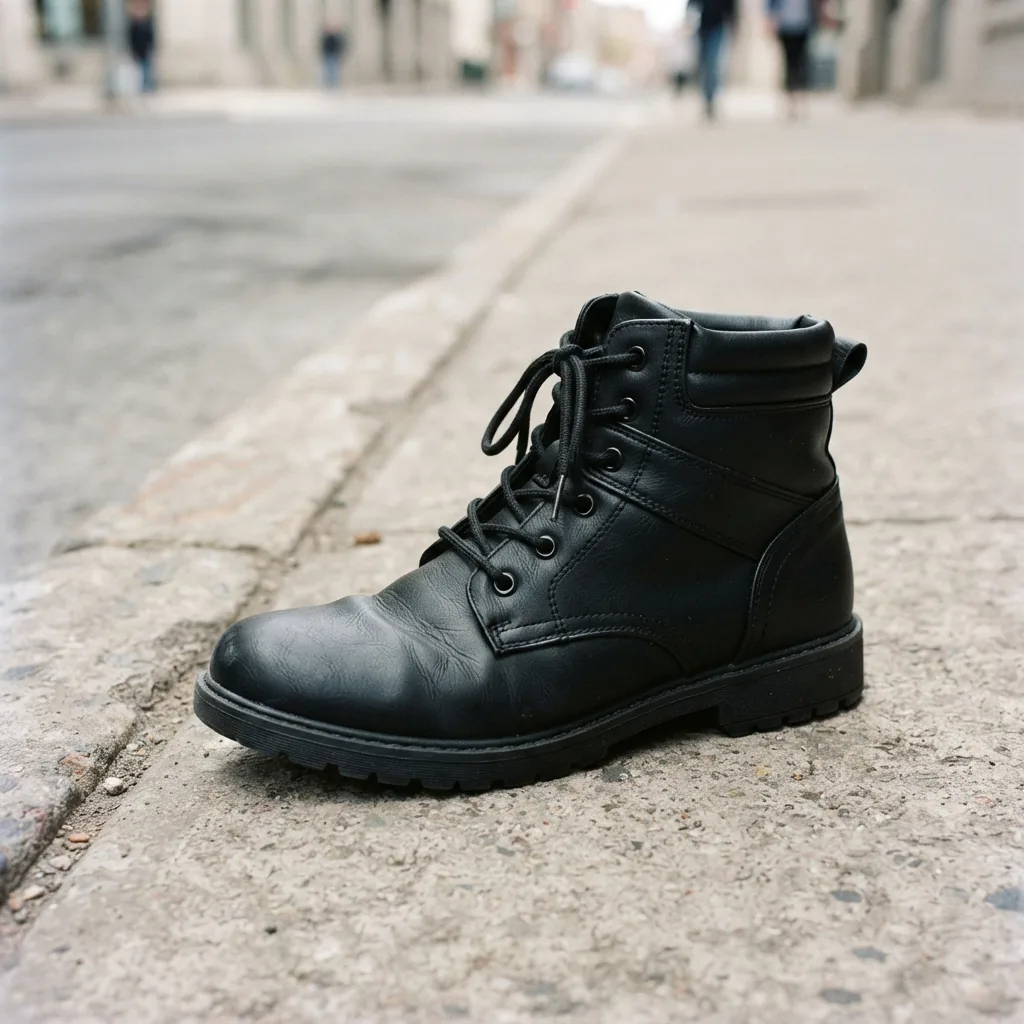
Single black lace-up ankle boot on a clean concrete sidewalk near a curb

Everyday Ankle Boots

Faux leather ankle boots trade trail features for an everyday look and a lace-up fit. They suit commutes, errands and dry-season wear, and with no stated waterproofing they belong on days when the ground stays dry.

In Shoppers' Own Words

What it feels like to buy and wear

These accounts cover what it feels like to buy in this price range and live with the result: where the boots held up, where they traded off comfort or durability, and what changed after a weekend of real use.
We needed boots for a two-night camp and did not want to spend a fortune. The pair I chose kept my feet dry through wet morning grass, and the ankle coverage helped on the walk out to the site. After the weekend they looked worn, but nothing was coming apart and I felt ready to go again.
Decorative customer review avatar icon 1
Dana R.
Bought for a first family camping trip
I have put miles into trail shoes that cost four times as much. These are not as light and took a few wears to break in, but for a Saturday hike they do the job, and I stopped worrying about scuffing them on rocks. For the money I am satisfied and would buy the same way again.
Decorative customer review avatar icon 2
Marcus T.
Weekend walker comparing price to performance
Standing in a wet garden is where a low shoe fails, so I went with a taller waterproof pair. Slipping them on took seconds, my socks stayed dry through a rainy afternoon, and hosing off the mud at the end was easy. They are stiff, though, so I would not walk far in them.
Decorative customer review avatar icon 3
Priya S.
Tall waterproof boots for muddy yard work
I sit between two sizes and worried about ordering online. I compared the measurements against a pair I already own, went up, and the fit was right with a thicker sock. Having a clear way to plan for that made the purchase feel safer than the low price suggested.
Decorative customer review avatar icon 4
Chris L.
Sizing worry sorted before the order shipped
Questions Worth Asking

Answers on fit, waterproofing and trip length

Start with where you will be standing. Low lace-ups suit dry trails and everyday wear, mid cuts add ankle coverage on uneven ground, and tall waterproof boots are for water, mud and yard work. Height costs mobility, so pick the shortest build that covers your conditions.
Several boots in this category are labeled waterproof, including the Meadows 2.0, the 13-inch chore boot and the pull-on rubber pair. Others, such as the faux leather ankle boot, are not. Check the listing for each pair, because waterproofing changes where the boot is useful.
Sizing runs by US men’s numbers, and some listings show a single size such as US 6 or US 11. If you are between sizes or plan thick winter socks, going up usually leaves room for swelling on longer days. Compare against a boot you already wear before ordering.
Reviews of Ozark Trail gear suggest the practical limit: value boots hold up well for short trips and regular weekend use, but they are less easy to carry and may not last as many years as top-end options. For occasional hiking, that trade-off is usually fine.
The Men’s Winter Boot and the 13-inch chore boot both cover cold, wet standing work, while a rubber pull-on handles mud without laces. If you move indoors often, a mid or low pair is easier to wear all day. Match shaft height to how long you stay outside.
Ozark Trail is a Walmart private label, sold as outdoor gear through Walmart. Independent reviewers state they are not affiliated with the brand. That ownership is why prices sit well below premium brands, and it is the main reason to weigh the value against long-term durability.
More To Explore

Continue into related outdoor gear guides

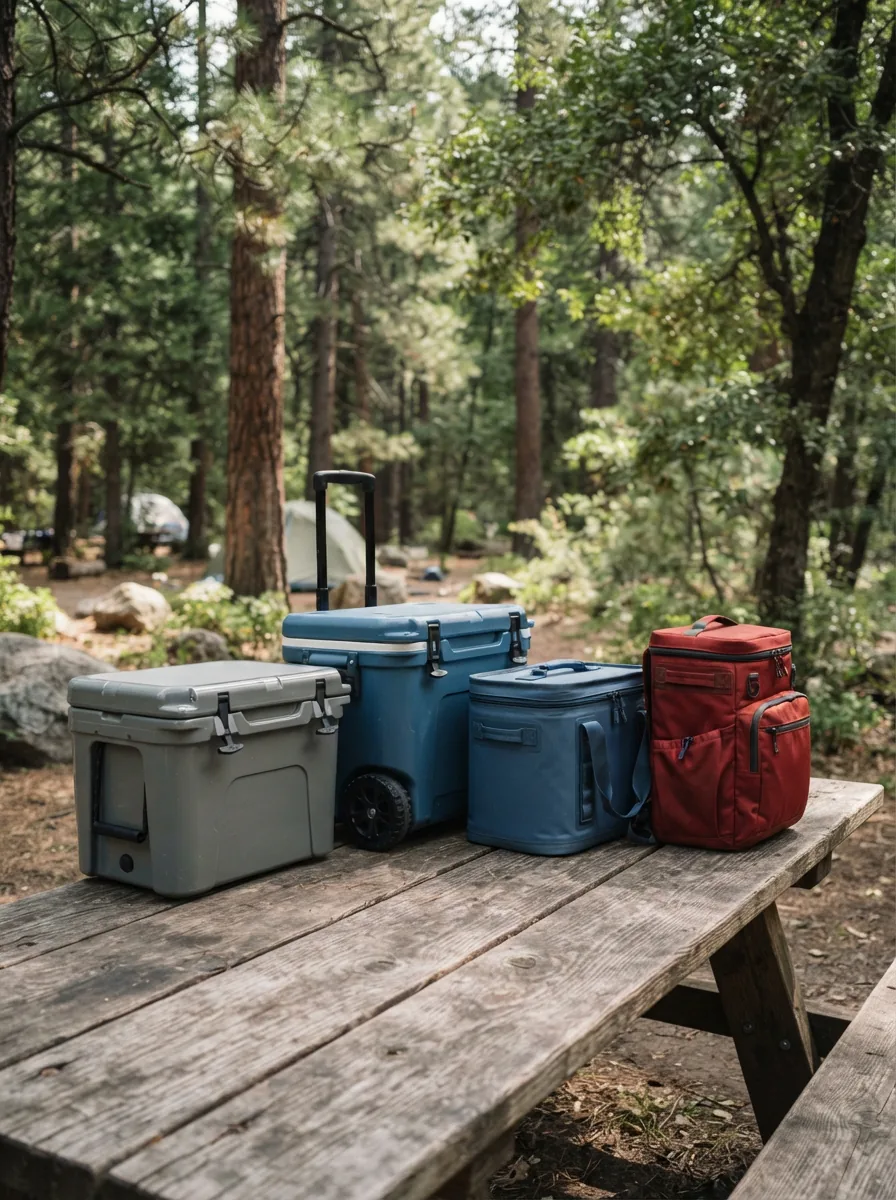
Hard-sided and soft-sided Ozark Trail coolers arranged on a wooden picnic table at a wooded campsite
Admin
Ozark Trail Cooler

Compare Ozark Trail coolers by size, shape and how you carry them, from hard-sided chests that hold ice for a weekend to soft totes and backpack coolers for a day out. Each option below shows capacity, format and the trip it fits best.
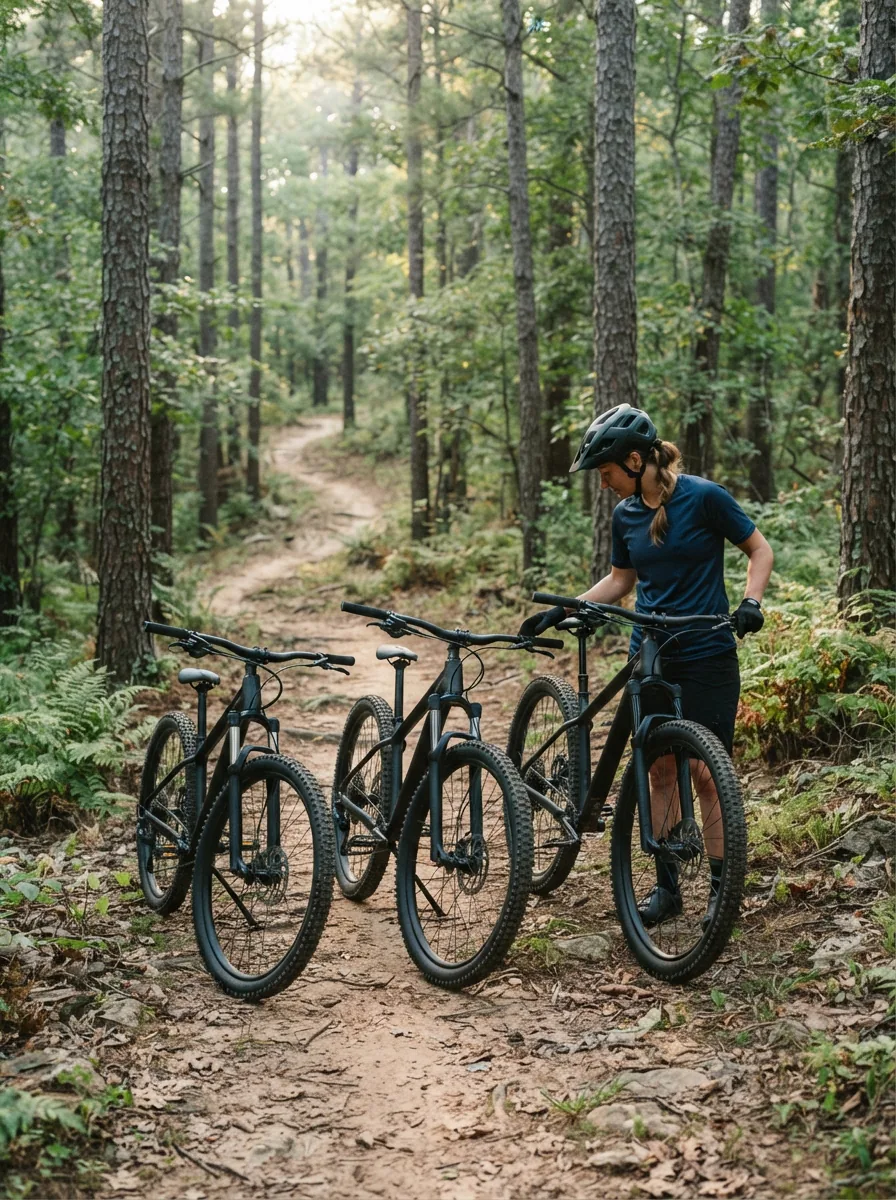
A group of Ozark Trail mountain bikes with front suspension parked on a dirt trailhead, a rider comparing frame sizes beside them
Admin
Ozark Trail Bike

Ozark Trail mountain bikes span hardtails and full suspension builds, sized from young riders to tall adults. Compare fit, suspension, wheels and gears to match your trails and your budget.

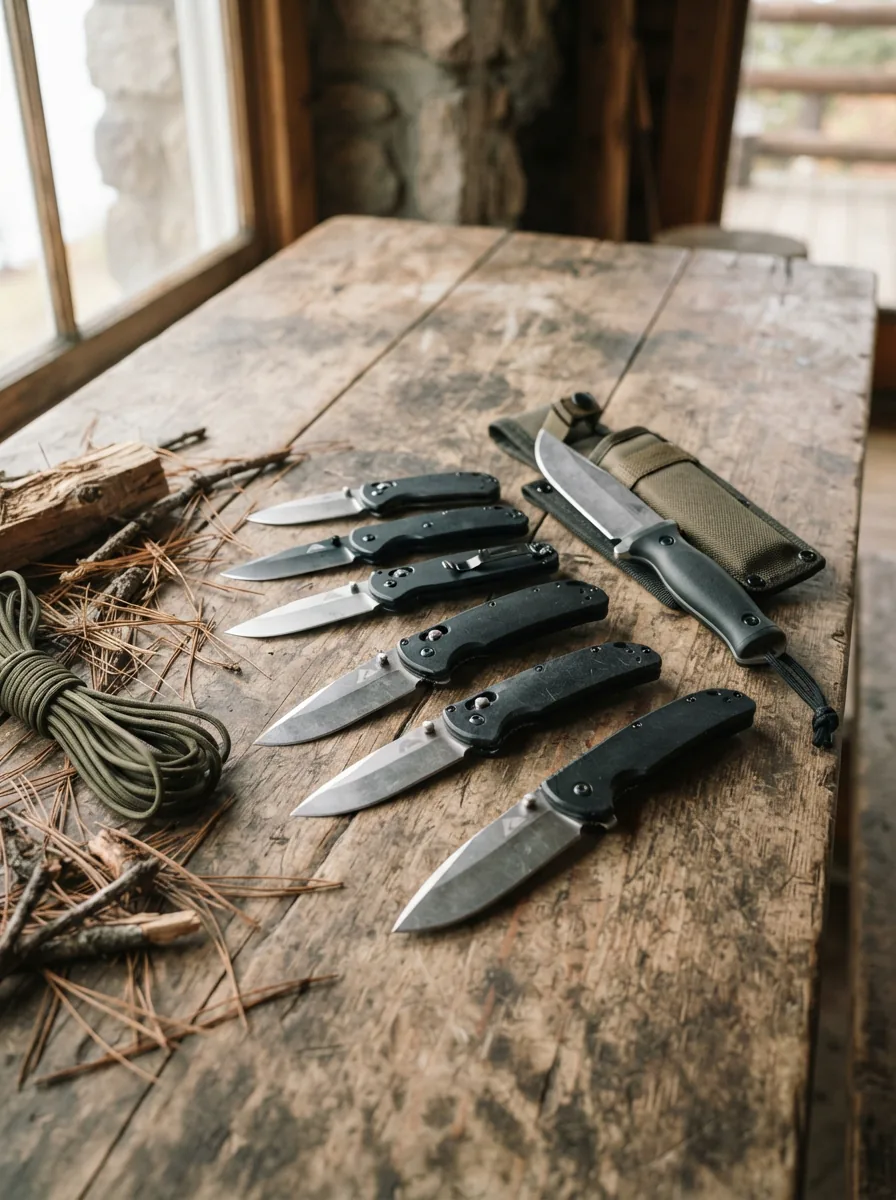
Assorted Ozark Trail folding and fixed blade knives arranged on a rustic wooden camp table
Admin
Ozark Trail Knife

This page lines up Ozark Trail knives so you can compare folding and fixed blades, locks, handles and carry options at a glance. Each pick notes what it handles best, from camp prep to a pocket blade you carry daily.

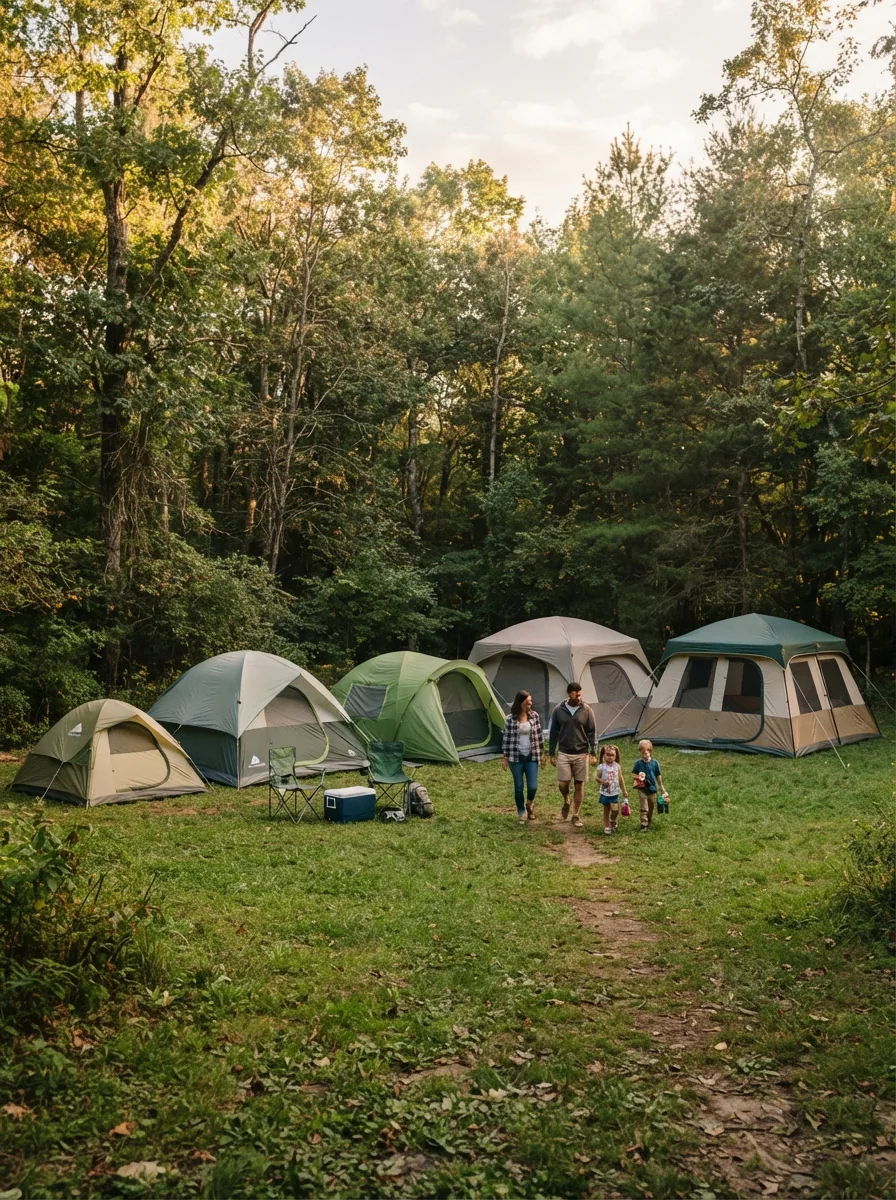
A row of Ozark Trail camping tents of several sizes pitched on a grassy campground with a family walking between them.
Admin
Ozark Trail Tents

Compare Ozark Trail tents by capacity, setup style, weather coverage and packed weight, from solo backpacking shelters to twelve-person family cabins built for drive-up weekend campsites.