





Ozark Trail Sun Shelter

Compare Ozark Trail sun shelters sized for beach days, campsites, picnics and tailgates. Look at coverage, sun protection, setup style and how much gear needs to fit in the shade before you pick one.

Four beach shelters sized for different group needs

Ozark Trail Sun Shelter, Lightweight Beach Shade for Relaxing Under UV Protection on Sunny Days

This lightweight shelter is built for beach trips, where you want shade without hauling heavy gear. It opens up to give you and your family room to relax, and the fabric helps block UV rays during long afternoons outside. A simple pick for a first setup or a short day by the water.

Ozark Trail Sun Shelter Beach Tent, 8 ft x 6 ft, 50+ UPF Sun Protection for Beach Days

Sized at 8 ft by 6 ft, this beach tent gives families a wide patch of shade and 50+ UPF protection against the sun. It suits trips where you plant one spot for the day, with room for chairs, bags and a cooler. A straightforward option when coverage matters more than a tiny packed size.

Ozark Trail 9' x 6' Sun Shelter with UPF50+ Protection for Wider Beach Shade on Sunny Weekends

The 9 ft by 6 ft footprint offers a bit more room than smaller shelters, which helps when two adults plus a kid or two settle in. UPF50+ protection keeps the direct sun off through midday. A sensible step up if you want extra spread and do not mind slightly more to carry.

Ozark Trail 82 in x 70 in x 63 in Pop-Up Beach Shelter with UPF50+ Protection, Blue, Fast Setup

This pop-up shelter measures 82 in by 70 in by 63 in, so there is headroom to sit up under. The blue fabric and UPF50+ rating make it a practical beach companion, and the pop-up frame means less time fussing with poles. Good for shoppers who want quick shade at a fair price.

Ozark Trail Quick-Set Portable Sun Shade Beach Tent, Blue 6.8 ft x 6.7 ft, UPF 50+ for Fast Beach Shade

The quick-set frame is the main reason to consider this one: open it, stake it and you have shade within a couple of minutes. At 6.8 ft by 6.7 ft with UPF 50+ fabric, it fits two adults at the beach or a small family stop on a day out. Pricing varies by options, so check the listing for the current figure before you decide.
More ways to shade up

Shelters for camps, ballfields and picnics

Ozark Trail Backyard and Tailgate Sun Shelter, Open-Sided Shade for Ballfield Days and Cookouts

Open on all sides, this shelter does one job well: give a group a cool place to sit at a tailgate, backyard party or ball field. It sets up quickly, so you can get it in place before the crowd arrives, and packs down for the drive home. Think of it as casual gathering shade rather than full beach coverage.

Ozark Trail Family Camp Sun Shelter with Roomy Shade for Chairs, Coolers and Kids

Meant to stay at camp for the weekend, this shelter gives chairs, coolers and kids a break from direct sun. Its roomier layout means people can move around under it instead of huddling together. That makes it a good fit for longer stays, where you set up once and leave it standing until you pack out.

Ozark Trail Portable Shade Shelter for Parks and Picnics, Light Carry for Casual Days

Lighter than many shelters, this one carries easily to a picnic table or park lawn and sets up in minutes. It suits casual afternoons when you want some shade without dragging heavier gear out of the car. A good choice for shoppers who value a simple carry over maximum coverage.
Where it works

Sun shade for beaches, camps and game days

Shelters earn their place in a few settings. Beach trips need wide shade and sand stakes, camp weekends want a roomy spot that stays up, and short outings call for something light to carry. Match the model to how long you stay.

Beach days with kids and gear

A wide shelter with UPF fabric keeps chairs, coolers and kids out of direct sun while you swim. Stake it early, since soft sand shifts and afternoon wind tends to pick up as the day goes on.

Weekend camp base shade

Leave a roomier shelter standing at camp so there is always a shaded spot to return to between hikes and meals. It earns its space by making the whole weekend feel calmer once you arrive.

Tailgates, parks and picnics

Open-sided or lightweight shelters fit afternoons at the ball field or a picnic table, where the job is a cool place to sit rather than full blockout from every direction.

Four factors decide which shelter suits you: how much shade you need, the UPF rating, how fast it sets up, and what it weighs in the car. Move up in size for longer stays, and trade some packed weight for sturdier poles.

What to compare before you pick a shade shelter

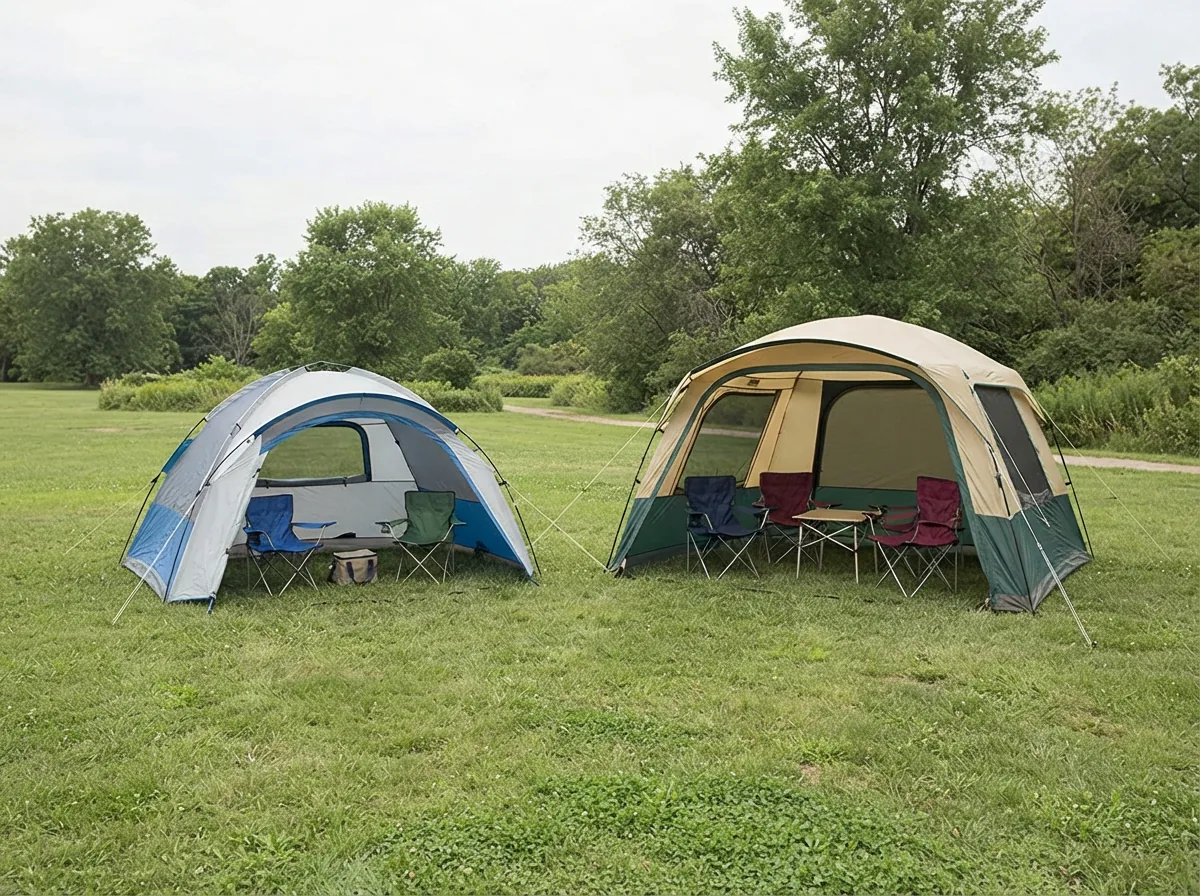
Two sun shelters of different sizes side by side on grass, one wide and one compact, with unbranded chairs beside each, no people present
Coverage size and how many fit

Footprint decides comfort more than any other spec. A 6 by 8 ft shelter holds two adults and a cooler, while a 9 by 6 ft spread gives a family extra elbow room once bags and chairs join in.

UPF rating and afternoon sun angle

Most shelters here carry UPF 50+ fabric, which blocks most UV on a clear day. Low sun still sneaks in under the sides, so think about whether you want walls or open edges for airflow.

Setup style: pop-up versus poles

Pop-up frames open in seconds and suit beach days where you arrive with hands full. Pole-based shelters take longer but often feel steadier once staked out in a breeze.

Packed weight and carry distance

If the walk from the car is long, lighter shelters earn their keep. Bulkier family models are fine for camp setups that stay put all weekend but tire you out on a far trek.

Finding your fit

Four kinds of shade, matched to where you set up

Shelters sort by where you set up and how they open. Beach pop-ups lean on fast setup and UPF fabric, camp shelters add room for a group, open-sided models favor airflow, and picnic versions keep the carry light.
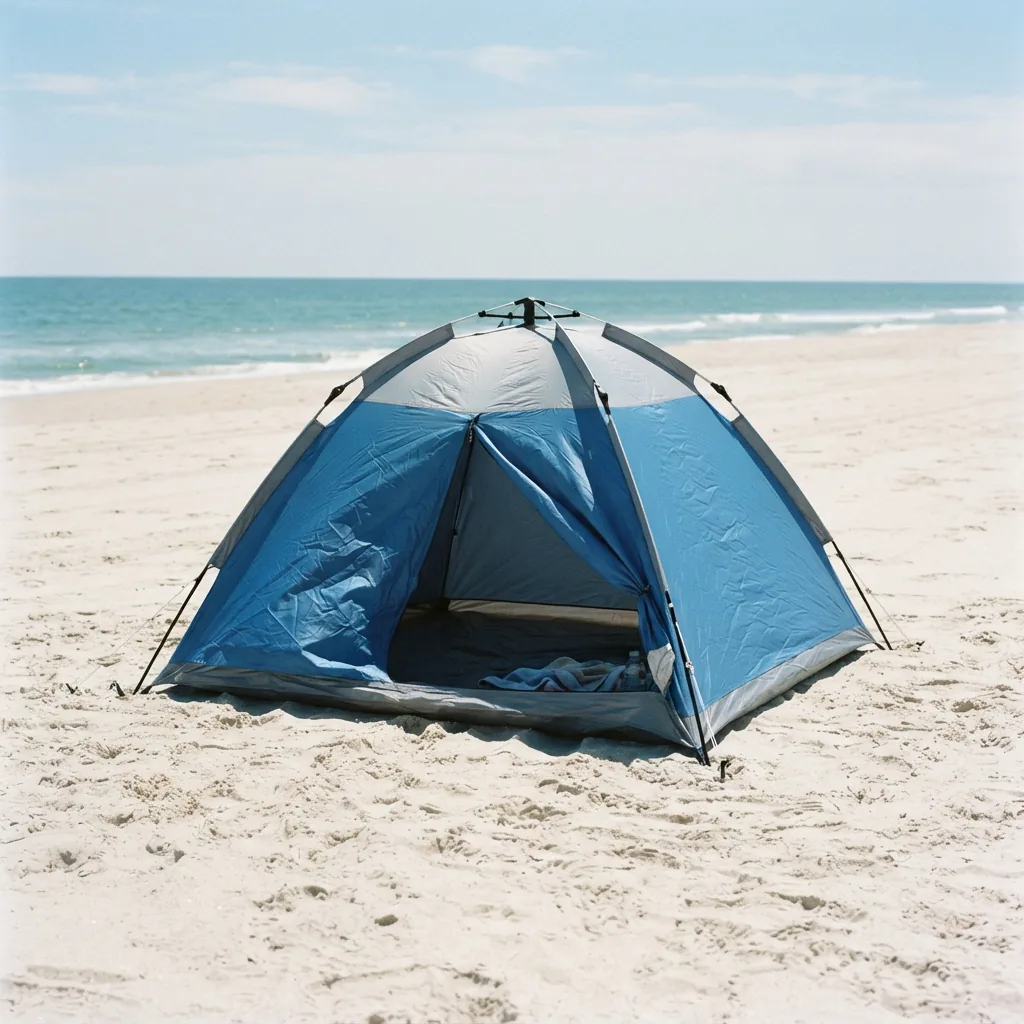
A beach pop-up sun shelter with UPF fabric walls pitched on bright sand in full sun, no people present

Beach pop-ups with UPF fabric

Beach pop-ups favor fast setup and UPF fabric, with a half front that keeps low sun off. Look for sand stakes and a footprint near 8 by 6 ft for two people plus gear.

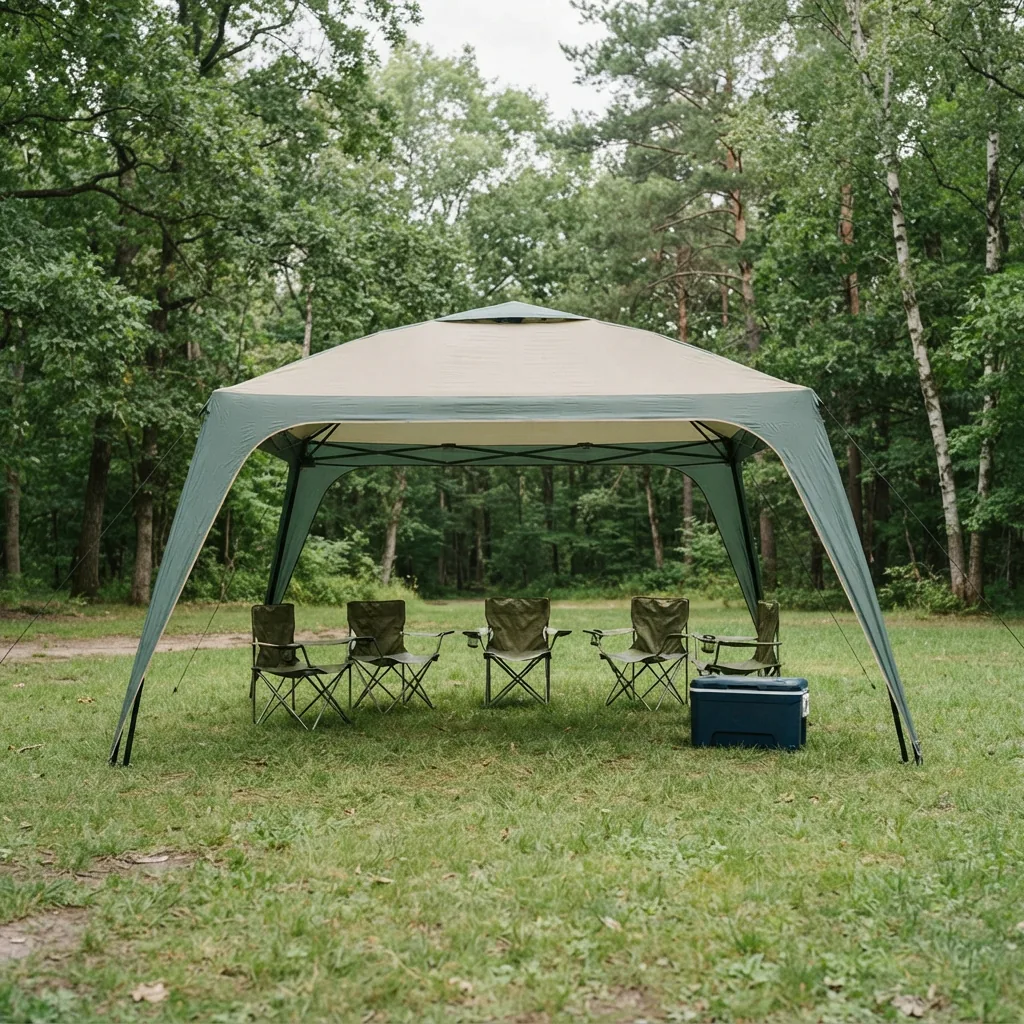
A large family sun shelter on a campsite lawn with several unbranded chairs spread beneath it, no people present

Roomier family camp shelters

Family camp shelters trade packed weight for room. They hold several chairs and a cooler, and they are meant to stay standing for a full weekend rather than move each day.

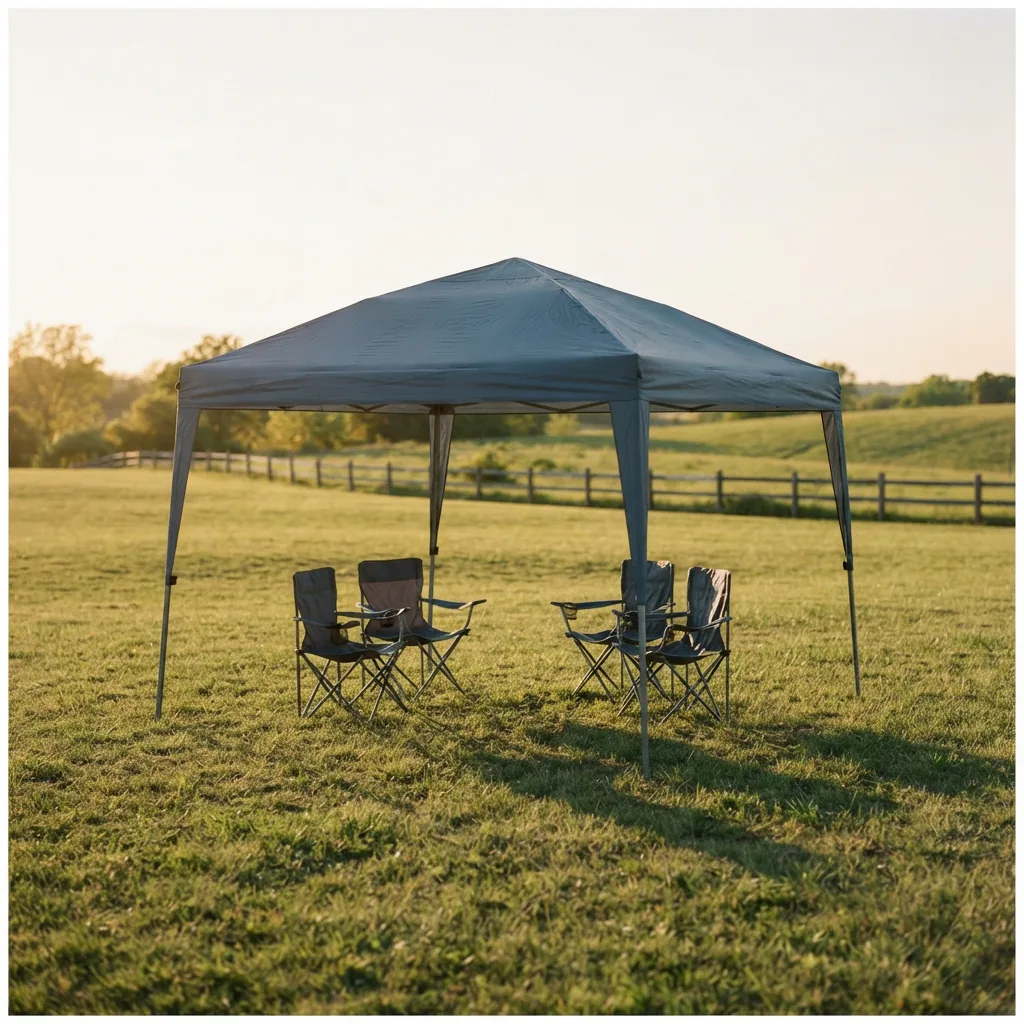
An open-sided canopy-style sun shelter over unbranded folding chairs on a grassy lot, no people present

Open-sided tailgate and backyard shade

Open-sided shelters put airflow first, which suits a hot ball field or backyard party. You get shade from overhead sun and easy in-and-out access, with less side protection.

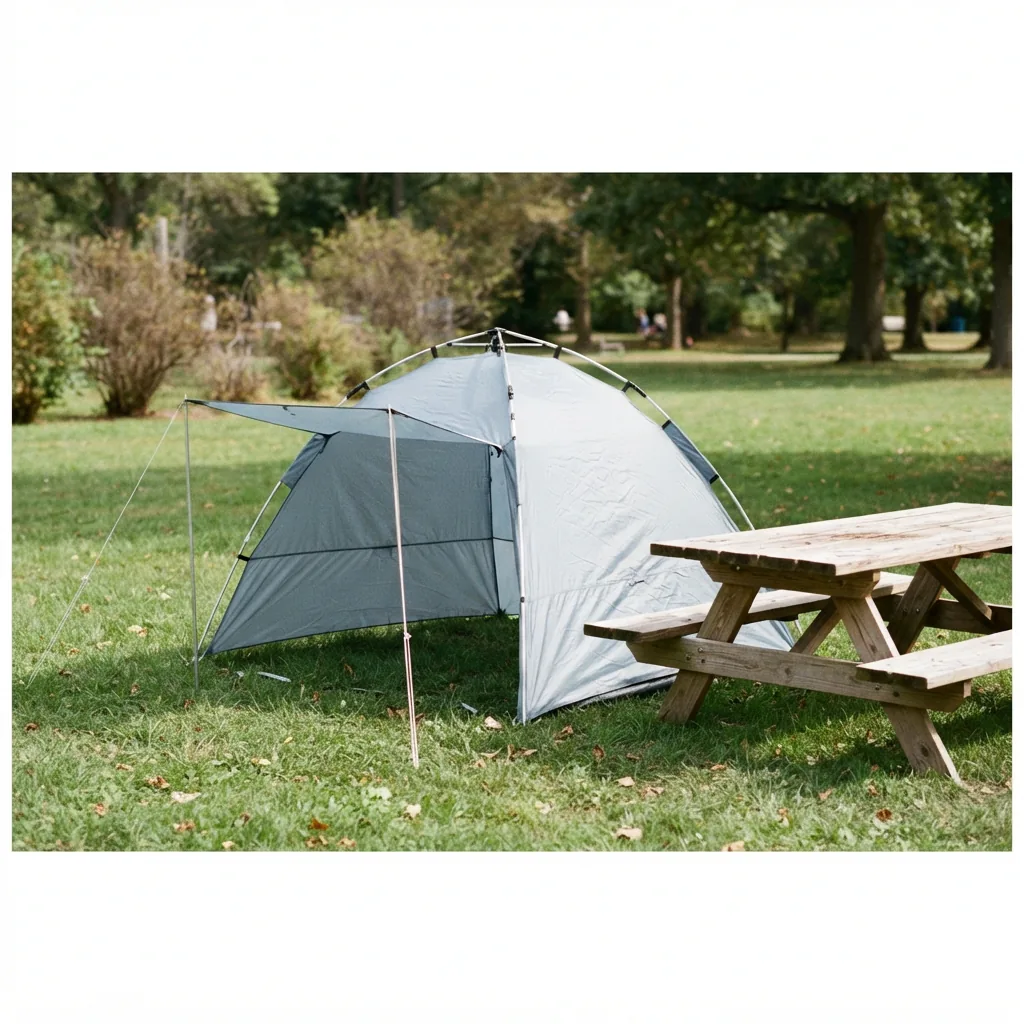
A small lightweight sun shelter pitched next to a wooden picnic table in a park, no people present

Lightweight picnic and park shelters

Lightweight picnic shelters carry easily and set up in minutes, ideal for a park lawn or an hour by the lake. Expect a smaller footprint and fewer walls in exchange for that convenience.

In their words

What shoppers say about using sun shelters

These accounts come from people using shelters like these on real trips. Expect honest notes about setup time, packed size and how the shade held up through a full afternoon, plus where each style felt limited.
I reached the beach on my own with a kid on my hip and still had the shelter open before my coffee went cold. The frame sprang out, I staked the corners, and we had shade for the rest of the morning. I would buy the same style again just for how little fuss it took.
Decorative customer review avatar icon 1
Dana R.
Set up alone in under five minutes
We left ours standing at camp for three days and it never shifted. Chairs, a cooler and two kids fit under it with room to move, and coming back to a cool spot after a hike made the whole trip easier. The only note is that it takes up a fair bit of trunk space.
Decorative customer review avatar icon 2
Marcus T.
Shade for a family of four at camp
The open sides are great for airflow at a ball field, but a gust caught ours once and I had to re-stake two corners. After that I turned the opening away from the wind and it stayed put. Worth knowing before you set up on a breezy afternoon, otherwise no complaints at all.
Decorative customer review avatar icon 3
Priya S.
Honest about wind on open sides
For the price this does the job I needed, which is shade for a couple of hours at the lake. It will not last as many seasons as a premium shelter and it is a little heavier to carry than the fancy ones, but for weekend use I am happy with that trade-off.
Decorative customer review avatar icon 4
Chris L.
Good value for short day trips
Questions worth asking

Practical answers before you buy a shelter

Start with how many people sit under it and what comes along. Two adults with a cooler fit comfortably in an 8 by 6 ft shelter; families with kids usually prefer a 9 by 6 ft spread or a roomier camp model. Add a foot of room for every extra bag or chair you plan to keep in the shade.
It helps, but it is not a full replacement. UPF 50+ fabric blocks most UV where it covers you, yet sun reflects off sand and water, and low afternoon light still reaches under open sides. Use the shelter as one layer alongside sunscreen and a hat.
Quick-set and pop-up models are designed for one person: unfold or release the frame, then stake the corners. Expect a couple of minutes on calm ground, longer if the sand is soft and the stakes keep pulling free. Practicing once at home saves fuss on site.
They handle a breeze once staked properly, but open-sided shelters are not storm gear. Stake every corner, keep the opening turned away from the wind, and pack up if gusts pick up. Light drizzle is usually fine; heavy rain is not what these are built for.
Compare coverage size and UPF rating before price. A slightly larger shelter with UPF 50+ fabric is worth a few extra dollars if your trips run to long afternoons. If you only need casual shade for an hour, a smaller or open-sided model saves money and space in the car.
They work anywhere you want a patch of shade: campsites, backyards, ball fields and picnic tables all suit them. Beach models favor UPF fabric and sand stakes, while open-sided versions favor airflow for gatherings. Match the shape to where you actually spend your afternoons.
Keep exploring

More Ozark Trail gear for your next outing

Hard-sided and soft-sided Ozark Trail coolers arranged on a wooden picnic table at a wooded campsite
Admin
Ozark Trail Cooler

Compare Ozark Trail coolers by size, shape and how you carry them, from hard-sided chests that hold ice for a weekend to soft totes and backpack coolers for a day out. Each option below shows capacity, format and the trip it fits best.


A group of Ozark Trail mountain bikes with front suspension parked on a dirt trailhead, a rider comparing frame sizes beside them
Admin
Ozark Trail Bike

Ozark Trail mountain bikes span hardtails and full suspension builds, sized from young riders to tall adults. Compare fit, suspension, wheels and gears to match your trails and your budget.

Assorted Ozark Trail folding and fixed blade knives arranged on a rustic wooden camp table
Admin
Ozark Trail Knife

This page lines up Ozark Trail knives so you can compare folding and fixed blades, locks, handles and carry options at a glance. Each pick notes what it handles best, from camp prep to a pocket blade you carry daily.

A row of Ozark Trail camping tents of several sizes pitched on a grassy campground with a family walking between them.
Admin
Ozark Trail Tents

Compare Ozark Trail tents by capacity, setup style, weather coverage and packed weight, from solo backpacking shelters to twelve-person family cabins built for drive-up weekend campsites.
