





Ozark Trail Lures

This collection gathers Ozark Trail fishing lures in one place, covering crankbaits, jerkbaits, poppers, minnows and multi-lure sets. Compare diving depth, action, size and price to match a lure to your water and your weekend.

Four lures that earn a spot first

Ozark Trail 1/3 oz Bass Fishing Square Bill Crankbait, Citrus Shad — Shallow Cover Starter

Citrus Shad gives this square bill a visible profile in stained water, and the 1/3 oz weight keeps the bait running shallow where bass tuck against wood and rock. The bill deflects off cover rather than hanging up, so a steady retrieve keeps working through the cast. A good first crankbait for short bank sessions.

Ozark Trail 3.75 in Jerkbait Fishing Lure, Lemon Sorbet, 6.5 ft Diving Depth — Steady Mid-Depth Pauser

Lemon Sorbet is easy to track in clear to lightly stained water, and the 3.75 inch body stays small enough to match the baitfish most fish already eat. It runs to about 6.5 feet, which puts it under the surface film on a cast and into the mid column on the pause. Work it slowly when followers will not commit.

Ozark Trail Freshwater Popper Fishing Lure, Bone, 1/4 oz — Surface Lure for Calm Mornings

A bone popper stays honest on flat water: the cupped face spits and sips on a twitch, then sits still during the pause when most strikes come. At 1/4 oz it casts far enough to reach past the first break, and the pale finish reads as an injured baitfish at first light. Keep it for calm mornings.

Ozark Trail 5-Piece Lure Set Eagle Claw Hooks Minnow-Crankbait-Rattle-Popper — Ready Box Mix

Five shapes in one package cover a full day without a plan: a minnow for searching, a crankbait for cover, a rattle bait for stained water and a popper for the surface. Eagle Claw hooks come fitted, so the set goes straight into a starter tackle box. It is the quickest way to learn which profile your lake responds to.

Ozark Trail Minnow Fishing Lure Silver 1.5in 1/5oz Dives 3.5ft Eagle Claw; Shallow Diver

Small and shallow by design, this 1.5 inch silver minnow runs about 3.5 feet deep, which keeps it in the strike zone along bank grass and docks without special tuning. The 1/5 oz weight carries a decent cast on light gear. Silver matches the flash of common shiners, so it works as a quick search bait when you are unsure what the fish are feeding on.
More worth a look

Three more picks for specific water

Ozark Trail 6 Inch Gizzard Shad Glide Swimbait — Wide-Swinging Search Bait for Bass Banks

At six inches the gizzard shad profile is a deliberate upsizing for fish already chasing shad. The glide action sweeps wide on a slow crank, covering water while a pause lets following fish close the gap. Expect fewer but steadier looks, so fish it around deep points and shad flats where an unhurried retrieve pays off.

Ozark Trail Hard Lure Lot New In Box - 16 Total Lures — Full Tackle-Box Starter Assortment

Sixteen new lures in one box turn a blank tackle tray into a workable spread: mixed hard baits of varied sizes and profiles, ready for tuning or trimming. It suits the angler sorting out which shapes earn a permanent spot. Buy it for range rather than a single proven pattern, and keep what matches your lake.

Ozark Trail Skirted Spinnerbait Fishing Lure, Chartreuse and White — Shallow Cover Pick for Windy Banks

Willow-style blades throw flash on a steady pull, while the soft skirt breathes when you slow down or lift the tip. That forgiving action suits shallow cover where bass sit tight to wood, grass edges and rock, and it stays readable on a windy bank or a stained pond. Chartreuse and white hold up in off-color water, so it earns a spot as a bank-fishing workhorse.
Who this fits

Trips, anglers and results to weigh

These lures suit anglers building a first tackle box, families fishing a pond on a Saturday and anyone who wants to cover several techniques without spending much. Results depend on matching the lure to the fish you actually see.

Building a first tackle box

New anglers get the most from a spread that covers shallow, mid and surface presentations. Trying three approaches in one session shows which one your water prefers before you spend any more money.

Weekend bank and pond sessions

Short trips favor lures you can cast, retrieve and repeat without a boat. Shallow runners and topwater baits fit shorelines, docks and small ponds where the fish stay close to cover.

Family outings and mixed skill levels

When several people fish together, forgiving lures keep lines in the water. Simple straight retrieves and poppers let beginners work confidently while the rest of the tray stays ready for changing conditions.

Diving depth, action, lure size and whether you buy singles or sets each point to different water and trips. Start with depth, then how the bait moves, then match the profile to what fish already eat.

Four factors that decide your lure

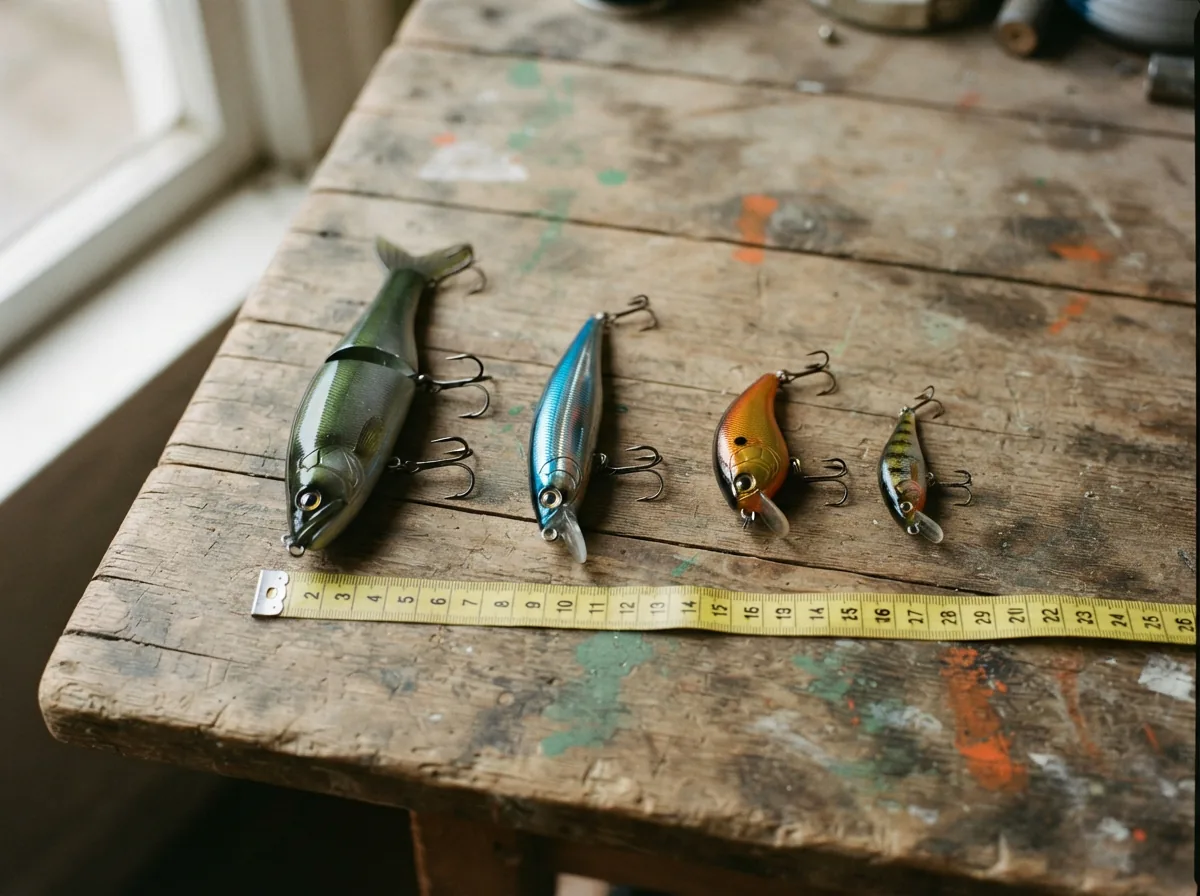
Four fishing lures of different sizes lined up beside a tape measure on a wooden table
Depth rating sets the strike zone

Diving depth is the first filter. A 3.5-foot minnow stays up top near banks, while a 6.5-foot jerkbait reaches the middle column where fish sit when the surface is quiet.

Action decides your retrieve pace

Action sets the retrieve you can fish all day. A steady cranker keeps working without stops; a jerkbait or popper rewards pauses, so choose the rhythm you actually enjoy.

Size should match local baitfish

Size should match what the fish are already chasing. A six-inch swimbait upsizes deliberately, while a 1.5-inch minnow stays honest for finicky or lightly stocked water.

Singles or sets for a first box

Buying singles versus a set changes how you learn. A set gives range to test quickly; singles let you stock the one profile that has already proven itself on your lake.

Know the lure types

Match the lure type to the water you fish

Lures split by what they do in the water: shallow deflectors, pause-and-fetch jerkbaits, surface poppers and baitfish imitators. Pick by cover, depth and retrieve and the choice stops being guesswork.
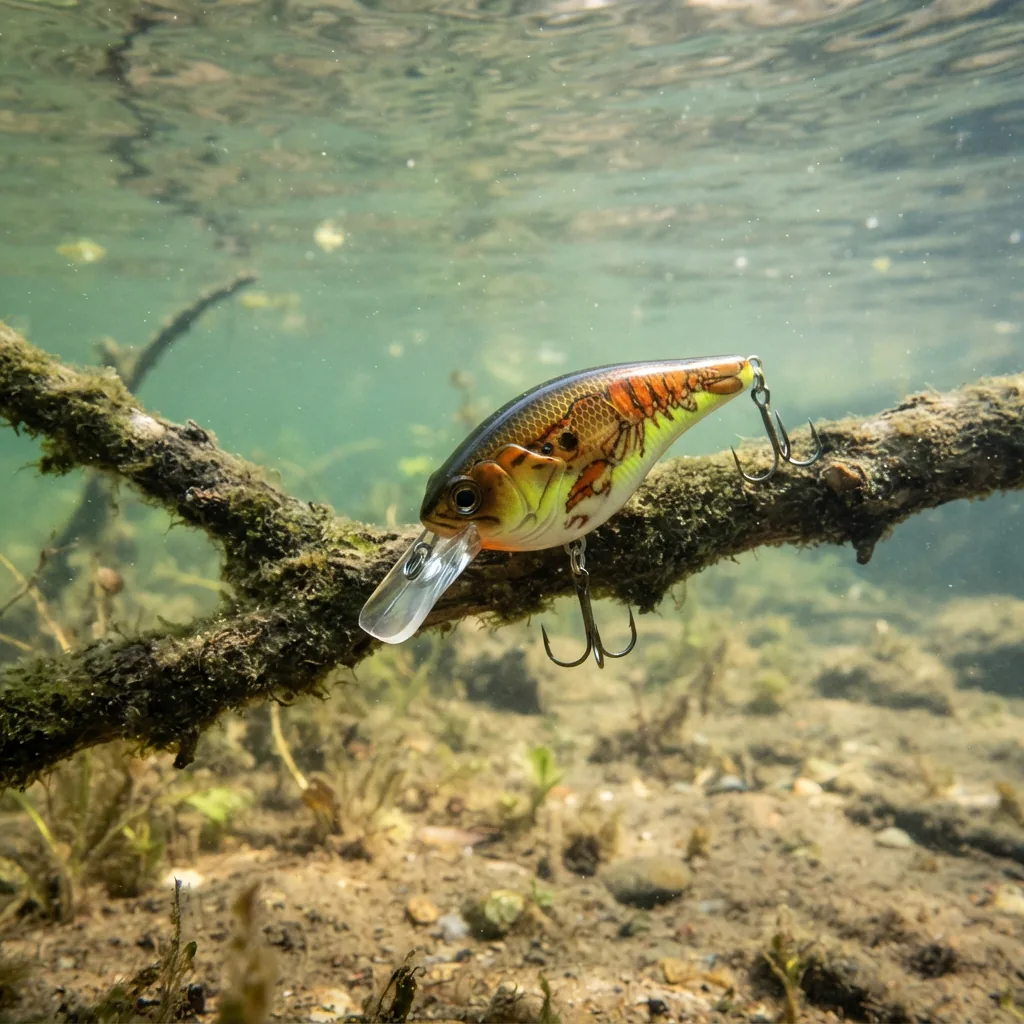
Square bill crankbait resting against a submerged branch in shallow water

Shallow deflecting crankbaits

A square bill deflects off wood and rock instead of snagging, so a steady retrieve keeps moving through shoreline cover. Best when bass hold shallow and you want a lure that forgives an average cast.

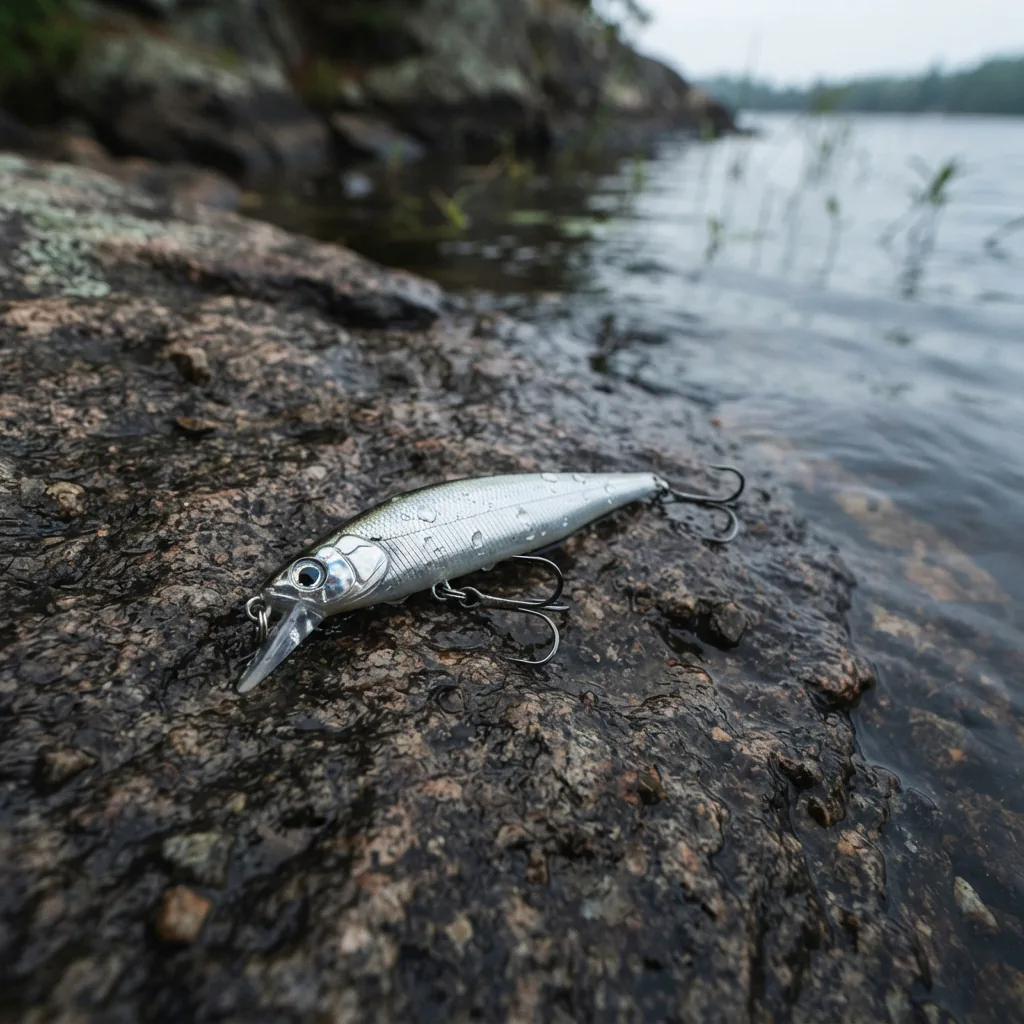
Slender jerkbait lure lying on wet dark rock at the water's edge

Pause-and-go jerkbaits

A jerkbait works depth in bursts, and the pause is where most strikes come. Use it when fish follow but will not commit; a slower cadence gives them time to decide.

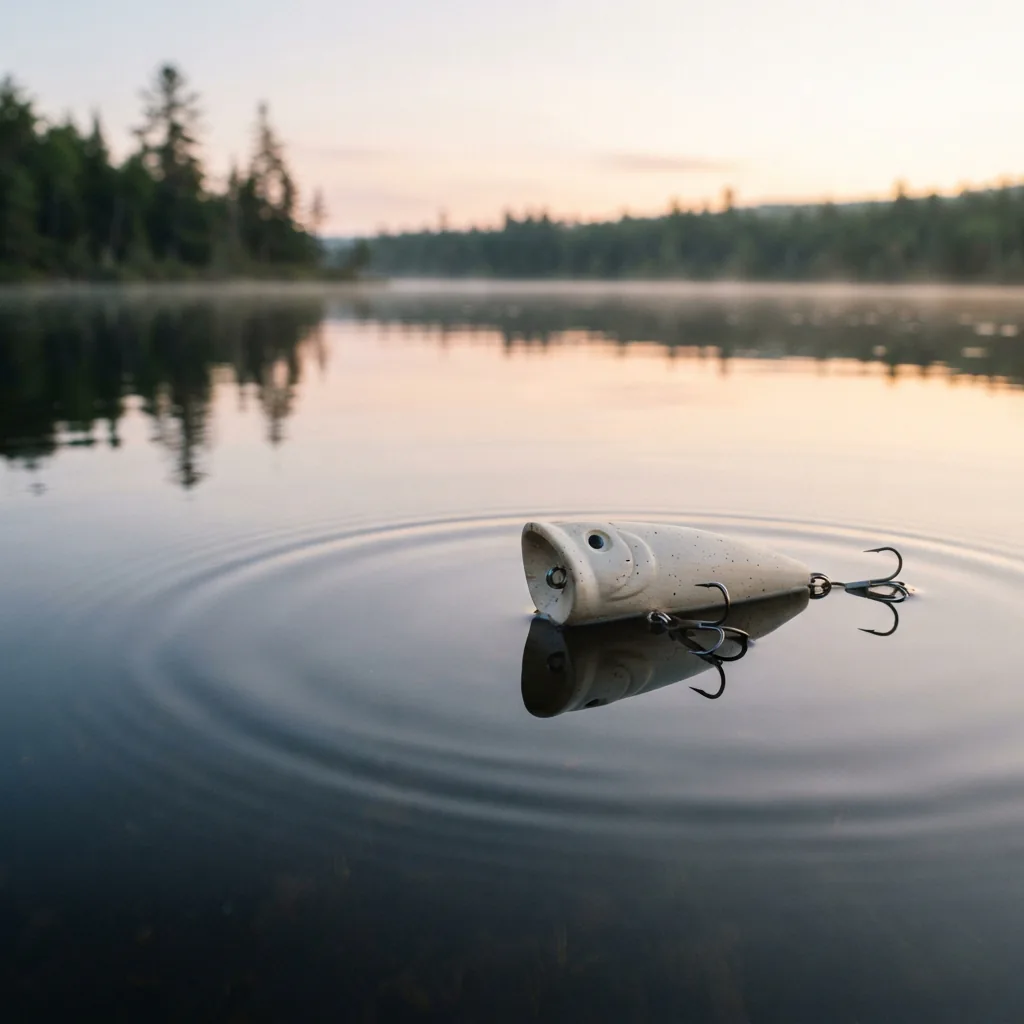
Topwater popper lure floating on a glassy lake at first light

Surface poppers for calm water

A popper disturbs the surface with a splash and a hold, which reads as easy prey in still water. It shines at first light and fades once wind or boat traffic roughs the top.

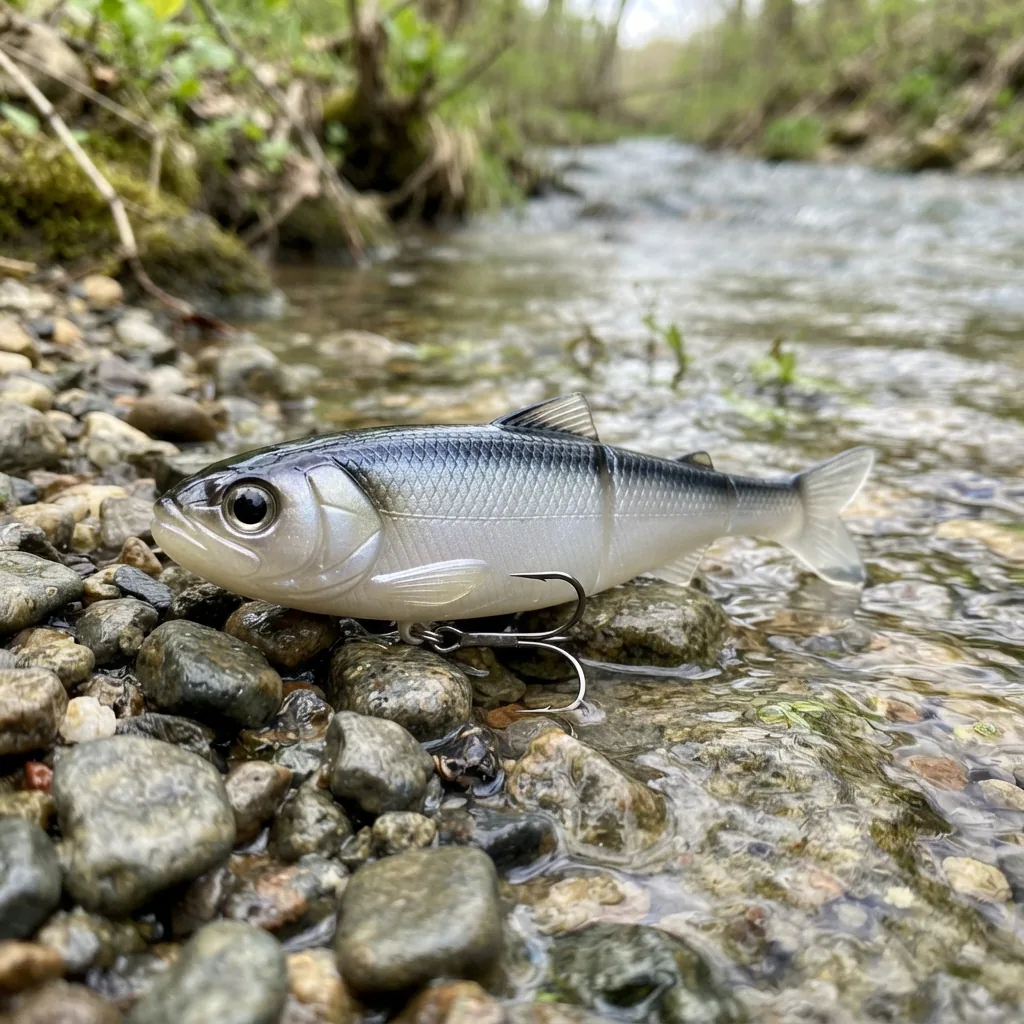
Soft-bodied glide swimbait resting on pebbles beside a clear stream

Baitfish imitators for open water

A glide swimbait or small minnow copies the baitfish already in the lake, so matching size to the hatch matters more than color. Good for covering water at a steady, unhurried pace.

From the water

What a season with budget lures feels like

Shoppers describe the same pattern: buy a few different profiles, fish them honestly, and keep what the lake answers. The accounts below stay at the level of the trip and the tackle box rather than any single lure.
I started the season with an empty tray and a small budget, so I bought several different shapes rather than trusting one lure. Being able to swap every twenty minutes kept me fishing instead of second-guessing. I came home with a clear idea of what my pond actually responds to.
Decorative customer review avatar icon 1
Dana R.
Filled a blank tray without overthinking it
Halfway through a windy afternoon nothing was working, so I slowed down and let the bait sit longer between pulls. The change came from patience more than the gear. When I finally connected, I felt like I had earned it rather than gotten lucky, and that kept me out until dark.
Decorative customer review avatar icon 2
Miles T.
Swapped tactics mid-trip instead of going home
My biggest worry was losing something in the rocks near the bank, and I did lose a couple. It did not ruin the day because the lures were cheap enough to replace. That freedom let me cast into cover I would normally avoid, and the fish were sitting right in it.
Decorative customer review avatar icon 3
Jess O.
Stopped worrying about losing lures in cover
We take a simple spread to the lake with the kids, and the variety keeps everyone busy while we wait. Two of them caught their first fish on a surface lure. I like that a morning like that costs less than a tank of gas and nobody argued about whose turn it was.
Decorative customer review avatar icon 4
Ray K.
Fished with kids and kept everyone busy
Straight answers

Questions worth asking before you buy

Start with the depth you need to reach. A lure rated around 3.5 feet keeps working the upper column near banks and docks, while something nearer 6.5 feet reaches the middle where fish hold when the surface is quiet. Check the stated depth before anything else.
A crankbait runs at a fairly steady depth and is built to bounce off cover, which suits a constant retrieve along wood and rock. A jerkbait works the same column in bursts: pull, slacken, pause. Strikes often come on the pause, so the two ask for different rhythms.
Sets are the cheaper way to find out what your lake answers to, because you can try several profiles before committing. Singles make sense once you know a shape works and want extras. Starting with a set costs less if a few lures end up at the back of the tray.
Clear water tends to reward natural tones such as bone, silver or shad patterns, since fish get a longer look. Stained water is the opposite: brighter finishes stay visible at short range. Match the profile first, then adjust color to the water in front of you.
Most hard baits arrive close, but it is worth a quick check: tie on, drop the lure beside you and see whether it runs straight. A gentle bend of the eye brings it back. A minute of tuning saves a lure that would otherwise spiral out of the strike zone.
Light to medium spinning gear with thin, low-stretch line suits small hard baits and keeps the action honest. A soft-tipped rod helps a popper or jerkbait sit still between pulls. Heavier line dulls the movement, so keep the setup light when the lure is small.
Keep reading

More from Ozark Trail outdoor gear

Hard-sided and soft-sided Ozark Trail coolers arranged on a wooden picnic table at a wooded campsite
Admin
Ozark Trail Cooler

Compare Ozark Trail coolers by size, shape and how you carry them, from hard-sided chests that hold ice for a weekend to soft totes and backpack coolers for a day out. Each option below shows capacity, format and the trip it fits best.


A group of Ozark Trail mountain bikes with front suspension parked on a dirt trailhead, a rider comparing frame sizes beside them
Admin
Ozark Trail Bike

Ozark Trail mountain bikes span hardtails and full suspension builds, sized from young riders to tall adults. Compare fit, suspension, wheels and gears to match your trails and your budget.

Assorted Ozark Trail folding and fixed blade knives arranged on a rustic wooden camp table
Admin
Ozark Trail Knife

This page lines up Ozark Trail knives so you can compare folding and fixed blades, locks, handles and carry options at a glance. Each pick notes what it handles best, from camp prep to a pocket blade you carry daily.

A row of Ozark Trail camping tents of several sizes pitched on a grassy campground with a family walking between them.
Admin
Ozark Trail Tents

Compare Ozark Trail tents by capacity, setup style, weather coverage and packed weight, from solo backpacking shelters to twelve-person family cabins built for drive-up weekend campsites.
