
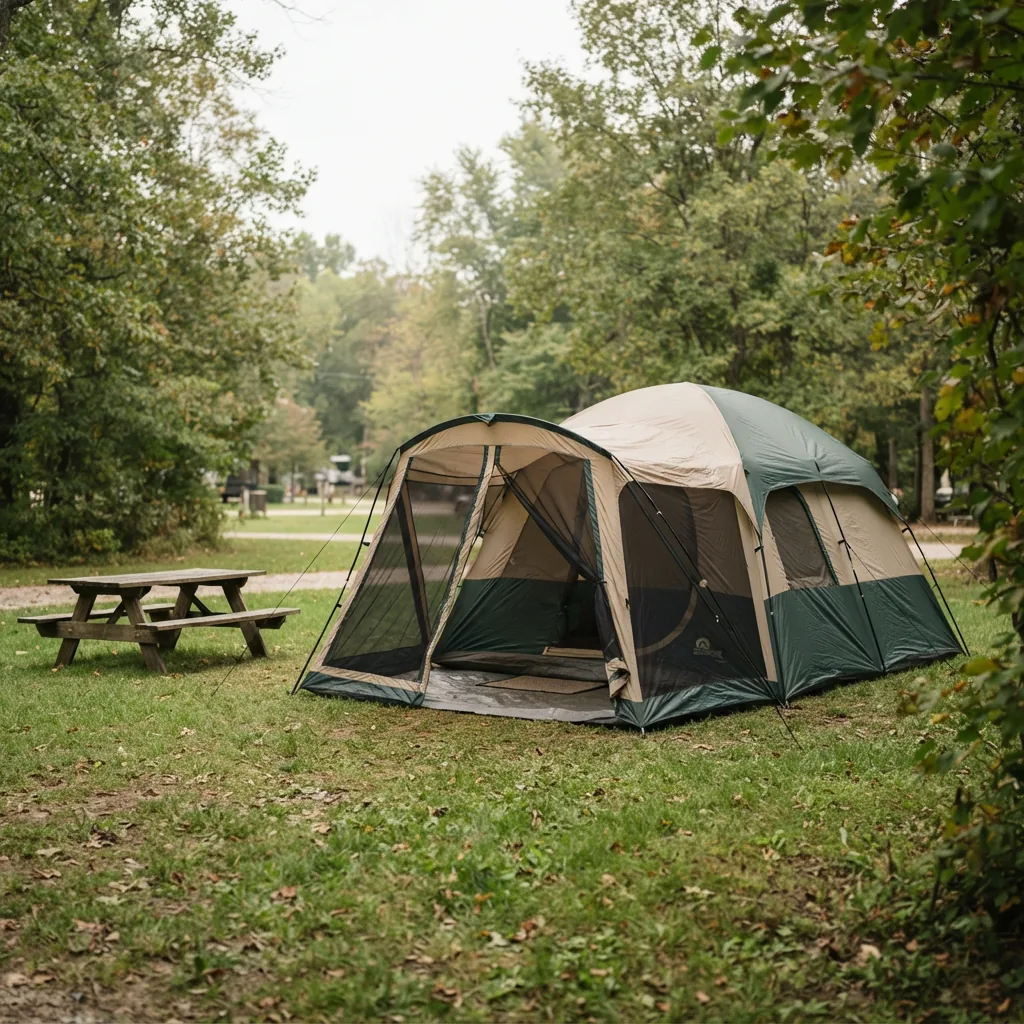





Ozark Trail Dome Tent

This category gathers Ozark Trail dome tents from two-person backpacking shelters up to ten-person family domes. Compare floor size, rainfly coverage, setup style and layout extras like porches, gear lofts and room dividers to settle on the tent that fits your trips.

Four domes for first setups and small groups

Ozark Trail 3-Person Clip & Camp Dome Tent, a Compact First Setup for Pair or Solo Trips

Clip-and-pole setup makes this the quickest small dome to learn: the body clips onto the poles rather than threading through sleeves, so one person can get it standing. The three-person rating fits two sleepers with room for a bag, and the compact floor suits weekend car camping at a price that suits a first kit.

Ozark Trail 4-Person Dome Tent with Full Fly and Vestibule for Wet-Weekend Shelter

The full rainfly is the point of this one. It reaches down over the walls instead of stopping at the roofline, and the vestibule gives you a covered spot for muddy boots and packs. Four campers fit, though most couples use it for two with gear. It suits forecasts that look unsettled and shoppers who still want a fair price.

Ozark Trail Family Dome Tent, 5-Person, 9 ft x 8 ft, with Room to Spread Out at Camp

A 9 ft by 8 ft floor gives a family real room to spread out, and the five-person rating works for parents with kids or three adults plus gear. This is a straightforward campground tent with no dividers and no extras: a simple dome that goes up quickly and keeps the price low enough to justify buying a second one later.

Ozark Trail 10-Person Modified Dome Tent with Screen Porch for Big Family Weekends

For the largest group trips, this modified dome adds a screened porch, giving campers a bug-free sitting area outside the sleeping space. Setup takes longer and wants two or three people, but the payoff is room for ten sleeping pads plus a dry place to sort gear. Car campers who value space over portability get the most from it.

Ozark Trail 2-Person Backpacking Dome Tent, Light and Packable for Short Overnight Hikes

Sized for two sleeping pads, this is the packable option in the range. The two-pole frame goes up without a long learning curve, and the full rainfly keeps light weather off the mesh roof. You trade interior headroom and luxuries for a smaller pack and a lower price, which makes it a sensible first tent for someone camping a few weekends a year.
Popular right now

Roomier domes campers keep choosing

Ozark Trail 6-Person Dome Tent with Gear Loft, Tall Enough to Stand Up and Change

Six people fit, but the real draw is the standing center height and the mesh gear loft overhead. Hanging lanterns, phones and small bags off the floor leaves the sleeping area clear for everyone. Setup is a two-person job with color-coded poles, and the tent is built for warm-weather weekends at established campgrounds rather than backcountry use.

Ozark Trail Instant Dome Tent, 4-Person, Ready in Minutes After a Long Drive at Camp

Pre-attached poles unfold and lock into place, so the shelter is standing in minutes after a long drive. The compact dome shape sheds wind and light rain, and the single door plus mesh panels keep the interior ventilated on mild nights. Expect a heavier pack and less refinement than costlier instant tents in exchange for quick setup at a price that fits a first camping kit.

Ozark Trail 8-Person Two-Room Dome Tent with Divider for Separate Sleeping Space

A divider splits this dome into two rooms, giving parents and kids or two groups their own sleeping areas under one rainfly. Wide door openings make loading gear easier, and mesh panels keep air moving on humid nights. It rewards campers who want space more than they want portability, so plan to leave it pitched at the site all weekend.
Who they suit

Trips these domes are built to handle

From a first family campsite to a solo overnight on the trail, the right dome depends on how many people sleep in it and how far it travels. Weigh the result you want against the trip length, then decide whether space, speed of setup or pack size should win.

First camping kit for a family of four

A mid-size dome keeps the entry price low while giving everyone room to sleep and store bags. Expect a heavier carry and less polish than costlier tents, and you will still have a workable shelter for regular weekends of car camping.

Overnight hikes with a packable shelter

Small two-pole domes pack down small enough to carry on a trail overnight. You give up standing room and easy gear access, and in return you get a light, low-cost shelter for a few nights a year in the backcountry.

Group weekends at an established campground

Large two-room domes and screened porches suit families and friends sharing one site. They reward campers who want separate sleeping areas and a dry sitting space, and they assume you can leave the tent pitched for the whole trip.

Capacity, rainfly coverage, setup time and packed size pull in different directions. Decide which one matters most for your trips, then compare tents within that group rather than chasing the largest floor you can afford.

Four factors that decide which dome tent fits your trips

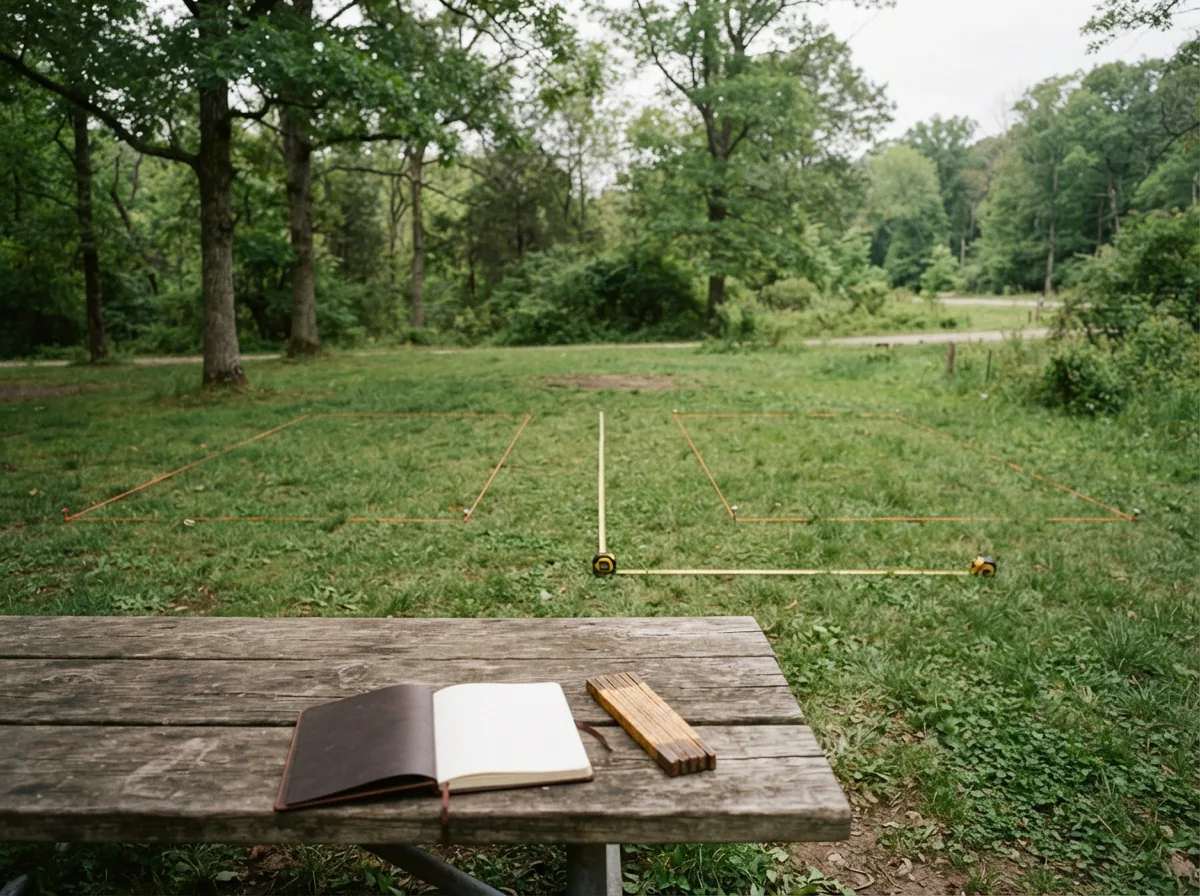
Two rectangular tent footprint outlines marked on grass with a tape measure stretched between them and a notebook on a picnic table in the foreground.
Rated capacity against real livable space

Ratings assume pads placed edge to edge. Two campers who want room for duffels should shop a size up, which is far cheaper in this range than moving to a premium brand.

Rainfly coverage and dry vestibule storage

A full fly reaches past the walls and a vestibule covers wet boots and packs. A partial fly saves money but leaves more mesh exposed when rain comes in from the side.

Setup time after a long drive to the site

Pre-attached instant poles stand in a few minutes, while clip frames and sleeve frames take longer but pack smaller. Fast setup matters most if you often arrive at the campground late.

Packed size balanced against interior headroom

Taller domes and two-room layouts offer standing room and dividers, yet weigh more and pack bulkier. Trail trips favor compact two-pole domes; car camping rewards the extra space.

Find your size

Match dome size and layout to your trip

The range runs from two-person backpacking domes up to eight and ten-person basecamp shelters, and the split point is how far the tent travels. Smaller domes trade headroom for a lighter pack, while the biggest layouts add dividers and porches that only pay off when you drive to the site.
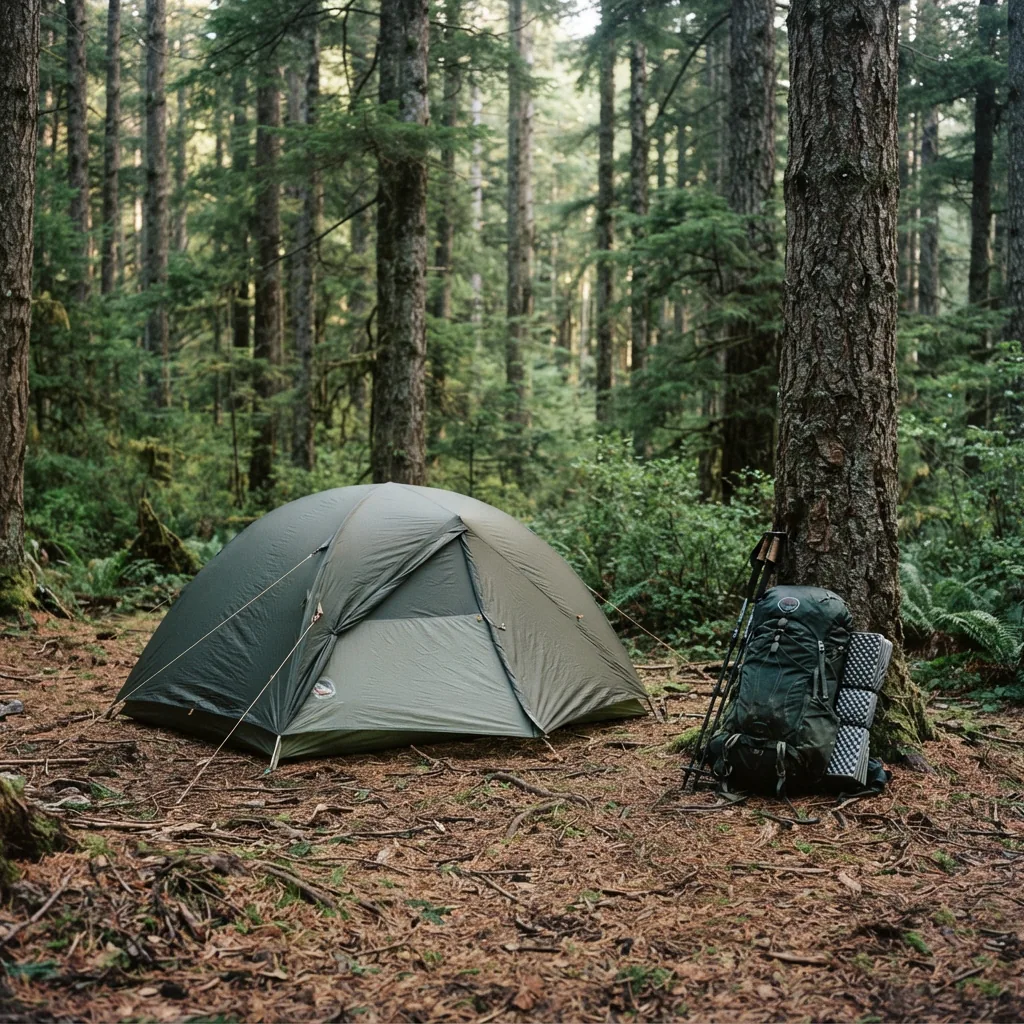
A small two-person backpacking dome tent with a full rainfly pitched on a forest floor beside a loaded backpack.

Two-person backpacking domes

The smallest domes carry two pads and pack down for the trail. Headroom is tight and you will crawl to reach gear, but they suit overnight hikes and first backpacking setups where weight matters more than space.

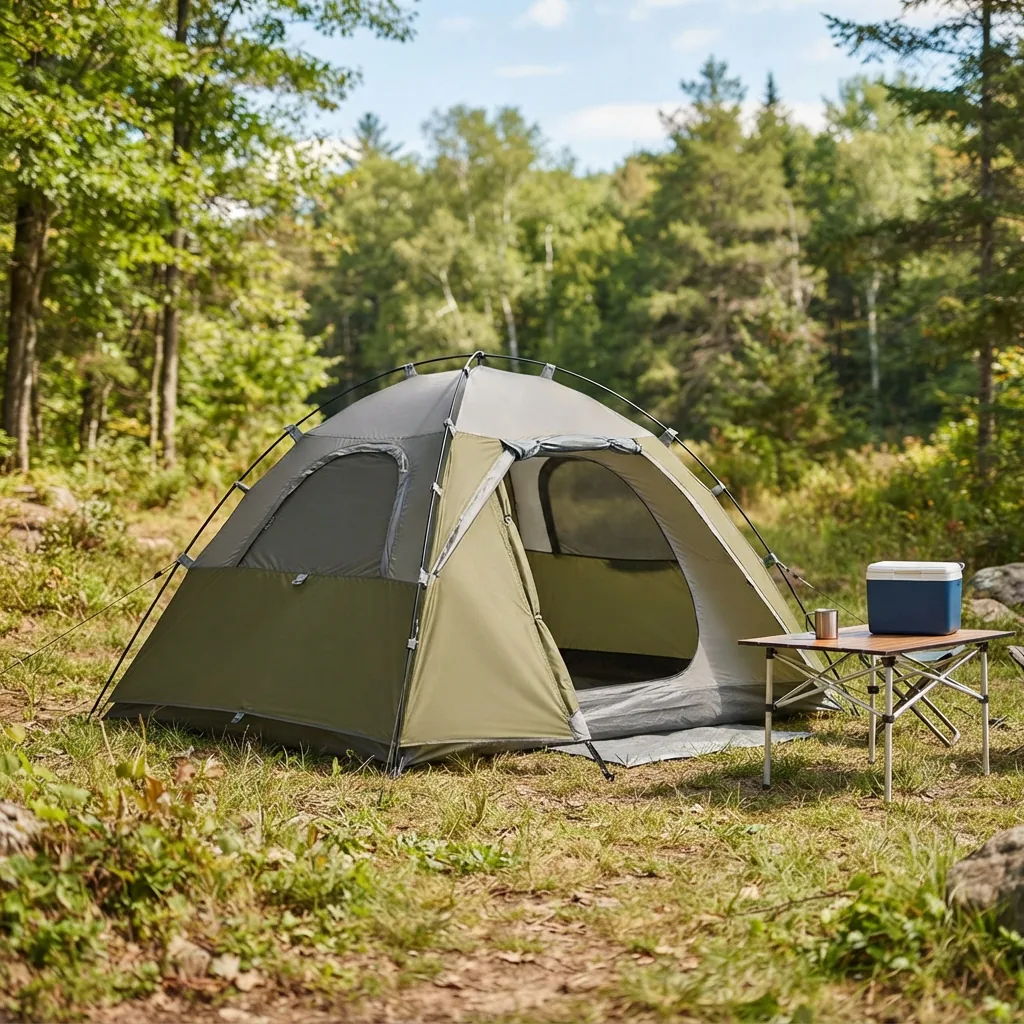
A mid-size four-person dome tent with clip-style poles pitched on a grassy campsite next to a folding table.

Three and four-person weekend domes

Mid-size domes fit couples with gear or small families at a campsite. Several use clip poles or pre-attached frames for faster setup, and a few add a vestibule or full fly for wet weekends.

A family dome tent with a wide floor and tall center pitched at a grassy campground with trees in the background.

Five and six-person family domes

These add floor width and center height, so most campers can stand up and change inside. Look for a gear loft to keep the floor clear, and expect a two-person setup on a warm-weather campground trip.

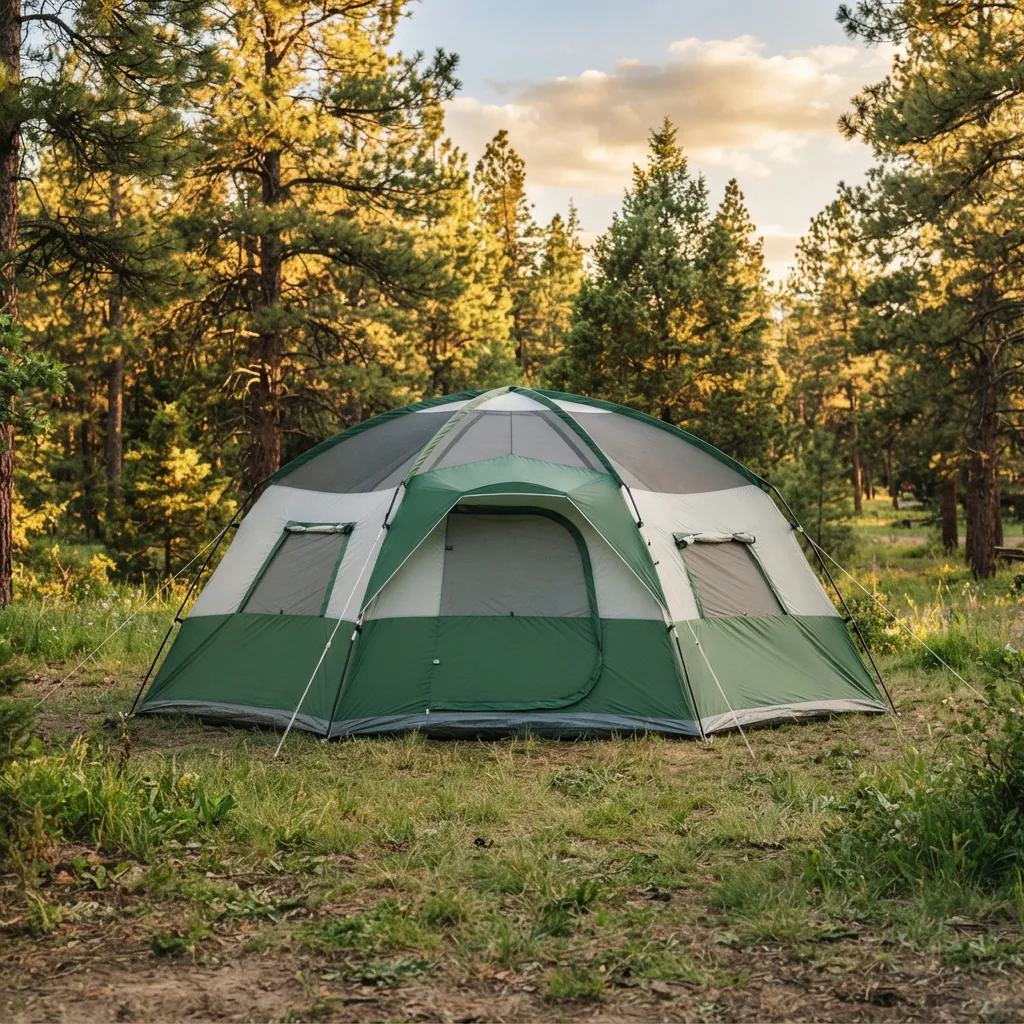
A large basecamp dome tent with a divider and a screened porch area pitched on a roomy grassy campground site.

Eight and ten-person basecamp domes

The largest shelters add two rooms, dividers or a screened porch. They are car-camping tents that stay pitched at the site, and they reward groups that want space more than they want to travel light.

What shoppers report

Weekend trips in their own words

Shoppers describe the same pattern: a value dome gets them through a weekend, sometimes with a soaked wall or a damp tent body before the fly went on. What stays consistent is the feeling that the trade against a costlier tent was worth it for the trips they take.
We drove out on Friday evening and had the dome standing before dinner, which felt like a small victory. Rain came through the night and the floor stayed dry, though one wall needed a second stake to pull the fly taut. I was far less nervous than I expected to be for a first purchase.
Decorative customer review avatar icon 1
Dana M.
First tent purchase, learned as she went
I borrowed a friend's expensive tent for the same weekend and set up mine beside it on the next trip. His was lighter and quicker to pack down. Mine kept the rain out and cost a fraction as much, so I stopped second-guessing the trade-off and started planning the next outing instead.
Decorative customer review avatar icon 2
Chris R.
Compared a value dome against a pricier one
The small dome rode in my pack for a nine-mile day and went up solo in fading light. Headroom was tight and I had to crawl to reach my bag at the far end, but it carried well and stayed dry through a night of light drizzle. Good enough to make me want a second trip.
Decorative customer review avatar icon 3
Jordan P.
Backpacked a small dome on an overnight hike
We unfolded the poles while rain was coming down, and the tent body got damp before the fly went on. Once everything was staked out, our gear stayed usable and we slept fine. The lesson I took home: lay the fly out first and keep a dry towel in the car for situations like that.
Decorative customer review avatar icon 4
M. Alvarez
Set up in steady rain at a campground
Questions before you buy

Practical answers on capacity, weather and setup

Ratings count sleeping pads placed tightly side by side. Most families step up one size for comfort: two adults often choose a four-person, and a family of four often looks at a six-person, so there is somewhere to put bags and boots.
A full rainfly and properly staked guy lines do most of the work. Tents with a full fly and vestibule protect the walls and give dry storage, while partial flies leave more mesh exposed. Stake everything taut and re-tension after the first shower.
Simple two-pole domes go up in ten to twenty minutes once you know the routine, and pre-attached instant poles cut that to a few minutes. Tents rated four people and above are easier with a second person, so plan for a helper if you roll in after dark.
Larger domes are basecamp shelters that stay pitched at the site. The small two-person models are the packable ones, and community reports describe them as light enough for a young person to carry on an overnight hike with a sleeping pad.
A screen porch is a separate bug-free sitting area attached outside the sleeping space, useful on warm evenings at a campground. A gear loft is a mesh shelf hung near the roof that keeps lanterns, phones and small bags off the floor and within reach.
Independent testers call these tents a reasonable buy for short trips while noting they will not last as many years as top-end models. Keep it dry between trips, work the zippers gently and replace a bent pole, and it can cover several years of weekends.
Keep exploring

More Ozark Trail camping gear to compare

Hard-sided and soft-sided Ozark Trail coolers arranged on a wooden picnic table at a wooded campsite
Admin
Ozark Trail Cooler

Compare Ozark Trail coolers by size, shape and how you carry them, from hard-sided chests that hold ice for a weekend to soft totes and backpack coolers for a day out. Each option below shows capacity, format and the trip it fits best.


A group of Ozark Trail mountain bikes with front suspension parked on a dirt trailhead, a rider comparing frame sizes beside them
Admin
Ozark Trail Bike

Ozark Trail mountain bikes span hardtails and full suspension builds, sized from young riders to tall adults. Compare fit, suspension, wheels and gears to match your trails and your budget.

Assorted Ozark Trail folding and fixed blade knives arranged on a rustic wooden camp table
Admin
Ozark Trail Knife

This page lines up Ozark Trail knives so you can compare folding and fixed blades, locks, handles and carry options at a glance. Each pick notes what it handles best, from camp prep to a pocket blade you carry daily.

A row of Ozark Trail camping tents of several sizes pitched on a grassy campground with a family walking between them.
Admin
Ozark Trail Tents

Compare Ozark Trail tents by capacity, setup style, weather coverage and packed weight, from solo backpacking shelters to twelve-person family cabins built for drive-up weekend campsites.
